
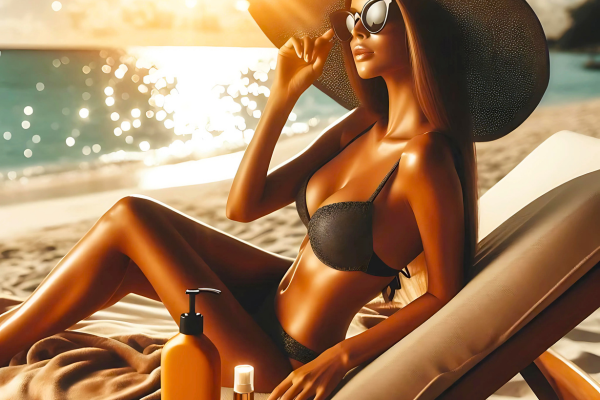
A gorgeous sun-kissed glow can make you look radiant and feel confident, but tanning the right way is crucial to prevent sun damage, premature aging, and skin dehydration. Whether you’re tanning at the beach, poolside, or in your backyard, following a structured tanning routine will help you achieve an even, long-lasting glow while keeping your skin healthy.
In this guide, we’ll walk you through a 10-step ultimate tanning routine to get bronzed safely, plus essential skincare tips and recommended products to maintain your glow.
Step 1: Prep Your Skin for an Even Tan
Achieving a flawless tan starts before you even step into the sun. Preparing your skin properly ensures an even, streak-free glow that lasts longer.
✔ Exfoliate: Use a gentle body scrub or dry brush to remove dead skin cells. This prevents patchiness and uneven tanning.
✔ Hydrate Your Skin: Moisturized skin absorbs UV rays evenly. Drink plenty of water and use a lightweight, non-greasy moisturizer before tanning.
✔ Boost Skin Health from Within: Taking skin-supporting supplements like PrimeBiome – Doctor-Endorsed Skin-Gut Gummies can help improve skin hydration and elasticity, making your tan look even more radiant.
Step 2: Choose the Right Sunscreen & Tanning Oil
Many people think sunscreen prevents tanning, but it actually protects your skin while allowing you to tan gradually and safely.
✔ Use broad-spectrum sunscreen (SPF 30-50) to prevent burns.
✔ Apply a tanning oil with SPF to enhance melanin production while staying protected.
✔ Reapply every 1-2 hours to maintain protection.
Recommended: A reef-safe sunscreen like Sun Bum SPF 30 Sunscreen offers UVA/UVB protection while being gentle on the skin.
Step 3: Follow a Structured Tanning Schedule
To achieve an even tan, rotate your body at timed intervals. Here’s a balanced tanning schedule:
🌞 Tan Front for 10 Minutes
🌞 Tan Back for 10 Minutes
🌊 Take a swim (helps cool the skin and prevent overheating)
🌞 Reapply sunscreen & tanning oil
🌞 Tan Front for 20 Minutes
🌞 Tan Back for 20 Minutes
🍉 Take a Hydration & Snack Break (Eating water-rich fruits like watermelon, cucumber, and oranges keeps your skin hydrated)
🌞 Tan Front for 10 Minutes
🌞 Tan Back for 10 Minutes
🌞 Tan Front for 5 Minutes
🌞 Tan Back for 5 Minutes
Pro Tip: If you’re tanning at the beach, bring a large sun hat and sunglasses to protect your face while your body tans.
Step 4: Stay Hydrated & Nourished
Tanning can dehydrate your skin, so it’s essential to stay hydrated inside and out.
✔ Drink at least 2 liters of water during your tanning session.
✔ Eat skin-friendly foods rich in antioxidants, like berries, avocados, and green tea.
✔ Consider collagen-boosting supplements like Neotonics Skin-Gut Gummies to promote skin elasticity and hydration.
Step 5: Post-Tanning Skincare Routine
Your skin is extra sensitive after tanning, so taking care of it will help maintain your glow and prevent dryness.
✔ Cool down with a lukewarm shower (avoid hot water)
✔ Apply a soothing body lotion with aloe vera or shea butter
✔ Moisturize your face with a hydrating cream to prevent peeling
✔ Use a cooling face mask to calm sun-exposed skin
Recommended: Try Hawaiian Tropic After Sun Lotion, enriched with aloe vera and coconut oil to restore moisture.
Step 6: Avoid Sunburn & Skin Damage
Even with careful tanning, prolonged sun exposure can lead to sunburns. If you notice redness or irritation:
🔥 Apply cold aloe vera gel to soothe the skin
🔥 Use a cooling sheet mask for instant relief
🔥 Drink green tea—its antioxidants help repair sun damage
🔥 If necessary, take a cool oatmeal bath to reduce inflammation
Step 7: Extend Your Tan with Proper Skincare
To make your tan last longer without peeling, follow these tips:
✔ Moisturize daily to keep skin soft and prevent flaking
✔ Avoid harsh exfoliators for at least a week
✔ Use tan-extending lotions with ingredients like coconut oil & vitamin E
Pro Tip: Avoid chlorine and saltwater too frequently, as they can cause your tan to fade faster.
Step 8: Protect Your Lips & Eyes
Your lips and under-eye area are extra sensitive to sun exposure.
✔ Use an SPF lip balm to prevent dryness and cracking
✔ Wear UV-protection sunglasses to shield your eyes from harsh sun rays
Recommended: Try Banana Boat Aloe Vera Lip Balm SPF 45 for hydration and sun protection.
Step 9: Opt for Tanning Alternatives (If Needed)
If you want a bronzed glow without sun exposure, consider:
🌟 Self-Tanning Lotions – DHA-based lotions that develop color over time
🌟 Tanning Drops – Mix with moisturizer for a custom glow
🌟 Spray Tans – Professional sunless tanning for streak-free results
Recommended: Bondi Sands Self-Tanner gives a natural, streak-free tan with a coconut scent.
Step 10: Maintain a Healthy Lifestyle for Radiant Skin
Beautifully tanned skin looks best when it’s healthy from the inside out. Maintain a glowing complexion by:
✔ Eating a balanced diet rich in omega-3s and vitamins A & E
✔ Following a structured fitness routine, such as Hyperbolic Stretching 4.0, to keep your body toned and skin firm
✔ Avoiding excess caffeine, alcohol, and smoking, which can dry out your skin
Final Thoughts
A perfect tan isn’t just about sun exposure—it’s about proper skincare, hydration, and sun safety. By following this ultimate tanning routine, you’ll achieve a beautiful, bronzed glow without compromising your skin’s health.
Frequently Asked Questions
How long should I tan each day to get a sun-kissed glow?
It depends on your skin type. For fair skin, start with 10–15 minutes per side and gradually increase. Medium to darker skin tones can tan for 20–30 minutes per side while using SPF.
Does sunscreen prevent tanning?
No, sunscreen does not stop tanning; it protects your skin from sunburn and damage. Using SPF 30-50 allows you to tan safely without risking premature aging or skin cancer.
How can I make my tan last longer?
To extend your tan, moisturize daily, avoid hot showers, and use tan-extending lotions with coconut oil, vitamin E, or aloe vera. Drinking plenty of water and eating antioxidant-rich foods also helps.
What is the best tanning oil to use?
A natural tanning oil with SPF is ideal. Look for oils containing coconut, carrot seed, or avocado oil for added hydration and an enhanced glow.
How often should I reapply sunscreen while tanning?
Reapply sunscreen every 1-2 hours and immediately after swimming or sweating to maintain protection.
Can I tan if I have sensitive skin?
Yes, but use a mineral-based sunscreen (like zinc oxide) and limit sun exposure to short sessions. Gradual tanning is safer for sensitive skin types.
Is there a best time of day to tan?
The safest time to tan is before 10 AM and after 4 PM, when UV rays are less intense. Avoid peak hours (10 AM–4 PM) to reduce sun damage and burns.
What should I do if I get a sunburn?
If you accidentally burn, apply aloe vera gel, drink plenty of water, and use a cooling moisturizer with chamomile or cucumber. Avoid exfoliating until your skin heals.
Can I still tan on cloudy days?
Yes! UV rays penetrate clouds, so you can still tan. However, you may not notice the effects immediately, and overexposure can lead to burns if you skip sunscreen.
What are the best alternatives to sun tanning?
For a safe, UV-free glow, consider self-tanning lotions, bronzing drops, or professional spray tans. Products like Bondi Sands Self-Tanner give a natural, streak-free glow without sun exposure.
Discover more from innerspiritglow
Subscribe to get the latest posts sent to your email.