

In the realm of natural wellness, few practices have stood the test of time quite like coconut oil pulling. With roots in ancient Ayurvedic medicine, this simple yet powerful oral detox ritual is making a global comeback—thanks to its impressive range of benefits for oral and overall health. From whitening teeth to eliminating bad breath and boosting gum strength, coconut oil pulling is a gentle, chemical-free alternative to conventional mouthwashes and whitening strips.
If you’re curious about how swishing oil in your mouth could transform your dental routine, this guide will walk you through the 7 incredible benefits of coconut oil pulling, backed by both tradition and emerging research.
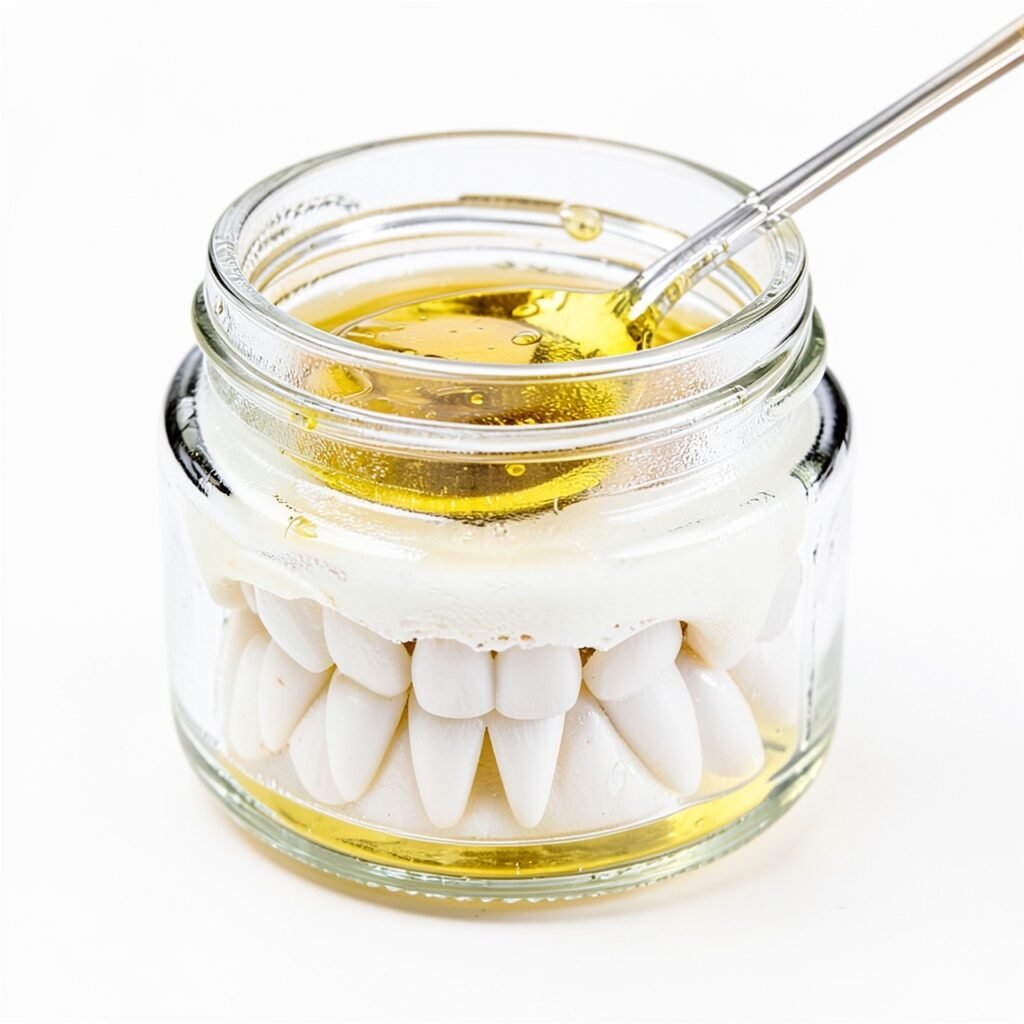
What Is Coconut Oil Pulling?
Oil pulling involves swishing a tablespoon of oil—typically cold-pressed organic coconut oil—in your mouth for 15 to 20 minutes, ideally first thing in the morning. The oil acts like a magnet, binding to bacteria, toxins, and debris hiding in your gums, between your teeth, and on your tongue.
Unlike chemical mouthwashes that may disrupt the oral microbiome, coconut oil offers a gentler approach. It’s rich in lauric acid, a natural antimicrobial known to combat harmful bacteria while supporting the beneficial ones.
1. Naturally Whitens Teeth
Stained teeth are often caused by plaque buildup, coffee, tea, and poor oral hygiene. Coconut oil pulling helps remove surface stains and biofilm by binding to and pulling out debris and bacteria, which dull the enamel’s natural brightness.
In fact, users often notice a subtle yet noticeable whitening effect after just a few weeks of consistent use—without the sensitivity that comes with peroxide-based whiteners. Think of it as a polish for your smile that gets better over time.
2. Prevents Cavities and Tooth Decay
Cavities develop when harmful bacteria like Streptococcus mutans feed on food particles and produce acid that erodes enamel. Coconut oil’s antimicrobial properties reduce these bacteria, thereby decreasing the risk of decay.
A small clinical study published in the Journal of Contemporary Dental Practice found that oil pulling significantly reduced S. mutans counts in saliva within two weeks. Regular practice may act as a preventive measure when paired with brushing and flossing.
3. Eliminates Bad Breath (Halitosis)
Persistent bad breath is often a sign of bacterial overgrowth in the mouth. Unlike minty mouthwashes that mask odor, coconut oil pulling tackles the root cause: microbial imbalance.
Lauric acid in coconut oil neutralizes odor-causing bacteria and helps maintain a cleaner, more balanced oral environment. It’s especially effective when done in the morning, when bad breath tends to peak due to overnight bacterial activity.
4. Strengthens Teeth, Gums, and Jaw
Oil pulling isn’t just about surface cleaning—it’s also about stimulating the tissues that support oral health. The act of swishing increases circulation in the gums and jaw muscles, which can contribute to stronger, more resilient structures.
Additionally, many users report reduced gum sensitivity and bleeding over time. For those with early signs of gingivitis or gum inflammation, oil pulling may offer gentle support alongside professional care.
5. Soothes Sore Throats and Dry Mouth
Because of its soothing, lubricating properties, coconut oil can provide relief for sore throats and dry mouth. Its anti-inflammatory effects may reduce irritation caused by allergies, mild infections, or dehydration.
Swishing oil coats the mouth and throat, creating a protective barrier that locks in moisture and helps calm discomfort. It’s a particularly useful ritual during flu season or for individuals who breathe through the mouth during sleep.
6. Heals Cracked Lips
Dry, cracked lips are often a reflection of dehydration and exposure to environmental stressors. While most people treat the symptom topically, coconut oil pulling works from within.
The oil not only hydrates the mouth but also delivers nutrients like vitamin E and essential fatty acids to the delicate skin around the lips. This leads to softer, more resilient lips over time—without the need for petroleum-based balms.
7. Detoxifies the Body
While scientific studies on whole-body detoxification through oil pulling are still limited, anecdotal evidence and traditional Ayurvedic principles suggest it plays a role in systemic health.
The mouth is home to millions of bacteria—some of which can contribute to inflammation, digestive issues, and even cardiovascular disease if allowed to thrive unchecked. By reducing the microbial load in the mouth, oil pulling supports the body’s natural detox pathways and may indirectly benefit immune health.
How to Do Coconut Oil Pulling: A Step-by-Step Guide
- Start first thing in the morning, before eating or brushing.
- Place 1 tablespoon of organic, cold-pressed coconut oil in your mouth.
- Swish slowly and gently for 15–20 minutes. Avoid gargling or swallowing.
- Spit the oil into a trash bin (not the sink—it can clog pipes).
- Rinse with warm water and brush your teeth as usual.
Frequency: 3–5 times a week is ideal for most people. Beginners can start with 5–10 minutes and gradually increase as they build tolerance.
Precautions & Best Practices
- Not a substitute for brushing or flossing—use it as a complementary practice.
- Avoid swishing too hard, which can cause jaw fatigue.
- If you’re allergic to coconut oil, try sesame or sunflower oil instead.
- For those with dental issues or infections, consult your dentist before starting.
Final Thoughts
Coconut oil pulling is more than a wellness trend—it’s a time-tested, low-cost, and side-effect-free addition to your oral hygiene routine. Whether you’re aiming for a brighter smile, fresher breath, or stronger gums, the benefits speak for themselves.
By committing just 15 minutes a few times a week, you may notice not just oral improvements, but a subtle shift in how fresh and energized you feel each morning. Give this natural practice a try—and let your smile shine the way nature intended.
Also, read👉🏻 Banana Peel Teeth Whitening: 3 Easy Steps for a Bright Smile!
Frequently asked questions
How often should I do coconut oil pulling?
For optimal results, coconut oil pulling should be done 3–5 times a week, preferably in the morning before eating or brushing. Beginners can start with 2–3 times a week and gradually increase frequency based on comfort.
Can coconut oil pulling replace brushing and flossing?
No, oil pulling is not a substitute for brushing or flossing. It should be used as a complementary practice to your existing oral hygiene routine. Regular brushing and flossing are essential for thorough dental care.
How long should I swish the oil in my mouth?
Swish the oil for 15–20 minutes to allow enough time for the oil to bind with bacteria and toxins. If you’re new to oil pulling, start with 5–10 minutes and increase the duration gradually.
What type of coconut oil is best for oil pulling?
Use cold-pressed, organic, virgin coconut oil. It contains the highest concentration of lauric acid, which has strong antimicrobial properties. Avoid refined or hydrogenated oils, as they lack the beneficial nutrients.
Can coconut oil pulling really whiten teeth?
Yes, over time, regular oil pulling can help remove surface stains and reduce plaque, making your teeth appear whiter. However, results vary and it may not be as dramatic or immediate as chemical whiteners.
Is it safe to swallow the oil after pulling?
No, do not swallow the oil. After swishing, the oil is full of bacteria, toxins, and debris from your mouth. Always spit it into a trash can (not the sink) and rinse your mouth thoroughly.
Can oil pulling cause any side effects?
Oil pulling is generally safe. However, swishing too vigorously can lead to jaw fatigue or soreness. If you experience nausea or discomfort, reduce the time or frequency. People with coconut allergies should avoid using coconut oil.
When will I start seeing results from oil pulling?
Some users report fresher breath and a cleaner mouth within a few days. Visible benefits like whiter teeth and improved gum health typically become noticeable after 2–4 weeks of consistent practice.
Is coconut oil pulling effective for gum disease or gingivitis?
Coconut oil’s antimicrobial and anti-inflammatory properties may help reduce gum inflammation and bleeding, especially in early stages of gingivitis. However, it’s important to seek professional dental care for advanced gum disease.
Can children or pregnant women do oil pulling?
Oil pulling is generally safe, but children under 5 may not be able to swish safely and should avoid it. Pregnant or breastfeeding women should consult their healthcare provider before starting any new health practice, including oil pulling.
Discover more from innerspiritglow
Subscribe to get the latest posts sent to your email.
Heard about lcggame, finally gave it a shot. It’s alright, nothing groundbreaking, but a solid option. Give it a go, yeah? Look at lcggame.
okebet3 https://www.okebet3u.org
[7410]789clu | Link vào tải app và chơi slots nổ hũ uy tín,789clu cung cấp link vào chính thức để tải app nhanh chóng. Trải nghiệm cách chơi baccarat online và nạp tiền casino qua momo tiện lợi. Tham gia ngay hôm nay! visit: 789clu