
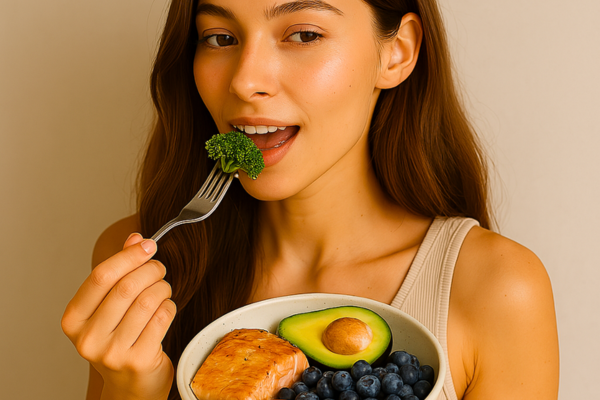
Lustrous, strong, and healthy hair isn’t just the result of good hair care products—it starts with what’s on your plate. Your hair is a reflection of your internal health, and diet plays a powerful role in maintaining its growth, texture, and shine. If you’re looking for a natural way to boost hair health, nourishing it from the inside out with the right foods is a smart place to begin.
In this article, we explore 9 of the best foods for healthy hair—nutrient-rich, accessible, and delicious. Let’s dive into what your hair truly craves.

1. Spinach – The Iron-Packed Green for Strong Roots
Spinach is a leafy green powerhouse brimming with iron, folate, and vitamins A and C. These nutrients are vital for maintaining healthy blood flow to the scalp and supporting hair follicle function.
- Why it matters: Iron deficiency is one of the leading causes of hair loss, especially in women.
- Bonus tip: Combine spinach with vitamin C-rich foods like lemon or bell peppers to enhance iron absorption.
Whether added to smoothies, curries, or salads, spinach is a versatile ally in your hair health journey.
2. Avocados – Creamy Goodness Full of Vitamin E
Avocados are not just Instagram-worthy—they’re incredibly beneficial for your hair. They’re loaded with vitamin E, a powerful antioxidant that supports scalp circulation and maintains the integrity of hair follicles.
- Why it matters: Vitamin E combats oxidative stress, which can weaken hair growth cycles.
- Extra perk: Avocados also supply essential fatty acids, which keep your hair hydrated and glossy.
Enjoy them in guacamole, toast toppings, or blended into hair-nourishing smoothies.
3. Salmon – Omega-3s for Scalp Health and Shine
This oily fish is rich in omega-3 fatty acids, protein, and B vitamins—all of which contribute to a nourished scalp and strong hair strands.
- Why it matters: Omega-3s reduce inflammation and help support the skin barrier, which includes your scalp.
- Vegetarian alternative: Flaxseeds, chia seeds, or walnuts also offer plant-based omega-3s.
Include salmon in your meals at least twice a week for noticeable results in scalp health and hair strength.
4. Eggs – Protein and Biotin to Power Growth
Eggs are a complete protein source and a top dietary source of biotin—both essential for keratin production, the structural protein in hair.
- Why it matters: Low biotin levels have been linked to hair thinning and breakage.
- Eggs also deliver: Vitamin D and selenium, supporting follicle health.
A boiled egg a day can go a long way in supporting natural hair growth.
5. Berries – Nature’s Antioxidant Boosters
Berries like strawberries, blueberries, and blackberries are loaded with vitamin C, which supports collagen production and protects hair follicles from free radical damage.
- Why it matters: Vitamin C aids iron absorption and helps maintain the strength of the hair shaft.
- Did you know? Collagen is essential for maintaining scalp elasticity and preventing breakage.
Add a handful to your breakfast bowl or enjoy as a mid-day snack.
6. Sweet Potatoes – Beta-Carotene for Scalp Nourishment
Sweet potatoes are a rich source of beta-carotene, which the body converts into vitamin A—essential for scalp health and sebum production.
- Why it matters: A dry scalp and lifeless hair are often signs of vitamin A deficiency.
- Moderation tip: Too much vitamin A, especially from supplements, can contribute to hair loss—natural food sources are safest.
Roasted, mashed, or baked—sweet potatoes are as delicious as they are beneficial.
7. Nuts – Small Packages, Big Benefits
Almonds, walnuts, and cashews pack a nutritional punch with B vitamins, zinc, and essential fatty acids.
- Why it matters: B vitamins like biotin help convert food into energy, fueling follicle activity.
- Zinc role: Supports the oil glands around hair follicles, keeping them nourished.
A small daily handful can significantly improve hair texture and reduce breakage over time.
8. Seeds – Tiny Superfoods with Mega Hair Power
Don’t underestimate seeds like sunflower, pumpkin, and flax—they’re rich in vitamin E, zinc, and selenium.
- Why it matters: These nutrients reduce oxidative stress and promote faster hair regeneration.
- Best use: Sprinkle over oats, yogurt, or salads.
They’re especially valuable for those on plant-based diets who need non-animal sources of these vital minerals.
9. Beans – Affordable and Packed with Protein
Beans are a plant-based source of protein, iron, zinc, and biotin—nutrients essential for hair growth and repair.
- Why it matters: The protein in beans helps strengthen the hair structure and prevent excessive shedding.
- Bonus: Beans are also rich in fiber, which aids overall digestion and nutrient absorption.
Include chickpeas, lentils, kidney beans, or black beans in soups, stews, or as salad toppers.
Bonus Tips for Hair-Boosting Nutrition
While eating the right foods is essential, how you consume them and your overall lifestyle matters too:
- Stay hydrated to ensure nutrients reach your hair follicles effectively.
- Avoid crash diets, which can cause sudden hair loss.
- Eat a balanced diet—no single food is a miracle cure.
- Consult a professional if you’re experiencing persistent hair thinning or loss.
Final Thoughts
These 9 best foods for healthy hair don’t just help you achieve thicker, shinier locks—they also support overall well-being. By incorporating a variety of these nutrient-dense options into your daily meals, you give your hair the foundation it needs to grow and thrive naturally.
Remember, consistent, wholesome eating habits beat temporary fixes every time. So go ahead—love your hair from within, one delicious bite at a time!
Also, read👉🏻 8 Best Foods for Hair Growth & Strong, Healthy Strands!
Frequently asked questions
Can eating certain foods really improve my hair health?
Yes, absolutely! A well-balanced diet rich in essential vitamins and minerals, such as iron, vitamin C, biotin, omega-3 fatty acids, and protein, can promote healthier hair growth, strengthen hair strands, and improve texture. Foods like spinach, salmon, and eggs are particularly beneficial for hair health.
How long will it take to see results from these foods?
Hair growth takes time, and results may vary depending on individual factors like genetics and lifestyle. However, you may start noticing improvements in your hair’s strength and texture within a few weeks to a few months of consistently incorporating these foods into your diet.
Are these foods suitable for all hair types?
Yes! These foods are beneficial for all hair types—whether you have curly, straight, dry, oily, or color-treated hair. Since they nourish the scalp and strengthen hair follicles, they can improve the health and appearance of any hair type.
Can I take supplements instead of eating these foods?
While supplements can be helpful in certain situations, it’s always better to get nutrients from whole foods. Whole foods provide a broader range of nutrients, including fiber and other micronutrients, which supplements might not offer. However, if you have specific deficiencies, it’s a good idea to consult with a healthcare provider.
How much of these foods should I eat daily for healthy hair?
There’s no one-size-fits-all answer, but incorporating these foods into a balanced diet is key. For example, aim for at least 2–3 servings of omega-3-rich foods like salmon per week, and a handful of nuts or seeds daily. Aim for variety to ensure you’re getting a full spectrum of hair-boosting nutrients.
Can these foods prevent hair loss?
While these foods can support healthy hair growth, prevent damage, and improve hair texture, they cannot completely prevent hair loss caused by factors like genetics, hormonal imbalances, or medical conditions. If you’re experiencing significant hair loss, it’s best to consult a doctor or dermatologist for a personalized plan.
What if I’m vegetarian or vegan?
No worries! There are plenty of plant-based alternatives for these foods. For example, you can get omega-3s from flaxseeds and walnuts, protein from beans and lentils, and biotin from avocados and sweet potatoes. Make sure your diet is rich in diverse plant-based nutrients to support your hair health.
Can drinking water also help with hair health?
Yes, staying well-hydrated is crucial for overall health, including hair health. Water helps deliver nutrients to your hair follicles and promotes a healthy scalp, reducing dryness and promoting shine. Aim to drink plenty of water throughout the day for optimal hair and skin health.
Are there any foods I should avoid for healthier hair?
Certain processed foods, high in sugar, trans fats, and refined carbohydrates, can negatively impact your hair and overall health. These foods may lead to inflammation and hormonal imbalances, which can contribute to hair thinning. Focus on whole, nutrient-dense foods for the best results.
Can I expect my hair to grow faster by eating these foods?
While these foods provide the nutrients your hair needs to grow optimally, they do not accelerate hair growth dramatically. Healthy hair growth is a gradual process, but proper nutrition can help ensure your hair grows at its healthiest rate.
Discover more from innerspiritglow
Subscribe to get the latest posts sent to your email.
Gotta say, 333bet4 is a solid choice. Been having some good fun there! Give it a go: 333bet4
okebet4 https://www.okebet4u.com
I’ve tried a few sites lately but this one is really smooth. The games load fast and the payouts are fair. Definitely my new favorite spot! phjili588
I’ve tried a few sites lately but this one feels the smoothest. The payouts are quick and the interface is very user friendly. Highly recommend checking out phjiliuno if you love slots.
Finally found a platform that doesn’t lag during the peak hours. The interface is super intuitive for new players. Great job on ph85ph!
Honestly one of the smoothest apps I have tried lately. Fast payouts and the interface is very friendly for beginners. Definitely check out phtg7776 if you want a fair game.