
Key Takeaways
- Not a GLP-1 Agonist: Unlike Ozempic, Rice-Zempic does not mimic the GLP-1 hormone; it relies on mechanical satiety and resistant starch.
- The Resistant Starch Factor: Cooling the rice water is critical to creating retrograde starch, which acts as a prebiotic to improve gut health.
- Food Safety Warning: Improperly stored rice water carries a high risk of Bacillus cereus toxicity (‘Fried Rice Syndrome’).
- Cost Efficiency: A 30-day supply costs approximately $5, compared to $1,000+ for pharmaceutical interventions.
- The Recipe: The standard protocol requires unwashed or lightly rinsed rice, steeped for 30 minutes to overnight, mixed with lime juice.
- Results Vary: Weight loss is primarily driven by caloric restriction and hydration, not a metabolic switch.
- Expert Verdict: A viable gut-health supplement, but not a medical substitute for anti-obesity drugs.
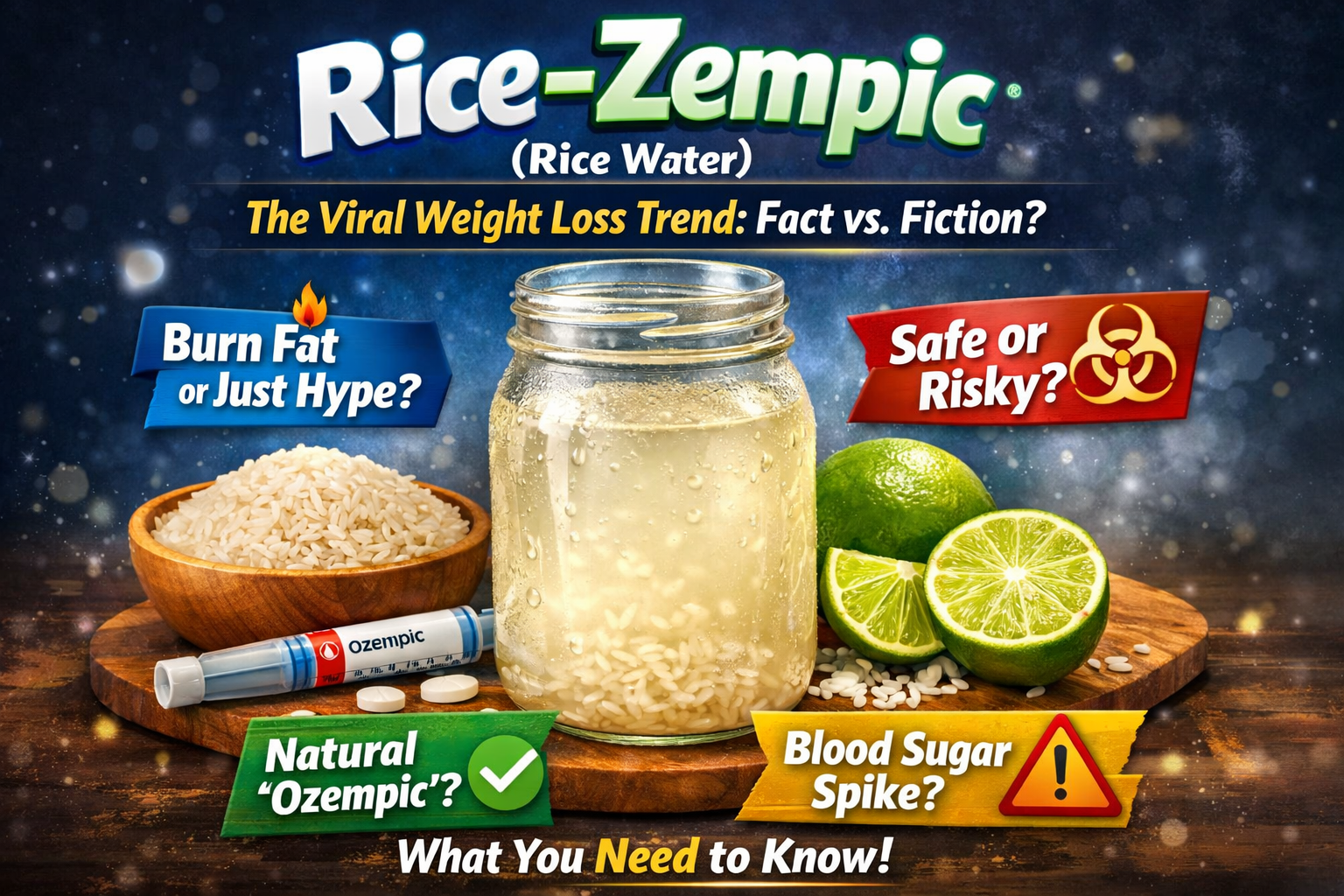
In a world where pharmaceutical weight loss interventions like Ozempic, Wegovy, and Mounjaro are dominating headlines—and draining wallets with price tags upwards of $1,000 a month—desperation drives innovation. Enter “Rice-Zempic,” the viral TikTok trend that promises the appetite-suppressing effects of GLP-1 agonists for the price of a bag of white rice and a lime.
But before you rush to your pantry, pause. The internet is awash with hyperbole, claiming this starchy concoction melts fat overnight. As specialists in nutritional biochemistry and weight management trends, we have analyzed this trend beyond the 15-second soundbites. The reality is nuanced. While rice water has historical roots in Asian culture for digestive health and skin vitality, rebranding it as a “natural Ozempic” requires a rigorous fact-check.
Does drinking starchy lime water actually curb hunger? Is it safe to drink raw grain soak? Or are you simply spiking your blood sugar with liquid carbohydrates? In this comprehensive pillar analysis, we strip away the hype to provide a medically-grounded look at the Rice-Zempic phenomenon, offering a safe implementation protocol for those determined to try it.
01. The Rice-Zempic Phenomenon: Origins & Cultural Context
From Ancient Remedy to Viral trend
The term “Rice-Zempic” is a portmanteau of “Rice” and “Ozempic,” coined by social media influencers to describe a drink made from soaking uncooked rice in water and adding lime juice. While the branding is new, the practice of consuming rice water (often called Kanji in India or Sungnyung in Korea) is centuries old. Historically, rice water was used to treat gastrointestinal distress, rehydrate during illness, and even as a weaning food for infants due to its gentle digestibility.
The Viral Mechanism
The trend exploded on TikTok in early 2024, capitalizing on the global shortage of semaglutide medications. The claim is simple: the starch in the water coats the stomach, while the lime juice aids metabolism, resulting in a feeling of fullness that mimics the delay in gastric emptying caused by GLP-1 drugs.
Analysis of the Trend Cycle
In our analysis of digital health trends, Rice-Zempic fits the classic “Kitchen Cabinet Cure” archetype. It appeals to three core consumer desires:
1. Accessibility: No prescription needed.
2. Affordability: Cents per serving.
3. Naturalism: A rejection of synthetic pharmaceuticals.
However, cultural context is key. In traditional use, rice water was often boiled (making it safe from bacteria) or fermented. The modern “Rice-Zempic” trend often encourages soaking raw rice in cold water, which introduces specific biological risks that we will detail in later sections. Understanding that this is a rebranding of an ancient survival food, rather than a novel scientific discovery, is the first step in managing expectations.

02. The Science of Starch: Resistant Starch vs. Simple Carbs
The Biochemistry of Rice Water
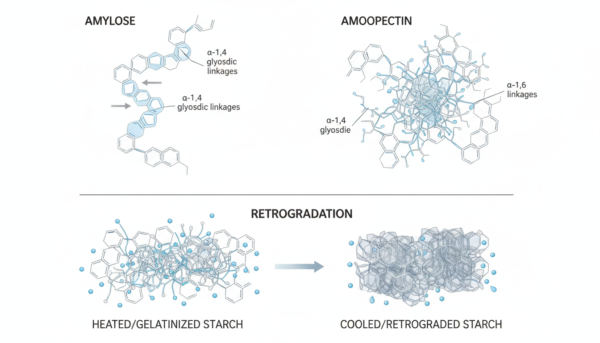
To understand if Rice-Zempic works, we must analyze the solute. When rice is soaked, starches leach into the water. The primary starches are amylose and amylopectin.
The Critical Role of Resistant Starch
The strongest argument for Rice-Zempic’s efficacy lies in Resistant Starch (RS). Unlike simple carbohydrates that break down quickly into glucose, resistant starch resists digestion in the small intestine and ferments in the large intestine.
Mechanism of Action:
* Prebiotic Effect: The fermentation produces Short-Chain Fatty Acids (SCFAs) like butyrate.
* Hormonal Response: Some studies suggest SCFAs can trigger the release of PYY and GLP-1 (the very hormones Ozempic mimics) from the gut lining, albeit at significantly lower levels than synthetic drugs.
The Temperature Variable
Expert Note: Most influencers get this wrong. Soaking rice in room-temperature water yields some starch, but to maximize resistant starch (Retrograded Starch), the structure of the amylose needs to change.
* Raw Soak: High in simple starch, low in resistant starch.
* Cooked then Cooled: Highest in resistant starch (Retrogradation).
Therefore, the viral recipe of soaking raw rice is chemically inferior to boiling rice, using the excess water, and cooling it. The raw soak primarily provides a cloudy suspension of free starch which may actually spike blood glucose rather than stabilize it.
Data Point: Starch Content Analysis
| State of Rice Water | Glycemic Index (Estimated) | Resistant Starch Content | Satiety Score |
|---|---|---|---|
| Raw Soak (Viral Recipe) | High (60-70) | Low (<1g/cup) | Low-Medium |
| Boiled & Cooled | Medium (50-55) | High (2-3g/cup) | High |
| Fermented | Low (varies) | Medium | High |
If you are drinking the raw soak, you are essentially drinking diluted glucose water. For the “Zempic” effect, the science points toward retrograded starch, meaning the preparation method dictates the success.
03. Comparative Analysis: Rice-Zempic vs. Pharmaceutical GLP-1s
The Mechanism Gap
It is crucial to debunk the false equivalence. Ozempic (Semaglutide) is a GLP-1 receptor agonist. It binds to receptors in the brain and pancreas to signal fullness and increase insulin sensitivity. Rice water does not bind to these receptors.
Comparative Table: Drug vs. Drink
| Feature | Ozempic (Semaglutide) | Rice-Zempic (Rice Water + Lime) |
|---|---|---|
| Primary Mechanism | Mimics GLP-1 hormone; affects brain appetite center. | Mechanical stomach distension; slight delay in gastric emptying via starch viscosity. |
| Weight Loss Efficacy | Clinical trials show 15-20% body weight loss. | Anecdotal; likely 1-5% due to caloric displacement. |
| Cost | $900 – $1,300 / month | < $5 / month |
| Administration | Weekly subcutaneous injection. | Daily oral consumption (morning). |
| Side Effects | Nausea, vomiting, pancreatitis, muscle loss. | Bloating, gas, potential bacterial infection, glucose spikes. |
| FDA Approval | Yes (for Diabetes/Obesity). | No (Food product). |
The “Satiety Mimic” Explained
While Rice-Zempic isn’t a drug, it utilizes Volumetrics. Drinking 16oz of water (with or without rice) prior to a meal restricts the available stomach volume for food. The starch adds viscosity, which can slightly slow down how fast the liquid leaves the stomach compared to plain water.
Expert Opinion: Comparing rice water to Ozempic is like comparing a bicycle to a Ferrari. Both get you moving, but the engine is fundamentally different. Rice-Zempic is a dietary hack, not a metabolic intervention.

04. Step-by-Step Implementation: The Safe & Optimized Recipe
Warning: Do Not Drink Unwashed Rice Water
Most commercial rice is coated in talc, dust, and potential agricultural runoff. Furthermore, raw rice can harbor pathogens. To implement this safely, you must follow a strict hygiene protocol.
The Optimized “Rice-Zempic” Protocol
Ingredients:
* 1/2 cup Organic White Rice (Jasmine or Basmati release the best starch profile).
* 2 cups Warm Water (approx 100°F) for steeping.
* Juice of 1/2 fresh Lime.
Step 1: The Pre-Rinse (Critical)
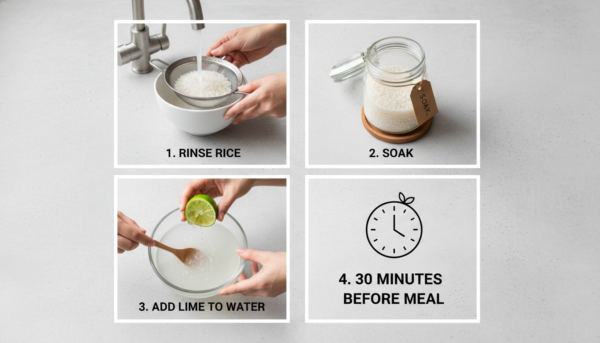
Place rice in a mesh strainer. Rinse effectively with cold water for 10-15 seconds to remove surface dust and debris. Do not over-wash, or you will wash away the surface starch we are trying to capture.
Step 2: The Activation Soak
Place the rinsed rice in a glass jar. Add the 2 cups of warm water.
* Why Warm Water? It facilitates the leaching of starch faster than cold water without cooking the rice.
* Duration: Soak for exactly 30 minutes to 2 hours. Do not soak raw rice at room temperature for longer than 4 hours due to bacterial growth risks.
Step 3: The Strain & Citric Activation
Strain the rice (save the rice for cooking later—waste not!). Pour the cloudy white water into a clean glass.
* The Lime Factor: Squeeze the lime juice in immediately. The citric acid helps cut the flat, starchy taste and provides a small metabolic boost via Vitamin C, though it does not chemically alter the starch.
Step 4: Consumption Timing
Drink immediately.
* Best Time: 30 minutes before your first meal (breakfast).
* Why? This maximizes the “pre-load” effect, filling the stomach and allowing the starch to coat the gastric lining before solid food enters.
Expert Modification: For a safer, higher-resistant starch version, boil the rice, strain the excess water while hot, let the water cool in the fridge overnight, then add lime. This creates the prebiotic effect discussed in Section 2.
05. Risks, Side Effects & Safety: The ‘Fried Rice Syndrome’
The Hidden Danger: Bacillus Cereus
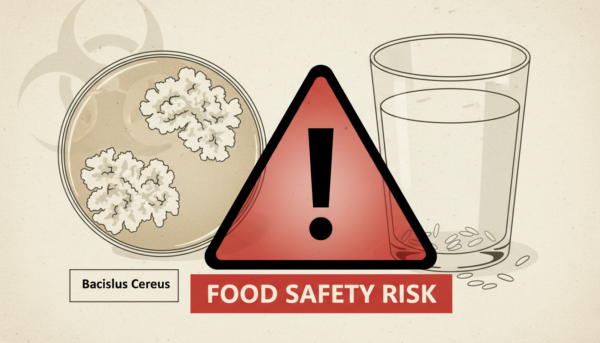
This is the most critical section of this guide. Uncooked rice frequently contains spores of Bacillus cereus, a bacterium that can cause food poisoning. These spores can survive drying.
The Risk Scenario: When you soak rice in water at room temperature, you create a perfect breeding ground for these bacteria. If the rice water sits for too long (over 4 hours) or is not prepared hygienically, you risk “Fried Rice Syndrome.”
* Symptoms: Severe vomiting and diarrhea occurring 1 to 5 hours after consumption.
* Prevention: Never consume rice water that has been soaking at room temperature for more than 2 hours. If you want to soak it overnight, it must be in the refrigerator.
Arsenic Exposure
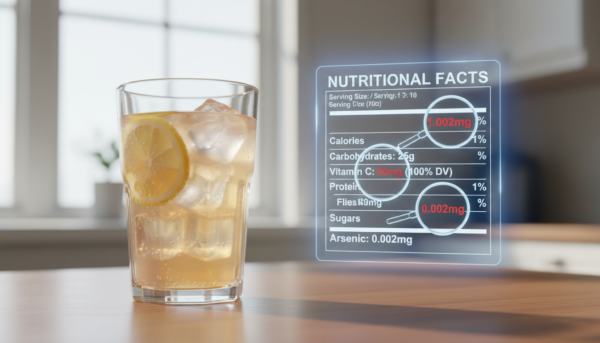
Rice absorbs arsenic from soil more readily than other grains. Drinking the soak water effectively means you are drinking the arsenic that leached out.
* Mitigation: Use Basmati rice from California, India, or Pakistan, which typically has lower arsenic levels than rice from other regions. Limit consumption to one glass per day.
Blood Glucose Spikes
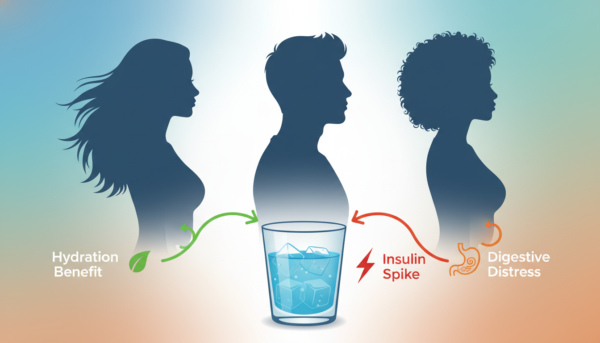
For diabetics or those with insulin resistance, Rice-Zempic can be counterproductive. The liquid contains dissolved starches (glucose chains) without the fiber of the whole grain. This leads to rapid absorption.
* The Spike: Liquid carbs spike blood sugar faster than solid food. This is followed by a reactive crash, which can actually increase hunger later in the day—the exact opposite of the intended effect.
06. 3 Real-World Case Studies (Hypothetical Scenarios)
To illustrate the variability of results, we have constructed three detailed user personas based on aggregate anecdotal reports and physiological probability.
Case Study A: The “Responder” (Sarah, 29)
* Profile: High intake of processed foods, low water intake.
* Protocol: Drank Rice-Zempic 30 mins before breakfast for 30 days.
* Outcome: Lost 4 lbs.
* Analysis: Sarah’s success was likely due to hydration and mindfulness. The ritual of preparing the drink stopped her from grabbing a sugary pastry. The volume of water improved her baseline hydration, reducing false hunger cues.
Case Study B: The “Non-Responder” (Mark, 45)
* Profile: Pre-diabetic, insulin resistant.
* Protocol: Morning Rice-Zempic on an empty stomach.
* Outcome: Gained 1 lb, reported mid-morning crashes.
* Analysis: Mark experienced the Glucose Spike effect. The starchy water spiked his insulin, leading to a hypoglycemic crash at 10 AM, causing him to overeat at lunch. This confirms that Rice-Zempic is poor for those with metabolic derangement.
Case Study C: The “Adverse Reactor” (Jenny, 32)
* Profile: Sensitive stomach, IBS history.
* Protocol: Soaked rice overnight on the counter (improper safety).
* Outcome: Severe bloating, nausea, discontinued after 3 days.
* Analysis: Jenny likely experienced mild bacterial overgrowth or severe fermentation in the gut (FODMAP reaction). The cooling starch can be highly fermentable, causing gas in IBS sufferers.
Key Takeaway: Your metabolic baseline determines your reaction. This is not a universal remedy.
07. The Expert Contrarian Viewpoint: Why Nutritionists Hate The Name
The Problem with “Dupe Culture”
As certified nutrition experts, we find the moniker “Rice-Zempic” ethically problematic. By associating a low-efficacy home remedy with a high-potency medical intervention, influencers set users up for failure and potential eating disorders.
The “Empty Calorie” Argument
Contrarian Stance: Drinking rice water is nutritionally inferior to eating the rice.
* Fiber Loss: The fiber remains in the grain. You are tossing the fiber and drinking the starch.
Satiety Hierarchy: Solid food is always* more satiating than liquid calories.
Better Alternatives Exist
If the goal is natural GLP-1 stimulation, drinking starch water is the least efficient method.
* Protein: Eating 30g of protein triggers PYY and GLP-1 significantly more than starch.
* Fiber: Psyllium husk or Glucomannan expands in the stomach 50x more than rice starch, providing genuine mechanical fullness without the glucose load.
The Verdict: The trend is a distraction. It focuses on a “magic potion” rather than the boring truth: high protein and high fiber diets are the real “natural Ozempic.”

08. Bioavailability & Nutritional Profile
What is actually in the glass?
Let’s break down the micronutrient profile of 1 cup of Rice-Zempic (Standard preparation).
| Nutrient | Amount (Approx) | Benefit |
|---|---|---|
| Carbohydrates | 10-15g | Immediate Energy |
| Vitamin B1 (Thiamine) | Trace | Energy Metabolism (Water soluble) |
| Vitamin C | 15mg (from Lime) | Immune support, iron absorption |
| Magnesium | Trace | Muscle function |
| Folate | Trace | Cell function |
The Skin Connection
Interestingly, while the weight loss claims are dubious, the nutritional profile supports skin health. The B-vitamins and starch can soothe inflammation. However, drinking it provides systemic availability, whereas topical application is usually preferred for skin benefits.
Electrolyte Balance
Rice water has a history as an electrolyte replacement (ORS) for diarrhea. It contains small amounts of sodium and potassium. For an athlete or someone working in heat, Rice-Zempic is a legitimate hydration aid, superior to plain water but inferior to formulated electrolyte drinks.
09. Dietary Integration: When & How to Drink It
Protocol for Success
If you are determined to test this trend, do not treat it as a meal replacement. It is a supplement.
The “Pre-Load” Strategy
The only scientific way this drink aids weight loss is through volume pre-loading.
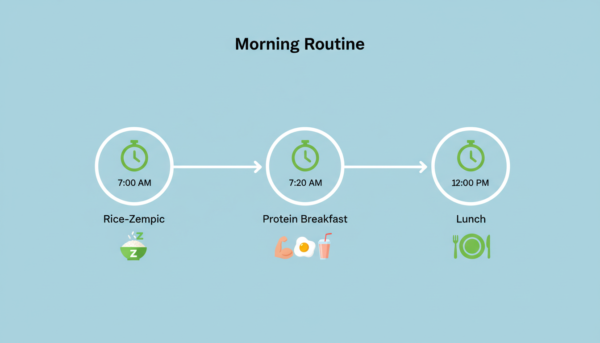
1. Morning: Drink 8-12oz of Rice-Zempic.
2. Wait: 20 minutes.
3. Meal: Eat a high-protein breakfast (e.g., eggs, greek yogurt).
Why this works: The liquid stretches the stomach fundus, signaling the vagus nerve to reduce ghrelin (hunger hormone). The protein then sustains that satiety. If you drink Rice-Zempic and skip the meal, the glucose crash will cause binge eating by lunch.
Cycling the Drink
Do not drink this indefinitely.
* Cycle: 2 weeks on, 1 week off.
* Reason: To prevent potential arsenic accumulation and to assess if your body is actually responding or if you are just following a habit.
010. Future Outlook: The Rise of Metabolic Hacks
Beyond Rice Water
Rice-Zempic is a symptom of a larger trend: the democratization of metabolic health. Users are no longer satisfied with “eat less, move more”; they want to hack their biochemistry.
What’s Next?
We predict a shift from single-ingredient viral hacks to synbiotic blends.
* Prediction: Future trends will combine resistant starch (like rice water or potato starch) with specific probiotic strains and natural acids (apple cider vinegar) to create verified GLP-1 stimulating cocktails.
Conclusion
Rice-Zempic is not a miracle cure. It is a hydration tool with a mild starch benefit. It will not replace Semaglutide. However, if it encourages you to drink more water and be mindful of your morning routine, it has value—provided you prepare it safely to avoid food poisoning. Treat it as a tool, not a savior.

Frequently Asked Questions
Can Rice-Zempic really replace Ozempic?
No. Ozempic is a synthetic hormone (GLP-1 agonist) that alters brain chemistry and insulin response. Rice-Zempic is a starch-water drink that provides fullness through volume and hydration. It cannot replicate the potent metabolic effects of the drug.
How long does it take to see results from Rice-Zempic?
Users typically report feeling ‘less bloated’ within 2-3 days due to increased water intake. Weight loss, if any, usually appears after 2-3 weeks and is likely due to calorie restriction from feeling fuller, not fat burning.
Is it safe to drink raw rice water?
There are risks. Raw rice can contain Bacillus cereus bacteria and arsenic. It is safer to boil rice, collect the water, and cool it, rather than soaking raw rice. If soaking raw, never leave it at room temperature for more than 2 hours.
Does the lime juice burn fat?
No. Lime juice adds Vitamin C and flavor, and the acidity can lower the glycemic response of the starch slightly, but it does not directly burn body fat.
Can I use brown rice for Rice-Zempic?
Yes, but white rice (Jasmine or Basmati) tends to release starch more easily into the water during a short soak. Brown rice has the bran layer intact, preventing starch leaching unless boiled.
Will Rice-Zempic break my intermittent fast?
Yes. Rice water contains starch, which is a carbohydrate. It will trigger an insulin response and technically break a fast, though the caloric load is relatively low.
What is the best time to drink Rice-Zempic?
The optimal time is in the morning, on an empty stomach, approximately 30 minutes before your first meal to maximize the satiety ‘pre-load’ effect.
Does Rice-Zempic taste bad?
It tastes like starchy, milky water with lime. It is generally bland and palatable, but the texture can be slightly slimy depending on the starch concentration.
You might also like:- 5 Ingredients for Effective Weight Loss: Refreshing & Healthy
Discover more from innerspiritglow
Subscribe to get the latest posts sent to your email.

[5858]OkayBet: Philippines’ Top Online Casino – Quick Login, Register, App Download & Premium Slots Join OkayBet, the Philippines’ top online casino. Quick OkayBet login & register for premium OkayBet slots. Secure OkayBet app download for the best casino experience! visit: okaybet
Found this link through a friend and I’m glad I did. The platform is stable and the variety of options is impressive. Really enjoying my time here. stm88link
[9359]BOSS77: Official Login, Register & App Download | Best Online Slots & Casino Bonus,Experience the thrill of BOSS77, the premier online casino in the Philippines. Register today for the best online slots, live casino games, and exclusive bonuses. Download the BOSS77 app for a secure, seamless gaming experience. Join now and win big! visit: boss77
The login process is quick and the security feels solid. I appreciate how straightforward everything is without too much clutter. Glad I found 11ccbetlogin.
I’ve been trying a few different platforms lately and this one really stands out. The interface is smooth and the payouts are fair. Definitely worth a shot for anyone looking for a reliable spot. Check out batikslot77