
Key Takeaways
- Sustainability Over Intensity: Unlike 75 Hard, 75 Soft focuses on long-term habit formation rather than grueling mental toughness.
- The 4 Core Pillars: Eat well (social drinking allowed), train 45 minutes daily (one rest day), drink 3 liters of water, and read 10 pages.
- No Restart Rule: If you slip up one day, you simply continue the next, removing the shame cycle of failure.
- Flexible Fitness: Active recovery days are encouraged, making it accessible for beginners and those with busy schedules.
- Mental Clarity: The reading component and consistent routine provide significant mental health benefits alongside physical changes.
Pain: We have all been there—staring at a calendar, exhausted, feeling like a failure because we missed a workout or ate a slice of pizza on day 12 of an extreme challenge. The “all-or-nothing” mentality of fitness trends like 75 Hard often leads to burnout, injury, or a rebound binge that leaves you worse off than when you started.
Agitation: The fitness industry thrives on selling you the idea that if you aren’t suffering, you aren’t succeeding. But constantly restarting a brutal program because life got in the way is not discipline; it is a recipe for anxiety. You want a glow up, you want consistency, and you want to feel good in your skin, but you cannot pause your career, family, or social life for 75 days just to prove a point.
Solution: Enter 75 Soft. Created by Stephen Gallagher as a realistic counter-movement to 75 Hard, this challenge is designed to build habits that actually stick. It is not about breaking you down; it is about building you up sustainably. In this guide, we break down the 12 essential components of the 75 Soft challenge, proving that you can achieve a total life reset without losing your sanity.
1. What is the 75 Soft Challenge?
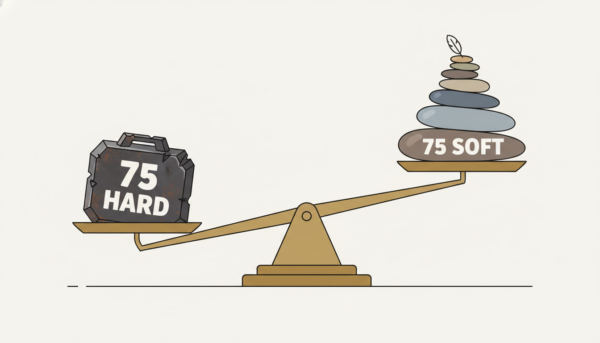
The 75 Soft Challenge is a wellness program popularized on TikTok by fitness influencer Stephen Gallagher. It was created as a direct response to Andy Frisella’s 75 Hard, a program famously dubbed a “mental toughness program” rather than a fitness challenge. While 75 Hard requires two workouts a day (one outside), strict dieting, zero alcohol, and a complete restart if you fail a single task, 75 Soft is built on grace and realism.
The core philosophy of 75 Soft is consistency > intensity. It acknowledges that life happens—birthdays, work deadlines, and sick days. The goal isn’t to create a robotic adherence to rules, but to integrate healthy behaviors into a normal lifestyle until they become automatic. It is the ideal entry point for anyone looking to bridge the gap between a sedentary lifestyle and an active one without the shock to the system that causes most people to quit within the first week.
2. The Nutrition Rule: Eat Well & Drink Socially
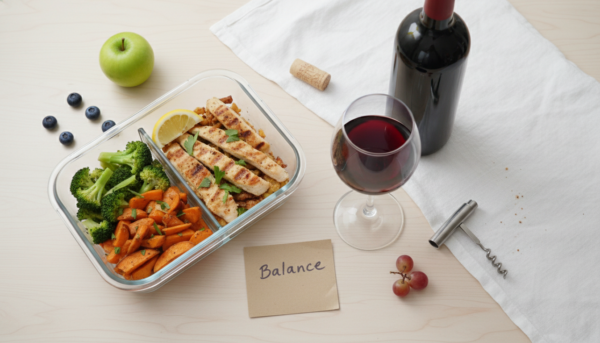
Unlike its predecessor, 75 Soft does not demand a specific diet (like Keto or Paleo) nor does it strictly forbid alcohol. The rule is simple yet effective: Eat well and only drink alcohol on social occasions.
What “Eating Well” Means
This ambiguity is intentional. It forces you to define what healthy eating looks like for your body rather than following a prescriptive plan that might not be sustainable.
- Focus on Whole Foods: Prioritize lean proteins, vegetables, and complex carbs.
- The 80/20 Rule: Aim to eat nutrient-dense foods 80% of the time, leaving 20% for enjoyment.
- Social Drinking: You are not banned from a glass of wine at dinner or a beer at a wedding. This removes the social isolation often associated with strict diet challenges. However, it requires self-discipline to ensure “social” doesn’t turn into “habitual.”
3. The Fitness Rule: 45 Minutes Daily
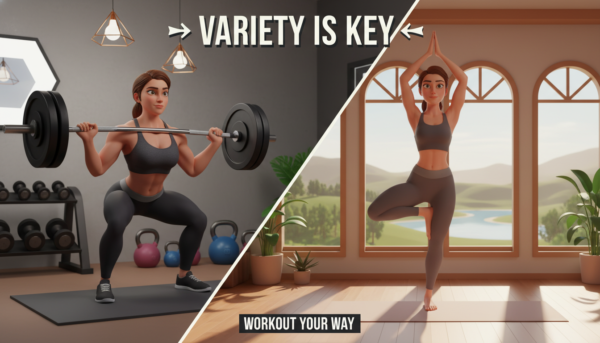
The physical requirement for 75 Soft is straightforward: Train for 45 minutes every day, with one day of active recovery allowed per week.
Unlike 75 Hard, which demands two 45-minute workouts (one of which must be outdoors regardless of weather), 75 Soft requires only one. This makes it significantly more manageable for people with 9-to-5 jobs or childcare responsibilities.
Acceptable Activities
- Strength Training: Weightlifting, CrossFit, or calisthenics.
- Cardio: Running, cycling, or rowing.
- Low Impact: Pilates, Yoga, or a brisk walk.
The inclusion of an active recovery day is scientifically sound. It allows cortisol levels to drop and muscles to repair, reducing the risk of overtraining injuries that are common in more extreme challenges.
4. The Hydration Rule: 3 Liters of Water
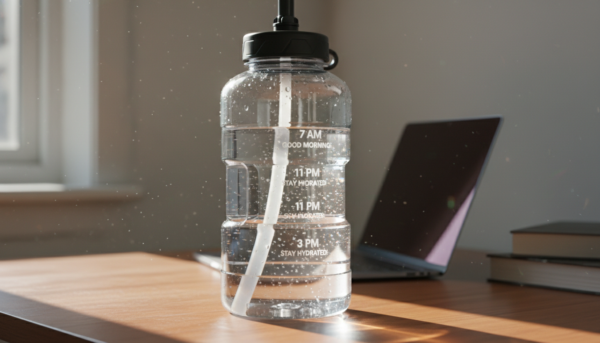
Hydration is the unsung hero of the glow-up process. The 75 Soft rule requires drinking 3 liters (approximately 101 ounces) of water daily.
While 75 Hard requires a gallon (approx. 3.8 liters), 3 liters is a more medically appropriate target for the average person, reducing the risk of electrolyte imbalances while still ensuring optimal hydration.
Benefits of Consistent Hydration:
- Skin Health: clears complexion and improves elasticity.
- Energy Levels: Even mild dehydration (1-3%) can impair brain function and mood.
- Appetite Regulation: Often, the body confuses thirst for hunger.
Pro Tip: Buy a 1-liter bottle and commit to finishing it by 12 PM, 4 PM, and 8 PM.
5. The Mindset Rule: Read 10 Pages Daily
Physical health is only half the battle. 75 Soft mandates reading 10 pages of any book every day. Unlike 75 Hard, which restricts this to non-fiction or self-improvement, 75 Soft allows you to read anything.
Why Fiction Counts
While self-help books are great for growth, fiction offers stress reduction. A study by the University of Sussex found that reading for just six minutes can reduce stress levels by up to 68%. Whether you choose a biography, a business book, or a fantasy novel, the goal is to disconnect from digital screens and engage your brain in a singular focus task.
The Digital Detox Effect: By replacing 20 minutes of doom-scrolling before bed with 10 pages of reading, you improve your sleep hygiene and mental focus.

6. 75 Soft vs. 75 Hard: The Comparison
To truly understand why 75 Soft works for the masses, we must look at the data in comparison to the hardcore version.
| Feature | 75 Hard | 75 Soft |
|---|---|---|
| Workouts | 2x 45 min (1 outside) | 1x 45 min (1 rest day/week) |
| Diet | Strict (No cheat meals) | Eat well (80/20 approach) |
| Alcohol | Zero Tolerance | Social drinking allowed |
| Water | 1 Gallon | 3 Liters |
| Reading | 10 Pages (Non-fiction) | 10 Pages (Any genre) |
| Failure | Back to Day 1 | Keep going |
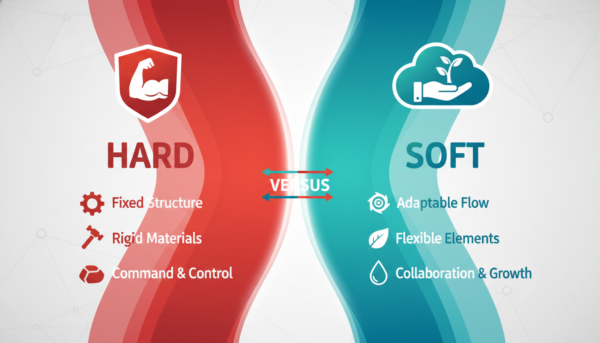
The Critical Difference: 75 Hard is a test of will; 75 Soft is a practice of lifestyle. If your goal is to “snap” into discipline, Hard might be the choice. If your goal is to build a life you don’t need a vacation from, Soft is the winner.
7. The “No Restart” Policy Explained
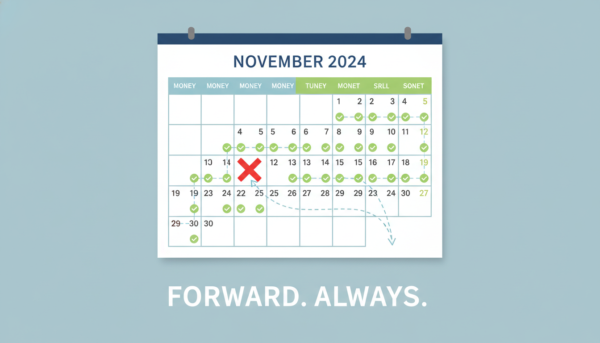
Perhaps the most controversial difference—and the most beneficial—is the lack of a forced restart. In 75 Hard, if you read 9 pages instead of 10, you start over at Day 1. This creates a high-stakes environment where one mistake erases weeks of progress.
75 Soft rejects the shame cycle. If you miss a workout or forget to read, you pick up the next day. This mirrors real life. If you miss a deadline at work, you don’t restart your career; you fix it and move forward. This approach builds resilience rather than perfectionism.
Psychological Impact: By removing the threat of “Day 1,” you reduce the anxiety associated with the challenge, making you more likely to complete the full 75 days.
8. Customizing Your “Eat Well” Plan
Since “Eat Well” is subjective, you need to define parameters to succeed. Vague goals produce vague results. Here are three frameworks to define your eating habits during 75 Soft:
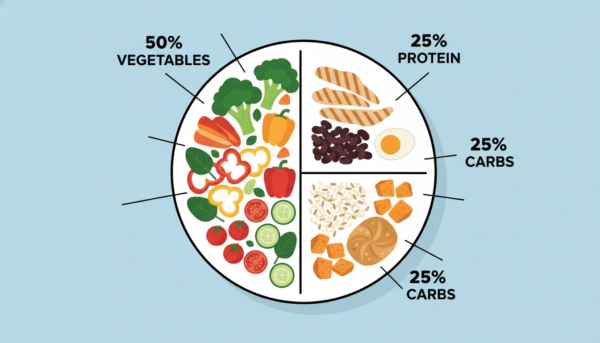
1. The Plate Method: Fill half your plate with veggies, a quarter with protein, and a quarter with carbs at every meal.
2. Calorie Awareness: Tracking macros isn’t required, but knowing your TDEE (Total Daily Energy Expenditure) helps prevent overeating even “healthy” foods.
3. Elimination: Simply cutting out ultra-processed sugars and fried foods is enough for most people to see a massive “glow up” in 75 days.
Action Step: Write down your specific definition of “Eating Well” before Day 1. Does it mean no takeout? No soda? Be specific.
9. Structuring Your Workouts
With 75 days ahead of you, jumping into high-intensity interval training (HIIT) every day is a recipe for shin splints. You must periodize your training.
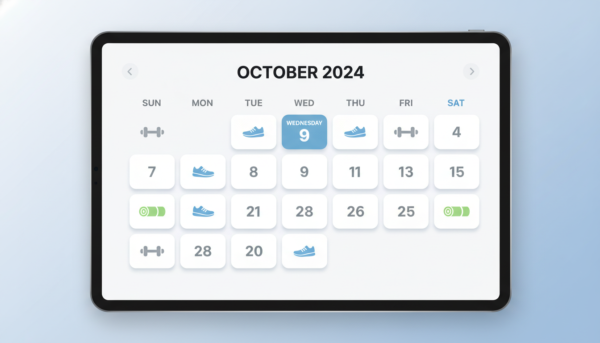
Sample Weekly Split:
- Monday: Upper Body Strength
- Tuesday: 45 Min Jog/Walk
- Wednesday: Lower Body Strength
- Thursday: Pilates or Yoga (Low Impact)
- Friday: Full Body HIIT
- Saturday: Long Hike or Bike Ride
- Sunday: Active Recovery (Stretching/Light Walk)
This variety ensures you hit all energy systems (aerobic and anaerobic) while allowing muscle groups to recover. Remember, the goal is movement, not exhaustion.
10. Progress Tracking Without Obsession
75 Hard demands a daily progress picture. 75 Soft does not require it, but tracking is still vital. However, we shift the focus from aesthetic scrutiny to performance metrics.
Better Ways to Track:
- Mood Journaling: Rate your energy and mood from 1-10 daily. Watch how it correlates with water intake and exercise.
- Performance PRs: Are you lifting heavier? Walking faster? Sleeping better?
- Weekly Photos: Instead of daily scrutiny, take photos on Day 1, Day 30, and Day 75. Daily fluctuations in water weight can be discouraging, but monthly trends show the truth.
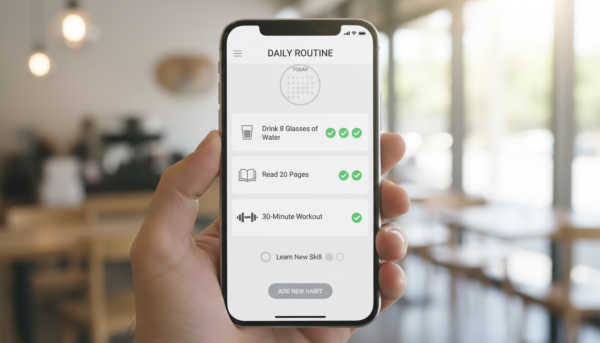
Tool Recommendation: Use a simple habit-tracking app like Habitica or Streaks to tick off your four daily tasks. The dopamine hit of checking a box is powerful.
11. Handling Social Situations
The “Social Drinking” rule is the trickiest part of 75 Soft. It is a slippery slope. To ensure you don’t derail your progress, set boundaries.
- The “One Drink” Rule: Commit to one high-quality drink and then switch to sparkling water with lime. You participate in the ritual without the hangover.
- Plan Ahead: If you know you have a wedding on Saturday, keep your nutrition dialed in strictly Monday through Friday.
- Peer Pressure: Learn to say, “I’m doing a fitness challenge, so I’m taking it easy tonight.” Most people respect goals; they disrespect wishy-washy behavior.
Alcohol halts fat oxidation. Even though it is allowed, minimizing it will drastically improve your physical results over the 75 days.

12. What Happens After Day 75?
The ultimate success of 75 Soft is that on Day 76, you shouldn’t feel the need to binge eat or sleep for 14 hours. Because the rules were realistic, they should have seamlessly blended into your life.
The Exit Strategy:
- Audit: Which of the 4 rules served you best? Keep it.
- Adjust: Maybe you drop reading to 5 pages or adjust workouts to 30 minutes, but you maintain the rhythm.
Identify: Did you miss the structure? If you found 75 Soft too easy, now* might be the time to attempt 75 Hard, having built a solid foundation of discipline.
75 Soft isn’t a finish line; it is an on-ramp to a healthier, more balanced life.

Frequently Asked Questions
Can I split the 45-minute workout into two sessions?
Technically, the rules state 45 minutes daily. While 75 Hard strictly forbids splitting, 75 Soft is about making it work. If doing 20 minutes in the morning and 25 at night ensures you get it done, that fits the spirit of the ‘soft’ challenge.
Does listening to audiobooks count for the reading rule?
Purists say no, as reading requires visual focus and silence. However, for 75 Soft, many participants count audiobooks. If your goal is acquiring knowledge, audio works. If your goal is digital detox and quiet time, physical books are better.
Can I have cheat meals on 75 Soft?
The rule is ‘Eat Well’ with an implied 80/20 balance. This means you don’t have ‘cheat meals’ (which imply doing something wrong), but rather ‘treats’ that fit into your 20%. If you eat pizza every day, you aren’t following the spirit of the challenge.
How much weight can I lose on 75 Soft?
Results vary wildly based on starting point and nutrition intensity. However, with consistent movement and hydration, losing 10-15 lbs over 75 days is a common result for those with weight to lose.
Is there a specific app for 75 Soft?
There is no official ’75 Soft’ app like there is for 75 Hard. Most participants use generic habit trackers or modify the ’75 Hard’ app settings (mentally) to track their softer goals.
Does walking count as a workout?
Absolutely. Walking is one of the best fat-burning and mental health exercises available. A brisk 45-minute walk fits the criteria perfectly.
Can I start 75 Soft in the middle of the week?
Yes. One of the traps of perfectionism is waiting for a Monday or the 1st of the month. The best time to start is today.
What if I get sick during the challenge?
This is where the ‘Soft’ aspect shines. If you are genuinely ill, rest. Resume when you are able. Health comes first; driving yourself into the ground while sick is counter-productive.
You might also like :- The 28-Day Wall Pilates Core Challenge: Master Your Physiology and Sculpt Your Core From Home
Discover more from innerspiritglow
Subscribe to get the latest posts sent to your email.
mwcbet https://www.mwcbeth.com
pp365 https://www.webpp365.net
Downloading the bk33apk setup was surprisingly easy and the app runs perfectly on my phone without any lag. I love how the interface welcomes you with a smile every single time I open it. The betting options are wide and the payout speed never disappoints. A dependable companion for both casual plays and serious sessions. bk33apk
Playing from Chile has never been this effortless thanks to this local friendly platform. Payments in pesos work flawlessly and the promotions are tailored perfectly for our market. I appreciate how transparent they are about terms and conditions. It feels like a genuinely community driven site. clbetsalas
This platform checks every box for what a solid gaming site should offer. Deposit limits are flexible and I appreciate how transparent the bonus terms are right on the homepage. My winnings always land in my account the same day and the live chat operator is always smiling through the messages. A trustworthy spot for sure. phjl696
The bonuses here are insane! I managed to get a nice win on my first try today. Definitely spending more time on krbetmgm from now on.
Best slot experience I have had in the PH lately. The graphics are crisp and the wins feel genuine. Highly recommend jilipark22slot to all my gaming buddies.