
Key Takeaways
- Definition: A dry manicure technique using an electronic file (e-file) to remove excess cuticle and dead skin for a seamless finish.
- Longevity: Lasts 4-5 weeks due to precise cuticle work allowing polish application under the proximal nail fold.
- Safety: Requires specialized training and hospital-grade sterilization (autoclave) to prevent infection.
- Aesthetic: Creates the viral ‘photoshopped’ look by removing all dry skin around the nail plate.
- Cost: Typically 2-3x more expensive than traditional manicures due to time (2+ hours) and expertise.
- Contraindications: Not suitable for clients with diabetes, extremely thin nail plates, or active infections.
Problem: You spend $50 on a manicure, only to see a gap between the polish and your cuticle within three days. Worse, jagged edges and hangnails reappear within a week, making your ‘fresh’ nails look grown out and messy immediately. The cycle of chipped, average-looking nails feels like a waste of time and money.
Agitation: Traditional soaking methods bloat the nail plate, causing polish to lift as the nail shrinks back to size. Furthermore, nipping live tissue with dull tools creates micro-tears, leading to callous buildup and hardened skin. You aren’t just getting a subpar aesthetic; you are actively damaging your skin’s integrity and shortening the life of your manicure.
Solution: Enter the Russian Manicure (also known as the High-End Dry Manicure or E-File Manicure). This precision technique creates a ‘photoshopped’ finish by meticulously removing dead skin and painting under the proximal nail fold. The result? A flawless application that grows out seamlessly and lasts 4+ weeks without lifting. Below, we break down the 11 critical components of this viral nail trend.
1. What Exactly is a Russian Manicure?
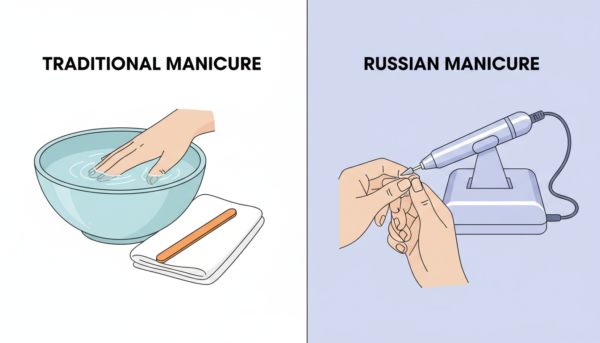
A Russian Manicure is a dry manicure technique that utilizes an electronic file (e-file) and specific drill bits to clean the cuticle area and surrounding skin. Unlike traditional Western manicures, there is no soaking in water.
The Core Distinction
The term ‘Russian’ refers to the origin of the technique, popularized in Russia and Ukraine, where high standards of nail hygiene and architecture are cultural norms. In professional circles, it is often called a Hardware Manicure or E-File Manicure.
- Dry Process: Water expands the nail plate. By avoiding water, the nail remains its natural shape, ensuring better adhesion for gel products.
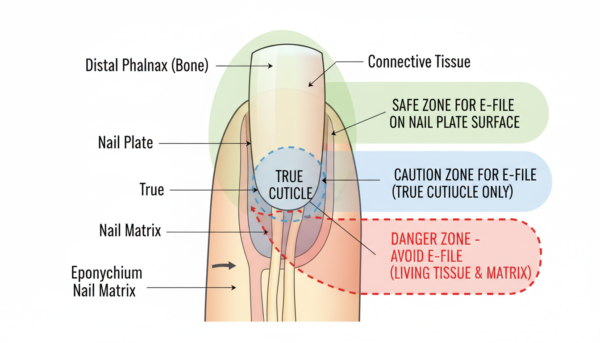
- Cuticle Removal: Instead of simply pushing back the cuticle, this method removes the eponychium (dead skin) entirely to expose the true nail plate.
- Precision: It allows the technician to clear the pterygium (the thin sticky skin on the nail plate) completely, which is the #1 cause of lifting.
2. The Visual Difference: Why It Looks ‘Photoshopped’
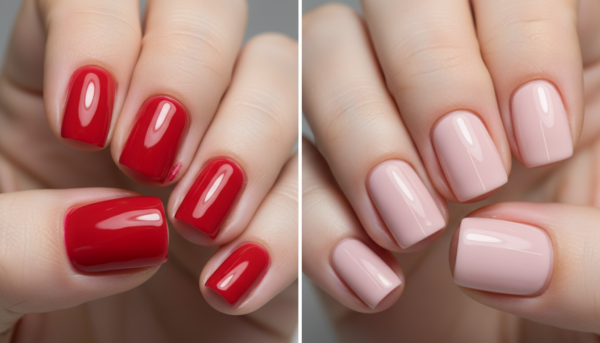
The viral appeal of the Russian Manicure on Instagram and TikTok comes from its hyper-clean aesthetic. It creates a seamless transition between the skin and the nail color.
The ‘Under the Cuticle’ Technique
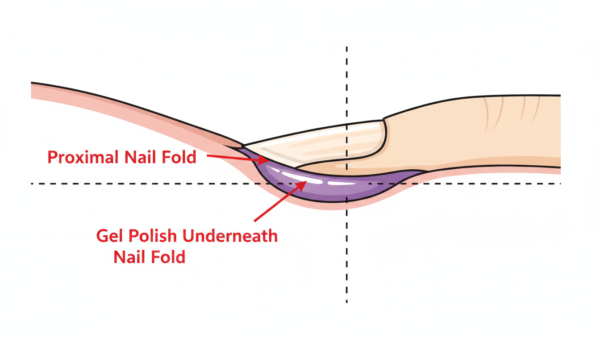
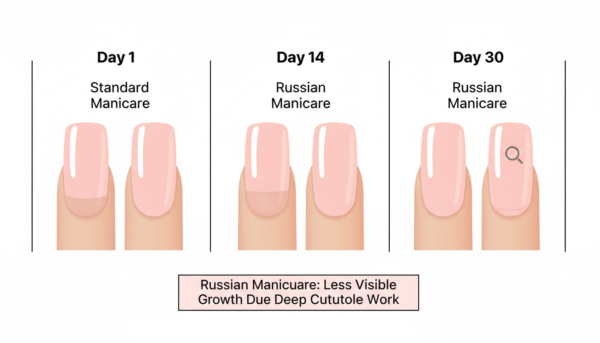
Because the proximal nail fold is lifted and the nail plate is cleared of all debris, the technician can apply the base coat and color under the remaining skin fold.
- No Gap: When the skin relaxes back down, it covers the edge of the polish.
- Delayed Growth: You won’t see a growth gap for the first 7-10 days, effectively buying you an extra week of wear compared to traditional application.
- Structure: Russian manicures often use a ‘rubber base’ or builder gel to create a perfect apex (curve), correcting flat or spoon-shaped nails.
3. The Step-by-Step E-File Process
This is not a quick 30-minute service. A proper Russian Manicure takes 2 to 3 hours. Here is the technical breakdown of the process:
1. Preparation: Removal of old product (carefully, leaving a thin base layer to protect the natural nail).
2. Opening the Pocket: Using an orange stick or metal pusher to gently lift the cuticle skirt.
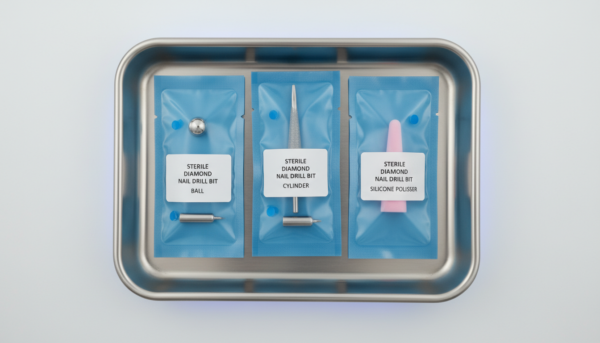
3. Flame Bit (Diamond): The technician uses a flame-shaped diamond bit to exfoliate the lateral folds and lift the cuticle off the nail plate. This is the most delicate step.
4. Cylinder/Ball Bit: Depending on the skin type, a ball bit or cylinder bit is used to safely trim the lifted white dead skin (the ‘skirt’).
5. Polishing: A silicone polisher smoothes the skin to prevent fraying.
6. Adhesion: Dehydrator, primer, and a rubber base layer are applied before color.
4. Sterilization: The Non-Negotiable Standard
Because the Russian Manicure involves deep cleaning and removing skin, hygiene is paramount. If a salon does not have a medical-grade sterilization process, you must leave immediately.
The 3-Step Sterilization Cycle
1. Disinfection: Tools are soaked in a chemical solution (like Barbicide) to kill surface bacteria.
2. Cleaning: Tools are scrubbed and washed to remove debris.
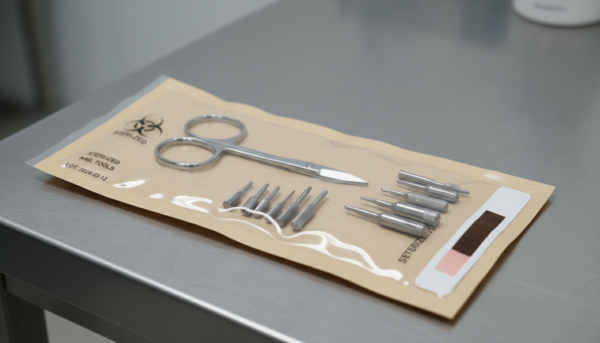
3. Sterilization (Autoclave): This is the critical step. Tools are sealed in pouches and subjected to high-pressure steam and heat in an autoclave. This is the only way to kill 100% of pathogens, including HIV and Hepatitis.
Red Flag: If your tech pulls tools out of a drawer or a UV light box (which only sanitizes, doesn’t sterilize), do not proceed.
5. Longevity Analysis: 4 Weeks vs. 2 Weeks
Why does a Russian Manicure last twice as long as a regular gel manicure?
| Feature | Traditional Gel | Russian Manicure |
|---|---|---|
| Prep Method | Soaking / Buffing | Dry E-File Exfoliation |
| Cuticle Work | Pushed back / Nipped | Completely Exfoliated |
| Application Area | 1-2mm away from cuticle | Under the proximal fold |
| Base Coat | Thin liquid base | Structured Rubber Base |
| Average Wear | 10-14 Days | 28-35 Days |
The combination of waterless prep (preventing shrinkage) and structural alignment (preventing stress breaks) creates unmatched durability.
6. Comparison: Russian vs. Traditional vs. Gel
It is crucial to understand that ‘Russian’ refers to the prep technique, not the polish itself. However, it is almost exclusively paired with gel or hard gel.
Traditional Manicure
- Focus: Relaxation, hand massage.
- Tools: Water, nippers, regular polish.
- Result: Clean for 2-3 days, polish chips quickly.
Standard Gel Manicure
- Focus: Color longevity.
- Tools: Minimal cuticle work, UV light.
- Result: Lasts 2 weeks, but often has a visible gap near the cuticle immediately.
Russian Manicure
- Focus: Architecture, health, and perfection.
- Tools: E-file, varying grit bits, structure gel.
- Result: Flawless macro-view, corrects nail shape, lasts a month.
7. The Controversy: Is It Dangerous?
The Russian Manicure is controversial, particularly among American dermatologists. The American Academy of Dermatology (AAD) generally advises against cutting cuticles.
The Risks
- Infection: If the seal of the nail fold is broken aggressively, bacteria can enter.
- Matrix Damage: An untrained tech pressing too hard with a drill bit can damage the nail matrix, causing permanent ridges.
- Over-filing: Removing too much skin can leave the area raw and sensitive.
The Reality
In the hands of a certified, highly trained master, these risks are negligible. The technique requires months of specialized training. The danger lies in ‘chop shops’ attempting to replicate the look without the proper education or sterilization equipment.
8. Cost Breakdown: Why Is It So Expensive?
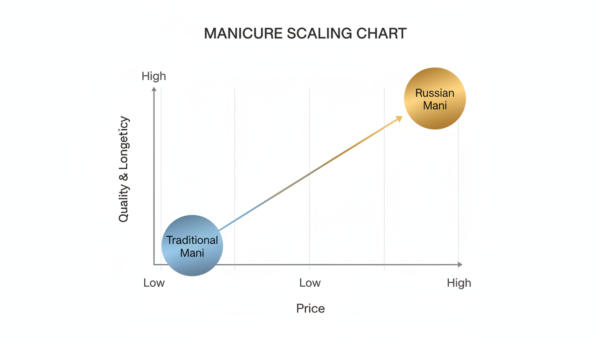
Expect to pay between $80 and $150+ for a Russian Manicure, compared to $35-$50 for a standard gel service. Here is why the price point is higher:
1. Time: The service is labor-intensive, taking 2 to 3.5 hours.
2. Equipment: High-torque e-files, autoclaves ($2,000+), and quality diamond bits are expensive.
3. Education: Technicians often pay thousands for specialized courses, often traveling to Europe or taking intense masterclasses.
4. Product Quality: High-end hypoallergenic gels and rubber bases cost significantly more than bulk salon products.
Value Proposition: You are paying for a service you only need once a month, rather than twice a month.
9. How to Find a Qualified Technician
Do not walk into a random strip-mall salon and ask for a Russian Manicure. You need a specialist.
The Vetitng Checklist
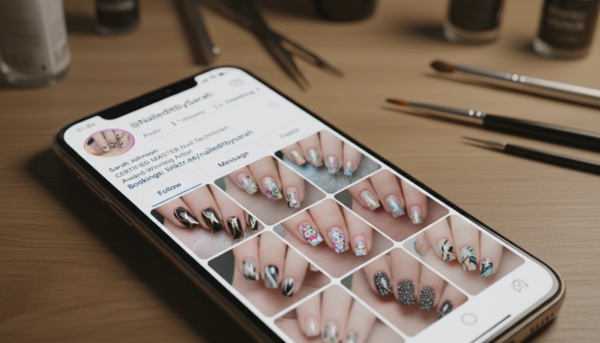
- Instagram Portfolio: Look for MACRO shots (extreme close-ups). If the photo is blurry or far away, they are hiding imperfections. Look for dry, clean skin with no oil hiding cuts.
- Certificates: Look for posted certifications from reputable educators (often Russian or Ukrainian master educators).
- Sterilization: Ask, ‘Do you use an autoclave?’ If the answer is no, do not book.
- Time Allocation: If the booking slot is only 60 minutes, it is not a real Russian Manicure.
10. Essential Aftercare for Retention
To ensure your investment lasts the full 4+ weeks, you must maintain the moisture balance of your skin.
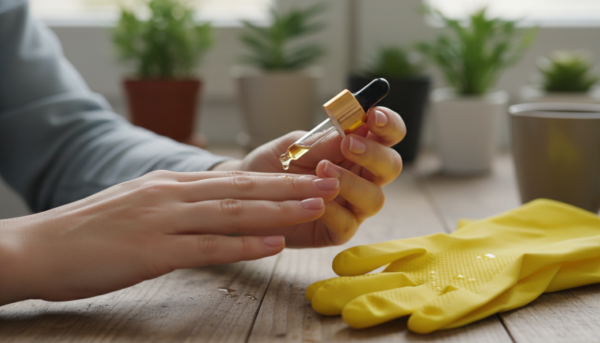
- Cuticle Oil: Apply high-quality jojoba-based oil daily. Since the dead skin was removed, the new skin needs hydration to remain soft and prevent hangnails.
- Gloves: Always wear gloves when doing dishes or using cleaning chemicals. Water absorption is the enemy of gel retention.
- Do Not Pick: If you see a tiny bit of skin peeling (which can happen as the skin regenerates), do not pull it. Clip it carefully or leave it alone.
11. Who Should Avoid This Technique?
While the results are stunning, the Russian Manicure is not for everyone.
- Diabetics: Due to reduced healing capabilities and neuropathy, the risk of micro-abrasions makes this technique too risky for diabetic clients.
- Blood Thinners: Clients on blood thinners bleed easily; even minor nicking can be problematic.
- Damaged Nail Beds: If your nails are paper-thin or red from improper removal of acrylics, you need a recovery plan (like IBX treatments) before attempting an e-file manicure.
- Active Infections: Any sign of fungus or paronychia requires medical treatment, not a manicure.

Frequently Asked Questions
Does a Russian Manicure hurt?
No. A properly executed Russian Manicure should be completely painless. You may feel slight vibration or tickling, but if you feel heat or pain, the technician is filing too aggressively or staying in one spot too long.
Is cutting the cuticle safe?
There is a debate between medical advice and aesthetic practice. While dermatologists advise against it, trained Russian Manicure specialists remove only the dead tissue (eponychium) and seal the skin. Safety depends entirely on the technician’s skill and sterilization practices.
How long does a Russian Manicure take?
It is a time-intensive service. Expect to be in the chair for 2 to 3.5 hours, especially for your first appointment or if intricate nail art is involved.
Can I get a Russian Manicure with regular polish?
Technically yes, but it is rarely done. The time and cost involved justify using a long-wear product like gel or hard gel. Regular polish will chip within days, wasting the longevity of the cuticle work.
Why is my Russian Manicure peeling?
Peeling can occur if the nail plate wasn’t fully dehydrated, if the product touched the skin (flooding), or if you have hormonal imbalances. However, peeling is much rarer with this technique than standard manicures.
How often should I get a Russian Manicure?
Every 3 to 4 weeks. Waiting longer can cause the structure of the gel to become unbalanced (top-heavy) as it grows out, leading to breakage.
What is the difference between a Russian Manicure and a Brazilian Manicure?
A Russian Manicure is a dry, e-file process focusing on precision. A Brazilian Manicure involves messy application of polish onto the skin and then cleaning it up with acetone to get close to the cuticle, but it uses water/emollients and standard nippers.
Do I need to soak off a Russian Manicure?
No. Skilled technicians use the e-file to ‘de-bulk’ or file down the color, leaving a thin clear base layer on the nail. Acetone soaking is avoided to prevent drying out the nail plate.
You might also like :- 5 Ways Coconut Oil for Nail Growth Makes Nails Stronger!
Discover more from innerspiritglow
Subscribe to get the latest posts sent to your email.
Z8slotlogin…that sounds like I need to get winning quick! Always looking for the next big payout. Worth a try, right? You are welcome on z8slotlogin.
187betcom… Never heard it. But any betting site is worth to explore and find interesting opportunities. Find the next big game on 187betcom.
307bet is kind a cool, I had some fun. Nothing crazy , just a regular betting site for a regular guy. If you want to take a shot check out 307bet.
Solid experience so far. The variety of games is impressive and it feels very fair compared to other platforms. I trust phwin9 for my daily gaming.
The game selection is fantastic and I have had some lucky wins here recently. It is a very entertaining platform. Go for bundaslotlogin.
Really enjoying the variety of games available here. Everything loads quickly and the gameplay is fair. bh999game is my new favorite spot to unwind.