
Key Takeaways
- Rice toner is rich in amino acids, ferulic acid, and Vitamin E, promoting barrier repair.
- The ‘7-Skin Method’ is the most effective application technique for deep hydration.
- Fermented rice toners offer higher absorption rates and enhanced antioxidant protection.
- DIY rice water is cost-effective but carries shelf-life and pH stability risks.
- Rice toner pairs exceptionally well with Vitamin C and Niacinamide for brightening.
- Suitable for all skin types, particularly sensitive and dry skin needing soothing.
- Results regarding texture and brightness are typically visible within 4 weeks of consistent use.
Is your skin feeling perpetually dull, dehydrated, or textured despite layering expensive serums? You aren’t alone. Many skincare enthusiasts hit a plateau where hydration just doesn’t seem to stick, leaving the skin looking lackluster rather than luminous. The culprit is often a compromised moisture barrier or a lack of gentle enzymatic exfoliation in your daily routine.
Enter Rice Toner—the cornerstone of the ‘Glass Skin’ phenomenon. Originating from ancient cleansing traditions and perfected by modern K-Beauty science, rice toner does more than just balance pH. It acts as a nutrient-dense essence that brightens, hydrates, and smoothes simultaneously. In this guide, we strip away the marketing fluff and dive into the bio-chemistry and practical application of rice toner to transform your complexion.
The Science: Why Rice Water Actually Works
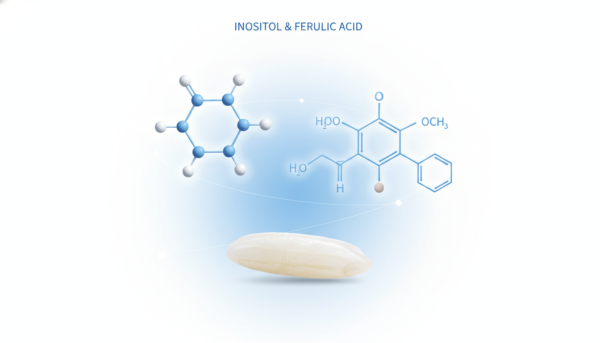
Rice toner isn’t just traditional folklore; it is backed by robust dermatological science. The core efficacy comes from the water-soluble nutrients released during the soaking or fermentation process. The primary compound is Inositol (often called Vitamin B8), which improves blood flow to the skin and slows down the aging process. Additionally, rice water is rich in Ferulic Acid, a potent antioxidant that neutralizes free radical damage from UV exposure and pollution.
Furthermore, the starch component in rice water helps soothe inflammation, making it ideal for eczema and acne-prone skin. It creates a breathable film that locks in moisture without clogging pores. When analyzing the composition, we also find high levels of Allantoin, known for its calming properties. This chemical cocktail works synergistically to refine pores and brighten the complexion by inhibiting tyrosinase activity, the enzyme responsible for melanin production.
Historical Roots: From Geisha to K-Beauty
The use of rice in skincare dates back over a thousand years to the Heian period in Japan, where court ladies were known for their floor-length hair, called Suberakashi. They combed their hair with Yu-su-ru (rinse water obtained from the washing of rice), which kept it strong and shiny. This practice extended to facial skincare, with Geishas using rice bran water to soften their skin and remove heavy makeup.
Modern K-Beauty (Korean Beauty) took this ancient concept and stabilized it. While traditional rice water goes bad quickly, modern formulations use fermentation technologies to extract the benefits while ensuring shelf stability. Brands like I’m From and Haruharu Wonder have popularized these formulations globally, transitioning rice from a kitchen by-product to a luxury skincare staple.

Top 3 Benefits: Brightening, Hydration, Anti-Aging
1. Brightening and Pigmentation Control
Rice toner is a powerhouse for fading hyperpigmentation and acne scars. The abundance of B vitamins and mild exfoliating enzymes gently slough off dead skin cells, revealing fresher skin underneath. Regular use inhibits melanin production, leading to a more even skin tone.
2. Deep Hydration
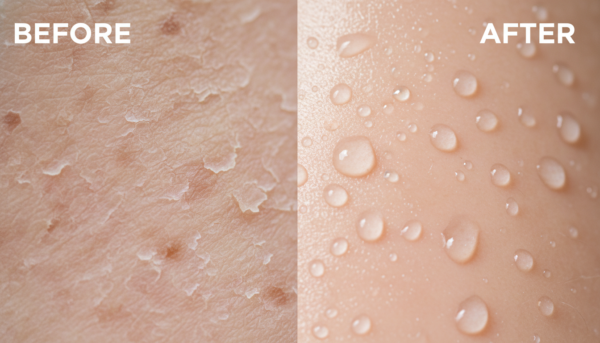
Unlike alcohol-based toners that strip the skin, milky rice toners function as a humectant and emollient hybrid. They draw moisture into the stratum corneum and seal it in. This helps to plump the skin, reducing the appearance of fine lines caused by dehydration.
3. Anti-Aging and Firming
Rich in antioxidants like gamma-oryzanol, rice toner fights oxidative stress. This helps preserve collagen and elastin levels in the skin, maintaining firmness and elasticity over time.
Fermented vs. Non-Fermented: Which is Better?
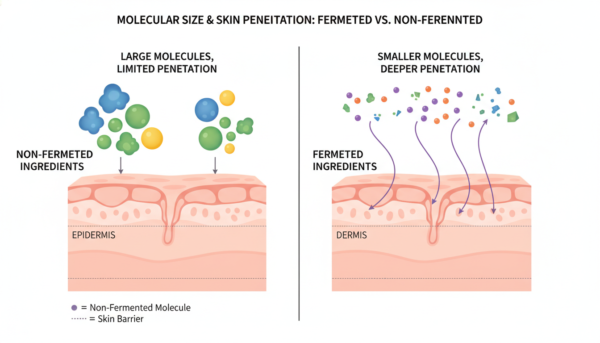
Not all rice toners are created equal. The distinction often lies in fermentation. Fermentation breaks down the molecular structure of the ingredients into smaller particles, allowing them to penetrate deeper into the dermis. It also produces new amino acids and organic acids that are not present in raw rice water.
- Fermented Rice Toner (e.g., Black Rice Hyaluronic Toner): Best for anti-aging and deep absorption. The fermentation process increases the nutrient density and antioxidant potency.
- Non-Fermented Rice Toner (e.g., Rice Ceramide Toner): Often gentler and better for extremely sensitive skin that might react to the active cultures in fermented products. These focus more on surface hydration and barrier protection.
The 7-Skin Method: Maximizing Absorption
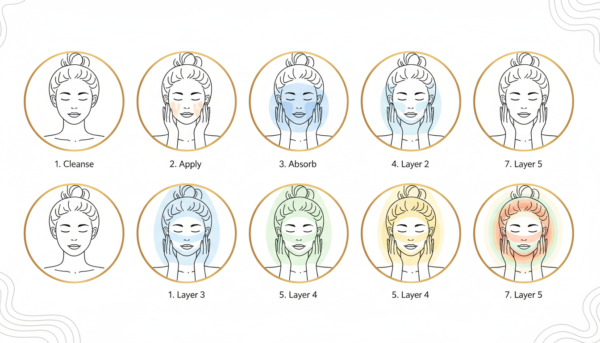
To truly get the ‘Glass Skin’ effect, simply wiping rice toner on with a cotton pad isn’t enough. The 7-Skin Method is a Korean technique that involves applying up to seven thin layers of toner consecutively.
How to execute:
1. Cleanse your face thoroughly.
2. Pat the first layer of rice toner onto damp skin using your hands.
3. Wait 30-60 seconds for it to absorb slightly (tacky to the touch).
4. Repeat the process 3 to 7 times depending on your skin’s hydration needs.
This method forces hydration into the skin without the heaviness of thick creams. By the 7th layer, the skin is saturated with nutrients, appearing instantly plumper and translucent.
Commercial Products vs. DIY Rice Water
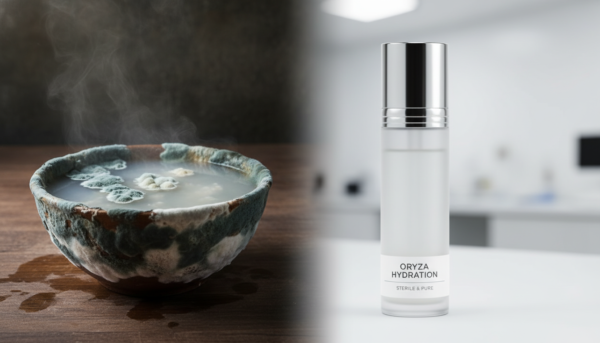
The DIY route is tempting and cost-effective, but it comes with caveats. DIY Rice Water is unstable. Without preservatives, bacteria begin to grow within 24 hours, even in the fridge. Using spoiled rice water can lead to fungal acne and irritation. Furthermore, the pH of DIY water can vary wildly depending on the rice type and water source.
Commercial Rice Toners are pH-balanced (usually around 5.5) to match the skin’s acid mantle. They contain preservatives to prevent microbial growth and often include stabilizing agents ensuring the active ingredients remain potent. For long-term safety and consistent results, a formulated product is superior to kitchen experiments.
Ingredient Pairings: What to Mix
Rice toner is generally non-reactive, making it an excellent vehicle for active ingredients.
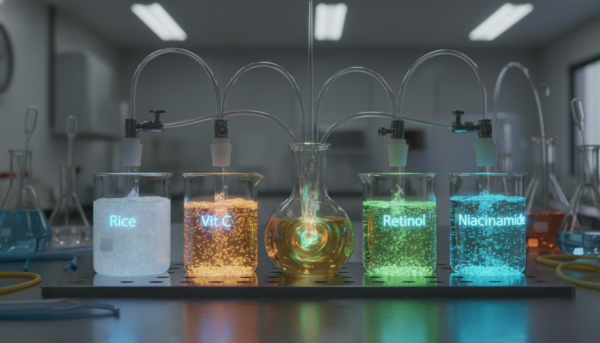
- Rice + Vitamin C: The ultimate brightening duo. Rice water soothes the skin, mitigating the potential irritation of Vitamin C, while both work to fade dark spots.
- Rice + Hyaluronic Acid: For a hydration bomb. Rice water provides the nutrient base, and HA binds that moisture to the skin.
- Rice + Retinol: Retinol speeds up cell turnover but can cause dryness. Using a rice toner as a buffer can keep the moisture barrier intact, reducing ‘retinol uglies’ (peeling and redness).
- Rice + Niacinamide: Often already found together in formulations, this combination regulates oil production and refines pore size effectively.
Best Practices for Different Skin Types
Oily/Acne-Prone Skin:
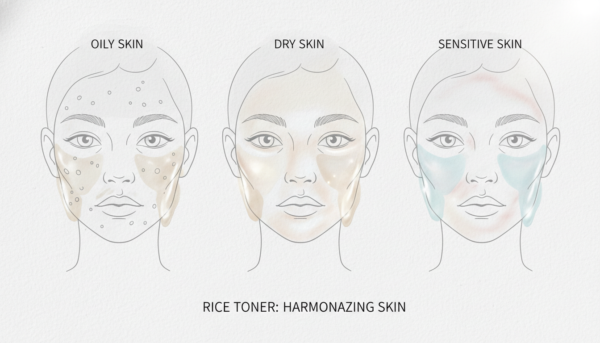
Look for light, watery rice toners. The starch absorbs excess sebum without stripping natural oils. Avoid formulations with heavy added oils like shea butter. Focus on fermented varieties to help with acne scarring.
Dry/Dehydrated Skin:
Opt for ‘milky’ rice toners that often contain added ceramides or oils. The 7-Skin method is essential here to rebuild the moisture reservoir.
Sensitive Skin:
Choose minimal ingredient lists. Avoid fragranced rice toners. Pure rice extracts without alcohol or essential oils will provide the necessary soothing effect for rosacea or eczema.
How to Make Safe DIY Rice Toner (If You Must)
If you are committed to the DIY route, follow strict hygiene protocols to avoid infection.
The Recipe:
1. Rinse: Take half a cup of organic white rice. Rinse it quickly to remove dirt.
2. Soak: Place the rice in a bowl with 2 cups of distilled water. Let it soak for 30 minutes. Swirl the rice until the water turns milky white.
3. Strain: Remove the rice grains.
4. Store: Pour the cloudy water into a sterilized glass jar.
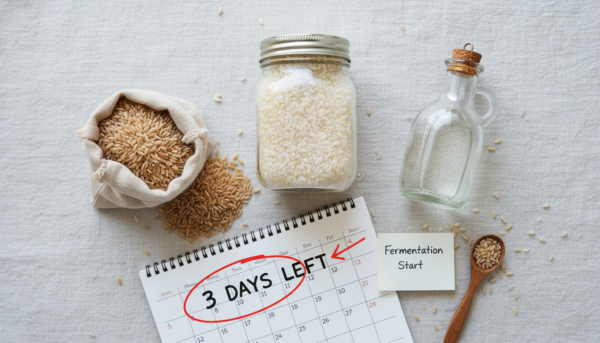
Crucial Safety Rule: Keep it refrigerated and discard after 3 days maximum. Do not add preservatives unless you are a cosmetic chemist. If it smells sour or changes color, throw it away immediately.
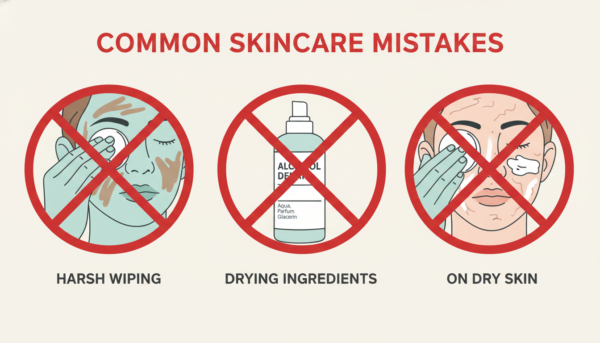
Common Mistakes to Avoid
Even with a gentle product like rice toner, errors can hinder your progress.
1. Using it as a Cleanser: Rice toner is a leave-on treatment, not a cleanser. It should be applied after washing your face.
2. Ignoring the Ingredients List: Some ‘rice’ toners have rice as the 10th ingredient and alcohol as the 2nd. Always ensure Oryza Sativa (Rice) Extract is near the top of the list.
3. Applying to Dry Skin: Humectants work best on damp skin. Apply your toner within 3 seconds of patting your face dry to trap residual tap water.
4. Over-fermentation (DIY): Letting DIY water sit too long to ‘ferment’ without control can breed dangerous pathogens.
The Timeline: When Will You See Results?
Skincare is a marathon, not a sprint. However, rice toner offers both immediate and long-term gratification.
- Immediately: Skin feels softer, cooler, and more hydrated. The ‘tight’ feeling after cleansing should vanish.
- 1 Week: With daily use, minor redness decreases, and skin maintains hydration longer throughout the day.
- 4 Weeks: The skin barrier is stronger. You may notice a reduction in the severity of breakouts and a subtle ‘glow’ returning.
- 3 Months: Significant improvement in skin texture and tone. Hyperpigmentation spots begin to lighten, and the overall complexion looks more uniform and ‘glass-like’.

Frequently Asked Questions
Can I use rice toner every day?
Yes, rice toner is gentle enough for twice-daily use (morning and night). It does not contain harsh exfoliants like AHAs or BHAs, making it safe for daily application.
Does rice toner clog pores?
generally, no. Rice water is non-comedogenic. However, check the full ingredient list of commercial products for other potential cloggers like coconut oil or heavy silicones.
Is rice toner better than Vitamin C serum?
They serve different purposes. Vitamin C is a potent active for brightening, while rice toner is a hydrating base that also brightens gently. They work best when used together.
Does rice toner bleach skin?
No, it does not bleach skin. It brightens the complexion by exfoliating dead cells and inhibiting melanin overproduction, returning skin to its natural, un-sun-damaged tone.
Can I leave rice water on my face overnight?
Yes, rice toner is designed to be left on. If using DIY rice water, ensure it is fresh; otherwise, wash it off after 20 minutes to prevent bacterial irritation.
Which rice toner is best for oily skin?
Look for watery, lightweight toners like the Haruharu Wonder Black Rice Hyaluronic Toner (Unscented) or the I’m From Rice Toner, which balances oil production.
How long does DIY rice toner last?
DIY rice toner lasts a maximum of 3 days in the refrigerator. After that, bacterial growth makes it unsafe for facial use.
Can men use rice toner?
Absolutely. Skin is skin. Rice toner is excellent for soothing razor burn and hydrating skin without a greasy finish.
You might also like :- Rice Water Toner: 10 Incredible Uses for Gorgeous Hair and Skin!
Discover more from innerspiritglow
Subscribe to get the latest posts sent to your email.
[8613]BBCCasino Official Site: Best Online Slots in the Philippines. Fast BBCCasino Login, Easy Register, and Mobile App Download for the Ultimate Gaming Experience. Experience top gaming at BBCCasino official site. Fast BBCCasino login, easy register, and BBCCasino app download. Play the best online slots in the Philippines today! visit: bbccasino
Super reliable site. I’ve had some issues with other links before but this login page is stable and secure. Happy with the service at muliajitulogin.
[8600]sunbet লগইন এবং অ্যাপ ডাউনলোড | বিকাশ ক্যাসিনো ডিপোজিট,sunbet লগইন করার নিয়ম জেনে নিন এবং অ্যাপ ডাউনলোড করুন। বিকাশ দিয়ে ক্যাসিনো ডিপোজিট ও অনলাইন স্লট গেম খেলার নিয়ম শিখুন। আজই জয়েন করুন। visit: sunbet
I’ve been trying a few platforms lately and this one really stands out. The interface is super smooth and the payouts are fast. Definitely recommend vnuy888 for anyone looking for a reliable spot.