
Key Takeaways
- Synergistic Power: How Curcumin and Kojic Acid combine to inhibit tyrosinase production more effectively than singular ingredients.
- Exfoliation Mechanics: Understanding the physical vs. chemical exfoliation balance of these pads.
- Skin Type Safety: Why sensitive skin users need to modify the viral routine to prevent barrier damage.
- The Timeline: Realistic expectations for fading post-inflammatory hyperpigmentation (PIH) vs. melasma.
- Counterfeit Alert: How to identify safe, pH-balanced pads versus harsh, detergent-soaked knockoffs.
You look in the mirror, and they are still there. Those stubborn dark spots, acne scars, and shadows of past breakouts that no amount of concealer seems to fully hide. It is exhausting, isn’t it? spending hundreds on serums that promise the moon but deliver nothing but irritation. You have scrolled past the viral videos of ‘Turmeric Kojic Pads’ peeling away hyperpigmentation like magic, but skepticism holds you back. Are they safe? Do they actually work, or is it just another TikTok filter illusion? Here is the truth: when formulated correctly, the combination of Turmeric and Kojic Acid is a biological powerhouse for skin brightening. This isn’t just hype; it’s chemistry. In this comprehensive guide, we strip away the marketing fluff to give you the 11 critical facts and the exact routine you need to finally achieve an even, radiant complexion.
1. The Science: How Turmeric and Kojic Acid Biologically Erase Spots
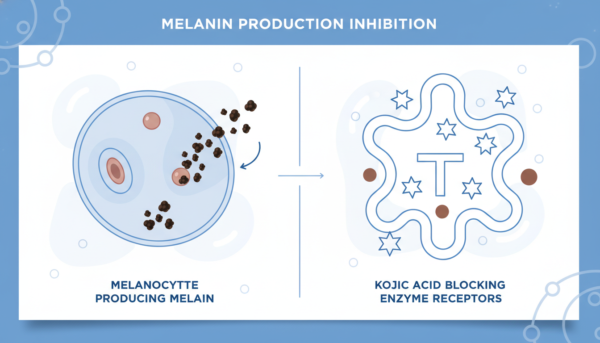
To understand why these pads work, we must look at the cellular level. Hyperpigmentation is caused by an overproduction of melanin, fueled by an enzyme called tyrosinase.
The Kojic Acid Mechanism: Derived from fungi, Kojic Acid is a potent tyrosinase inhibitor. It functions by chelating copper ions within the tyrosinase enzyme, effectively turning off the ‘switch’ that tells your skin to produce excess pigment. Unlike hydroquinone, which can be harsh, Kojic Acid offers a safer route to pigment suppression.
The Turmeric (Curcumin) Factor: Turmeric is not just a stain; it contains curcumin, a powerful anti-inflammatory and antioxidant. Curcumin inhibits the alpha-melanocyte-stimulating hormone (alpha-MSH), preventing new pigment formation while calming the inflammation that leads to Post-Inflammatory Hyperpigmentation (PIH).
The Synergy: When combined in a pad format, you get a dual-action attack. The physical pad removes dead, pigmented surface cells (immediate glow), while the chemical actives penetrate to stop future pigment production (long-term correction).
2. Ingredient Audit: What Else Is In The Pad?
Not all pads are created equal. The efficacy of a Turmeric Kojic Pad depends heavily on the supporting cast of ingredients. A ‘pure’ pad is often too harsh; you need buffers.
The ‘Good’ Additives
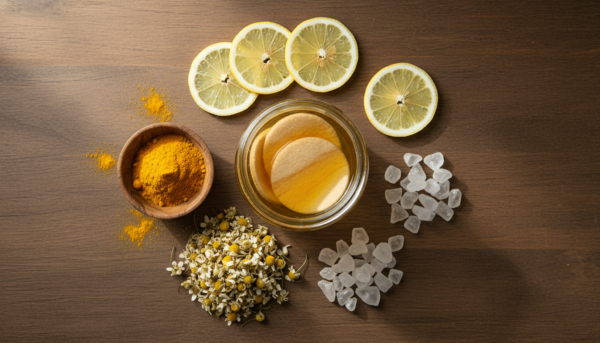
- Chamomile Extract: Essential for counteracting the potential irritation of Kojic Acid.
- Lemon Peel Oil: Provides natural Vitamin C for brightening, though it must be diluted correctly to avoid phototoxicity.
- Panthenol (Vitamin B5): Helps maintain the skin barrier during the exfoliation process.
- Vegetable Glycerin: Acts as a humectant to pull moisture into the skin, preventing the ‘stripped’ feeling.
The ‘Bad’ Additives (Red Flags)
- Sodium Lauryl Sulfate (SLS): If your pad foams excessively like dish soap, it likely contains high SLS, which will destroy your moisture barrier.
- Artificial Fragrance: High levels of synthetic scent can cause contact dermatitis, mimicking a breakout.
- Alcohol Denat: Used to dry pads quickly, but causes long-term dehydration.
3. Identifying Quality: Real vs. Dangerous Knockoffs
With the viral success of Turmeric Kojic Pads, the market is flooded with low-quality imitations. Using a bad batch can lead to chemical burns or worsened hyperpigmentation. Here is how to spot the difference.
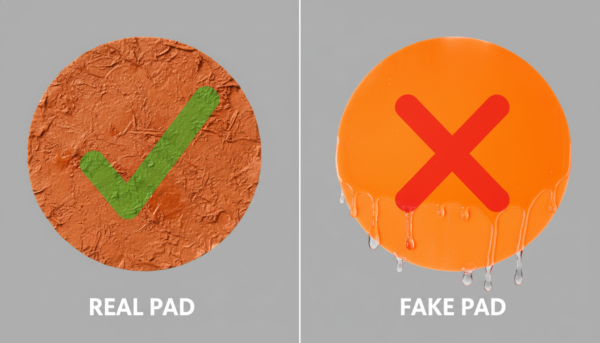
Texture Analysis: High-quality pads use biodegradable cellulose or soft cotton. Knockoffs often use synthetic polyester blends that are abrasive and can cause micro-tears in the skin.
Saturation Levels: The pad should be moist but not dripping with a watery substance. High-quality serums have viscosity. If the liquid runs like water, it is likely diluted with no active preservatives.
The Stain Test: Real turmeric stains. If the pad is bright neon orange but doesn’t leave a slight temporary tint on a white cloth (that washes out), it may be using synthetic food dye (Yellow 5/6) instead of therapeutic doses of turmeric extract. Synthetic dyes offer zero skincare benefits.
4. The Ideal Skin Type Profile (Who Should Avoid This?)
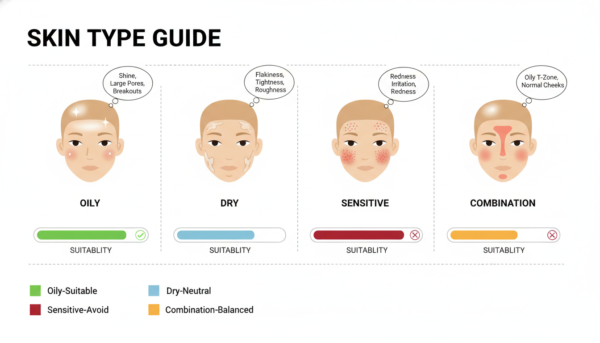
While effective, Turmeric Kojic Pads are not a universal solution. They are potent exfoliants.
Ideal Candidates:
- Oily/Acne-Prone Skin: The foaming action and antibacterial properties of turmeric work wonders here.
- Thick/Resilient Skin: Those who tolerate acids well and suffer from deep PIH.
- Body Pigmentation: Excellent for knees, elbows, and bikini lines where skin is thicker.
Proceed with Caution / Avoid:
- Rosacea Sufferers: The physical friction combined with active acids will likely trigger a flare-up.
- Active Eczema: Applying Kojic acid to broken skin triggers intense stinging and inflammation.
- Extremely Dry Skin: Unless followed immediately by heavy ceramides, these pads can exacerbate flaking.
Note: If you have darker skin tones (Fitzpatrick IV-VI), you must introduce these slowly. Over-exfoliation can paradoxically cause more hyperpigmentation.
5. The Step-by-Step Viral Routine (Optimized for Safety)
The TikTok videos often show people scrubbing aggressively. Do not do that. Here is the dermatologist-approved method to use Turmeric Kojic Pads without damaging your barrier.
1. Double Cleanse Prep: Remove makeup with an oil cleanser first. The pad is a treatment cleanser, not a makeup remover.
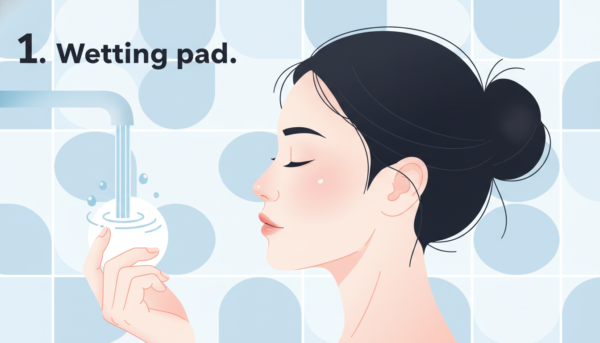
2. Activate the Pad: Wet the pad with lukewarm water and rub it between your palms to create a lather. Do not apply the dry pad directly to skin.
3. The Gliding Technique: Gently glide the pad over your face in circular motions. Focus on problem areas (chin, cheeks) but avoid the immediate under-eye area. Do not scrub. Let the chemistry do the work, not your muscle.
4. The 2-Minute Rule: Leave the foam on your face like a mask for 1 to 2 minutes. This allows the Kojic Acid to penetrate.
5. Rinse Thoroughly: Turmeric residue can stain towels. Rinse until water runs clear.
6. Immediate Hydration: While skin is damp, apply a hyaluronic acid serum followed by a barrier cream.
6. Frequency: Balancing Results with Barrier Health
The biggest mistake users make is daily usage right out of the gate. Kojic Acid and physical exfoliation are a recipe for barrier collapse if rushed.
Week 1-2: Use 2 times per week, exclusively at night. Monitor for redness or tightness.
Week 3-4: Increase to 3 times per week if tolerated.
Maintenance: Most users find every other day is the sweet spot.
Warning Signs of Over-Exfoliation:
- Skin feels ‘squeaky’ clean (it should feel soft, not stripped).
- Increased oil production (your skin is compensating for dehydration).
- Stinging when applying moisturizer.
- A shiny, plastic-like appearance to the forehead.
If any of these occur, stop usage immediately for 5 days and focus on hydration.

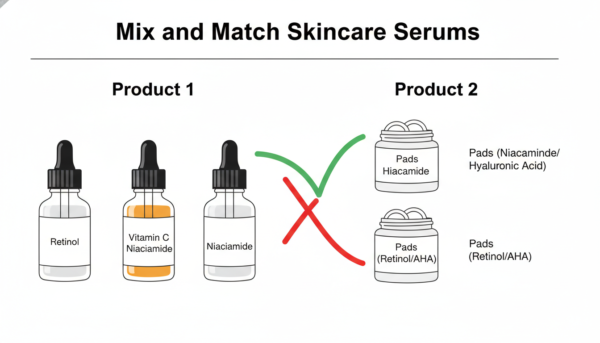
7. Pairing with Other Actives (Retinol, Vitamin C, AHA/BHA)
Turmeric Kojic Pads are a ‘Main Character’ in your routine. You must be careful what you pair them with to avoid chemical warfare on your face.
| Active Ingredient | Verdict | Explanation |
|---|---|---|
| Retinol | AVOID Together | Use Pads in AM (with SPF) or on off-nights. Using both simultaneously causes extreme sensitivity. |
| Vitamin C | CAUTION | The pads often contain lemon/Vitamin C. Adding high-strength L-Ascorbic Acid might be too acidic. Use a gentle derivative instead. |
| Glycolic/Salicylic Acid | NEVER | The pads are already exfoliating. Adding more acids will burn your skin barrier. |
| Niacinamide | EXCELLENT | Niacinamide soothes inflammation and supports the barrier, making it the perfect follow-up serum. |
| Hyaluronic Acid | ESSENTIAL | Non-negotiable. You need to replace the water lost during cleansing. |
8. Treating Body Hyperpigmentation (Knees, Elbows, Bikini Line)
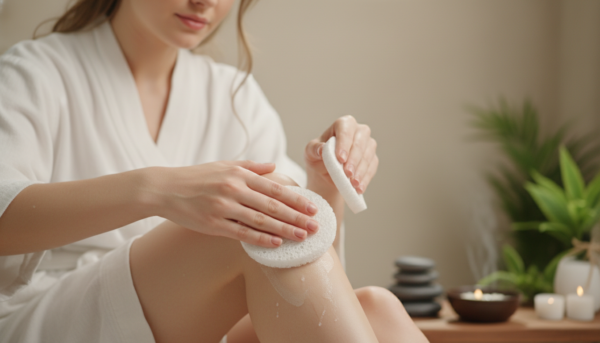
Turmeric Kojic Pads are arguably even more effective for body pigmentation than facial pigmentation. The skin on our body is thicker and can tolerate more aggressive exfoliation.
For Bikini Line: This area is prone to ingrown hairs and friction darkness. The pads help free trapped hairs (preventing bumps) and fade darkness. Crucial: Do not use internally. Keep strictly to the bikini line and inner thigh area.
For Knees and Elbows: You can apply more pressure here. Scrubbing for 30-60 seconds helps break down the thickened layers of dead skin (hyperkeratosis) that trap pigment. Follow up with a Urea-based lotion for maximum softening.
For Underarms: Be careful. Deodorants and shaving already irritate this area. Use the pads 2 times a week max, and never immediately after shaving.
9. The ‘Purging’ Myth vs. Reaction Reality
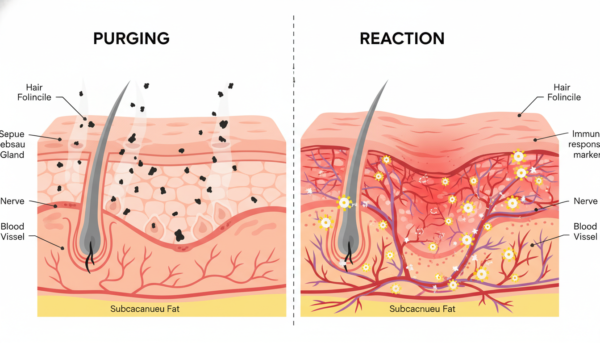
Does skin ‘purge’ with Turmeric Kojic Pads? Technically, yes and no.
True Purging: Since the pads provide physical exfoliation, they can speed up cell turnover. This might bring deep-seated micro-comedones (baby pimples) to the surface faster. This should present as small whiteheads in areas you usually break out, lasting 2-4 weeks.
Reaction/Irritation: If you are breaking out in areas you never usually do, or if the bumps are red, itchy clusters without a white head, this is not purging. This is contact dermatitis or a reaction to the fragrance/botanicals. Stop usage immediately.
Many users mistake irritation for purging and ‘push through,’ resulting in severe acne mechanica.
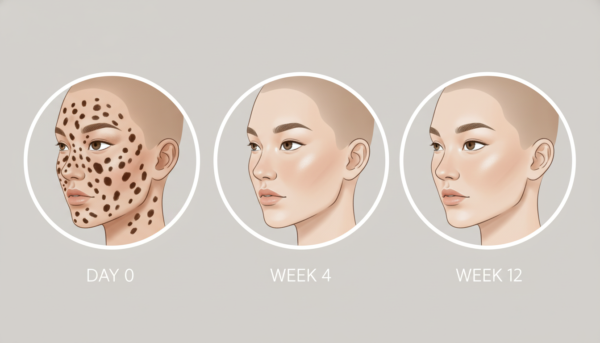
10. Realistic Timeline: When Will Dark Spots Fade?
Managing expectations is key to consistency. Hyperpigmentation is stubborn. Here is a realistic timeline based on dermatological cycles:
- Immediate (Day 1): Skin looks brighter and smoother due to physical exfoliation of dead grey cells.
- 2-4 Weeks: Minor sun spots and very fresh acne marks (pink/red) begin to fade. Overall skin tone appears more even.
- 8-12 Weeks: Significant reduction in older, brown acne scars (PIH). The ‘halo’ around spots decreases.
- 3-6 Months: Melasma and deep hormonal pigmentation show improvement, though they may not vanish completely without prescription strength help.
The Sunscreen Rule: All progress is reset to zero if you do not wear SPF 30+ daily. Kojic acid makes your skin photosensitive. One day of unprotected sun exposure can darken the spots you spent a month fading.
11. DIY vs. Store-Bought: Is Making Them Safe?
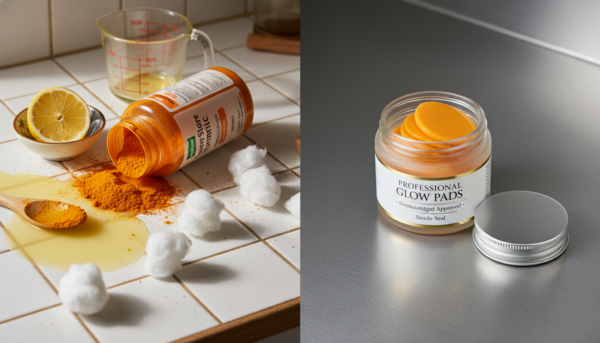
With the trend exploding, many are attempting DIY pads using kitchen turmeric and lemon juice. This is highly discouraged by professionals.
The pH Problem: Lemons have a pH of 2, which is far too acidic for the skin (which prefers pH 4.5-5.5). Direct application causes chemical burns and disrupts the acid mantle.
Staining: Kitchen turmeric is formulated for flavor and color, not absorption. It stains skin yellow for days. Cosmetic grade turmeric (often ‘Curcuma Longa Root Extract’) is formulated to be non-staining or low-staining.
Preservatives: Soaking cotton pads in a water-based mixture without broad-spectrum preservatives creates a breeding ground for bacteria and mold within 48 hours. Rubbing moldy pads on your face will cause severe infections.
Verdict: Buy professionally formulated pads that are pH-balanced and preserved. It is cheaper than fixing a damaged skin barrier.
Frequently Asked Questions
Can I use Turmeric Kojic Pads every day?
Generally, no. Most dermatologists recommend starting 2-3 times per week. Daily usage often leads to over-exfoliation and a damaged skin barrier, unless the specific brand is formulated with very low concentrations for daily use.
Will turmeric stain my face yellow?
High-quality skincare pads use formulated turmeric extract that rinses off cleanly. However, cheaper pads or DIY versions may leave a temporary yellow tint, which can usually be removed with an oil cleanser.
Do these pads help with active acne?
Yes, turmeric is antibacterial and anti-inflammatory, which can help reduce active breakouts. However, be gentle; scrubbing active acne too hard can spread bacteria and cause scarring.
Can I use these pads on my bikini area?
Yes, they are very popular for the bikini line to prevent ingrown hairs and fade dark marks. Ensure you only use them on the external skin area and avoid contact with internal mucous membranes.
How long does it take to see results?
You may see a ‘glow’ immediately, but fading dark spots typically takes 4 to 12 weeks of consistent use combined with daily sunscreen application.
Are Turmeric Kojic Pads safe for pregnancy?
Turmeric and Kojic Acid are generally considered safe topically, but you should always consult your OBGYN. Avoid pads containing Retinol or Arbutin if you are pregnant.
Do I need to wash my face after using the pad?
Yes. These are cleansing and treatment pads. You must rinse the residue off thoroughly with water to prevent irritation and staining.
Why is my skin tingling after using the pad?
A slight tingle is normal due to the Kojic Acid and exfoliation. However, intense burning, itching, or prolonged redness indicates a reaction, and you should wash it off immediately and discontinue use.
You might also like:- 12 Proven Steps to Erase Dark Spots with Turmeric Kojic Acid Pads
Discover more from innerspiritglow
Subscribe to get the latest posts sent to your email.
Great variety of options here. I really appreciate how easy it is to navigate the site even if you are a beginner. pkbet55