
Key Takeaways
- Nature’s Defender: Hypochlorous Acid (HOCl) is the same substance your white blood cells produce to fight infection.
- 100x Potency: It is estimated to be 80-100 times more effective at killing bacteria than chlorine bleach, yet completely non-toxic.
- Skin Savior: Unlike alcohol, it heals the skin barrier, treating acne, eczema, and rosacea without stinging or drying.
- Total Safety: Safe enough to spray directly into eyes and mouth; it is FDA-cleared for wound care and eye hygiene.
- Pet Friendly: A sting-free solution for veterinary care, safe even if licked by animals.
- Shelf-Life Matters: Stability is the main challenge; always choose stabilized formulas packaged in opaque bottles to block UV light.
You have likely been disinfecting all wrong. For decades, we have relied on rubbing alcohol that burns open wounds, hydrogen peroxide that damages healthy tissue, and bleach that emits toxic fumes.
Your skin is red, dry, and irritated, and your immune system is working overtime to repair the damage caused by the very products meant to protect you. There is a reason your skin barrier feels compromised—you are nuking it with harsh chemicals.
Enter Hypochlorous Acid Spray (HOCl). It sounds like a chemistry experiment, but it is actually the most natural disinfectant known to man. It is the exact substance your own white blood cells create to destroy invading pathogens. Imagine a sanitizer that is 100 times stronger than bleach but gentle enough to spray on a baby’s pacifier or your own eyelashes. In this comprehensive guide, we explore the science and the practical applications of this healing miracle.
1. The Science: What is Hypochlorous Acid?
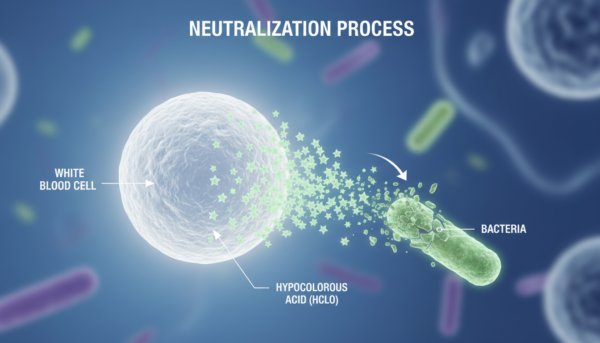
To understand why Hypochlorous Acid spray is revolutionary, we must look at human biology. When your body is under attack from bacteria or viruses, your immune system sends white blood cells (neutrophils) to the site of infection. These cells produce Hypochlorous Acid (HOCl) through an oxidative process to neutralize the threat instantly.
The Chemistry of Clean:
Technically, HOCl is a weak acid formed when chlorine dissolves in water. However, unlike chlorine bleach (sodium hypochlorite), which has a high pH and causes chemical burns, stabilized HOCl is pH-neutral (around 3.5 to 5.5). This allows it to mimic the body’s natural pH, ensuring it kills pathogens without harming human tissue.
Why It Works:
Because HOCl is an uncharged molecule, it can easily penetrate the negatively charged cell walls of bacteria and viruses. Once inside, it destroys the microorganism from the center out. Alcohol and bleach struggle to penetrate these barriers as effectively, often requiring longer contact times to achieve the same kill rate.
2. HOCl vs. Alcohol and Bleach: The Safety Showdown
The market is saturated with sanitizers, but most come with a ‘danger’ label. Hypochlorous acid is unique because it combines hospital-grade power with food-grade safety. Here is how it compares to the traditional options in your cabinet.
The Toxicity Comparison Table
| Feature | Hypochlorous Acid (HOCl) | Rubbing Alcohol (70%) | Chlorine Bleach |
|---|---|---|---|
| Toxicity | Non-Toxic | Toxic if ingested | Highly Toxic |
| Skin Impact | Soothing / Healing | Drying / Irritating | Chemical Burns |
| Eye Safety | Safe (Used for Eyelids) | Dangerous | Dangerous |
| Fumes | Mild Pool Scent (Dissipates) | Strong VOCs | Toxic Fumes |
| Effectiveness | Kills Spores & Biofilm | Bacteria & Viruses | Bacteria & Viruses |
The Alcohol Problem:
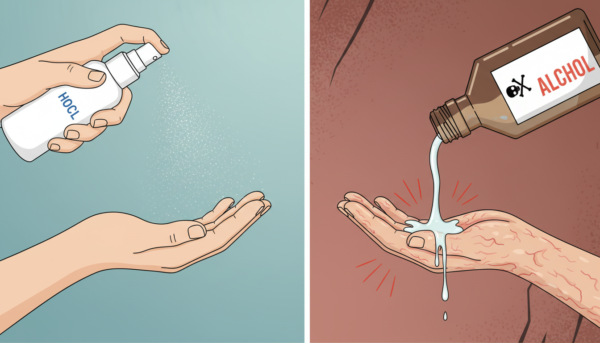
Alcohol works by dehydrating cells. While it kills bacteria, it also strips the oils from your skin, leading to micro-cracks where new bacteria can enter. HOCl does the opposite; it cleanses without stripping the lipid barrier.
3. Curing the ‘Maskne’ and Acne Epidemic
Acne is often fueled by bacteria, specifically Cutibacterium acnes. Standard treatments involve Benzoyl Peroxide or Salicylic Acid, which can be harsh and drying. Hypochlorous acid spray offers a gentle alternative that attacks the root cause: the bacteria and the inflammation.
How to Use for Acne:
1. Cleanse: Wash your face with a gentle cleanser.
2. Mist: Spray HOCl generously over the face. Do not rinse.
3. Dry: Let it air dry (this is when it kills the bacteria).
4. Moisturize: Follow up with your serum and moisturizer.
Why It Wins:
It is highly anti-inflammatory. If you suffer from hormonal breakouts or ‘maskne’ (acne caused by friction and bacteria under face masks), HOCl reduces the redness and swelling almost immediately. It resets the skin’s microbiome, preventing the overgrowth of bad bacteria while preserving the good.
4. Relief for Eczema, Psoriasis, and Rosacea
Chronic skin conditions like eczema (Atopic Dermatitis) are often exacerbated by a compromised skin barrier and colonization by Staphylococcus aureus bacteria. When you scratch an itch, you introduce bacteria, causing infection and more itching—the dreaded ‘itch-scratch cycle.’
Breaking the Cycle:
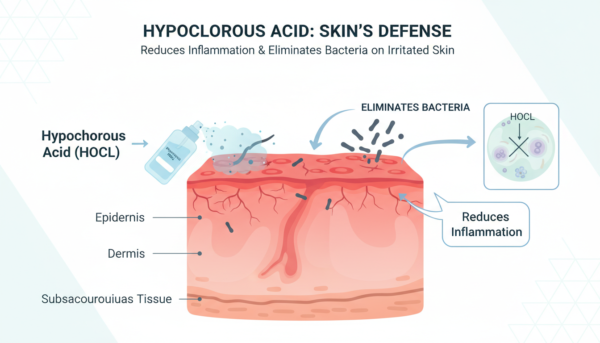
Hypochlorous acid spray kills the Staph bacteria on the skin, reducing the risk of infection. Furthermore, its anti-inflammatory properties calm the immune response that causes the intense itching and redness associated with eczema and psoriasis.
National Eczema Association Recognition:
Many HOCl products have received the seal of acceptance from eczema organizations because they eliminate the need for steroid creams in mild cases and prevent the secondary infections that make flare-ups last longer.
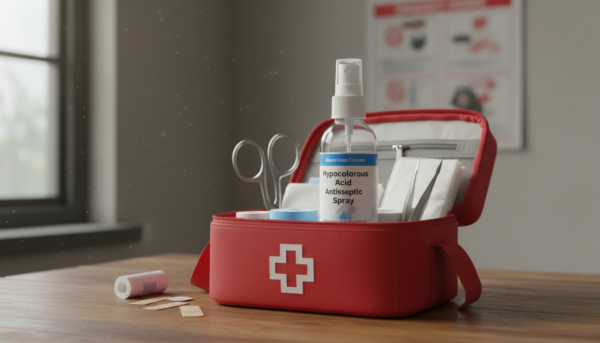
5. Advanced Wound Care and First Aid
Throw away your hydrogen peroxide. It is a cytotoxic agent, meaning it kills your healthy skin cells along with the bacteria, actually slowing down the healing process. Hypochlorous acid is the gold standard in modern wound care.
Benefits for Cuts and Scrapes:
- No Sting: It creates zero pain upon application, making it ideal for children.
- Biofilm Destruction: Chronic wounds often develop a biofilm (a protective layer of slime) that antibiotics cannot penetrate. HOCl breaks through this biofilm effectively.
- Accelerated Healing: By increasing oxygenation to the wound site and preventing infection without tissue damage, wounds close faster.
It is widely used in post-operative care, specifically after dermatological procedures like microneedling, laser resurfacing, or tattoos, to prevent infection and soothe the ‘sunburn’ feeling.
6. Eyelid Hygiene and Blepharitis
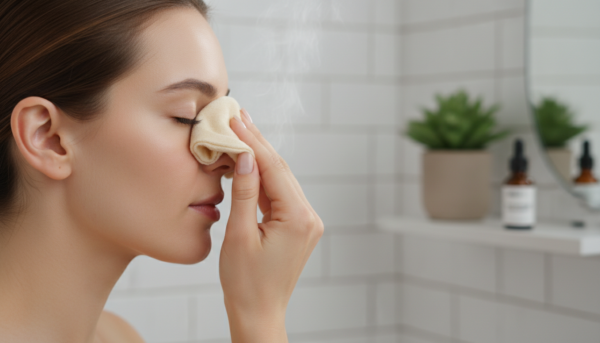
One of the most sensitive areas of the body is the eye. Traditional soaps are too harsh for the eyelid margins, leading to conditions like Blepharitis (inflammation of the eyelids) and styes. These are often caused by bacteria buildup or Demodex mites.
Ophthalmologist Recommended:
Specialized formulations of Hypochlorous acid are the primary treatment for dry eye disease and Blepharitis.
Application:
Spray the solution onto a cotton round and gently wipe the lash line. This removes the crusty buildup and bacterial load that blocks oil glands. Because HOCl is non-toxic, if some gets into the eye, it will not cause damage—it effectively turns into saline water once it reacts.
7. Oral Health and Gum Disease
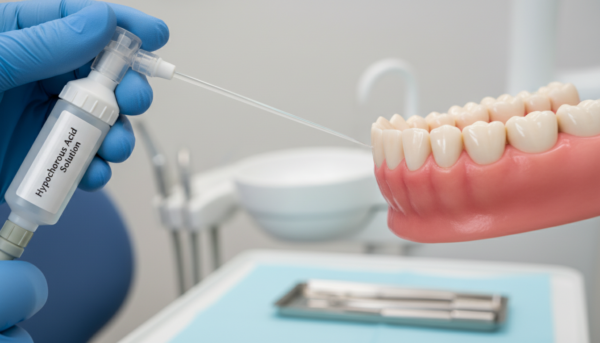
The mouth is a primary entry point for pathogens. While chlorhexidine mouthwashes are effective, they can stain teeth and alter taste perception. Hypochlorous acid offers a potent alternative for oral hygiene.
Dental Applications:
- Gingivitis: Reduces the bacterial load causing gum inflammation.
- Bad Breath: Neutralizes sulfur-producing bacteria instantly.
- Post-Procedure: Dentists use HOCl to irrigate root canals and during oral surgery to prevent infection.
Since it is non-toxic, accidental swallowing in small amounts poses no risk, unlike fluoride or alcohol-based rinses.
8. The Veterinarian’s Secret for Pets
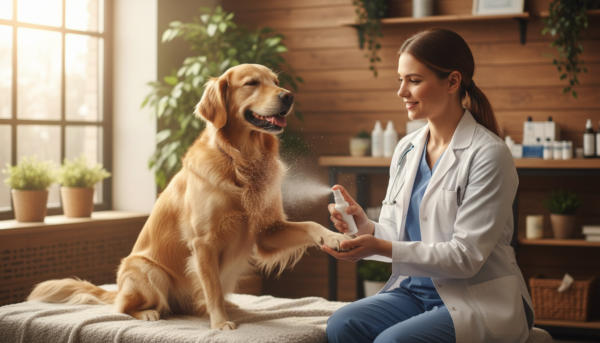
Animals are notorious for licking their wounds, which makes applying antibiotic creams difficult and dangerous if ingested. Hypochlorous acid is completely safe for all animals, from dogs and cats to horses and birds.
Top Veterinary Uses:
- Hot Spots: Relieves the itch and kills bacteria on raw, irritated skin patches.
- Ear Infections: Gentle enough to clean yeast and bacteria from sensitive ears without the stinging of alcohol.
- Paw Sanitization: After a walk, spraying paws removes pesticides, street grime, and allergens before the pet tracks them into the house.
- Skunk Spray: The oxidative power of HOCl breaks down the chemical thiols in skunk spray, neutralizing the odor rather than masking it.
9. Gym and Travel: Portable Hygiene
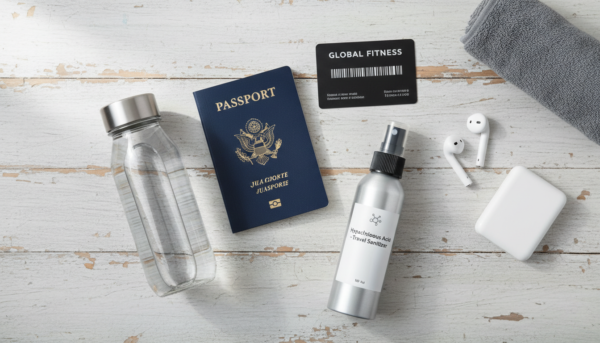
Public spaces like gyms, airplanes, and hotels are breeding grounds for MRSA, Ringworm, and Influenza. Carrying a travel-sized Hypochlorous acid spray is superior to hand sanitizer for total body protection.
The Gym Bag Essential:
Use it to spray down yoga mats, equipment handles, and even your own skin after a workout. Sweat changes the pH of your skin, encouraging acne-causing bacteria. A quick mist of HOCl neutralizes this immediately.
Travel Protection:
On airplanes, you can spray your tray table, armrests, and even mist the air around you. Because it is odorless and creates no fumes, it won’t disturb neighbors with asthmatic sensitivities like heavy perfumes or bleach wipes would.
10. Sanitizing the Nursery and Kid’s Toys
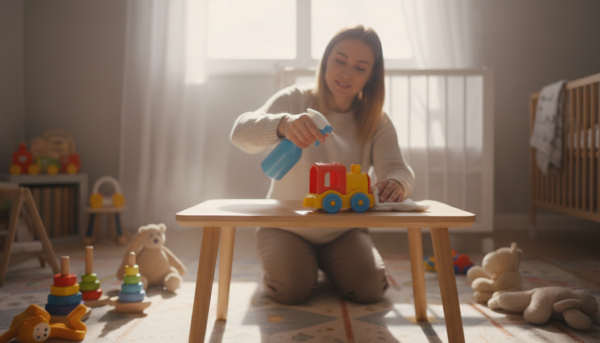
Parents constantly struggle between keeping things clean and avoiding chemical exposure for their children. HOCl bridges this gap perfectly. It is the ideal sanitizer for everything a baby touches.
Safe Applications:
- Pacifiers & Teethers: Spray, let sit for 30-60 seconds, and wipe or let dry. No rinsing required.
- High Chairs: Eliminates food-borne pathogens like E. Coli and Salmonella.
- Diaper Rash: Can be sprayed directly on the baby’s bottom to soothe irritation and prevent yeast infections.
Because it degrades into simple salt water, there is no chemical residue left behind for the baby to ingest.
11. Choosing the Right Product: Concentration & pH
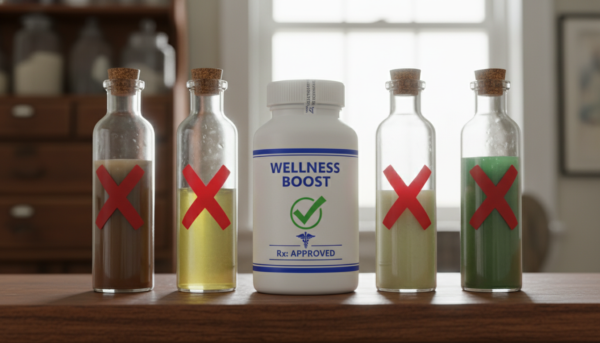
Not all Hypochlorous acid sprays are created equal. The market is flooded with DIY devices and unstable formulations. To get the benefits listed above, you must choose a product that is Stabilized.
Critical Buying Factors:
1. pH Balance: Look for a pH between 3.5 and 5.5. If the pH is too high (above 7), it turns into bleach (hypochlorite), which damages skin.
2. Concentration (PPM):
- Face/Eyes: 100-150 ppm is ideal.
- Wounds/Disinfection: 200-500 ppm is better for surfaces.
3. Packaging: HOCl is sensitive to UV light. It must be packaged in an opaque (non-transparent) bottle. Clear bottles will render the product essentially water within weeks.
4. Shelf Life: Check the expiration date. High-quality stabilized HOCl typically lasts 12-24 months unopened, but DIY electrolyzed water lasts only 24 hours.
Frequently Asked Questions
Is Hypochlorous Acid the same as bleach?
No. While they are in the same chlorine family, bleach is Sodium Hypochlorite (high pH, caustic, toxic), whereas Hypochlorous Acid is HOCl (neutral pH, non-toxic, healing). They have vastly different safety profiles.
Can I make Hypochlorous Acid at home?
Yes, using electrolysis devices that mix salt, water, and vinegar. However, DIY batches are not stabilized. They lose potency within 24 hours and it is difficult to control the pH, risking the creation of bleach. For skin and medical use, store-bought stabilized formulas are safer.
Does Hypochlorous Acid stain clothes?
Generally, no. At the concentrations used for skin and surface sanitizing (100-200 ppm), it does not bleach fabrics. However, very high concentrations or poor quality DIY batches might cause discoloration on delicate dark fabrics.
Is it safe to inhale Hypochlorous Acid spray?
Yes. It is often used in fogging machines for dentists and hospitals to clean the air. It does not contain Volatile Organic Compounds (VOCs) that irritate the lungs, making it safe for asthmatics.
Can I use it with Retinol or Vitamin C?
Yes, but order matters. Use the HOCl spray first on clean skin and let it dry completely. Once dry, it has done its job and neutralized, allowing you to apply actives like Retinol or Vitamin C without interaction.
Does it have a smell?
It has a faint, temporary scent often described as swimming pool water or spa water. This is the natural scent of the molecule, not added fragrance. The smell dissipates as soon as it dries.
Is it safe for newborns?
Yes, it is one of the safest sanitizers available for newborns. It can be used for diaper changes, cleaning dropped pacifiers, and sanitizing hands before holding the baby.
How long does it take to kill bacteria?
HOCl is extremely fast-acting. It begins killing bacteria and viruses on contact, typically achieving significant reduction within 15 to 60 seconds.
You might also like:- Hypochlorous Acid: 13 Scientific Ways It Heals Acne, Eczema & More
Discover more from innerspiritglow
Subscribe to get the latest posts sent to your email.