
Key Takeaways
- Metabolic Boost: Drinking cold water can increase resting energy expenditure by up to 30% within 10 minutes.
- Skin Clarity: Proper hydration flushes systemic toxins, reducing acne breakouts and improving skin elasticity.
- Appetite Suppression: Pre-meal water intake significantly reduces calorie consumption by creating a sensation of fullness.
- The ‘Water Weight’ Paradox: Drinking more water signals the kidneys to stop hoarding sodium, effectively flushing out bloating.
- Structured Timing: Success relies on a rigid schedule (e.g., 2 glasses upon waking) rather than sipping randomly.
- Electrolytes Matter: To prevent hyponatremia, mineral balance is crucial during high-volume intake.
- Visual Tracking: Urine color is the most accurate real-time metric for hydration status.
You feel it every morning—the sluggishness, the puffiness around the eyes, and the frustrating reality that your skin looks dull despite the serums you apply. You’ve tried cutting carbs and buying expensive creams, but the bloat remains, and the breakouts persist. The solution isn’t in a pharmacy aisle; it’s likely coming from your tap, but you are utilizing it wrong.
Most people think ‘drinking more water’ means carrying a bottle and sipping occasionally. They are wrong. To trigger actual physiological changes—lipolysis (fat breakdown) and dermal detoxification—you need a strategic protocol. This 1 Week Water Challenge is not just about drinking; it is a calculated hydration schedule designed to reset your metabolism and purge toxins. Below, we break down the 10 critical components of the challenge that will transform your body in seven days.
1. The Science of Water-Induced Thermogenesis
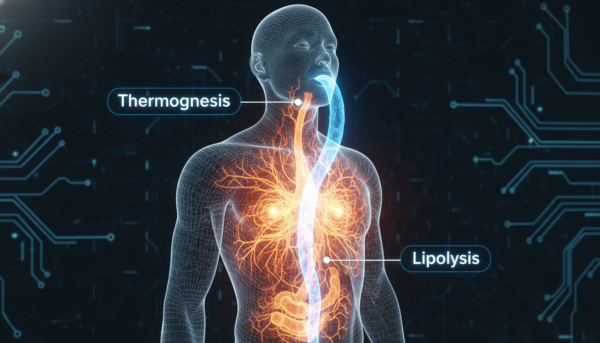
Understanding why this works is the first step to adherence. Water-induced thermogenesis is the physiological process where your body expends energy to warm the ingested fluid to body temperature.
The Caloric Math:
Research indicates that drinking 500ml (approx. 17oz) of cold water increases metabolic rate by 30% for about an hour. If you adhere to the challenge protocol of 3-4 liters daily, you are burning an additional 100+ calories per day purely through digestion—equivalent to walking a mile without moving.
Lipolysis Activation
Mild dehydration halts fat burning. When the liver is forced to assist the kidneys in filtration due to lack of water, it cannot metabolize stored fat efficiently. Fully hydrating frees up the liver to focus on lipolysis, the metabolic pathway through which lipid triglycerides are hydrolyzed into glycerol and free fatty acids.
Key Data Points:
| Mechanism | Effect on Body |
|---|---|
| Thermogenesis | Burns calories to heat water. |
| Kidney Function | Reduces water retention/bloat. |
| Cellular Volumization | Improves muscle tone and skin plumpness. |
2. How Hydration Detoxifies Pores and Reducing Acne
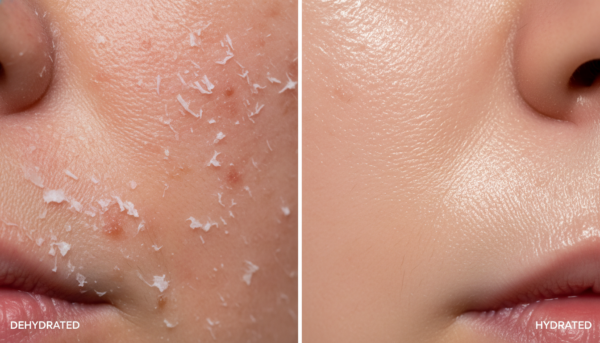
Skin is the body’s largest organ, and it is often the last to receive hydration. When you are dehydrated, the body prioritizes vital organs (heart, brain) over the skin, leading to a dry, flaky barrier that overproduces oil to compensate. This cycle causes acne.
The Toxin Flush Mechanism
During this 1-week challenge, the increased water intake optimizes the lymphatic system. The lymph nodes rely on fluid to transport white blood cells and flush out cellular waste. Without adequate water, lymph fluid becomes viscous, trapping toxins beneath the epidermis, resulting in cystic acne and inflammation.
Visible Skin Benefits by Day 7:
- Reduced Inflammation: Water dilutes the concentration of toxins in the bloodstream.
- Increased Elasticity: hydrated skin snaps back; dehydrated skin sags and shows fine lines.
- Sebum Regulation: Proper internal hydration signals sebaceous glands to stop overproducing oil.
3. Calculating Your Precision Daily Intake Formula
The ‘8 glasses a day’ rule is a myth. It is too generic. For a 1-week intensive challenge, you need a personalized number to force the body into a flushing state without causing hyponatremia (water intoxication).
The Challenge Formula
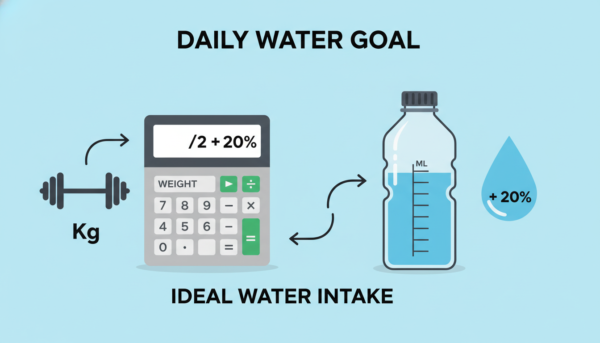
1. Base Calculation: Take your body weight in pounds and divide it by 2. This is your baseline in ounces.
2. The Challenge Multiplier: Add 20% to this number for the 7-day duration.
3. Activity Adjustment: Add 12oz for every 30 minutes of exercise.
Example Calculation:
- Weight: 160 lbs
- Base: 80 oz
- Challenge Add-on (+20%): +16 oz
- Total Target: 96 oz (approx 3 liters) per day.
Warning: Do not exceed 1 gallon (128 oz) unless you are heavily active and sweating, as this can dilute electrolyte levels dangerously.
4. The Morning Protocol: The ‘Internal Shower’
The most critical moment of the 1 Week Water Challenge is the first 20 minutes after waking. You have just spent 6-8 hours fasting and respiring water vapor. You are dehydrated.
The 2-Cup Rule
Before coffee, before food, and before brushing teeth, consume 24-32 ounces (approx 700ml-1L) of room temperature water.
Why This Works:
1. Peristalsis Trigger: A large volume of water on an empty stomach stimulates bowel movements, flushing waste accumulated overnight.
2. Cortisol Flush: Helps regulate stress hormones upon waking.
3. Brain Activation: Rehydrating the brain immediately eliminates morning fog faster than caffeine.
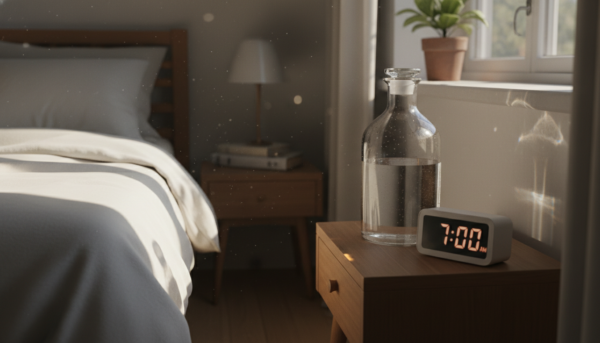
Pro Tip: Keep a filled liter bottle on your nightstand so you don’t even have to walk to the kitchen to start the challenge.
5. The Mid-Day Blocks: Timing Pre-Meal Intake
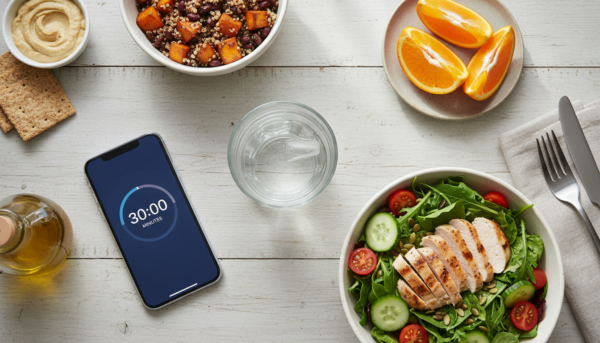
During the day, the strategy shifts from ‘flushing’ to ‘appetite control’ and ‘energy maintenance’. The challenge requires you to drink water 30 minutes before every meal.
The 30-Minute Gap
Drinking immediately during a meal can dilute digestive enzymes (though this is debated, for this challenge, we separate them to maximize stomach volume for satiety).
The Schedule:
- 10:00 AM: 16 oz (Hydration Block 1)
- 12:30 PM: 16 oz (30 mins before Lunch)
- 3:00 PM: 16 oz (The Afternoon Slump Cure)
Managing the Afternoon Slump:
Most fatigue at 3 PM is dehydration, not a lack of caffeine. Drinking cold water here shocks the system awake and curbs the craving for sugar. This specific block is crucial for weight loss as it prevents high-calorie snacking.
6. The Evening Taper: Sleep & Hydration Balance
Many people fail the water challenge because they backload their intake, drinking liters at 8 PM. This leads to nocturia (waking up to urinate), which disrupts sleep and spikes cortisol—counteracting weight loss.
The Taper Strategy
- 6:30 PM: 16 oz (30 mins before Dinner).
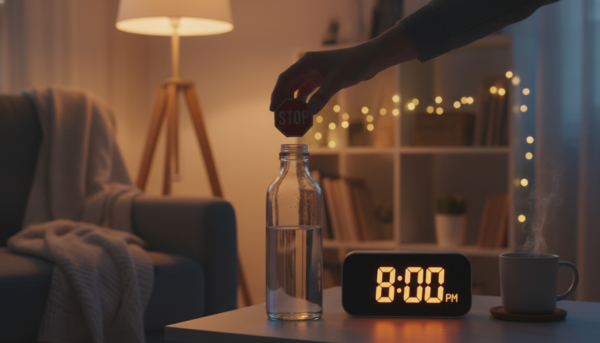
- 8:00 PM: Cut off large volume intake.
- Post-8 PM: Sips only.
Why Sleep Matters for Skin:
While you sleep, your skin creates new collagen. If you are waking up 4 times to use the bathroom, you interrupt the REM cycles needed for HGH (Human Growth Hormone) release. The goal is to be fully hydrated by sunset, not after. Front-loading your water intake earlier in the day is the secret to success.
7. Enhancing the Challenge: Lemon, Cucumber, and Electrolytes
Plain water can become tedious by Day 3. Enhancing your water is allowed and encouraged, provided it contains no sugar or artificial sweeteners.
Top 3 Infusions for Weight Loss & Skin
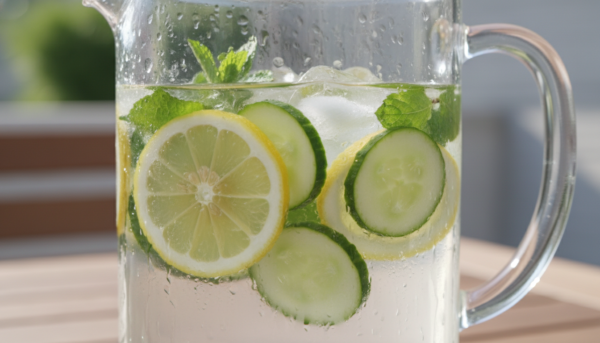
1. Lemon Water: Adds citric acid which stimulates stomach acid for better digestion and provides Vitamin C for collagen synthesis.
2. Cucumber & Mint: Cucumber is a natural diuretic containing silica, which is excellent for skin repair. Mint suppresses appetite.
3. Pink Himalayan Salt (A Pinch): Essential. When drinking 3+ liters, you flush out sodium. Adding a pinch of high-quality salt helps your cells absorb the water rather than just letting it run through you.
The Electrolyte Rule:
If you feel headaches or dizziness, you aren’t dehydrated—you are electrolyte-depleted. Add electrolytes immediately.
8. Tracking Progress: Urine Color & Skin Metrics
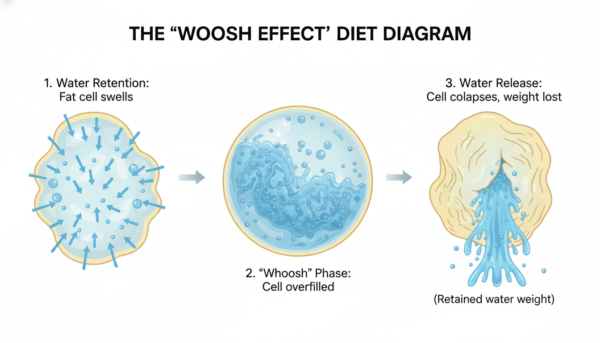
The scale is not the only metric for this challenge. In fact, on Day 2 or 3, the scale might go up slightly due to temporary fluid regulation before the ‘whoosh’ effect drops the weight.
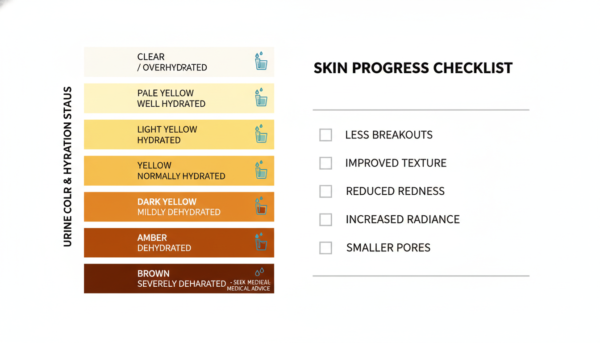
The Urine Chart
- Clear: You are drinking too much; slow down to prevent electrolyte dilution.
- Pale Straw: Perfect. You are in the fat-burning, toxin-flushing zone.
- Dark Yellow/Amber: Dehydrated. Drink 16 oz immediately.
Skin Metrics to Watch
Take a selfie on Day 1 and Day 7 in the same lighting. Look specifically for:
- Reduction in under-eye puffiness (indicates kidney flushing).
- Diminished redness around the nose and chin.
- A ‘plumper’ look to the cheeks (cellular hydration).
9. Overcoming The ‘Bloat Paradox’
A common complaint on Day 2 is: ‘I feel more bloated.’ This is the Bloat Paradox. When you have been chronically dehydrated, your body hoards water and sodium (aldosterone mechanism).
Breaking the Hoarding Cycle
When you suddenly increase intake, the body initially holds onto it out of fear of scarcity.
- Day 1-3: The body is skeptical. Bloating may occur.
- Day 4: The ‘Whoosh’ Effect. Your kidneys realize the water supply is consistent and release the stored water and sodium.
Crucial Advice: Do not stop when you feel bloated on Day 2. Pushing through is the only way to signal the kidneys to release the retention. Increasing potassium intake (bananas, avocados) can help accelerate this release.
10. Transitioning After Day 7: Maintenance Mode
You’ve completed the 1 Week Water Challenge. Your skin is glowing, and you’ve likely dropped 3-5 lbs of water weight and inflammation. What now? If you revert to 2 cups a day, the weight returns.
The Maintenance Protocol
1. Keep the Morning Routine: Never give up the 2 cups upon waking. This is a lifestyle change.
2. Adjust the Volume: You can drop from the ‘Challenge’ volume (Weight/2 + 20%) back to the baseline (Weight/2).
3. Listen to Thirst: Your thirst mechanism is now recalibrated. You will feel thirsty more often because your body now prefers hydration over dehydration.
Final Tip: Use this challenge once a month or before big events to reset your system, but maintain the baseline hydration daily for permanent results.
Frequently Asked Questions
How much weight can I lose on a 1 week water challenge?
Most participants lose between 2 to 5 pounds. However, this is primarily ‘water weight’—retained fluid and inflammation—rather than pure fat. This initial drop is crucial for reducing bloating and motivating long-term fat loss.
Can drinking too much water be dangerous?
Yes, water intoxication (hyponatremia) occurs when you drink so much that sodium levels in your blood drop dangerously low. Avoid drinking more than 1 liter per hour and ensure you are eating balanced meals with salt.
Does water really help clear acne?
Yes. Hydration helps flush toxins through the lymphatic system rather than the skin. It also helps regulate oil production; dehydrated skin often overproduces oil, which clogs pores.
Can I drink coffee or tea during the water challenge?
You can, but they do not count toward your water intake goal. Coffee and tea are mild diuretics. For every cup of coffee, you should drink an extra glass of water to compensate.
Why do I feel more bloated when I start drinking water?
This is the body’s initial reaction to hoarding water due to previous dehydration. Once your body trusts the consistent supply (usually by Day 3 or 4), it will flush the stored fluids and the bloating will disappear.
Is cold water better than warm water for weight loss?
Cold water is slightly better for metabolism (thermogenesis), as the body burns calories to heat it up. However, warm water is often better for digestion and reducing constipation.
Do I have to stop eating food during the water challenge?
No! This is a hydration challenge, not a fasting challenge. You should eat a healthy, balanced diet. Starving yourself while drinking high volumes of water can be dangerous.
How do I stop waking up at night to pee?
Front-load your water intake. Drink the majority of your water before 6:00 PM and stop drinking large amounts 2-3 hours before bed.
You might also like:- Morning Drink for Weight Loss & Skin Glow – 4 Simple Ingredients!
Discover more from innerspiritglow
Subscribe to get the latest posts sent to your email.
Solid platform with a great variety of options. I highly recommend checking out beephcasinologin if you want a fair gaming experience.
Top tier service and very fair odds. I’ve recommended this site to a few friends and we all have had a blast playing together. Visit jilifunregisteronline for a premium experience.
Finally found an app that doesn’t lag! The slot selection is massive and the bonuses are actually fair. It’s my go-to for some quick fun during my break. Highly recommend okplayslotapk