
Key Takeaways
- The Recipe is Simple: Just oats, water, and lime juice blended together.
- Not a GLP-1 Agonist: Unlike Ozempic, oats do not chemically alter hormones, but beta-glucan promotes satiety.
- Caloric Deficit Driver: Weight loss primarily comes from using the drink as a low-calorie meal replacement.
- Digestive Side Effects: High fiber content can cause significant bloating and gas for beginners.
- Nutrient Gap: The drink lacks protein and essential fats, requiring diet adjustments elsewhere.
It started on TikTok and exploded across the wellness world: Oatzempic. Users claim to be shedding 40 pounds in two months by drinking a murky blend of oats, water, and lime juice. With the high cost and side effects associated with pharmaceutical GLP-1 agonists like Ozempic and Wegovy, the desperation for a natural, affordable alternative is palpable.
But can a 50-cent pantry staple really mimic the effects of a breakthrough weight loss drug? Or is this just another crash diet rebranded with a catchy name? The promise is enticing: rapid weight loss without the needle. However, the reality of drinking blended raw oats daily involves complex digestive mechanics and nutritional trade-offs.
In this comprehensive guide, we strip away the hype. We analyze the biological impact of beta-glucan, the sustainability of the Oatzempic challenge, and the gritty details of taste and texture that influencers often omit. Here are the 12 critical sections covering everything you need to know about the Oatzempic phenomenon.
1. The Viral Phenomenon: What Exactly is Oatzempic?
The term ‘Oatzempic’ is a portmanteau of ‘oats’ and ‘Ozempic’ (semaglutide). It surged in popularity on TikTok in early 2024, with influencers claiming drastic weight loss results comparable to prescription medications. The trend typically involves consuming the drink daily, often as a breakfast meal replacement, for a period of weeks or months.
Unlike previous ‘detox’ teas or complex diet shakes, Oatzempic gained traction due to its extreme accessibility. There are no proprietary powders to buy or subscriptions to sign up for. It capitalizes on the current cultural obsession with GLP-1 agonists, promising the feeling of fullness and appetite suppression that drugs provide, but through a ‘natural’ mechanism.
The Claims:
- Rapid weight loss (up to 40 lbs in 2 months).
- Extreme appetite suppression.
- Stabilized blood sugar levels.
However, it is crucial to understand that this is a social-media-driven trend, not a medically endorsed protocol. The viral nature of the challenge often overshadows the nuance of why people lose weight on it, attributing success to the ‘magic’ of the mixture rather than the fundamental laws of thermodynamics.

2. The Official 3-Ingredient Recipe
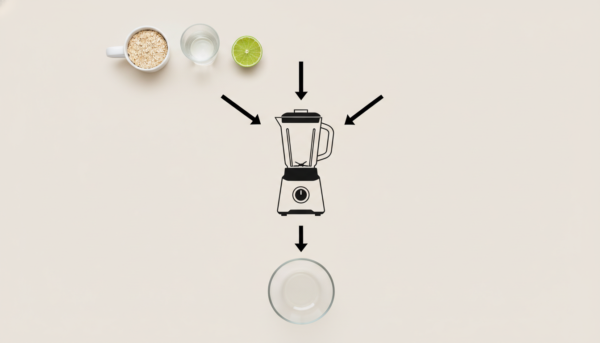
Simplicity is the key to Oatzempic’s virality. The recipe leaves little room for error, though the preparation method is vital for the correct consistency.
The Standard Recipe
| Ingredient | Quantity | Notes |
|---|---|---|
| Rolled Oats | 1/2 Cup (approx. 40g) | Old-fashioned or quick oats work best. Steel-cut are too hard to blend raw. |
| Water | 1 Cup (240ml) | Cold filtered water. |
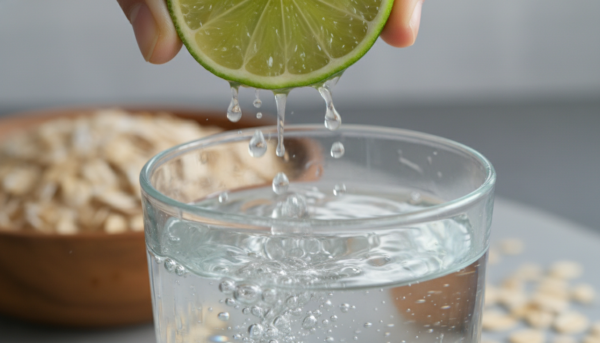
| Lime Juice | 1/2 Lime | Freshly squeezed is preferred for enzyme activity and flavor. |
Preparation Instructions:
1. Measure: Place the raw, dry oats into a high-speed blender.
2. Add Liquid: Pour in the water and squeeze in the fresh lime juice.
3. Blend: Blend on high for 30-60 seconds. The goal is to pulverize the oats as much as possible to release the starches, resulting in a smooth, albeit slightly chalky, liquid.
4. Consume Immediately: As the oats sit, they will absorb the water and thicken into a sludge. It is best drunk immediately after blending.
Note on Ingredients: Some variations use lemon instead of lime, or add cinnamon. However, the ‘purist’ Oatzempic challenge requires just these three components to minimize calories.
3. The Science: Beta-Glucan vs. GLP-1 Agonists
The name ‘Oatzempic’ implies a similarity to Semaglutide, the active ingredient in Ozempic. Semaglutide is a GLP-1 receptor agonist; it mimics a hormone that targets areas of the brain that regulate appetite and food intake. Oats do not do this.
However, oats possess a mechanism that can simulate a similar result (satiety), albeit through a different biological pathway.
The Role of Beta-Glucan
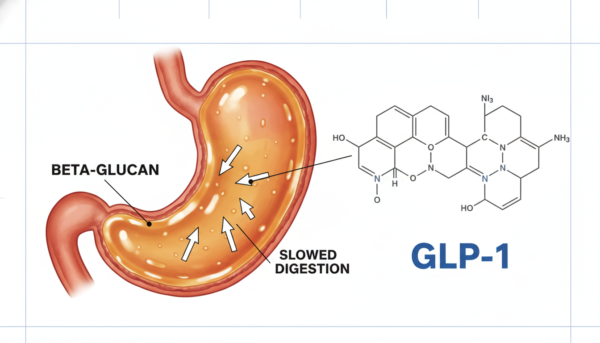
Oats are rich in beta-glucan, a type of soluble fiber. When beta-glucan mixes with water (and the fluids in your stomach), it forms a thick, gel-like substance.
Physiological Effects:
1. Gastric Emptying: The gel slows down the rate at which food leaves your stomach. This physical distension of the stomach sends signals to the brain that you are full.
2. Blood Sugar Regulation: By slowing digestion, beta-glucan blunts the insulin spike that typically follows carbohydrate consumption. Stable blood sugar prevents the ‘crash’ that triggers cravings.
So, while Oatzempic does not bind to GLP-1 receptors chemically, the mechanical effect of the fiber gel mimics the delayed gastric emptying that is a primary function of GLP-1 drugs.
4. Nutritional Profile & Macro Breakdown
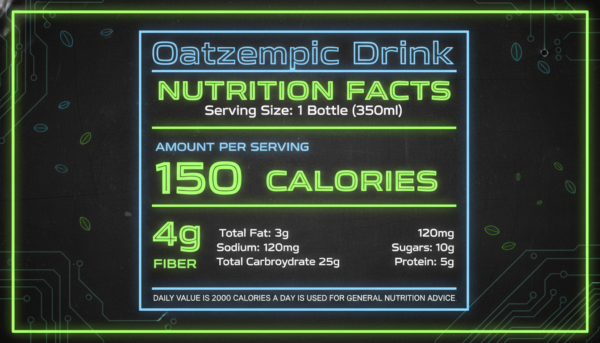
To understand the weight loss, we must look at the numbers. Oatzempic is essentially a low-calorie carbohydrate drink.
Nutritional Value (Per Serving):
- Calories: ~150 kcal
- Carbohydrates: ~27g
- Fiber: ~4g (Soluble & Insoluble)
- Protein: ~5g
- Fat: ~2.5g
- Sugar: ~0.5g (Natural)
The Deficit Context
If you replace a standard American breakfast—which might consist of a bagel with cream cheese (400+ kcal) or eggs, bacon, and toast (600+ kcal)—with this 150-calorie drink, you are immediately creating a deficit of 250 to 450 calories per day.
Over the course of a week, this swap alone accounts for nearly a pound of weight loss (3,500 calorie deficit), purely based on math. The ‘magic’ is not in the lime juice dissolving fat (a physiological impossibility); the magic is in the drastic reduction of caloric intake while maintaining a moderate level of fullness due to the fiber.
5. Weight Loss Claims: Fact vs. Fiction
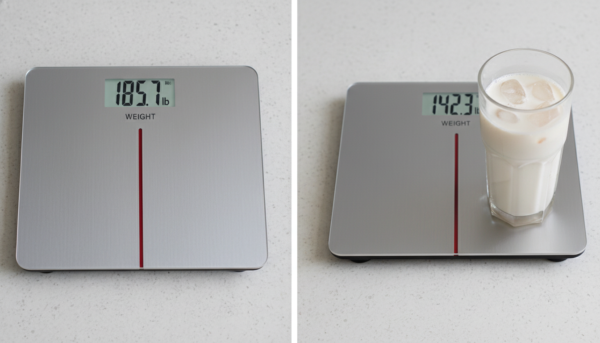
The claim of losing “40 pounds in 2 months” is the primary hook of this trend. Is it possible? Theoretically, yes. Is it solely due to the drink? No.
The Reality of Rapid Weight Loss:
To lose 40 pounds in 60 days, one must lose roughly 4.6 pounds per week. This requires a caloric deficit of nearly 2,300 calories per day (or a combination of deficit and extreme exercise).
Scenario A: The Oatzempic User
Most users engaging in this challenge aren’t just drinking the oats; they are usually overhauling their diet, cutting processed foods, and exercising more. The drink acts as a catalyst for behavior change.
Scenario B: Water Weight
The initial drop seen in the first week is often water weight. By switching to whole grains and reducing sodium-heavy processed foods, the body sheds retained water. This is motivating, but it is not fat loss.
The Verdict: The drink is a tool for caloric restriction. It is not a metabolic firestarter. If you drink Oatzempic but continue to eat in a calorie surplus for the rest of the day, you will not lose weight.
6. The Role of Lime Juice: Is It Necessary?
Why lime juice? Many assume the citric acid has a fat-burning property.
The Myth: There is no scientific evidence that citric acid dissolves adipose tissue (body fat) upon ingestion.
The Function:
1. Palatability: Raw blended oats taste like wet cardboard. The acidity of the lime cuts through the starchiness, making it marginally easier to swallow.
2. Insulin Response: Some studies suggest that vinegar or acidic components can slightly improve insulin sensitivity when consumed with carbs, potentially lowering the glycemic response of the oats.
3. Vitamin C: It adds a small boost of Vitamin C, which is good for general health, though irrelevant to immediate weight loss.
You could skip the lime or swap it for lemon without altering the caloric deficit mechanics, but the flavor profile (if you can call it that) relies on the citrus to mask the raw grain taste.
7. Potential Side Effects: The ‘Oat-Bloat’
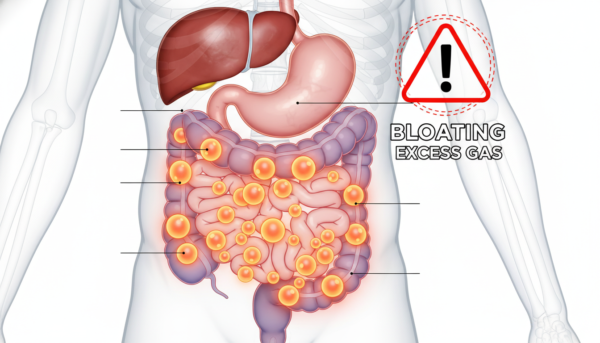
Rapidly introducing raw, high-fiber loads to a digestive system accustomed to processed foods can lead to significant gastrointestinal distress.
Common Side Effects:
- Bloating: The fermentation of fiber by gut bacteria produces gas. Because the oats are raw, they may be harder for some to digest than cooked oatmeal.
- Gas and Cramping: A sudden increase in fiber intake (from 10g to 25g+ a day if drinking multiple times) can cause painful cramping.
- Mineral Malabsorption: Oats contain phytates (phytic acid), often called ‘anti-nutrients,’ which can bind to minerals like iron and zinc, reducing their absorption. Soaking oats usually reduces phytates, but the Oatzempic recipe calls for blending them raw and dry.
Mitigation: If you experience severe bloating, it is recommended to start with half the portion size or to use ‘sprouted’ oats which are easier to digest.
8. Taste & Texture: A Realistic Palatability Guide
Let’s be honest: Oatzempic is not a milkshake. It is functional fuel, not a culinary delight.
Texture:
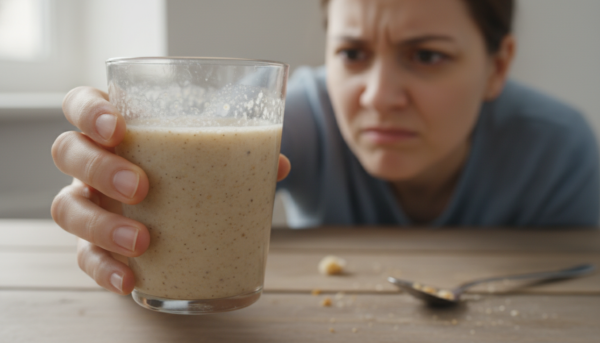
Unless you have a commercial-grade blender (like a Vitamix), the texture will likely be gritty. As the drink sits, the beta-glucan activates, turning the liquid into a viscous sludge. It has been described as drinking “liquid oatmeal” or “chalky water.”
Taste:
The flavor is predominantly bland and starchy, with a sharp, sour kick from the lime. It lacks sweetness entirely.
The ‘Gag Factor’:
Many TikTok users record themselves struggling to finish the drink without gagging. This aversion can actually contribute to weight loss simply because it kills the appetite—you don’t want to eat anything else after forcing down a glass of cold oat sludge.
9. Modifications: Making It Drinkable (and Better)
If you cannot stomach the raw recipe, or if you want to improve the nutritional profile, modifications are necessary. However, be warned: adding ingredients adds calories.
Flavor Enhancements (Low Calorie):
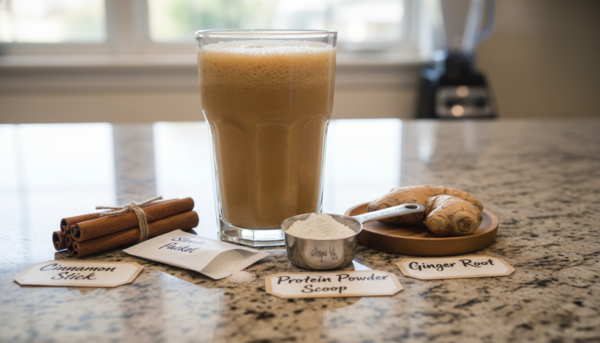
- Cinnamon: Adds flavor and helps regulate blood sugar.
- Stevia/Monk Fruit: Adds sweetness without calories.
- Ginger: Aids digestion and combats the ‘oat-bloat’.
Nutritional Enhancements:
- Protein Powder: The biggest flaw of Oatzempic is the lack of protein. Adding a scoop of whey or plant protein turns this into a complete meal, though it raises the calories to ~250-300.
- Chia Seeds: Adds Omega-3s and even more fiber (proceed with caution regarding bloating).
Cooking the Oats?
Some users ask if they can cook the oats first. Yes, but then you are just eating oatmeal. The convenience of the ‘drink’ is lost, though the nutritional value remains largely the same.
10. Who Should Try It (And Who Shouldn’t)
Oatzempic is not for everyone. It is a specific tool for a specific type of dieter.
Who Might Benefit:
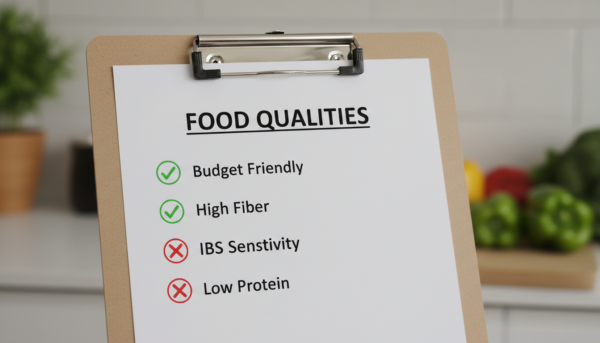
- Budget Dieters: It is infinitely cheaper than supplements or drugs.
- Volume Eaters: Those who need physical stomach fullness to feel satisfied.
- Breakfast Skippers: If you usually skip breakfast and binge at lunch, this provides a fiber buffer.
Who Should Avoid It:
- Those with IBS/IBD: The high raw fiber content can trigger severe flare-ups.
- Celiacs: Unless using specifically certified Gluten-Free oats, cross-contamination is a risk.
- People with History of ED: The restrictive nature of ‘challenges’ and replacing meals with unpalatable sludge can encourage disordered eating patterns.
- Those needing High Protein: Elderly individuals or athletes risk muscle loss if they replace protein-rich meals with this carb-heavy drink.
11. The 30-Day Protocol Explained
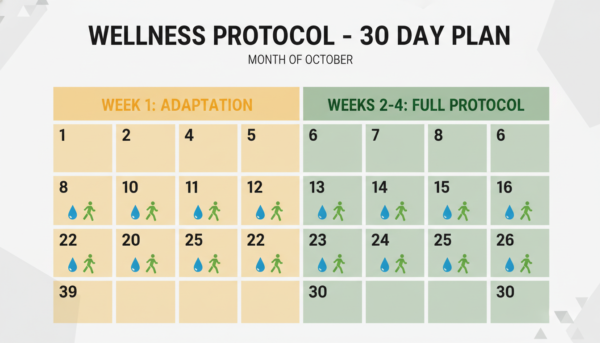
If you decide to undertake the Oatzempic challenge, structure is key to avoiding burnout and nutrient deficiency.
Week 1: Adaptation
- Start with 1/2 serving (1/4 cup oats) to test digestive tolerance.
Drink it every other* morning.
- Focus on hydration (water intake must increase with fiber intake).
Week 2-4: The Full Protocol
- Morning: Consume 1 full serving of Oatzempic upon waking.
- Lunch: High protein meal (chicken/fish + veggies). Since the drink has almost no protein, lunch is critical.
- Dinner: Balanced meal, finish eating 3 hours before bed.
- Exercise: 30 minutes of walking daily (crucial for gut motility).
Exit Strategy:
Do not rely on this forever. After 30 days, transition back to whole solid foods (like cooked oatmeal with egg whites) to maintain the weight loss sustainably.
12. Final Verdict: Fad or Functional?
Oatzempic is a fascinating case study in viral nutrition. It sits in the gray area between a ‘fad diet’ and ‘sound nutritional advice.’
The Good: It encourages the consumption of whole grains, increases fiber intake (which most people lack), and eliminates processed sugary breakfasts. It promotes satiety via beta-glucan, which is scientifically valid.
The Bad: The marketing is deceptive. It is not a drug alternative. It is a meal replacement strategy. The taste is poor, and the lack of protein makes it a suboptimal meal on its own.
The Conclusion: If you use Oatzempic as a short-term kickstarter to control cravings and reset your palate, it can work. If you expect it to chemically melt fat while you change nothing else about your lifestyle, you will be disappointed. It is Functional, but not a Miracle.
Frequently Asked Questions
Can I use instant oats for Oatzempic?
Yes, but rolled oats or old-fashioned oats are preferred. Instant oats are more processed and have a higher glycemic index, meaning they digest faster and may keep you full for less time than rolled oats.
Does Oatzempic actually shrink your stomach?
No. The drink does not physically shrink the organ. However, because it keeps you fuller for longer, it may help you accustom yourself to smaller portion sizes over time.
Can I blend the oats the night before?
It is not recommended. The oats will absorb the water and turn into a very thick, cement-like paste that is difficult to drink. It is best blended and consumed fresh.
Is Oatzempic safe for breastfeeding moms?
Generally, oats are great for lactation. However, because this is a weight loss protocol involving calorie restriction, you should consult your doctor to ensure you are getting enough total calories and nutrients for milk production.
Can I add sweetener to the recipe?
Technically yes, but to keep the calorie count low and insulin spikes down, opt for non-caloric sweeteners like Stevia or Monk Fruit rather than sugar or honey.
Why does Oatzempic make me bloated?
This is due to the sudden increase in fiber. Gut bacteria ferment the fiber, producing gas. To reduce this, drink plenty of water and introduce the drink slowly (half portions) until your gut adjusts.
Is Oatzempic better than Ricezempic?
Yes. ‘Ricezempic’ (rice water and lime) is primarily starch with very little fiber. Oatzempic contains beta-glucan fiber, which is the key mechanism for satiety and blood sugar regulation.
Does the lime juice burn belly fat?
No. Lime juice adds flavor and Vitamin C, but there is no food that burns fat upon contact. Fat loss occurs through a sustained caloric deficit.
You might also like:- Oatzempic Recipes: The Definitive Guide to the ‘Natural Ozempic’ Viral Trend
Discover more from innerspiritglow
Subscribe to get the latest posts sent to your email.

[5383]6789bet | Link vào tải app và hướng dẫn chơi baccarat,6789bet cung cấp link vào không chặn và hướng dẫn tải app nhanh chóng. Khám phá mẹo quay slot nổ hũ và cách nạp tiền qua Momo casino dễ dàng. Truy cập ngay! visit: 6789bet
I hit a nice jackpot here last week! The slot games are fair and the excitement is real. You should join hulk123slot right away.
Just hit a nice streak today! The bonuses are generous and the site feels very secure. I’m sticking with winxx26 for a while.
[1972]79king01 | Link vào chính thức và cách chơi baccarat online,79king01 cung cấp link vào chính thức, hỗ trợ tải app nhanh chóng và hướng dẫn nạp tiền casino qua momo tiện lợi. Truy cập ngay để trải nghiệm sảnh game. visit: 79king01
I love the daily bonuses they offer. It keeps things exciting even when I am just playing for fun. Big thanks to 56bbet for the great vibes
Finally found a place that doesn’t lag during peak hours. The login process is super easy and everything just works. Highly recommend 56blogin for anyone looking for stability.
Best experience I have had in a long time. Everything from the deposit to the actual gaming is handled professionally. I highly suggest vnzx888 to everyone.
Super friendly community and a very polished website. I appreciate how they handle the promotions. It is a great place to relax and win some cash. Try beekingph