
Key Takeaways
- Nutritional Density: Cottage cheese is packed with casein protein, offering a slow-release amino acid profile ideal for muscle recovery.
- Texture Transformation: The ‘whipped’ trend uses immersion blenders to remove curds, creating a smooth consistency similar to ricotta or Greek yogurt.
- Viral Versatility: From high-protein ice cream to savory flatbreads, cottage cheese acts as a neutral base for both sweet and savory applications.
- Macro-Friendly: It generally offers a higher protein-to-calorie ratio than milk and rivals Greek yogurt, making it a staple for keto and high-protein diets.
- Sodium Awareness: While beneficial, consumers must check labels for sodium content or opt for ‘no salt added’ varieties for heart health.
- Gut Health: Many modern brands utilize live and active cultures, turning this retro staple into a probiotic powerhouse.
- Cost-Effective: Compared to specialized protein powders or bars, cottage cheese remains an affordable whole-food protein source.
Remember when cottage cheese was exclusively associated with 1980s diet plates and a garnish of sad, canned peaches? Those days are over. The Problem: For decades, this dairy product suffered from an image crisis—labeled bland, lumpy, and outdated.
The Agitation: Meanwhile, fitness enthusiasts and home cooks have been desperately searching for high-protein, low-sugar alternatives to Greek yogurt that don’t taste like chalky supplements.
The Solution: Enter the Cottage Cheese Resurgence. Driven by viral TikTok trends and a nutritional profile that arguably beats yogurt, cottage cheese has undergone a massive glow-up. By blending it into ice creams, baking it into breads, and whipping it into dips, creators have unlocked a versatile superfood that packs 25g of protein per cup. In this guide, we break down the 10 critical aspects of this comeback, including the specific viral hacks you need to try right now.
1. The Nutritional Powerhouse: Why Dietitians Love It
The foundation of the cottage cheese resurgence lies in its impressive macronutrient profile. Unlike many ‘health foods’ that rely on marketing, cottage cheese delivers raw data that appeals to bio-hackers and casual dieters alike.
The Casein Advantage
While whey protein absorbs quickly, cottage cheese is rich in casein protein. Casein is slow-digesting, meaning it provides a steady stream of amino acids to your muscles over several hours. This makes it the ultimate bedtime snack for preventing muscle breakdown (catabolism) during sleep.
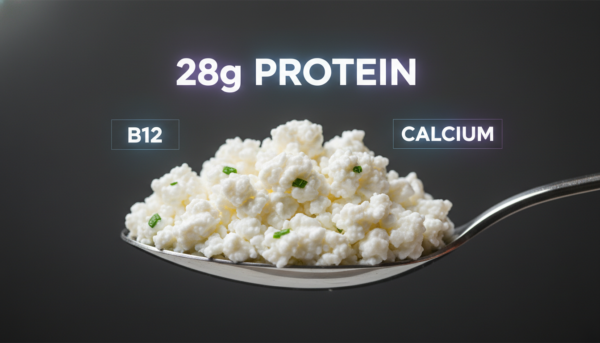
Nutritional Breakdown (Per 1 Cup / 226g Low Fat)
| Nutrient | Amount | % Daily Value |
|---|---|---|
| Protein | 28g | 56% |
| Calories | 163 | – |
| Total Fat | 2.3g | 3% |
| Calcium | 138mg | 11% |
| Selenium | 20mcg | 30% |
Beyond Macros
Modern dietitians champion cottage cheese for its B-vitamin complex, particularly B12 (vital for energy) and Riboflavin. Furthermore, the resurgence has pushed brands to remove carrageenan and gums, resulting in cleaner ingredient lists that focus on cultured milk, cream, and salt.
2. Cottage Cheese vs. Greek Yogurt: The Protein Showdown
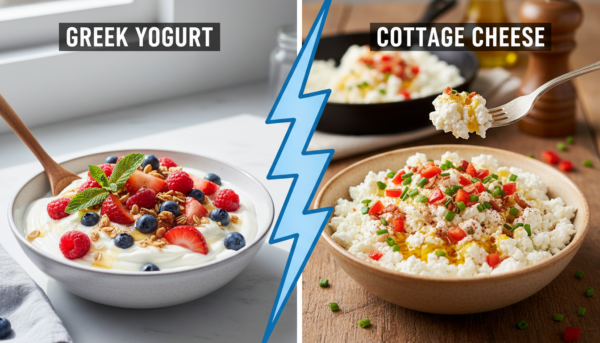
For years, Greek yogurt held the crown as the king of dairy protein. However, the resurgence of cottage cheese has challenged this reign. While both are fermented dairy products, their applications and nutritional nuances differ significantly.
Sodium vs. Sugar
Greek yogurt is naturally lower in sodium but often has a tart profile that requires added sweeteners (honey, fruit syrups) to be palatable for many. Cottage cheese is naturally savory due to sodium content, which makes it easier to eat without adding sugar, but it requires monitoring for those with high blood pressure.
Culinary Flexibility
- Greek Yogurt: Best for cold applications, smoothies, and baking where moisture is needed.
- Cottage Cheese: Superior for melting (think lasagna), blending into heavy creams, and savory dips. It doesn’t separate as easily as yogurt when heated.
The Verdict
If your goal is pure satiety and savory meal prep, cottage cheese often wins. The distinct lack of tartness allows it to mimic high-calorie ingredients like heavy cream or mayonnaise much more effectively than yogurt can.
3. The ‘Whipped’ Revolution: Fixing the Texture Issue
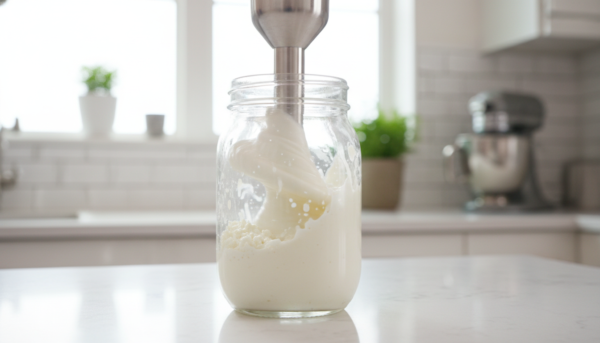
The number one barrier to entry for cottage cheese adoption has always been texture. The ‘lumpy’ curds trigger a sensory aversion for many. The solution that sparked the viral trends of 2023 and 2024 is simple: The Immersion Blender.
The Science of Whipping
When you blend cottage cheese, you break down the curd structure, releasing the whey and cream trapped inside. This emulsifies the mixture into a product indistinguishable from ricotta or a thick sour cream.
How to Do It:
1. Place the cottage cheese in a food processor or tall jar.
2. Blend on high for 30-60 seconds.
3. Optional: Add a splash of milk or olive oil for extra silkiness.
Result: A high-protein, creamy base that can be spread on toast, used as a dip foundation, or swirled into sauces. This single technique is responsible for 80% of the current viral recipes. It transforms the ingredient from a ‘diet food’ to a ‘gourmet base’.
4. Viral Hack #1: The High-Protein Ice Cream
Perhaps the most famous of the viral hacks, ‘Cottage Cheese Ice Cream’ took over TikTok with millions of views. It addresses a core consumer desire: a dessert that builds muscle.
The Formula
The basic recipe involves blending the full-fat cheese with a sweetener (honey, maple syrup) and fruit (strawberries, peaches). Once frozen, the protein structure prevents it from becoming a solid block of ice, though it does require tempering.
Why It Works
Traditional ice cream relies on heavy cream and eggs for fat and emulsification. Blended cottage cheese mimics this fat mouthfeel but swaps the empty calories for casein protein.
Pro Tips for Creaminess:
- Fat Matters: Do not use fat-free cheese; 4% milkfat is essential for texture.
- Add-Ins: Mixing in a tablespoon of almond butter or peanut butter prevents ice crystals from forming too harshly.
- Tempering: Let the tub sit on the counter for 10-15 minutes before scooping to soften the protein matrix.

5. Viral Hack #2: Edible Cookie Dough (Guilt-Free)
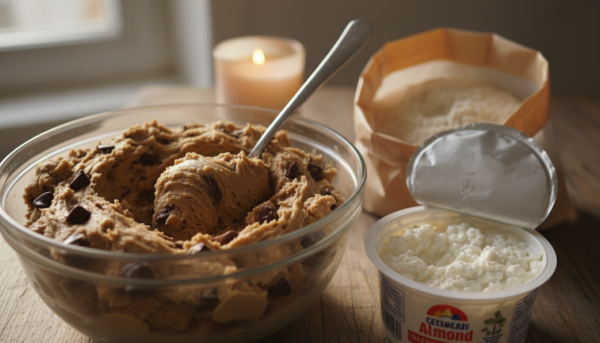
Craving cookie dough without the salmonella risk or the sugar crash? This hack utilizes the neutral flavor profile of cottage cheese to carry vanilla and chocolate notes.
The Recipe Structure
- Base: 1 cup blended cottage cheese.
- Flour Substitute: Almond flour or heat-treated oat flour (for texture).
- Flavor: Vanilla extract and protein powder (vanilla or chocolate).
- Mix-ins: Dark chocolate chips.
The Taste Test
Surprisingly, the tang of the cheese mimics the slight tang of cream cheese or buttermilk often found in baking, enhancing the ‘dough’ flavor. By using almond flour, this becomes a Keto-friendly powerhouse snack. It is dense, satiating, and eliminates the need for raw eggs or butter, cutting the caloric density by nearly half compared to traditional cookie dough.
6. Viral Hack #3: The Mustard & Veggie Plate Trend
Originating from creator Tiffany Magee, the ‘Mustard Lady’ trend showcased eating raw vegetables and chicken sausage dipped in a mixture of cottage cheese and yellow mustard.
Why It Went Viral
1. ASMR: The crunch of the veggies paired with the soft dip created engaging content.
2. Volume Eating: This is a classic example of volume eating—consuming large physical amounts of food for low calories. The cottage cheese provides the protein anchor, while the mustard adds zero-calorie flavor.
Nutritional Impact
This trend encouraged users to consume massive amounts of hearts of palm, celery, and carrots. The cottage cheese acts as the delivery vehicle for satiety. It demonstrates that the cheese doesn’t always need to be hidden; it can be celebrated as a savory dip when paired with strong acids like mustard or vinegar.

7. Viral Hack #4: 2-Ingredient Flatbreads
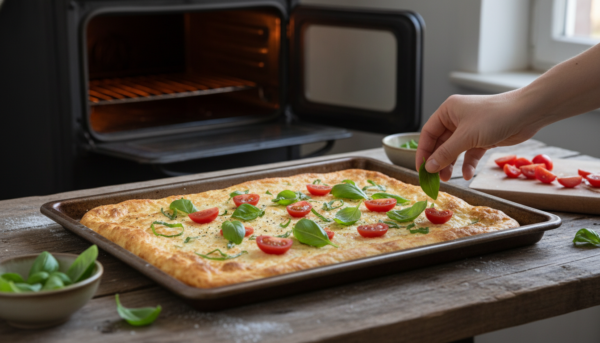
Bread is usually the enemy of low-carb diets, but the cottage cheese flatbread changes the equation. This recipe went viral for being impossibly simple and purely protein-based.
The Mechanism
By blending cottage cheese with eggs and baking it flat on a parchment-lined tray, the proteins coagulate into a flexible ‘bread’ that can be used for wraps, sandwiches, or pizza crusts.
Recipe Ratio
- 1 Cup Cottage Cheese
- 2 Eggs
- Seasoning (Garlic powder, Italian herbs)
Application
Bake at 350°F (175°C) for 30-40 minutes. The result is a golden, pliable sheet. Unlike cauliflower crusts which can be soggy, the dairy proteins firm up significantly. This hack allows for a ‘sandwich’ that contains 30-40g of protein before you even add the filling.
8. Savory Swaps: Alfredo & Pasta Sauces
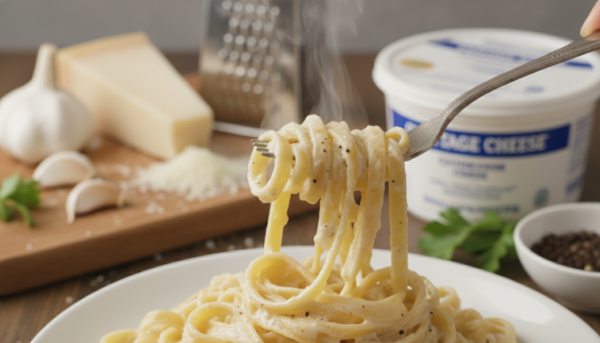
Traditional Alfredo sauce is a caloric bomb of butter and heavy cream. Cottage cheese offers a ‘skinny’ alternative that actually improves the nutritional profile of pasta dishes.
The Sauce Swap
Blending cottage cheese with garlic, parmesan, and a little pasta water creates a luxurious white sauce. When tossed with hot pasta, the sauce warms through (do not boil it, or it may curdle) and coats the noodles perfectly.
Mac & Cheese Upgrade
For Mac & Cheese, blending cottage cheese with cheddar and mustard powder allows you to reduce the amount of actual cheese needed while doubling the protein. This turns a carb-heavy comfort food into a balanced recovery meal for athletes. The key is the blending—it removes the graininess that would otherwise ruin a smooth sauce.
9. The Breakfast Glow-Up: Pancakes & Scrambles
Breakfast is the most critical time for protein intake to regulate appetite throughout the day. Cottage cheese is being used to fortify standard breakfast items.
The Fluffy Pancake Hack
Adding cottage cheese to pancake batter (or using it as the main base with oats and eggs) creates the fluffiest pancakes imaginable. The acid in the cheese reacts with baking powder for extra lift, while the curds melt away into creamy pockets.
Creamier Scrambles
Gordon Ramsay famously adds crème fraîche to eggs; the healthy hack is to add a spoonful of cottage cheese to beating eggs. As the eggs cook, the cheese releases moisture, preventing the eggs from drying out and adding a cheesy, savory undertone without the grease of cheddar.

10. Selecting the Best Brands: Curd Size & Ingredients
Not all cottage cheese is created equal. The resurgence has highlighted a divide between ‘old school’ brands loaded with gums and ‘modern’ brands focusing on fermentation.
Good Culture & The Probiotic Push
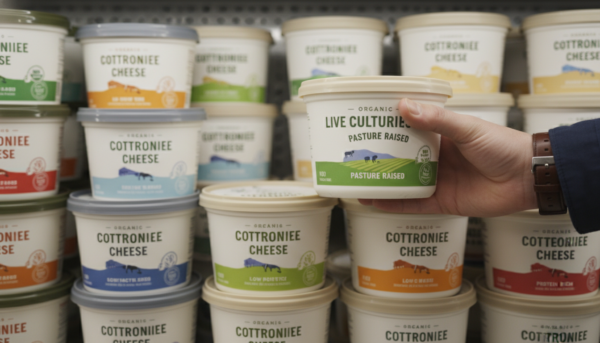
Brands like Good Culture have led the revolution by offering ‘thick and creamy’ varieties that skip the carrageenan and rely on live active cultures. This probiotic element appeals to the gut-health conscious consumer.
Curd Size Matters
- Small Curd: More compact, slightly more tangy. Better for dips where you want some texture but not large chunks.
- Large Curd: Higher moisture content, sweeter perception. Best for eating straight from the bowl with fruit.
Check the Label
Avoid brands where ‘Salt’ is the second ingredient. Look for ‘Cultured Milk, Cream, Salt’ as the primary trio. If you see ‘Guar Gum’ or ‘Xanthan Gum’, know that the texture will be more artificial and slippery compared to the natural thickness of cultured brands.
Frequently Asked Questions
Is cottage cheese good for weight loss?
Yes. It is high in protein and low in calories, which increases satiety (feeling full) and boosts metabolism through the thermic effect of food. It helps maintain muscle mass while in a calorie deficit.
Can I freeze cottage cheese?
Technically yes, but the texture will change significantly upon thawing, becoming grainy. It is best to freeze it only if you plan to blend it into smoothies or sauces later, or if you are making the viral ice cream hack.
Why is cottage cheese better than yogurt for some diets?
It is often lower in sugar than flavored yogurts and higher in protein per serving. Its savory profile also makes it more versatile for lunch and dinner recipes compared to the naturally tart/sweet profile of yogurt.
Is cottage cheese keto-friendly?
Yes, full-fat cottage cheese is keto-friendly. However, you should check the label for added sugars or fruit, and consume it in moderation as it does contain a small amount of lactose (milk sugar).
What does blended cottage cheese taste like?
Blended cottage cheese loses its lumpiness and tastes like a mild, creamy ricotta or heavy cream cheese. It absorbs the flavors of whatever you mix it with, making it a perfect neutral base.
How long does cottage cheese last after opening?
Typically, cottage cheese should be consumed within 7 to 10 days of opening. Always check for signs of spoilage like sour smell, yellowing, or mold.
Is it safe for lactose intolerant people?
Cottage cheese contains lactose, but less than fresh milk due to the fermentation process. Some brands offer lactose-free versions, which are the safest bet for those with intolerance.
Does cottage cheese have probiotics?
Many modern brands (like Good Culture) contain live and active cultures. Check the label for strains like Lactobacillus to ensure you are getting gut-health benefits.
You might also like:- The Definitive Guide to Cottage Cheese Flatbread: Science, Macros & Mastery
Discover more from innerspiritglow
Subscribe to get the latest posts sent to your email.
The cottage cheese revival highlights how effective re-branding can be. It’s a lesson in consumer psychology: people crave high-value, reliable sources. Whether it’s a macro-friendly snack or finding a trusted entertainment platform, due diligence is key. Always verify sources, whether it’s a recipe or checking yaman plus legit.
I’ve tried a few platforms but this one feels the most intuitive. Great payouts and fast support. Give fy88com a try!
This ‘resurgence’ narrative is fascinating. It perfectly illustrates that value is often defined by perception and modern optimization. Whether it’s food science or digital entertainment, continuous improvement is key. Understanding the market dynamics of engagement is crucial, whether optimizing a recipe or finding a reliable platform like the hi19 link. hi19 link
Just discovered this gem while sipping coffee abroad! The rewards system at NUSTAR Rewards feels legit for Filipino players. Great slots and live casino vibes too. Highly recommend checking it out now before the bonuses expire!
Intriguing take on platform evaluation. Beyond the hype, the focus on verifiable signals, like clear T&Cs, is key. For deeper historical context on player acquisition, check out 888phl legit app casino.