
Key Takeaways
- Hybrid Formula: Combines the pigmentation of a stain with the deep hydration of a treatment mask.
- Zero Stickiness: Unlike traditional glosses, oils absorb rather than sit heavily on the surface.
- Barrier Repair: Ingredients like Jojoba and Rosehip oils actively repair the lipid barrier.
- Versatility: Can be worn as an overnight mask, a lip prep primer, or a high-shine topper.
- Customizable: Many formulas use pH-reacting technology for a custom shade unique to your chemistry.
Does your lip gloss feel like a glue trap every time the wind blows? You are not alone. For decades, beauty lovers have compromised comfort for shine, tolerating sticky, heavy formulas that dry out lips the moment they wipe off. This creates a vicious cycle of chapped lips and reapplication that never actually heals the skin.
Enter Tinted Lip Oils: the game-changing hybrid that has disrupted the cosmetic industry. By fusing the skincare benefits of a nourishing balm with the high-shine aesthetic of a gloss, lip oils solve the ‘sticky lip’ crisis while delivering a wash of color that looks effortless and chic. In this comprehensive guide, we break down exactly why this switch is essential for your lip health and how to navigate the booming market of oil-based lip care.
1. Understanding the Hybrid Science: Makeup Meets Skincare
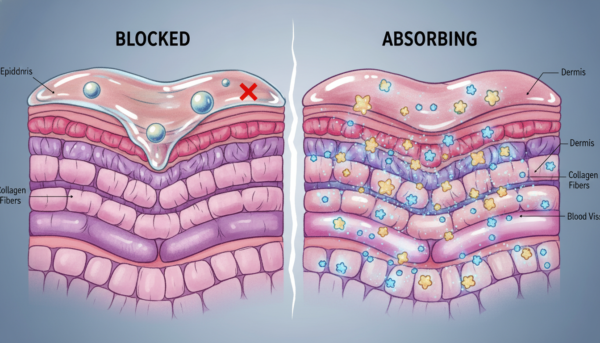
Tinted lip oils represent a cosmetic breakthrough known as hybridization. Unlike traditional lip glosses, which rely on polybutene or lanolin to create a thick, refractive layer on top of the skin, lip oils utilize carrier oils that penetrate the epidermis.
The Molecular Difference
The molecular weight of the oils used (typically Jojoba, Hazelnut, or Coconut) allows them to sink into the delicate skin of the lips rather than merely coating it. This provides sustained hydration from within, rather than a temporary barrier that evaporates quickly.
Key Differentiators
- Absorption: Oils sink in; Gloss sits on top.
- Texture: Oils are fluid and slippery; Gloss is viscous and tacky.
- Pigment: Oils offer a translucent ‘stained glass’ effect; Gloss offers opaque coverage.
2. The ‘Non-Sticky’ Factor: Comfort is King
The number one complaint regarding lip gloss is the ‘hair-trap’ factor. Wind blows, hair sticks to lips, makeup gets ruined. Tinted lip oils eliminate this entirely through non-Newtonian fluid dynamics.
Because they lack the heavy wax and resin content of glosses, they possess a ‘slip’ that feels like a serum. This creates a sensory experience that is luxurious rather than annoying.
| Feature | Traditional Gloss | Tinted Lip Oil |
|---|---|---|
| Texture | Tacky, Thick, Heavy | Silky, Lightweight, Fluid |
| Wind Test | Hair sticks immediately | Hair slides off |
| Wear Feel | Conscious of product presence | Feels like bare, hydrated skin |

3. Power Ingredients: What to Look For
Not all lip oils are created equal. The efficacy of the product lies entirely in its ingredient list (INCI). To get the maximum benefit, you must look for specific botanical oils that mimic the skin’s natural sebum.
The Holy Trinity of Lip Oils
1. Jojoba Oil: Chemically closest to human skin oil, making it instantly absorbable without clogging pores.
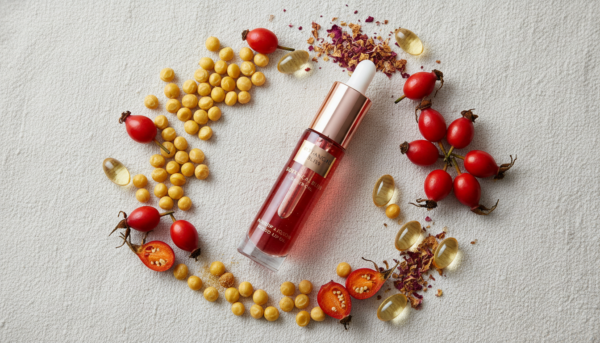
2. Rosehip Oil: Packed with Vitamin A and C, it helps with cellular turnover and brightening dark spots on lips.
3. Hyaluronic Acid Spheres: High-end formulations often include suspended spheres of HA that swell upon contact with moisture, physically plumping the lip lines.
Warning: Avoid mineral oil-heavy formulas. While cheap, mineral oil is an occlusive that doesn’t nourish; it only seals.
4. Long-Term Lip Health Benefits
Switching to tinted lip oils is an investment in the future texture of your lips. Chronic use of drying matte lipsticks or heavy glosses can lead to perpetual desquamation (peeling).
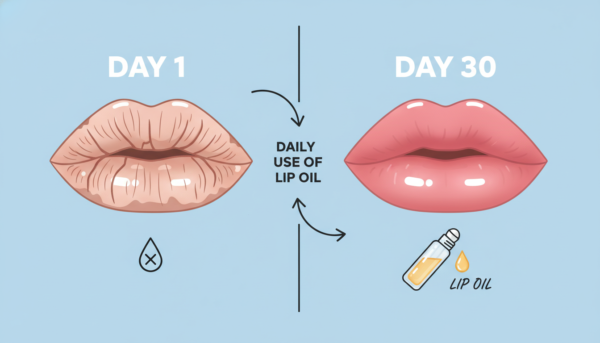
Lip oils function as a barrier repair treatment. Regular application trains the lips to retain moisture. Over 4 weeks of consistent use, users report:
- Reduction in vertical lip lines due to increased elasticity.
- Elimination of chronic cracking at the corners of the mouth (angular cheilitis prevention).
- Natural repigmentation, as healthy, hydrated lips often have a rosier natural hue than dehydrated ones.
5. The ‘Your Lips But Better’ Aesthetic
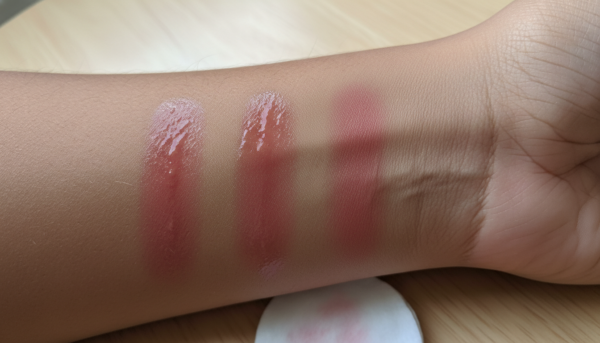
The current beauty zeitgeist favors ‘Clean Girl’ aesthetics and minimalism. Tinted lip oils are the cornerstone of this look. Unlike the flat, saturated color of a lipstick, oils are sheer and buildable.
The Stain Effect
Many tinted lip oils leave a residual stain even after the glossy finish has worn off. This is achieved through water-soluble dyes mixed into the oil emulsion. It means that 3 hours after application, your lips still hold a flush of color, preventing the ‘dead’ look that happens when lipstick wears off unevenly.
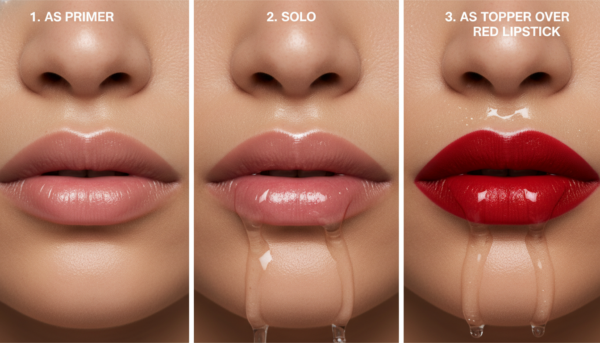
6. Versatility: 3 Ways to Wear It
A major value proposition of tinted lip oil is its multifunctionality. It reduces the need for multiple products in your makeup bag.
1. The Prep (Primer): Apply a clear or light oil 10 minutes before doing your makeup. Blot off excess before applying matte lipstick. This prevents the lipstick from cracking.
2. The Main Event (Solo): Wear alone for a glass-skin finish. Ideal for gym, beach, or office settings.
3. The Topper (Highlighter): Dab a small amount over a matte lip liner or lipstick in the center of the lips only. This creates a 3D volume effect without disrupting the base color.
7. pH-Reacting Technology Explained
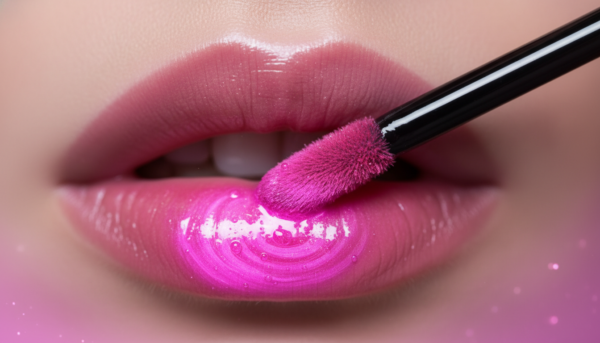
One of the most viral trends within the lip oil category is the pH-adjusting formula. These oils appear clear or black in the tube but transform into a custom shade of pink or berry upon contact with the lips.
How It Works
These products contain a dye called Red 27 (CI 45410). This dye is colorless when dissolved in a waterless oil base. However, when it touches the moisture and slightly acidic environment of your lips, the ring structure of the dye molecule opens, causing it to reflect red/pink light. Because everyone’s pH and moisture levels vary slightly, the resulting color is theoretically unique to you.
8. Selecting the Right Undertone
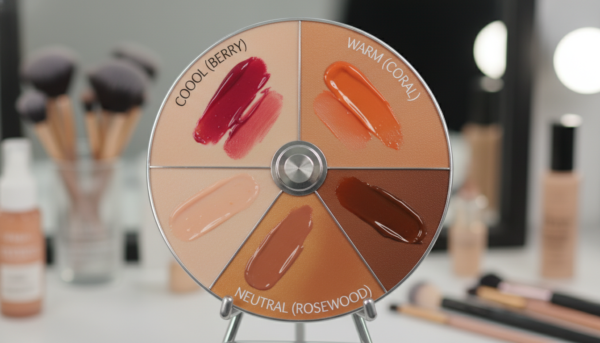
While oils are sheer, undertones still matter to ensure the shade harmonizes with your complexion.
- Cool Undertones: Look for Berry, Plum, or Mauve oils. These blue-based shades will make teeth appear whiter and compliment pinker skin tones.
- Warm Undertones: Opt for Coral, Peach, or Honey-Gold oils. These reinforce the golden hues in your skin.
- Neutral Undertones: You can pull off almost anything, but ‘Brown Sugar’ or ‘Rosewood’ shades are particularly flattering for a 90s inspired look.
Pro Tip: If you have pigmented lips (two-toned), look for opaque lip oils or ‘lip lacquers’ which have higher pigment loads than standard oils.
9. Application Techniques for Maximum Volume
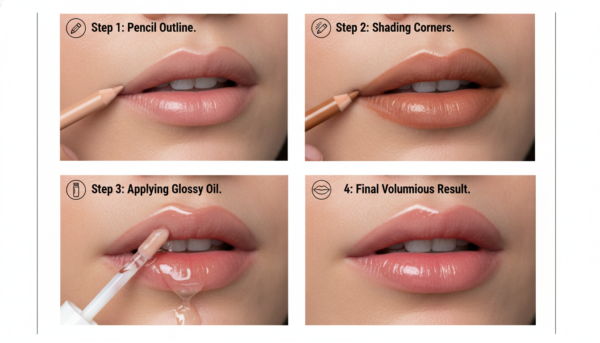
You can fake the look of lip fillers using just a tinted lip oil and a liner. This technique relies on light refraction.
The ‘Gym Lips’ Method
1. Overline: Use a pencil that matches your natural lip color exactly to slightly overline the Cupid’s bow and the bottom center lip.
2. Fill: Fill in the corners with the liner to create depth.
3. Oil: Apply the tinted lip oil strictly to the center of the lips. Do not take the oil all the way to the corners.
By keeping the high-shine oil in the center, you create a focal point that catches light, making the lips look rounder and fuller.
10. Troubleshooting: Bleeding and Feathering
Because oils are fluid, they can sometimes migrate outside the lip line, a phenomenon known as ‘feathering’. This is more common in mature skin with fine vertical lines.
How to Stop the Slide
- The Wax Barrier: Use a clear wax lip liner to outline the lips before applying oil. This acts as a dam.
- Less is More: The applicator usually holds too much product. Wipe one side of the doe-foot on the rim before applying.
- Avoid the Edge: Apply the oil 1-2mm away from the lip edge. The product will naturally warm up and migrate slightly to the edge without spilling over.
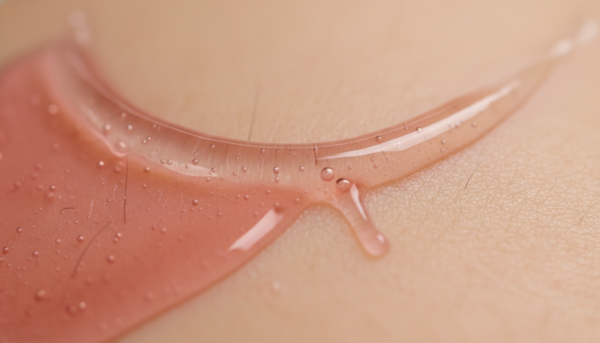
11. Clean Beauty vs. Conventional: What Matters?
The lip oil market is heavily driven by the ‘Clean Beauty’ movement. Since we ingest a significant amount of lip product over our lifetime, ingredients matter.
Controversial Ingredients to Avoid
- Parabens: Preservatives that can disrupt hormones.
- Synthetic Fragrance: High potential for allergic reactions or contact dermatitis on sensitive lip skin.
- Petrolatum: While effective at sealing moisture, it is a byproduct of petroleum refining and is not sustainable.
The Clean Alternative: Look for oils preserved with Vitamin E (Tocopherol) or Rosemary Leaf Extract. These natural preservatives keep the oils from going rancid without the health risks.

12. Future Trends: SPF and Active Lip Oils
The next generation of tinted lip oils is moving beyond simple hydration. We are entering the era of ‘Active Makeup’.
- SPF Lip Oils: Sun protection is critical for lips, which lack melanin. New formulas are incorporating chemical filters that don’t leave a white cast in oil bases.
- Peptide Complex Oils: Formulas containing Palmitoyl Tripeptide-1 stimulate collagen production over time.
- CBD Infusions: Utilizing the anti-inflammatory properties of CBD to soothe chronically inflamed or bitten lips.
Switching to these advanced formulas turns your daily makeup routine into an active anti-aging protocol.

Frequently Asked Questions
Are tinted lip oils sticky like gloss?
No. This is the primary difference. Lip oils are formulated with carrier oils (like Jojoba or Hazelnut) that absorb into the lips, whereas glosses use sticky polymers to sit on top. Oils feel smooth and serum-like.
Do tinted lip oils actually hydrate?
Yes. Unlike glosses that can dehydrate lips, oils contain fatty acids and vitamins that repair the lip barrier and lock in moisture, providing long-term skincare benefits.
How long does a tinted lip oil last?
The glossy shine typically lasts 1-2 hours as the oils absorb. However, many tinted oils leave a residual stain that can last 4-6 hours.
Can I wear lip oil over lipstick?
Absolutely. Lip oils make excellent toppers. However, avoid using them over ‘transfer-proof’ liquid lipsticks as the oil can break down the long-wear formula.
Are lip oils safe for sensitive skin?
Generally, yes, especially those free from synthetic fragrances and plumping agents like capsicum or cinnamon. Always patch test if you have specific nut allergies (e.g., almond oil).
Do lip oils expire?
Yes. Because they contain natural plant oils, they can go rancid faster than synthetic glosses. The typical shelf life is 6-12 months after opening.
Is lip oil better than lip balm?
Balms are better for protection (wax barrier), while oils are better for deep penetration and hydration. For best results, use an oil to hydrate, then a balm to seal it in.
Can I sleep in lip oil?
Yes, clear or lightly tinted lip oils make excellent overnight lip masks, preventing you from waking up with dry, cracked lips.
You might also like:- High-Gloss Cherry Lips: The Definitive Guide to the ‘Cherry Glaze’ Aesthetic
Discover more from innerspiritglow
Subscribe to get the latest posts sent to your email.
Basic strategy really shifts your perspective! Seeing how even small decisions impact the game is fascinating. Found a great community at 19slot legit – they’re super helpful for new players like me navigating the basics & beyond! 👍
That’s a fascinating point about game strategy – really makes you think! I was checking out resources like the jl boss link and it’s amazing how much info is out there now, especially for slots like Fortune Gems. Definitely helps informed players!
Had a really smooth experience signing up and starting to play. The promotions are quite generous for new players. Highly suggest krwin2888.
The rewards here are insane compared to other places I’ve tried. Really feeling the luck on this site lately ph777bar
I’ve been looking for a reliable platform like this for a while. The interface is super smooth and everything loads quickly. Highly recommend phrotowire for anyone starting out!
Honestly, the visual design they nailed here is next level. It feels engineered for maximum engagement, not just random flashing lights. Check out sunwin sh vip for the full tech breakdown.
Focusing on responsible use is key, especially with platforms like the one described. Remember to check local guidelines before clicking any link; checking cv8 লগইন details first is smart self-care. 💖
I was struggling to find a reliable spot until I tried this. The interface is super smooth and easy to navigate. Glad I found rotowirelogin.
Honestly, I expected fluff, but this analysis is sharp! The ‘matchday’ comparison hits home. For reliable access, check 789bet casino app casino; it feels genuinely robust.