
Key Takeaways
- Enhanced Recovery: NA beer contains polyphenols that may reduce inflammation and aid post-workout muscle recovery.
- Superior Hydration: Unlike alcohol which is a diuretic, non-alcoholic beer maintains fluid balance, especially isotonic varieties.
- Sleep Preservation: Eliminating alcohol prevents the disruption of REM cycles, crucial for athletic performance and growth hormone release.
- Caloric Deficit: Most athletic NA beers are 50-90 calories, compared to 200+ in craft IPAs, supporting weight management.
- Social Inclusion: Allows athletes to participate in social bonding rituals without compromising training goals or waking up with a hangover.
- Nutrient Density: Many athletic brews are fortified with electrolytes and naturally contain vitamins like B12 and folic acid.
Problem: You just crushed a 10-mile run or a heavy lifting session. The craving for a cold, crisp beer is undeniable, but so is the fear of undoing your hard work. Traditional alcohol halts muscle protein synthesis, dehydrates your cells, and ruins the sleep you desperately need for recovery.
Agitation: For years, athletes faced a binary choice: be the social pariah drinking water at the bar, or consume empty calories that leave you sluggish and inflamed the next morning. The ‘compromise’ was often watery, flavorless near-beers that felt like a punishment rather than a reward.
Solution: Enter the era of Athletic Non-Alcoholic Beer. Brands like Athletic Brewing Company have revolutionized the industry, creating craft-quality brews that not only taste identical to real IPAs and Stouts but also offer genuine physiological benefits. In this breakdown, we explore 12 critical factors—from electrolyte content to sleep hygiene—proving why NA beer is the ultimate recovery drink for the modern athlete.
1. The Nutritional Profile: NA Beer vs. Traditional Craft Beer
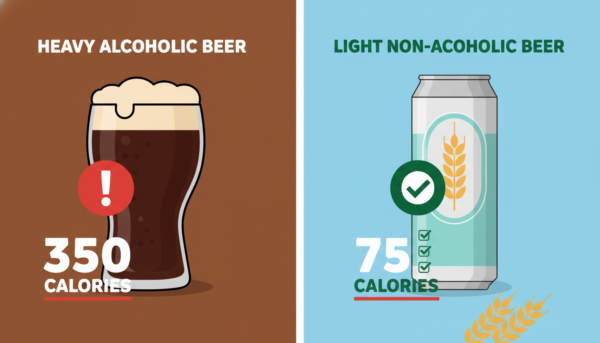
To understand the rise of athletic non-alcoholic beer, one must first analyze the macronutrients. Traditional craft beer is a calorie bomb, primarily derived from alcohol (7 calories per gram) and residual sugars. Athletic NA beers strip away the alcohol, drastically altering the nutritional landscape.
Nutritional Comparison Table
| Component | Standard IPA (12oz) | Athletic NA IPA (12oz) | Impact on Athlete |
|---|---|---|---|
| Calories | 180 – 250 | 45 – 70 | Fat Loss Support |
| ABV | 6.0% – 7.5% | < 0.5% | Liver Health |
| Carbs | 15g – 25g | 10g – 15g | Glycogen Replenishment |
| Hydration | Negative (Diuretic) | Neutral/Positive | Fluid Retention |
The Caloric Advantage: For an athlete in a cutting phase or maintaining weight class, saving 150 calories per drink is massive. Consuming three NA beers over a weekend saves roughly 450-500 calories—equivalent to a 45-minute jog—compared to drinking full-strength equivalents.
Furthermore, the carbohydrates found in NA beer are often complex carbs from barley and wheat, which can aid in restocking glycogen stores depleted during intense exercise, without the metabolic inhibition caused by ethanol processing in the liver.
2. Hydration Science: Can Beer Be an Isotonic Drink?
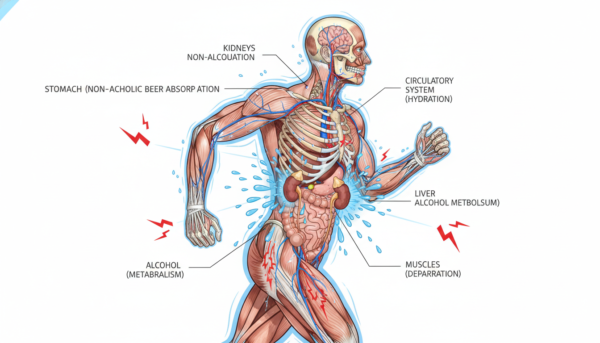
Alcohol is a diuretic; it suppresses the production of vasopressin, a hormone that tells your kidneys to reabsorb water. This is why drinking leads to frequent urination and subsequent dehydration—the enemy of athletic performance. Athletic non-alcoholic beer flips this script.
The Isotonic Potential: Research suggests that beers with low alcohol (<2%) and added sodium can act as effective rehydration beverages. Because NA beer is mostly water (90%+) and contains electrolytes naturally derived from grains (potassium, magnesium) and water treatment, it does not dehydrate the body.
Sodium Content: Some athletic-specific formulations are intentionally brewed with slightly higher sodium levels to mimic sports drinks. While not a replacement for water during a marathon, an NA beer post-run is significantly better for rehydration than water alone in some studies due to the carbohydrate-electrolyte matrix aiding absorption.
3. Muscle Protein Synthesis and Inflammation
The most detrimental effect of alcohol for a strength athlete is the inhibition of Muscle Protein Synthesis (MPS). Studies show that alcohol consumption post-workout can reduce MPS by up to 37%, effectively neutralizing a third of your effort.
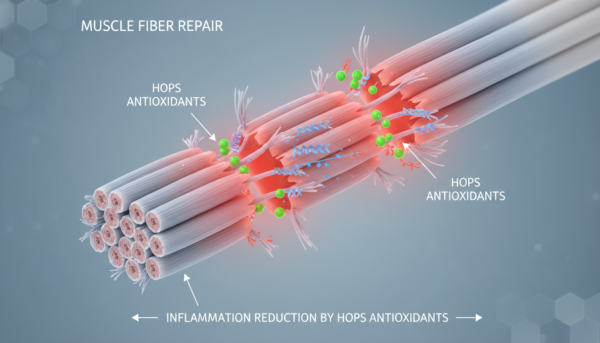
Polyphenols & Inflammation: Athletic non-alcoholic beer is rich in phenols, particularly from hops and barley. These are potent antioxidants. A famous study involving marathon runners found that those who consumed non-alcoholic beer containing polyphenols experienced reduced inflammation and a lower incidence of upper respiratory tract infections post-race compared to a placebo group.
By drinking NA beer, you get the anti-inflammatory benefits of the plant compounds without the toxic load of ethanol that stunts muscle repair. It effectively turns a ‘vice’ into a functional recovery supplement.
4. Sleep Hygiene: The REM Cycle Savior
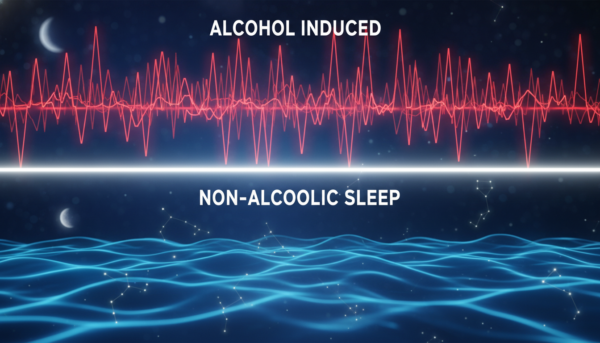
Sleep is the greatest performance enhancer available. Alcohol is a sedative, helping you fall asleep faster, but it is catastrophic for sleep quality. It fragments sleep architecture, suppresses REM (Rapid Eye Movement) cycles, and increases heart rate variability interruptions.
The NA Advantage: Switching to athletic non-alcoholic beer removes the sedative-rebound effect.
- Deep Sleep: You maintain deep sleep stages where Growth Hormone (HGH) is released.
- REM Sleep: You preserve REM cycles where cognitive processing and motor skill consolidation happen.
- Resting Heart Rate: Alcohol can elevate sleeping heart rate by 10-15 BPM. NA beer keeps your resting heart rate low, ensuring you wake up with a high ‘Body Battery’ or recovery score on your fitness tracker.
5. The Psychological Edge: Socializing Without Compromise
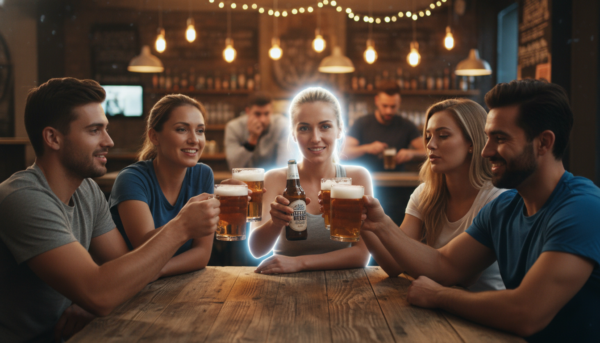
Athletes often face the ‘FOMO’ (Fear Of Missing Out) dilemma. Team bonding often happens over a drink. Abstinence can feel isolating.
The Placebo Effect: Interestingly, the sensory experience of drinking an NA beer—the crack of the can, the smell of hops, the carbonation—can trigger a dopamine release similar to actual drinking, due to associative learning. This allows athletes to relax and de-stress socially without the chemical depressive effects of alcohol.
Mental Clarity: The mental edge of waking up clear-headed on a Saturday morning for a long run, while teammates or competitors are nursing hangovers, cannot be overstated. It builds psychological resilience and confidence in one’s discipline.
6. Ingredients Matter: What’s Inside Athletic NA Beer?
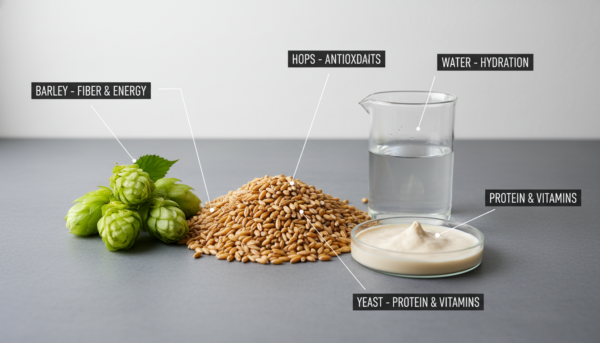
Not all non-alcoholic beers are created equal. The ‘Athletic’ category, pioneered by brands like Athletic Brewing Co., emphasizes clean ingredients.
Common Ingredients:
- Water: The base, often treated for mineral content.
- Malted Barley/Wheat: Provides body, color, and B-vitamins.
- Hops: The source of flavor (citrus, pine, floral) and antioxidants.
- Yeast: distinct strains used for low fermentation.
What to Avoid: Some cheaper mass-market NA beers use ‘flavorings’ or high-fructose corn syrup to mask the lack of alcohol body. True athletic beers rely on the grain bill for sweetness and body. Always check the label for natural ingredients. Many are also vegan and non-GMO, aligning with clean-eating protocols.
7. The Brewing Technology: How Flavor is Preserved
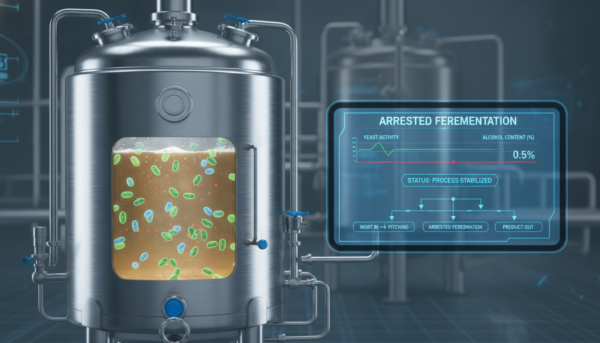
Why did NA beer taste like metallic water 10 years ago, but tastes like award-winning IPA now? The technology has shifted.
Old Method (Boiling): Brewers used to brew normal beer and boil off the alcohol. Since alcohol has a lower boiling point than water, this worked, but it ‘cooked’ the beer, destroying delicate hop oils and caramelizing the flavor.
New Methods (Athletic Strategy):
1. Arrested Fermentation: Using special yeast strains that produce flavor compounds (esters/phenols) but stop fermenting before creating significant alcohol.
2. Vacuum Distillation: Removing alcohol at low temperatures to preserve flavor integrity.
3. Reverse Osmosis: High-tech filtration that separates alcohol and water, allowing the alcohol to be removed without heat damage.
This tech allows for complex profiles—Hazys, Stouts, Goldens—that satisfy the palate of a craft beer snob.
8. Top Brands Leading the Athletic Market
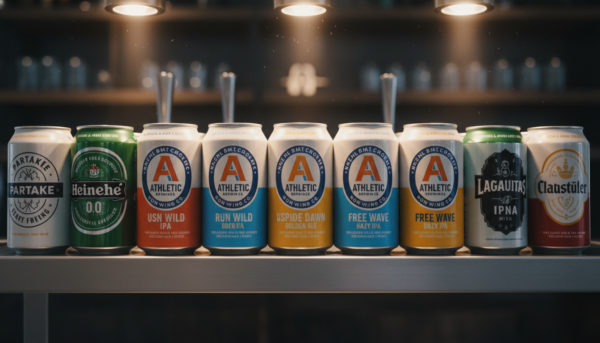
While many brands exist, a few define the ‘Athletic’ category:
Athletic Brewing Company: The undisputed king. They are a B-Corp dedicated solely to NA beer. Their Run Wild IPA and Upside Dawn Golden* are staples in the endurance community.
- BrewDog (Nanny State): A pioneer in low-alcohol craft, offering punchy, hoppy options with very low calorie counts.
- Wellbeing Brewing: Focuses on hydration and electrolytes, marketing specifically to active lifestyles.
- Untitled Art: Known for incredible flavor fidelity in styles like Italian Pilsners and Juicy IPAs, though sometimes higher in calories than Athletic Brewing.
Selection Criteria: When choosing, look for <0.5% ABV, <80 calories, and transparent ingredient lists.
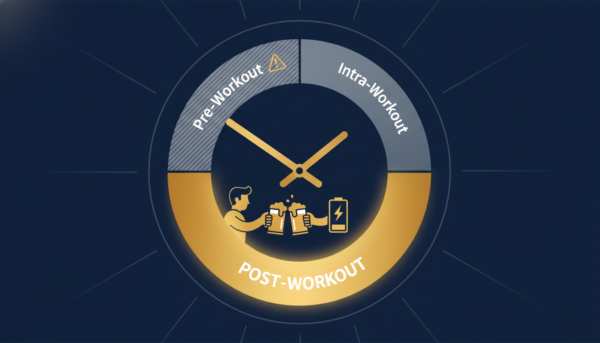
9. Best Time to Drink: Pre, Intra, or Post-Workout?
Pre-Workout: generally avoided. Carbonation can cause gastric distress (bloating) during intense movement. However, the carbohydrates could technically fuel a session.
Intra-Workout: Not recommended. Carbonation remains an issue, and absorption rates are slower than flat isotonic fluids.
Post-Workout: The Gold Standard. This is the prime window.
1. Reward Mechanism: Signals the end of the effort.
2. Carb Replenishment: Fast-acting carbs from the liquid help restore muscle glycogen.
3. Stress Reduction: Hops act as a mild nervine (sedative to the nervous system), helping to lower cortisol levels which are naturally spiked after heavy training.
10. Potential Downsides: Gluten and Carbs
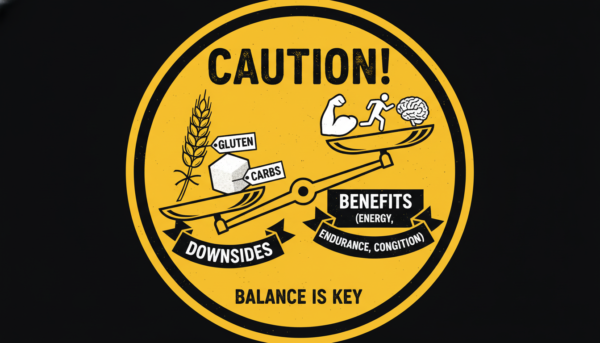
Athletic NA beer is not perfect for everyone.
Gluten Sensitivity: Most NA beers are brewed with barley and wheat, making them unsafe for Celiacs. However, brands like Athletic Brewing Co. offer ‘Gluten-Reduced’ options (enzyme treated) which are safe for mild intolerance but not Celiac disease. There are fully Gluten-Free NA options made from millet or quinoa, though rarer.
Carbohydrate Load: While lower in calories, they are not carb-free. A diabetic athlete or someone on a strict Ketogenic diet must account for the 10-15g of carbs per can. It is liquid bread, essentially, so it impacts insulin levels, albeit less than sugary sodas.
11. Taste Test: IPA vs. Stout vs. Lager
For the athlete who loves beer, the fear is flavor loss. Here is what to expect by style in the NA world:
- IPAs / Hazys: The most successful category. The strong hop profile (Citra, Mosaic) masks the lack of ethanol heat. They taste 90-95% close to the real thing.
- Stouts / Porters: Surprisingly good. The roasted malts provide a coffee/chocolate richness that mimics the body of alcohol. Great for winter recovery.
Lagers / Pilsners: The hardest to perfect. Without hops or roasted malts to hide behind, the ‘worty’ (unfermented grain) taste can sometimes peek through. Athletic Brewing’s Upside Dawn* solves this well, but cheaper brands struggle here.
Pro Tip: Pour it in a glass. Aroma accounts for 80% of flavor. Drinking from the can limits the olfactory experience.
12. The Future: Functional Beer with Adaptogens
The frontier of athletic beer is moving beyond ‘removing alcohol’ to ‘adding function’. We are beginning to see the emergence of Functional Beers.
The Next Wave includes:
- Added Protein: Beers fortified with 5-10g of whey or plant protein.
- Adaptogens: Infusions of Ashwagandha or Reishi mushrooms to lower cortisol.
- CBD Infusions: For enhanced pain relief and inflammation reduction.
- Vitamin Fortification: Enhanced B-complex and Vitamin D.
Athletic Non-Alcoholic beer is transitioning from a ‘less bad’ alternative to a legitimate ‘health supplement’ that sits on the shelf next to your protein powder.
Frequently Asked Questions
Is non-alcoholic beer 100% alcohol-free?
Not always. Most ‘non-alcoholic’ beers, including Athletic Brewing, contain less than 0.5% ABV (Alcohol By Volume). This is the same amount of alcohol found naturally in a ripe banana or burger bun. It is physiologically negligible and will not cause intoxication.
Will drinking athletic NA beer dehydrate me?
No. Because the alcohol content is negligible, the diuretic effect is removed. The high water content and electrolytes typically result in a neutral or positive hydration status.
Is athletic non-alcoholic beer safe for pregnancy?
While <0.5% ABV is generally considered safe by many, medical advice varies. Many doctors recommend 0.0% options (alcohol-free) rather than <0.5% (non-alcoholic) during pregnancy. Always consult your obstetrician.
Can I drink NA beer while intermittent fasting?
Technically, no. Athletic NA beers contain calories (usually 45-70) and carbohydrates, which will break a fasted state and trigger an insulin response. Drink it during your feeding window.
Does it contain gluten?
Standard NA beers are made from barley and wheat, so they contain gluten. However, Athletic Brewing Company produces ‘gluten-reduced’ beers, and other brands offer fully gluten-free options made from alternative grains.
Why is Athletic Brewing Co. so popular?
They were the first to successfully market NA beer specifically to active individuals, sponsoring races and athletes. Crucially, they developed a proprietary brewing method that retained the craft beer flavor profile when others tasted watery.
How many calories are in an athletic non-alcoholic beer?
Most range between 45 and 70 calories per 12oz can. Heavier stouts or experimental batches may reach 90-100 calories, which is still half or a third of a standard craft beer.
Can I get a buzz from <0.5% beer?
It is virtually impossible. Your body metabolizes the tiny amount of alcohol faster than you can consume it. You would need to drink dozens of cans in an hour to reach a blood alcohol level detectable as a buzz, at which point water toxicity would be the bigger issue.
You might also like:- The Ultimate Adrenal Cocktail Guide: Science, Recipe, and HPA Axis Recovery
Discover more from innerspiritglow
Subscribe to get the latest posts sent to your email.
A really good blog and me back again.
每天都在战争,希望2026和平.
wish you all the best
Mass comment blasting: $10 for 100k comments. All from unique blog domains, zero duplicates. I will provide a full report and guarantee Ahrefs picks them up. Email mailto:helloboy1979@gmail.com for payment info.If you received this, you know Ive got the skills.
wish you best and best
色即是空,空即是色
The UI flow for deposits seems smooth, but optimizing the initial onboarding UX would elevate it. For deeper analysis, check out agg777 online casino; it’s a solid start!
Man, the depth of strategy here is key; don’t just look at the flashy bits. For a solid feel, check out tk111 ভিআইপি. The platform details are good, but steady bankroll management beats any quick win.
This emphasis on optimizing reward without compromising goals is a powerful insight. Whether it’s physical recovery or managing leisure time, the discipline of choosing a secure, optimized reward is paramount. Maintaining that level of control, whether in athletic habits or when enjoying digital entertainment, is crucial for a positive experience at nino gaming club.
Wish you happiness
Every day is a new beginning
Hahahaha You are so good
Good a blog toper
Here you are
Great post,Thanks for sharing
I found this data-driven approach fascinating for weekend research; the algorithmic selection on Play Play Zone slot seems to optimize risk management effectively, making informed decisions much easier than random guessing.
Finally an app that actually delivers on its promises. Easy installation and a great user interface. Download getjiliapp today.
I am completely obsessed with the slot machines on this website because the bonuses are always so generous
Dude, this site is legit! 🔥 Seriously, the whole vibe is way better than just reading about it. Check out 1111bet login লগইন-it’s super smooth. Gotta try the live dealer stuff next!
The welcome bonus was a great way to start. I am having a blast exploring all the different tables. Cheers to vnnohu00