
Key Takeaways
- Natural Defense: Hypochlorous Acid (HOCl) is the same antimicrobial substance produced by human white blood cells to fight infection.
- Acne & Maskne Killer: It effectively kills C. acnes bacteria without stripping the skin barrier or causing dryness.
- Wound Healing: proven to accelerate healing in cuts, scrapes, and post-procedure skin (tattoos, microneedling).
- Eczema Safe: The National Eczema Association recognizes HOCl for its ability to reduce Staph bacteria on compromised skin.
- Universal Disinfectant: Safe enough for baby toys and pet paws, yet strong enough to kill 99.9% of viruses and bacteria.
- Travel Essential: A non-toxic alternative to alcohol sanitizers for airplanes and public transport.
Is your skin barrier under attack from harsh chemicals and endless bacteria?
We live in a world obsessed with sanitation, yet most disinfectants—like bleach and alcohol—destroy our skin’s delicate microbiome along with the germs. You are likely tired of stinging sanitizers, drying acne treatments that cause peeling, and ‘natural’ products that simply don’t work. The cycle of irritation and infection feels never-ending, especially when dealing with sensitive conditions like eczema or fresh wounds.
Enter Hypochlorous Acid (HOCl): Nature’s oldest disinfectant.
It sounds chemical, but it is actually biological. HOCl is the exact substance your white blood cells create to fight off pathogens. Now stabilized in a bottle, this ‘miracle mist’ offers a powerful solution that is lethal to bacteria but gentle as water on your skin. From curing ‘maskne’ to sanitizing groceries, here is exactly what hypochlorous acid spray is used for and why it deserves a permanent spot in your medicine cabinet.
1. The Science: How HOCl Kills Bacteria
Before diving into specific uses, it is critical to understand why hypochlorous acid is so effective. Unlike alcohol, which dehydrates cells, or antibiotics, which bacteria can resist, HOCl works through oxidation.
The Mechanism of Action
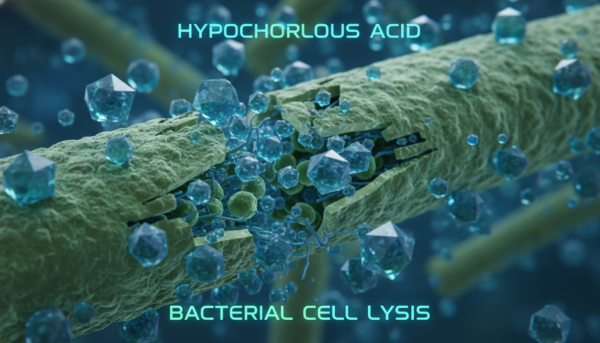
When sprayed, Hypochlorous Acid molecules attach to the cell walls of bacteria and viruses. Because HOCl is neutrally charged (unlike negatively charged hypochlorite, aka bleach), it easily penetrates the negatively charged cell walls of pathogens. Once inside, it destroys the cell’s internal proteins and DNA, causing the pathogen to die instantly.
| Feature | Hypochlorous Acid (HOCl) | Bleach (Sodium Hypochlorite) |
|---|---|---|
| PH Level | Neutral (Human Skin Compatible) | Highly Alkaline (Corrosive) |
| Toxicity | Non-Toxic / Edible Safe | Toxic / Irritant |
| Healing | Promotes Wound Repair | Damages Healthy Tissue |
| Scent | Slight Chlorine (dissipates fast) | Harsh Chemical Fumes |
Why this matters: You get hospital-grade disinfection power (100x stronger than bleach) without the safety risks. This fundamental science is what unlocks the following 11 practical applications.
2. Eradicating Acne and “Maskne”
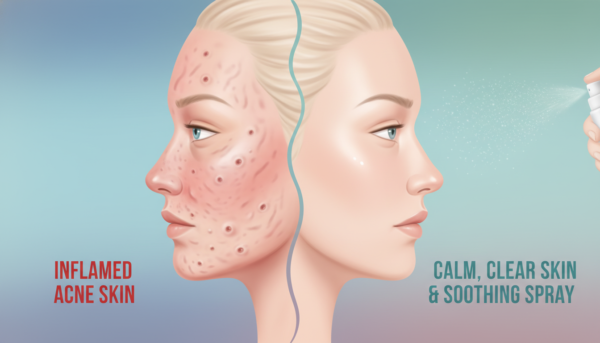
One of the most popular uses for hypochlorous acid spray is as a gentle facial toner for acne-prone skin. Acne is largely driven by the bacteria Cutibacterium acnes. Traditional treatments like Benzoyl Peroxide can be effective but often leave the skin red, peeling, and compromised.
How to use it for acne:
- Morning/Night: Spray liberally on a clean face before applying serums or moisturizers. Let it air dry.
- Post-Workout: Spray immediately after sweating to prevent bacteria from clogging pores.
- Mask Wear: Mist your face and the inside of your mask to prevent the humid environment that breeds “maskne.”
Because HOCl is anti-inflammatory, it not only kills the bacteria causing the pimple but also reduces the redness and swelling associated with active breakouts. It is a game-changer for those who cannot tolerate harsh retinoids or acids.
3. Soothing Eczema and Atopic Dermatitis
Eczema flare-ups are often exacerbated by an overgrowth of Staphylococcus aureus bacteria on the skin. This bacteria releases toxins that trigger the immune system, causing severe itching and inflammation—the dreaded “itch-scratch cycle.”
The Dermatological Protocol:
Many dermatologists now recommend hypochlorous acid spray as a maintenance therapy for eczema. Unlike steroid creams which can thin the skin over time, HOCl can be used indefinitely.
1. Spray on flare-ups: Apply directly to itchy, red patches.
2. Wait: Allow to dry for 30-60 seconds.
3. Seal: Immediately apply a thick emollient or barrier cream to lock in moisture.
By reducing the bacterial load on the skin, the immune response calms down, leading to less itching and faster healing of broken skin.
4. Accelerating Wound Healing & First Aid
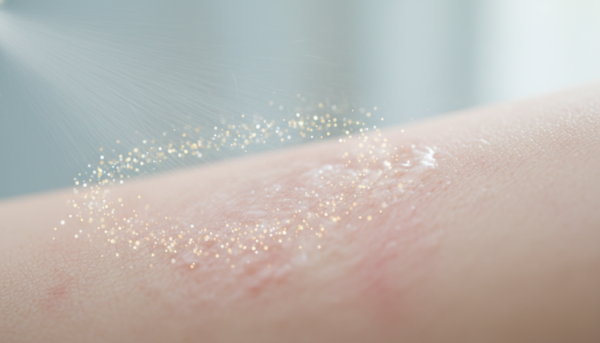
Hypochlorous acid is FDA-cleared for wound care. It is vastly superior to hydrogen peroxide, which actually damages healthy skin cells (fibroblasts) needed for healing. HOCl cleanses the wound without stinging or harming the tissue.
Ideal for:
- Cuts and Scrapes: Prevents infection immediately.
- Burns: Cools the area and keeps it sterile.
- Blisters: protecting open skin from gym equipment or shoes.
Protocol: Thoroughly flush the wound with HOCl spray to remove debris and bacteria. No rinsing is required afterward. It oxygenates the wound site, which has been shown to speed up the closure of wounds and reduce scarring risks.
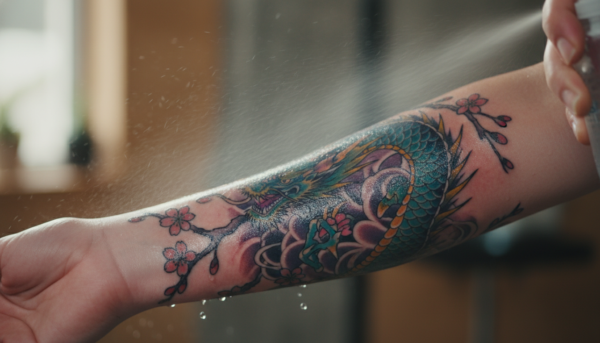
5. Post-Procedure Care (Tattoos, Piercings, Microneedling)
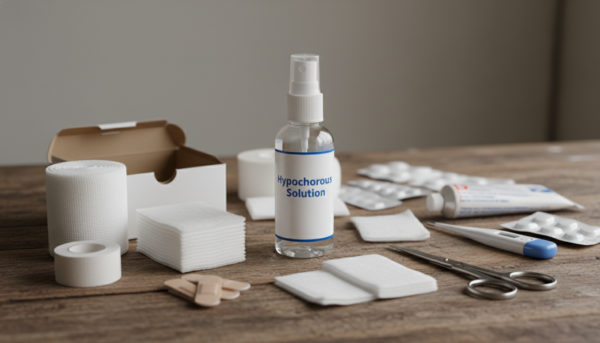
After cosmetic procedures, the skin barrier is deliberately broken. Keeping this area sterile is paramount to preventing infection and ensuring aesthetic results. Hypochlorous acid is the gold standard for post-procedure care because it does not cause stinging or irritation.
Specific Applications:
- New Tattoos: Replaces harsh antibacterial soaps. Spray 3-5 times a day to keep the tattoo clean and soothe the “sunburn” feeling.
- Piercings: Ideal for cleaning new ear, nose, or body piercings. It breaks down the crusty exudate without requiring aggressive swabbing that can irritate the fistula.
- Microneedling/Lasers: Dermatologists often send patients home with HOCl spray to manage redness and prevent infection during the sensitive 24-48 hour recovery window.
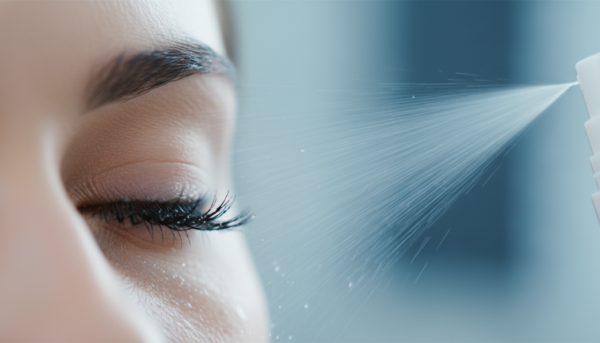
6. Eyelid Hygiene (Blepharitis and Styes)
The eyes are highly sensitive, yet eyelids are a breeding ground for bacteria and mites (Demodex). Conditions like Blepharitis (inflammation of the eyelid margins) and Styes (blocked, infected oil glands) are common and painful.
Why HOCl?
It is one of the few disinfectants safe for use around the eyes. Ophthalmologists prescribe specific concentrations of HOCl to manage chronic dry eye and blepharitis.
How to use:
1. Spray HOCl onto a clean cotton round.
2. Gently wipe the lash line (with eyes closed) to remove debris, crust, and bacteria.
3. Alternatively, close eyes and mist directly onto lids, letting it air dry.
This routine clears the meibomian glands, prevents blockage, and reduces the gritty sensation associated with dry eyes.
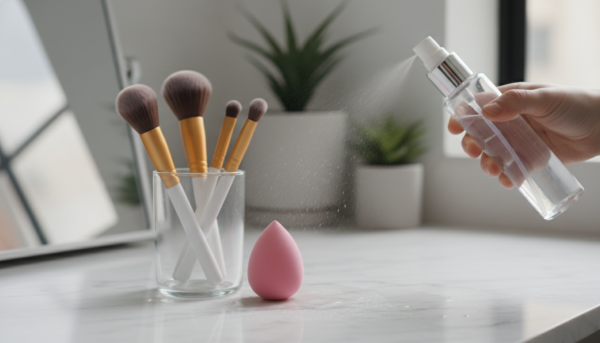
7. Sanitizing Makeup and Beauty Tools
Dirty makeup brushes are a primary cause of acne and skin irritation. While deep cleaning with soap and water is necessary weekly, hypochlorous acid offers a perfect daily solution.
The Quick-Clean Hack:
- Between Uses: Mist your brushes and beauty blenders with HOCl spray before and after use. It kills bacteria instantly and dries quickly without leaving chemical residues that could irritate your skin.
- Makeup Palettes: Spray pressed powders or cream palettes to sanitize the surface without ruining the product texture.
This habit drastically reduces the re-introduction of bacteria onto your clean face, maximizing the effectiveness of your skincare routine.
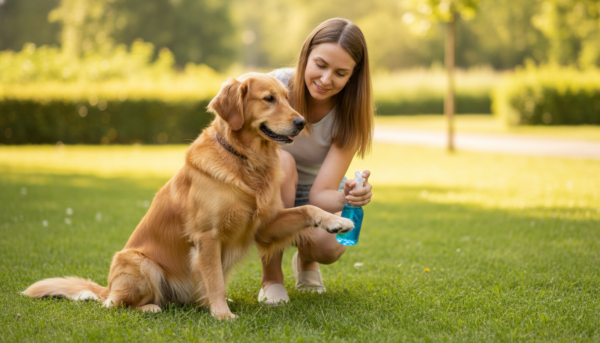
8. Pet Care: Hot Spots and Paw Hygiene
Hypochlorous acid is non-toxic to animals, making it safe if licked. This makes it a staple for veterinary care and pet owners.
Top Pet Uses:
- Hot Spots: These itchy, inflamed lesions can become infected quickly. Spraying HOCl provides instant relief from itching and kills the bacteria driving the infection.
- Paw Sanitizer: After a walk, especially in cities where sidewalks are dirty, spray your dog’s paws. It neutralizes allergens (pollen/grass) and kills germs before they track them onto your furniture.
- Ear Cleaning: Gentle enough to clean the outer ear flap and reduce yeasty odors.
Safety Note: Because it breaks down into simple saline solution, you do not need to worry if your pet grooms the area immediately after application.
9. Disinfecting Baby Toys and High Chairs
Parents are rightfully wary of using bleach or quaternary ammonium compounds around infants who put everything in their mouths. Hypochlorous acid bridges the gap between safety and efficacy.
Nursery Applications:
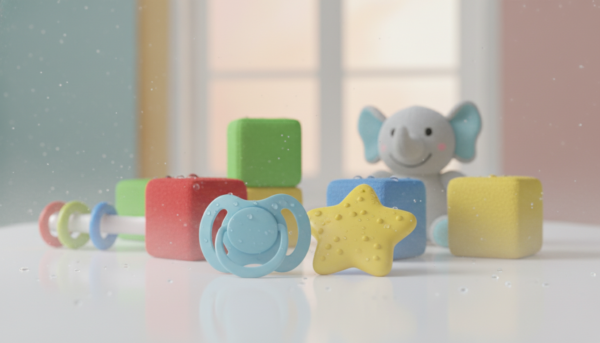
- Pacifiers & Teethers: Drop a pacifier on the ground? Rinse it, spray with HOCl, wait a minute, and it is safe to give back to the baby. No chemical residue.
- High Chairs: Spray trays after meals to kill E. coli and Salmonella without leaving a soapy taste.
- Diaper Rash: Just like with adult eczema, HOCl can soothe severe diaper rash by reducing bacteria and yeast on the baby’s sensitive skin.
10. Deodorizing Athletic Gear and Gym Bags
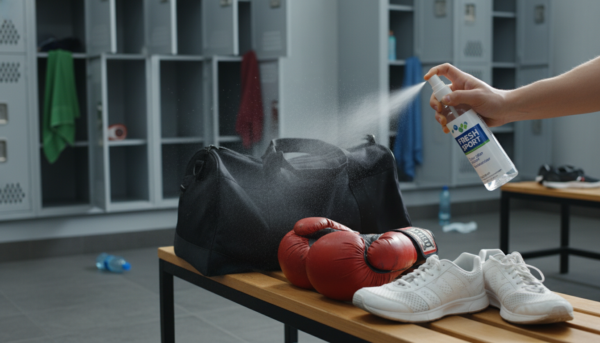
The “gym smell” is actually the smell of bacteria breaking down sweat. Because hypochlorous acid kills the bacteria, it eliminates the odor at the source rather than masking it with fragrance.
What to Spray:
- Yoga Mats: Porous mats trap bacteria. Spray down after every session.
- Sneakers: Mist the insoles of running shoes to prevent odors and fungal growth.
- Hockey/Football Pads: Gear that cannot be machine washed easily can be saturated with HOCl spray to keep it sanitary and fresh.
It does not bleach fabrics (check specific product labels, but generally safe for most textiles), making it safer for expensive activewear than bleach-based sprays.
11. Travel Hygiene: Airplanes and Hotels
Traveling exposes us to a myriad of pathogens in confined spaces. Hypochlorous acid is the ultimate travel companion because it is effective against viruses (including enveloped viruses like coronaviruses and influenza).
Travel Protocol:
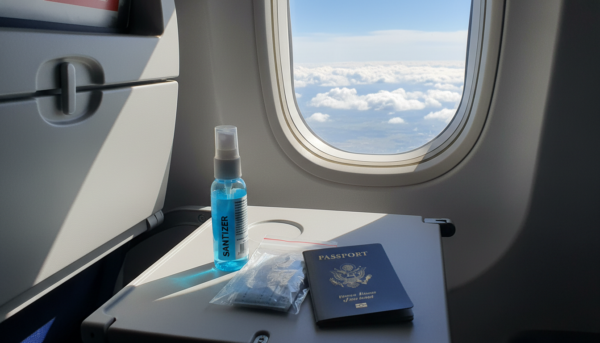
- Airplanes: Spray the tray table, armrests, and seatbelt buckle. It is odorless, so you won’t annoy your neighbors with strong chemical smells.
- Hotel Rooms: Mist the TV remote, light switches, and door handles upon entry.
- Hand Sanitizer: Use it as a non-drying hand sanitizer. Alcohol-based sanitizers can crack skin with overuse; HOCl keeps hands clean and hydrated.
Most brands sell TSA-friendly travel sizes (under 3.4 oz), making it easy to carry in your cabin bag.
12. Produce Wash: Fruit and Veggie Sanitation
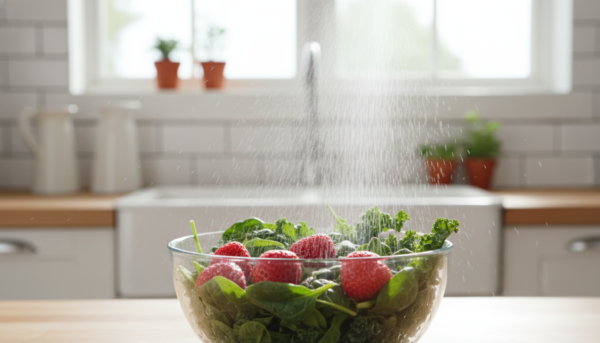
It might surprise you, but hypochlorous acid is used in the food industry to sanitize produce. You can use this same technology at home to extend the life of your berries and greens.
How to use:
1. Rinse visible dirt off fruits or vegetables.
2. Spray thoroughly with HOCl.
3. Let sit for a minute.
Benefits:
- Removes Pesticides & Waxes: Helps break down surface residues better than water alone.
- Kills Bacteria: Eliminates E. coli, Salmonella, and Listeria.
- Extends Shelf Life: By killing mold spores and bacteria on the surface, berries and leafy greens stay fresh longer in the fridge.
Because HOCl is deemed “GRAS” (Generally Recognized As Safe) by the FDA, it is safe to consume without rinsing, though many prefer a quick water rinse out of habit.
Frequently Asked Questions
Is hypochlorous acid spray safe for daily use?
Yes, it is safe for daily use. Because it mimics the body’s natural immune response and has a neutral pH, it does not disrupt the skin barrier or microbiome, making it suitable for long-term use.
Can I use hypochlorous acid with Vitamin C or Retinol?
Yes, but wait for the HOCl spray to dry completely before applying Vitamin C or Retinol. HOCl is an oxidizer and could theoretically neutralize antioxidants if applied simultaneously while wet.
Does hypochlorous acid bleach clothes?
Generally, no. Pure hypochlorous acid at skincare concentrations (usually 0.01% – 0.02%) is color-safe for most fabrics. However, high concentrations or unstable formulas containing bleach impurities might cause spotting.
What is the shelf life of hypochlorous acid spray?
HOCl is unstable when exposed to light and air. Most stable commercial formulas last 12 to 24 months if unopened, but only 3 to 6 months once opened. Always check the expiration date on the bottle.
Is hypochlorous acid the same as bleach?
No. Bleach is Sodium Hypochlorite (NaOCl), which is alkaline and corrosive. Hypochlorous Acid (HOCl) is neutral and gentle. While they are chemically related, their effects on skin and safety profiles are opposites.
Can I make hypochlorous acid at home?
There are DIY electrolysis machines available that use salt, water, and vinegar. However, it is difficult to control the pH and concentration accurately at home, so commercial products are safer for skincare use.
Does it kill COVID-19?
Hypochlorous acid is on the EPA’s list of disinfectants effective against SARS-CoV-2 (COVID-19) when used on hard, non-porous surfaces.
Why does it smell like a swimming pool?
The faint chlorine-like scent is natural to the molecule. It is not added fragrance. The smell dissipates almost instantly after spraying as the solution dries.
You might also like:- 11 Life-Changing Uses for Hypochlorous Acid Spray (The Ultimate Healer)
Discover more from innerspiritglow
Subscribe to get the latest posts sent to your email.
Interesting read! The growth of online gaming in the Philippines is remarkable – over 340% user growth is huge! Seeing platforms like bingo plus app innovate with data analytics to improve user experience is key for sustainable growth.
The principle of a natural, reliable defense system is compelling. This concept of maintaining integrity-whether it’s the skin barrier with HOCl or the security of digital transactions-is key. Trust in a robust system is paramount, whether you are exploring natural remedies or enjoying the reliability of a platform like gcash games slot.
Analyzing the tableplus 1 framework reveals more than just slots; it’s about disciplined play. Remember to check payout rhythms alongside the platform’s offerings. For deeper dives, review the tableplus 1 apk details.
I really appreciate how easy it is to navigate this site. Even for beginners it is very straightforward. Give pkluky97 a try!
Honestly, the mechanics sound deep, but the sheer number of links is overwhelming! For a newbie like me, it’s hard to grasp. Maybe checking out kuwin9 com first would help simplify the entry process? Thanks!
Honestly, the variety mentioned is good, but remember that steady bankroll management beats any flashy feature. For reliable access, check out bd111 app ডাউনলোড apk; it keeps things smooth.
Best gaming experience I’ve had in a while! The interface is super intuitive and I love the variety of games. Check out pk21game if you want a reliable platform.
Honestly, the deep dive into gameplay analysis is useful, but remember the basics. For reliable access, check out 555 Angel Number লিংক. The platform details are comprehensive, but knowing the core entry points helps keep things simple.
Finally a platform that feels professional. The login process is seamless and the rewards are actually fair. Visit royalsensalogin for a premium experience.