
Introduction
Blackheads are a common skincare concern that many people face, regardless of age or skin type. These tiny, dark spots form when hair follicles become clogged with excess oil, dead skin cells, and debris. As the oil oxidizes, it turns black, leading to the appearance of blackheads, especially on the nose, chin, and forehead. While they are generally harmless, blackheads can be frustrating and affect your skin’s appearance.
The good news is that naturally removing blackheads doesn’t require expensive treatments or harsh chemicals. Instead, simple, natural remedies can work wonders, offering a gentle yet effective solution to clear pores and promote smooth skin. The importance of using natural treatments lies in their ability to cleanse without causing irritation, making them suitable for all skin types.
In this article, we will guide you through five simple steps to naturally remove blackheads at home. These easy-to-follow methods are both effective and safe, ensuring you can achieve clearer skin without the need for costly products or professional treatments. Whether you have sensitive, oily, or combination skin, these natural solutions will help you take control of your skincare routine. Let’s dive into the steps to effectively naturally remove blackheads and restore your skin’s natural radiance!
5 Easy Steps to Naturally Remove Blackheads
Step 1: Cleanse Your Face with a Gentle Facial Wash
Cleansing is the first and most important step in any skincare routine, especially when you’re trying to naturally remove blackheads. A good cleanser helps remove dirt, oil, and impurities from your skin, preventing clogged pores that lead to blackheads.

Why Cleansing is Important
When your skin is clogged with excess oils and impurities, blackheads are more likely to form. By cleansing regularly, you not only remove the buildup but also create a fresh base for the other steps in your skincare routine.
Choosing the Right Facial Wash
To effectively cleanse your skin without causing irritation, choose a gentle gel facial wash that suits your skin type. Avoid harsh soaps or cleansers with strong chemicals, as they can strip your skin of its natural oils and trigger more oil production, leading to more blackheads.
Tips for Cleansing:
- Use lukewarm water to open up pores.
- Gently massage the cleanser onto your damp skin for 30-60 seconds.
- Avoid scrubbing aggressively, as this can irritate your skin and worsen blackheads.
Recommended product: A gentle, non-stripping cleanser like CeraVe Hydrating Cleanser is perfect for maintaining moisture while effectively cleansing the skin.
Step 2: Exfoliate with Baking Soda and Salt
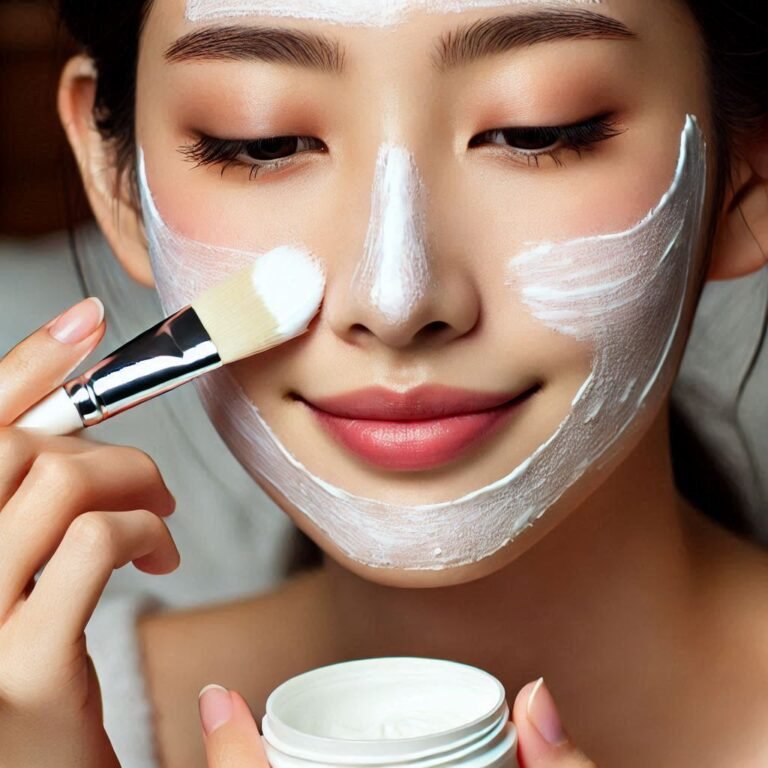
Exfoliating is a crucial step to naturally remove blackheads, as it helps to slough off dead skin cells that can contribute to clogged pores. Exfoliation also helps to prevent new blackheads from forming by keeping your skin fresh and clear.
Why Exfoliating Works
Dead skin cells accumulate on the surface of your skin, causing pores to become blocked. Exfoliating helps to clear away this buildup, preventing blackheads and other types of acne. The fine texture of baking soda and salt makes for an excellent natural exfoliant.
How to Make the Exfoliant
- Mix one tablespoon of baking soda and fine salt with a little amount of your facial wash.
- Gently massage the mixture onto your damp face in circular motions for 1-2 minutes. Be careful not to scrub too harshly.
- Rinse with lukewarm water and pat dry with a clean towel.
Important Notes:
- Exfoliate no more than 2-3 times a week to avoid irritating your skin.
- If you have sensitive skin, consider using a gentler scrub like sugar or oatmeal.
Recommended product: If you prefer a pre-made exfoliant, St. Ives Fresh Skin Apricot Scrub is a popular choice for gentle exfoliation.
Step 3: Steam Your Face to Open Pores
Steaming your face is an excellent way to prepare your skin for blackhead removal, as it helps to loosen up the debris trapped in your pores. When your pores are open, it’s easier for the subsequent treatments to penetrate deeply and work effectively.
How Steaming Helps
The steam causes the blood vessels in your face to dilate, which improves circulation and helps to loosen dirt, oil, and blackhead buildup in your pores. It’s like giving your skin a fresh start, making it easier to remove impurities.
How to Steam Your Face
- Boil a pot of water and pour it into a bowl.
- Hold your face over the steam, ensuring you don’t get too close to avoid burns.
- Drape a towel over your head and the bowl to trap the steam around your face.
- Steam for about 5-10 minutes.
Extra Tip:
Add herbs like chamomile or lavender to the water to enhance relaxation and soothe inflammation.
Recommended product: For an at-home spa experience, you can use a facial steamer like the Kingsteam NanoSteamer for a more consistent steam application.
Step 4: Apply a Clay Mask to Absorb Excess Oil
Clay masks are excellent for those looking to naturally remove blackheads because they help to absorb excess oil from your skin. Certain types of clay, like kaolin and bentonite clay, have oil-absorbing properties that deeply cleanse your pores and reduce blackhead formation.
Why Clay Masks Work
Clay masks help to detoxify the skin by drawing out toxins, impurities, and excess oil. Using a clay mask once or twice a week can greatly help in preventing blackheads, especially for those with oily skin.
How to Use a Clay Mask
- Apply the clay mask to your face, focusing on areas prone to blackheads like your nose, chin, and forehead.
- Leave the mask on for 10-15 minutes, or until it dries.
- Rinse with lukewarm water and gently pat your skin dry.
Bonus Tip:
If your skin is feeling tight or dry after the mask, follow up with a hydrating moisturizer to lock in moisture.
Recommended product: Aztec Secret Indian Healing Clay is a popular choice for removing impurities and absorbing excess oil.
Step 5: Moisturize and Protect Your Skin
After all the exfoliation, steaming, and clay masking, moisturizing is crucial to maintain your skin’s hydration levels and prevent excessive dryness, which could lead to more oil production and blackheads.
Why Moisturizing is Important
Even if you have oily skin, it’s important to moisturize. When your skin becomes too dry, it compensates by producing more oil, which can clog your pores and contribute to blackheads. A lightweight, non-comedogenic moisturizer will help balance your skin without clogging pores.
How to Choose a Moisturizer
Look for moisturizers that are specifically formulated for acne-prone or oily skin. Make sure the product is non-comedogenic, meaning it won’t clog your pores.
How to Moisturize:
- Apply the moisturizer to your face after cleansing, exfoliating, and masking.
- Use gentle upward motions to massage the moisturizer into your skin.
- Don’t forget your neck and décolletage, as these areas are prone to blackheads too.
Recommended product: Neutrogena Hydro Boost Water Gel is a popular, lightweight, and non-comedogenic moisturizer that’s perfect for oily and acne-prone skin.
Conclusion
Blackheads are a common skincare concern, but with the right natural methods, you can easily remove blackheads at home without resorting to harsh chemicals or expensive treatments. By following these 5 simple steps—cleansing, exfoliating, steaming, applying a clay mask, and moisturizing—you can keep your skin clear, smooth, and free from blackheads.
Remember, consistency is key. Stick to these steps 2-3 times a week, and you’ll start noticing results over time. If you have any tips of your own or want to share your experience with blackhead removal, feel free to leave a comment below. And don’t forget to share this article with friends or family who may find it helpful.
Have you tried any of these steps to naturally remove blackheads? Share your thoughts and experiences in the comments below!
Frequently Asked Questions Naturally Remove Blackheads
1. How can I naturally remove blackheads at home without using harsh chemicals?
You can naturally remove blackheads by following a few key steps: cleanse your skin with a gentle facial wash, exfoliate using natural ingredients like baking soda and salt, steam your face to open pores, apply a clay mask to absorb excess oil, and finish with a lightweight, non-comedogenic moisturizer. These steps help to clear pores, prevent clogging, and keep your skin smooth without the use of harsh chemicals.
2. Is baking soda effective for removing blackheads?
Yes, baking soda is a mild exfoliant that helps to remove dead skin cells, unclog pores, and clear blackheads. When mixed with salt and your facial wash, it creates a gentle scrub that can effectively exfoliate and cleanse the skin. However, make sure not to overuse it, as it can be abrasive for sensitive skin.
3. How often should I exfoliate to remove blackheads naturally?
Exfoliating 2-3 times a week is generally enough to help naturally remove blackheads without irritating your skin. Over-exfoliating can lead to dryness and sensitivity, which may worsen blackheads. Be sure to use a gentle exfoliant, especially if you have sensitive skin.
4. Can I steam my face daily to remove blackheads?
Steaming your face can help loosen blackhead buildup, but it’s best to limit steaming to 1-2 times a week. Over-steaming can cause your skin to become irritated or overly dry. Use this method as part of your skincare routine for a deep cleanse when necessary.
5. Does using a clay mask help to remove blackheads?
Yes, clay masks are excellent for naturally removing blackheads. They absorb excess oil, draw out impurities from your pores, and help reduce the appearance of blackheads. You can apply a clay mask once or twice a week to target blackhead-prone areas.
6. Can I remove blackheads naturally without using any products?
While products like gentle facial cleansers, exfoliants, and masks can help, there are also natural methods that don’t require store-bought products. For example, you can create DIY face masks using ingredients like honey, lemon, or aloe vera, which can help cleanse and soothe the skin.
7. What should I do after removing blackheads naturally?
After naturally removing blackheads, always moisturize your skin to keep it hydrated and balanced. Choose a non-comedogenic moisturizer that suits your skin type. This helps to prevent your skin from becoming dry, which can lead to more oil production and blackhead formation.
Discover more from innerspiritglow
Subscribe to get the latest posts sent to your email.