
Introduction
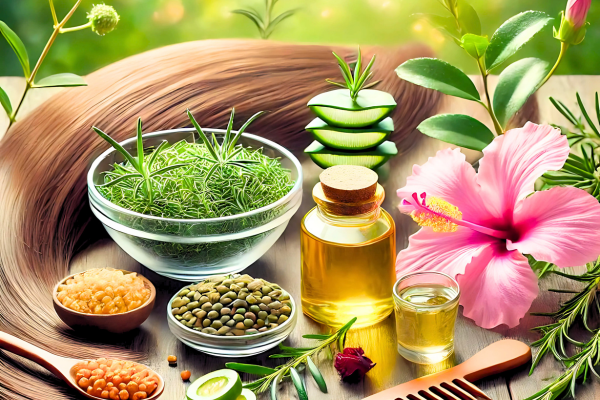
Hair loss is a common issue that affects millions of people worldwide. Whether it’s thinning hair, slow growth, or hair fall, finding effective solutions is often a top priority. While there are countless treatments available, herbs for hair growth have gained significant attention in recent years due to their natural healing properties. These herbs offer a gentle, effective, and chemical-free way to stimulate hair growth and improve overall hair health.
In this article, we’ll dive into 10 incredible herbs that promote hair growth. These herbs are packed with nutrients and compounds that can help strengthen your hair follicles, boost circulation to the scalp, and improve hair texture. Whether you’re looking to treat thinning hair or simply want to enhance your hair’s natural growth cycle, these herbs are a great place to start.
1. Aloe Vera
The Natural Scalp Healer
Aloe Vera is known for its soothing and healing properties, not just for the skin but for the scalp as well. It is packed with enzymes that help repair dead skin cells on the scalp, creating an optimal environment for hair growth.

Benefits of Aloe Vera for Hair Growth:
- Moisturizes and nourishes the scalp.
- Reduces dandruff and flakiness, which can block hair follicles.
- Strengthens hair strands, preventing breakage.
How to Use Aloe Vera:
- Apply fresh Aloe Vera gel directly to your scalp.
- Let it sit for about 30 minutes, then rinse with lukewarm water.
You can also find Aloe Vera-based hair care products in stores or online for easier use.
2. Rosemary
A Scalp Stimulator
Rosemary has been widely used for centuries for its ability to promote hair growth. It stimulates blood circulation in the scalp, which helps hair follicles receive the nutrients they need to grow strong and healthy.
Benefits of Rosemary for Hair Growth:
- Stimulates hair follicles, leading to faster growth.
- Reduces dandruff and improves overall scalp health.
- Prevents premature graying of hair.
How to Use Rosemary:
- Add a few drops of Rosemary essential oil to a carrier oil (like coconut or olive oil) and massage into your scalp for 5–10 minutes.
- You can also brew rosemary tea and use it as a final hair rinse.
Rosemary essential oil is available online or in natural health stores. For best results, consider using pure rosemary oil.
3. Fenugreek (Methi)
The Protein Powerhouse
Fenugreek seeds are a rich source of protein and iron, which are essential for strong hair growth. They contain lecithin, a compound that strengthens hair and prevents hair loss. Fenugreek is especially useful for dry, damaged hair and promotes shine.
Benefits of Fenugreek for Hair Growth:
- Promotes hair growth by strengthening the roots.
- Adds volume and shine to the hair.
- Prevents hair thinning and breakage.
How to Use Fenugreek:
- Soak fenugreek seeds overnight in water and grind them into a paste the next morning.
- Apply the paste to your scalp and leave it on for about 30 minutes before rinsing with water.
Fenugreek powder or seeds can easily be found at your local grocery store or online. For convenience, look for methi-based hair masks that include other beneficial herbs.
4. Hibiscus
The Secret to Thick, Glossy Hair
Hibiscus flowers are packed with vitamins and antioxidants that nourish the hair and scalp. They stimulate the hair follicles, making them ideal for those looking to boost hair growth and increase thickness.
Benefits of Hibiscus for Hair Growth:
- Stimulates hair growth by improving scalp circulation.
- Adds natural shine to hair and prevents premature graying.
- Helps in controlling dandruff and scalp infections.
How to Use Hibiscus:
- Make a paste using fresh hibiscus petals or use Hibiscus oil on the scalp.
- Let it sit for 30 minutes and wash it off with a mild shampoo.
Hibiscus oil and products infused with hibiscus can easily be found online or at health stores.
5. Amla (Indian Gooseberry)
The Vitamin C Boost for Your Hair
Amla is one of the most potent herbs for hair growth, thanks to its high Vitamin C content, which boosts collagen production and strengthens the hair shaft. It also helps in preventing premature graying and dandruff.
Benefits of Amla for Hair Growth:
- Reduces hair fall and boosts hair growth.
- Strengthens hair follicles, making hair shinier and more resilient.
- Prevents scalp infections and dandruff.
How to Use Amla:
- Apply Amla oil to your scalp or mix Amla powder with water to create a hair mask.
- Leave it on for about 30 minutes before rinsing.
Amla oil is widely available in stores and online, so look for products that include pure Amla extract for maximum benefit.
6. Lavender
A Relaxing Herb for Hair Growth
Lavender is known for its calming properties, but it’s also highly effective at promoting hair growth. It improves blood circulation to the scalp, encouraging faster and healthier hair growth.
Benefits of Lavender for Hair Growth:
- Improves scalp circulation, promoting healthy hair growth.
- Reduces hair thinning and promotes thicker hair.
- Reduces stress, a common cause of hair loss.
How to Use Lavender:
- Add a few drops of lavender oil to a carrier oil and massage it into your scalp.
- You can also add a few drops to your shampoo or conditioner.
For quality results, look for pure lavender essential oil.
7. Nettle
The Vitamin-Rich Hair Growth Herb
Nettle is packed with vitamins A, C, and K, along with minerals like iron and silica. These nutrients are essential for hair growth and scalp health. Nettle also helps balance oil production on the scalp, reducing dandruff and promoting a healthy environment for hair follicles.
Benefits of Nettle for Hair Growth:
- Stimulates blood circulation to the scalp, improving nutrient supply to hair follicles.
- Rich in vitamins and minerals that are essential for healthy hair.
- Helps reduce dandruff and scalp irritation.
How to Use Nettle:
- Brew Nettle tea and drink it regularly to nourish your hair from within.
- Nettle oil can also be applied to the scalp for external nourishment.
You can easily find Nettle tea or Nettle supplements online or in health stores.
8. Saw Palmetto
A Natural DHT Blocker
Saw Palmetto is a powerful herb known for blocking DHT, a hormone responsible for hair thinning and loss. By reducing the levels of DHT in the scalp, Saw Palmetto helps in preventing hair loss and promotes new hair growth.
Benefits of Saw Palmetto for Hair Growth:
- Blocks DHT, reducing hair thinning and hair loss.
- Encourages hair regrowth by supporting the natural growth cycle.
- Improves scalp health by preventing blockages in hair follicles.
How to Use Saw Palmetto:
- Take Saw Palmetto supplements or use an oil infused with Saw Palmetto extract.
- Apply directly to the scalp to nourish hair follicles.
Look for hair oils containing this ingredient online.
9. Ginseng
The Energy Booster for Your Hair
Ginseng is a highly potent herb that improves circulation to the scalp, helping hair follicles receive more oxygen and nutrients, thus promoting faster hair growth. It also strengthens hair and reduces thinning.
Benefits of Ginseng for Hair Growth:
- Stimulates hair follicles and encourages faster hair growth.
- Strengthens hair roots and prevents hair fall.
- Improves scalp circulation and overall scalp health.
How to Use Ginseng:
- Take Ginseng supplements for internal nourishment.
- Apply Ginseng-infused oils directly to the scalp.
Hair oils can be easily found in health food stores and online.
10. Peppermint
The Refreshing Herb for Hair Growth
Peppermint oil is well-known for its refreshing scent, but it also has powerful hair growth benefits. It stimulates blood flow to the scalp and promotes the health of hair follicles, helping to encourage thicker and faster hair growth.
Benefits of Peppermint for Hair Growth:
- Stimulates blood circulation, encouraging healthy hair growth.
- Reduces scalp irritation and promotes a healthy scalp environment.
- Adds a natural shine and fresh scent to your hair.
How to Use Peppermint:
- Mix peppermint essential oil with a carrier oil and massage it into your scalp.
- Alternatively, use peppermint-infused shampoos or conditioners.
Conclusion
Incorporating herbs for hair growth into your routine is a natural, cost-effective way to improve the health and appearance of your hair. From the soothing properties of Aloe Vera to the invigorating effects of Rosemary, each of these herbs offers unique benefits that can help you achieve the lush, healthy hair you desire.
To get the best results, be consistent with your use of these herbs and choose products made from high-quality, pure ingredients. Don’t forget that healthy hair growth also depends on a balanced diet, proper hair care, and a stress-free lifestyle.
Ready to try these herbs? Share your experiences with us in the comments below, and don’t forget to share this article with friends who could benefit from these natural hair growth solutions. For more hair care tips and remedies, be sure to explore our other articles!
Have you tried any of these herbs for hair growth? What results have you seen? Let us know in the comments! Also, feel free to share this article with others who may benefit from these natural solutions.
Also, read👉🏻 Hair Growth Spray Recipes: 5 Effective DIY Formulas for Promoting Hair Growth
Frequently Asked Questions: Herbs for Hair Growth
1. What are herbs for hair growth, and how do they work?
Herbs for hair growth are natural plant-based remedies that help stimulate the growth of healthy hair. These herbs are rich in vitamins, minerals, and antioxidants that nourish the scalp, strengthen hair follicles, and improve circulation to the scalp. By creating a healthy environment for hair growth, these herbs promote thicker, stronger hair over time.
2. Which herbs for hair growth are the most effective?
Some of the most effective herbs for hair growth include Aloe Vera, Rosemary, Fenugreek, Hibiscus, Amla, and Saw Palmetto. These herbs are known for their ability to improve scalp health, stimulate hair follicles, and reduce hair loss. Regular use of these herbs can help encourage faster hair growth and reduce thinning.
3. How can I use herbs for hair growth at home?
There are several ways to use herbs for hair growth at home:
You can apply fresh herb-based oils (like rosemary or lavender oil) directly to your scalp.
Create DIY hair masks by combining ground herbs (like fenugreek or hibiscus) with water or yogurt.
Drink herbal teas made from herbs like nettle or ginseng to promote hair health from the inside.
Always perform a patch test before applying any herb topically to ensure no allergic reactions occur.
4. Are herbs for hair growth safe to use?
Yes, herbs for hair growth are generally safe to use, especially when applied topically or consumed in moderation. However, it’s essential to use them correctly and avoid overuse. Some individuals may experience allergic reactions to certain herbs, so it’s a good idea to consult with a healthcare professional if you’re unsure or have sensitive skin.
5. Can herbs for hair growth help with baldness?
Herbs for hair growth may not completely reverse baldness, but they can help prevent further hair loss and encourage hair regrowth in some individuals. Herbs like saw palmetto and rosemary are known to block DHT, a hormone that contributes to hair thinning and baldness, which may help slow down hair loss and stimulate growth.
6. How long does it take to see results from herbs for hair growth?
Results from using herbs for hair growth vary depending on the herb used, individual hair types, and consistency in application. Generally, you may start noticing some improvement within 4 to 6 weeks of regular use. However, for more noticeable changes, it may take 2 to 3 months of consistent treatment.
7. Can I combine different herbs for hair growth?
Yes, combining different herbs for hair growth can be an effective approach. For instance, you can mix aloe vera with rosemary oil or use fenugreek powder along with hibiscus for a nutrient-rich hair mask. Combining herbs with complementary properties can boost their effectiveness and help you achieve better results.
8. Are there any side effects of using herbs for hair growth?
While herbs for hair growth are natural, they can cause side effects in some individuals, such as allergic reactions or skin irritation. If you experience redness, itching, or discomfort, discontinue use immediately. Always conduct a patch test before applying any herb to a large area.
9. Can I use herbs for hair growth on all hair types?
Yes, herbs for hair growth can be beneficial for all hair types. However, the way they affect hair may vary depending on individual hair conditions. For example, fenugreek is great for dry, damaged hair, while rosemary and peppermint are ideal for oily scalps. Adjust your herbal treatments to suit your hair’s specific needs.
10. Where can I find herbs for hair growth products?
Many herbs for hair growth are available in stores or online, either as oils, powders, or in prepared hair care products. Look for reputable brands that offer organic or high-quality herb-based treatments. You can also buy raw herbs and create your own homemade remedies.
Discover more from innerspiritglow
Subscribe to get the latest posts sent to your email.