
Introduction
Shaving isn’t just about removing unwanted hair; it’s also an essential part of personal hygiene and skincare. Whether you’re prepping for a special occasion or just want to feel fresh, knowing the right steps to take will make all the difference. A simple, effective shaving routine can lead to smooth, radiant skin without irritation. This Hygiene Guide for Shaving provides six essential steps to help you achieve flawless skin—whether you’re new to shaving or a seasoned pro.
In this article, we’ll explore each step thoroughly, from trimming excess hair to moisturizing your skin after shaving. Along with these essential techniques, we’ll share tips and product recommendations to ensure you get the best results. So, if you’re ready to make your shaving routine smoother and more effective, keep reading!
1. Trim Excess Hair (Optional but Helpful)
Before diving into shaving, it’s often a good idea to trim any longer body hair. This can make the shaving process easier, safer, and more efficient. When hair is too long, the razor may pull or snag, leading to discomfort or cuts. If you haven’t shaved in a while, consider trimming the hair first.

Why Trim First?
- Prevents tugging: Long hair can tug on the razor blade, causing discomfort and nicks.
- Improves efficiency: Shorter hair makes the actual shaving process quicker and easier.
- Reduces irritation: Trimming helps ensure the razor glides smoothly across the skin, preventing potential cuts.
How to Trim:
- Use scissors for precise trimming if you only need a slight reduction.
- Opt for an electric trimmer for faster and more even results, especially if your hair is longer. These are ideal for sensitive areas where precision matters most.
Tip: You don’t need to trim if the hair is already relatively short. Trimming is most beneficial when hair has grown for 1-3 days.
Recommended Product: If you want to keep your trimming game strong, an electric trimmer like the Philips Norelco Bodygroom Series 7000 is a reliable option.
2. Exfoliate with a Gentle Scrub
Exfoliation is an essential part of any Hygiene Guide for Shaving, as it removes dead skin cells and prevents ingrown hairs. Exfoliating before shaving ensures a smoother surface and reduces the likelihood of razor bumps. It also helps to open pores, making hair removal easier.
Why Exfoliate Before Shaving?
- Removes dead skin cells: Exfoliation clears away dead skin, allowing the razor to glide over your skin effortlessly.
- Prevents ingrown hairs: Exfoliating helps lift hair follicles, reducing the chances of hair becoming trapped under the skin.
- Promotes smoother skin: The process improves skin texture, giving you that soft and smooth feel post-shave.
How to Exfoliate:
- Use a gentle body scrub—avoid salt-based scrubs, as they can be too abrasive and cause skin irritation.
- Alternatively, you can create your own DIY scrub with natural ingredients like olive oil, coconut oil, sugar, and honey. These ingredients provide gentle exfoliation and nourishment.
Tip: Exfoliate in circular motions to remove the build-up on your skin. Avoid pressing too hard to prevent skin irritation.
Recommended Product: For those who prefer ready-made options, the Tree Hut Shea Sugar Scrub offers a gentle, skin-nourishing formula perfect for exfoliating before shaving.
3. Prepare the Skin with Shaving Cream or Foam
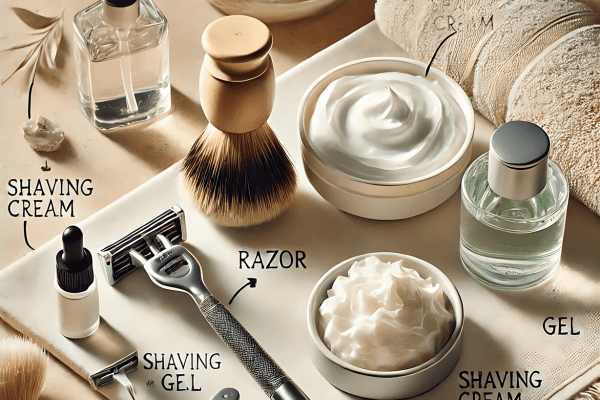
Properly prepping your skin is a crucial step in achieving smooth skin after shaving. The right shaving product, whether it’s shaving cream, foam, or soap, ensures that your razor glides over the skin smoothly, minimizing irritation and cuts.
Why Prepping is Important:
- Lubricates the skin: A shaving product creates a smooth barrier, making it easier for the razor to glide without causing friction.
- Softens hair: Products like shaving cream soften the hair, making it easier to cut, leading to a closer and more comfortable shave.
- Reduces irritation: It helps protect your skin from nicks and razor burn.
How to Prepare:
- Apply shaving cream, foam, or soap generously to the target area.
- Ensure even coverage to reduce friction during the shave.
Tip: If you have sensitive skin, look for creams or gels specifically designed for sensitive skin to minimize irritation.
Recommended Product: For a premium shave, try the Cremo Shaving Cream—a highly recommended product that softens the hair while providing a smooth glide.
4. Choose the Right Razor for Safe Shaving
The razor you choose can make or break your shaving experience. Using a razor with a protective strip ensures that you avoid cutting your skin. A good razor reduces the risk of nicks, and a sharp blade guarantees a smoother, closer shave.
Why the Right Razor Matters:
- Reduces the risk of cuts: A protective strip helps prevent the razor from coming in direct contact with your skin.
- Prevents irritation: A sharp, quality razor minimizes skin irritation and bumps.
- Ensures smooth results: Using a good razor ensures you don’t have to go over the same area multiple times.
How to Shave:
- Shave in small strokes against the hair growth direction, applying light pressure. If you’re concerned about cutting yourself, you can shave in the direction of hair growth.
- Rinse the razor often to keep it clean and effective.
Tip: Replace your razor blade regularly—dull blades are more likely to cause irritation and cuts.
5. Moisturize After Shaving
Shaving can leave your skin feeling dry and irritated. That’s why moisturizing after shaving is a must. A hydrating lotion or oil helps soothe the skin and replenishes moisture lost during shaving.
Why Moisturizing is Essential:
- Hydrates the skin: After shaving, your skin is vulnerable and needs moisture to restore its natural balance.
- Prevents dryness: Moisturizing keeps the skin soft and smooth, preventing any tightness or flakiness.
- Reduces post-shave irritation: It helps calm any redness or irritation caused by shaving.
How to Moisturize:
- Use a gentle lotion or coconut oil to hydrate the skin after shaving.
- Apply a thin layer of moisturizer to lock in moisture, focusing on areas that feel dry.
Tip: Opt for a moisturizer with aloe vera or chamomile for added calming effects post-shave.
Recommended Product: Aveeno Daily Moisturizing Lotion is a great option for soothing the skin after shaving, leaving it smooth and hydrated.
6. Maintain a Shaving Routine for Optimal Results
Shaving is not a one-time thing—keeping up with a regular shaving routine ensures smooth skin and prevents ingrown hairs or razor bumps. It’s also essential to give your skin time to recover between shaves.
Why Consistency is Key:
- Prevents irritation: Regular shaving keeps the skin accustomed to the process, reducing irritation over time.
- Maintains smoothness: Regular shaving helps you maintain that smooth feeling without the discomfort of regrowth.
- Avoids ingrown hairs: By exfoliating and moisturizing regularly, you reduce the risk of hair growing under the skin.
How to Maintain:
- Exfoliate and moisturize regularly to keep skin smooth.
- Avoid shaving too frequently—wait 2-3 days before shaving again to allow the skin to recover.
Tip: Incorporate exfoliating and moisturizing into your daily skincare routine for best results.
Conclusion
Achieving smooth, healthy skin through shaving doesn’t have to be difficult. By following this Hygiene Guide for Shaving, you can enjoy a comfortable, irritation-free experience every time. From trimming excess hair to maintaining a regular shaving routine, these 6 essential steps will ensure your skin stays smooth and healthy.
Remember, shaving is a personal choice, and everyone’s skin is different. With the right techniques and products, you can customize your routine for the best possible results. So, why not give these steps a try today?
Call to Action: Have you tried these steps for a smoother shave? Share your experiences in the comments below or let us know how these tips worked for you! Don’t forget to share this guide with friends who might find it helpful, and stay tuned for more content on achieving flawless skin!
Also, read👇🏻
7 Essential Lower Body Hygiene Routines for a Fresh, Clean Feel
7 Secrets to Get Rid of Smelly Underarms Quickly
Frequently Asked Questions: Hygiene Guide for Shaving
Why is a Hygiene Guide important for shaving?
A Hygiene Guide for Shaving ensures that you follow the correct steps to avoid irritation, cuts, and ingrown hairs. It promotes a smooth, comfortable shave by emphasizing proper preparation, shaving techniques, and aftercare to maintain healthy skin.
What are the essential steps for shaving according to the Hygiene Guide?
The Hygiene Guide for Shaving outlines six key steps:
Trim excess hair if necessary.
Exfoliate your skin with a gentle scrub.
Prepare your skin with shaving cream or foam.
Use a razor with a protective strip and shave with caution.
Moisturize your skin after shaving.
Maintain a regular shaving routine for optimal results.
Can I shave without trimming my hair first?
Trimming is optional but highly recommended, especially if your hair is long. Trimming helps reduce tugging and ensures the razor glides smoothly over the skin, preventing cuts and irritation. However, if your hair is already short (1-3 days of growth), you can skip this step.
How often should I exfoliate before shaving?
Exfoliating before shaving is recommended as part of your Hygiene Guide for Shaving. Exfoliate 2-3 times a week to remove dead skin cells and prevent ingrown hairs. Doing so will ensure a smoother, closer shave every time.
What shaving products should I use?
To follow a proper Hygiene Guide for Shaving, it’s essential to use the right shaving products:
A moisturizing shaving cream or foam for smooth application.
A sharp razor with a protective strip to prevent nicks.
A gentle moisturizer after shaving to hydrate and soothe the skin.
How do I prevent razor burns and bumps?
To avoid razor burns and bumps, follow these tips:
Always exfoliate before shaving to remove dead skin cells.
Use a shaving cream or foam to lubricate the skin and reduce friction.
Shave in small strokes with minimal pressure.
After shaving, apply a gentle moisturizer to hydrate the skin and reduce irritation.
Can I shave every day?
Shaving every day can be too harsh for some skin types. The Hygiene Guide for Shaving recommends waiting 2-3 days between shaves to allow your skin to recover and avoid irritation. This gives your skin time to heal, reducing the chances of redness or discomfort.
How do I choose the right razor for shaving?
The right razor should have a protective strip to ensure it doesn’t cut the skin. A sharp razor with multiple blades offers a closer shave, while a single-blade razor is gentler on sensitive skin. Select a razor based on your skin type and shaving preferences.
Is it necessary to moisturize after shaving?
Yes, moisturizing is crucial after shaving to restore the skin’s moisture. Shaving can strip away natural oils, so using a gentle moisturizer or coconut oil will soothe and hydrate the skin, preventing dryness or irritation.
Can I use a shaving guide for all parts of my body?
Yes, the Hygiene Guide for Shaving can be applied to all areas of your body. However, be extra cautious when shaving sensitive areas, such as the face, bikini line, and underarms, by using gentle products and a razor designed for these regions.
Discover more from innerspiritglow
Subscribe to get the latest posts sent to your email.