
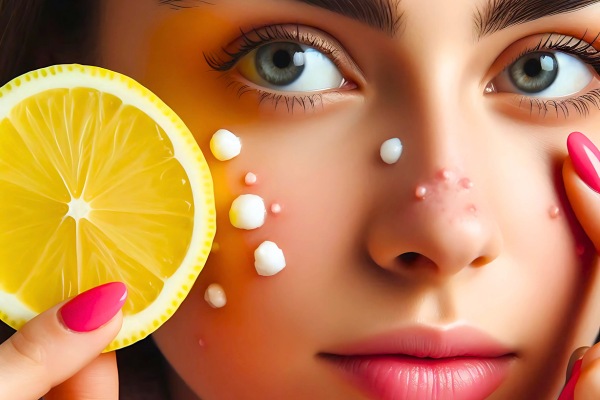
Lemon, often celebrated for its tangy taste and refreshing scent, is a powerhouse ingredient in the world of skincare. Its benefits extend far beyond its use in cooking or as a beverage addition. Over the years, many have turned to lemon for its natural ability to fight acne and blackheads, two of the most common skincare concerns. But why exactly is lemon so effective in treating these issues? In this article, we will explore seven surprising benefits of using lemon for acne and blackheads and how it can help you achieve clear, glowing skin naturally.

1. Natural Antibacterial Properties
One of the most prominent reasons lemon is effective against acne and blackheads is its strong antibacterial properties. Acne is primarily caused by the overgrowth of Propionibacterium acnes bacteria, which clog pores and trigger inflammation. Lemon, rich in vitamin C and citric acid, works as a natural antibacterial agent, helping to kill the bacteria that cause breakouts.
By using lemon topically on your skin, you can help eliminate harmful bacteria and prevent new acne from forming. Simply squeeze fresh lemon juice onto a cotton ball and gently apply it to the affected areas of your face. For best results, use this treatment before bedtime, as lemon can increase skin sensitivity to sunlight.
2. Balancing Skin’s pH Levels
The skin’s natural pH level plays a significant role in maintaining its health. When the skin’s pH is disrupted, it can lead to problems such as oiliness, acne, and dryness. Lemon has an acidic nature, with a pH level of around 2, which can help balance the skin’s pH when applied topically.
By restoring the skin’s natural acidic environment, lemon helps control excess oil production, which is a major factor in the development of acne and blackheads. This benefit is particularly useful for individuals with oily skin, as lemon helps to regulate oil production and keep the skin’s surface clean and fresh.
How to Use: Mix a few drops of fresh lemon juice with water and apply the solution to your face using a cotton pad. This can serve as a natural toner, helping to balance your skin’s pH.
3. Exfoliation: Removing Dead Skin Cells
Exfoliation is a critical part of any skincare routine, especially when fighting acne and blackheads. Lemon contains natural acids that work as gentle exfoliants, helping to remove dead skin cells from the surface of your skin. This process ensures that pores remain unclogged, which reduces the likelihood of blackheads and acne.
When dead skin cells accumulate, they can block pores and lead to the formation of blackheads. By regularly exfoliating with lemon, you can help prevent this buildup and promote smoother, clearer skin.
How to Use: You can create a DIY scrub by mixing lemon juice with sugar. Gently rub the mixture onto your face in circular motions for a few minutes, then rinse with lukewarm water. This will not only exfoliate your skin but also leave it feeling refreshed.
4. Astringent Properties: Shrinking Pores
Enlarged pores are another common issue that leads to blackheads, as they can easily become clogged with oil and dirt. Lemon’s astringent properties help to tighten and shrink the skin, which can reduce the appearance of large pores.
By applying lemon to your face, you can help minimize pore size, preventing the buildup of sebum (skin oil) that can lead to blackhead formation. Smaller pores also give your skin a smoother, more even appearance.
How to Use: Apply fresh lemon juice directly to the areas where you have large pores, such as your T-zone, using a cotton pad. Let it sit for a few minutes before rinsing with cool water to tighten and tone the skin.
5. Rich in Vitamin C: Aids Skin Repair
Vitamin C is a key nutrient for healthy skin. It plays a vital role in collagen production, helping to repair damaged skin and lighten acne scars. Lemon, being rich in vitamin C, provides an excellent natural solution for reducing the appearance of acne scars and hyperpigmentation caused by blackheads.
The high levels of antioxidants in lemon help protect the skin from environmental damage and promote the healing process. Over time, consistent use of lemon on your skin can help fade dark spots and even out your skin tone.
How to Use: To target acne scars, mix lemon juice with honey, as honey has soothing properties. Apply the mixture to the affected areas and leave it on for 10-15 minutes before rinsing off. This combination helps lighten scars while keeping the skin moisturized.
6. Reduces Excess Oil Production
Excess oil on the skin is a leading cause of acne and blackheads, as it clogs pores and allows bacteria to thrive. Lemon, with its natural astringent qualities, can help regulate oil production. By controlling excess oil, lemon helps prevent pores from becoming clogged, reducing the likelihood of breakouts.
Regular use of lemon can help create a matte finish on the skin, making it look less shiny and more balanced throughout the day.
How to Use: Mix lemon juice with a few drops of tea tree oil or witch hazel for an oil-controlling facial mist. Spritz it on your face after cleansing to reduce shine and keep your skin oil-free.
7. Effective DIY Face Masks for Acne and Blackheads
Lemon can be a key ingredient in various homemade face masks designed to tackle acne and blackheads. Combining lemon with other natural ingredients, such as honey, turmeric, or yogurt, can enhance its acne-fighting benefits. These DIY face masks provide a deep cleansing treatment that targets both the causes and the symptoms of acne.
How to Use: Here’s a simple recipe for a lemon face mask:
- 1 tablespoon of lemon juice
- 1 tablespoon of honey
- 1 tablespoon of yogurt
Mix all ingredients together and apply the mask to your face. Leave it on for 15-20 minutes before rinsing off with lukewarm water. This mask not only cleanses and brightens the skin but also helps soothe and heal existing acne.
Conclusion
Lemon is a versatile and powerful natural remedy for acne and blackheads, offering a range of surprising benefits that can help you achieve clearer, healthier skin. From its antibacterial properties to its ability to balance pH levels, exfoliate, and shrink pores, lemon provides a comprehensive approach to combating common skincare concerns.
While lemon is a great addition to any skincare routine, it’s important to remember that it can be irritating to sensitive skin. Always perform a patch test before applying lemon to your face, and use sunscreen to protect your skin after application, as lemon can increase sun sensitivity.
Incorporating lemon into your skincare routine, whether as a toner, exfoliant, or mask, could be the natural solution you need for smoother, blemish-free skin. Give it a try, and enjoy the benefits of clear skin, naturally.
Also, read👉🏻 Turmeric Skin Clearing Gel – 7X Power for Acne-Free Glow!
Frequently asked questions
Can lemon really help with acne and blackheads?
Yes, lemon contains natural antibacterial properties that help fight the bacteria causing acne. It also balances the skin’s pH, reduces excess oil, and exfoliates dead skin cells, all of which help prevent clogged pores and reduce acne and blackheads.
How often should I use lemon on my face for acne treatment?
For best results, you can use lemon on your face up to 3-4 times a week. However, it’s important to start slow, especially if you have sensitive skin. Make sure to observe how your skin reacts and avoid overuse to prevent irritation.
Is lemon safe for all skin types?
Lemon is generally safe for most skin types, but it may cause irritation for sensitive or dry skin. If you have sensitive skin, it’s recommended to dilute lemon juice with water or mix it with soothing ingredients like honey. Always perform a patch test before using lemon on your face.
Can lemon help fade acne scars and dark spots?
Yes, lemon is rich in vitamin C, which is known for its skin-brightening and healing properties. It can help lighten acne scars and dark spots over time, promoting a more even skin tone. However, results may take time, and consistency is key.
Should I use lemon juice directly on my skin or dilute it?
If you have sensitive skin, it’s a good idea to dilute lemon juice with water before applying it to your skin. If your skin is more tolerant, you can use it undiluted for a stronger effect. Always apply sunscreen during the day after using lemon on your skin, as it can make your skin more sensitive to sunlight.
Can lemon help with blackheads specifically?
Yes, lemon’s astringent properties can help shrink pores and reduce the buildup of oil and dead skin cells that lead to blackheads. Regular use of lemon as part of your skincare routine can prevent new blackheads from forming.
How can I use lemon for acne and blackheads in DIY skincare?
Lemon can be used in various ways, such as:
As a toner: Mix lemon juice with water and apply it to your face to balance your skin’s pH.
In a scrub: Combine lemon juice with sugar to exfoliate your skin and remove dead skin cells.
In a face mask: Mix lemon juice with honey or yogurt to create a soothing, acne-fighting mask.
Are there any side effects of using lemon on the skin?
Lemon can cause dryness, irritation, or a burning sensation in some people, especially those with sensitive skin. It can also increase skin sensitivity to the sun, making it more prone to sunburn. Always use sunscreen and avoid excessive sun exposure after applying lemon to your skin.
Can I use bottled lemon juice instead of fresh lemon?
Fresh lemon juice is preferred due to its higher potency and fewer added chemicals. Bottled lemon juice often contains preservatives and may be diluted, reducing its effectiveness. For the best results, use fresh lemon juice from a ripe lemon.
How long does it take to see results from using lemon for acne and blackheads?
The time it takes to see visible results can vary based on your skin type and the severity of your acne. For most people, noticeable improvements may be seen within a few weeks of consistent use. However, for stubborn acne or blackheads, it may take longer, and additional skincare treatments might be necessary.
Discover more from innerspiritglow
Subscribe to get the latest posts sent to your email.
5522betcom – is this a new site or have I just been living under a rock? I’m always on the lookout for new places to put a few quid on. Anyone used them? Good experience? Worth checking out? Have a look here: 5522betcom
vipjili https://www.vipjiliji.com
[4293]olimpbet লগইন এবং অ্যাপ ডাউনলোড | বিকাশ অনলাইন ক্যাসিনো,olimpbet লগইন করে সেরা অনলাইন স্লট গেম উপভোগ করুন। বিকাশ দিয়ে অনলাইন ক্যাসিনো ডিপোজিট এবং সহজ অ্যাপ ডাউনলোড করতে আজই ভিজিট করুন। visit: olimpbet