
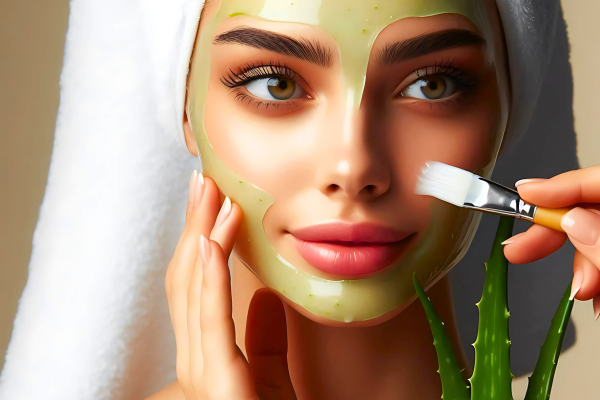
Discover Natural, Effective Remedies for Acne, Dryness, Scars, and More
A glowing complexion isn’t always the result of expensive skincare products or high-end treatments. Nature has given us one of the most versatile beauty ingredients in the form of aloe vera—a plant rich in antioxidants, enzymes, vitamins, and anti-inflammatory properties. Whether you’re battling acne, dry skin, pigmentation, or signs of aging, aloe face masks can provide a quick and natural solution.
In this article, we’ll explore 7 aloe-based DIY masks tailored for specific skin concerns. Each one is easy to make, highly effective, and powered by complementary natural ingredients that amplify aloe’s skin-healing abilities.

1. Aloe + Lemon for Acne-Prone Skin
Acne can be stubborn and painful, but this mask offers a soothing and clarifying treatment. Aloe vera reduces inflammation, while lemon juice helps kill acne-causing bacteria and brightens the skin.
How to make it:
Mix 1 tablespoon of pure aloe vera gel with 4–5 drops of freshly squeezed lemon juice.
Application:
Apply to clean skin, focusing on acne-prone areas. Leave on for 10–12 minutes, then rinse with lukewarm water.
Caution: Lemon juice can be photosensitizing and irritating—do a patch test and avoid sun exposure post-use.
✅ Recommended: Use organic cold-pressed aloe vera gel for maximum efficacy.
2. Aloe + Honey + Banana for Dry Skin
If your skin feels tight, flaky, or dull, this hydrating mask can work wonders. Aloe soothes, honey locks in moisture, and banana nourishes the skin with potassium and vitamins.
How to make it:
Mash half a ripe banana and mix with 1 tablespoon of aloe gel and 1 teaspoon of raw honey.
Application:
Apply a generous layer and leave on for 15–20 minutes. Rinse off with cool water and follow with a light moisturizer.
💡 Pro tip: Use manuka honey for added antibacterial benefits.
3. Aloe + Turmeric for Scars and Pigmentation
Dark spots and acne scars can take weeks to fade, but aloe combined with turmeric accelerates skin repair and helps even out the complexion.
How to make it:
Mix 1 tablespoon of aloe gel with a small pinch of turmeric powder (too much can stain).
Application:
Apply as a spot treatment or a thin mask across the face. Leave on for 10–15 minutes, then rinse thoroughly.
Note: Use this mask at night, as turmeric can leave a mild yellow stain that fades by morning.
🟡 Recommended: Try wild-crafted turmeric powder for a more potent skin-brightening effect.
4. Aloe + Greek Yogurt + Egg White for Wrinkles
For those looking to improve skin elasticity and reduce the appearance of fine lines, this firming mask is ideal. Aloe hydrates, Greek yogurt provides gentle exfoliation, and egg white tightens the skin naturally.
How to make it:
Whisk 1 egg white, then mix in 1 tablespoon of aloe gel and 1 tablespoon of plain Greek yogurt.
Application:
Apply to the face and let it dry completely (about 15–20 minutes). Rinse off with warm water and pat dry.
💧 Upgrade with collagen-boosting Greek yogurt for additional anti-aging support.
5. Aloe + Apple Cider Vinegar + Bentonite Clay for Clogged Pores
Clogged pores can lead to blackheads and breakouts. This detoxifying mask uses bentonite clay to draw out impurities, apple cider vinegar to balance pH, and aloe to calm the skin.
How to make it:
Mix 1 tablespoon bentonite clay with 1 teaspoon ACV and 1 tablespoon aloe gel until you get a smooth paste.
Application:
Apply to problem areas, avoid the eye area, and leave on until it just begins to dry (not completely). Rinse with lukewarm water.
🌿 Recommended: Use food-grade bentonite clay and raw, unfiltered ACV for best results.
6. Aloe + Cucumber Juice for Sunburn & Irritated Skin
Both aloe and cucumber are known for their cooling and anti-inflammatory effects, making this a perfect mask for irritated or sunburned skin.
How to make it:
Blend half a cucumber and strain the juice. Mix 1 tablespoon cucumber juice with 1 tablespoon aloe gel.
Application:
Use a cotton pad to apply gently to the skin. Leave it on for 15–20 minutes and rinse with cool water.
🥒 Tip: Store the mask in the fridge for a few minutes before application for extra cooling relief.
7. Aloe + Rose Water + Multani Mitti for Dull Skin
If your skin looks tired and lacks radiance, this mask revives it by exfoliating and toning. Multani mitti (Fuller’s Earth) removes excess oil, rose water soothes, and aloe hydrates.
How to make it:
Mix 1 tablespoon multani mitti with 1 tablespoon aloe gel and 1 teaspoon rose water. Adjust consistency as needed.
Application:
Apply an even layer and let it dry partially (not fully). Rinse off before it cracks to avoid over-drying.
🌸 Try pure rose water for its anti-inflammatory and astringent properties.
Final Tips for Best Results
- Always patch test new ingredients, especially if you have sensitive skin.
- Use fresh aloe vera gel or choose a high-quality organic gel with no added alcohol or fragrances.
- Apply masks to cleansed skin for better absorption.
- Moisturize after masking to lock in hydration.
- Stick to 2–3 times a week for most treatments unless otherwise noted.
Conclusion
Aloe vera is more than just a soothing plant—it’s a complete skin care solution when combined with the right ingredients. Whether you’re dealing with acne, dullness, dryness, or wrinkles, these 7 aloe face masks offer a natural, affordable, and effective way to care for your skin.
By incorporating these into your skincare routine, you’re not only treating vsible issues but also nurturing your skin with nutrients it truly craves.
Also, read👉🏻 Aloe Vera Sleeping Masks: 7 Ways to Get Clear, Healthy Skin Overnight
Frequently asked questions
Can I use aloe vera on my face every day?
Yes, pure aloe vera gel is safe for daily use on most skin types. It hydrates, soothes irritation, and helps reduce inflammation. However, for masks that include active ingredients like lemon, turmeric, or vinegar, limit use to 2–3 times per week to prevent sensitivity.
Is store-bought aloe gel as effective as fresh aloe vera?
Fresh aloe vera gel from the plant is ideal, as it contains the highest concentration of nutrients. However, high-quality, organic, preservative-free aloe gels can also be effective. Look for products without added alcohol, fragrance, or synthetic dyes.
How long should I leave aloe face masks on?
Most aloe face masks can be left on for 10–20 minutes, depending on the ingredients used. Avoid leaving masks on for too long—especially clay or lemon-based masks—as they may cause dryness or irritation.
Can aloe face masks help with acne scars and pigmentation?
Yes, when combined with ingredients like turmeric, lemon, or yogurt, aloe face masks can gradually fade acne scars and dark spots. Consistent use over a few weeks is key for visible results.
Are these aloe masks suitable for sensitive skin?
Many of these masks are gentle, especially those with cucumber, honey, or rose water. However, ingredients like lemon juice or ACV can be too strong for sensitive skin. Always do a patch test before full application.
Can I refrigerate aloe face masks?
Yes, most aloe masks can be stored in the refrigerator for up to 2–3 days if made with fresh ingredients. Refrigeration also enhances the cooling and soothing effect, especially for masks targeting sunburn or inflammation.
How soon will I see results from using aloe masks?
Some users notice immediate soothing and hydration, while improvements in acne, pigmentation, or wrinkles may take 2–4 weeks of consistent use. Results vary depending on skin type and severity of the issue.
Can I mix aloe with essential oils in these masks?
You can add 1–2 drops of skin-safe essential oils (like tea tree, lavender, or rosehip) for added benefits, especially for acne-prone or aging skin. However, use with caution and avoid essential oils if you have sensitive or reactive skin.
Are aloe masks better in the morning or at night?
Nighttime is ideal for most masks, especially those targeting pigmentation, wrinkles, or dryness, as your skin regenerates while you sleep. Masks with lemon or turmeric should only be used at night to avoid photosensitivity.
Can men use these aloe face masks too?
Absolutely! These masks are unisex and suitable for all skin types. Men with oily, acne-prone, or sensitive skin can especially benefit from aloe’s soothing and healing properties.
Discover more from innerspiritglow
Subscribe to get the latest posts sent to your email.
69jilicasino, alright, let’s see what you’ve got. Hoping for a good experience and some decent wins. Gonna give it a try and see if it’s my new favorite. Let’s roll!69jilicasino
91phcom https://www.91phcom.net