
Key Takeaways
- Berberine activates AMPK, the body’s ‘metabolic master switch’, improving insulin sensitivity.
- Studies suggest Berberine stimulates the secretion of GLP-1 naturally, distinguishing it from synthetic agonists.
- Clinical trials show significant reductions in BMI, waist circumference, and visceral fat.
- Bioavailability is the main hurdle; phytosome or dihydroberberine forms offer superior absorption.
- Berberine matches Metformin in lowering HbA1c levels for type 2 diabetes management.
- Standard dosage is 500mg, three times daily, taken with meals to minimize GI distress.
- While effective, it is not a magic pill; it requires lifestyle synergy for ‘Ozempic-like’ results.
You’ve likely heard the buzz surrounding ‘Nature’s Ozempic.’ In a world dominated by expensive injectable weight-loss drugs and their daunting side effect profiles, the search for a natural, effective alternative has reached a fever pitch. But is the hype real, or is it just another TikTok trend?
Metabolic health is in crisis. Insulin resistance, stubborn visceral fat, and fluctuating blood sugar levels are plaguing millions, yet the pharmaceutical solutions often come with a $1,000 monthly price tag and a risk of muscle loss. You want the metabolic correction without the synthetic dependency.
Enter Berberine. This bioactive compound, extracted from plants like Goldenseal and Oregon Grape, has been used in Traditional Chinese Medicine for centuries. However, modern science has recently uncovered its mechanism as a potent AMPK activator and a natural stimulator of GLP-1 secretion. This guide cuts through the noise, delivering a comprehensive, data-driven analysis of how Berberine works, how to use it safely, and what results you can realistically expect.
1. The Metabolic Master Switch: Understanding AMPK Activation
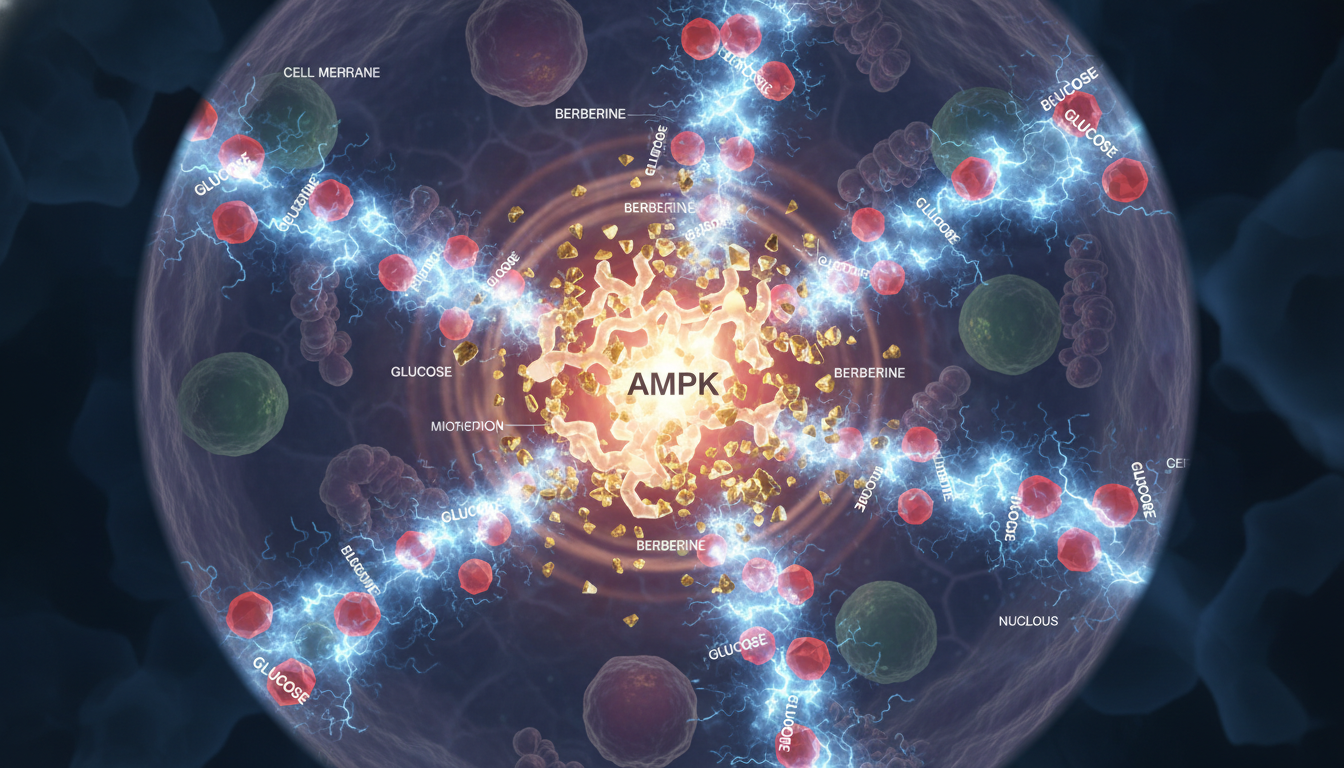
To understand why Berberine is often compared to pharmaceutical interventions, we must first look at its primary mechanism of action: the activation of Adenosine Monophosphate-Activated Protein Kinase (AMPK). AMPK is frequently referred to by researchers as the body’s ‘metabolic master switch.’ It is an enzyme found inside cells that plays a critical role in cellular energy homeostasis.
When AMPK is activated, it initiates a cascade of physiological benefits that mimic the effects of fasting and rigorous exercise. It shifts the body from a storage mode (anabolic) to a burning mode (catabolic). Specifically, activated AMPK stimulates the uptake of glucose into the cells, improves insulin sensitivity, and increases the burning of free fatty acids in the mitochondria.
Most people struggling with weight loss and metabolic syndrome have suppressed AMPK activity due to chronic calorie surplus and sedentary lifestyles. Berberine acts as a potent molecular stressor—in a positive way—forcing the activation of this pathway. This fundamental mechanism underpins nearly all of Berberine’s benefits, from blood sugar regulation to mitochondrial biogenesis, laying the groundwork for why it is considered a heavyweight in the supplement world.
2. The ‘Nature’s Ozempic’ Connection: How Berberine Affects GLP-1
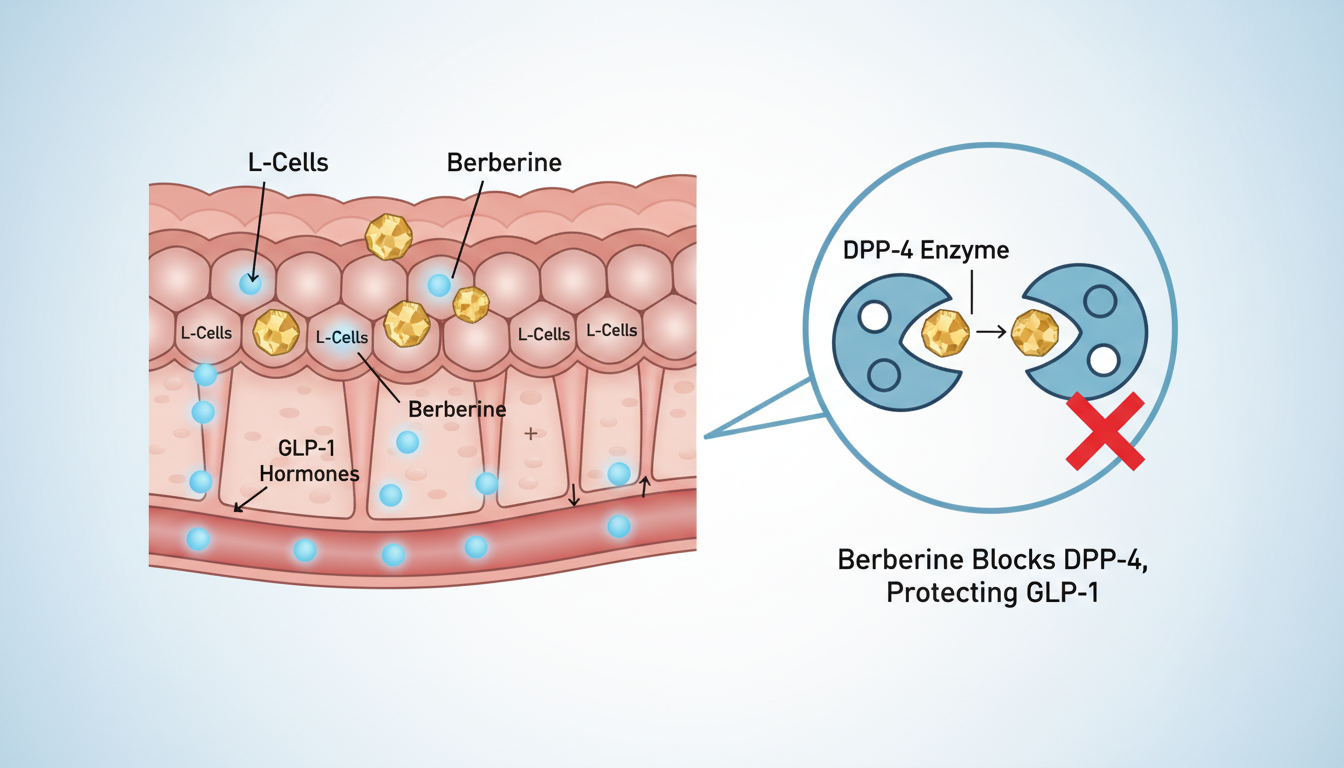
The comparison between Berberine and Semaglutide (Ozempic/Wegovy) stems from their impact on the GLP-1 (Glucagon-Like Peptide-1) pathway, though they achieve this through different means. Synthetic drugs are GLP-1 ‘agonists,’ meaning they mimic the hormone and bind directly to receptors to induce satiety and insulin release. Berberine, however, takes a more upstream approach.
Research indicates that Berberine promotes the natural secretion of GLP-1 from the L-cells in the intestine. A study published in Metabolism found that Berberine administration significantly increased GLP-1 levels in animal models, which in turn promoted insulin secretion and suppressed glucagon. Furthermore, Berberine may inhibit the enzyme DPP-4, which is responsible for breaking down GLP-1 in the body. By inhibiting the breakdown of your body’s naturally produced GLP-1, Berberine extends the duration of its beneficial effects.
Comparison of Mechanisms
| Mechanism | Semaglutide (Synthetic) | Berberine (Natural) |
|---|---|---|
| Action | Direct Receptor Agonist | Promotes Secretion & Inhibits Breakdown |
| Potency | High (Rapid effect) | Moderate (Cumulative effect) |
| Delivery | Injection | Oral Capsule |
| Cost | High ($900+/mo) | Low ($30-$60/mo) |
While Berberine is not as aggressively potent as an injectable agonist, its ability to modulate the same pathway naturally makes it a compelling option for those seeking moderate weight management without the intensity of pharmaceutical intervention.
3. Clinical Evidence: Weight Loss and BMI Reduction
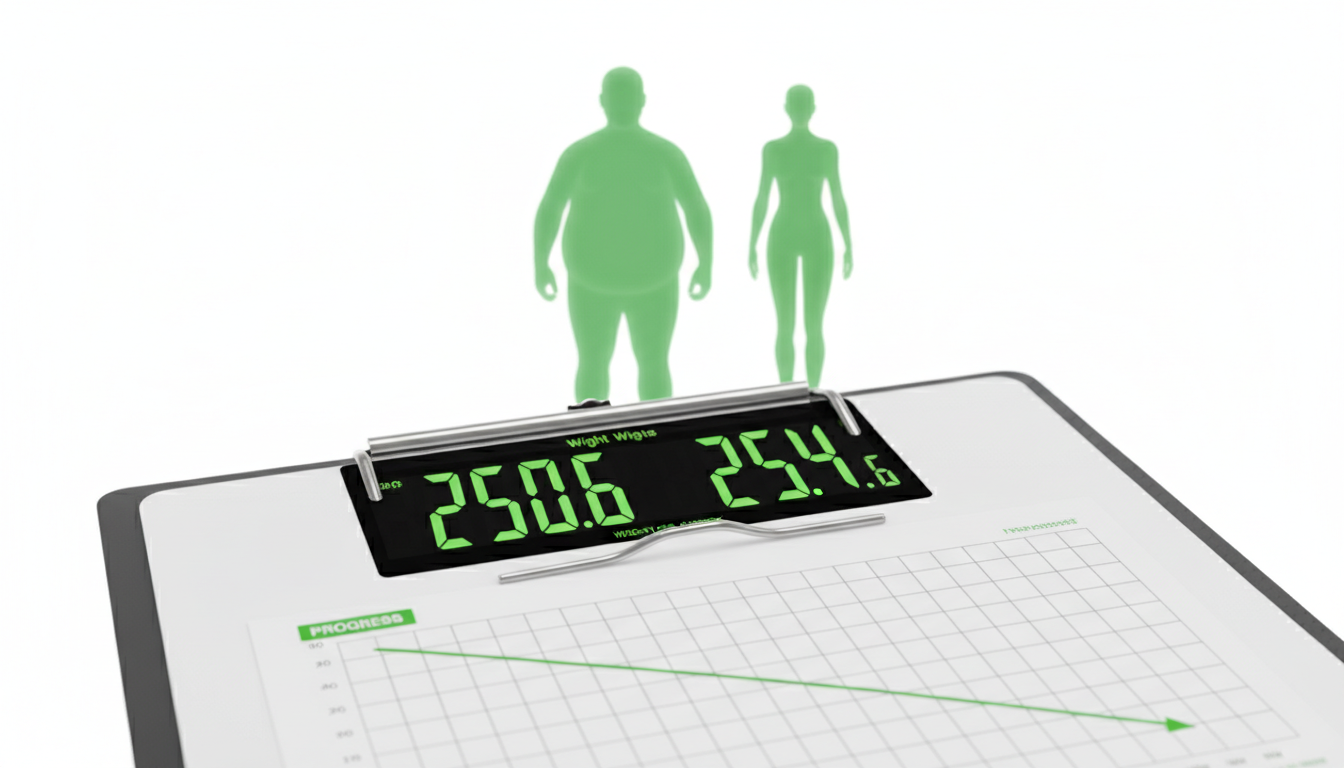
Skepticism regarding natural supplements is healthy, but the data on Berberine is robust. Multiple meta-analyses have confirmed its efficacy in weight management. In a notable review of 12 studies, researchers found that supplementation with Berberine led to significant reductions in body weight, Body Mass Index (BMI), and waist circumference.
One specific study involving obese human subjects showed that taking 500mg of Berberine three times a day for 12 weeks resulted in an average weight loss of approximately 5 pounds. While this may sound modest compared to the rapid drops seen with synthetic drugs, the quality of the weight loss is key. The reduction was primarily in visceral fat—the dangerous fat stored around organs—and was accompanied by improved lipid profiles.
Furthermore, the weight loss effect appears to be synergistic. When combined with lifestyle changes, the results are amplified. Berberine inhibits adipogenesis (the creation of new fat cells) and promotes thermogenesis (heat production) in brown adipose tissue. This dual action prevents fat accumulation while simultaneously increasing daily energy expenditure.
4. Blood Sugar Mastery: Comparing Berberine to Metformin
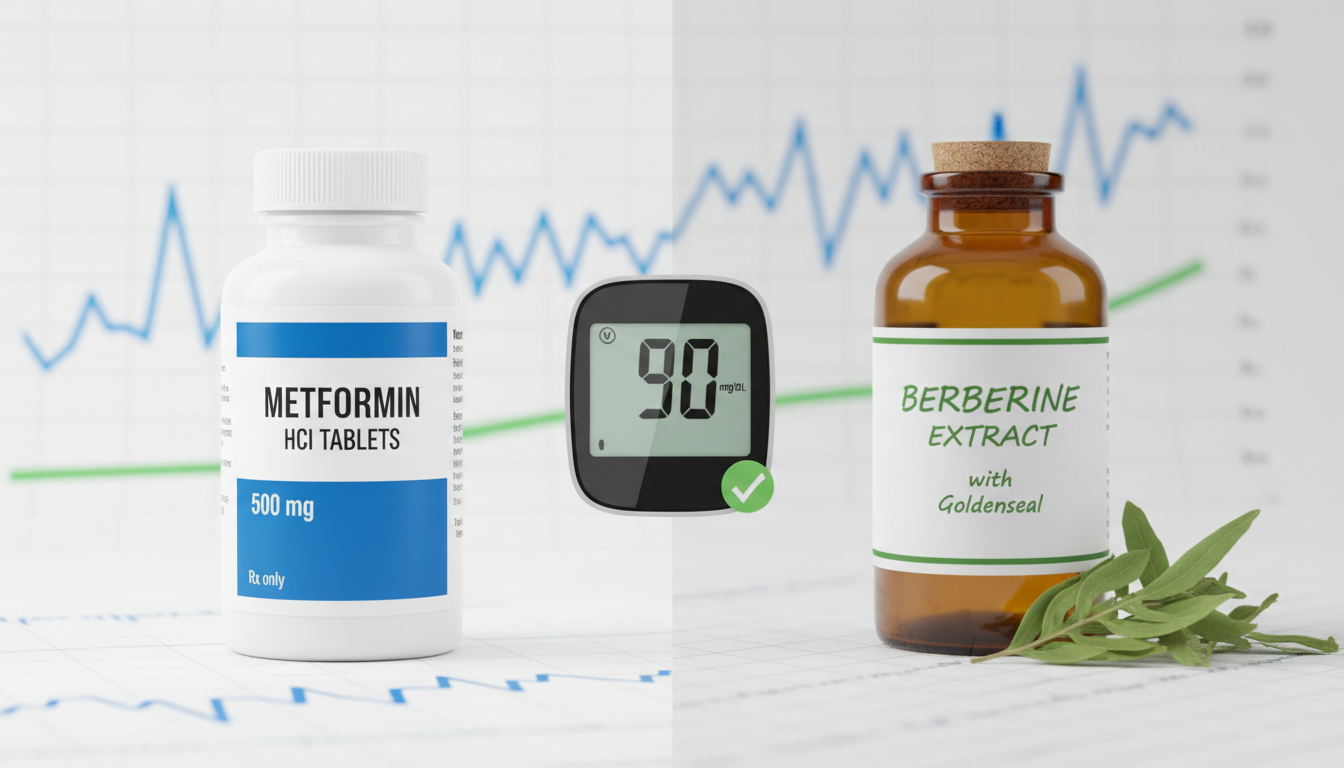
Perhaps the most impressive claim to fame for Berberine is its ability to lower blood glucose levels, rivalling the pharmaceutical standard of care, Metformin. For individuals with Type 2 Diabetes or pre-diabetes, managing HgbA1c is the primary goal. Berberine excels here by decreasing insulin resistance and increasing glycolysis (the breakdown of sugar inside cells).
In a landmark pilot study comparing Berberine directly to Metformin, the results were statistically similar. Patients taking 500mg of Berberine 3x daily experienced drops in fasting blood glucose, postprandial blood glucose (after meals), and HgbA1c that mirrored the Metformin group.
This is achieved through multiple pathways:
- Decreasing glucose production in the liver (Gluconeogenesis).
- Slowing the breakdown of carbohydrates in the gut.
- increasing the number of insulin receptors on muscle cells.
For those who cannot tolerate the side effects of Metformin or prefer a natural approach to blood sugar management, Berberine stands as the most scientifically validated alternative available today.
5. Cardiovascular Protection: Cholesterol and Triglycerides
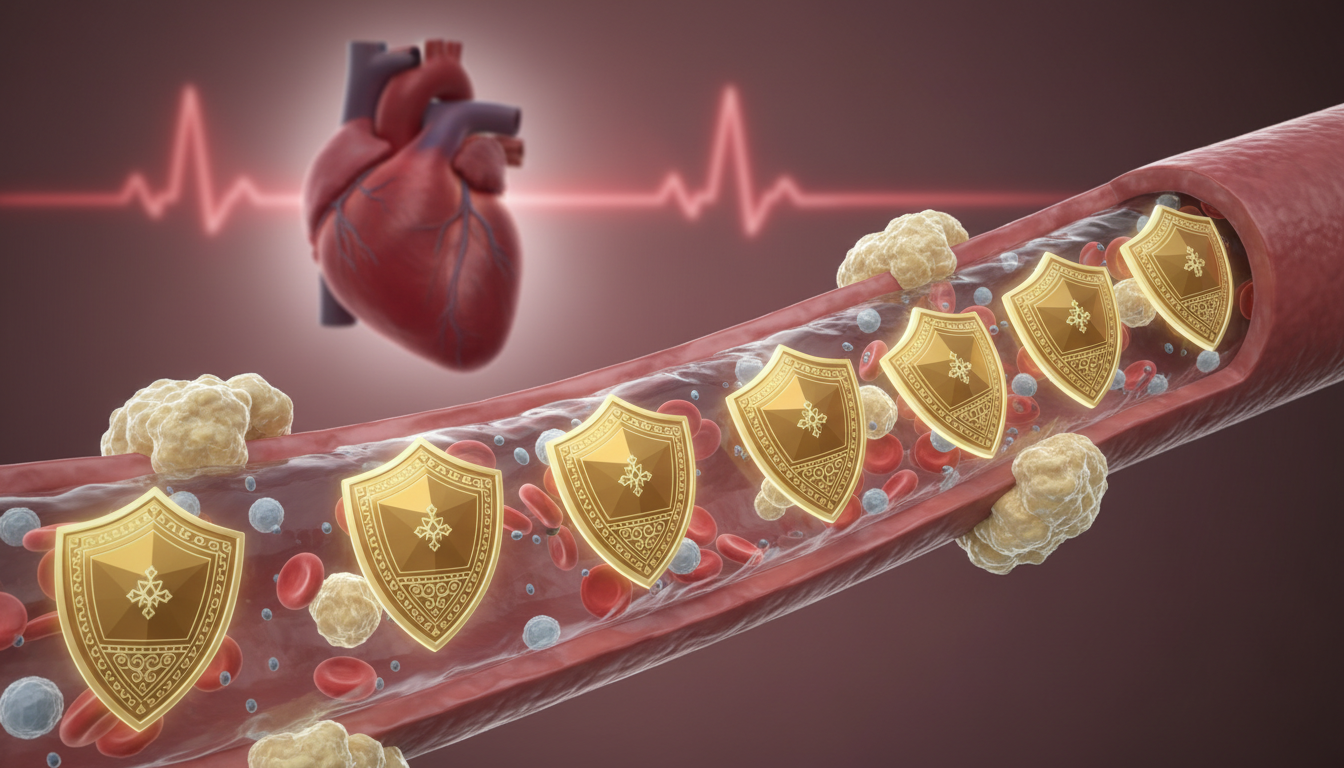
Metabolic health is inextricably linked to heart health. High insulin levels often correlate with poor lipid profiles, including high LDL (bad cholesterol) and high triglycerides. Berberine offers a unique mechanism for lipid regulation that is distinct from statins.
Berberine works by increasing the expression of LDL receptors in the liver. These receptors act like catchers’ mitts, grabbing LDL cholesterol from the bloodstream and pulling it into the liver to be excreted. This mechanism differs from statins, which reduce the production of cholesterol. Consequently, Berberine can be an excellent adjunct therapy for those who are statin-intolerant.
Clinical trials have demonstrated that Berberine can lower total cholesterol by up to 29%, triglycerides by 35%, and LDL cholesterol by 25%. Additionally, it has been shown to improve endothelial function—the health of the blood vessel lining—which is crucial for preventing atherosclerosis and maintaining healthy blood pressure levels.
6. PCOS Support: Addressing Hormonal Imbalances
Polycystic Ovary Syndrome (PCOS) is a complex hormonal condition often driven by insulin resistance. High levels of insulin cause the ovaries to produce excessive testosterone, leading to symptoms like weight gain, acne, and infertility. Because Berberine is an insulin sensitizer, it strikes at the root cause of many PCOS cases.
Studies comparing Berberine to Metformin in women with PCOS have shown that Berberine is equally effective at reducing insulin resistance and improving lipid patterns. More importantly, Berberine has been shown to reduce total testosterone levels and increase Sex Hormone Binding Globulin (SHBG), which helps regulate free hormones in the blood.
For women with PCOS trying to conceive, Berberine may also improve ovulation rates. By normalizing the metabolic environment, the reproductive system can function more optimally. Unlike synthetic treatments that may come with harsh gastrointestinal side effects, Berberine offers a gentler, yet potent, pathway to hormonal equilibrium.

7. The Bioavailability Challenge: Why ‘Regular’ Berberine Fails
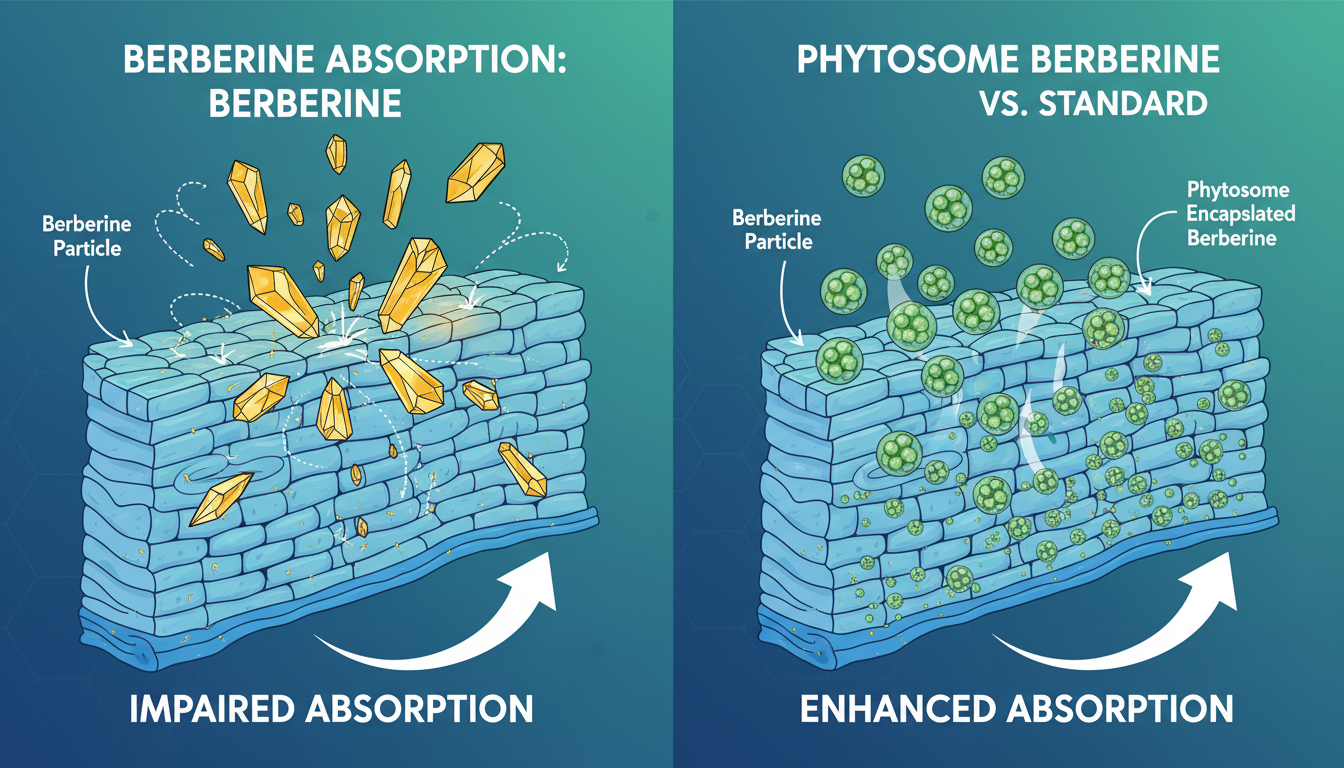
If Berberine is so powerful, why doesn’t everyone see results? The answer lies in pharmacokinetics: Berberine has notoriously poor bioavailability. Standard Berberine Hydrochloride (HCL) has a low absorption rate in the gut, and what little is absorbed is quickly metabolized by the liver (first-pass metabolism).
This means that taking a cheap, low-quality supplement often results in ‘expensive urine’ rather than metabolic change. To overcome this, science has developed enhanced delivery systems:
1. Phytosomes: Binding Berberine to phospholipids (sunflower lecithin) allows it to cross cell membranes much easier, increasing absorption by up to 10x.
2. Dihydroberberine (DHB): This is a reduced form of Berberine that the body absorbs much more readily. Once inside the bloodstream, it oxidizes back into active Berberine. Some studies suggest DHB is 5x more bioavailable than standard HCL.
3. Piperine Addition: Adding black pepper extract can inhibit the liver enzymes that break down Berberine, slightly improving retention.
When choosing a supplement, the form matters as much as the dosage.
8. Dosage Protocols: The 500mg Rule
Because Berberine has a short half-life (it is cleared from the body relatively quickly), taking it once a day is rarely effective. To maintain stable blood levels and achieve the therapeutic effects seen in clinical trials, the dosing schedule is critical.
The Golden Protocol:
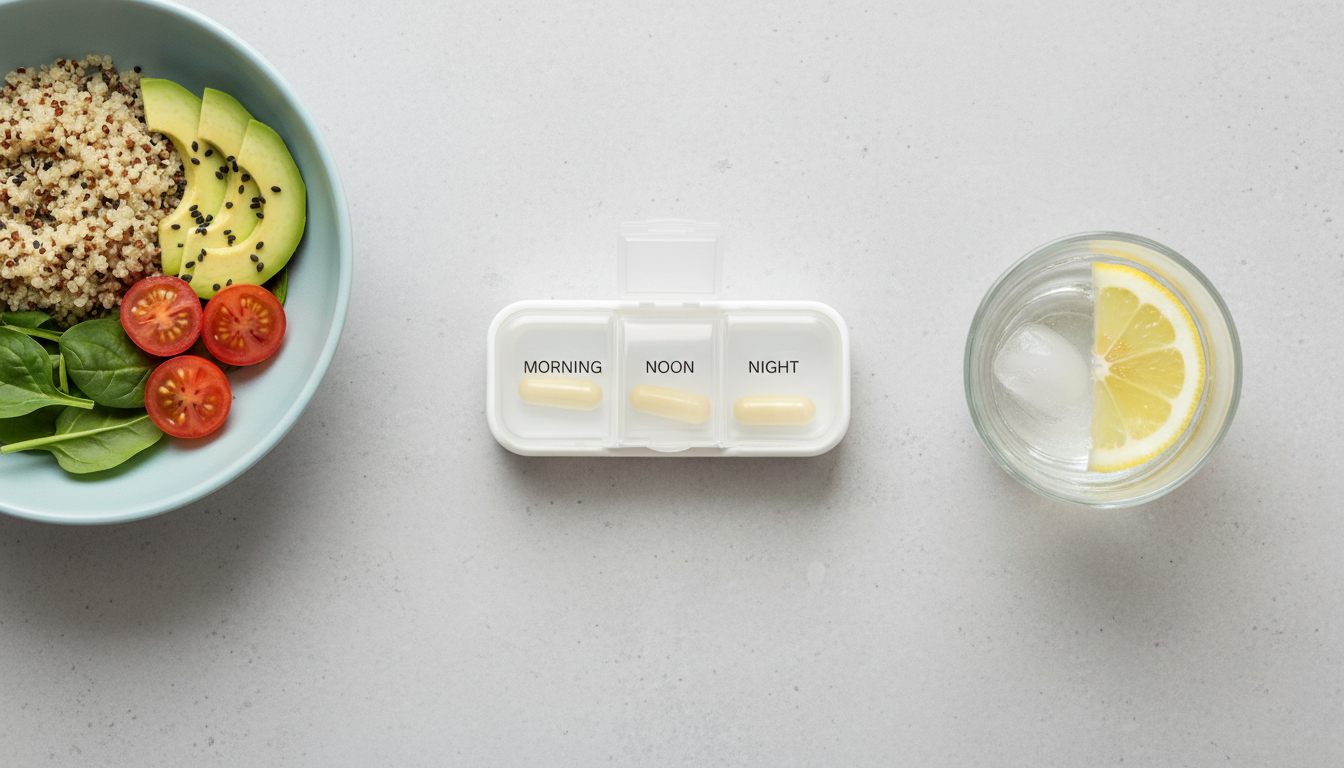
- Total Daily Dose: 1,500mg
- Frequency: 500mg taken three times daily.
- Timing: Strictly 20-30 minutes before, or immediately with, a meal.
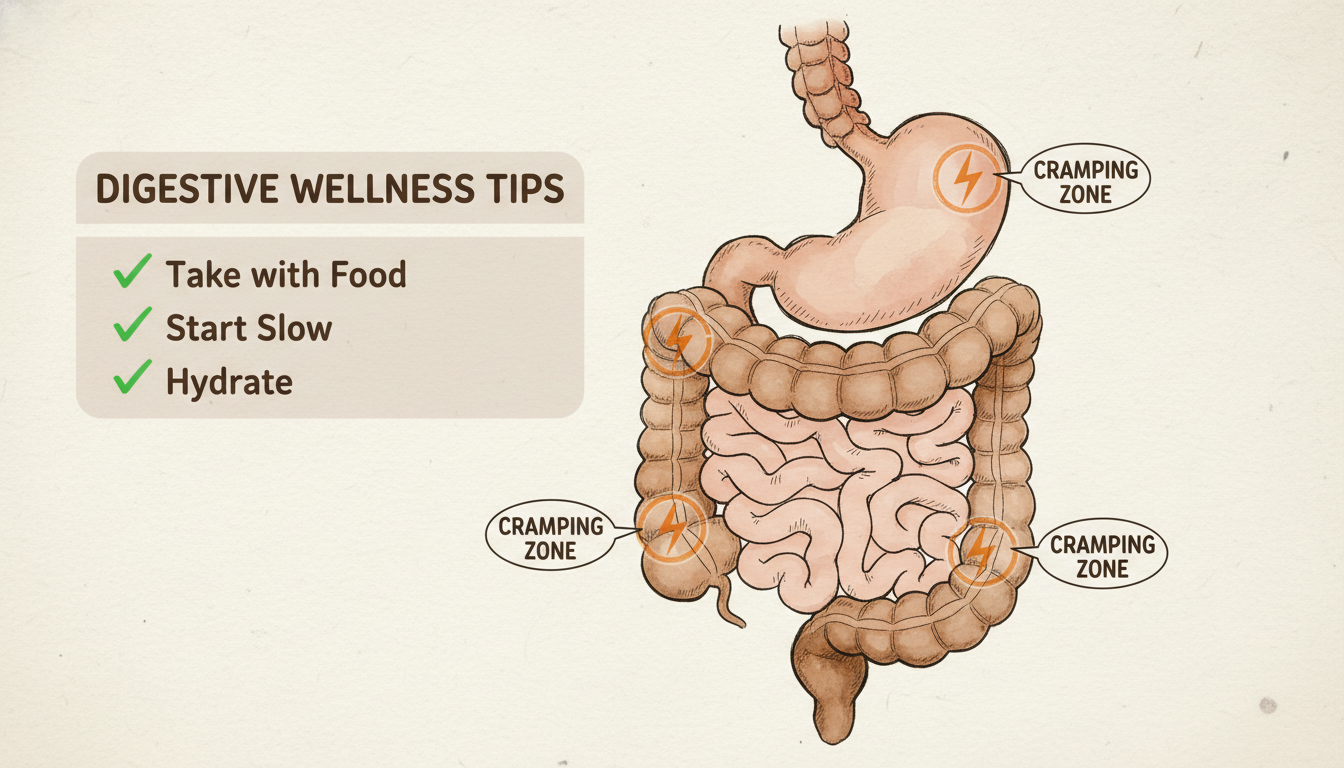
Taking Berberine with a meal is essential for two reasons. First, it helps blunt the glucose spike from the food you are eating. Second, taking it on an empty stomach can lead to severe cramping and hypoglycemia (low blood sugar). If you are using Dihydroberberine (DHB), the dosage is lower, typically around 100-200mg twice daily, due to its superior absorption. Always titrate up slowly; start with one dose per day for the first week to let your gut adjust.
9. Potential Side Effects: Navigating the GI Distress
While natural, Berberine is not free of side effects. The most common complaints are gastrointestinal. Because it is an antimicrobial agent and alters gut bacteria, well over 30% of users report issues when they first start.
Common Side Effects include:
- Abdominal cramping and pain.
- Diarrhea or loose stools.
- Flatulence and bloating.
- Constipation (less common).
These symptoms are often dose-dependent. Jumping straight to 1,500mg a day is a recipe for disaster. To mitigate these effects, split the dosage and ensure you take it with food. Furthermore, Berberine is a potent inhibitor of certain liver enzymes (CYP450). This means it can interact with other medications, slowing their clearance from the body and potentially leading to overdose. If you are on blood thinners, blood sugar medication, or immunosuppressants, medical consultation is non-negotiable.
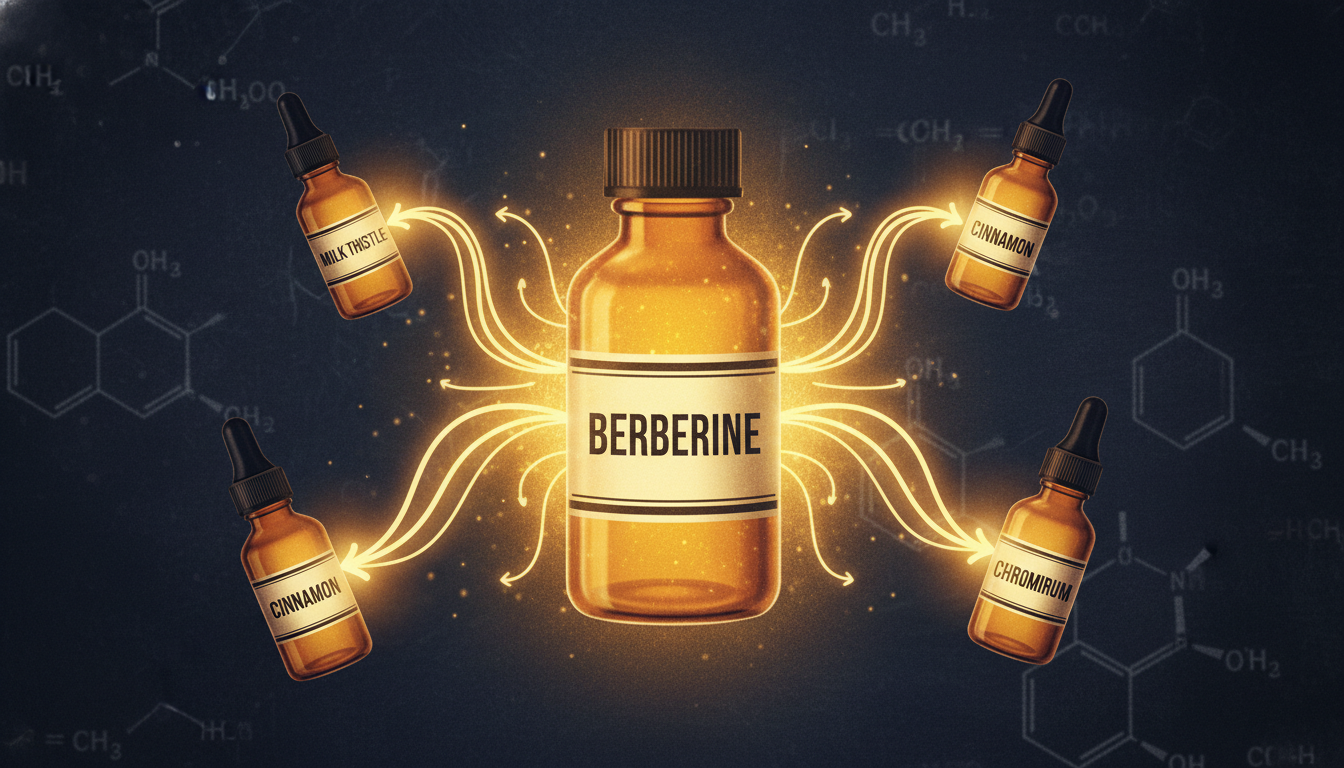
10. Synergistic Stacking: Boosting the Effect
Biohackers and nutritionists rarely use Berberine in isolation. Stacking it with complementary supplements can enhance its insulin-sensitizing effects and mitigate absorption issues.
Top Synergies:
- Silymarin (Milk Thistle): Not only does this support liver health, but studies suggest that combining Berberine with Silymarin enhances the absorption of Berberine significantly.
- Cinnamon (Ceylon): Known for its ability to lower blood sugar, Ceylon cinnamon works via a different pathway, offering a multi-pronged attack on insulin resistance.
- Chromium Picolinate: An essential trace mineral that improves insulin receptor sensitivity.
- Alpha Lipoic Acid (ALA): A powerful antioxidant that supports mitochondrial function and nerve health, often paired with Berberine for diabetic neuropathy protection.
Creating a ‘metabolic stack’ can turn a moderately effective regimen into a powerful transformation tool, provided the dosages are balanced correctly.
11. The Verdict: Who Should (and Shouldn’t) Take It
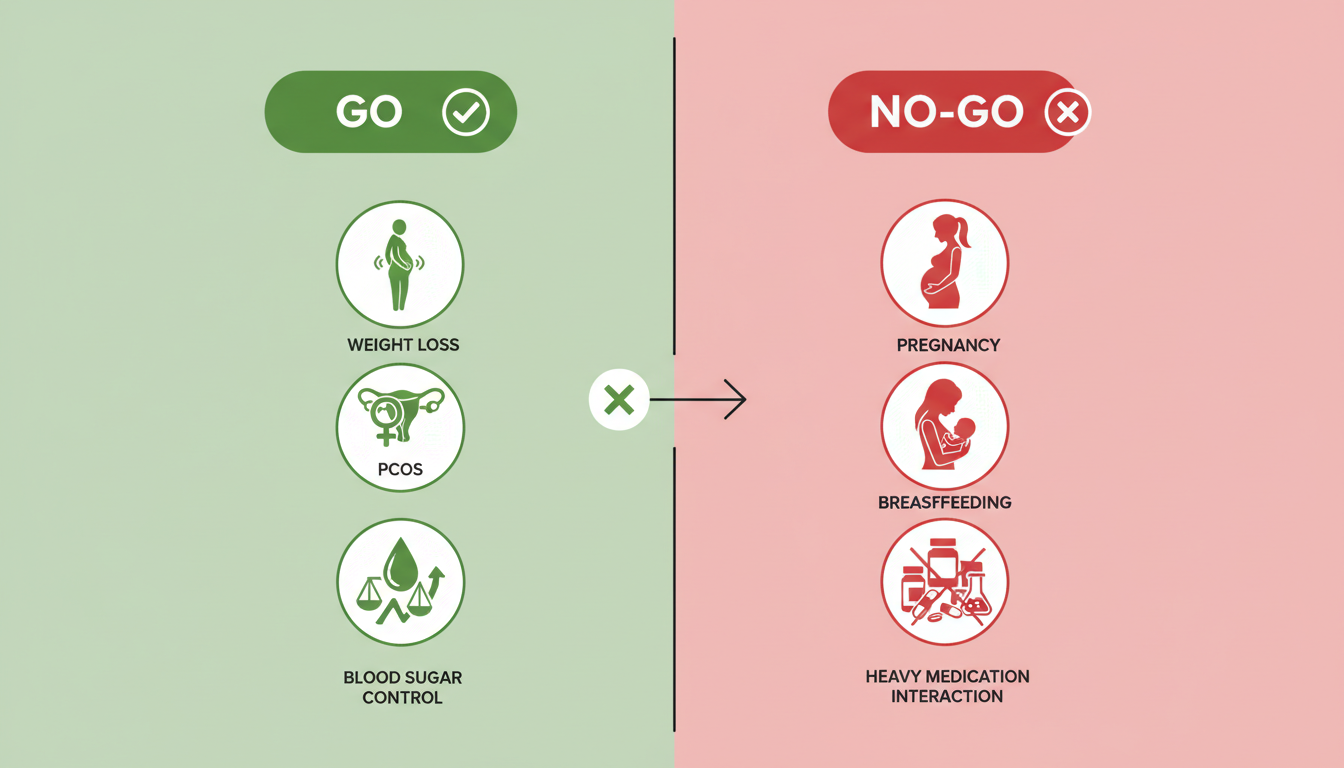
Berberine is a powerhouse, but it is not for everyone. It is ideally suited for individuals with insulin resistance, pre-diabetes, PCOS, or those carrying stubborn visceral belly fat. It serves as a bridge for those who want to avoid the lifelong commitment and cost of GLP-1 agonists.
Who Should Avoid It:
- Pregnant or Nursing Women: Berberine can cross the placental barrier and may harm the fetus. It can also be transferred through breast milk.
- Children: Safety data is lacking.
- Those on heavy medication: Due to liver enzyme interactions.
- Active Anabolic Athletes: Because Berberine activates AMPK, it inhibits mTOR (the pathway for muscle growth). Taking it immediately post-workout might blunt muscle hypertrophy gains. It is best taken away from the training window if muscle mass is a priority.
Ultimately, Berberine is one of the few supplements that lives up to the hype, providing a legitimate, mechanism-backed alternative for metabolic health optimization.
Frequently Asked Questions
How long does it take to see weight loss results with Berberine?
Most clinical studies show significant weight loss results after 12 weeks of consistent supplementation. However, improvements in blood sugar regulation and energy levels can often be felt within the first 2 to 4 weeks.
Can I take Berberine with Metformin?
While they work synergistically, taking them together can increase the risk of hypoglycemia (low blood sugar). You must consult your doctor before combining them, as your Metformin dosage may need adjustment.
Is Berberine safe for long-term use?
Current research supports safety for up to 6-12 months. Many practitioners recommend cycling Berberine (e.g., 3 months on, 1 month off) to prevent the body from adapting and to give the gut microbiome a rest, as Berberine has antimicrobial properties.
Does Berberine kill good gut bacteria?
Berberine is antimicrobial, but it appears to be selective. It often reduces harmful bacteria (like E. coli) while potentially increasing beneficial strains (like Akkermansia). However, long-term continuous use without breaks could theoretically disrupt the microbiome balance.
What is the best time of day to take Berberine?
The best time is 15-30 minutes before your largest meals containing carbohydrates. This times the release of Berberine to coincide with the glucose spike from your food.
Is Dihydroberberine better than Berberine HCL?
Dihydroberberine (DHB) is significantly more bioavailable (up to 5x) and causes less gastrointestinal distress than standard HCL. However, it is more expensive. For those with sensitive stomachs, DHB is usually the better choice.
Can Berberine replace Ozempic?
Berberine is not a direct 1:1 replacement in terms of potency. Ozempic is a pharmaceutical-grade agonist with drastic effects. Berberine is a natural modulator. It is a viable alternative for those with mild to moderate metabolic issues or those who cannot afford or tolerate Ozempic.
Does Berberine cause muscle loss?
Not directly. However, because it activates AMPK (catabolic/burning mode) and inhibits mTOR (anabolic/growth mode), it can theoretically blunt muscle growth if taken directly after weight training. It does not actively break down muscle tissue like rapid starvation would.
You might also like:- Nature’s Ozempic? 12 Foods & Supplements That Spike GLP-1 Naturally
Discover more from innerspiritglow
Subscribe to get the latest posts sent to your email.