
Key Takeaways
- Hair slugging uses occlusives to lock in hydration overnight.
- Best suited for curly, coily, and dry porous hair types.
- Mid-lengths and ends are the only areas to apply product.
- Lightweight oils (jojoba/argan) work best for fine hair; heavier oils (castor) for thick hair.
- A fuzzy sock or silk bonnet is essential to protect the treatment while sleeping.
You have tried every mask, serum, and expensive salon treatment, yet you still wake up with dry, brittle ends that refuse to shine. The frizz seems unstoppable, and the promise of ‘glass hair’ feels like a marketing myth. It is frustrating to invest time and money into hair care only to see lackluster results.
Enter Hair Slugging. This isn’t just another fleeting TikTok trend; it is a hydration technique rooted in the dermatological concept of occlusion. By coating your strands in a specific sequence of hydrants and occlusives before bed, you physically trap moisture into the hair shaft, forcing it to repair whilst you sleep. The result? You wake up to strands that are undeniably silky, hydrated, and reflective. Here is your comprehensive, scientifically-backed guide to mastering the art of hair slugging.
1. What Is Hair Slugging? The Science of Occlusion
Hair slugging is the process of applying a heavy coating of oil or a conditioning treatment to the hair, typically the ends, and wrapping it up overnight to lock in moisture. The term borrows from the K-Beauty skincare trend of ‘slugging,’ which involves sealing the face with petrolatum.
The Mechanism
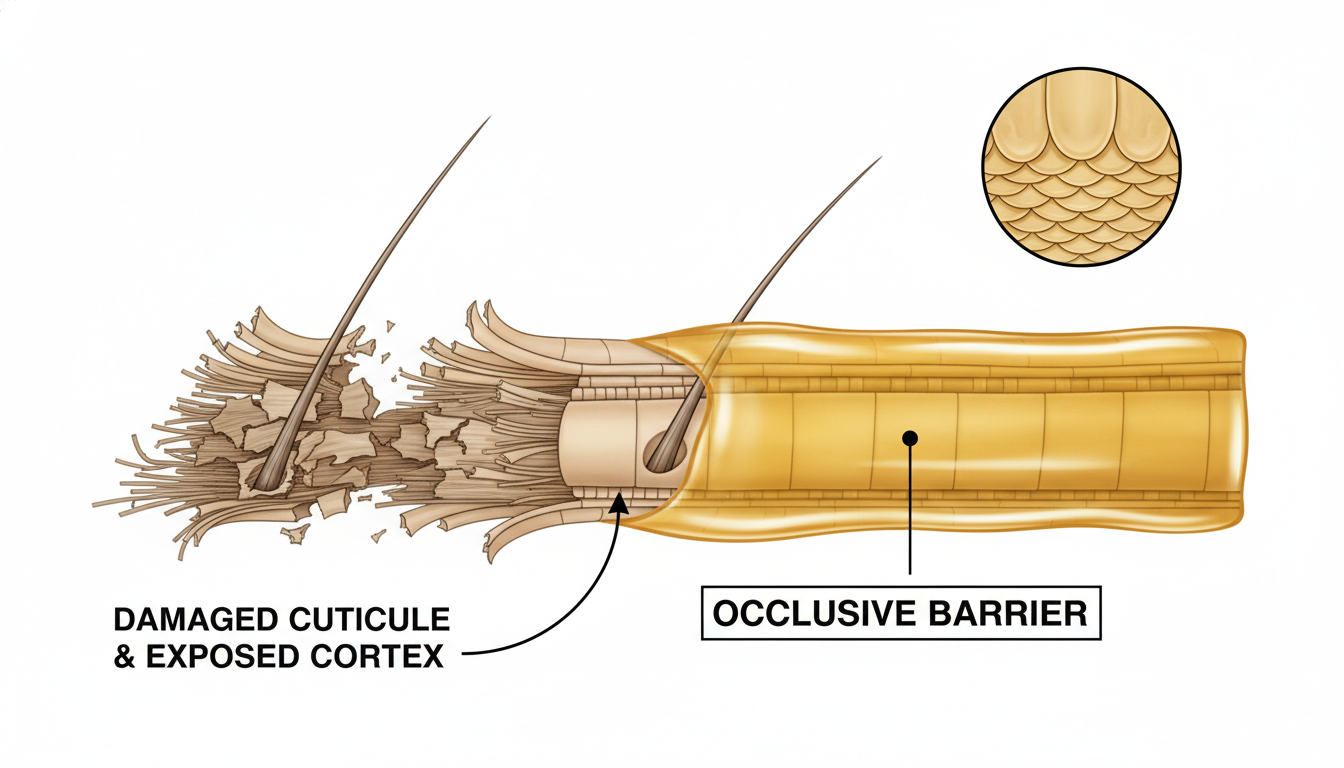
The science relies on occlusives. Hair strands are porous. When they lose moisture to the environment (Transepidermal Water Loss equivalent for hair), they become brittle. Slugging creates a physical barrier—a seal—that prevents water loss.
Key Scientific Benefits:
- Cuticle Smoothing: The oil fills the gaps in the cuticle layer, creating a smooth surface that reflects light.
- Hydration Retention: It prevents the evaporation of water from the hair shaft.
- Friction Reduction: The lubrication reduces mechanical damage caused by tossing and turning at night.
2. Hair Type Suitability: Is Slugging for You?
Not all hair types respond to slugging equally. Understanding your hair porosity and texture is critical before drenching your strands in oil.
Who Should Slug?
- High Porosity Hair: Hair that absorbs moisture quickly but loses it just as fast. Slugging is a holy grail for this type.
- Curly & Coily Hair (Types 3 & 4): These textures are naturally drier because scalp oils struggle to travel down the spiral shaft.
- Bleached/Damaged Hair: Chemically treated hair has a compromised cuticle layer that desperately needs an artificial seal.
Proceed with Caution
- Fine/Thin Hair: Heavy oils can weigh fine hair down, making it look greasy rather than glossy. If you have fine hair, use lightweight oils and wash them out thoroughly in the morning.
- Scalp Issues: If you suffer from seborrheic dermatitis or dandruff, avoid oils near the scalp entirely.

3. The Essential Tool Kit: What You Need
You do not need expensive equipment, but you do need the right materials to prevent a messy pillowcase and ensure efficacy.
The Checklist:
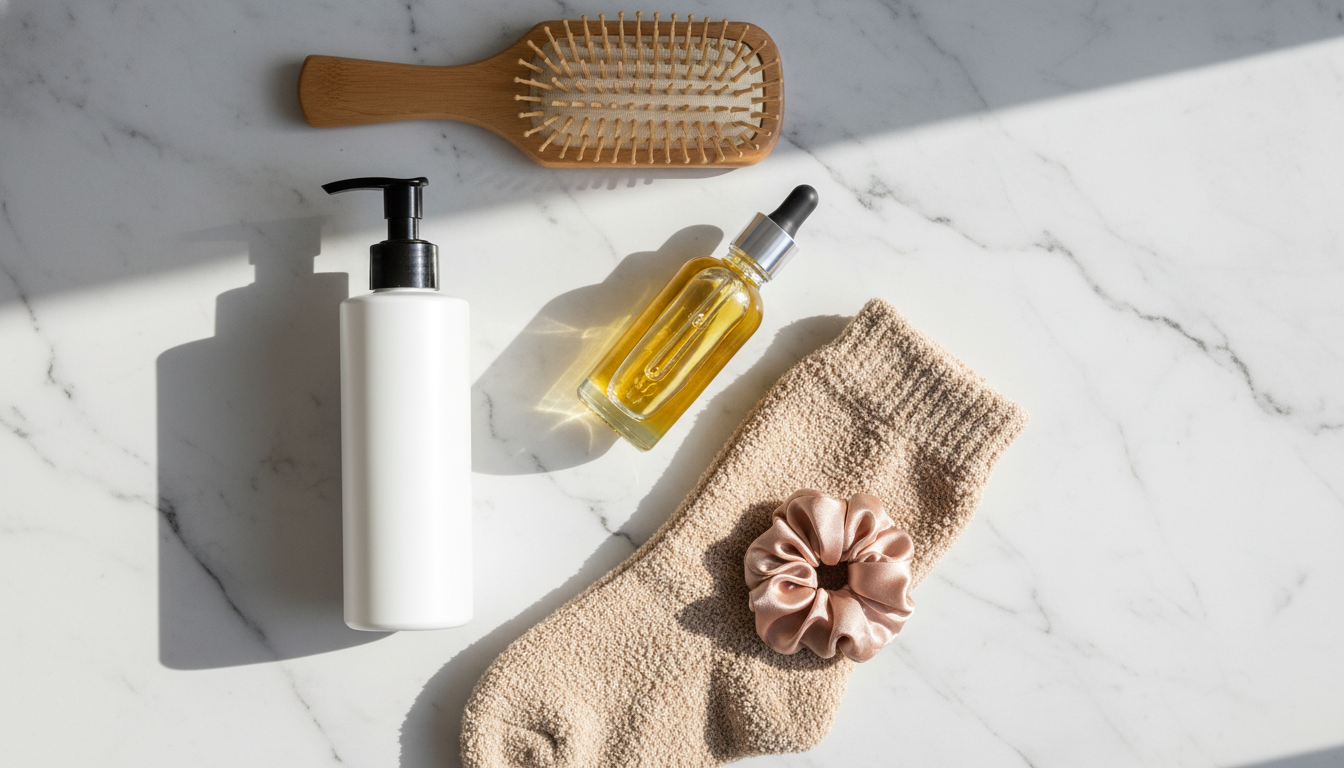
1. Hydrating Serum or Leave-in Conditioner: This is your ‘moisture’ layer.
2. Occlusive Oil: This is your ‘sealant’ layer.
3. A Fuzzy Sock or Silk Bonnet: The ‘sock’ is the viral method, acting as a gentle sleeve for your ponytail.
4. Silk Scrunchie: To secure the hair without causing breakage or ridges.
5. Paddle Brush: For even distribution of the product before wrapping.
Why the Sock?
A clean, fuzzy sock absorbs excess oil that might otherwise transfer to your bedding, while keeping the hair contained in a straight, smooth alignment to reduce morning tangles.
4. Choosing the Right Oil: Argan vs. Castor vs. Jojoba
The oil you choose dictates the success of the slug. Using a heavy oil on fine hair is a disaster waiting to happen.
Oil Hierarchy by Hair Type
| Oil Type | Weight | Best For |
|---|---|---|
| Jojoba Oil | Very Light | Fine hair, low porosity hair. Closest to natural sebum. |
| Argan Oil | Medium | Wavy hair, moderate damage, frizz control. |
| Coconut Oil | Heavy | High porosity, protein-deficient hair (can make some hair brittle). |
| Castor Oil | Very Heavy | Thick, coarse, coily hair (Type 4). deeply restorative. |
| Sweet Almond | Medium-Light | Dull hair needing shine. |
Expert Tip: Avoid oils with high silicone content if you plan to slug often, as they can cause buildup that requires harsh sulfates to remove.

5. Step 1: The Prep and Detangle
Never slug dirty or tangled hair. Slugging locks in whatever is on your hair—including dirt and product buildup.
The Routine:
1. Start with Clean or Day-2 Hair: Ideally, do this on the night before your wash day, or on clean damp hair.
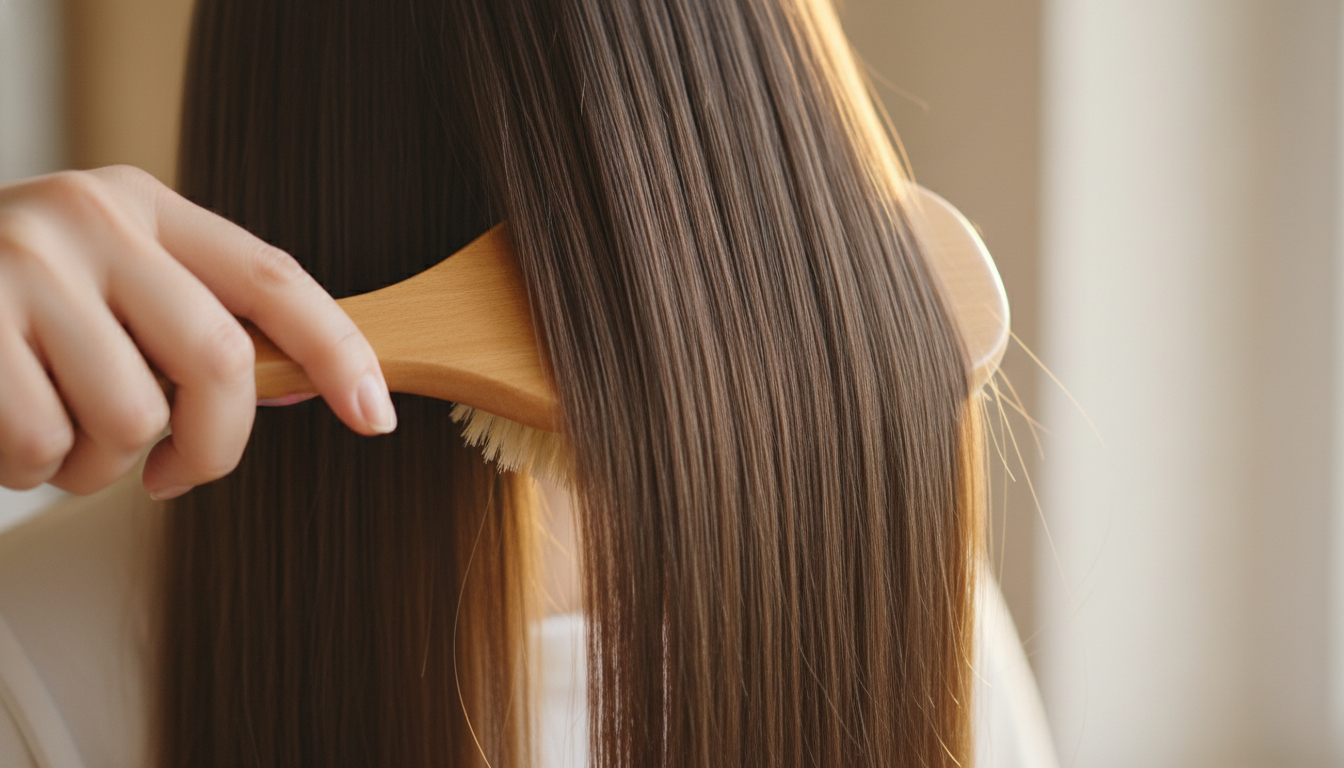
2. Thorough Brushing: Use a wide-tooth comb or paddle brush to remove every single knot. If you wrap tangled hair, the friction overnight will mat it further.
3. Damp vs. Dry:
Method A (Hydration Focus):* Mist hair lightly with water or apply to damp hair. Oil seals water.
Method B (Nourishment Focus):* Apply to dry hair for pure oil absorption.
Most experts recommend starting with slightly damp hair to trap actual hydration inside.
6. Step 2: Applying the Base Layer
Before the heavy oil, you need a humectant. Think of this like putting moisturizer on your face before the Vaseline.
Application Technique:
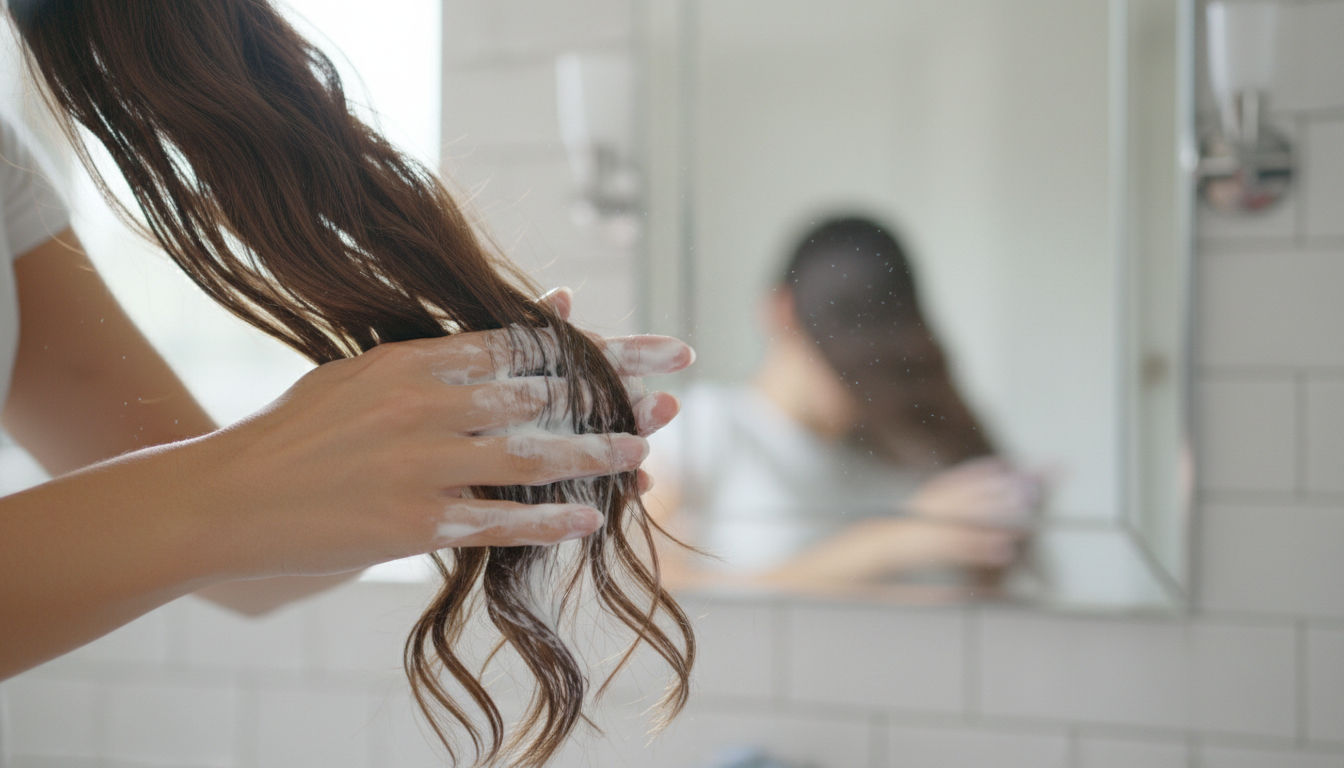
- Take a coin-sized amount of leave-in conditioner or hydrating milk.
- Warm it between your palms.
- Zone Control: Apply strictly from the mid-lengths to the ends. Never apply near the roots unless you want a greasy scalp.
- Focus heavily on the last 3 inches of your hair, which are the oldest and most damaged parts.
This step ensures that the oil has something to seal in. Oil itself does not hydrate; it preserves hydration. Skipping this step often leads to greasy but dry-feeling hair.
7. Step 3: The Oil Seal (The Glazing)
This is the core of the slugging process. You are creating the barrier.
How to Apply:
1. Pump your chosen oil into your hand. Be generous but not wasteful. For fine hair: 1-2 pumps. For thick hair: 3-5 pumps.
2. The Prayer Hands Method: Rub hands together and glide them over the hair sections treated with the leave-in conditioner.
3. Scrunching: Gently scrunch the ends to ensure penetration.
4. Comb Through: Use your fingers or a comb to ensure every strand is coated evenly.
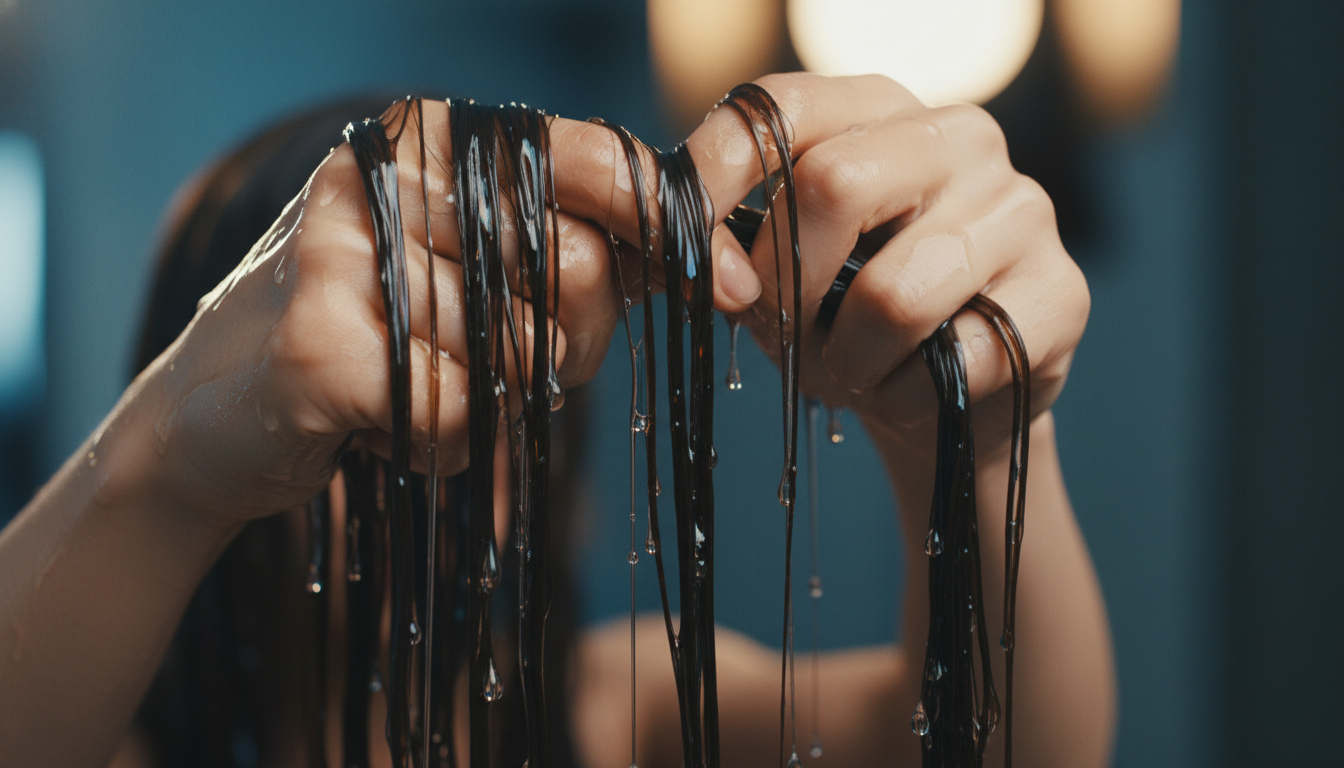
Your hair should look wet and glossy, appearing almost like ‘glass’ at this stage. If it is dripping, you have used too much.
8. Step 4: The Sock Wrap Technique
The viral sock method is what distinguishes slugging from standard oiling.
The Execution:
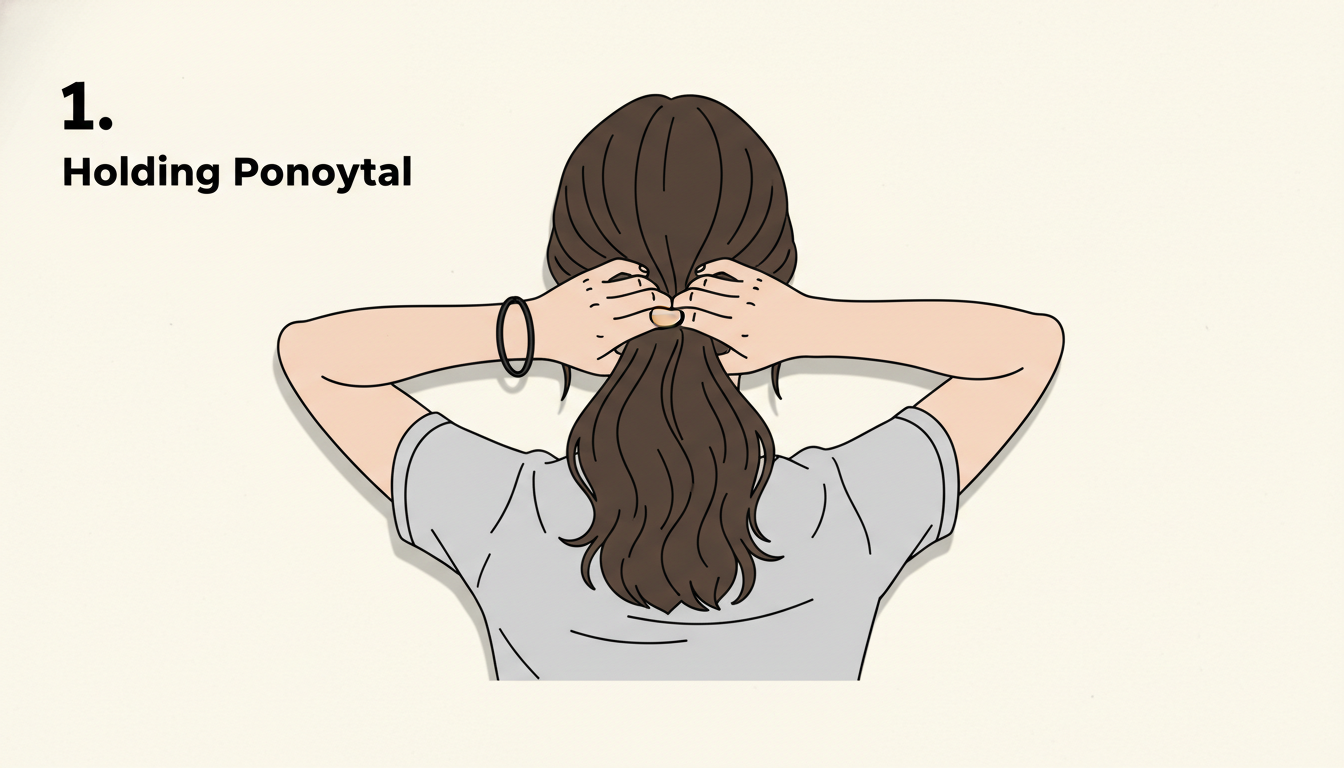
1. Gather your hair into a loose, low ponytail.
2. Take a clean, fuzzy sock (the stretchier, the better).
3. Place the sock over your hand, grab the ponytail, and pull the sock over the hair, shimmying it up to the base.
4. Secure the sock with a silk scrunchie. Do not tie it too tight; you want to avoid a traction alopecia headache.
Why this works: The sock keeps the hair in a linear column, preventing the cuticle from being roughed up against the pillow. It also creates a warm environment, slightly opening the cuticle to allow deeper penetration of the oil.
9. Step 5: Morning Removal and Rinsing
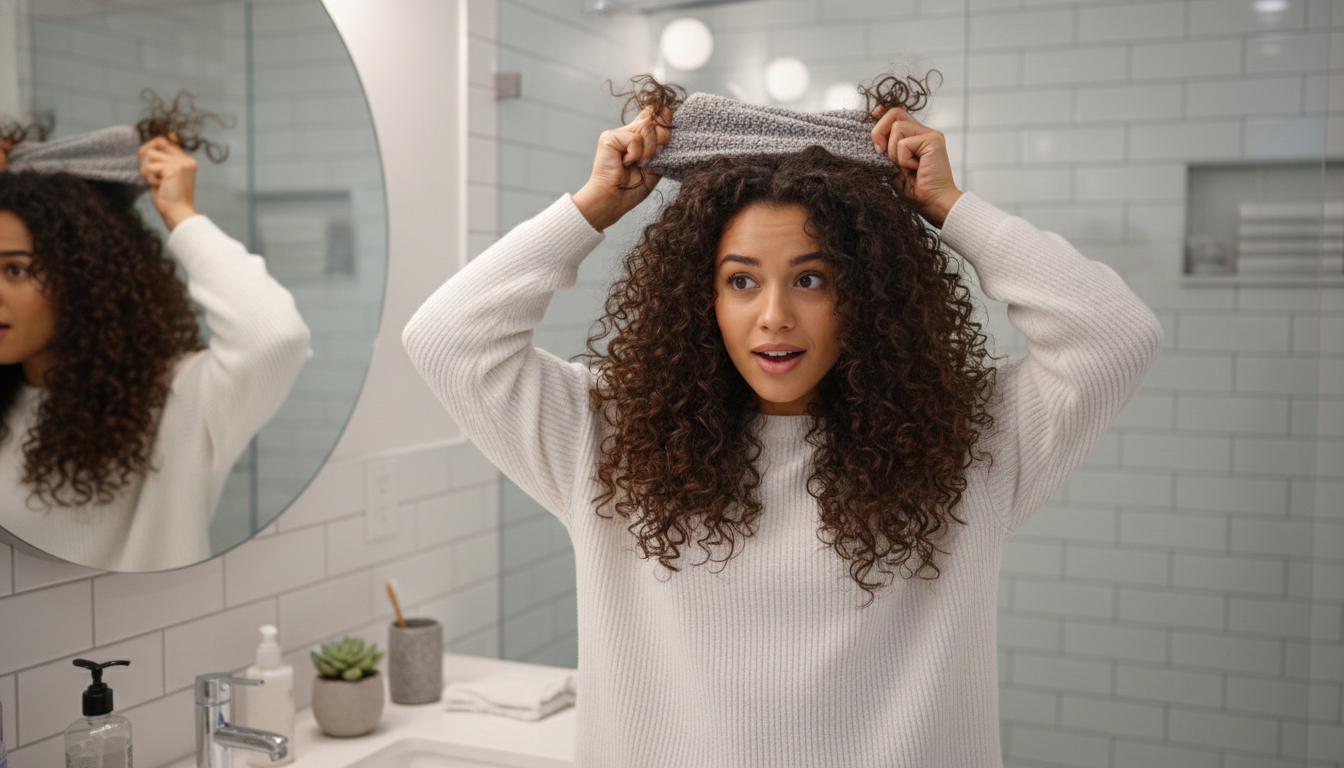
Waking up, you might panic at the greasiness. This is normal.
To Wash or Not to Wash?
- Fine Hair: You MUST wash this out. Use a gentle shampoo. You may need to shampoo twice to remove heavy oils like castor. Condition as usual.
- Thick/Curly Hair: You might not need to wash. If your hair has absorbed the oil, simply take off the sock, fluff your hair, and go. If it feels heavy, a simple water rinse or a co-wash (conditioner only wash) will suffice.
The Result:
Once dried, the hair should feel significantly softer, with ‘sealed’ ends that look freshly cut rather than frayed.
10. Frequency: How Often Should You Slug?
More is not always better. Over-slugging can lead to hygral fatigue (hair expanding and contracting too much with moisture) or product buildup that blocks nutrients.
Recommended Schedule:
- Damaged/Bleached Hair: 1-2 times per week.
- Curly/Coily Hair: Once a week or as needed for moisture boosts.
- Fine/Virgin Hair: Once every two weeks.
Treat slugging as a deep treatment, not a daily routine. If you notice your hair becoming limp or losing elasticity, reduce frequency and switch to a lighter oil.

11. Slugging vs. Traditional Hair Masks
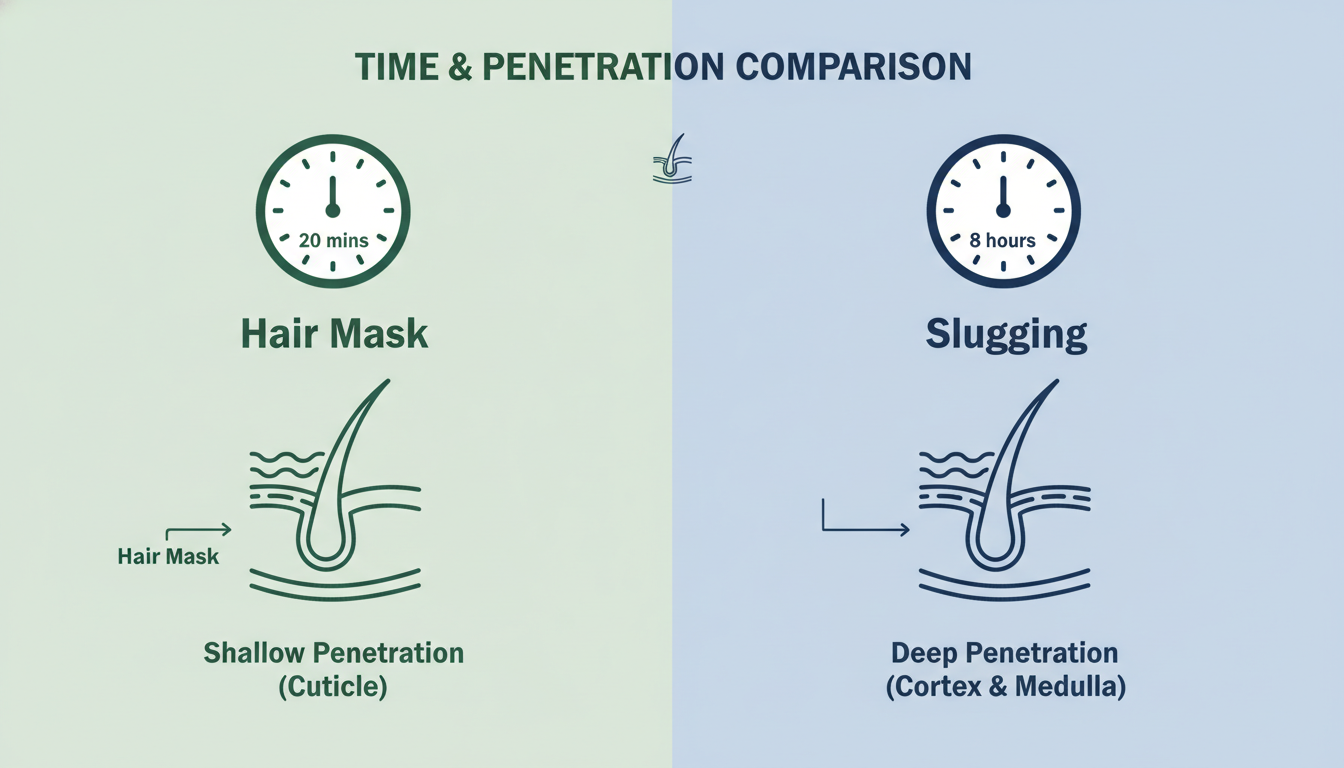
Is slugging better than a 20-minute shower mask? The answer lies in time.
Traditional Masks:
Usually left on for 5-20 minutes. They work on the surface and provide a quick fix. They are excellent for convenience but may not penetrate deeply into low-porosity hair.
Slugging:
Lasts for 8+ hours. This extended duration allows the oils to fully permeate the hair shaft. The heat generated by your head and the sock insulation intensifies the treatment. Slugging is essentially a ‘super-charged’ hair mask. However, unlike bond-building masks (like Olaplex), slugging is about hydration, not chemical repair. It pairs well after a bond-building treatment week.
12. Common Mistakes That Ruin Results
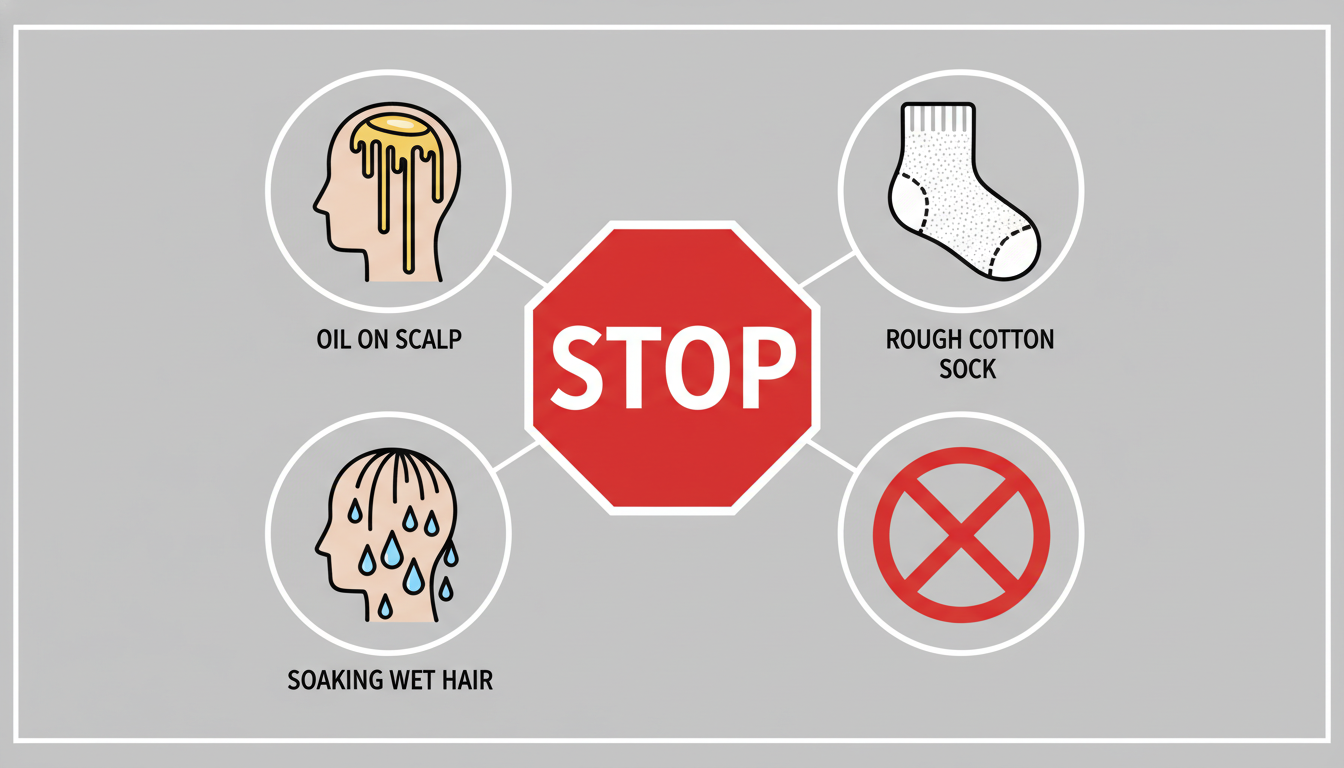
If you tried slugging and hated it, you likely committed one of these sins:
1. Touching the Scalp: Oil on the scalp clogs follicles and flattens volume. Keep it 2-3 inches away from roots.
2. Using Cotton Socks: Rough cotton can cause friction. Use fuzzy synthetic socks, microfiber, or cover the hair in silk before the sock.
3. Applying to Soaking Wet Hair: If the hair is dripping wet, the oil will slide right off. Damp is key.
4. Skipping the Wash (Fine Hair): Leaving heavy castor oil on fine hair for 24 hours will attract dirt and look unwashed.
5. Ignoring Protein: Slugging is pure moisture. If your hair is gummy, you need protein, not just oil. Slugging on gummy hair can cause breakage.
Frequently Asked Questions
Will hair slugging make my hair greasy?
If you have fine hair, yes, it will look greasy in the morning, which is why you must wash it out. For thick or dry hair types, the hair often absorbs the oil overnight, leaving it soft, not greasy.
Can I use Vaseline for hair slugging?
While facial slugging uses Vaseline, it is generally too difficult to wash out of hair and can cause extreme buildup. Stick to plant-based oils like Argan, Jojoba, or Castor oil.
Does hair slugging help hair growth?
Indirectly, yes. It prevents breakage and split ends, allowing you to retain length. However, since you do not apply it to the scalp, it does not stimulate the follicle for new growth.
Can I slug my hair every night?
No. Doing it every night can lead to hygral fatigue and product buildup. Stick to 1-2 times a week max.
Is hair slugging safe for colored hair?
Yes, it is excellent for colored hair as it helps seal the cuticle, which can prolong color vibrancy and combat the dryness caused by dye.
What is the best sock to use for hair slugging?
A fuzzy, chenille-style sock is best because it is soft and creates less friction than standard cotton socks.
Should I apply oil to wet or dry hair?
Damp hair is best. The oil seals in the water. If applied to bone-dry hair, you are just coating the strand without locking in hydration.
Can I use a bonnet instead of a sock?
Absolutely. A silk bonnet is a great alternative, especially for curly hair that shouldn’t be compressed into a sock. The sock is simply the specific viral method for keeping hair straight.
Discover more from innerspiritglow
Subscribe to get the latest posts sent to your email.
Anyone remember Friv? Well, I found fruv. Same idea, lots of little games. It’s a good way to kill a few minutes: fruv
I’ve seen lt88.info mentioned a few times. Might be worth a look if you’re searching for a new site. Why not go check it out and good luck on lt88!
Just checked out net12win. Seems like a decent spot to try your luck. Good vibes all around. Definitely worth a look if you’re searching for something new! Check it out here: net12win