
Key Takeaways
- Nature’s Defender: Hypochlorous Acid (HOCl) is naturally produced by your white blood cells to fight infection.
- Acne Annihilator: It kills acne-causing bacteria (C. acnes) without stripping the skin barrier.
- Eczema Relief: Powerful anti-inflammatory properties soothe itching and redness in dermatitis and eczema.
- Zero Irritation: Unlike bleach or alcohol, HOCl is non-toxic, non-irritating, and safe for sensitive areas like eyelids.
- Stability Matters: The efficacy of HOCl depends heavily on packaging and pH stability; not all products are equal.
- Wound Healing: Accelerates recovery for minor cuts, piercings, and post-procedure skin.
- Versatile Sanitizer: Effective against viruses and bacteria on surfaces while being safe enough to eat off of.
You have likely spent hundreds of dollars on harsh exfoliants, stinging toners, and antibiotic creams trying to fix your skin, only to end up with a compromised barrier and more redness. The cycle of irritation is exhausting. But what if the solution wasn’t a new chemical invention, but something your body already makes? Enter Hypochlorous Acid (HOCl). It is the exact substance your white blood cells produce to fight off pathogens and inflammation. It is powerful enough to kill E. coli and Salmonella, yet gentle enough to spray on a baby’s face or into your eyes. In this comprehensive guide, we break down exactly why HOCl is taking over the skincare and medical world.
1. The Science: What is Hypochlorous Acid?
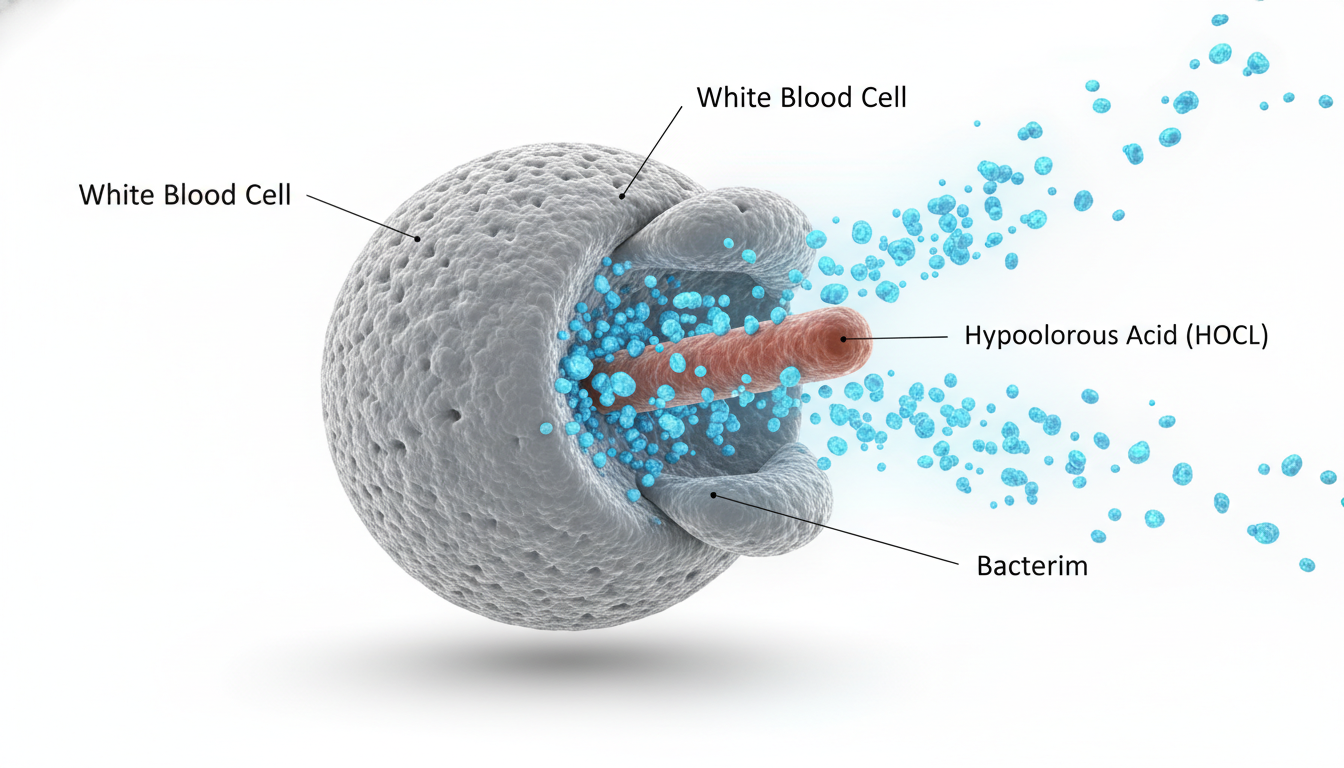
To understand why Hypochlorous Acid is a game-changer, we must look at basic immunology. Chemically represented as HOCl, it is a weak acid that forms when chlorine dissolves in water. However, biologically, it is the ‘secret weapon’ of your immune system.
How It Works in the Body
When your body detects an invader (bacteria, virus, or trauma), your white blood cells (neutrophils) rush to the site. They undergo a process called the ‘respiratory burst,’ releasing Hypochlorous Acid to effectively kill the pathogen instantly upon contact.
The Lab Replication
Scientists have figured out how to replicate this natural molecule using electrolysis—running electricity through a solution of salt (NaCl) and water (H2O). The result is a shelf-stable version of the body’s own defense mechanism. Because it mimics endogenous substances, the body does not recognize it as a foreign allergen, which is why allergic reactions are virtually non-existent.
2. Acne Treatment: Killing Bacteria Without the Burn
Acne is often caused or exacerbated by Cutibacterium acnes bacteria and inflammation. Traditional treatments like Benzoyl Peroxide or Salicylic Acid kill bacteria but often at the cost of your moisture barrier, leading to ‘the purge’ or flaky, irritated skin.
Why HOCl is Superior for Acne:
- Antimicrobial Action: It destroys the cell walls of bacteria, killing them within seconds.
- Anti-Inflammatory: It calms the redness and swelling associated with active cystic breakouts.
- Prevents Resistance: Unlike topical antibiotics (like clindamycin), bacteria do not develop resistance to HOCl.
Clinical Application
Dermatologists recommend using an HOCl spray immediately after cleansing or after a sweaty gym session to neutralize bacteria before they clog pores. It is particularly effective for inflammatory acne (papules and pustules).
3. Eczema (Atopic Dermatitis) Management
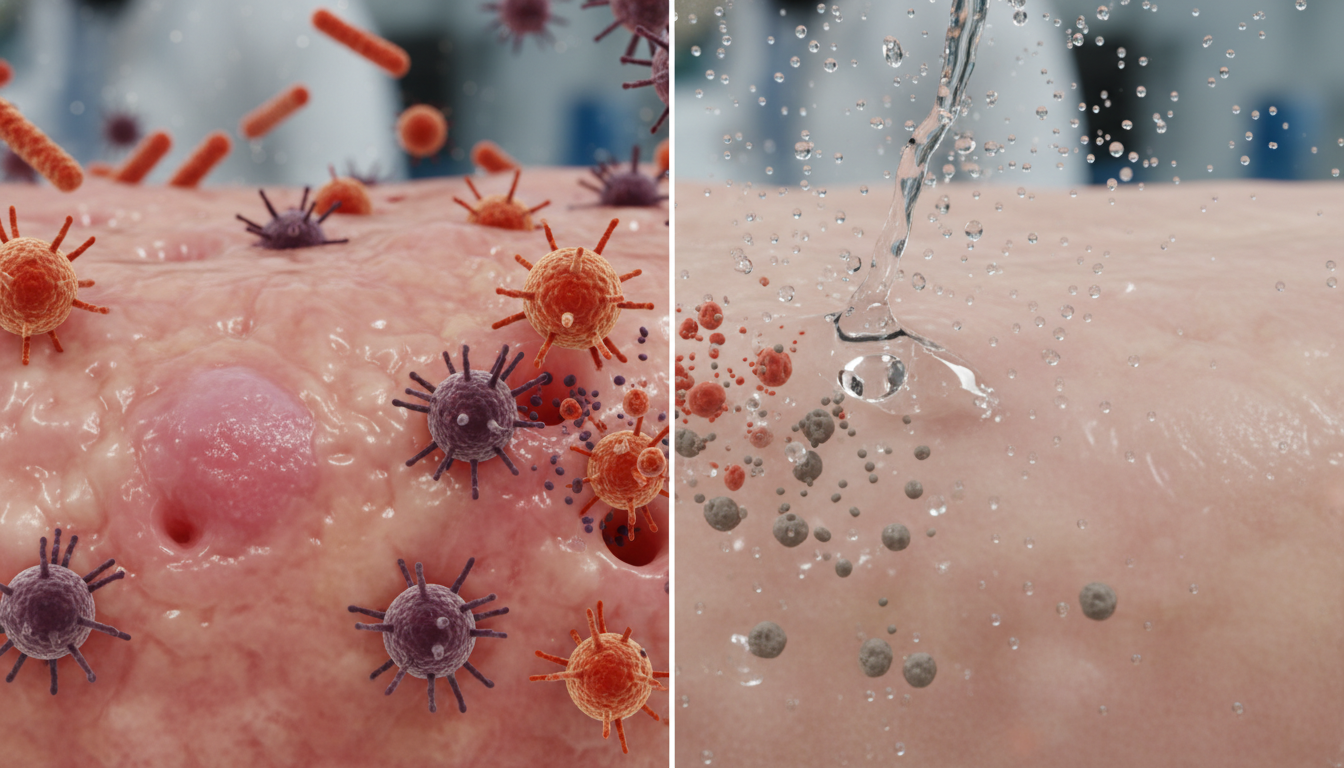
Eczema sufferers have a compromised skin barrier and are prone to Staphylococcus aureus colonization, which drives inflammation and itching. The ‘Itch-Scratch’ cycle creates micro-tears, inviting more infection.
The Mechanism of Relief:
Hypochlorous Acid disrupts this cycle by reducing the bacterial load of Staph aureus on the skin, which significantly lowers the inflammatory response. It essentially acts as a gentle disinfectant that doesn’t sting, unlike alcohol-based products which are torture for eczema skin.
NEA Recognition
The National Eczema Association recognizes HOCl as a safe additive or topical treatment. Regular use can prevent the ‘flare-ups’ triggered by environmental microbes.
4. Accelerating Wound Healing & Piercing Care
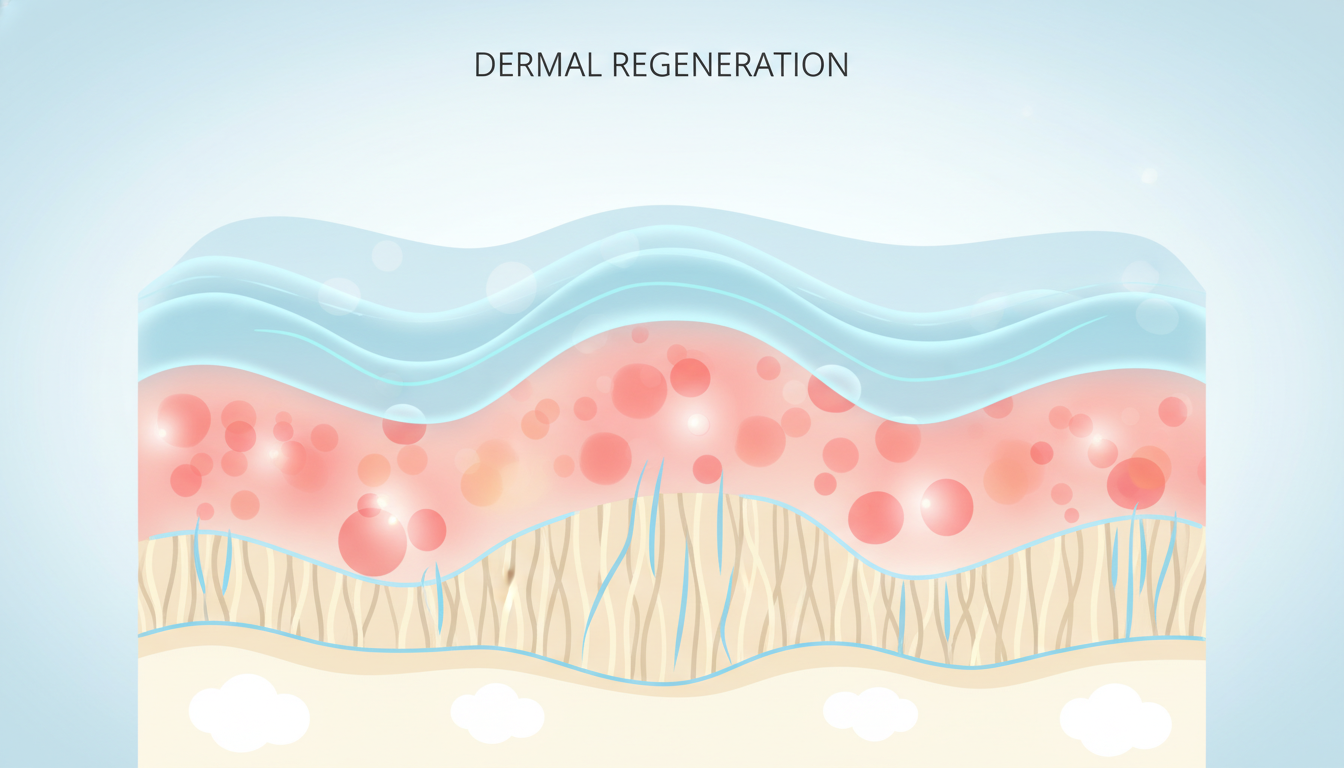
Wound care has moved beyond Hydrogen Peroxide (which actually kills healthy tissue and slows healing) to Hypochlorous Acid. Because HOCl increases oxygenation to the wound site, it speeds up the body’s natural repair process.
Best Use Cases:
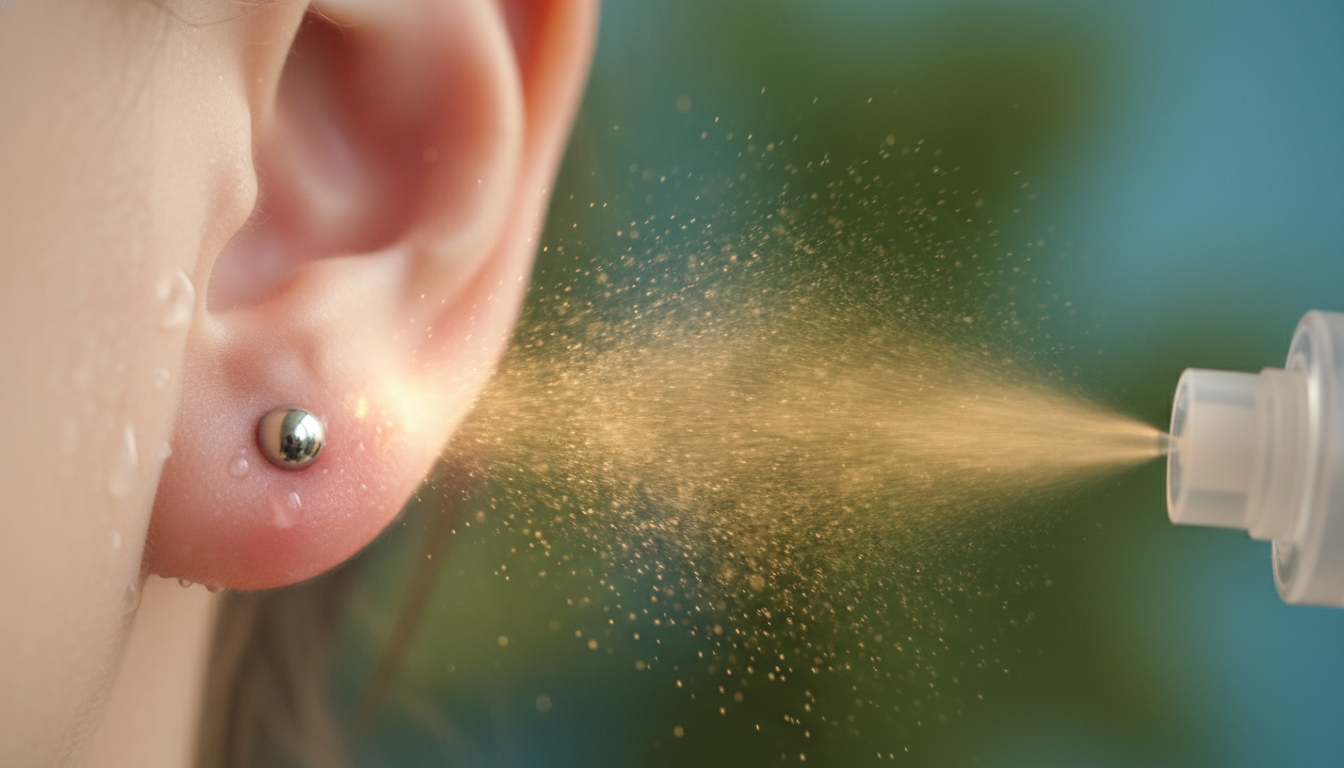
- Piercings: Professional piercers now recommend HOCl sprays over sea salt soaks because it is sterile and easier to apply.
- Tattoos: Keeps the area sanitized without drying out the ink or skin.
- Minor Cuts: Prevents infection immediately.
- Diabetic Ulcers: Often used in clinical settings for chronic wound management.
It works by breaking down the biofilm that bacteria create to protect themselves, allowing the wound to close faster and with less scarring.
5. ‘Maskne’ Prevention and Treatment
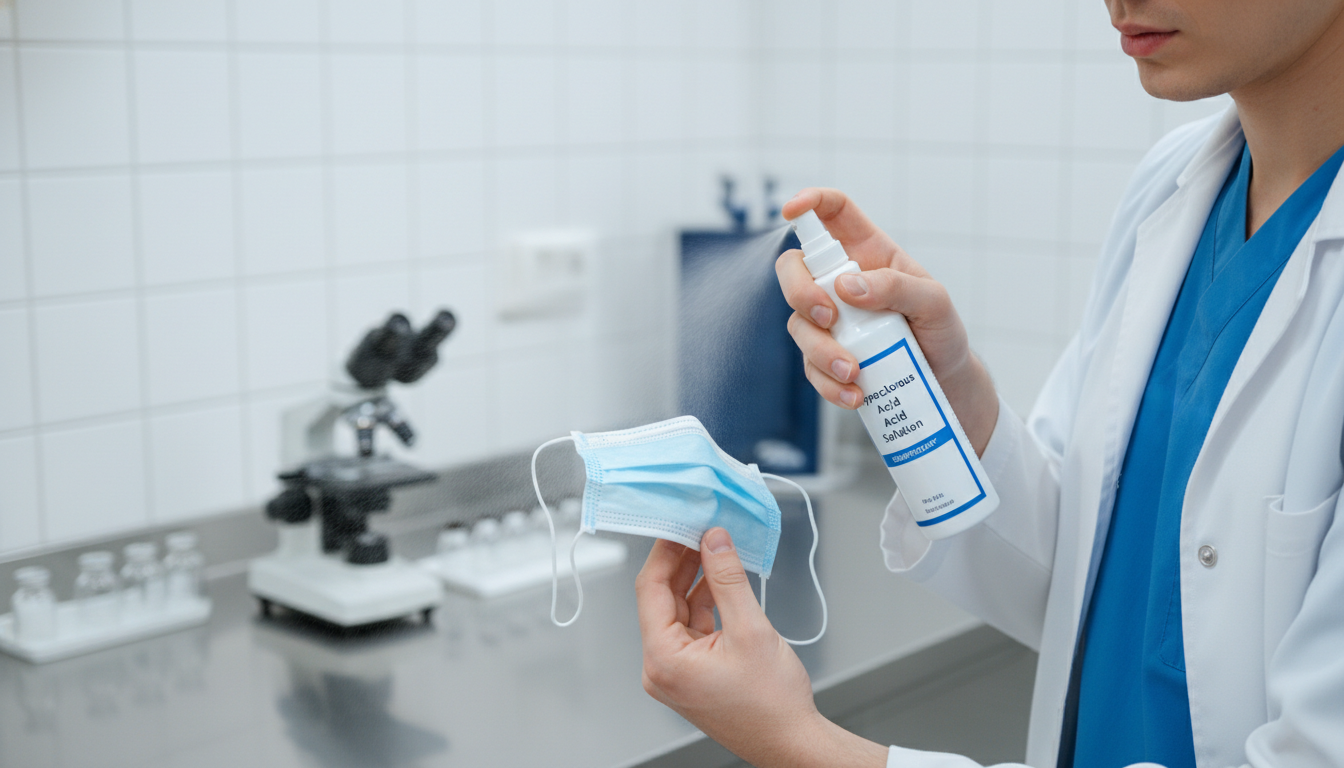
Although mask mandates have fluctuated, ‘Maskne’ (acne mechanica) remains an issue for healthcare workers and professionals who wear face coverings daily. The warm, humid environment under a mask is a breeding ground for bacteria.
The Protocol:
1. Mist your face with HOCl before putting on a mask to create a sanitized baseline.
2. Mist the inside of the mask (if reusable) to kill bacteria lingering on the fabric.
3. Mist again immediately upon removal.
This creates a hostile environment for bacteria without adding heavy oils or creams that would further clog pores under the mask.
6. Eyelid Hygiene: Blepharitis and Styes
The eyes are incredibly sensitive, yet they are prone to bacterial overgrowth on the lash line, leading to Blepharitis (chronic inflammation) and Styes.
Ophthalmologist Approval:
HOCl is one of the few antiseptics safe for the eye area. Specific formulations are sold as eyelid cleansers.
- Demodex Mites: It helps manage the population of mites that live on eyelashes.
- Dry Eye: By reducing inflammation of the Meibomian glands, it can alleviate some dry eye symptoms.
Note: Always ensure the product is specifically rated for use around eyes, as pH balance is critical here.
7. Post-Procedure Recovery (Lasers & Peels)
After a chemical peel, microneedling, or laser treatment, the skin barrier is deliberately damaged to provoke regeneration. During this vulnerable phase, you cannot use standard cleansers or actives.
The Ideal Post-Care Solution:
Hypochlorous Acid is non-cytotoxic, meaning it won’t harm the healing cells (keratinocytes and fibroblasts). Dermatologists use it to keep the raw skin sterile and moist, reducing downtime and preventing secondary infections. It also provides immediate relief from the ‘heat’ sensation often felt after laser procedures.
8. Sanitizing Surfaces vs. Bleach
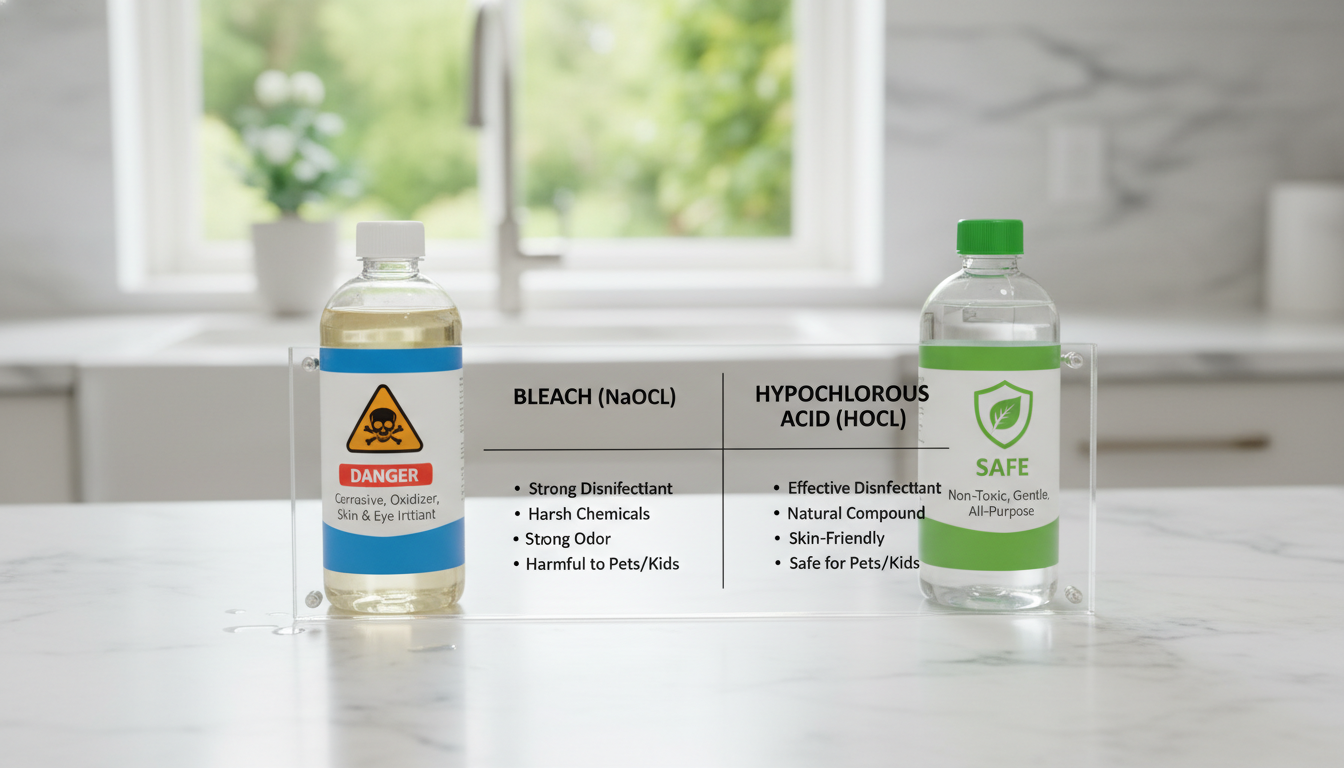
HOCl is a powerful disinfectant for your home, not just your skin. It is 100x more effective at killing microbial pathogens than chlorine bleach (sodium hypochlorite), yet it is non-toxic.
| Feature | Hypochlorous Acid | Chlorine Bleach |
|---|---|---|
| Safety | Non-Toxic, Skin Safe | Toxic, Corrosive |
| Residue | No Rinse Needed | Requires Rinsing |
| Fumes | Mild Swimming Pool Scent | Harsh, Dangerous Fumes |
| Efficacy | Kills 99.9% Bacteria/Viruses | Kills 99.9% Bacteria/Viruses |
It is EPA-registered for use against SARS-CoV-2 and is safe to use on food preparation surfaces, baby toys, and pet areas without rinsing.
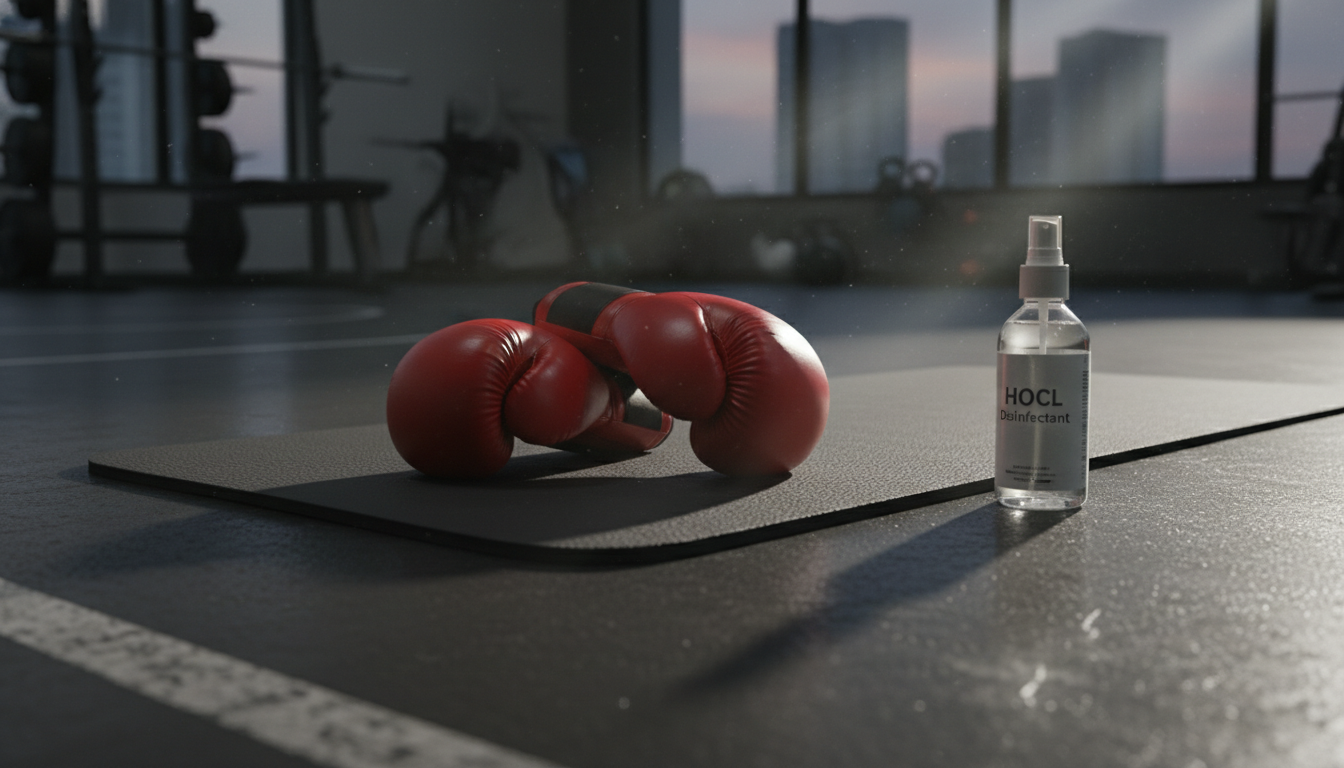
9. Gym and Athletic Gear Disinfection
Athletes are prone to fungal infections like Athlete’s Foot and bacterial infections like MRSA. Traditional gym cleaners are harsh on skin and damage expensive equipment (yoga mats, boxing gloves).
Application:
- Yoga Mats: Spray down after practice; no need to wipe if you let it air dry. It won’t degrade the rubber.
- Gym Bags: Neutralizes the ‘locker room smell’ which is caused by bacteria breaking down sweat.
- Skin: Spray on your back and chest immediately after a workout to prevent fungal acne.
10. How to Incorporate It Into Your Routine
HOCl is incredibly easy to add to a skincare regimen because it is water-thin and interacts poorly with almost nothing.
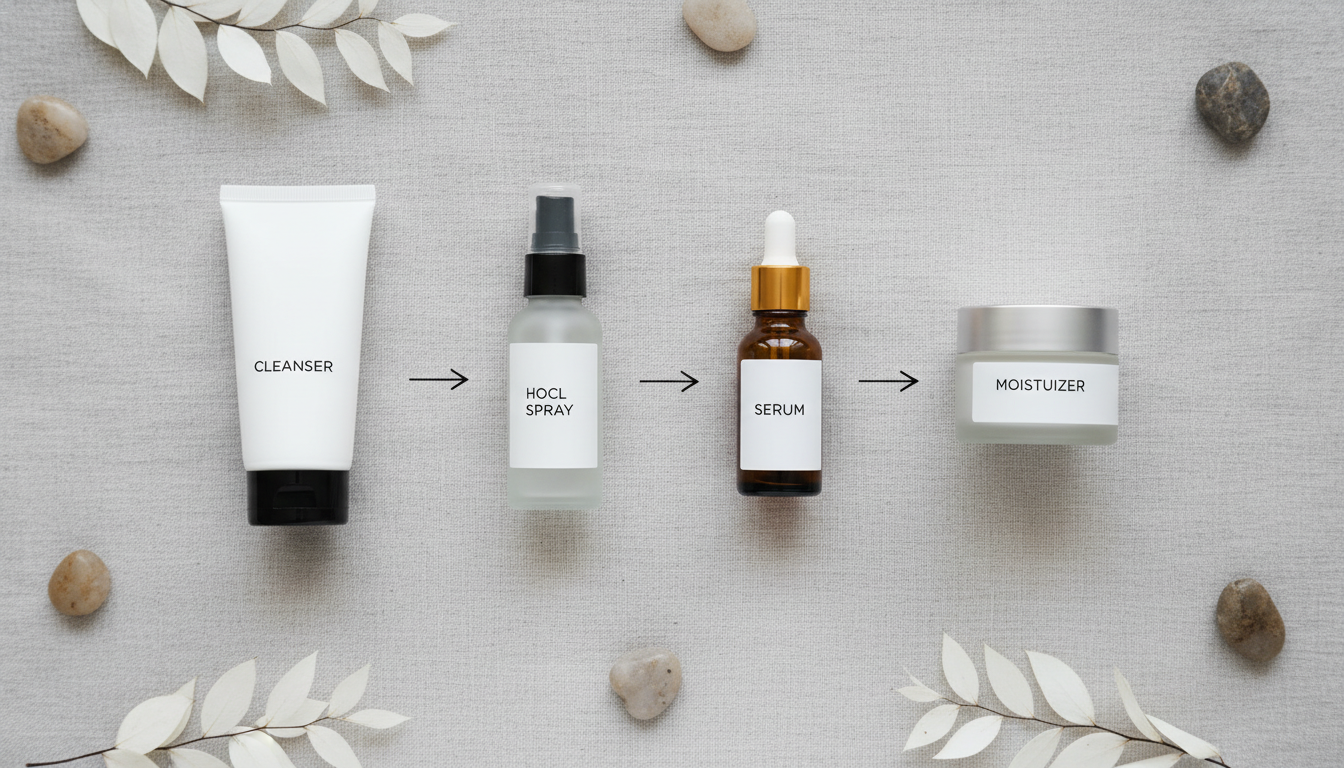
The Step-by-Step Order:
1. Cleanse: Wash face and pat dry (or leave damp).
2. HOCl Spray: Mist generously over the face.
3. Wait: Let it dry for 30-60 seconds. This allows it to do its antimicrobial work.
4. Serums: Apply Hyaluronic Acid, Niacinamide, etc.
5. Moisturize: Seal it all in.
Tip: It can be used as a mid-day refresher over makeup without ruining your look.
11. Choosing the Right Product: PPM and pH
Not all Hypochlorous Acid waters are the same. Efficacy depends on PPM (Parts Per Million) and pH.
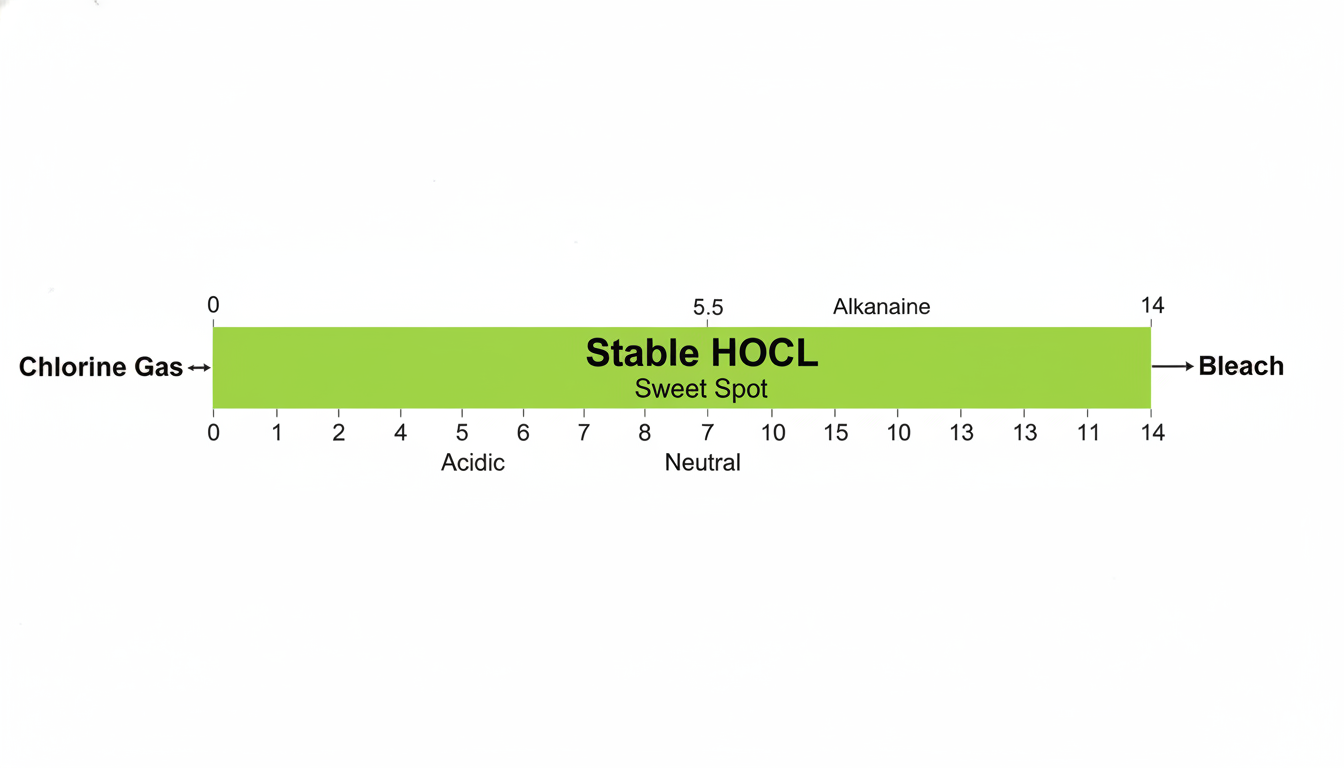
- pH Balance: To be shelf-stable and skin-friendly, the pH must be between 3.5 and 5.5. If the pH rises too high (above 7), it turns into bleach (hypochlorite ion). If it’s too low, it becomes chlorine gas.
- PPM:
Skincare*: Usually 100-200 PPM. Strong enough to kill bacteria, gentle enough for daily use.
Disinfecting Surfaces*: Usually 500+ PPM.
Packaging Warning: HOCl degrades in sunlight. Always buy products in opaque (non-transparent) bottles.
12. The Shelf Life & Stability Problem
The biggest drawback of Hypochlorous Acid is its instability. It wants to revert back to salt water.
Expiration: Most high-quality HOCl sprays have a shelf life of 12 to 24 months unopened*, but only 3-6 months once opened.
- Signs of Degradation: If it smells strongly of pool water, it may still be active, but if it smells like nothing at all, it might have reverted to saline water.
- Storage: Keep it in a cool place away from direct sunlight. Do not leave it in a hot car.

13. Can You Make It At Home? (The DIY Myth)
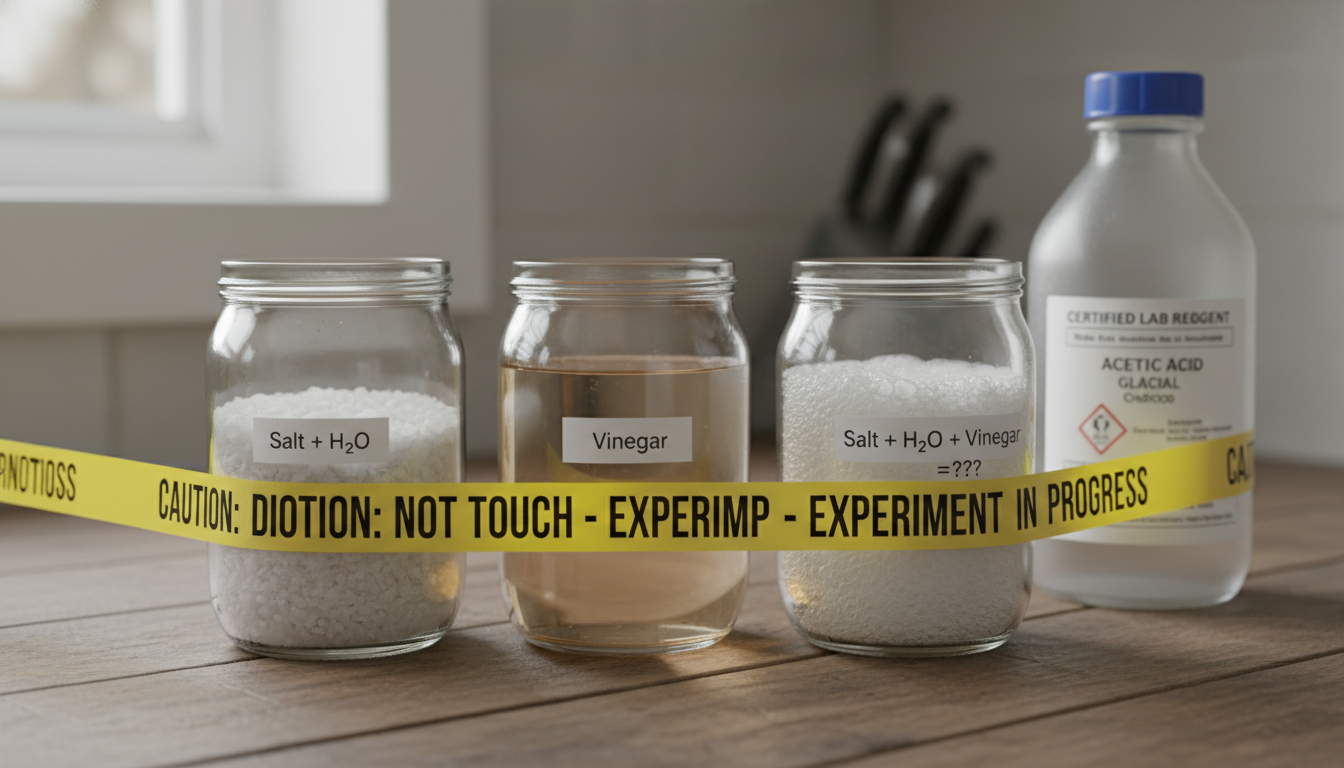
With the rise of HOCl generators sold online, many people attempt to make it at home using salt, water, and vinegar.
The Danger:
It is extremely difficult to control the pH and PPM in a home setting.
- Risk 1: You make bleach. If the pH is wrong, you are spraying bleach on your face.
- Risk 2: No preservatives. Homemade batches degrade within 2 weeks.
- Verdict: For cleaning floors, a DIY generator is fine. For your eyes and face? Do not risk it. Stick to lab-stabilized, dermatologically tested products.
Frequently Asked Questions
Can I use Hypochlorous Acid with Vitamin C or Retinol?
Yes, but let the HOCl dry completely first. HOCl is an oxidizer, so if applied simultaneously with antioxidants like Vitamin C, they may neutralize each other. Apply HOCl, wait for it to dry, then apply your actives.
Does Hypochlorous Acid bleach clothes or towels?
No. Unlike sodium hypochlorite (laundry bleach), Hypochlorous Acid is gentle and will not bleach fabrics at the concentrations used for skincare (approx 100-200 ppm).
Is it safe for babies and pregnancy?
Yes. It is considered one of the safest products available because it mimics the body’s natural immune response. It is frequently used for diaper rash and cleaning baby toys.
Why does it smell like a swimming pool?
The faint chlorine scent is natural to the molecule. It is not added fragrance. The scent usually dissipates within seconds of application.
Can I use it as a toner?
Absolutely. It acts as a balancing toner that resets the skin’s pH and ensures the surface is free of harmful bacteria before you apply serums.
Does it kill good bacteria on the skin?
HOCl is generally more active against pathogenic (bad) bacteria. While it creates a clean slate, it does not strip the microbiome aggressively like alcohol or antibiotics, allowing the good flora to repopulate quickly.
Is it the same as Micellar Water?
No. Micellar water is a cleanser made of oil molecules (micelles) suspended in soft water. HOCl is an antimicrobial treatment. They serve different purposes.
Can it help with Rosacea?
Yes. Rosacea is often linked to inflammation and Demodex mites. HOCl addresses both issues, helping to reduce the redness and flushing associated with the condition.
You might also like:- 4 Best Herbal Teas for Clear, Glowing & Acne-Free Skin!
Discover more from innerspiritglow
Subscribe to get the latest posts sent to your email.