
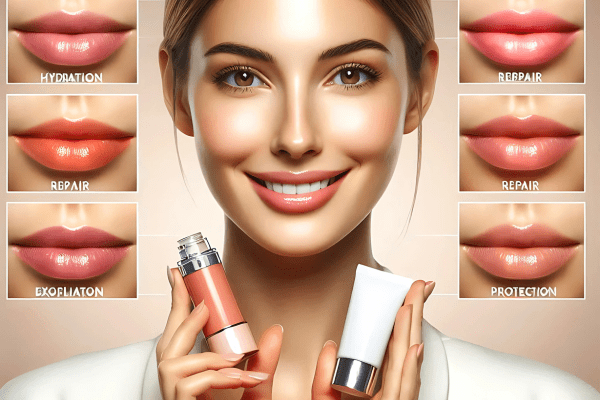
Lips are one of the most expressive features on our face, but they are often overlooked when it comes to skincare. Whether you’ve noticed slight darkening at the corners of your lips or more prominent pigmentation across your lips, it’s important to give them the care they deserve. Understanding the lip care routines that address different levels of pigmentation can help you maintain healthy, even-toned lips. In this article, we’ll explore the top 5 lip care routines tailored for every pigmentation level, from subtle darkening to more significant discoloration.
Why Lip Care Routines Matter for Different Pigmentation Levels
Lips can develop uneven pigmentation due to several factors, including sun exposure, environmental pollutants, dehydration, and even hormonal changes. Pigmentation levels on the lips can range from mild discoloration to severe hyperpigmentation, and each level requires a targeted approach to ensure healthy lips.
Lip Care Routines for different pigmentation levels are essential because they focus on personalized treatment, helping you maintain vibrant and even-toned lips over time. Whether you’re dealing with minor dark spots or more significant uneven patches, it’s crucial to follow the right care regimen for your specific needs.
Understanding Lip Pigmentation Levels
Before diving into the lip care routines, let’s first break down the different levels of lip pigmentation. This will help you identify the best approach based on your lip’s current condition.

1. Mild Pigmentation (10-20%)
At this stage, you may notice subtle darkening, especially at the corners of your lips. This mild discoloration can happen due to dehydration, sun exposure, or early signs of aging.
- Key Characteristics: Slight darkening at the corners of the lips, no noticeable lip line changes, and even tone across the upper and lower lips.
- What to Do: Focus on preventing further pigmentation issues by maintaining hydration and protecting your lips from UV damage.
2. Moderate Pigmentation (30-50%)
This level is characterized by noticeable differences in color, especially between the upper and lower lips. You may also notice that your lipline has started to darken.
- Key Characteristics: Clearer dark lines along the lip borders, uneven upper and lower lip color.
- What to Do: Introduce targeted treatments like gentle exfoliation and moisturizing lip masks to address early discoloration.
3. Significant Uneven Patches (60-70%)
At this stage, pigmentation is clearly visible, with distinct patches of discoloration. These patches may be uneven and spread across the lips, leading to noticeable dark spots.
- Key Characteristics: Visible patches or blotches of darker skin across the lips, usually due to excessive sun exposure or hormonal changes.
- What to Do: Focus on evening out the pigmentation with stronger treatments, such as exfoliants and brightening serums.
4. Advanced Pigmentation (80-90%)
In this stage, pigmentation is much more pronounced. Your lips may show extensive discoloration, affecting both the upper and lower lips.
- Key Characteristics: Full discoloration with darkened areas, sometimes leading to a noticeable shift in lip tone.
- What to Do: Incorporate restorative treatments to repair and regenerate the skin, including deep moisturization and cell-turnover boosters.
5. Severe Hyperpigmentation (100%)
This level represents the most severe form of lip discoloration, often due to factors like excessive sun exposure, genetics, or medical conditions.
- Key Characteristics: Complete change in lip color with dark patches all over the lips.
- What to Do: This stage requires advanced dermatological intervention, including prescription-strength treatments and professional care.
Top 5 Lip Care Routines for Every Pigmentation Level
Each lip care routine is specifically designed to address a unique level of pigmentation. Here’s how you can tackle each stage effectively.

Routine 1: Mild Pigmentation Protection
If you have subtle darkening at the corners of your lips, your main focus should be prevention. Preventing further discoloration is key to maintaining smooth and even lips.
Key Tips for Mild Pigmentation:
- Exfoliate Gently: Use a sugar scrub or a soft exfoliating brush to remove dead skin cells and promote new skin growth.
- Hydrate: Keep your lips well-moisturized with a nourishing balm that contains ingredients like shea butter or beeswax.
- Sun Protection: Always apply a lip balm with SPF 15 or higher to prevent UV damage.
- Brightening Ingredients: Look for products containing vitamin C, which helps lighten dark spots naturally.
Best Ingredients:
- Vitamin C serums
- Mild chemical exfoliants (like glycolic acid)
- Antioxidant-rich lip treatments
Routine 2: Moderate Pigmentation Correction
For moderate pigmentation, you’ll want to incorporate products that can target uneven color while keeping your lips hydrated and smooth.
Key Tips for Moderate Pigmentation:
- Use Lip Masks: Apply specialized lip masks that brighten and hydrate. Look for masks with ingredients like licorice extract or niacinamide.
- Color Balancing: Use color-balancing balms or treatment oils to even out the discoloration and prevent further pigmentation.
- Gradual Pigmentation Reduction: Use gentle, daily treatments to reduce pigmentation slowly over time.
Best Ingredients:
- Kojic acid (lightens dark spots)
- Niacinamide (improves skin tone)
- Licorice extract (natural brightener)
- Peptides for skin renewal
Routine 3: Uneven Patch Management
When your lips start to develop uneven patches, it’s essential to target the pigmentation while focusing on intense hydration.
Key Tips for Uneven Patches:
- Exfoliate Strategically: Use exfoliating lip scrubs that contain salicylic acid or alpha hydroxy acids (AHAs) to target uneven pigment and improve skin texture.
- Intensive Hydration: Use thicker lip balms with ingredients like hyaluronic acid or ceramides to lock in moisture.
- Consistency is Key: Apply treatment products consistently to see improvements over time.
Best Ingredients:
- Alpha arbutin (lightens dark patches)
- Tranexamic acid (targets hyperpigmentation)
- Strong vitamin C (brightens and protects)
- Peptide complexes (for skin regeneration)
Routine 4: Advanced Pigmentation Restoration
At this stage, the pigmentation is more severe, and your lip care routine must focus on regenerating skin and promoting cellular turnover.
Key Tips for Advanced Pigmentation:
- Deep Tissue Repair: Use lip treatments that promote cellular turnover, such as exfoliating night creams or retinoid-based treatments.
- Cell Regeneration: Look for serums or balms that contain peptides and antioxidants to repair and restore the skin barrier.
- Full Pigmentation Reset: Consider using products that reset the pigmentation balance, such as hydroquinone alternatives or targeted pigmentation serums.
Best Ingredients:
- Hydroquinone alternatives (for lightening dark spots)
- Advanced peptides (boost skin regeneration)
- Botanical extracts (for soothing and healing)
- Professional-strength antioxidants (for protection and repair)
Routine 5: Hyperpigmentation Transformation
Severe hyperpigmentation requires advanced treatments that go beyond over-the-counter solutions. Dermatological intervention is often necessary for a complete transformation.
Key Tips for Hyperpigmentation:
- Consult a Dermatologist: For severe hyperpigmentation, seek professional help for prescription-strength treatments.
- Combination Therapy: Use a combination of chemical peels, laser treatments, and topical creams to reduce pigmentation.
- Holistic Healing: Incorporate natural remedies like aloe vera or vitamin E for soothing and healing.
Best Ingredients:
- Prescription-strength creams (for deep pigmentation)
- Regenerative medical extracts (for recovery)
- Cutting-edge pigmentation technologies (like laser treatments)
Holistic Lip Care: Going Beyond Treatments
Lip care isn’t just about the right products—it’s also about the lifestyle habits you maintain. Here are some holistic tips to enhance your lip care routine:
- Diet: Eating a balanced diet rich in vitamins A, C, and E can help support skin health and prevent pigmentation issues.
- Stress Management: Stress can affect your hormones and lead to pigmentation changes, so managing stress is essential for healthy skin.
- Sleep: Ensure you get 7-8 hours of sleep each night to help your skin repair and rejuvenate.
When to Seek Professional Help
If home treatments aren’t providing the desired results, it may be time to consult with a dermatologist. Professional treatments, such as chemical peels, laser therapy, or prescription-strength creams, can be extremely effective for more severe cases of pigmentation.
Conclusion: Your Path to Even-Toned Lips
Each lip care routine is an important step in addressing pigmentation issues and achieving even-toned lips. By following the right treatment plan for your specific pigmentation level, you can enjoy healthier, more vibrant lips. Remember, consistency is key, and don’t hesitate to consult a professional if your pigmentation issues persist.
Ready to give your lips the care they deserve? Try out these expert lip care routines and share your results with us in the comments below. If you found this article helpful, feel free to share it with others who might benefit from it. Keep your lips healthy and glowing!
Want more expert lip care tips? Check out our other articles on skincare routines and remedies for lip health. Share your experiences with us in the comments below—how do you care for your lips?
Also, read👉🏻 10 DIY Lip Scrubs: Natural Remedies for Smooth, Kissable Lips
Frequently Asked Questions
1. How often should I follow my lip care routine?
2. Can a lip care routine really help with pigmentation?
3. What ingredients should I look for in my lip care routine?
Vitamin C: Brightens dark spots and improves skin tone.
Niacinamide: Helps lighten pigmentation and even out skin tone.
Licorice extract: A natural skin brightener that targets dark spots.
AHAs and BHAs: Gently exfoliate to remove dead skin and reduce uneven pigmentation.
4. Are there any home remedies that can complement my lip care routine?
Aloe vera: Soothes and heals dry lips while helping with pigmentation.
Honey and lemon: A natural exfoliator that also helps lighten lips.
Coconut oil: Keeps lips hydrated and nourished, preventing further discoloration.
5. Should I stop using makeup while following a lip care routine for pigmentation?
6. Can lip care routines help prevent pigmentation from occurring?
Discover more from innerspiritglow
Subscribe to get the latest posts sent to your email.
Pingback: 7 Powerful Ways to Banish Dark Areas Around the Mouth - innerspiritglow
Pingback: 3 Easy Lip Care Hacks for Soft & Smooth Lips! - innerspiritglow