
Key Takeaways
- Most lip stains are water-resistant, not fully waterproof, relying on skin staining dyes rather than surface wax.
- Oil is the true enemy of lip stain; greasy foods will break down the color faster than water will.
- Water-based tints absorb into the epidermis, offering longer wear than wax-based lipsticks.
- Peel-off stains provide the highest level of waterproof durability due to their temporary tattoo-like effect.
- Proper exfoliation is non-negotiable for waterproof performance; dry patches cause uneven fading.
- Silicone-based topcoats can turn a standard stain into a waterproof powerhouse.
You have planned the perfect beach day or a romantic dinner date, but one question lingers in your mind as you reach for your makeup bag: Is lip stain waterproof?
Nothing ruins a look faster than emerging from a pool with clown lips or finding your vibrant red tint transferred entirely to your wine glass. While traditional lipsticks are notorious for smudging, lip stains promise a ‘your lips but better’ longevity that seems too good to be true.
Here is the reality: not all stains are created equal. The marketing terms ‘waterproof’ and ‘water-resistant’ are often used interchangeably, leading to disastrous makeup mishaps. In this comprehensive guide, we strip away the marketing fluff to reveal the chemistry behind lip stains, test their limits against water and oil, and provide you with actionable steps to ensure your color stays locked in, no matter how wet or wild your day gets.
1. The Mechanics: How Lip Stain Differs From Lipstick
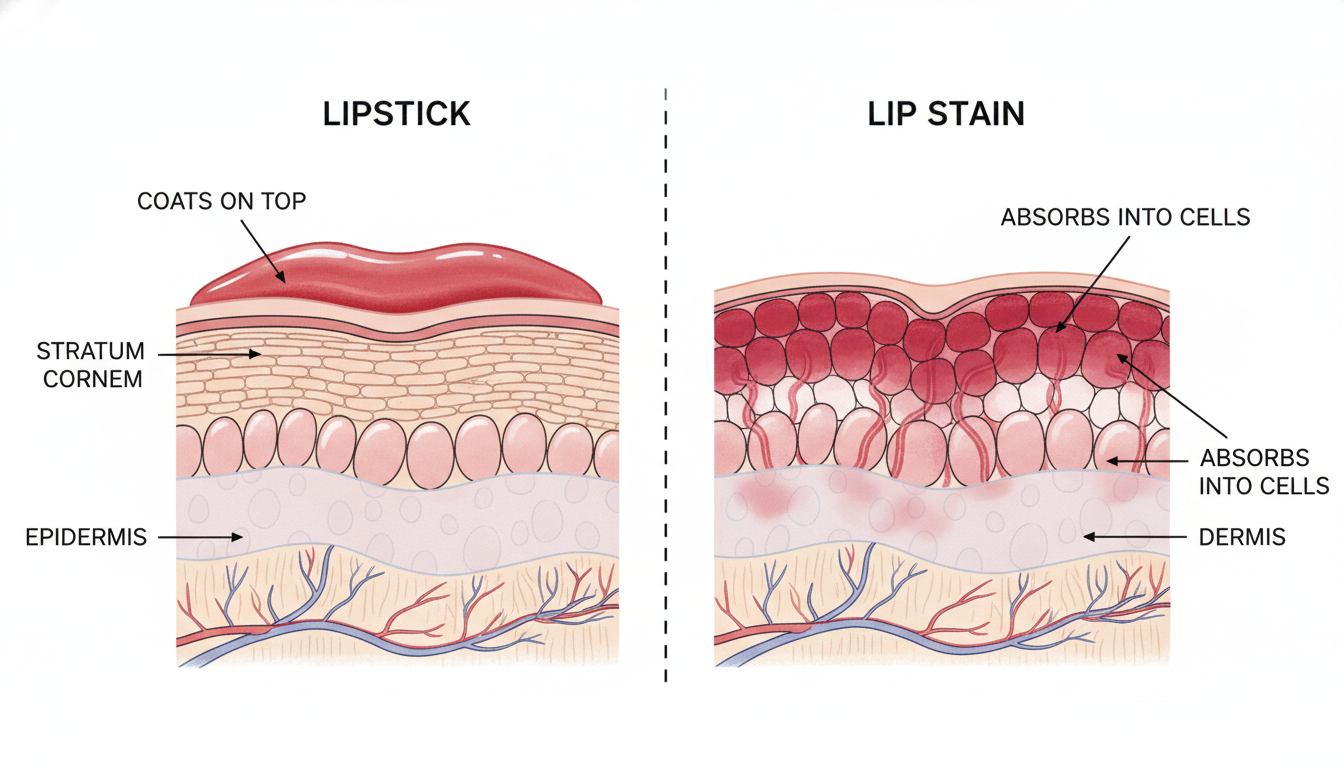
To understand if lip stain is waterproof, you must first understand how it interacts with the skin compared to traditional lipstick. Lipstick is primarily a suspension of pigments in a wax and oil base. It sits on top of the lips. When water or friction is introduced, the wax slides, taking the pigment with it.
Lip Stain Mechanics
Lip stains, conversely, are typically liquid or gel-based formulas containing dyes (like Red 33 or Red 22) dissolved in water, alcohol, or a volatile gel. When applied, the solvent evaporates, allowing the dye to absorb into the outer layer of the stratum corneum (the skin’s surface).
The Absorption Factor
Because the color physically dyes the dead skin cells on your lips rather than forming a film on top, it is inherently more resistant to water. Water simply glides over the dyed skin rather than disrupting a sitting layer of wax. However, ‘resistant’ does not mean impervious. The depth of absorption depends on the formula’s viscosity and the hydration level of your lips.
2. Waterproof vs. Water-Resistant: The Critical Distinction
In the beauty industry, terminology is everything, and the FDA does not strictly regulate the term ‘waterproof’ for cosmetics in the same way it does for sunscreen.
Water-Resistant
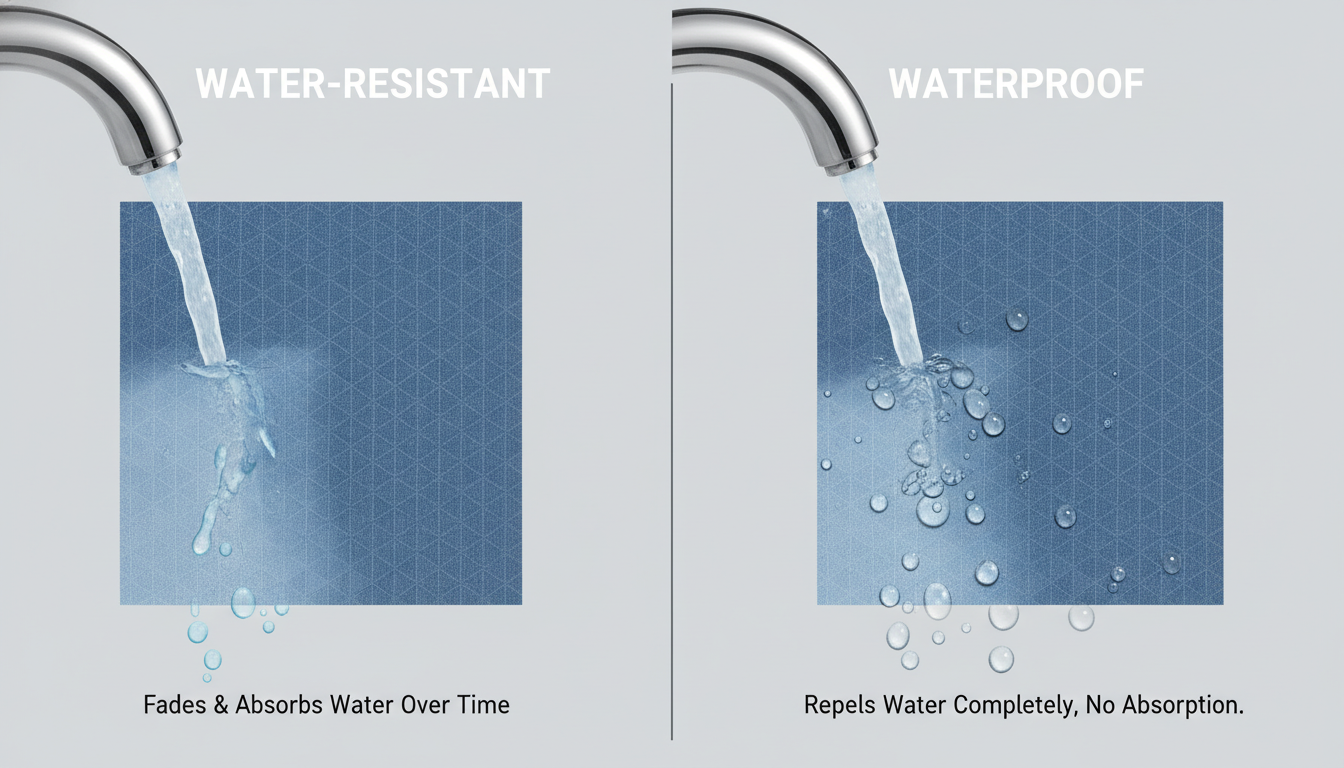
Most lip stains fall into this category. They can withstand splashes, humidity, and drinking water without immediate bleeding. If you lick your lips, the color remains. However, prolonged submersion can cause the color to fade evenly over time.
Waterproof
A truly waterproof cosmetic creates a hydrophobic barrier. For a lip stain to be chemically waterproof, it often requires film-forming polymers (like acrylates copolymer) that seal the dye onto the lip.
| Feature | Water-Resistant Stain | Waterproof Stain |
|---|---|---|
| Base | Water or Gel | Alcohol or Silicone |
| Durability | Sweating, Drinking | Swimming, Submersion |
| Removal | Micellar Water | Oil-Based Cleanser |
| Feel | Weightless | Can feel drying |
If your stain is water-based without added polymers, it is likely only water-resistant. If it contains volatile oils or silicones, it has higher waterproof potential.
3. The Chemistry of Durability: Ingredients to Look For
If you want a lip stain that survives a triathlon, you need to check the ingredient label (INCI). The ‘waterproof’ claim on the front of the bottle is marketing; the back of the bottle is science.
Key Waterproofing Agents
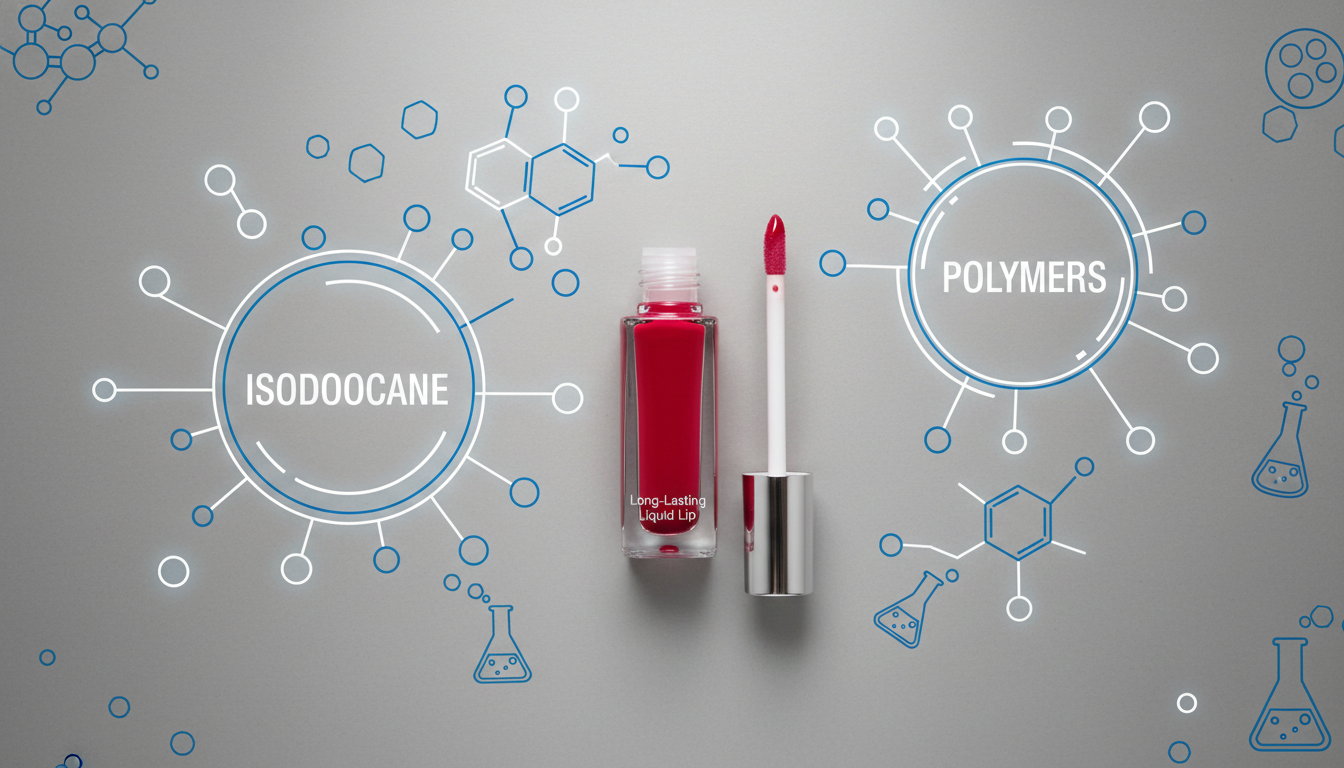
1. Isododecane: A volatile hydrocarbon that helps spread the product and then evaporates, leaving a smudge-proof film.
2. Acrylates/Dimethicone Copolymer: Film-formers that create a flexible, water-repelling mesh over the pigments.
3. Trimethylsiloxysilicate: A silicone resin known for holding pigments in place even in high-humidity environments.
The Role of Alcohol
Many long-wear stains contain Denatured Alcohol. While drying, alcohol is crucial for waterproof performance because it acts as a carrier that evaporates instantly, locking the dye into the skin before it can smear. If you see water as the first ingredient followed only by glycerin and dyes, the product will be hydrating but less waterproof.
4. The Oil Factor: Why Waterproof Doesn’t Mean Pizza-Proof
This is the most common misconception about long-wear lip products. You purchase a ‘waterproof’ stain, eat a slice of pizza, and look in the mirror to find the color gone. Why?
Chemistry 101: Like Dissolves Like.
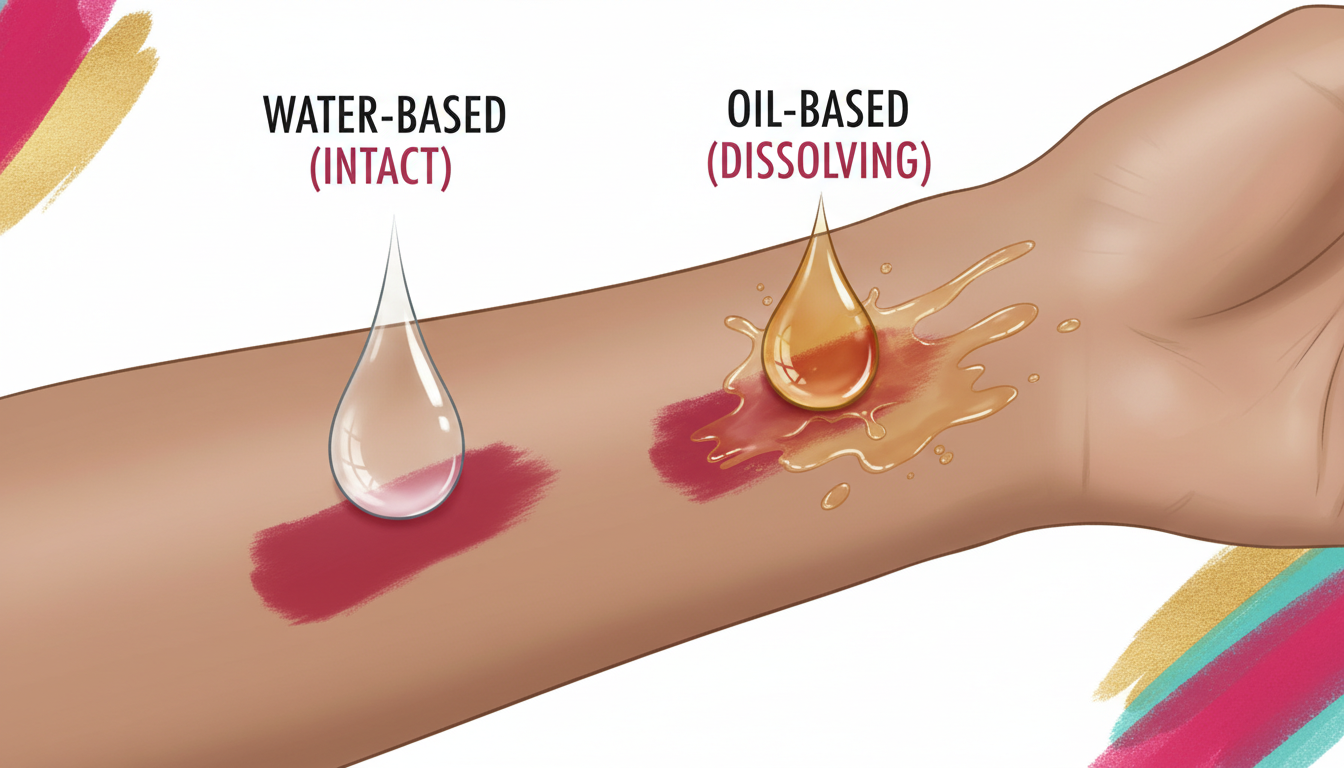
Most makeup removers are oil-based because oil dissolves the polymers and waxes that hold makeup together. Greasy foods—salad dressing, cheese, fried chicken—act exactly like a makeup remover.
Even if a lip stain is hydrophobic (repels water), it is usually lipophilic (attracted to oil). When you eat oily foods, the oils break down the bond between the stain and your lips.
The Smudge Hierarchy:
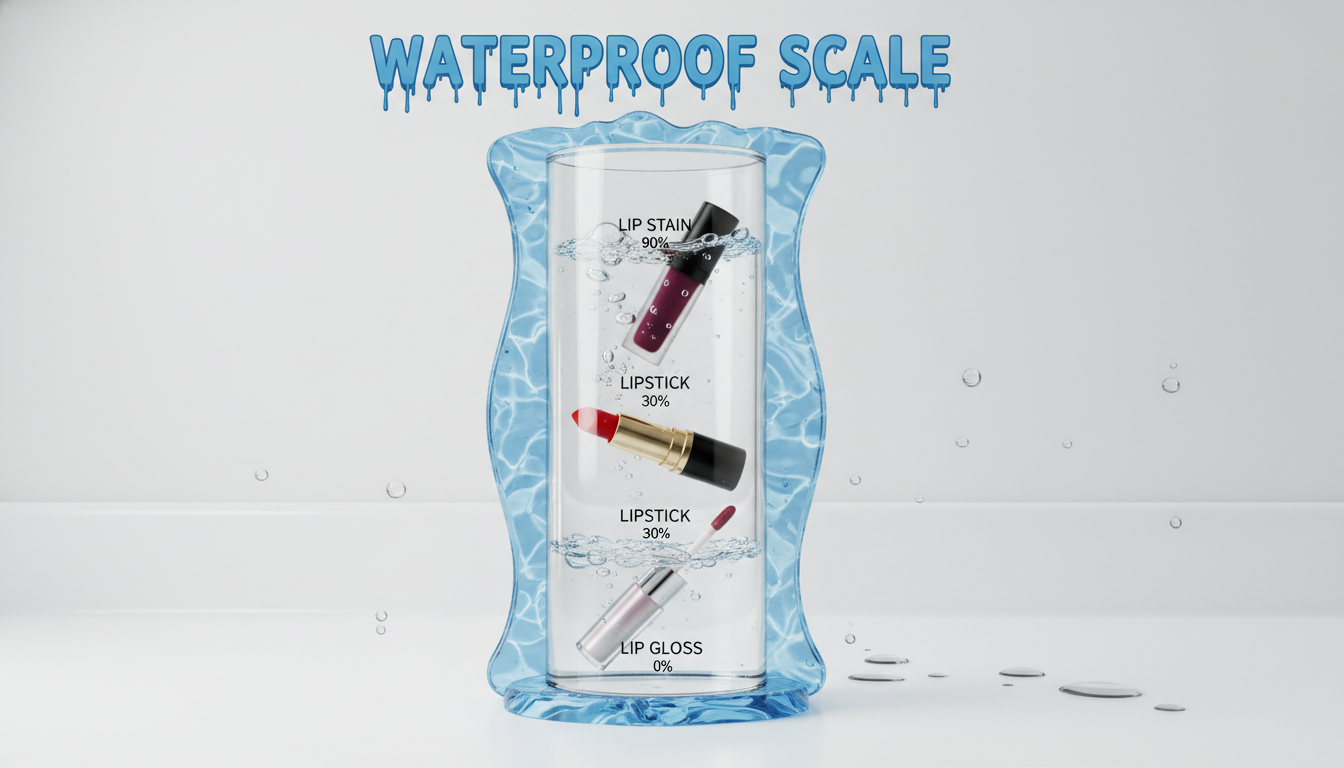
- Water/Saliva: High Resistance.
- Sweat: Moderate/High Resistance.
- Friction (Kissing/Rubbing): Moderate Resistance.
- Oil (Food): Low Resistance.
To maintain a stain while eating, avoid letting food touch your lips directly, or stick to non-greasy foods.
5. Peel-Off Stains: The Heavyweights of Waterproofing
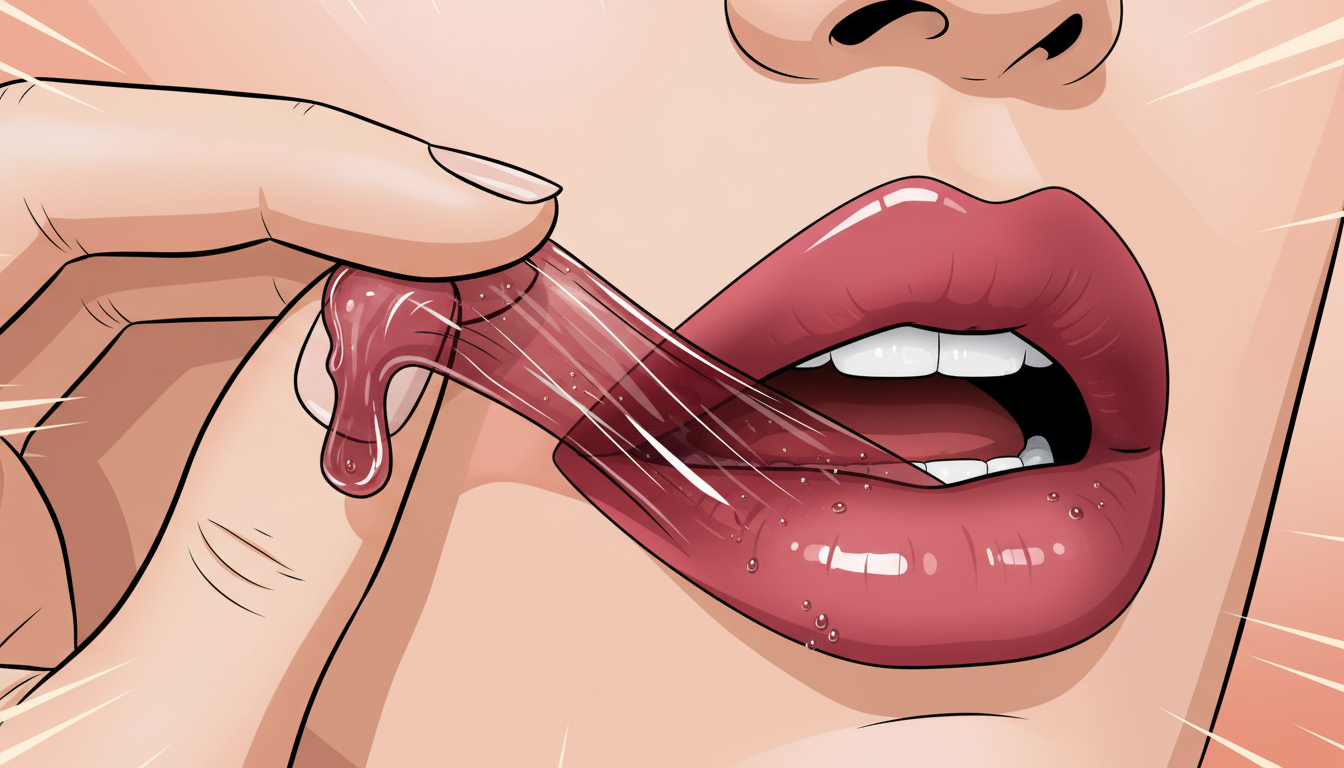
A viral trend that has cemented itself as a staple is the peel-off lip stain. These thick, gooey gels are applied heavily, left to dry for 10-15 minutes, and then peeled off to reveal a tinted stain underneath.
Why They Are Superior for Water Resistance
Peel-off stains function differently than liquid tints. They force-feed pigment into the top layer of the epidermis during the drying phase. Because the ‘vehicle’ (the gooey gel) is physically removed, there is no surface residue left to smudge or smear.
Once the top layer is peeled, what remains is pure dyed skin. This mimics a temporary tattoo. These are arguably the most waterproof option on the market because there is no product sitting on the lip surface to interact with water. They often last 12+ hours through swimming and drinking.
6. The Impact of Lip Texture on Water Resistance
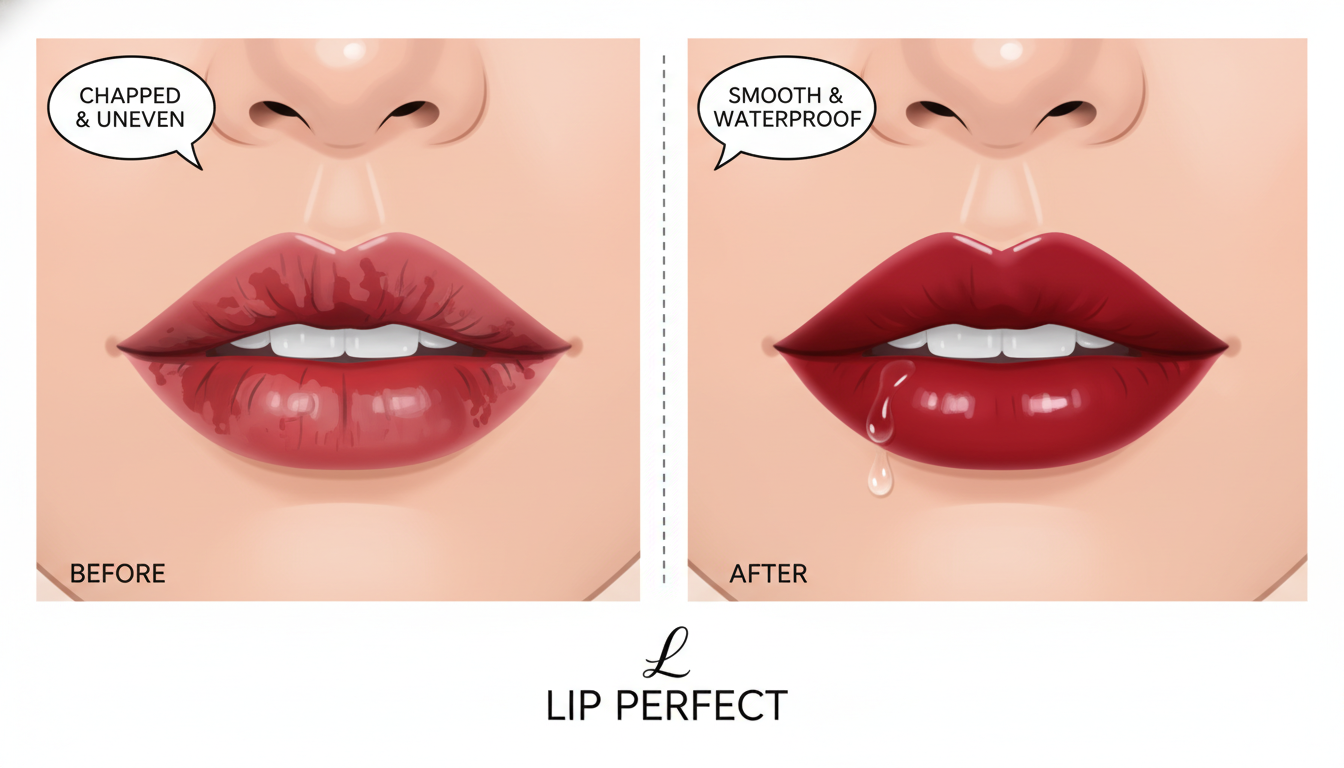
The canvas determines the longevity of the paint. You can have the most expensive, industrial-strength waterproof lip stain, but if your lips are chapped, it will fail.
The Dry Skin Dilemma
Lip stain pigments cling aggressively to dry, dead skin cells. If your lips are flaky, the stain will absorb deeply into the dry patches and barely touch the healthy skin. As soon as those dry flakes peel off (which happens rapidly when wet), your color goes with them.
The ‘Waterproof’ Prep Routine
1. Exfoliate: Use a sugar scrub to remove dead skin. This creates a smooth surface for even dye absorption.
2. Hydrate then Blot: Apply balm 20 minutes before the stain, then completely wipe it off. Any residual oil from the balm will create a barrier that prevents the stain from setting, rendering it non-waterproof.
7. Chlorine and Saltwater: The Pool Test
Swimming brings two chemical aggressors into the mix: Chlorine (pools) and Salt (ocean).
Chlorine’s Bleaching Effect
Chlorine is a chemical disinfectant that can act as a mild bleaching agent. While it won’t instantly strip your lips white, prolonged exposure can oxidize the pigments in your stain, causing the color to shift or fade faster than it would in fresh water.
Saltwater Dehydration
Saltwater is osmotic—it draws moisture out of your skin. As your lips dehydrate in the ocean, they may crack or shrink slightly, disrupting the finish of the stain.
The Verdict: Lip stains generally survive swimming better than any other lip product, but expect a 20-30% reduction in color intensity after an hour of submersion. Reapplication is usually necessary after a long swim session.

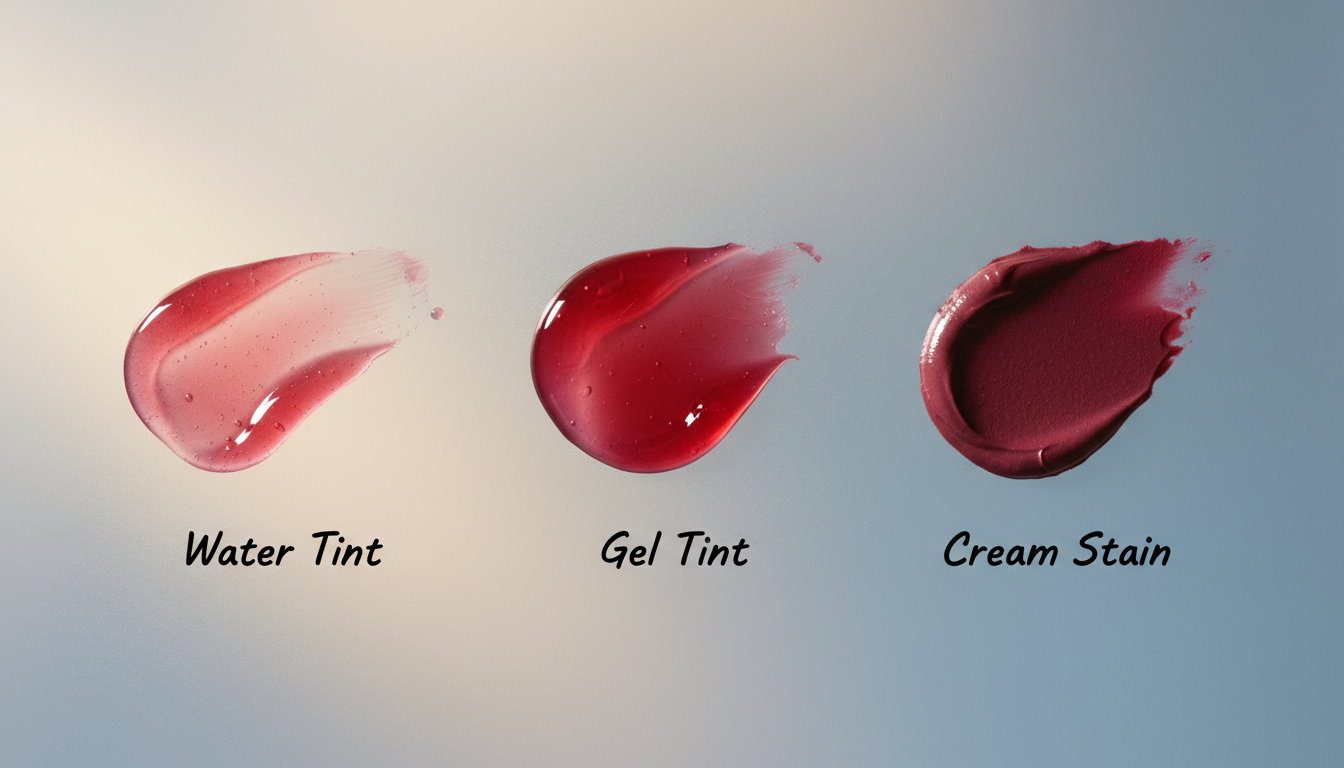
8. Gel Tints vs. Water Tints vs. Cream Stains
Not all stains are formulated the same, and their waterproof capabilities vary by texture.
Water Tints (Benetint style)
- Viscosity: Like water.
- Waterproof Level: Moderate. They absorb quickly but can fade if the lips get too wet before the dye sets. They offer the most natural ‘matte’ finish.
Gel Tints
- Viscosity: Thicker, jelly-like.
- Waterproof Level: High. The gel matrix allows for more pigment load and often contains film-formers that water tints lack. They are easier to control and generally last longer in water.
Cream/Mousse Stains
- Viscosity: Velvet texture.
- Waterproof Level: Low to Moderate. These often contain silicones to provide a ‘blurring’ effect. While they look great, they sit on top of the lip more than water tints, making them more susceptible to physical removal by water friction.
9. Layering Techniques for Maximum Waterproofing
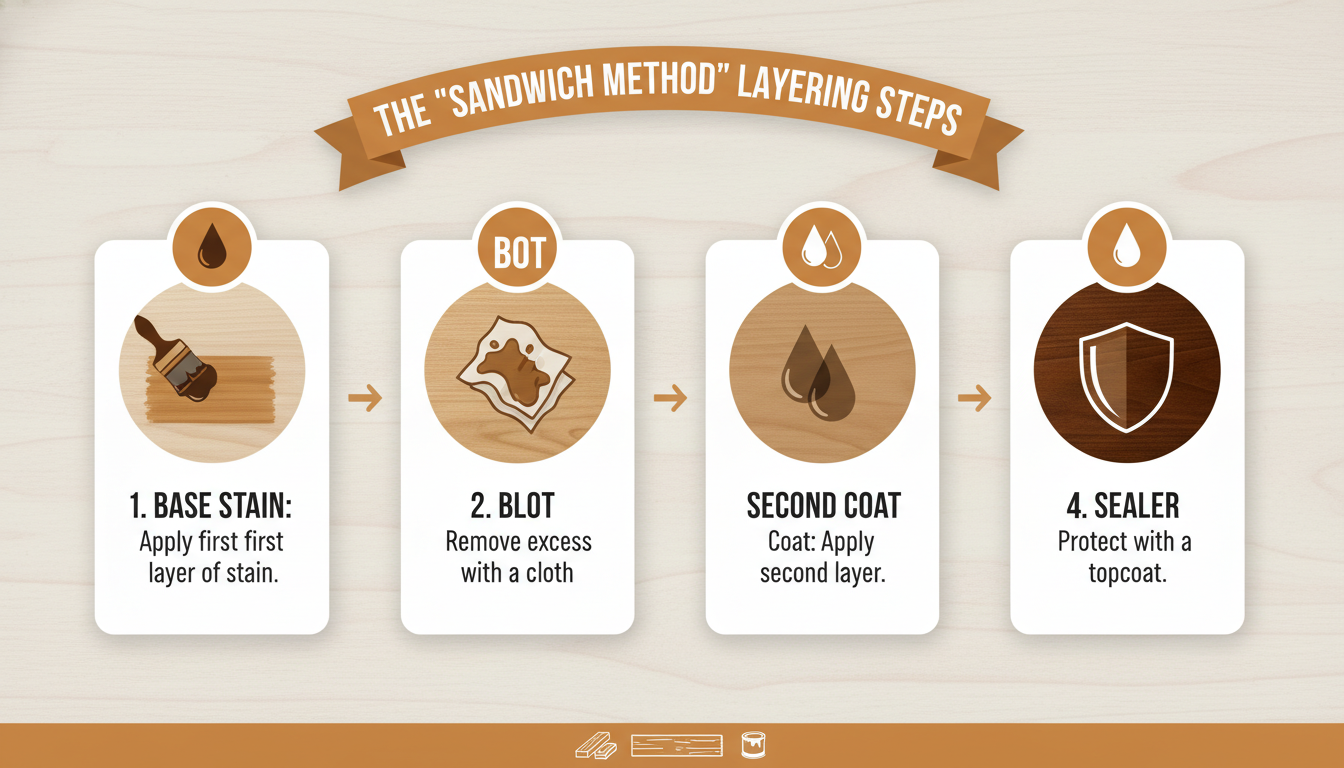
If you need bulletproof 24-hour wear, you cannot rely on a single layer of product. Pro makeup artists use the ‘Sandwich Method’ to make lip stain waterproof.
Step 1: The Base Stain
Apply a water-based tint. Let it dry completely. This dyes the skin.
Step 2: The Blot
Blot with a tissue to remove excess pigment that hasn’t absorbed. This prevents transfer.
Step 3: The Second Coat
Apply a second layer of the stain. Let dry.
Step 4: The Sealer (Optional)
For true waterproofing, apply a clear lip sealer (specifically sold as ‘Lipcote’ or similar topcoats). These smell strong (alcohol-based) but lock everything in with a shellac-like finish that is impenetrable to water.
10. The Myth of Lip Gloss Toppers
A common mistake is applying a lip stain and then immediately topping it with a clear gloss or balm to add shine.
The Solvency Problem
Most clear glosses are oil-based or contain emollients. As discussed in the ‘Oil Factor’ section, applying oil over your stain can re-solubilize the dried pigment. This causes the stain to lift from the lips and bleed into the gloss, effectively ruining the waterproof seal.
If you want a glossy, waterproof finish, you must wait until the stain is 100% dry (absorbed) and use a polymer-based gloss specifically designed to go over stains, or accept that adding gloss will reduce the wear time of your stain by 50%.
11. How to Remove Waterproof Stain (Safely)
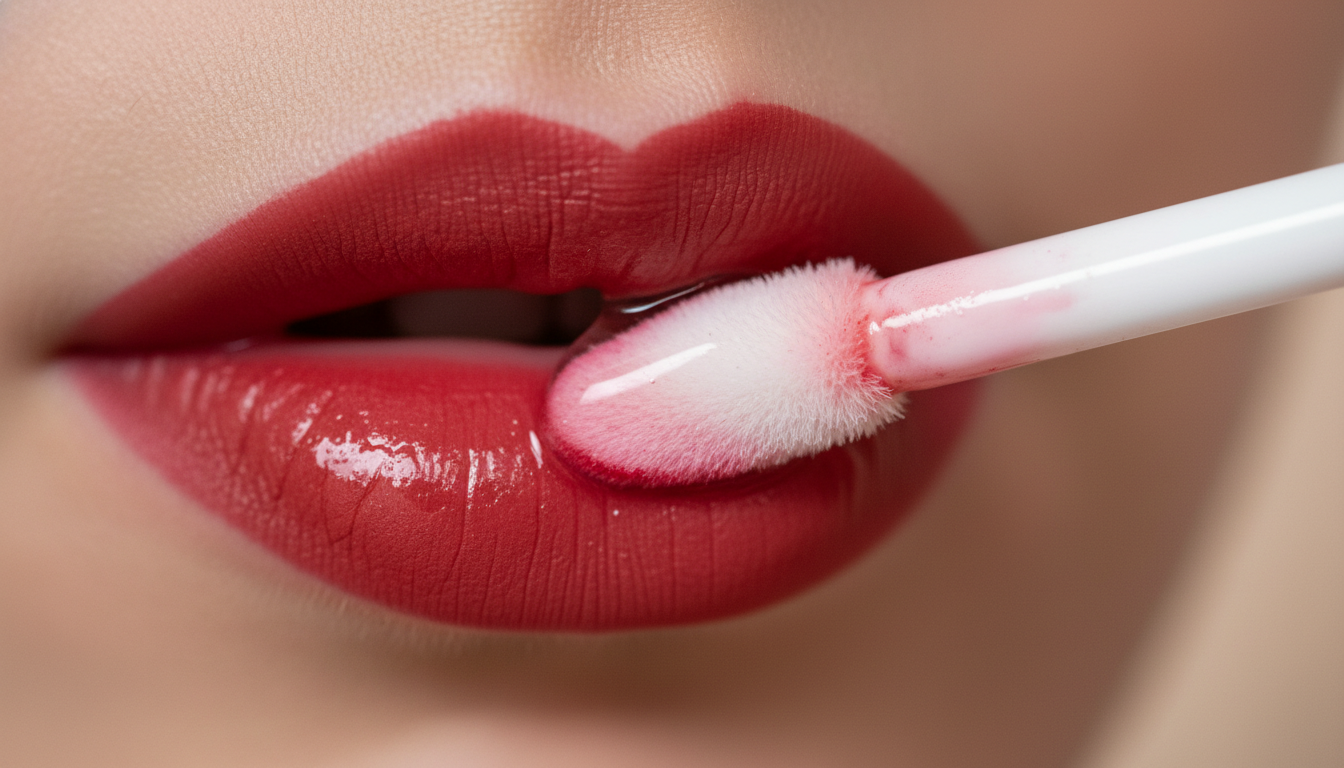
The sign of a good waterproof stain is that it is a nightmare to remove. Scrubbing with water and soap will only irritate your lips and leave the color patchy.
The Double Cleanse for Lips
Since water won’t work, you need oil.
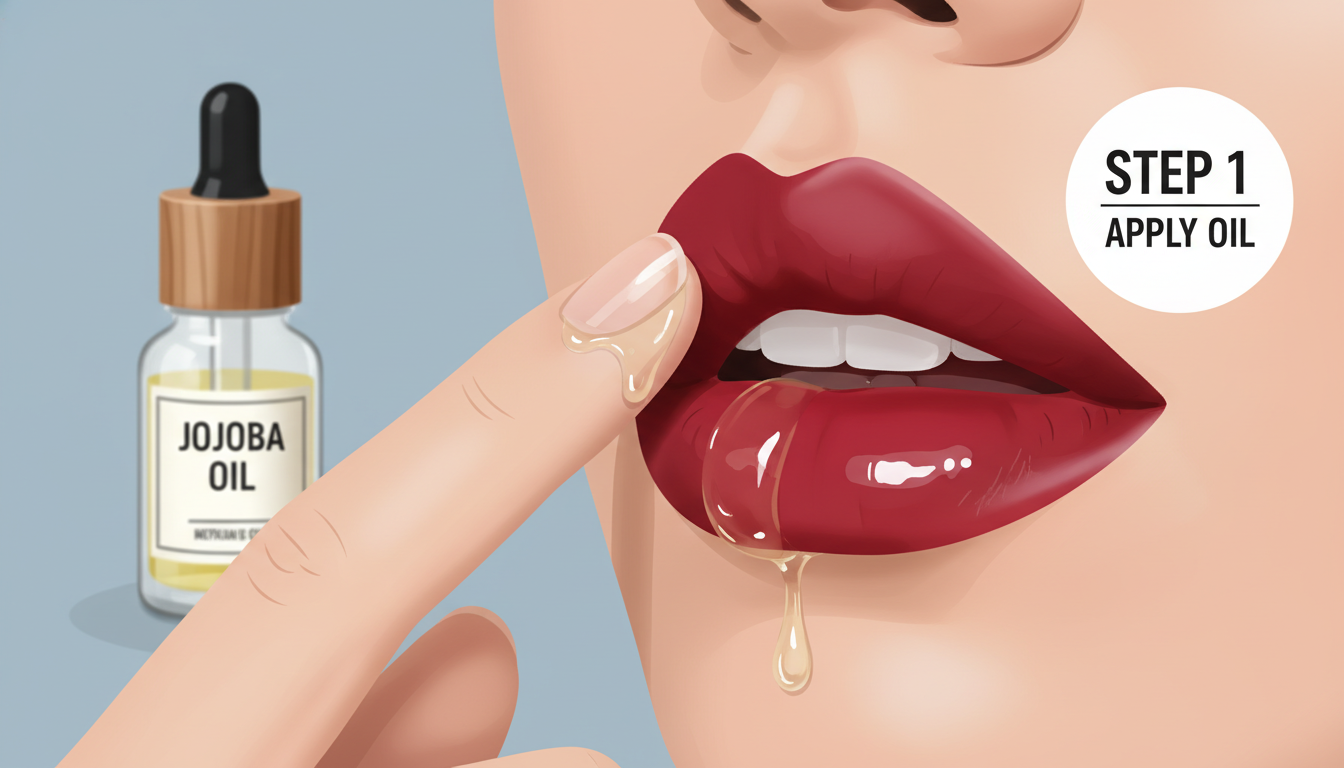
1. Oil Massage: Apply a cleansing oil, coconut oil, or olive oil to the lips. Let it sit for 60 seconds. This breaks down the polymers.
2. Gentle Scrub: Use a warm, damp washcloth to gently massage the lips in circular motions.
3. Micellar Water (Biphasic): If a tint remains, use a biphasic eye and lip makeup remover (the kind you have to shake to mix oil and water).
Warning: Never scrub dry lips to remove a stain. You will damage the delicate mucosal tissue.
12. Final Verdict: Is It Actually Waterproof?
After analyzing chemistry, application methods, and real-world stressors, here is the final breakdown.
Is Lip Stain Waterproof?
- Technically: No, most are water-resistant. They do not form an impermeable hydrophobic shell like a raincoat.
- Functionally: Yes, compared to all other lip cosmetics. They are the only product that allows you to swim, drink, and sweat without looking like you have smeared paint on your face.
Best Use Case:
Lip stains are the gold standard for beach vacations, gym sessions, and humid climates. They fail primarily against grease, not water. If you manage your expectations regarding oily foods and prep your lips correctly, a high-quality stain is as close to waterproof as you can get without tattooing your lips.
Frequently Asked Questions
Does lip stain come off in the pool?
Generally, no. High-quality lip stains absorb into the skin and are water-resistant enough to withstand swimming. However, chlorine can fade the color slightly over time, and rubbing your lips while wet can cause premature fading.
Can I put chapstick over lip stain?
Yes, but wait until the stain is completely dry. Applying chapstick too soon can mix with the wet stain and cause it to smear. Note that oily balms may reduce the long-term wear of the stain.
What is the most waterproof type of lip stain?
Peel-off lip stains are typically the most waterproof because they dye the skin and leave no surface residue. Alcohol-based liquid stains are a close second.
Why does my lip stain disappear when I eat?
Lip stains are water-resistant, not oil-proof. Foods containing oils (pizza, salad dressing, burgers) act like makeup remover, dissolving the pigment bond on your lips.
How do you make lip stain last while swimming?
Exfoliate your lips first to ensure even absorption, apply two layers of stain allowing drying time in between, and avoid licking your lips excessively while in the water.
Is Benetint waterproof?
Benetint is water-resistant but not fully waterproof. It withstands sweat and drinking well, but prolonged submersion in a pool may cause it to fade significantly compared to gel-based tints.
Does lip stain transfer when kissing?
Lip stain is ‘kiss-proof’ once fully dry. Because the color is absorbed into the skin rather than sitting on top, it transfers significantly less than lipstick or gloss.
Is waterproof lip stain bad for your lips?
Waterproof stains can be drying because they often contain alcohol to help the color set quickly. It is essential to moisturize your lips heavily after removing the stain.
You might also like:- 12 Reasons Tinted Lip Oils Are The Ultimate Gloss Replacement
Discover more from innerspiritglow
Subscribe to get the latest posts sent to your email.