
Introduction: The Ancient Beauty Secret That’s Still a Miracle Today
Milk baths have been celebrated for centuries, with historical figures like Cleopatra swearing by them for radiant, youthful skin. But what makes a milk bath so magical? From deep hydration to gentle exfoliation, this natural beauty treatment offers countless benefits for your skin. The best part? It’s not just a beauty trend—it’s a time-tested ritual that’s packed with nourishing ingredients that work wonders on your skin.
In this article, we’re diving into 8 mind-blowing beauty secrets you can achieve with a milk bath. Whether you’re looking to exfoliate, hydrate, or brighten your skin, these natural ingredients will transform your bath time into a luxurious self-care routine. Ready to pamper your skin with the power of milk and other natural beauty boosters? Let’s get started!
8 Milk Bath Beauty Secrets
1. Milk Bath Benefits: Nourish and Hydrate Your Skin
The main reason people have sworn by milk baths for centuries is simple: Milk is packed with nutrients that nourish and hydrate the skin. Lactic acid, the primary active ingredient in milk, is a gentle exfoliant that helps remove dead skin cells, revealing soft and smooth skin underneath.
- How it works: The proteins and fats in milk deeply moisturize your skin while the lactic acid exfoliates. This two-in-one effect helps you achieve a soft, glowing complexion without the need for harsh chemicals.
- Best Milk to Use: For the best results, opt for whole milk or organic milk. You can even use goat’s milk if you’re sensitive to cow’s milk, as it’s packed with more fat and can be gentler on your skin.
Tip: Add a couple of cups of milk to your bath for a luxurious, hydrating soak. Let your skin soak for 15-20 minutes, and enjoy the instant softness!
“Looking for the perfect milk for your bath? Try organic whole milk for maximum hydration.”
2. Detox Your Skin with Himalayan Pink Salt
Himalayan pink salt is another incredible addition to your milk bath routine. Packed with over 80 minerals, Himalayan pink salt helps detoxify your skin by drawing out impurities and promoting healthy circulation.
- How it works: The minerals in Himalayan salt help maintain your skin’s pH levels and enhance the detoxification process, leaving your skin feeling fresh and clean.
- DIY Recipe Tip: Simply add a tablespoon of Himalayan pink salt to your milk bath for an added detox boost.
Tip: For an extra glow, use pink Himalayan salt along with milk to fight off puffiness and enhance circulation.
“For an extra boost, add a pinch of pure Himalayan pink salt to your milk bath for an enhanced detox effect.”
3. Soothing Rose Petals for Calming Effects
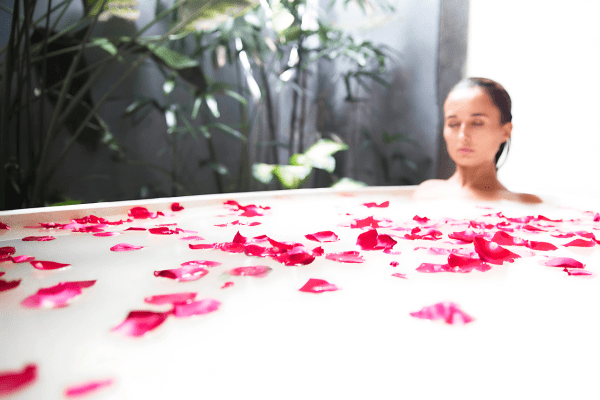
Rose petals aren’t just pretty—they’re packed with skin-loving antioxidants. Adding rose petals to your milk bath offers more than just a calming fragrance. Their anti-inflammatory properties soothe irritated skin and reduce redness.
- How it works: Rose petals help calm inflammation, hydrate, and balance the skin, making them a great option for sensitive skin types.
- DIY Recipe Tip: Toss fresh or dried rose petals into your milk bath to enjoy their soothing benefits.
Tip: If you’re looking to relax and unwind, let the petals float around you in the bath for a full sensory experience.
“If you love the calming scent of rose, consider using high-quality dried rose petals in your next milk bath.”
4. Alaea Hawaiian Red Salt: A Skin-Smoothing Powerhouse
Alaea Hawaiian Red Salt is a unique ingredient that can help you achieve smooth, balanced skin. The red clay minerals in this salt naturally exfoliate your skin, leaving it soft and smooth.
- How it works: Alaea salt contains trace minerals that help detoxify, soothe, and hydrate the skin, giving it a polished, silky texture.
- DIY Recipe Tip: Combine Alaea salt with milk for a perfect exfoliating milk bath experience.
Tip: Try mixing a teaspoon of Alaea Hawaiian Red Salt with your milk bath to promote smoother, balanced skin.
“For silky smooth skin, add Alaea Hawaiian Red Salt to your bath routine.”
5. Beetroot Powder: A Natural Glow Booster
Beetroot powder isn’t just good for your health—it’s great for your skin too! The antioxidants in beetroot powder help brighten and even out your skin tone.
- How it works: Beetroot powder stimulates blood flow to the skin, giving it a healthy, glowing appearance. It can also help reduce pigmentation and fade dark spots.
- DIY Recipe Tip: Add a teaspoon of beetroot powder to your milk bath to boost skin radiance.
Tip: Beetroot powder also helps create a gorgeous pinkish tint in your bath, adding to the pampering experience.
“Beetroot powder is an excellent addition for anyone wanting a natural, healthy glow!”
6. Geranium and Rose Essential Oils: Uplift and Revitalize
Essential oils are a powerful tool for enhancing your milk bath experience. Geranium and rose oils help balance the skin’s oil production while leaving you with a soothing, uplifting scent.
- How it works: Geranium oil has antimicrobial properties that help balance the skin’s natural oils, while rose oil restores moisture and keeps your skin hydrated.
- DIY Recipe Tip: Add a few drops of geranium or rose essential oils to your milk bath for an extra rejuvenating experience.
Tip: Combine these oils for a sweet floral scent that leaves your skin feeling soft and rejuvenated.
“Try adding essential oils like geranium and rose for an extra touch of luxury and skin nourishment.”
7. Milk Powder: Boost Your Skin’s Radiance
Milk powder is a convenient way to incorporate all the beauty benefits of milk into your bath routine. It contains proteins and vitamins that help nourish and brighten the skin, giving you a natural glow.
- How it works: Milk powder replenishes the skin with nutrients, helping to even out your skin tone and reduce the appearance of dark spots.
- DIY Recipe Tip: Add a few tablespoons of milk powder to your milk bath for an even more enriching experience.
Tip: For a budget-friendly milk bath, simply use milk powder for the same skin benefits as liquid milk.
“Milk powder is a great choice for enhancing the radiance of your skin. Opt for organic milk powder for the best results.”
8. How Regular Milk Baths Promote Long-Term Skin Health
One of the best reasons to incorporate milk baths into your beauty routine is the long-term benefits. Regular use can help maintain skin hydration, promote a healthy glow, and even combat signs of aging.
- How it works: Consistent milk baths help your skin retain moisture, improve texture, and give you a youthful appearance over time.
- Tip: Make a milk bath part of your weekly self-care routine to see the full benefits.
“For long-term skin health, try incorporating milk baths into your weekly self-care routine.”
Conclusion: Time to Start Your Milk Bath Ritual
From detoxing with Himalayan salt to brightening your skin with beetroot powder, there’s no shortage of ways to make your milk bath a transformative experience. By incorporating these natural ingredients, you can enjoy glowing, healthy skin with every soak. Don’t wait—start your own milk bath ritual today and let these beauty secrets work their magic.
Have you tried a milk bath yet? Which natural ingredient are you most excited to add to your bath routine? Share your thoughts in the comments below or share your experience with us on social media. Don’t forget to explore more of our content on beauty secrets and skincare tips!
Frequently Asked Questions
What is a Milk Bath?
A milk bath is a relaxing soak in a tub of milk and other nourishing ingredients, which can include salts, essential oils, or powdered botanicals. The natural nutrients in milk, such as lactic acid, proteins, and fats, help to hydrate, exfoliate, and nourish the skin, leaving it soft and glowing.
How Often Should I Take a Milk Bath?
For optimal results, aim to indulge in a milk bath once a week. This frequency helps maintain skin hydration, balance oil production, and promote a natural glow. If your skin is particularly dry or damaged, you can increase the frequency to twice a week.
Are Milk Baths Suitable for Sensitive Skin?
Absolutely! Milk baths are excellent for sensitive skin because milk is a natural exfoliant that is gentle yet effective. The addition of soothing ingredients like rose petals or essential oils can further help calm irritated skin. If you have allergies or are unsure, perform a patch test before soaking.
How Long Should I Stay in a Milk Bath?
For the best results, soak in your milk bath for about 15-20 minutes. This allows your skin to fully absorb the nutrients and helps promote deep hydration.
Can Milk Baths Help with Acne?
Yes, milk baths can help with acne due to the lactic acid in milk, which gently exfoliates the skin and helps unclog pores. However, if you have active acne, be sure to avoid any irritating additives like strong fragrances. Instead, focus on calming ingredients like rose essential oil or Himalayan salt.
What Can I Add to a Milk Bath to Enhance Its Benefits?
You can enhance your milk bath by adding a variety of natural ingredients:
Himalayan Pink Salt for detox and relaxation
Rose Petals for calming and hydrating effects
Beetroot Powder for brightening and even skin tone
Geranium Essential Oil for balancing and revitalizing skin
Experiment with combinations that work best for your skin type and concerns.
Can I Use Milk Powder Instead of Liquid Milk in My Bath?
Yes, milk powder is a fantastic option for a milk bath. It’s a cost-effective way to get the same benefits as liquid milk. Simply dissolve a few tablespoons of milk powder in warm water to create a rich, milky soak.
What Are Some Other Popular Natural Ingredients for a Milk Bath?
Other popular ingredients to add to your milk bath include:
Alaea Hawaiian Red Salt for exfoliation and smoothing
Geranium Essential Oil for rejuvenating and moisturizing
Rose Essential Oil for soothing and calming
These ingredients will not only enhance the milk bath’s effects but also elevate your bath time experience.
Discover more from innerspiritglow
Subscribe to get the latest posts sent to your email.