
Key Takeaways
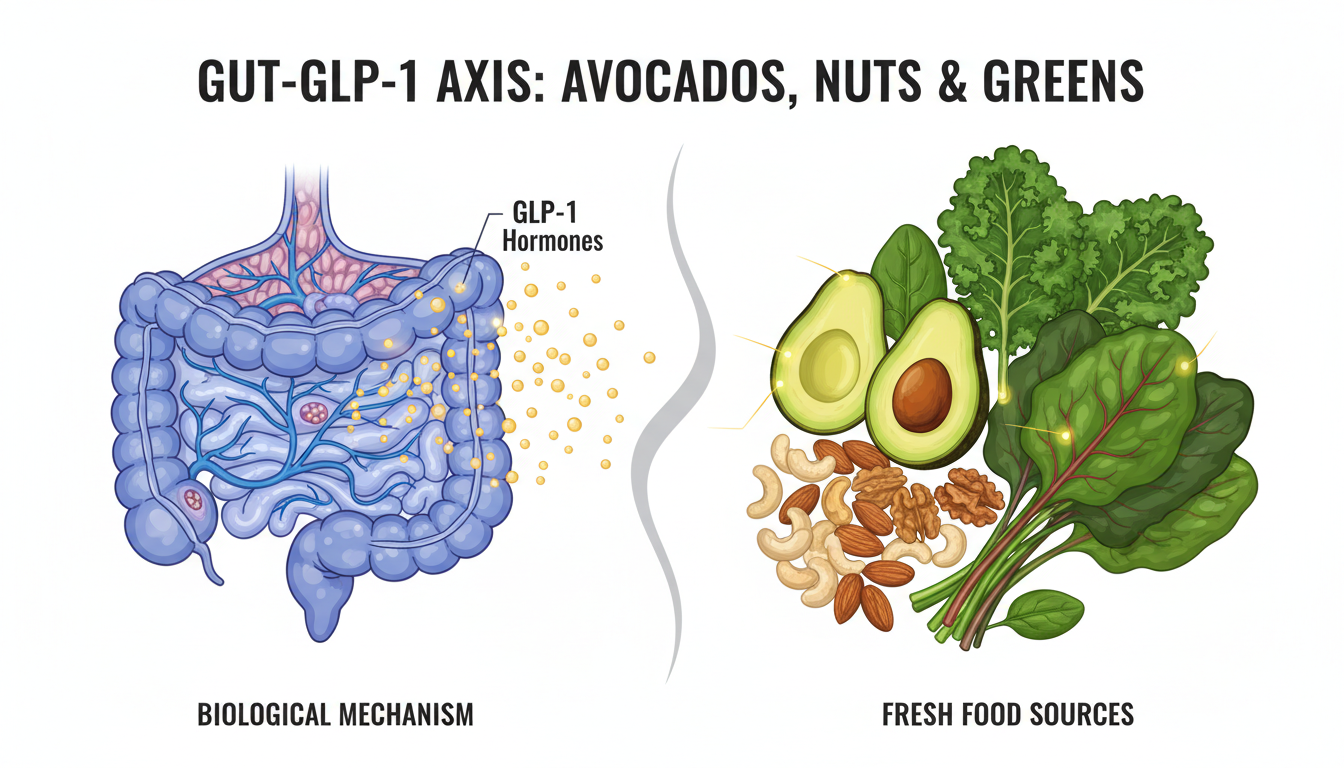
- Mechanism of Action: GLP-1 (Glucagon-like peptide-1) is an incretin hormone released by L-cells in the gut that signals satiety to the brain and slows gastric emptying.
- The Fiber Connection: Fermentable fibers like beta-glucans are metabolized by gut bacteria into Short-Chain Fatty Acids (SCFAs), which directly trigger GLP-1 secretion.
- Protein Power: High-protein intake stimulates the highest release of satiety hormones compared to other macronutrients.
- ‘Nature’s Ozempic’: Berberine and Yerba Mate mimic the effects of synthetic agonists by enhancing insulin sensitivity and GLP-1 secretion.
- Gut Microbiome: A healthy population of Akkermansia muciniphila bacteria is critical for optimal natural GLP-1 production.
The Hunger Problem
Weight loss often feels like a losing battle against your own biology. You cut calories, but your brain screams for food. This isn’t a lack of willpower; it is a hormonal reality. When you lose weight, your body fights back by increasing hunger hormones and decreasing satiety signals.
The Agitation
Pharmaceutical solutions like Semaglutide (Ozempic/Wegovy) have revolutionized obesity treatment by mimicking GLP-1, a hormone that tells your brain you are full. However, these drugs come with high costs, potential shortages, and significant side effects ranging from nausea to muscle loss. Many are asking: Is there a way to activate this pathway without a prescription?
The Natural Solution
Yes. Your body is designed to produce GLP-1 naturally. By strategically incorporating specific nutrients—often dubbed ‘Natural GLP-1 Agonists’—you can stimulate your gut’s L-cells to release this powerful hormone. This guide explores 12 evidence-based foods, supplements, and compounds that naturally spike GLP-1, curb cravings, and support sustainable metabolic health.
1. Soluble Fiber & Beta-Glucans: The Foundation of Satiety
The Mechanism: SCFA Production
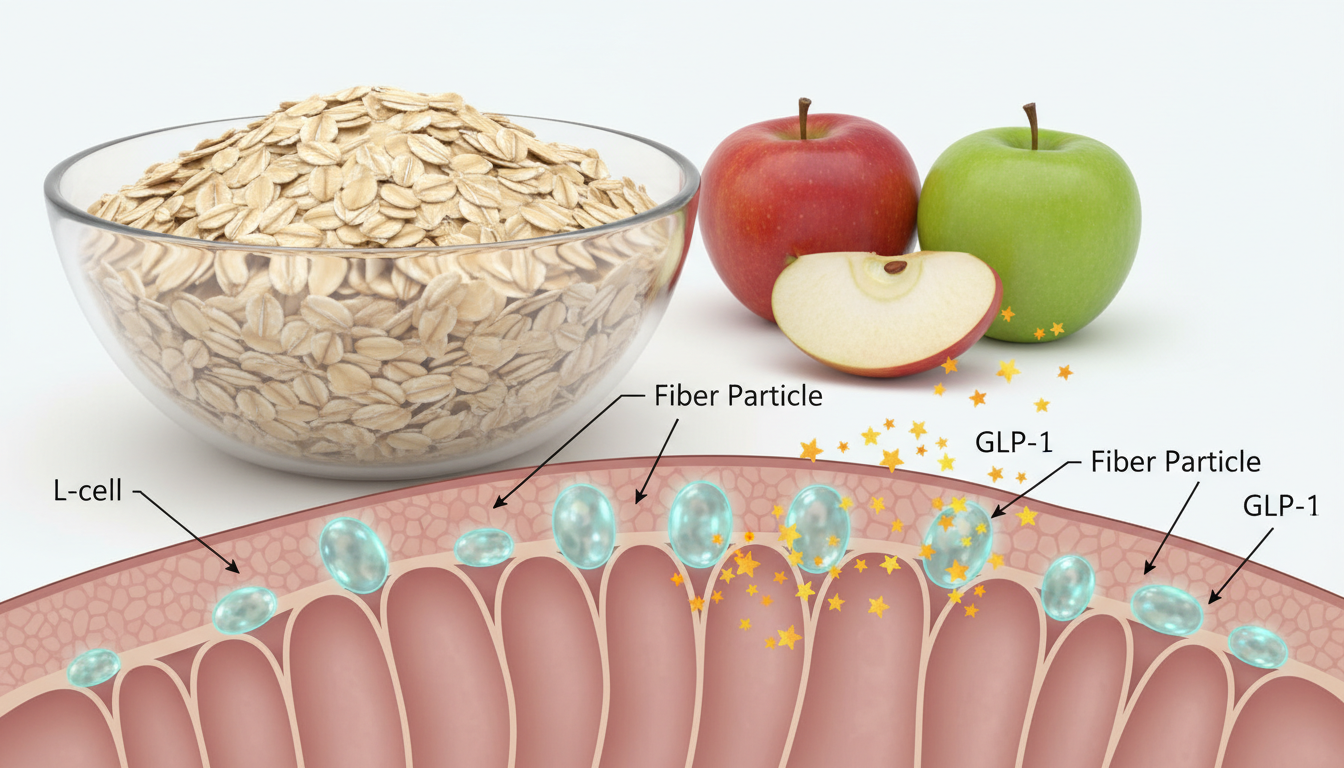
Soluble fiber is arguably the most potent natural trigger for GLP-1 secretion. Unlike insoluble fiber (roughage), soluble fiber absorbs water and forms a gel-like substance in the gut. More importantly, it is fermentable. When it reaches the colon, gut bacteria ferment these fibers into Short-Chain Fatty Acids (SCFAs), specifically acetate, propionate, and butyrate. These SCFAs bind to G-protein coupled receptors (specifically GPR43 and GPR41) on the surface of intestinal L-cells, directly stimulating the release of GLP-1.
Beta-Glucans: The Gold Standard
Beta-glucan, found abundantly in oats and barley, is a specific type of soluble fiber with robust clinical backing. Studies indicate that meals high in beta-glucans significantly increase plasma GLP-1 levels over a 180-minute post-prandial period compared to low-fiber meals.
Top Sources of Soluble Fiber:
| Food Source | Fiber Type | GLP-1 Impact |
|---|---|---|
| Oats / Barley | Beta-Glucan | High: Slows digestion, increases SCFAs |
| Chia Seeds | Mucilage | High: Expands in stomach, triggers satiety |
| Apples (Skin on) | Pectin | Moderate: Delays gastric emptying |
| Psyllium Husk | Arabinoxylan | High: Potent supplement for appetite control |
Actionable Strategy
Aim for 30g+ of fiber daily. Start your day with steel-cut oats or a chia seed pudding to initiate early GLP-1 release, setting a tone of satiety for the rest of the day.
2. High-Quality Proteins: Whey and Casein
The Satiety King
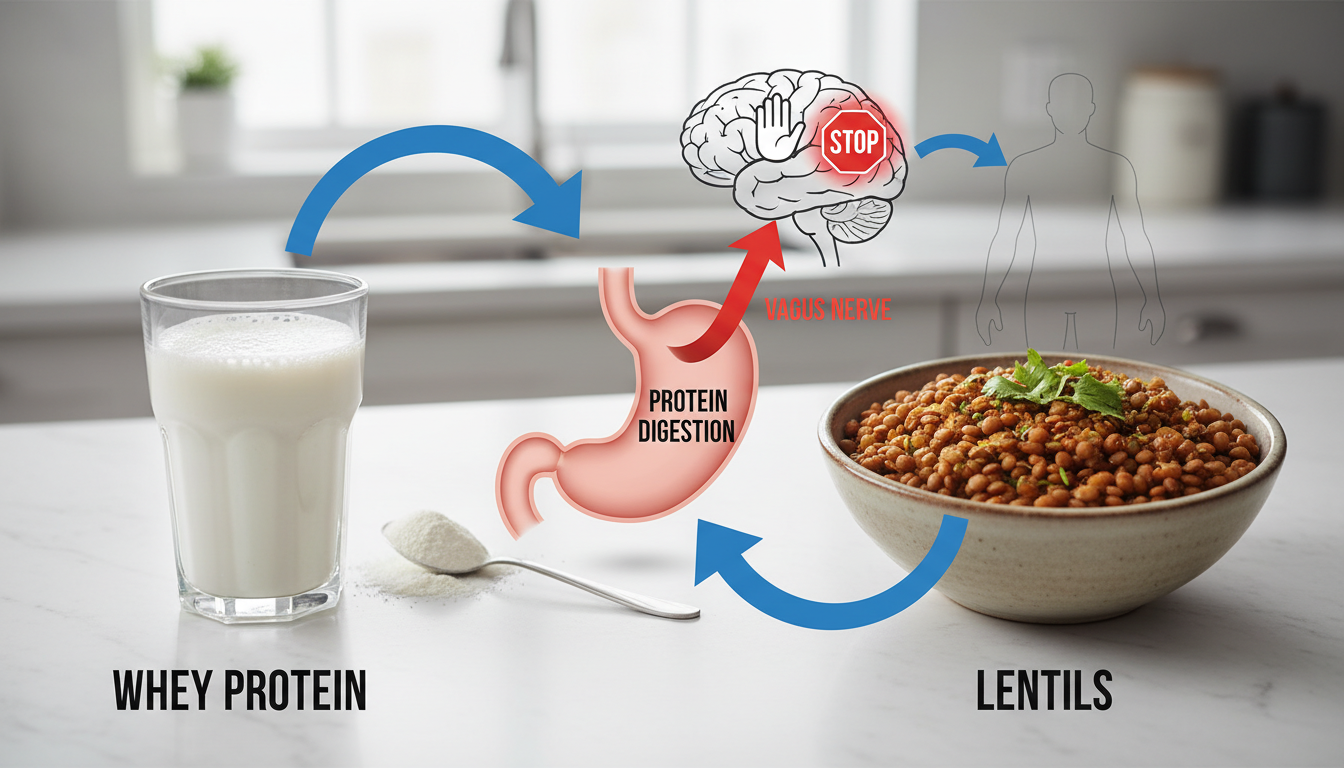
Macronutrients are not created equal when it comes to hormonal signaling. Protein is the most satiating macronutrient, and its effect is largely mediated through the release of GLP-1 and PYY (another satiety hormone). When proteins are digested into amino acids and peptides, they trigger chemoreceptors in the small intestine that signal the L-cells to release GLP-1.
Whey vs. Casein
Dairy proteins appear to be particularly effective.
- Whey Protein: Rapidly digested. It causes a quick spike in amino acids in the blood, leading to an immediate, short-term release of GLP-1 and insulin. This is excellent for pre-meal satiety.
- Casein Protein: Slowly digested. It provides a sustained release of amino acids, maintaining elevated GLP-1 levels for a longer duration, which can prevent snacking between meals.
Plant-Based Alternatives:
For those avoiding dairy, Pea Protein has shown comparable results in clinical trials regarding its ability to stimulate incretin hormones and reduce subsequent caloric intake.
Strategic Intake
Consuming a ‘protein preload’ (20-30g of protein) 30 minutes before a carbohydrate-heavy meal can significantly blunt the blood sugar spike and increase GLP-1 production, a strategy known as ‘nutrient sequencing.’
3. Monounsaturated Fatty Acids (MUFAs): Olive Oil & Avocados
Fat-Induced Signaling
Dietary fat is a potent trigger for gut hormones, but the type of fat matters. Monounsaturated Fatty Acids (MUFAs) are particularly effective at stimulating GLP-1 without the inflammatory downsides of excessive saturated fats or seed oils.
The Mechanism
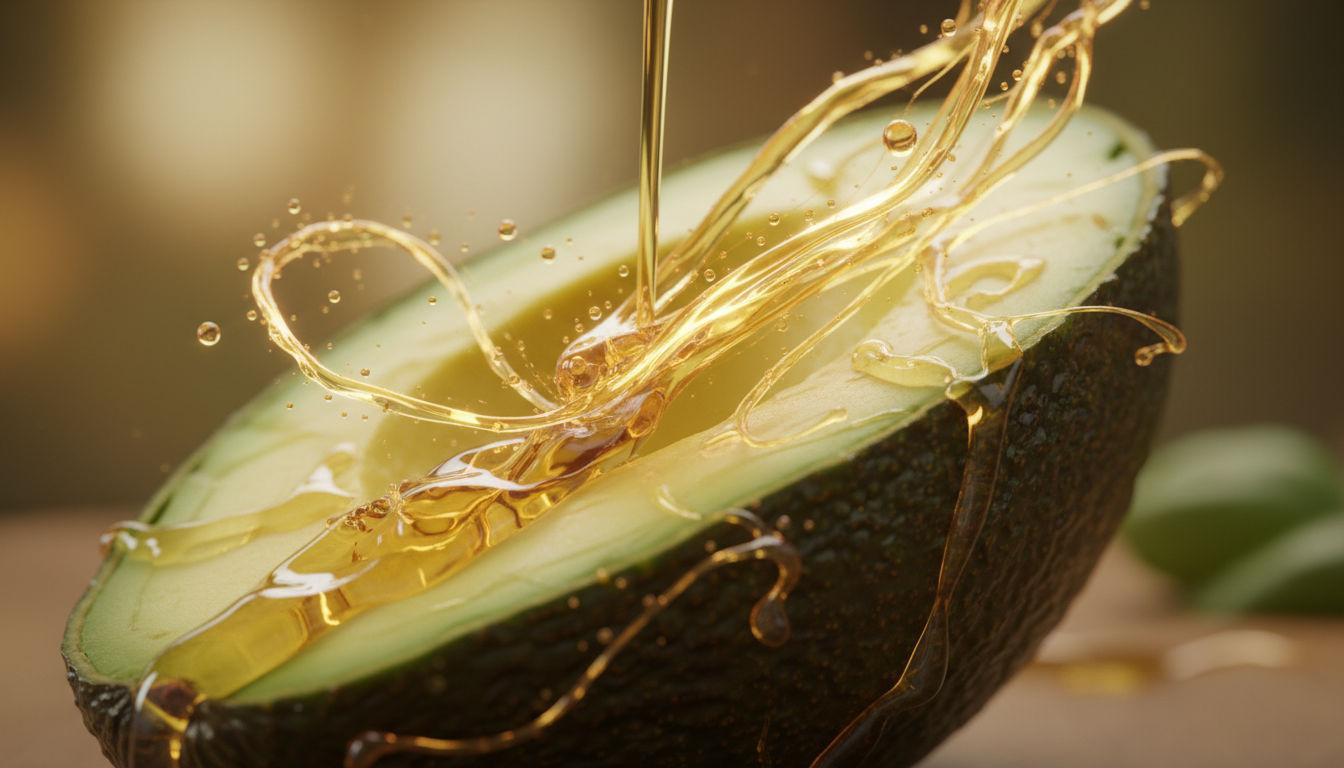
When long-chain fatty acids enter the duodenum (the first part of the small intestine), they trigger the release of cholecystokinin (CCK) and GLP-1. This process is essential for the ‘ileal brake’—a physiological feedback loop that slows down gut motility to ensure proper digestion. This slowing of gastric emptying is exactly what drugs like Ozempic mimic.
Best MUFA Sources:
1. Extra Virgin Olive Oil (EVOO): Contains oleic acid, which has been linked to increased GLP-1 levels in post-meal phases.
2. Avocados: Provide a unique combination of MUFAs and fiber, offering a dual-pathway activation of satiety hormones.
3. Macadamia Nuts: High in palmitoleic acid and oleic acid.
Warning: While fats boost GLP-1, they are calorie-dense. The goal is to replace refined carbohydrates with healthy fats, not to add fats on top of a high-calorie diet.
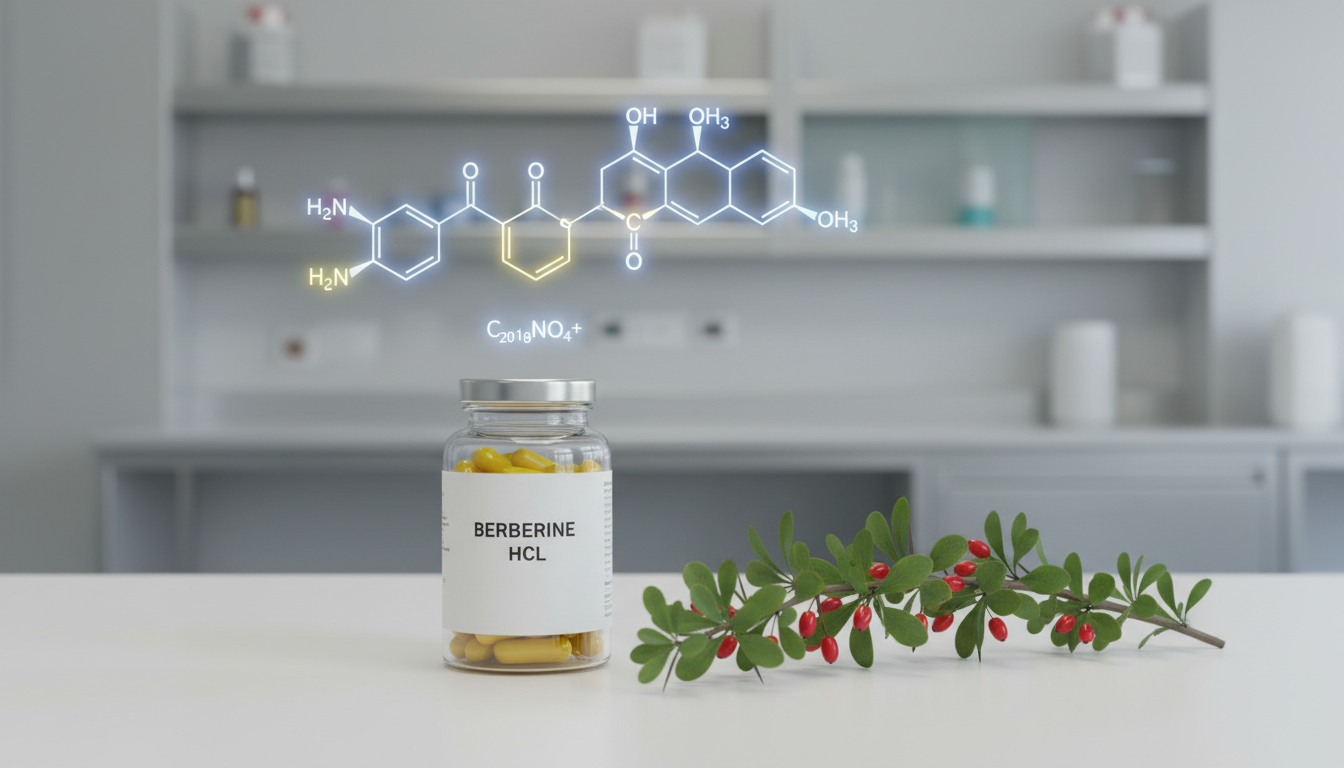
4. Berberine: The ‘Natural Ozempic’ Supplement
What is Berberine?
Berberine is a bioactive compound extracted from plants like goldenseal and barberry. It has gained viral fame as ‘Nature’s Ozempic,’ and while it is not identical to semaglutide, the comparison has scientific merit regarding metabolic outcomes.
How It Works
Berberine primarily activates AMPK (adenosine monophosphate-activated protein kinase), often called the body’s ‘metabolic master switch.’ While its main mechanism is improving insulin sensitivity and reducing glucose production in the liver, research suggests it also promotes GLP-1 secretion.
- Gut Microbiome Modulation: Berberine alters the gut bacteria composition, increasing SCFA-producing bacteria, which indirectly boosts GLP-1.
- Direct Stimulation: Some animal studies indicate Berberine may directly stimulate L-cell secretion.
Dosing and Efficacy
Typical clinical dosages range from 500mg to 1500mg per day, usually divided into three doses taken with meals. It is crucial to cycle Berberine (e.g., 8 weeks on, 2 weeks off) to prevent potential inhibition of gut enzymes affecting medication metabolism.
5. Yerba Mate: The Satiety Tea
The South American Super-Tea
Yerba Mate is a traditional South American tea made from the leaves of the Ilex paraguariensis plant. It is renowned for its ability to suppress appetite and burn fat.
The GLP-1 Connection
A notable study published in Nutrition & Metabolism found that Yerba Mate consumption specifically increases GLP-1 levels and leptin (the satiety hormone) levels in human subjects. The study showed that participants who consumed Yerba Mate had higher GLP-1 levels and reduced food intake compared to the placebo group.
Compounds Involved
Yerba Mate contains a unique blend of:
- Saponins: Anti-inflammatory compounds linked to cholesterol reduction.
- Caffeoylquinic acids: Potent antioxidants.
- Mateine: A caffeine-like stimulant that boosts metabolism without the jitters often associated with coffee.
How to Use:
Drinking 1-2 cups of traditionally brewed Yerba Mate before a meal can act as an effective appetite suppressant. However, avoid smoked varieties if possible, as they may contain PAHs (polycyclic aromatic hydrocarbons).

6. Curcumin: The Anti-Inflammatory Agonist
More Than a Spice
Curcumin, the active compound in turmeric, is famous for fighting inflammation. However, its role in metabolic health goes deeper. Chronic inflammation in the gut impairs the function of L-cells, reducing their ability to secrete GLP-1. By reducing this inflammation, Curcumin restores natural hormonal signaling.
Direct Stimulation
Research in endocrinology suggests that Curcumin increases the secretion of GLP-1 through the activation of sweet taste receptors in the gut. Yes, your gut has taste receptors similar to your tongue, and they play a role in hormone release.
Bioavailability Issues
Curcumin is notoriously poorly absorbed by the body. To utilize it as a GLP-1 agonist, you must consume it with:
1. Piperine (Black Pepper Extract): Increases absorption by up to 2000%.
2. Fat Source: Curcumin is fat-soluble.
Recommendation: Use a high-quality Curcumin supplement with Meriva or Piperine, or consume Turmeric paste (Golden Milk) with coconut oil and black pepper.

7. Resveratrol: Grapes, Berries, and Wine
The Longevity Compound
Resveratrol is a polyphenol found in the skin of red grapes, blueberries, and red wine. It is widely researched for its anti-aging properties, but it also influences the incretin system.
Impact on GLP-1
Animal models indicate that Resveratrol intake significantly improves glucose tolerance and increases plasma GLP-1 concentrations. It achieves this by inhibiting the enzyme DPP-4.
The DPP-4 Connection:
- GLP-1’s Enemy: DPP-4 is an enzyme that rapidly breaks down GLP-1 in the bloodstream (often within minutes).
- Inhibition: By inhibiting DPP-4, Resveratrol extends the half-life of active GLP-1, allowing it to signal the brain for a longer period. This is the same mechanism used by diabetes drugs like Januvia (Sitagliptin).
Sources vs. Supplements
While red wine contains Resveratrol, the alcohol content can disrupt metabolism. Better sources include dark berries (blueberries, bilberries) or standardized Trans-Resveratrol supplements (250-500mg).
8. Green Tea Extract (EGCG)
Epigallocatechin Gallate (EGCG)
Green tea is a metabolic powerhouse, largely due to its high concentration of the catechin EGCG. Beyond thermogenesis (burning calories), EGCG helps regulate blood sugar and satiety hormones.
Preserving GLP-1
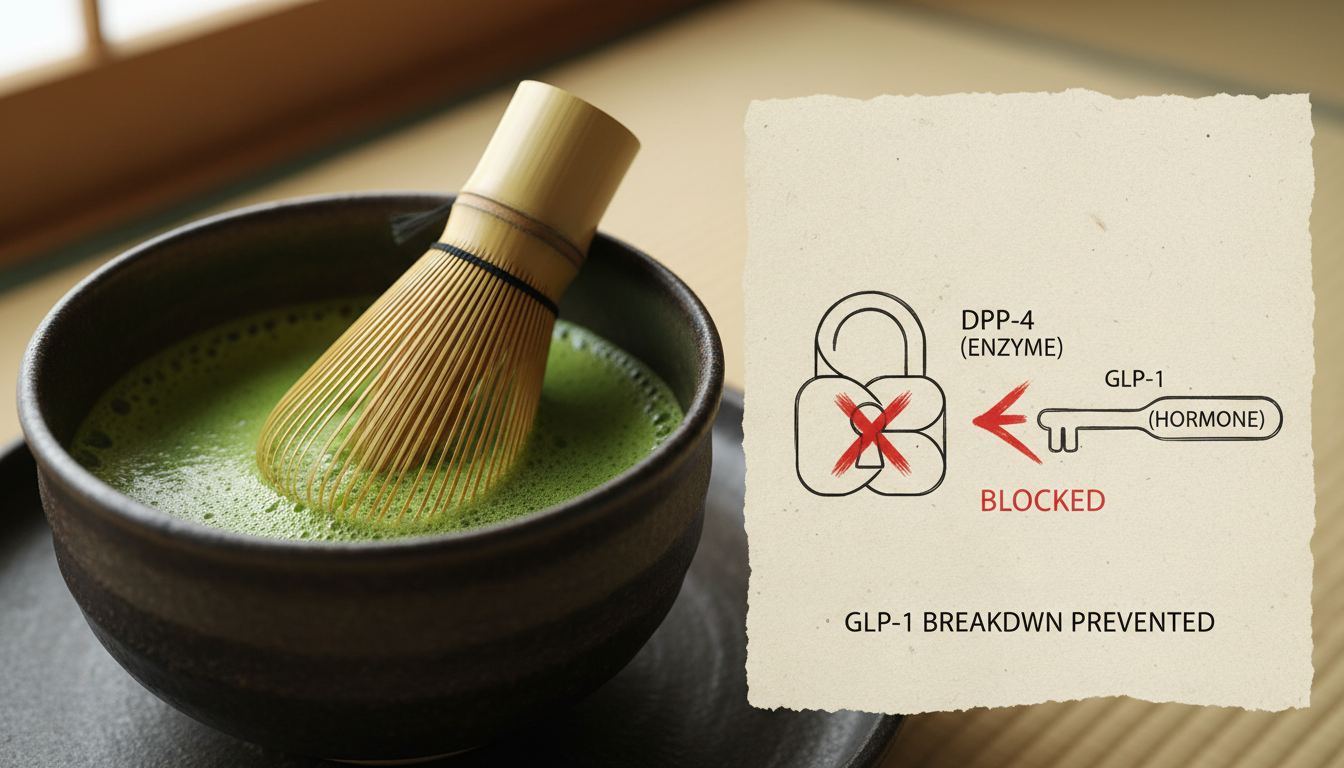
Similar to Resveratrol, EGCG acts as a natural DPP-4 inhibitor. By preventing the rapid degradation of GLP-1, it keeps the hormone active in your system longer. A study involving diabetic mice showed that EGCG treatment significantly elevated GLP-1 levels and increased the number of insulin-producing beta cells in the pancreas.
Dosage for Effect
Drinking one cup of green tea is healthy, but likely insufficient for a therapeutic GLP-1 effect.
- Tea: 3-5 cups of high-quality Sencha or Matcha daily.
- Extract: 400-500mg of EGCG supplement daily.
Note: Matcha is superior to steeped tea because you ingest the whole leaf, providing a higher concentration of fiber and catechins.
9. Ginseng (Panax Ginseng)
The Ancient Adaptogen
Ginseng has been used in Traditional Chinese Medicine (TCM) for millennia to boost energy and regulate blood sugar. Modern science has validated its anti-hyperglycemic effects, specifically linking them to altered gut hormone secretion.
Evidence
Studies using Panax ginseng berry extract have demonstrated increased GLP-1 release in animal models. The active compounds, ginsenosides, appear to modulate the enteroendocrine cells (L-cells) directly. Furthermore, Ginseng alters the gut microbiota, promoting the growth of bacteria that support metabolic health.
American vs. Asian Ginseng
Both varieties show promise, but American Ginseng (Panax quinquefolius) has shown specific efficacy in lowering post-meal blood sugar levels in humans, likely mediated partially through the incretin effect. Taking 1-3 grams prior to a meal is the standard protocol for blood sugar management.

10. Cinnamon: Ceylon vs. Cassia
Blood Sugar Regulation
Cinnamon is perhaps the most accessible metabolic spice. It is widely known to reduce insulin resistance, but its effect on gastric emptying is what links it to GLP-1 agonists.
Gastric Emptying Rate
Cinnamon slows the rate at which the stomach empties into the small intestine. This delay reduces the post-meal glucose spike and prolongs the feeling of fullness. While the direct stimulation of GLP-1 is less pronounced than with soluble fiber, the effect—delayed gastric emptying—mimics the primary physical sensation of taking GLP-1 medications.
The Coumarin Danger
Not all cinnamon is safe for high-dose consumption.
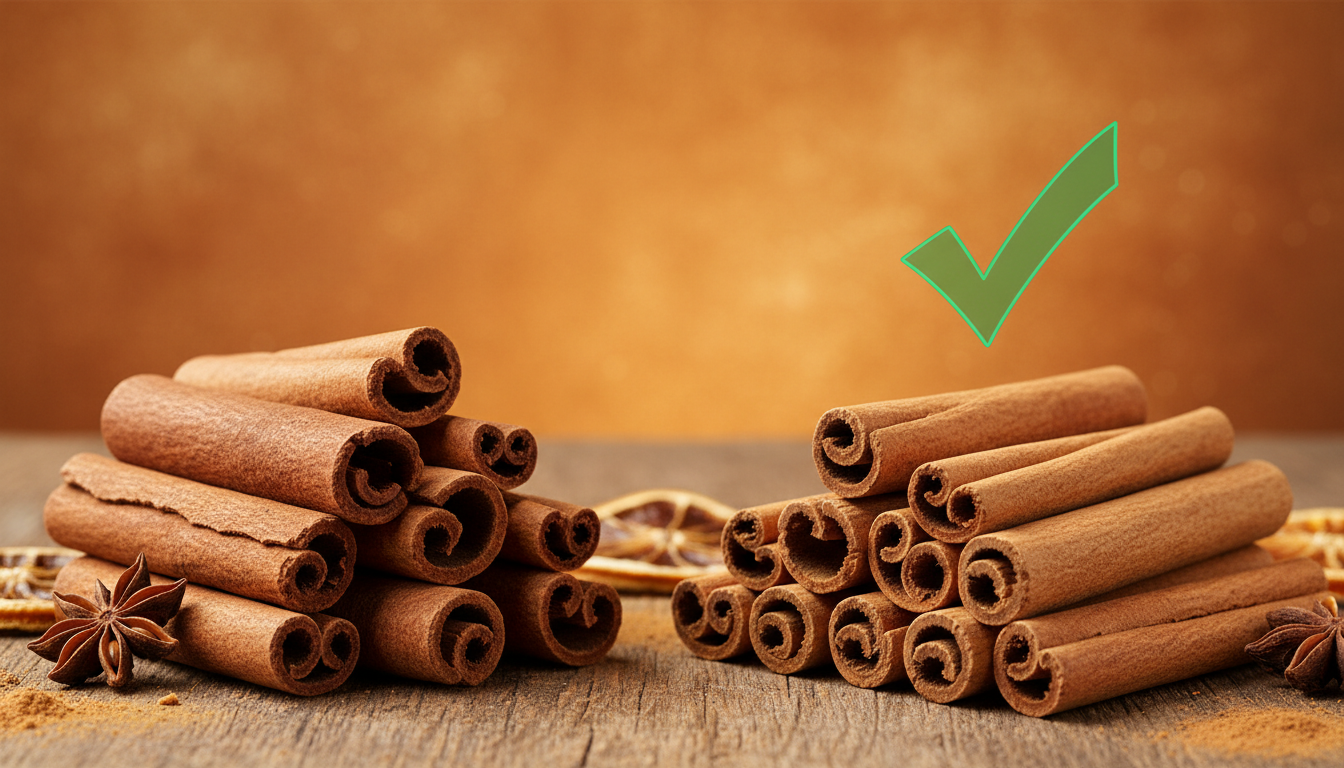
- Cassia Cinnamon (Common): Contains high levels of Coumarin, which can be toxic to the liver in large amounts.
- Ceylon Cinnamon (True Cinnamon): Contains negligible Coumarin and is safe for daily supplementation.
Action Step: Add 1 teaspoon of Ceylon cinnamon to your coffee, oats, or protein shake daily.
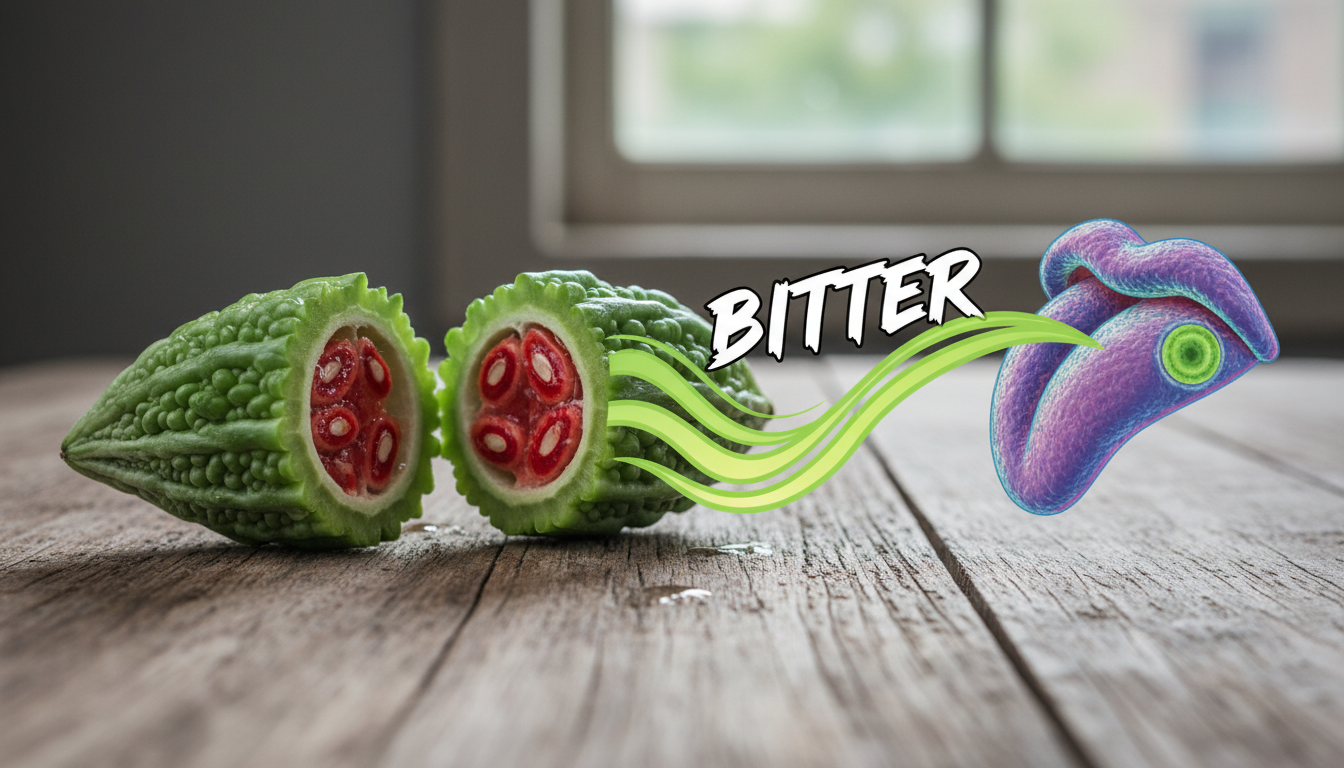
11. Bitter Melon (Momordica charantia)
The Bitter Truth
Bitter Melon is a staple in Asian and Indian cuisine and is often referred to as ‘vegetable insulin.’ Its extreme bitterness is due to compounds like charantin, vicine, and polypeptide-p.
Stimulation of Taste Receptors
The bitter taste receptors (T2Rs) are not just on the tongue; they are found throughout the gut. When bitter compounds bind to these receptors in the intestine, they trigger the release of CCK and GLP-1. This is an evolutionary mechanism designed to slow absorption when detecting potentially toxic (bitter) substances, but we can hijack it for weight loss.
Clinical Findings
Extracts of wild bitter melon have been shown to stimulate GLP-1 secretion from L-cells in a dose-dependent manner. It can be consumed as a tea, a stir-fry ingredient (if you can handle the taste), or a supplement capsule.
12. Fermented Foods & Probiotics: The Akkermansia Connection
The Microbiome-GLP-1 Axis
Ultimately, natural GLP-1 production relies on a healthy gut lining. If your microbiome is dysbiotic (imbalanced), your L-cells cannot function optimally.
Akkermansia muciniphila
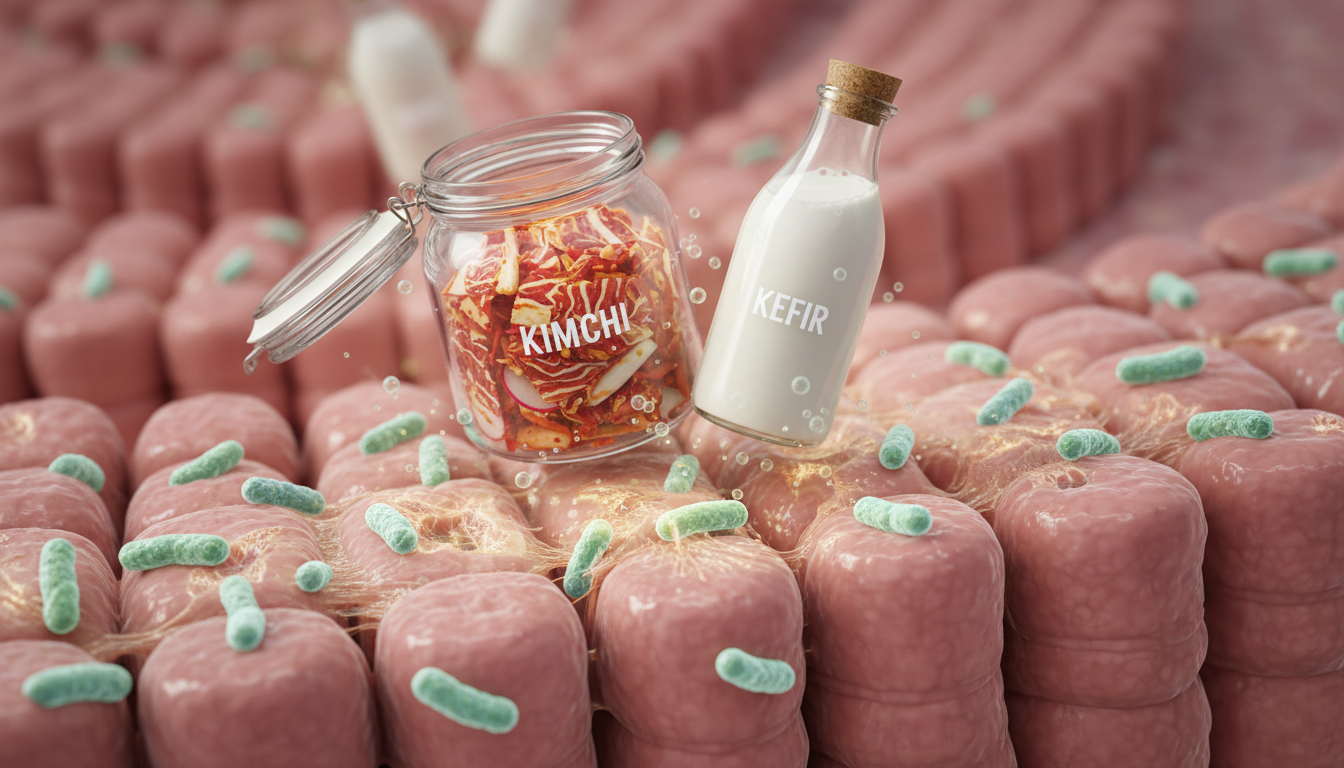
This specific bacterial strain is the superstar of metabolic health. Higher levels of Akkermansia are strongly correlated with leanness and high GLP-1 levels. It helps maintain the mucus layer of the gut, ensuring that L-cells are healthy and responsive.
Foods to Fuel the Flora
To support Akkermansia and general GLP-1 production, prioritize:
1. Fermented Foods: Kimchi, Sauerkraut, Kefir (introduce probiotics).
2. Polyphenol-Rich Foods: Pomegranate, cranberries, and green tea (feed Akkermansia).
Key Takeaway: You are not just feeding yourself; you are feeding the bacteria that manufacture your satiety hormones. A diet devoid of fermented foods and fiber ensures low GLP-1 levels regardless of calorie intake.
Frequently Asked Questions
What is the strongest natural GLP-1 agonist?
Among foods, soluble fibers (like beta-glucan in oats) are the most reliable for stimulating GLP-1 via SCFA production. Among supplements, Berberine is widely considered the most potent for mimicking the metabolic effects of GLP-1 agonists, although its mechanism differs slightly.
Can foods really replace Ozempic or Wegovy?
No food can match the pharmaceutical potency of synthetic GLP-1 receptor agonists like Semaglutide, which are resistant to degradation and stay in the system for a week. However, natural agonists can significantly boost satiety and metabolic health, offering a sustainable, side-effect-free alternative for mild to moderate weight management.
How long does it take for natural GLP-1 boosters to work?
Immediate effects on satiety can be felt within 20-30 minutes of consuming high-fiber or high-protein meals (the ‘ileal brake’). Long-term metabolic changes from supplements like Berberine or probiotics typically require 8-12 weeks of consistent use.
Does drinking water increase GLP-1?
Water itself does not directly stimulate GLP-1 secretion. However, drinking water before a meal can distend the stomach, mechanically triggering fullness signals, though this is via stretch receptors rather than the chemical GLP-1 pathway.
Are there side effects to natural GLP-1 agonists?
Generally, they are safe. However, suddenly increasing fiber intake can cause bloating and gas. Berberine can cause gastrointestinal upset (diarrhea/cramping) in some people. It is best to titrate doses upwards slowly.
What destroys natural GLP-1 levels?
A diet high in processed foods, refined sugars, and saturated fats can reduce the population of healthy gut bacteria (like Akkermansia) and cause chronic gut inflammation, which impairs the L-cells’ ability to produce GLP-1.
Can I take Berberine with Ozempic?
You should consult a doctor before combining them. Since both lower blood sugar and affect gastric emptying, taking them together could increase the risk of hypoglycemia (low blood sugar) or excessive digestive distress.
Is Yerba Mate better than Green Tea for weight loss?
Yerba Mate typically contains more caffeine and specific saponins that may offer a stronger immediate appetite-suppressing effect, while Green Tea (EGCG) excels at thermogenesis and preventing the breakdown of GLP-1. Both are excellent, and they can be rotated.
Does intermittent fasting increase GLP-1?
Interestingly, GLP-1 is usually released in response to food. However, fasting improves insulin sensitivity and gives the gut lining time to repair. The re-feeding meal after a fast often triggers a robust GLP-1 response if it is rich in protein and fiber.
What is the best time to eat these foods?
To maximize the satiety effect, consume GLP-1 agonists (fiber, protein, healthy fats) at the beginning of the meal. This ‘preload’ strategy slows down gastric emptying before you consume simple carbohydrates.
You might also like:- Oatzempic Recipes: The Definitive Guide to the ‘Natural Ozempic’ Viral Trend
Discover more from innerspiritglow
Subscribe to get the latest posts sent to your email.