
Introduction
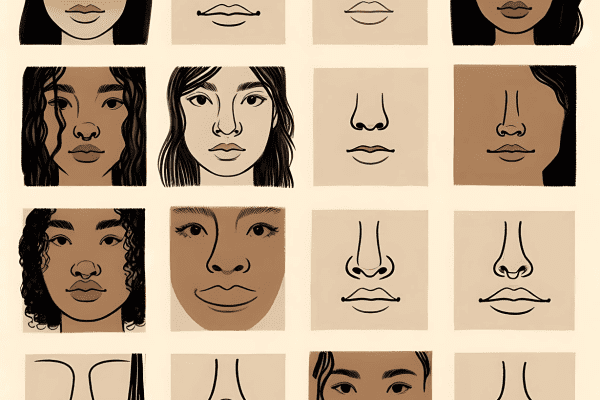
Have you ever looked in the mirror and wondered about the unique shape of your nose? It’s more than just a facial feature; your nose shape can be a significant part of your identity and personal appearance. From the iconic Roman nose to the distinct upturned button nose, each shape carries its own history, cultural significance, and individual traits. This comprehensive guide will explore 10 fascinating nose shapes, offering a detailed description, characteristics, and tips to help you identify yours. Understanding the different nose shapes can lead to a newfound appreciation for your unique features and provide insights into their cultural importance.
1. Why Nose Shapes Matter
Nose shapes play an essential role in defining your face and contribute to your overall appearance. They can influence how others perceive you and are deeply embedded in cultural and personal identity. Beyond aesthetics, certain nose shapes have been associated with personality traits and symbolic meanings throughout history. For example, a Roman nose often symbolizes leadership and strength, while a button nose may represent a youthful, cheerful nature. Understanding your nose shape can be empowering and help you embrace your natural beauty.
2. How Nose Shapes Are Categorized
Nose shapes are generally categorized based on the bridge, tip, and overall structure. Genetic inheritance and environmental factors, such as ethnicity and regional traits, contribute to their diversity. Professionals often study nose shapes through anatomical analysis, which identifies key characteristics such as length, width, and curvature. To help you better understand and identify your own nose shape, we will explore the following 10 types in detail.
3. The 10 Fascinating Nose Shapes
a. The Roman Nose
Description: The Roman nose, also known as the aquiline nose, is characterized by a prominent bridge that often curves downwards. This gives it a strong, defined profile.
Traits:
- Often seen as a sign of strength and leadership.
- A classic feature in many historical statues and sculptures.
- Common among individuals of Mediterranean descent.
Examples: Famous figures with a Roman nose include Julius Caesar and many Renaissance sculptures.
b. The Button Nose
Description: The button nose is small, round, and slightly upturned at the tip, giving it a cute and youthful appearance.
Traits:
- Associated with innocence and charm.
- Often considered an attractive feature that enhances a friendly, approachable look.
- Commonly seen in individuals of East Asian and some Western backgrounds.
How to Identify: Look for a small, rounded tip and a subtle upward tilt when viewed from the side.
c. The Hawk Nose
Description: This nose shape features a thin, prominent bridge with a sharp curve, resembling the beak of a hawk.
Traits:
- Stands out for its bold, striking appearance.
- Often linked to powerful, confident personalities.
- Ideal for those who prefer unique facial features.
Examples: The hawk nose can be seen in many Mediterranean and Middle Eastern populations.
d. The Greek Nose
Description: Known for its straight and narrow profile, the Greek nose has a refined and elegant appearance.
Traits:
- Considered the epitome of classical beauty.
- Often associated with symmetry and balance.
- Common in people of Greek, Italian, and other European ancestry.
How to Identify: The bridge should be straight without any noticeable curve.
e. The Nubian Nose
Description: The Nubian nose features a wider base and a longer bridge, often associated with African heritage.
Traits:
- Typically has a proud, strong appearance.
- Symbolizes resilience and beauty in many African cultures.
- Adds character and uniqueness to the face.
Examples: This nose shape is celebrated in many African communities and is featured in African art and sculptures.
f. The Upturned Nose
Description: This type has a short bridge with a tip that tilts upwards, creating a playful and youthful look.
Traits:
- Often linked to a friendly and cheerful personality.
- Adds an air of innocence to the face.
- Can be seen in a variety of ethnic backgrounds.
How to Identify: Observe the tip’s upward tilt and the proportion between the bridge and the tip.
g. The Aquiline Nose
Description: The aquiline nose, sometimes called a hooked nose, has a strong curve that resembles the beak of an eagle.
Traits:
- Stands out due to its distinctive shape.
- Associated with strong, assertive individuals.
- Common in regions such as the Middle East and South Asia.
Examples: This shape is often seen in ancient artworks and is considered a mark of distinction.
h. The Snub Nose
Description: A short, round, slightly upturned nose is known as a snub nose, giving a soft, approachable look.
Traits:
- Adds a youthful and playful touch to the face.
- Often seen in individuals with European or Asian backgrounds.
- Symbolizes sweetness and openness.
How to Identify: Look for a short bridge and a rounded tip with a slight upward tilt.
i. The Flat Nose
Description: This nose shape is characterized by a low bridge and wide nostrils, often found in various Asian and African populations.
Traits:
- Can give the face a distinctive and bold appearance.
- Symbolizes a strong connection to certain ethnic groups.
- Adds balance to the facial features.
Examples: Common in many African, Southeast Asian, and Indigenous communities.
j. The Crooked Nose
Description: The crooked nose may have a slight bend or asymmetry, often caused by genetics or past injuries.
Traits:
- Adds character and uniqueness to the face.
- Often seen as a mark of experience and strength.
- Celebrated in cultures that value individuality.
How to Identify: Observe whether the bridge or tip of the nose has a noticeable bend or unevenness.
4. How to Identify Your Nose Shape
To identify your nose shape, follow these simple steps:
- Stand in front of a mirror: Ensure good lighting so you can see all angles of your nose.
- Examine the bridge: Is it straight, curved, or prominent?
- Look at the tip: Is it pointed, round, or upturned?
- Check the overall structure: Is it long, short, wide, or narrow?
- Compare with the descriptions above: Match your findings with the traits listed for each nose shape.
5. The Cultural Influence of Nose Shapes
Throughout history, different cultures have placed significance on specific nose shapes. For instance, the Roman nose was revered in ancient Rome for its connection to power and nobility, while the Greek nose was celebrated for its straight profile and association with classical beauty. In many cultures, nose shapes are more than just physical traits; they represent identity, lineage, and even societal status. Today, many people seek to enhance or change their nose shape through cosmetic procedures, reflecting a modern desire to align personal features with current beauty ideals.
6. Fun Facts About Nose Shapes
- Historical Significance: In ancient Egypt, the shape of the nose was considered a mark of a person’s rank.
- Animal Kingdom: The proboscis monkey, known for its large, distinctive nose, uses its nose to attract mates.
- Personality Link: Some studies have suggested that nose shapes may be linked to personality traits, with the Roman nose symbolizing strong will and the button nose linked to a cheerful demeanor.
Conclusion
Understanding the diversity of nose shapes can help you appreciate the beauty of your own unique features. Whether you have a prominent Roman nose or a cute button nose, embracing your nose shape can empower you to appreciate your individuality. Nose shapes are more than just aesthetic; they tell stories of culture, history, and personal identity. So, next time you look in the mirror, celebrate the features that make you, you.
Share your nose shape in the comments and let us know how it makes you feel. Don’t forget to share this guide with friends who might find it interesting and visit our other articles on beauty and self-care to learn more about embracing your natural look.
Also, read👉🏻 10 Powerful Tips to Identify Your Face Shape Accurately
Frequently Asked Questions
1. What Are the Most Common Nose Shapes?
The most common nose shapes include the Roman nose, button nose, hawk nose, and Greek nose. These types can be found across various ethnic backgrounds and often contribute to the unique appearance of an individual’s face.
2. Why Are Nose Shapes Important?
Nose shapes are important as they play a significant role in defining the overall appearance of a person. They contribute to facial symmetry and can influence perceived personality traits. Additionally, certain nose shapes hold cultural and historical significance, symbolizing various characteristics like strength, beauty, or innocence.
3. How Can I Identify My Nose Shape?
To identify your nose shape, examine the following:
The bridge: Is it straight, curved, or prominent?
The tip: Is it pointed, rounded, or upturned?
Overall structure: Is it long, short, wide, or narrow? Compare these features to the detailed descriptions in the guide above to find your match.
4. Do Nose Shapes Have Any Cultural Significance?
Yes, different nose shapes hold cultural significance in various regions. For example, the Roman nose is often linked to power and nobility, while the Greek nose symbolizes beauty and balance. In some cultures, the shape of one’s nose can indicate heritage, social status, or personality traits.
5. Can Nose Shapes Affect My Perception?
Absolutely. Nose shapes can impact how people perceive you. For instance, a strong Roman nose may be associated with leadership and confidence, while a button nose might be seen as youthful and friendly. Understanding the subtleties of different nose shapes can help you see yourself from a new perspective and understand how others might view you.
6. What Is the Most Attractive Nose Shape?
Beauty is subjective, and what is considered attractive varies from culture to culture. However, the Greek nose is often cited as one of the most attractive due to its straight and symmetrical appearance. The button nose is also widely considered cute and appealing because of its youthful and friendly look.
7. Can I Change My Nose Shape?
Yes, many people opt for cosmetic procedures like rhinoplasty to alter the shape of their noses to better match their aesthetic preferences. This type of surgery can enhance or reshape the nose shape to align with personal and cultural ideals of beauty. However, it’s important to approach such decisions carefully and consult with qualified medical professionals.
8. Are There Any Myths About Nose Shapes?
Yes, there are several myths associated with nose shapes:
Hooked noses mean bad luck: This is simply a stereotype and not true. People with a hawk nose are often confident and strong-willed.
Wide noses are less attractive: This is a common misconception. Many cultures and people appreciate the bold appearance and character that wide noses can bring to a face.
9. What Nose Shapes Are Common in Different Ethnic Groups?
Roman and Greek noses are commonly seen in Mediterranean and European populations.
Nubian noses are typically found in African populations and are known for their proud and bold appearance.
Flat noses are prevalent in many Asian and Indigenous groups.
Hooked or aquiline noses can be found across Middle Eastern and South Asian ethnicities.
10. How Do I Maintain My Nose’s Appearance?
While you can’t change your natural nose shape, you can take care of your skin and overall health to enhance your facial features. Regular skincare routines, staying hydrated, and protecting your skin from the sun can help maintain a healthy appearance. Additionally, if you’re considering changes, consult with a professional for safe and effective solutions.
Discover more from innerspiritglow
Subscribe to get the latest posts sent to your email.