
Key Takeaways
- Origin: PDRN is derived from Salmon DNA, which matches human DNA by 95%, ensuring high biocompatibility.
- Mechanism: It activates Adenosine A2A receptors to trigger rapid tissue regeneration and reduce inflammation.
- Barrier Repair: Unlike exfoliants, PDRN thickens the dermis and strengthens the skin barrier from within.
- Versatility: Effective for acne scars, fine lines, wound healing, and post-laser recovery.
- Delivery: Available in clinical injections (Rejuran) and topical serums (c-PDRN) for home use.
- Safety: Extremely low side-effect profile due to its natural biological origin.
- The ‘Glass’ Effect: Primary driver of the ‘Rejuran glow’ seen in Korean beauty trends.
The Pain: You have tried every acid, retinol, and expensive cream on the market, yet your skin remains dull, sensitive, or scarred. The quest for that elusive ‘Glass Skin’ feels like an endless cycle of damaging your moisture barrier with harsh actives, only to break out again.
The Agitation: Most skincare ingredients work by stripping away layers (exfoliation) or temporarily plumping the surface. They don’t fundamentally change the structure of your skin. If your skin struggles to heal itself, adding more ‘turnover’ ingredients is like whipping a tired horse—it only leads to more inflammation and thinning of the dermis. You don’t need another peel; you need deep, cellular repair.
The Solution: Enter PDRN (Polydeoxyribonucleotide), the biological game-changer taking the K-Beauty world by storm. Often referred to as ‘Salmon DNA,’ this powerhouse ingredient doesn’t just treat the surface; it communicates with your cells to regenerate tissue, thicken the skin barrier, and erase inflammation. In this comprehensive guide, we uncover the science, the benefits, and the 13 critical aspects of PDRN you need to know to finally achieve lasting radiance.
1. What is PDRN (Polydeoxyribonucleotide)?
The Science of Salmon DNA
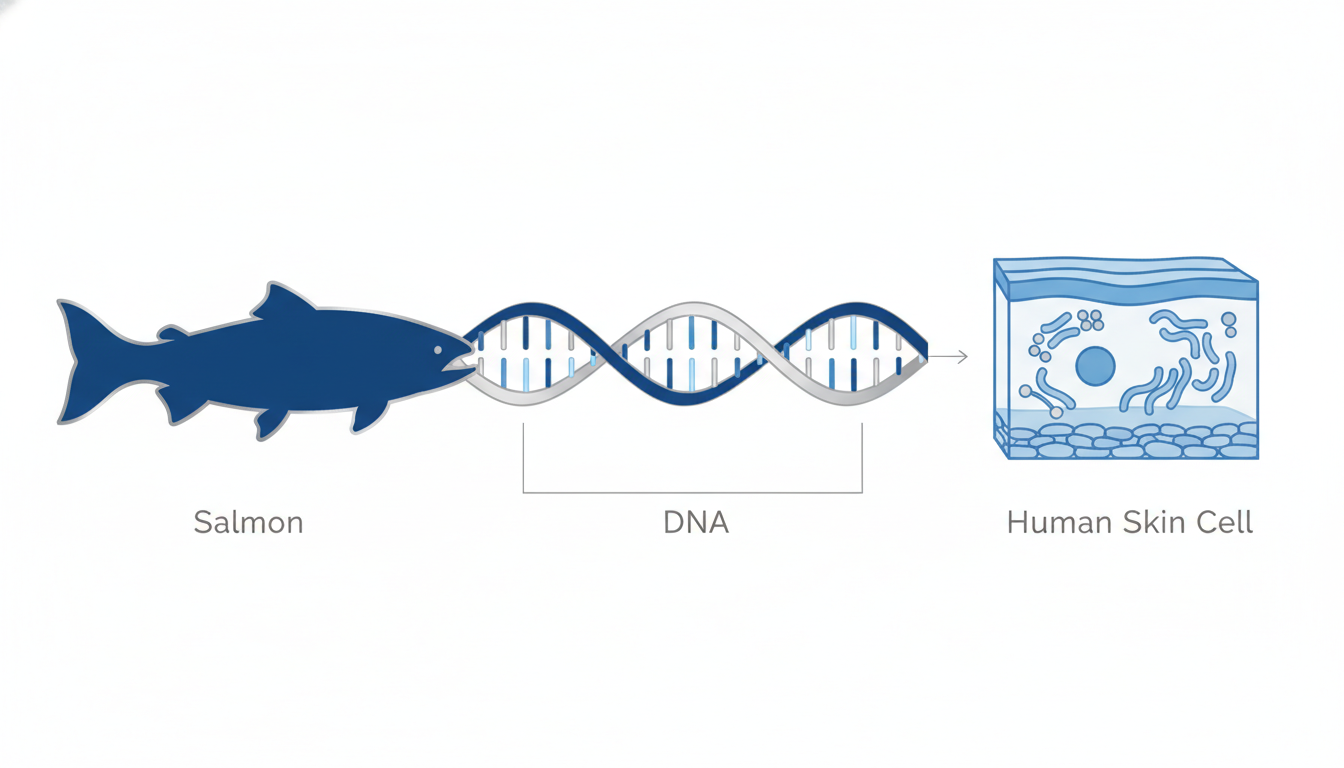
PDRN stands for Polydeoxyribonucleotide. It is a complex mixture of deoxyribonucleotides (DNA fragments) ranging from 50 to 1,500 kDa. While it sounds synthetic, it is a naturally occurring substance extracted primarily from the sperm cells of salmon (Oncorhynchus keta) or trout.
Why Salmon?
Salmon DNA is used because of its uncanny similarity to human DNA base sequences—approximately a 95% match. This high biocompatibility means the human immune system does not recognize it as a foreign invader, drastically reducing the risk of allergic reactions or rejection. Originally developed in Italy for medical applications like treating diabetic foot ulcers and tissue grafts, PDRN has been repurposed by the aesthetic industry for its potent regenerative capabilities.
Medical Grade vs. Cosmetic Grade
It is crucial to distinguish between the varying grades of PDRN. Medical-grade PDRN is standardized for injection into the dermis, while cosmetic-grade (often called c-PDRN) is processed to be smaller in molecular size to penetrate the skin barrier when applied topically.
2. Mechanism of Action: How PDRN Works
The Adenosine A2A Receptor
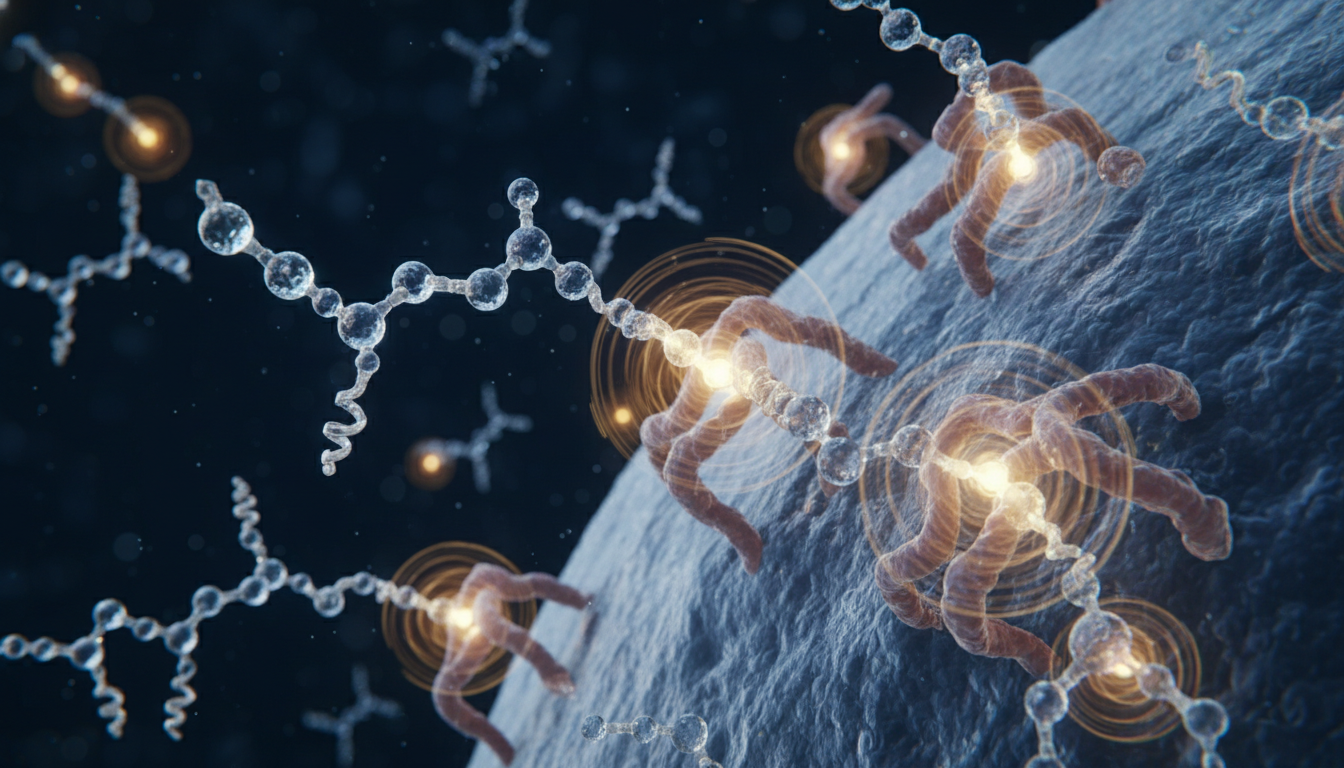
The magic of PDRN lies in its ability to bind to Adenosine A2A receptors on cell surfaces. This binding event triggers a specific signaling cascade that results in long-term tissue repair. It is not merely a moisturizer; it is a cell-signaling agent.
The Salvage Pathway
PDRN functions through the ‘Salvage Pathway.’ In simple terms, instead of cells having to build DNA from scratch (de novo synthesis)—which requires significant energy—PDRN provides the pre-made nucleotides (building blocks). This allows cells to replicate and repair DNA much faster and with less energy expenditure.
Physiological Effects
- Angiogenesis: Promotes the formation of new blood vessels, improving oxygenation and nutrient delivery to the skin.
- Fibroblast Activation: Stimulates fibroblasts to produce more collagen and elastin.
- Anti-Inflammatory: Significantly reduces inflammatory cytokines (IL-6, TNF-a), making it ideal for sensitive or acne-prone skin.
3. PDRN vs. Retinol vs. Vitamin C
The Regenerator vs. The Exfoliator
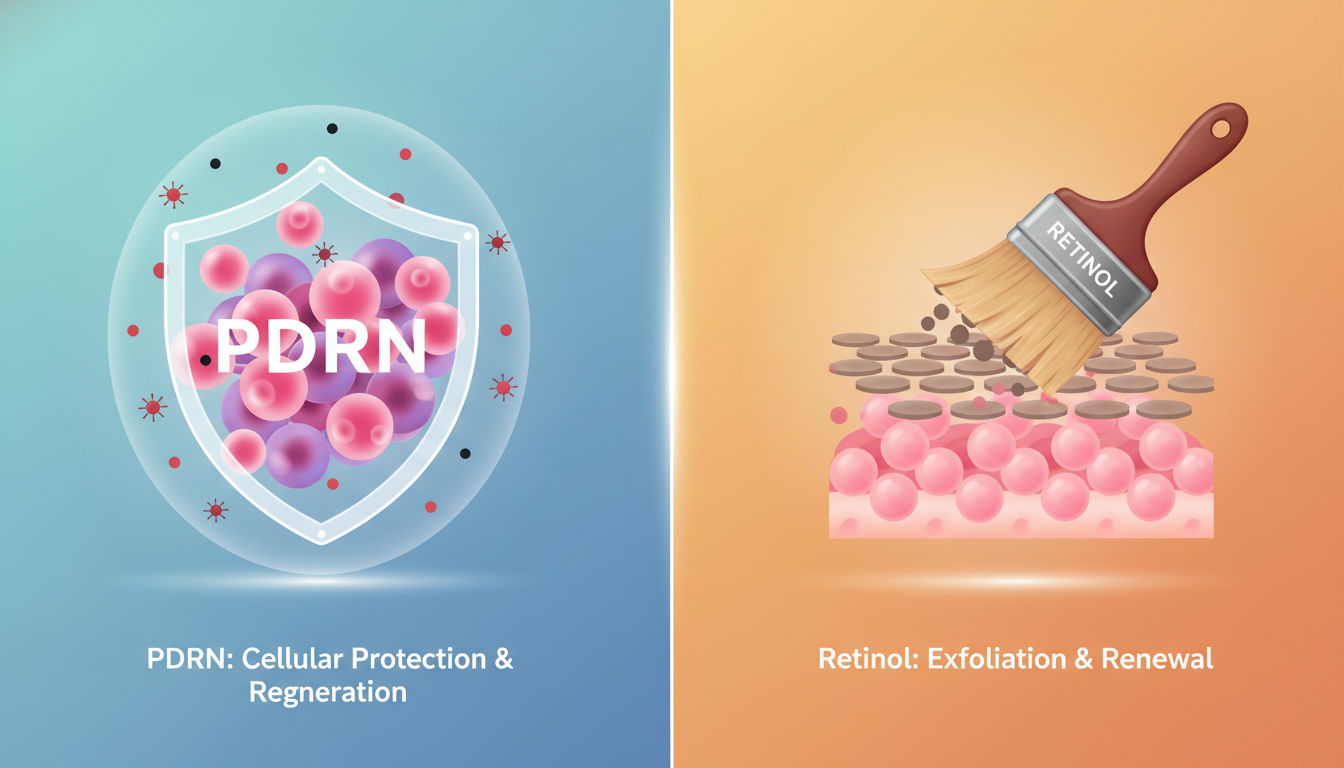
Most anti-aging gold standards like Retinol work by increasing cell turnover—forcing the skin to shed faster. While effective, this can thin the skin barrier and cause irritation (‘the retinol uglies’). PDRN is the opposite; it is a regenerator. It heals and thickens the skin without stripping it.
Comparison Table
| Feature | PDRN | Retinol | Vitamin C |
|---|---|---|---|
| Primary Action | DNA Repair & Regeneration | Cell Turnover & Exfoliation | Antioxidant Protection |
| Barrier Effect | Strengthens & Thickens | Can thin/irritate initially | Neutral |
| Sensitivity | Safe for Sensitive/Rosacea | High irritation potential | Moderate irritation potential |
| Use Case | Healing, Thickness, Scars | Wrinkles, Acne, Texture | Brightening, Pigmentation |
Can You Combine Them?
Yes. Because PDRN is anti-inflammatory, it is actually the perfect companion to Retinol. It mitigates the irritation caused by retinoids, allowing users to tolerate higher strengths of active ingredients.
4. The ‘Rejuran Healer’ Phenomenon
The Korean Clinic Staple
If you have heard of the ‘Rejuran Skin Booster,’ you have heard of PDRN. Rejuran is the brand name for the most popular PN (Polynucleotide) injection in South Korea. Note that PN is essentially a longer chain, more concentrated form of PDRN, designed specifically for structural scaffolding in injections.
The Procedure
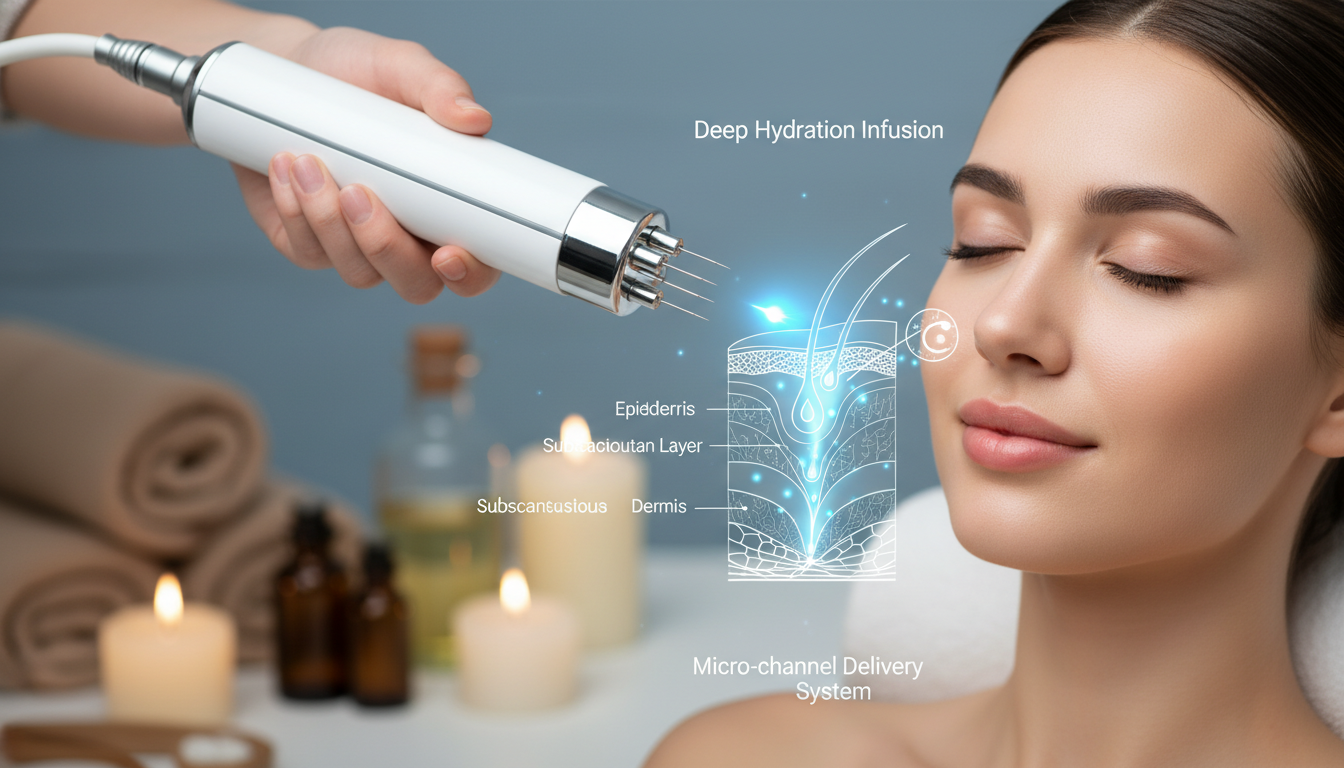
The treatment involves micro-injections of the solution directly into the papillary dermis across the entire face. It is famously known for two things: the incredible ‘glass skin’ glow that appears after 2 weeks, and the pain level of the injection.
The Results
Patients typically report improved skin elasticity, reduced pore size, and a distinct translucency to the skin that makeup cannot replicate. Unlike fillers that alter face shape, Rejuran alters skin quality.
5. Benefits for Acne Scars and Wound Healing
Accelerating Recovery
PDRN was originally a wound-healing drug. For acne sufferers, this is revolutionary. It speeds up the closure of wounds and reduces the likelihood of scar formation by modulating the collagen deposition process so that it is organized rather than chaotic (which causes keloids or pitted scars).
Atrophic Scars
For existing indented (atrophic) scars, PDRN injections or microneedling with PDRN serums can stimulate the regeneration of the dermis, effectively ‘filling in’ the depression from the inside out. It is often combined with subcision or CO2 laser for maximum effect.
PIH Reduction
Post-Inflammatory Hyperpigmentation (PIH) is the red or brown mark left after a pimple. By reducing the underlying inflammation quickly, PDRN significantly shortens the lifespan of these dark spots.
6. Strengthening the Skin Barrier
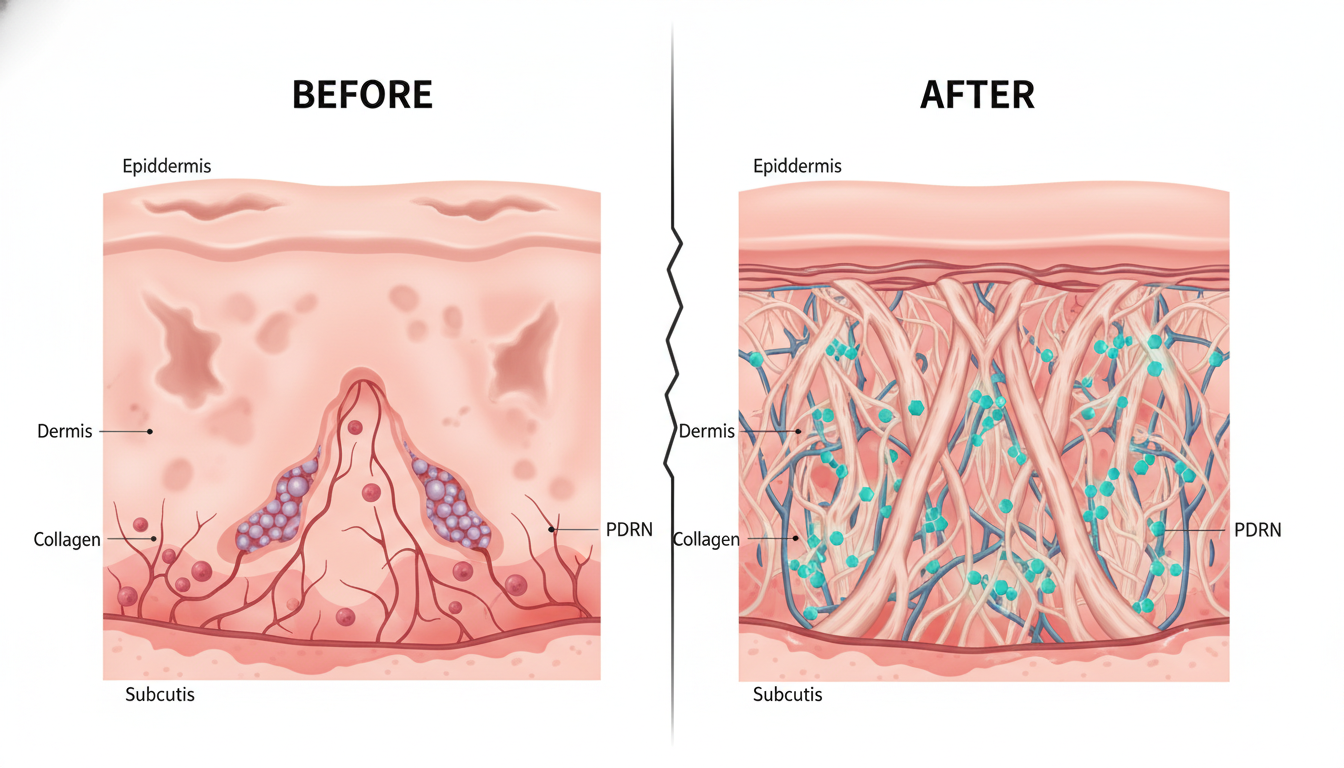
Thickening the Dermis
Thin skin is prone to wrinkling and sensitivity. Clinical studies have shown that consistent use of PDRN can increase the density and thickness of the dermis. A thicker dermis holds moisture better and is more resilient against environmental aggressors like UV rays and pollution.
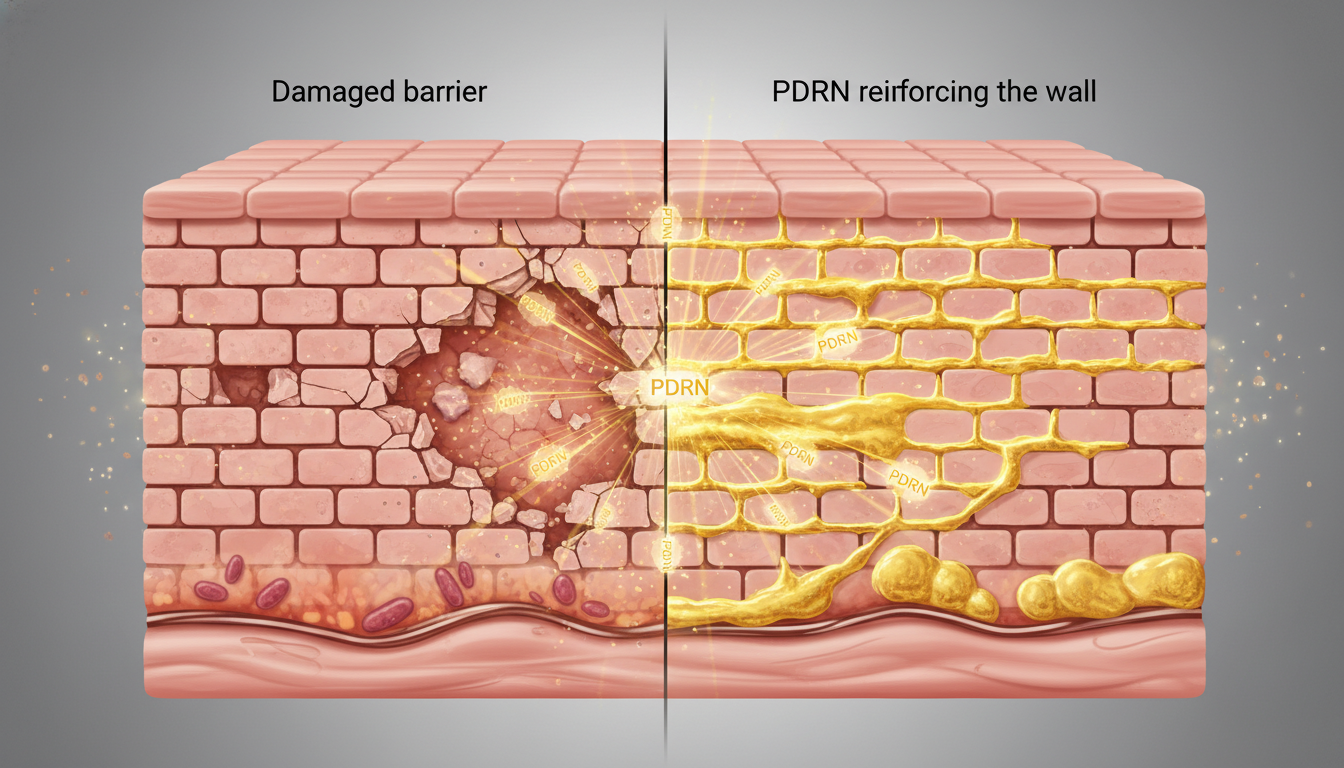
Repairing Over-Exfoliation
For those who have damaged their barrier through overuse of acids (chemical burns), PDRN is an SOS treatment. It provides the nucleotides necessary for cells to repair the breach rapidly, soothing redness and burning sensations almost immediately.
Hydration Retention
Healthy DNA synthesis leads to better production of the skin’s Natural Moisturizing Factors (NMF) and Hyaluronic Acid, leading to sustained hydration rather than just surface moisture.
7. Anti-Aging and Wrinkle Reduction
Beyond Botox
Botox freezes muscles; Fillers add volume; PDRN rejuvenates. It addresses aging at the cellular level. By increasing fibroblast activity, PDRN boosts the production of Type I and Type III collagen.
Elasticity Improvement
Loss of elasticity (sagging) is a hallmark of aging. PDRN restores the extracellular matrix (ECM), bringing back the ‘snap’ to the skin. It is particularly effective for difficult areas like the neck (tech neck lines) and the thin skin around the eyes (crow’s feet), where heavy fillers are not an option.
Prevention
Starting PDRN treatments in your late 20s or early 30s acts as ‘pre-juvenation,’ maintaining the collagen bank before it depletes significantly.

8. Topical PDRN vs. Injectable PDRN
The Absorption Challenge
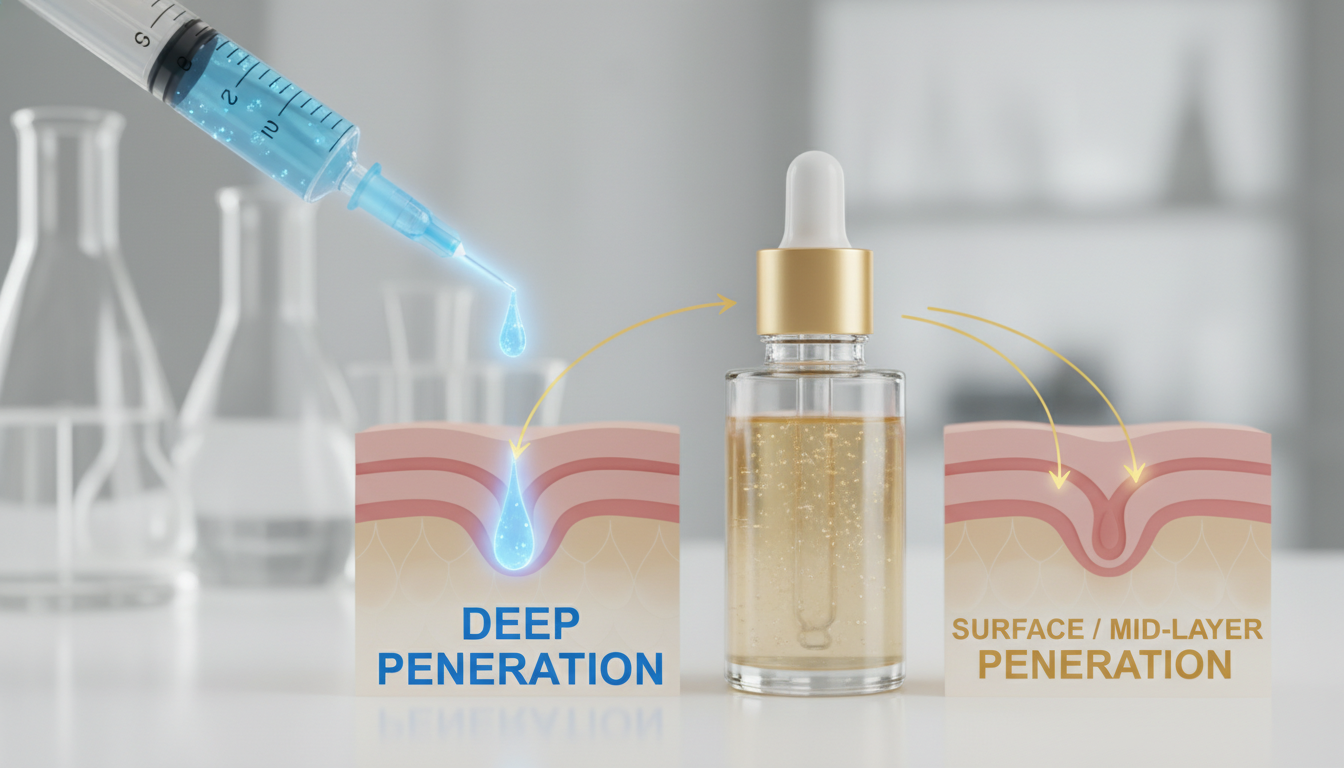
DNA is a large molecule. The main criticism of topical PDRN is absorption. Injectables (Meso/Rejuran) bypass the stratum corneum, delivering 100% of the product to the dermis. Topicals struggle to penetrate.
The Solution: c-PDRN
Cosmetic chemists have developed c-PDRN (Cosmetic PDRN), which is hydrolyzed to a much smaller molecular size to allow for transdermal absorption. While not as potent as an injection, consistent use of high-quality c-PDRN serums can still yield significant results over time, particularly for surface texture and barrier maintenance.
The Verdict
- Injections: Best for deep scars, significant aging, and instant glass skin.
- Topicals: Best for daily maintenance, barrier support, and those needle-phobic.
9. PDRN for Hair Loss (Scalp Therapy)
Follicle Regeneration
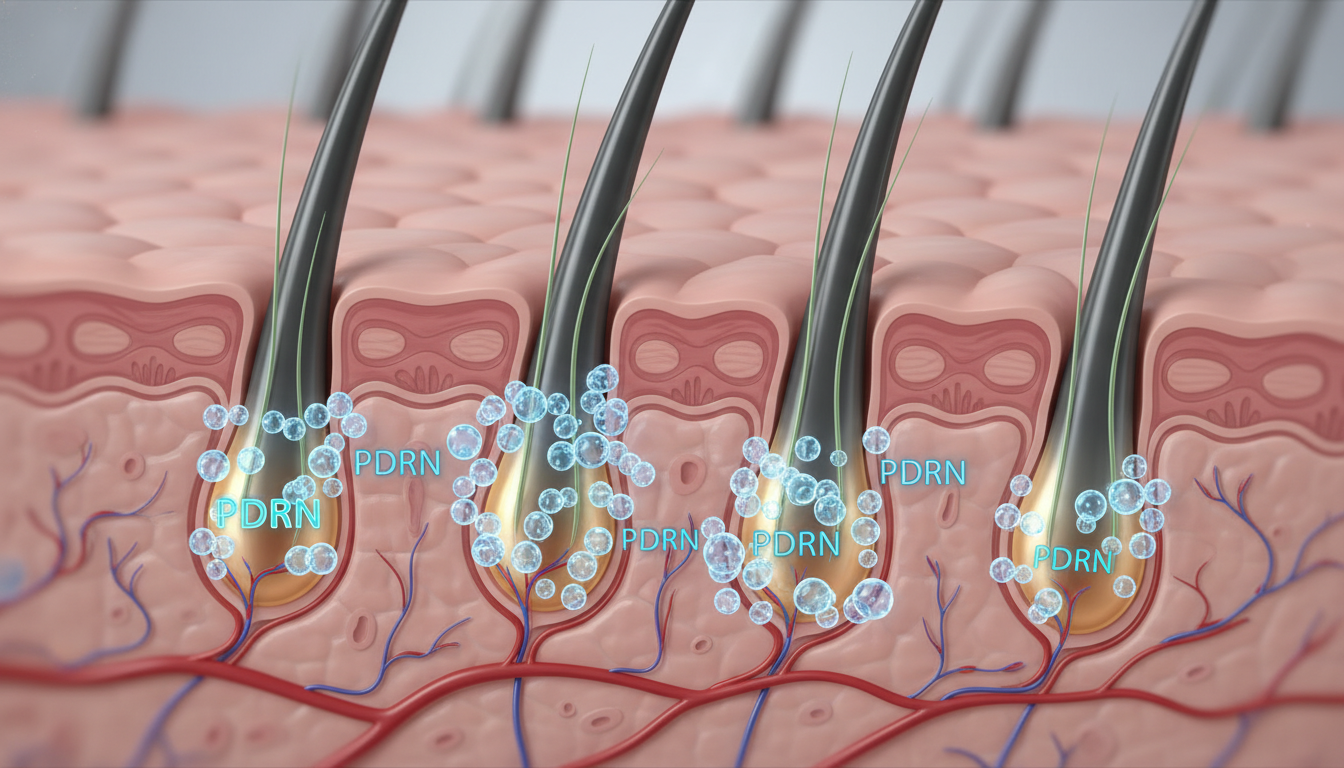
PDRN isn’t just for the face. It is increasingly used in trichology (hair loss treatments). By injecting PDRN into the scalp, blood flow to the hair follicles is improved via angiogenesis.
Mechanism in Scalp
It revitalizes dormant hair follicles and strengthens the scalp skin, creating a healthier environment for hair growth. It is often used in conjunction with PRP (Platelet Rich Plasma) for androgenetic alopecia.
Results
Patients typically see a reduction in hair shedding and an improvement in hair thickness after a course of treatments.
10. Side Effects and Safety Profile
Is it Safe?
PDRN is considered one of the safest aesthetic ingredients available. Because salmon DNA is so similar to human DNA, adverse immune reactions are incredibly rare. It is purified to remove any proteins or peptides that could cause allergies.
Injection Side Effects
- Bumps (Papules): Immediately after injection, the skin will look bumpy (like bubble wrap). This is normal and typically subsides within 24-48 hours as the liquid absorbs.
- Bruising/Pinpoint Bleeding: Common with any injection.
- Pain: The injection is acidic and can be stinging. Numbing cream is mandatory.
Topical Side Effects
Virtually non-existent, though one should always patch test for reactions to other ingredients in the serum formulation (preservatives, fragrances).

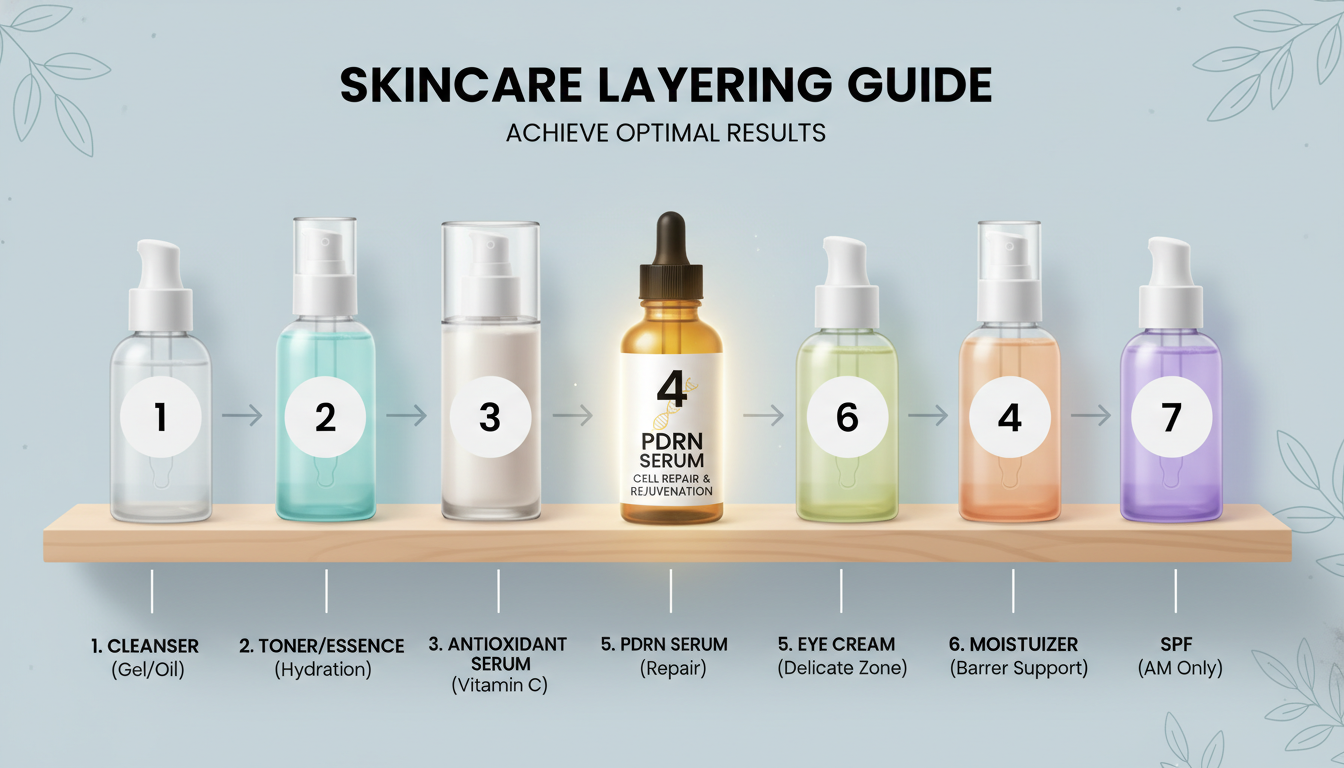
11. How to Layer PDRN in Your Routine
The Order of Operations
If you are using a topical PDRN serum, here is where it fits:
1. Cleanser: Gentle wash.
2. Toner: Hydrating toner.
3. Actives: Vitamin C (Day) or Retinol (Night).
4. PDRN Serum: Apply after thinner water-based actives but before heavy creams.
5. Moisturizer: Seal it in.
6. SPF: Always finish with sunscreen.
Microneedling at Home
Advanced users often use PDRN ampoules with a microneedling stamp (0.25mm – 0.5mm) to enhance penetration. Note: Ensure the PDRN serum is sterile and preservative-free if breaking the skin.
12. Cost Analysis: Salon vs. Home
The Investment
PDRN is a premium ingredient. Whether you choose the clinical route or the home route, expect to pay more than you would for standard Hyaluronic Acid.
In-Clinic (Rejuran/DNA Injection)
- Cost: $400 – $800 per session.
- Frequency: Usually requires a starter course of 3-4 sessions spaced 4 weeks apart, then maintenance every 6 months.
- Total Annual Cost: ~$2,500+.
At-Home (Serums/Ampoules)
- Cost: $40 – $150 per bottle.
- Frequency: Daily use.
- Total Annual Cost: ~$600 – $1,000.
Value Proposition
While expensive, the structural repair offered by PDRN often negates the need for multiple other serums (calming, hydrating, anti-aging), potentially streamlining your budget.

13. The Future: Is PDRN Just a Trend?
Staying Power
Unlike snail mucin or bee venom which had their viral moments, PDRN is backed by decades of medical data in regenerative medicine. Its transition to aesthetics is not a fad; it marks a shift from ‘corrective’ skincare (peeling/filling) to ‘regenerative’ skincare (biostimulation).
New Formulations
We are seeing PDRN being combined with exosomes and stem cell media for ‘super-cocktails.’ The next generation of PDRN products will likely focus on enhanced delivery systems (liposomal PDRN) to solve the absorption issue completely without needles.
Final Verdict
PDRN is here to stay. It is the closest thing we have to ‘healing in a bottle’ and is the foundational pillar for the glass skin aesthetic.

Frequently Asked Questions
Is PDRN vegan?
No. PDRN is derived from the sperm cells of Salmon or Trout. Therefore, it is not vegan, though it is often cruelty-free as the fish are not killed specifically for the sperm extraction (it is a byproduct of the fishing industry).
Does PDRN smell like fish?
No. The DNA undergoes a rigorous purification process to remove proteins and cellular debris. The final product, whether injectable or topical, is odorless.
How long does it take to see results from PDRN?
For injections (Rejuran), you typically see improved hydration in 1 week and skin texture changes in 4 weeks. For topical serums, consistent use for 6-8 weeks is usually required to see visible barrier strengthening.
Can I use PDRN if I have active acne?
Yes. PDRN is highly anti-inflammatory and can actually help calm active breakouts and prevent the formation of acne scars.
Is Rejuran the same as PDRN?
Rejuran is a brand name for an injectable product that uses Polynucleotides (PN). PN is a longer, more concentrated chain of PDRN. Essentially, PN is the stronger, structural ‘big brother’ of PDRN.
Does PDRN interact with other skincare ingredients?
PDRN is biologically neutral and safe to mix with almost all actives, including Retinol, Vitamin C, and AHAs. It often helps soothe the irritation caused by these actives.
Is PDRN safe for pregnancy?
While PDRN is biocompatible, most aesthetic treatments and new active ingredients are not recommended during pregnancy or breastfeeding due to a lack of clinical testing on this specific demographic. Consult your doctor.
Does PDRN help with large pores?
Yes. By increasing collagen production and balancing the oil-moisture levels of the skin, PDRN tightens the skin matrix, which can make pores appear significantly smaller.
You might also like:- Bio-Frequency Skincare: The Ultimate Guide to Biohacking Your Way to Glass Skin
Discover more from innerspiritglow
Subscribe to get the latest posts sent to your email.
[5135]Lodi646 Online Casino Philippines: Easy Login, Register, & App Download for Top Slot Games. Join Lodi646 Online Casino Philippines for the best gaming experience. Easy lodi646 login, fast lodi646 register, and lodi646 app download for top lodi646 slot games! visit: lodi646