
Key Takeaways
- Mechanism of Action: Peptides act as cellular messengers, signaling your lips to produce more collagen and elastin naturally.
- Wax vs. Peptides: Traditional wax balms only seal moisture in (occlusive), while peptides actively repair the skin barrier and increase volume.
- The ‘Ouch-Free’ Plump: Unlike bee venom or capsicum, peptides provide volume without the inflammatory stinging sensation.
- Anti-Aging Power: Specific peptide chains target vertical lip lines and the vermilion border for a defined, youthful look.
- Synergistic Ingredients: The best treatments combine peptides with ceramides and hyaluronic acid for a ‘glazed donut’ finish that lasts.
- Long-Term Results: While glosses fade in hours, peptide treatments offer cumulative benefits, improving lip texture significantly after 2-4 weeks.
It’s a vicious cycle: your lips feel dry, so you apply a wax-based balm. Ten minutes later, they feel dry again. You reapply. Why does this happen? Because most traditional lip balms are merely occlusive—they sit on top of the skin, trapping dead cells without actually hydrating or repairing the tissue.
Enter Peptide Lip Treatments, the viral skincare shift that is rendering standard chapsticks obsolete. Unlike temporary fixes, peptides are short chains of amino acids that penetrate the delicate mucosal skin of the lips to signal cellular repair. They don’t just coat the lip; they fundamentally change how it behaves, boosting collagen production and moisture retention from within.
If you are chasing the ‘pillowy’ look without the sting of plumping glosses or the cost of injectable fillers, peptides are the biochemical solution you’ve been waiting for. In this guide, we break down the 11 critical aspects of peptide lip therapy that will transform your pout from cracked to glazed.
1. The Science: How Peptides Actually Work on Lips
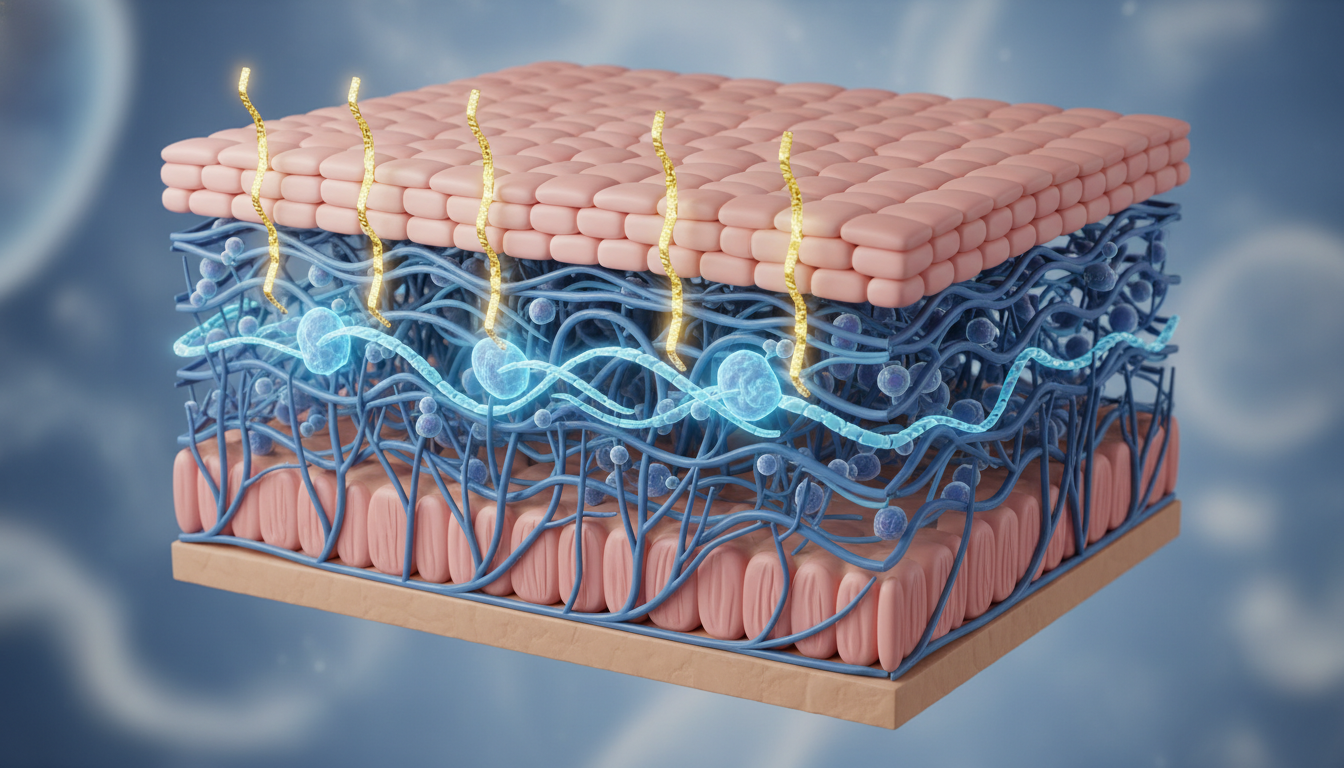
To understand why peptides are superior, we must look at the cellular level. Lips do not have oil glands like the rest of your face, making them prone to rapid dehydration and collagen loss. Peptides function as signal transducers. When applied topically, specific peptide chains (like Palmitoyl Tripeptide-1) trick the skin into thinking it has been damaged.
The Signaling Pathway
1. Application: The treatment penetrates the thin stratum corneum of the lips.
2. Reception: Peptides bind to receptors on fibroblast cells.
3. Production: This binding signals the fibroblast to synthesize new collagen (Type I and III) and glycosaminoglycans (like natural Hyaluronic Acid).
The result is not just surface hydration, but a structural rebuilding of the lip matrix. This biological mimicry allows for genuine regeneration rather than temporary masking of dryness.
2. Peptides vs. Wax Balms vs. Plumpers: The Comparison
Not all lip products are created equal. The market is flooded with products that claim to hydrate but actually suffocate the skin or cause inflammation. Here is the definitive breakdown of why peptides are the ‘Platinum Standard’ for lip care.
| Feature | Wax Balms (Chapstick) | Spicy Plumpers (Capsicum) | Peptide Treatments |
|---|---|---|---|
| Primary Action | Seal/Occlude | Irritate/Inflame | Repair/Signal |
| Hydration Depth | Surface only | None (drying) | Deep Dermis |
| Plumping Method | None | Swelling (Edema) | Collagen Synthesis |
| Long-Term Effect | Dependency | Sensitization | Structural Improvement |
| Sensation | Greasy/Waxy | Burning/Stinging | Soothing/Cushiony |
The Verdict: Wax balms are a band-aid; peptide treatments are the cure.
3. The ‘Non-Spicy’ Plump: Volume Without Pain
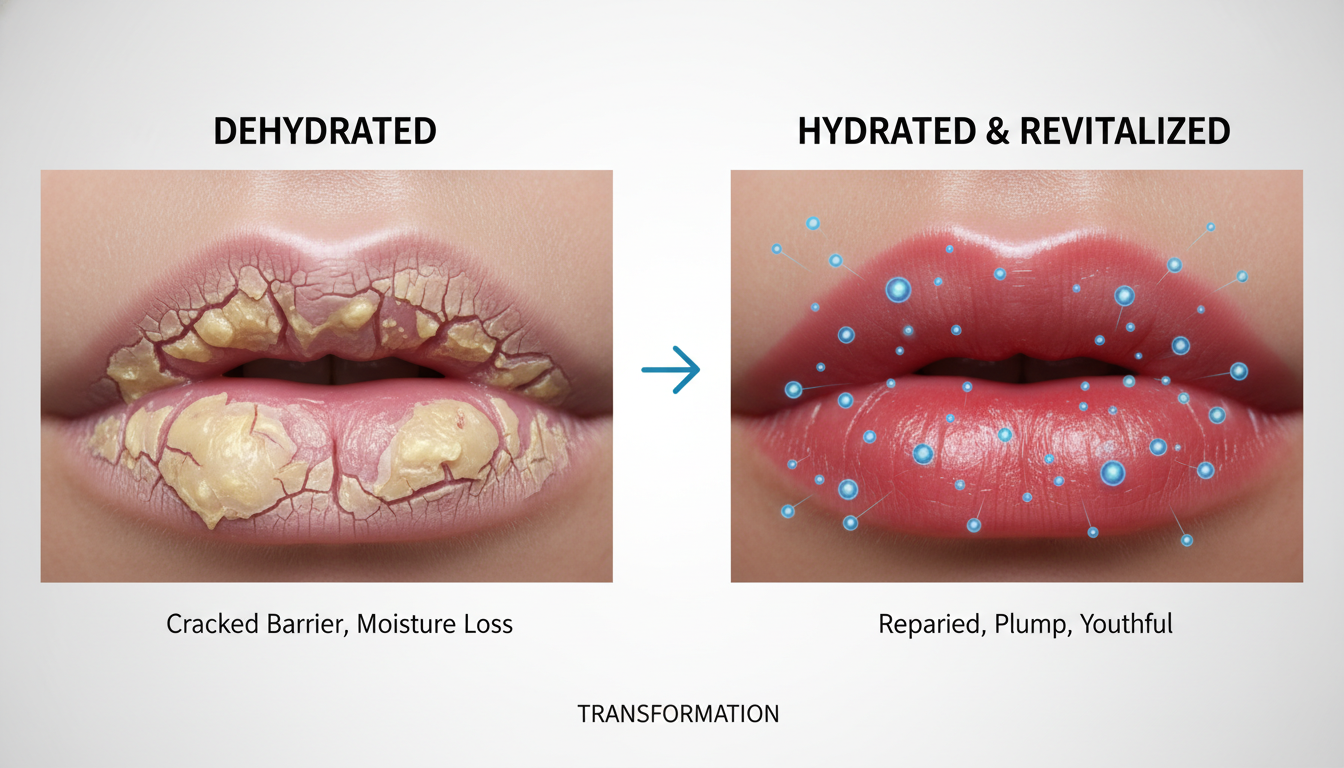
For years, the only way to get fuller lips at home was to endure pain. Products loaded with cinnamon, peppermint oil, bee venom, or capsicum work by intentionally irritating the lips to cause vasodilation and temporary swelling (edema). While effective in the short term, this chronic inflammation can accelerate aging and damage the skin barrier.
Peptide Volumizing is different. It relies on Maxi-Lip™ (a patented peptide complex) or similar biomimetic peptides to increase lip volume by up to 40% through collagen density, not swelling.
- No Sting: Safe for sensitive skin.
- Defined Contour: Improves the 3D architecture of the lip.
- Sustained Volume: While ‘spicy’ plumpers deflate in an hour, peptide volume builds over weeks of consistent use.

4. Reversing ‘Barcode’ Lines and Aging
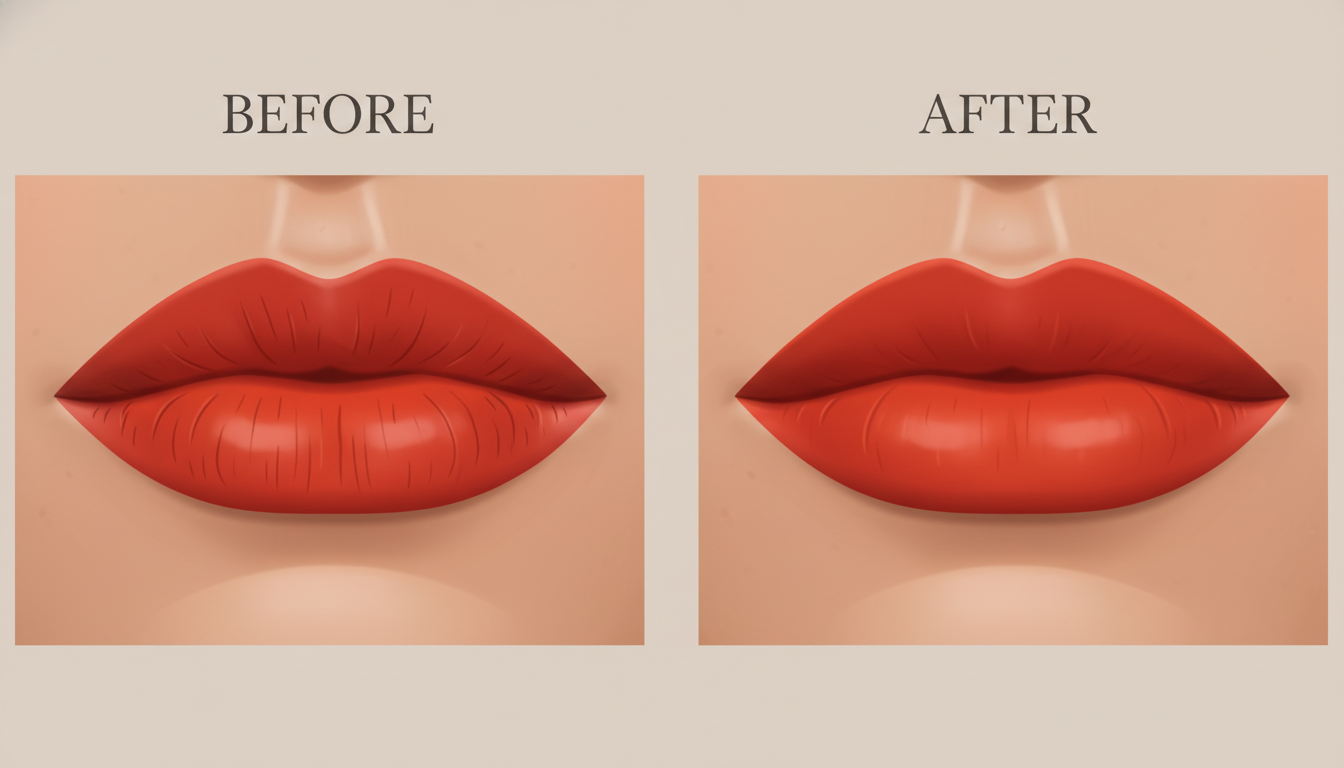
The lips are one of the first areas to show aging due to the breakdown of the vermilion border (the distinct line between the red lip and normal skin). ‘Barcode lines’ or vertical rhytids bleed lipstick and age the face.
Peptide treatments specifically target this degradation. By boosting Fibronectin and Hyaluronic Acid synthesis, peptides reinforce the structural integrity of the vermilion border.
Clinical Impact on Aging:
- Smoothing: Fills in the micro-valleys of vertical lines.
- Definition: Restores the crisp edge of the Cupid’s bow.
- Color: Improved circulation and health often restore a natural rosy hue to pale, aging lips.
Routine application acts as a preventative measure, delaying the need for structural fillers in the perilabial area.
5. Key Ingredients to Look For (The INCI List)
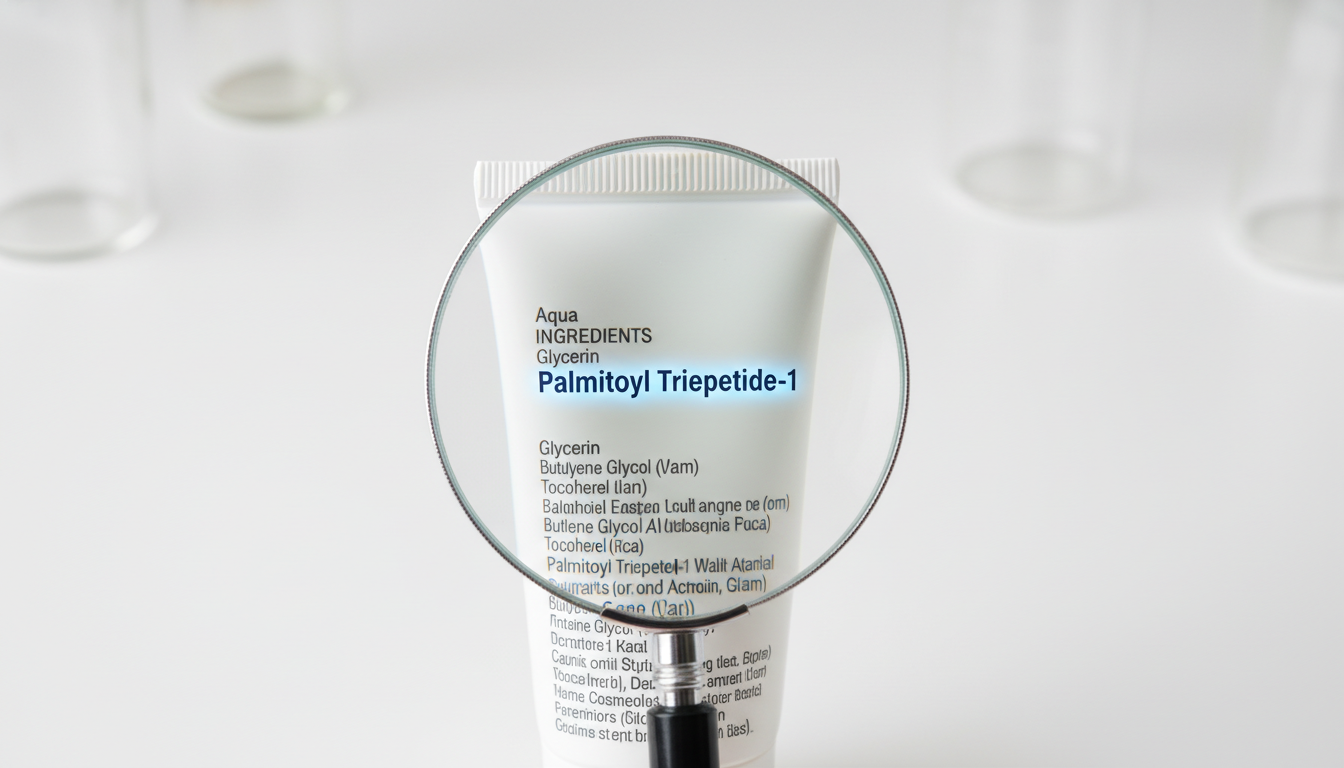
When shopping for a peptide lip treatment, ignore the marketing on the front and look at the INCI (International Nomenclature Cosmetic Ingredient) list on the back. You want to see specific peptide chains near the top or middle of the list, not the very bottom.
Must-Have Peptides:
1. Palmitoyl Tripeptide-1: The gold standard for stimulating collagen and GAG production.
2. Palmitoyl Hexapeptide-12: Excellent for elasticity and firming the skin barrier.
3. Acetyl Hexapeptide-8 (Argireline): Often called ‘Botox in a jar,’ this helps relax surface tension to smooth fine lines.
4. Tripeptide-29: specifically targets collagen type III, known as ‘youth collagen’.
If a product claims to be a ‘peptide treatment’ but lists these ingredients after the preservative (Phenoxyethanol), the concentration is likely too low to be effective.
6. Synergistic Ingredients: The Best Combinations
Peptides are powerful, but they work best in a team. The vehicle (the base of the product) determines how well the peptides penetrate. The most elite formulas combine signaling peptides with barrier-restoring lipids.
The Holy Trinity of Lip Care:
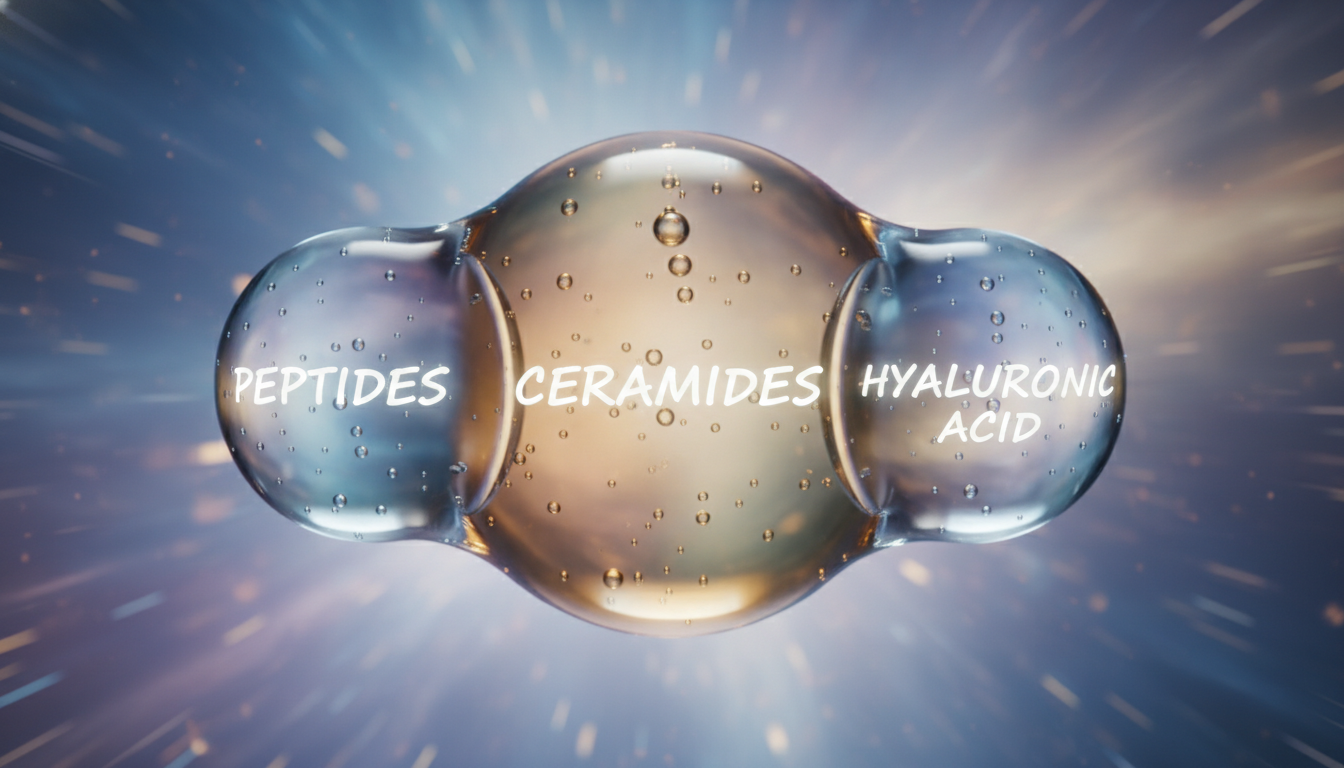
- Peptides + Ceramides: Ceramides act as the mortar between skin cells, locking the peptides in so they can work without evaporating.
- Peptides + Hyaluronic Acid (HA): While peptides build structure, HA draws moisture from the air. Spheres of HA can swell inside the lip surface for instant smoothing while peptides handle the long-term repair.
- Peptides + Cupuaçu/Shea Butter: These provide the immediate emollient slip and surface softness that makes the product feel luxurious while the active ingredients penetrate deep.
7. Ingredients to Avoid in Your Lip Routine
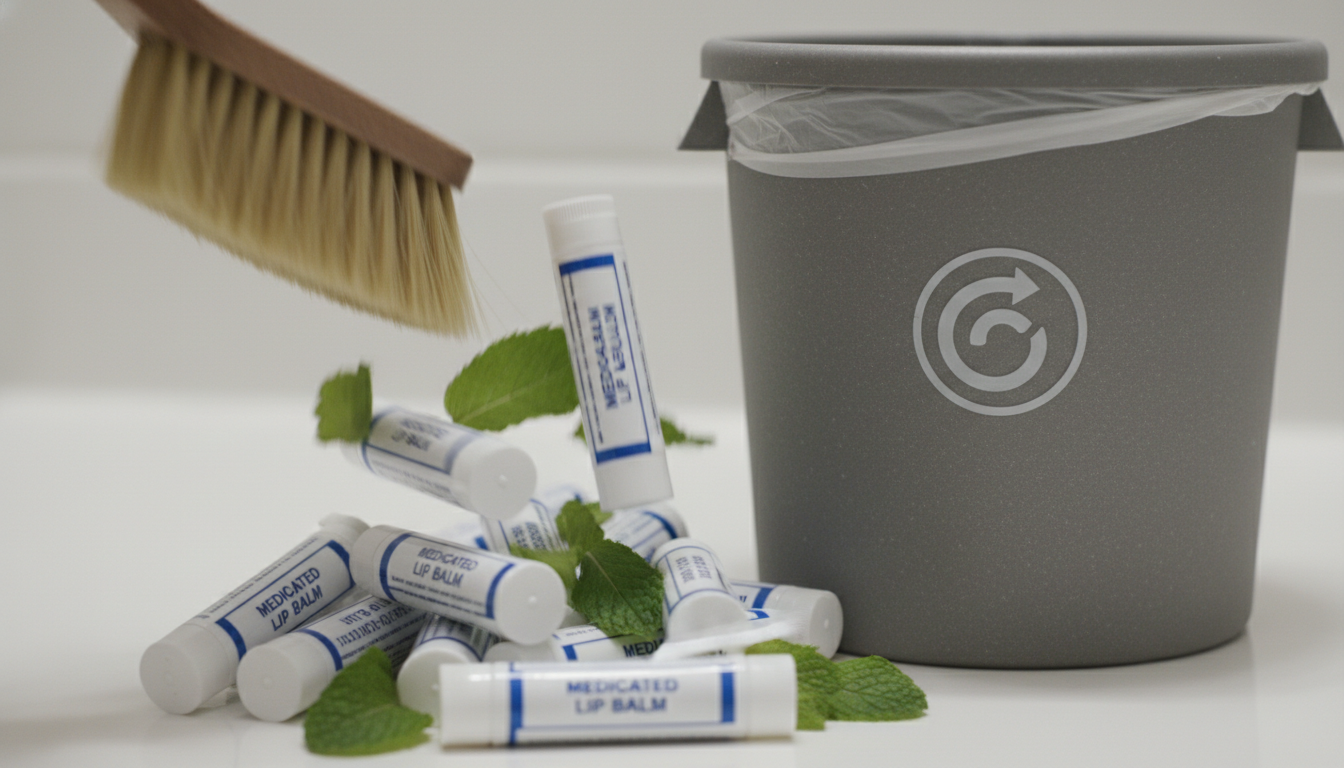
To get the maximum benefit from your peptide treatment, you must eliminate products that counteract their effects. Many ‘medicated’ balms actually degrade the skin barrier over time.
The ‘No-Go’ List:
- Camphor & Menthol: Common in medicated balms, these dry out the lips to create a cooling sensation, creating a dependency loop.
- Salicylic Acid: While great for facial acne, it is often too harsh for the thin mucous membrane of the lips unless specifically formulated for exfoliation.
- High-Fragrance Loads: Artificial fragrances (Parfum) are the #1 cause of contact dermatitis on the lips. Look for ‘Unscented’ or naturally flavored options if you have reactive skin.
By stripping these irritants from your routine, you create a neutral environment where peptides can trigger repair without fighting inflammation.
8. Application Technique: ‘The Glazing Method’
You can own the most expensive peptide treatment on the market, but if you apply it to dead, flaky skin, it will not penetrate. To maximize absorption, use the Glazing Method.
Step 1: Enzyme Exfoliation (Weekly)
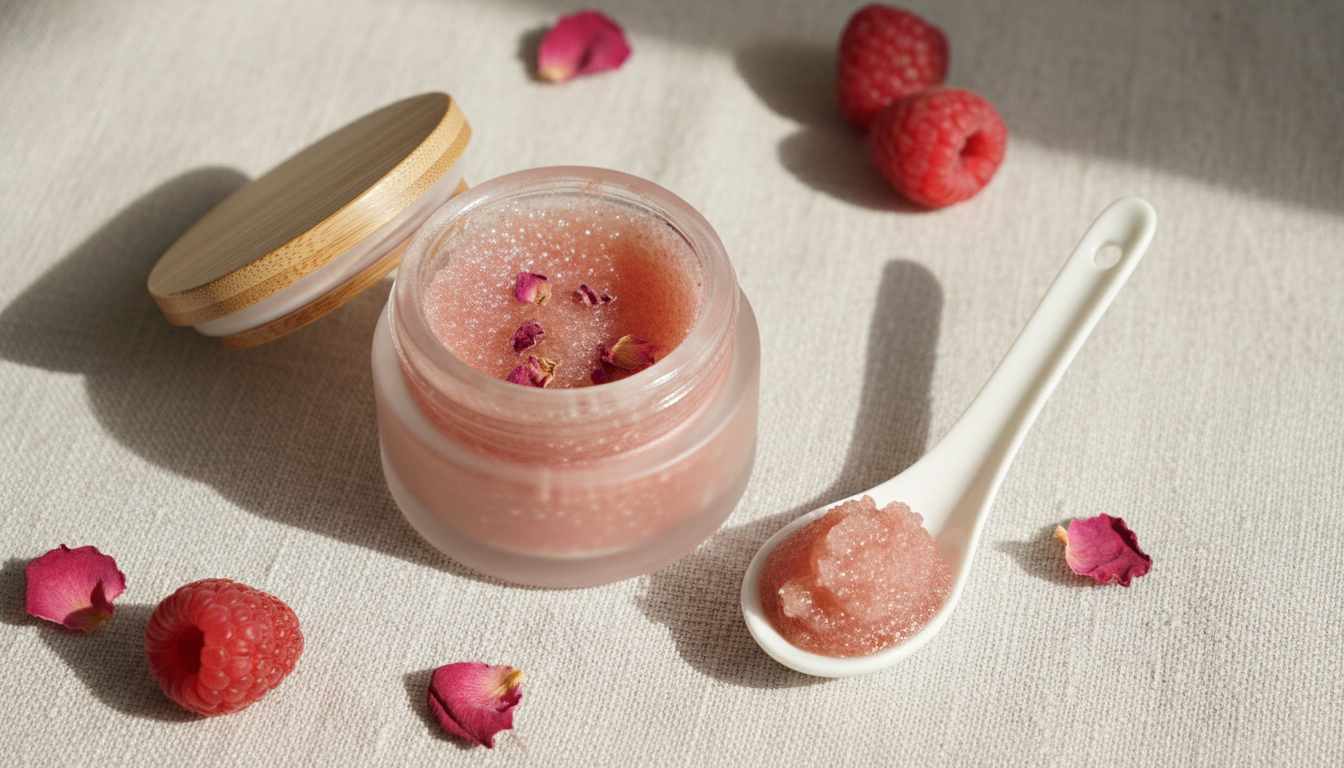
Use a gentle papaya or pineapple enzyme scrub (or a soft toothbrush) to remove the desquamated (dead) skin cells. Do not scrub aggressively.
Step 2: Hydration Layer (PM)
Apply a thin layer of water or a hydrating toner to the lips first. Peptides absorb better on damp skin.
Step 3: The Peptide Seal (AM & PM)
Apply a generous layer of the peptide treatment. Massage it in with the applicator tip to stimulate blood flow.
Step 4: The Occlusive Lock (Optional – PM)
For severely cracked lips, apply the peptide treatment, wait 5 minutes, and then apply a thin layer of pure petrolatum (Slug) over it to lock the active ingredients in overnight.
9. Immediate vs. Cumulative Results: Managing Expectations
One of the biggest misconceptions about peptide treatments is the timeline of results. Unlike a spicy plumper that swells lips in 5 minutes, peptides are a long game.
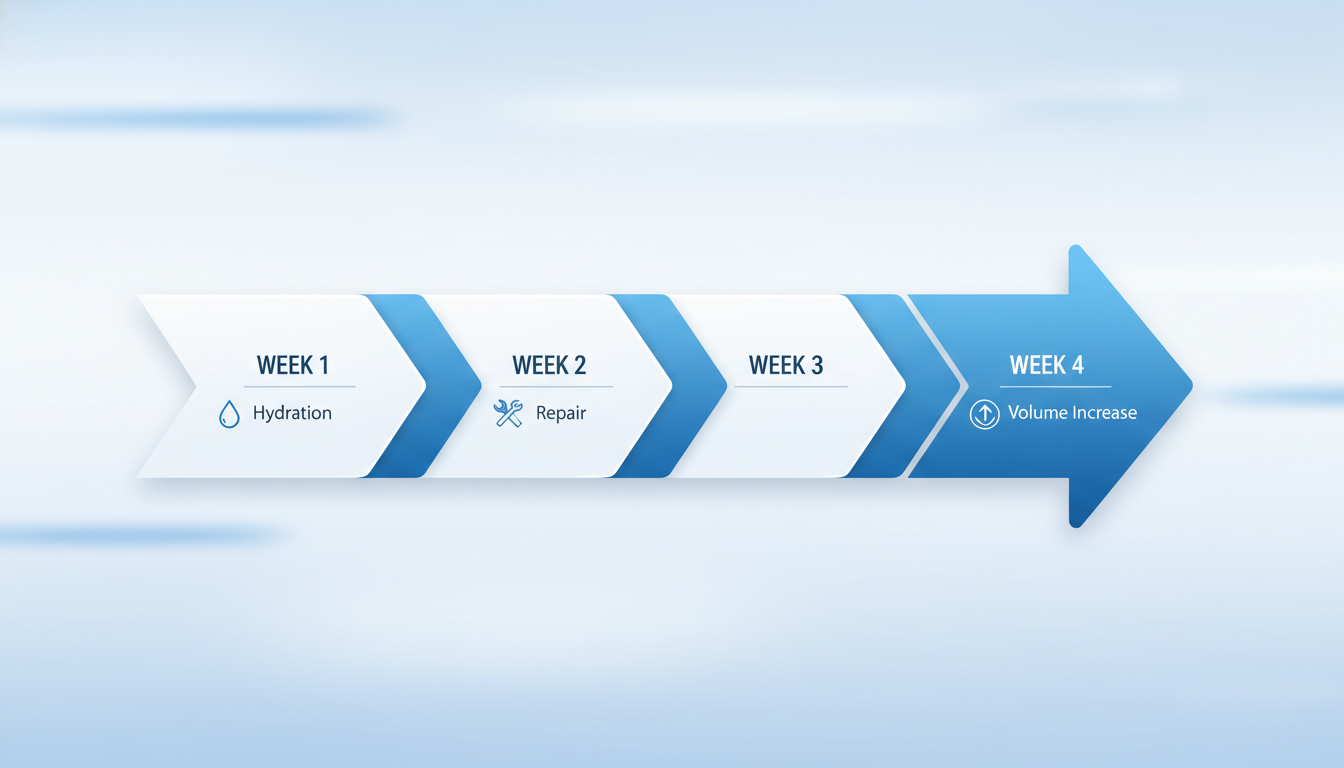
- Immediate (0-1 Hour): Lips feel softer, hydrated, and look glossy. Fine lines are temporarily blurred due to the emollient base.
- Short Term (3-7 Days): Reduction in flaking and cracking. The ‘tight’ feeling of dry lips disappears.
- Long Term (4-6 Weeks): This is the sweet spot. Collagen synthesis takes time. After a month of daily use, users report visibly fuller lips, a more defined vermilion border, and a reduction in deep vertical lines.
Patience Pays Off: Think of this as a workout routine for your lips. One session feels good, but 30 sessions change your body composition.
10. Cost vs. Value: Are They Worth the Hype?
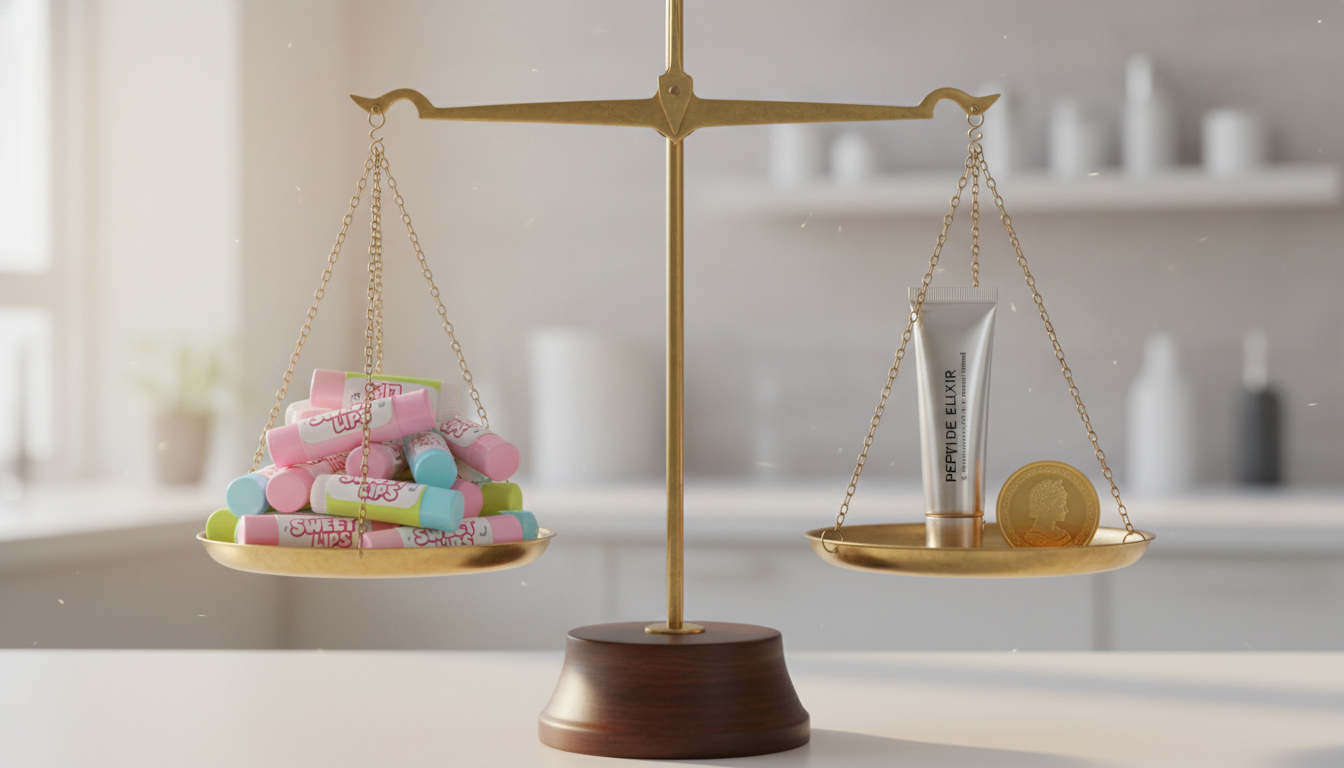
Peptide lip treatments generally cost 3x to 5x more than a standard chapstick. Is the ROI (Return on Investment) there?
The Math of Efficacy:
- Standard Balm ($3): Applied 10-15 times a day. Tube lasts 2 weeks. Total monthly cost: ~$6. Result: Maintenance of status quo.
- Peptide Treatment ($16-$25): Applied 2-3 times a day (because it actually hydrates). Tube lasts 2-3 months. Total monthly cost: ~$8. Result: Structural improvement and anti-aging.
While the upfront cost is higher, the cost-per-wear and the reduction in application frequency make peptide treatments surprisingly economical. Furthermore, by preventing deep lines, you may delay or reduce the need for expensive cosmetic procedures later.
11. The Future: Biotech and Lip Care
The rise of peptide lip treatments is just the beginning of ‘Skincare for Lips.’ We are moving away from passive barrier protection toward active biotechnology.
Emerging Trends:
- Smart Encapsulation: Peptides wrapped in lipid spheres that release over 12 hours.
- Growth Factors: Beyond simple peptides, utilizing EGF (Epidermal Growth Factors) for rapid healing of split lips.
- Personalized Peptides: DNA-based lip care customized to your specific aging profile.
Switching to peptide treatments now puts you ahead of the curve. You aren’t just buying a gloss; you are buying bio-active technology that prioritizes the health and longevity of your lips.
Frequently Asked Questions
Can peptide lip treatments replace lip fillers?
No topical product can fully replicate the volume of injectable filler. However, peptide treatments can significantly improve lip density, smooth surface lines, and enhance natural fullness, making them a great alternative for those wanting a subtle, natural enhancement or to prolong filler results.
How often should I apply a peptide lip treatment?
For best results, apply at least twice daily—once in the morning and once before bed. Consistent application is necessary to maintain the signal for collagen production.
Are peptide lip treatments safe during pregnancy?
Generally, most peptides used in lip care are considered safe. However, always check the full ingredient list for other additives like retinoids (rare in lip products) or salicylic acid, and consult your doctor to be sure.
Will my lips deflate if I stop using peptides?
Your lips won’t ‘deflate’ rapidly, but they will slowly return to their baseline hydration and collagen production levels over time without the active signaling from the peptides.
Can I use peptide treatments over matte lipstick?
Yes, they make excellent toppers. They can revive the look of dry matte lipstick, though the oils in the treatment may reduce the wear-time of long-wear lipsticks.
Do peptides work on severely chapped lips?
Yes, but they work best when the barrier is intact enough to absorb them. It is recommended to heal open cracks with a simple occlusive first, then introduce peptides for repair.
What is the difference between Palmitoyl Tripeptide-1 and -38?
Both are excellent. Tripeptide-1 is known for general collagen stimulation, while Tripeptide-38 (often marketed as Volulip) is specifically optimized to boost Hyaluronic Acid synthesis for volume.
Why do some peptide treatments feel sticky?
The stickiness often comes from the base ingredients like lanolin or specific polymers used to adhere the product to the lip. Newer formulations tend to use lighter oils for a non-sticky, glazed finish.
You might also like:- Top 5 Lip Care Routines for Every Pigmentation Level: Expert Tips
Discover more from innerspiritglow
Subscribe to get the latest posts sent to your email.