
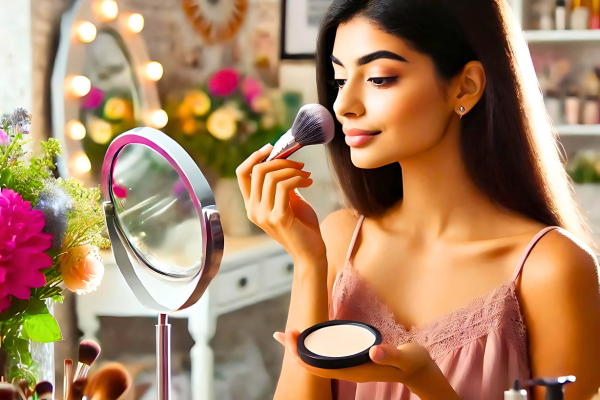
Introduction: The Perfect Powder for a Flawless Finish
Finding the right powder for your makeup routine can be a game-changer, especially for beginners. Whether you’re new to makeup or just looking for a better way to set your look, understanding the different types of powder is crucial. Not only do powders help to set your foundation, but they also enhance the longevity of your makeup, giving you a flawless, matte finish that lasts all day. In this Powder Guide, we’ll dive into the essential tips every beginner needs to know about choosing and using powder for the perfect look.
Powder is one of the most versatile tools in your makeup kit, but with so many different types available, it can be overwhelming. Don’t worry! By the end of this article, you’ll understand which powder works best for your skin type, how to apply it flawlessly, and common mistakes to avoid. Ready to get started? Let’s explore the Powder Guide that will help you master your makeup routine.
1. Understand the Different Types of Powders
Before diving into which powder to choose, it’s essential to understand the key differences between the three most popular types: loose powder, translucent powder, and pressed powder. Each serves a unique purpose and works differently depending on your skin type and makeup goals.

Loose Powder
- Best for Oily Skin: Loose powder is typically more absorbent and works wonders for oily skin types. It helps to mattify the skin, leaving a smooth, airbrushed finish.
- Used for Baking/Setting: Loose powder is the go-to choice for setting makeup and baking. When used to “bake,” it helps to set concealer, prevent creasing, and make the skin look flawless.
- Smooth Finish: Loose powder blends seamlessly into the skin, giving it a soft and smooth appearance without feeling heavy.
Product Recommendation: If you have oily skin, you might want to try a loose powder specifically formulated for oil control. A loose powder with a matte finish can ensure you stay shine-free all day.
Translucent Powder
- No Coverage: Unlike other powders, translucent powder doesn’t add color to your skin, making it perfect for setting makeup without altering the shade of your foundation.
- Controls Shine: Translucent powder works to absorb excess oil and control shine, especially in the T-zone (forehead, nose, and chin).
- Suitable for All Skin Tones: Because translucent powders are colorless, they are ideal for any skin tone and blend effortlessly with most foundations.
Product Recommendation: For a sheer finish that controls shine, try a lightweight translucent powder that gives a natural look without caking.
Pressed Powder
- More Coverage: Pressed powder provides more coverage than loose powder and is ideal for covering blemishes or uneven skin tone.
- Can Be Worn Alone: On days when you want a natural, no-makeup look, you can use pressed powder on its own for a light, even finish.
- Sets Makeup: Pressed powder is perfect for setting your makeup, keeping it in place without the need for multiple layers of product.
Product Recommendation: If you prefer medium to full coverage, a good pressed powder can offer excellent results without looking heavy.
2. Choose the Right Powder for Your Skin Type
Each person’s skin is unique, so it’s important to choose a powder that complements your skin type. Not all powders are created equal, and selecting the wrong one can lead to a cakey finish, dry patches, or excess shine. Here’s how to choose the best powder for your skin:
Oily Skin
If you have oily skin, you’ll want a powder that controls excess oil and gives you a matte finish. Loose powders with mattifying properties are excellent for this purpose. These powders help set your foundation and keep your makeup in place without looking shiny.
Recommended: A loose powder with oil-absorbing ingredients like talc or silica is perfect for oily skin.
Dry Skin
For dry skin, avoid powders that are too matte or drying. Look for translucent powders with moisturizing ingredients. These powders will set your makeup without accentuating dry patches.
Recommended: Choose a translucent powder with hydrating properties that ensure your skin looks smooth and nourished.
Combination Skin
If you have combination skin (oily in some areas, dry in others), you’ll benefit from a mix of both loose and pressed powders. Use a loose powder on oily areas and a pressed powder on dry spots for an even, balanced finish.
Recommended: Use a mattifying powder for oily zones and a hydrating pressed powder for the rest of your face.
3. How to Apply Powder for a Flawless Finish
Once you’ve chosen the right powder for your skin type, it’s essential to apply it correctly. Here’s a step-by-step guide to help you achieve a flawless, long-lasting look:
Baking with Loose Powder
Baking is a technique that involves applying a thick layer of loose powder to areas like under the eyes and the jawline to set concealer and foundation. Here’s how to do it:
- Apply your foundation and concealer as usual.
- Dust a generous amount of loose powder under your eyes and along the jawline.
- Let the powder sit for 5-10 minutes (this is called baking).
- Gently dust off the excess powder with a fluffy brush.
Setting Makeup with Translucent Powder
To set your makeup without adding extra coverage, use a light dusting of translucent powder.
- After applying foundation and concealer, take a fluffy brush and lightly tap the powder onto your face.
- Focus on areas that tend to get oily (like the T-zone).
- Don’t over-apply – a light dusting is all you need for a natural finish.
Touching Up with Pressed Powder
Pressed powder is perfect for quick touch-ups throughout the day. If you notice any shine or need to freshen up your look, simply press the powder onto your face using a compact.
- Use a makeup sponge or brush to lightly apply pressed powder to areas that need a little extra coverage.
- Focus on your T-zone, chin, and under-eye areas for a flawless finish.
4. How to Choose the Right Powder Shade
Choosing the right powder shade is crucial to achieving a natural, seamless look. Here’s how to pick the perfect shade for your skin tone:
- Translucent Powders: These are universal and work well with any skin tone, making them ideal for beginners.
- Colored Powders: Choose a powder that closely matches your skin tone or foundation shade. Make sure to test the powder on your jawline to see if it blends well with your natural skin color.
Tip: When trying a new powder shade, always test it in natural light to ensure it complements your skin tone.
5. Common Mistakes to Avoid When Using Powder
Even though powder is a great makeup tool, it’s easy to make mistakes. Here are some common powder pitfalls to watch out for:
- Over-Applying Powder: Using too much powder can make your face look cakey and heavy. Always start with a light hand and build up as needed.
- Using the Wrong Powder for Your Skin Type: If you have dry skin, using a mattifying powder can make you look flaky. Always choose the right powder based on your skin needs.
- Not Blending Enough: Blending your powder into your skin is key to a smooth, natural look. Avoid harsh lines or visible powder buildup.
Product Recommendation: If you’re looking for a smooth, natural finish, try a setting spray after applying powder. A good setting spray will lock in your makeup and prevent your powder from settling into fine lines.
Conclusion: Your Powder Guide to a Perfect Look
By understanding the different types of powders and choosing the right one for your skin type, you’re well on your way to achieving a flawless makeup look. Remember to experiment with the application techniques and shades to find what works best for you. Whether you’re using loose, translucent, or pressed powder, each one offers unique benefits to suit your personal makeup style.
Want to share your own powder tips or experiences? Drop a comment below and let us know how you use powder in your routine! Also, don’t forget to share this Powder Guide with your friends so they can master the art of perfect powder application too.
Ready to explore more makeup tips? Check out our other articles on how to master your beauty routine or comment below to share your own tips for flawless powder application!
Also, read👉🏻 Top 10 Essential Makeup Order Steps for Flawless Skin
Frequently Asked Questions: Powder Guide
What is a Powder Guide, and why is it important for beginners?
A Powder Guide is a resource designed to help beginners understand the different types of powders, how to choose the right one for their skin type, and how to apply it properly. Whether you’re looking for a matte finish or a natural glow, a Powder Guide can help you achieve the perfect look.
2. How do I choose the right powder for my skin type?
Choosing the right powder depends on your skin type:
Oily Skin: Loose powder with a mattifying formula works best.
Dry Skin: Translucent powder with hydrating properties is ideal.
Combination Skin: A mix of loose and pressed powders can balance oily and dry areas.
A Powder Guide can offer more specific recommendations based on your unique skin needs.
3. What’s the difference between loose, translucent, and pressed powders?
Loose Powder: Offers a smooth, airbrushed finish and is best for setting makeup and baking.
Translucent Powder: Does not add color, controls shine, and is suitable for all skin tones.
Pressed Powder: Provides more coverage and can be worn alone for a natural look.
A Powder Guide will help you determine which powder best suits your makeup goals.
4. How do I apply powder for a flawless finish?
To apply powder correctly:
Start with foundation and concealer.
Use a fluffy brush or makeup sponge to apply loose powder for a smooth finish.
Lightly dust translucent powder to set your makeup without adding coverage.
Use pressed powder for touch-ups throughout the day.
Following a Powder Guide will ensure you apply each type of powder with the right technique.
5. Can I use powder alone without foundation?
Yes, you can use pressed powder alone for a natural, light coverage look. This is especially useful for those who want a simple makeup routine or a “no makeup” makeup look.
A Powder Guide can help you decide when it’s best to skip foundation and use powder alone.
6. Should I use powder every day?
Using powder every day depends on your personal preference and skin type. If you have oily skin, powder can help control shine and set your makeup. If you have dry skin, you may prefer to use powder sparingly or opt for a hydrating setting spray instead.
The Powder Guide offers helpful tips on when to use powder based on your makeup needs.
7. Can I use a powder on top of my liquid foundation?
Absolutely! Applying powder on top of liquid foundation helps set your makeup and ensure it lasts all day. It prevents the foundation from sliding off and helps control shine.
A Powder Guide will show you how to apply powder properly over liquid foundation without making your skin look cakey.
8. How can I prevent my powder from looking cakey?
To avoid a cakey finish, always apply powder lightly and blend well. Start with a small amount and build up if needed. You can also use a setting spray after applying powder to ensure a smooth, natural look.
A Powder Guide will give you tips on how to apply powder for a flawless, non-cakey finish.
Discover more from innerspiritglow
Subscribe to get the latest posts sent to your email.

jililuck 22 https://www.jililuck-22.com