
Key Takeaways
- Functional Fiber: Unlike traditional sodas, prebiotic sodas contain 2g–9g of dietary fiber per can, feeding beneficial gut bacteria.
- Sweetener Switch: Most prebiotic sodas use stevia, monk fruit, or juice rather than aspartame or high fructose corn syrup.
- The ‘Bloat’ Risk: High doses of inulin or chicory root fiber can cause temporary digestive distress in sensitive individuals.
- Blood Sugar Impact: With significantly lower glycemic loads, these beverages prevent the insulin spikes associated with regular cola.
- Cost Barrier: At $2.50–$3.00 per can, the ‘healthy soda’ habit is roughly 400% more expensive than generic diet sodas.
You know the feeling. It’s 3 PM, and you are craving that crisp, carbonated bite of a soda. For decades, the choice was binary: sugary calorie bombs or chemical-laden diet drinks. Neither felt good.
Enter Prebiotic Sodas. Brands like Olipop, Poppi, and Culture Pop have exploded onto the scene, promising the nostalgia of soda with the wellness benefits of a supplement. They claim to aid digestion, stabilize blood sugar, and fix your microbiome. But is this just brilliant marketing wrapped in retro packaging?
Before you spend $3 a can, you need to understand what you are actually drinking. We stripped away the hype to analyze the ingredients, the fiber content, and the actual health impact. Here is the definitive guide to the prebiotic soda revolution.
1. What Exactly Is Prebiotic Soda?
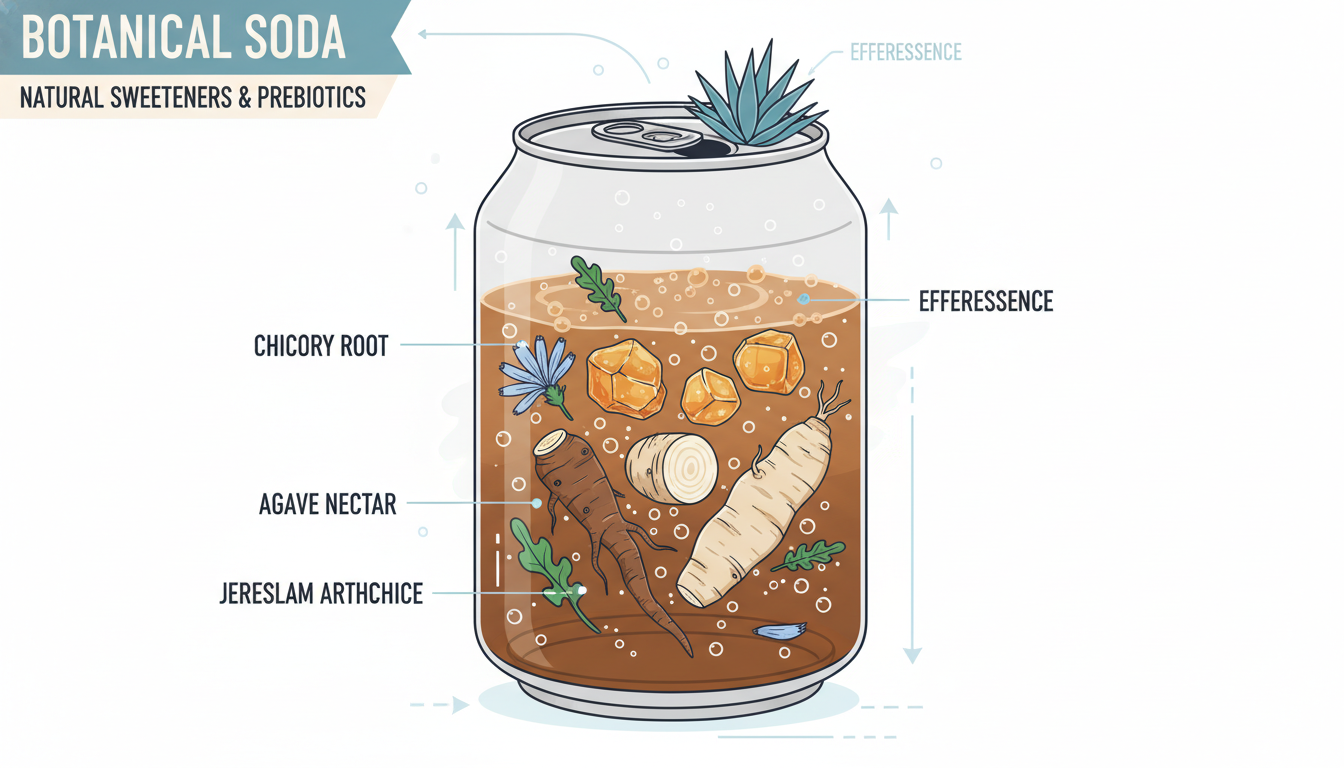
Prebiotic soda is a sub-category of functional beverages designed to mimic the taste of traditional soft drinks while delivering digestive health benefits. Unlike standard sodas defined by high fructose corn syrup (HFCS) or diet sodas defined by artificial sweeteners (aspartame, sucralose), prebiotic sodas are defined by their plant fiber content.
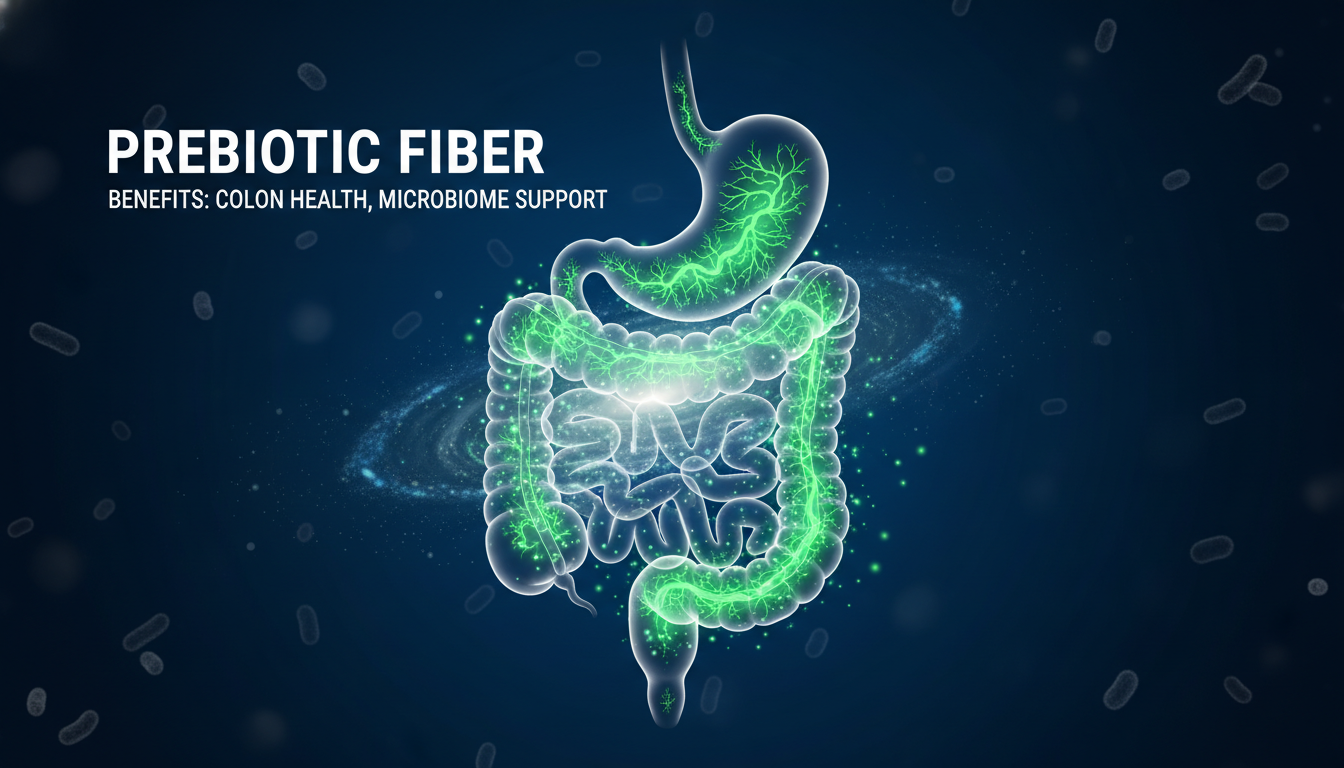
The core mechanism is the inclusion of specific plant fibers—usually inulin, chicory root, Jerusalem artichoke, or cassava root—that pass undigested through the stomach to the colon. Once there, these fibers act as food (prebiotics) for the beneficial bacteria (probiotics) already residing in your gut.
The Core Makeup:
- Base: Carbonated water.
- Active Ingredient: 2g to 9g of prebiotic fiber.
- Sweetener: Fruit juice, stevia, or monk fruit.
- Acidity: Apple cider vinegar (in some brands like Poppi).
This isn’t just a low-sugar drink; it is a delivery system for dietary fiber, a nutrient 95% of Americans are deficient in.
2. Prebiotics vs. Probiotics: Understanding the Difference
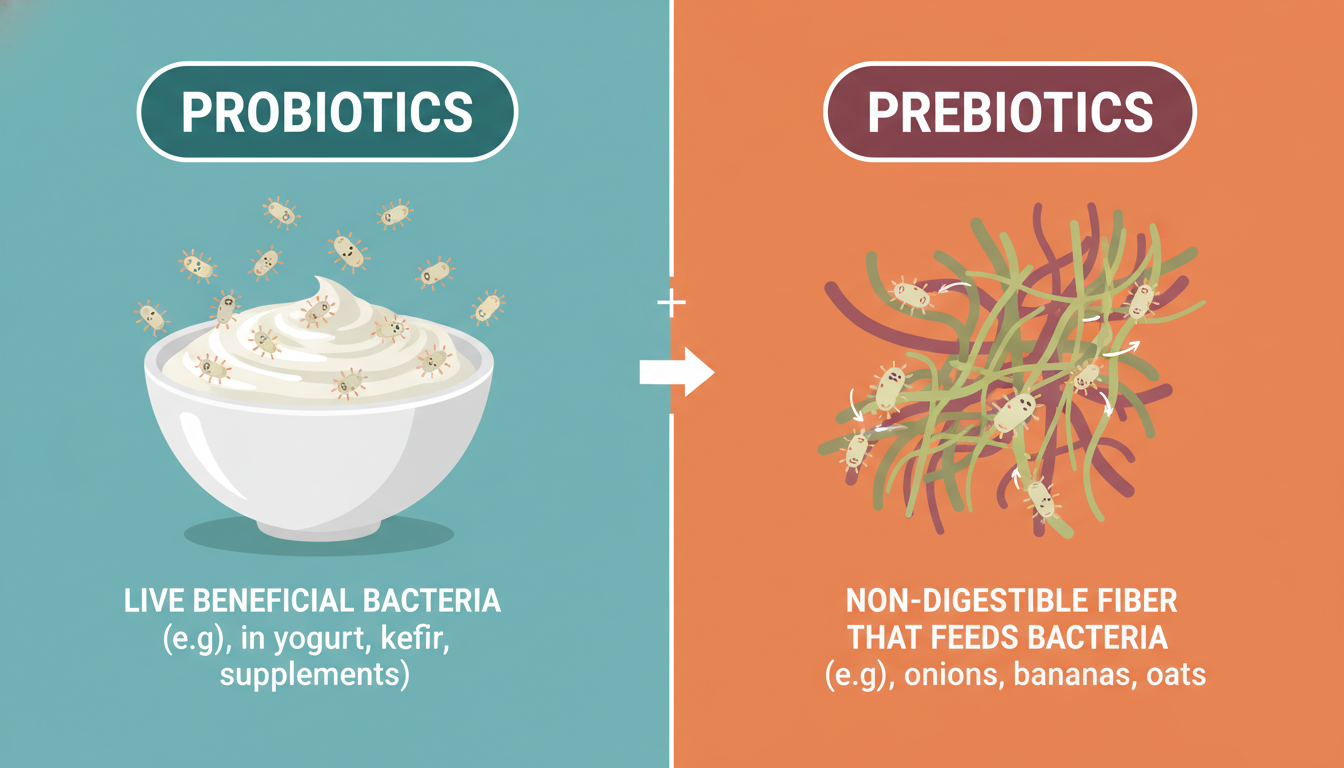
To understand the value proposition of these sodas, you must distinguish between prebiotics and probiotics. Many consumers conflate the two, but they serve different distinct roles in the microbiome ecosystem.
The Garden Analogy
- Probiotics (The Seeds): These are live microorganisms (bacteria/yeasts) found in fermented foods like yogurt, kombucha, and kimchi. They add new ‘plants’ to your gut garden.
- Prebiotics (The Fertilizer): These are non-digestible fibers found in the sodas we are discussing. They feed the ‘plants’ already in your garden, helping them grow and crowd out harmful bacteria.
Why It Matters
Most shelf-stable sodas cannot contain probiotics because the live cultures would die without refrigeration or would be killed by carbonation pressure (though some brands use sporulated hard-shell bacteria). Prebiotic sodas are more stable because fiber does not ‘die’. It remains effective regardless of temperature, making it a more consistent functional ingredient for a canned beverage.
3. The Ingredient Breakdown: What Are You Drinking?
Not all prebiotic sodas are created equal. The source of the fiber determines both the health benefit and the potential for stomach upset. Let’s analyze the most common active ingredients found in the market leaders.
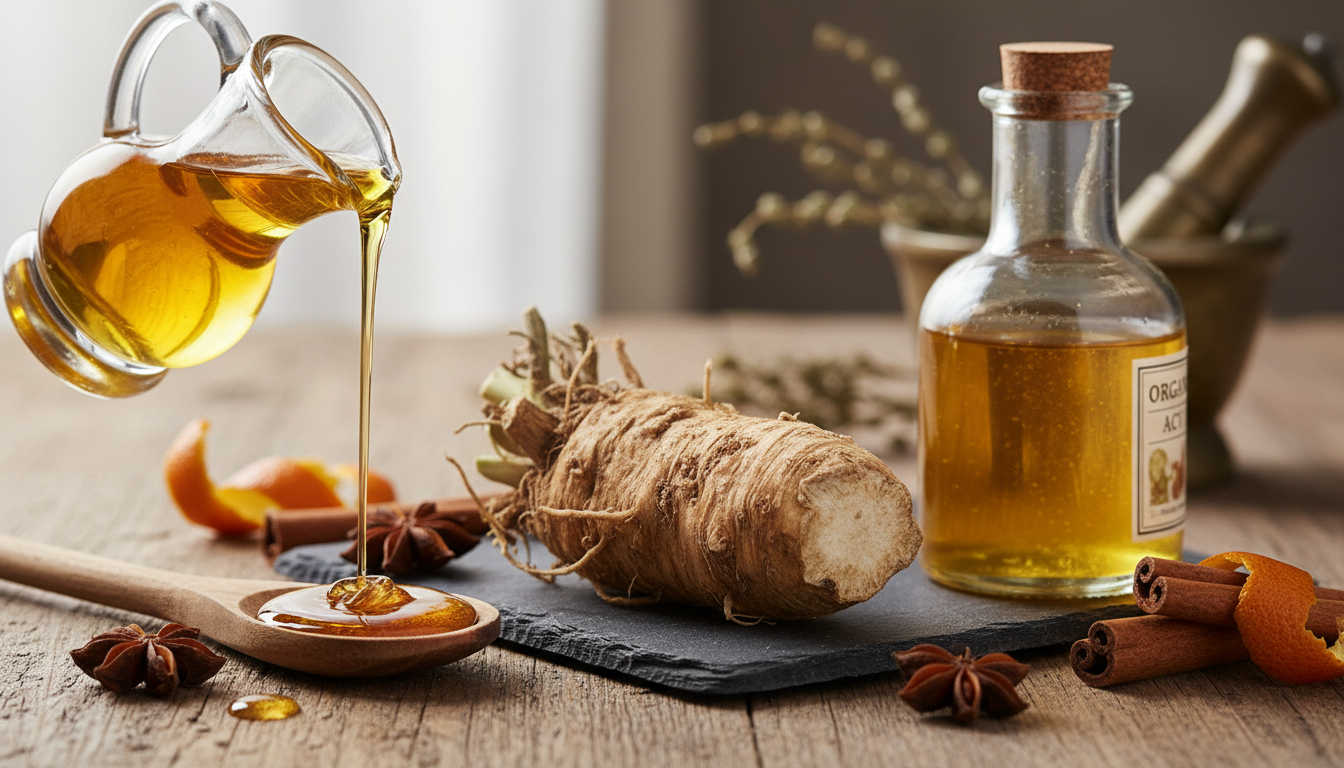
1. Inulin / Chicory Root (Olipop)
Extracted from the chicory plant, this is a soluble fiber.
- Pros: Highly effective at stimulating growth of Bifidobacteria.
- Cons: Known to cause rapid gas production and bloating in sensitive individuals (FODMAP sensitivity).
2. Agave Inulin (Poppi)
Similar to chicory but sourced from the agave plant.
- Pros: Often smoother taste profile; pairs well with fruit flavors.
- Cons: Still a fermentable fiber that can trigger IBS symptoms in high doses.
3. Apple Cider Vinegar (ACV)
While not a fiber, this is a key component in brands like Poppi.
- Pros: Contains acetic acid, which may help improve insulin sensitivity.
- Cons: The ‘mother’ (beneficial bacteria) content in a processed soda is often debated by nutritionists.
Expert Note: Always check the label. If ‘Sugar’ is the second ingredient, the prebiotic benefits may be negated by the glycemic spike.
4. Prebiotic Soda vs. Diet Soda: The Chemical Warfare
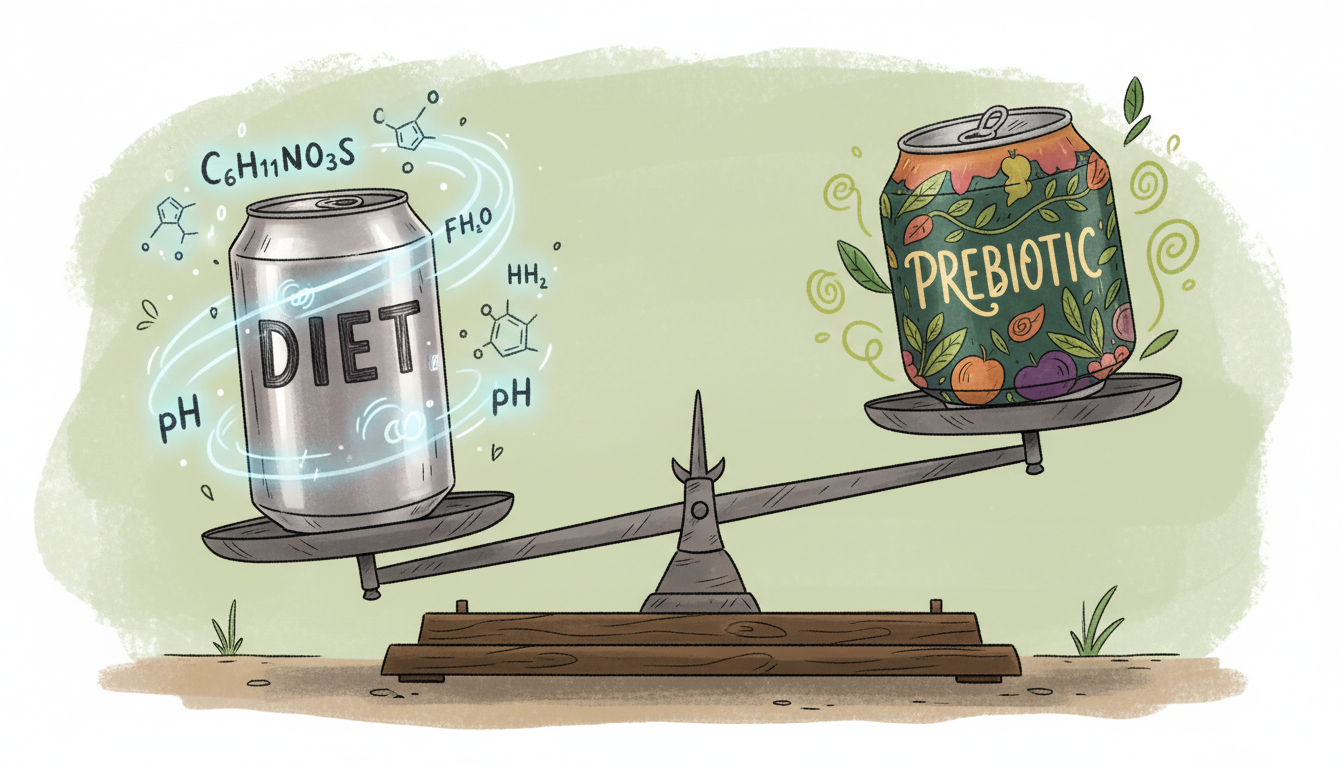
The primary reason consumers switch to prebiotic soda is to escape the chemical load of traditional diet sodas. Diet Coke and Pepsi Zero rely on high-intensity artificial sweeteners to achieve zero calories. Here is the direct comparison:
The Diet Soda Profile
- Sweetener: Aspartame, Sucralose, or Acesulfame Potassium.
- Risk: Studies suggest these non-nutritive sweeteners may negatively alter gut microbiota diversity and trigger glucose intolerance, ironically making weight management harder.
- Nutrient Density: Zero.
The Prebiotic Soda Profile
- Sweetener: Stevia, Monk Fruit, Erythritol, or trace Fruit Juice.
- Benefit: These natural sweeteners generally have a lower impact on gut flora and blood sugar.
- Nutrient Density: High (Fiber, Vitamin C).
The Verdict: While prebiotic sodas contain calories (usually 15–50), they avoid the synthetic additives that confuse the body’s metabolic signals. Your gut recognizes the fiber and juice in prebiotic soda as food; it often treats artificial sweeteners as foreign toxins.
5. Sugar Content Analysis: The Hidden Truth
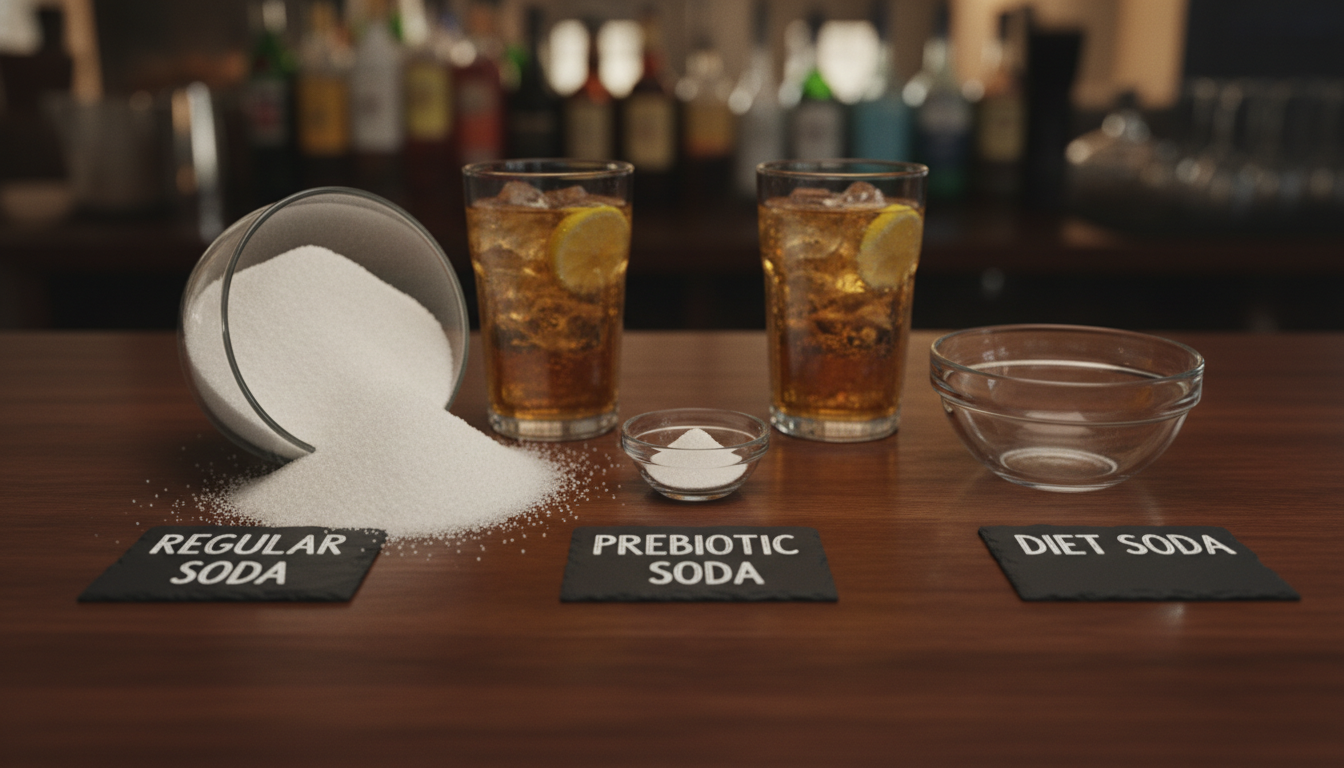
Prebiotic sodas are not sugar-free. This is a critical distinction for keto followers or diabetics. While a Coke contains 39g of sugar, and a Diet Coke contains 0g, prebiotic sodas usually land in the 2g to 5g range.
Comparative Sugar Table (12oz serving)
| Beverage Type | Total Sugar | Added Sugar | Sweetener Source |
|---|---|---|---|
| Traditional Cola | 39g | 39g | HFCS / Cane Sugar |
| Diet Cola | 0g | 0g | Aspartame |
| Olipop | 2g-5g | 2g-4g | Cassava Syrup / Stevia |
| Poppi | 4g-5g | 4g | Cane Sugar / Stevia |
| Kombucha | 6g-12g | 2g-6g | Fruit Juice / Fermentation |
Context: The 5g of sugar in a prebiotic soda is often necessary to balance the earthy taste of the fiber and vinegar. However, if you drink four a day, you are consuming 20g of sugar—nearly the daily recommended limit for women. Treat these as a treat, not water.
6. Gut Health Benefits: Do They Actually Work?
The marketing claims are bold, but does the science hold up? The primary benefit rests on the fiber content. Most Americans only consume 10-15g of fiber daily, well below the recommended 25-30g.
1. Increased Satiety
Fiber slows digestion. Drinking a prebiotic soda with a meal can help you feel fuller faster, potentially preventing overeating compared to drinking a zero-calorie diet soda that provides no satiety signal.
2. Microbiome Diversity
Fermentable fibers (inulin) increase the production of Short-Chain Fatty Acids (SCFAs) like butyrate in the colon. Butyrate is fuel for the cells lining your gut and helps reduce inflammation.
3. Bowel Regularity
A single can of Olipop contains roughly 9g of fiber (32% DV). For someone with a low-fiber diet, this can significantly aid in regularity. However, it is a double-edged sword: introducing 9g of liquid fiber rapidly can cause an ’emergency’ bathroom trip if your body isn’t acclimated.
7. The ‘Poppi Bloat’: Side Effects to Watch For
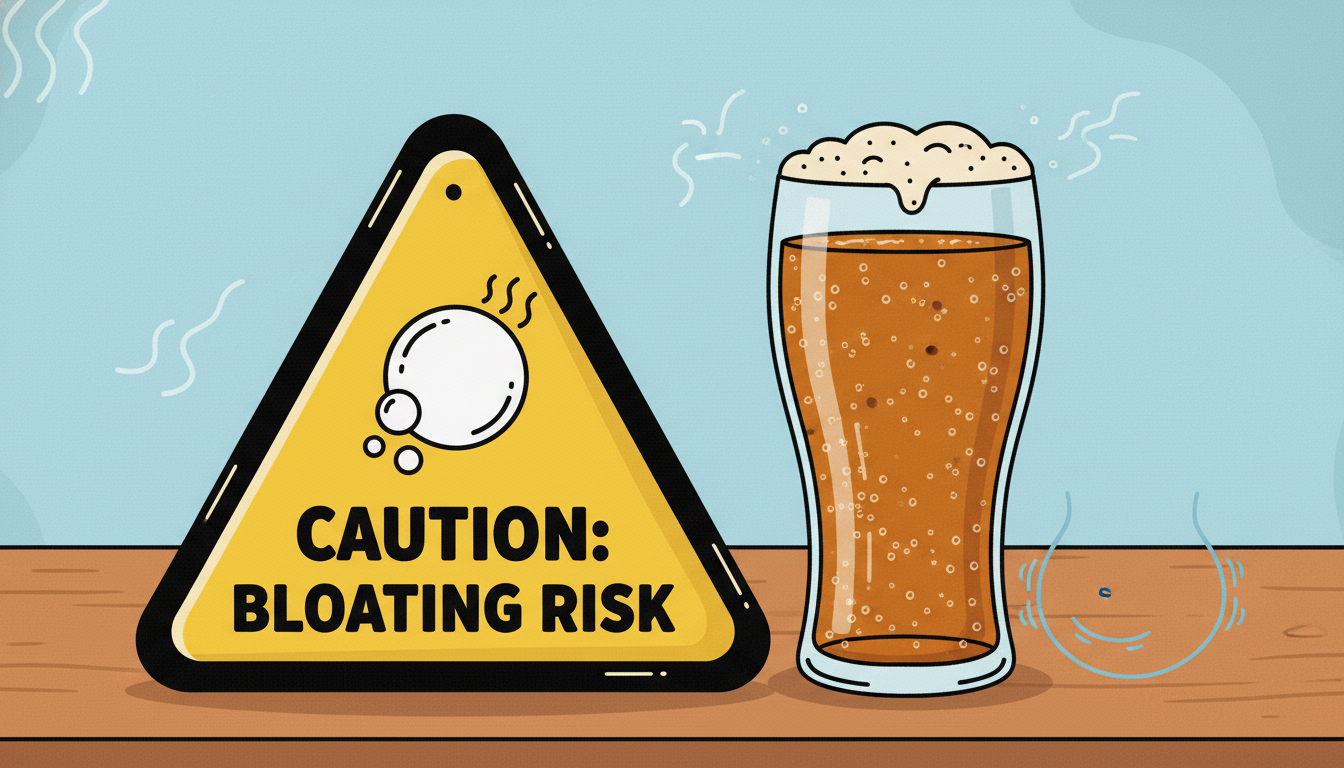
If you search social media for prebiotic sodas, you will find two camps: those who swear by them, and those who complain of intense bloating. This phenomenon is scientifically expected.
The Fermentation Effect:
When bacteria in your gut eat prebiotic fiber, the byproduct of that feast is gas. If you have SIBO (Small Intestinal Bacterial Overgrowth) or IBS (Irritable Bowel Syndrome), adding highly fermentable fibers like inulin can be like throwing gasoline on a fire.
Symptoms of Fiber Overload:
- Abdominal distension (Bloating).
- Excessive flatulence.
- Cramping.
Mitigation Strategy: If you are new to prebiotic sodas, do not drink the whole can at once. Drink half and wait to see how your stomach reacts. Build up your tolerance over two weeks. Do not replace all your beverages with these sodas immediately.
8. Weight Loss: Helper or Hype?
Can drinking soda help you lose weight? In the context of replacement, yes. If you replace a 140-calorie Coke with a 35-calorie prebiotic soda daily, you cut 105 calories per day (roughly 11 lbs of calorie deficit per year) without sacrificing the ritual of a sweet, fizzy drink.
Furthermore, the GLP-1 Connection: Some studies suggest that SCFA production (from fiber fermentation) can stimulate the release of GLP-1, a satiety hormone (the same pathway targeted by drugs like Ozempic, though obviously to a much, much lesser degree).
However, prebiotic soda is not a magic weight loss pill. It contains calories. If you add three cans a day on top of your existing diet without removing anything, you are adding calories. It is a tool for substitution, not addition.

9. The Taste Test: Do They Actually Taste Good?
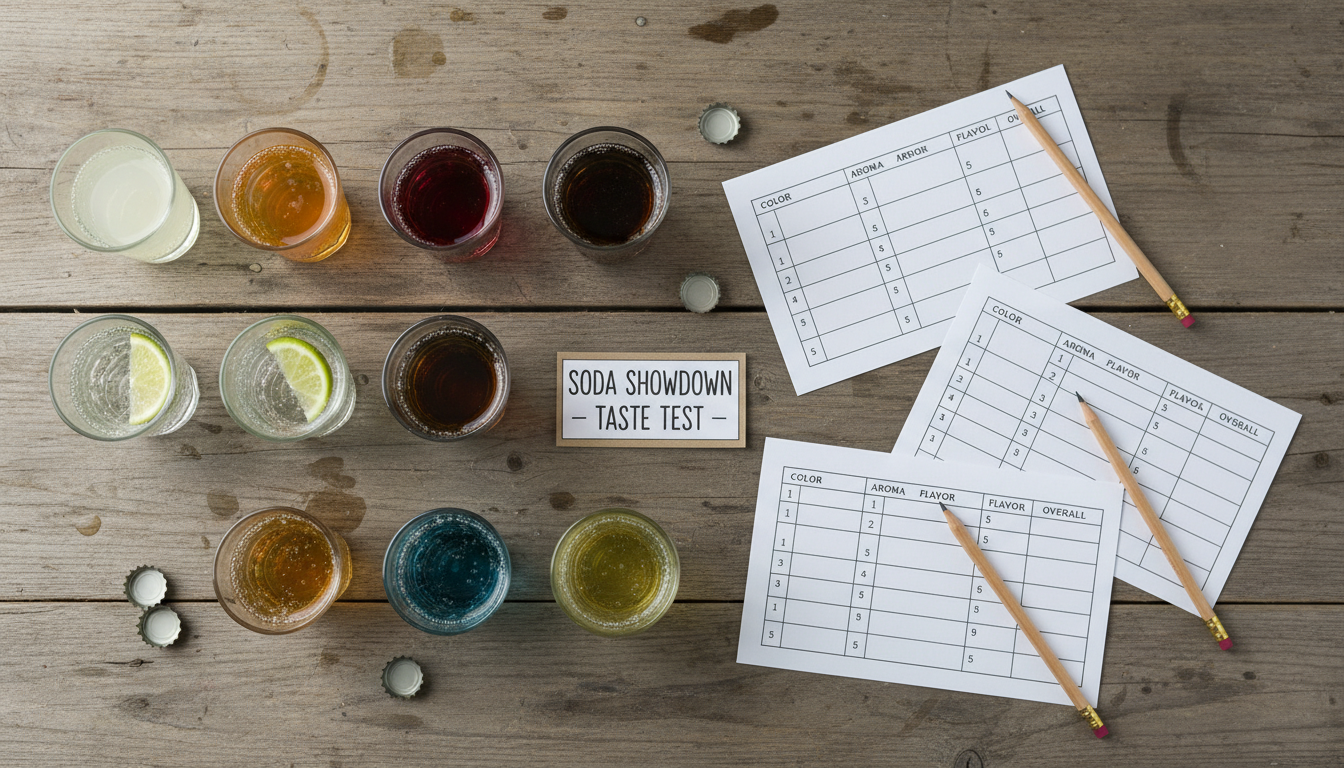
Taste is the biggest barrier to entry. Early functional beverages tasted like medicine. Today’s market leaders have cracked the code, but they do not taste exactly like the ‘real thing’.
Flavor Profile Expectations:
- Olipop (Vintage Cola): Tastes less like Coke and more like a spiced gummy candy or a botanical cola. Heavier mouthfeel due to the cassava root thickeners. Very creamy.
- Poppi (Strawberry Lemon): Tastes very light, crisp, and slightly acidic due to the Apple Cider Vinegar. Much closer to a flavored sparkling water than a heavy syrup soda.
- Culture Pop: Uses real spices (rosemary, chili). Tastes culinary and sophisticated, less like candy.
Consumer Consensus: If you expect a 1:1 replica of Dr. Pepper, you will be disappointed. If you approach them as a new category of sparkling botanical drinks, they are delicious.
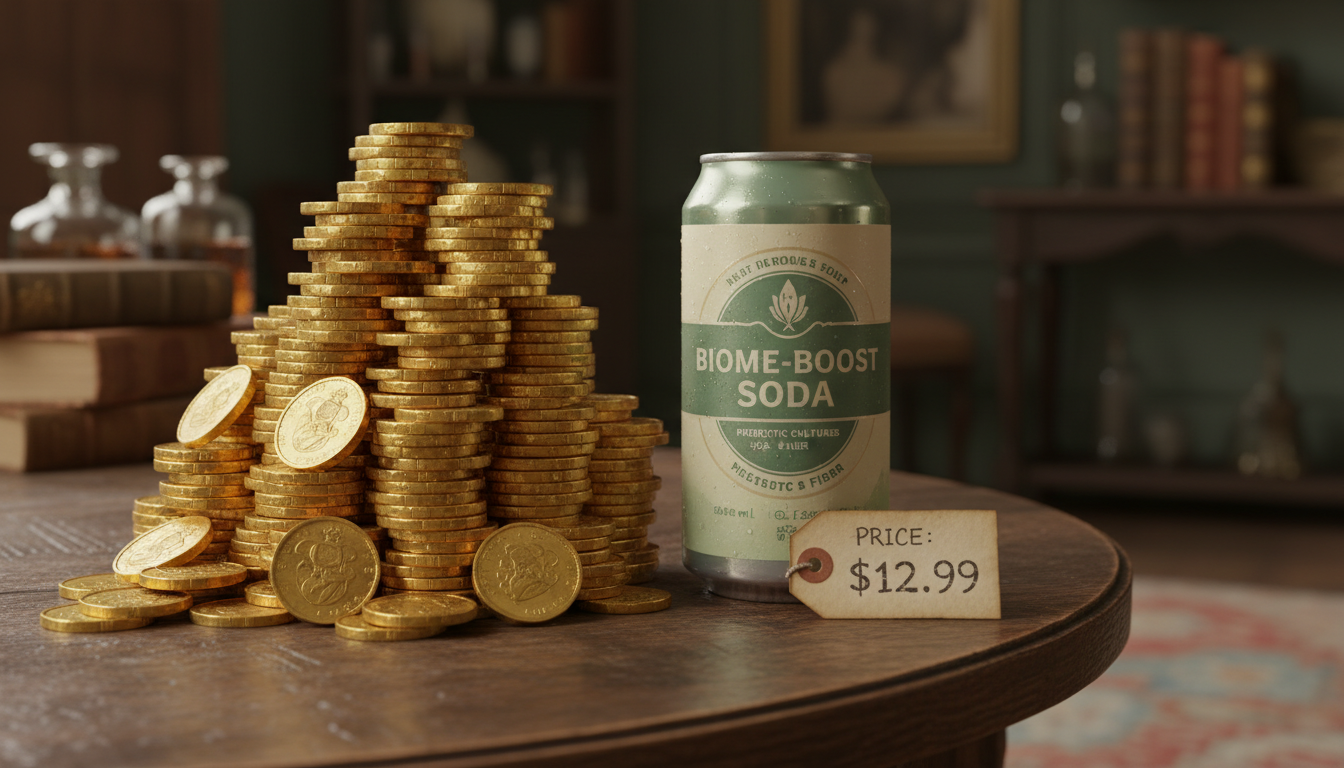
10. Cost Analysis: Is It Worth $3.00 a Can?
The economic reality of prebiotic soda is steep.
- Average Diet Coke: $0.50 per can.
- Average Prebiotic Soda: $2.49 – $3.00 per can.
This is a 400% – 500% markup. Is it justified?
From a manufacturing standpoint, yes. You are paying for expensive ingredients like Jerusalem artichoke fiber, nopal cactus, and cassava syrup, whereas diet soda is water and cheap laboratory chemicals.
Budget Tip: Most users treat prebiotic sodas as an ‘alcohol replacement’ or a ‘dessert’ rather than a hydration source. If you view it as a $3 cocktail replacement, it is cheap. If you view it as a thirst quencher, it is exorbitant. Buying in bulk on Amazon or Costco is currently the only way to get the price down to roughly $1.90/can.
11. Final Verdict: Who Should (and Shouldn’t) Drink This
Prebiotic sodas are arguably the most successful ‘health washing’ of a junk food category in history—but in this case, the product is actually decent.
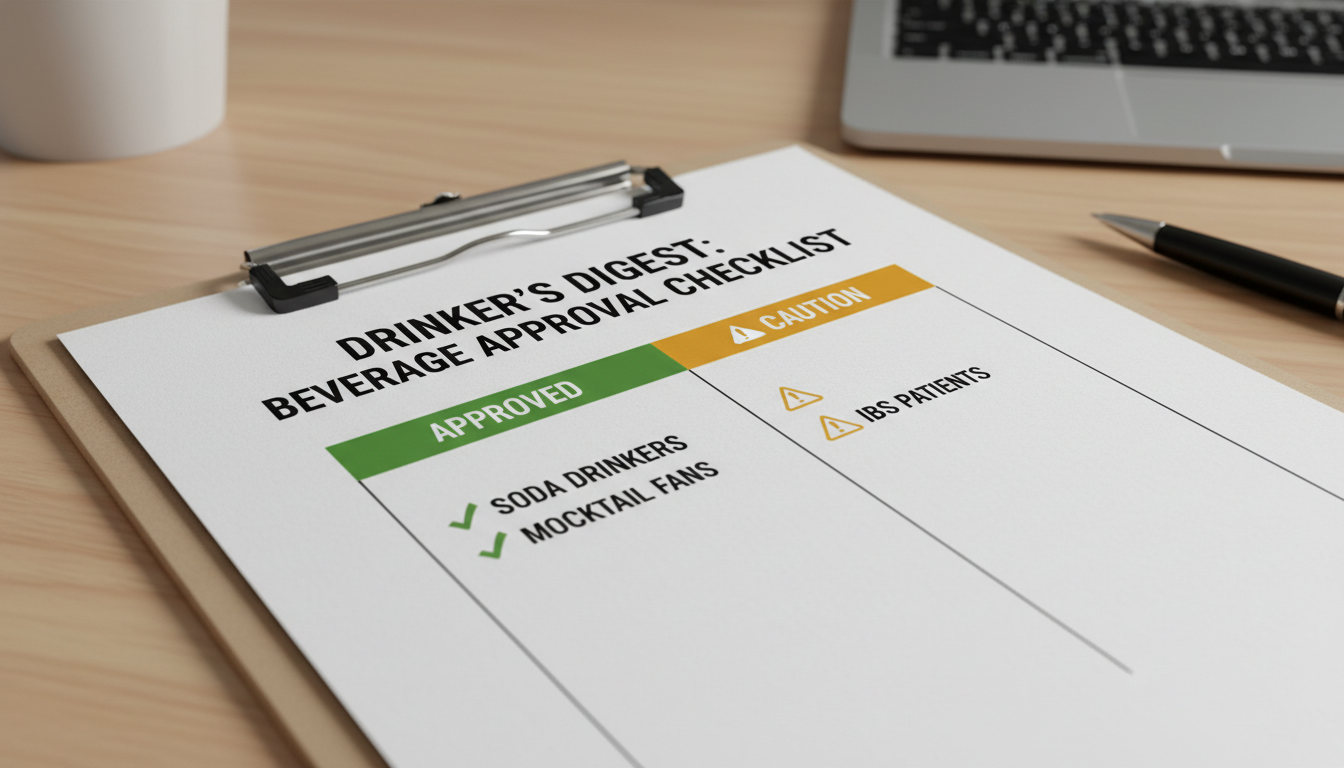
Who Should Drink It:
- Soda Addicts: The best demographic. If you drink 2+ Cokes a day, switching to this will radically improve your health markers.
- Alcohol Reducers: The complexity of the flavor makes it a great mocktail base or beer alternative.
- Fiber Deficient: People who struggle to eat enough vegetables.
Who Should Avoid It:
- IBS/FODMAP Sufferers: The inulin is a major trigger.
- Keto Purists: The 4-5g of carbs/sugar might be too high for strict ketosis.
- Budget Shoppers: Water is free. Prebiotic soda is a luxury good.
The Bottom Line: Prebiotic soda is better than diet soda, and infinitely better than regular soda. It is not, however, better than water or whole vegetables. Drink it for enjoyment, not as your primary health strategy.
Frequently Asked Questions
Can prebiotic soda replace my daily probiotic supplement?
No. Prebiotic soda provides the fiber (food) for bacteria, while probiotic supplements provide the bacteria itself. They work best together, but one does not replace the other.
Will prebiotic soda break my fast?
Yes. With 15-50 calories and 2-5g of sugar per can, drinking a prebiotic soda will trigger an insulin response and technically break a fast.
Is it safe to drink prebiotic soda every day?
Generally, yes, provided your stomach can handle the fiber load. However, limit intake to 1-2 cans max to avoid excessive sugar intake and bloating.
Does prebiotic soda contain caffeine?
Most fruit flavors are caffeine-free, but ‘Cola’ or ‘Doc’ varieties usually contain naturally sourced caffeine (from green tea) ranging from 35mg to 50mg.
Why does prebiotic soda make me bloated?
The inulin or chicory root fiber ferments in your gut. This fermentation produces gas. This is a sign the fiber is working, but it can be uncomfortable if you consume too much too quickly.
Are these sodas safe for kids?
Yes, they are generally safer than full-sugar sodas or those with aspartame. However, be mindful of the fiber content; a child’s digestive system is smaller and more sensitive.
What is the difference between Olipop and Poppi?
Olipop is higher in fiber (9g) and uses cassava/chicory root for a creamy mouthfeel. Poppi is lower in fiber (<2g in some SKUs) and uses Apple Cider Vinegar for a crisper, lighter taste.
You might also like:– Top 10 Gut Healing Habits for Clear, Radiant Skin
Discover more from innerspiritglow
Subscribe to get the latest posts sent to your email.
jl10 Online Casino Philippines: Quick jl10 Login, Register & jl10 Slot Games. Get the jl10 App Download for the Best Gaming Experience! Join jl10 Online Casino Philippines for the best gaming! Fast jl10 login, easy jl10 register, and huge jl10 slot wins. Get the jl10 app download and start winning today! visit: jl10
Alright, JL33app. Ready to download and see what the hype is about. Hopefully the app is smooth and the games are fun. Download yours at jl33app!
LKIWIN! Sounds promising. Gonna give it a whirl and see if I can turn that luck around. Maybe this is the one. Check it out: lkiwin
MXWin’s up next! Always on the hunt for fresh sites to try. Hoping for good bonuses and a responsive platform. Find your win at mxwin