
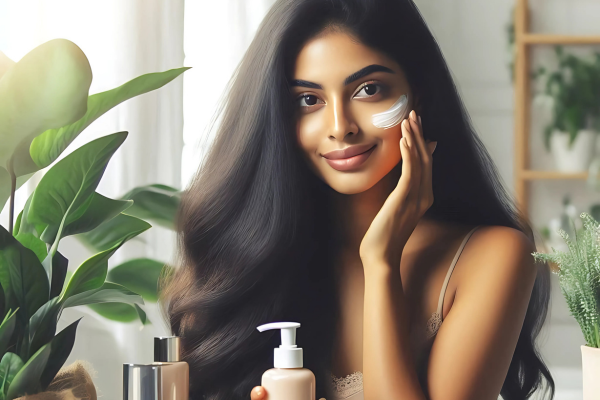
Have you ever looked in the mirror and wondered why your face appears darker than the rest of your body? You’re not alone. Uneven skin tone, facial darkening, and hyperpigmentation are common concerns, especially in regions with intense sun exposure and high humidity. But what’s truly surprising is that many of the causes aren’t what you’d expect—and some of them are hidden in your daily routine.
In this article, we’ll explore 10 shocking reasons your face is getting darker daily and offer practical, expert-backed solutions to help you reclaim a brighter, healthier complexion.
1. You’re Using Body Lotion on Your Face
Facial skin is more delicate and sensitive than the rest of your body. Using body lotions—which are often thicker, heavily fragranced, and not pH-balanced for facial skin—can clog pores, trigger inflammation, and worsen pigmentation. Opt for lightweight, non-comedogenic moisturizers formulated specifically for the face. Products containing hyaluronic acid or ceramides offer hydration without disrupting your skin’s barrier.
2. You’re Skipping Brightening Ingredients
While hydration and cleansing are essential, skipping targeted ingredients like vitamin C, niacinamide, and licorice root extract could slow down skin renewal and allow dark spots to linger. These brightening agents work at a cellular level to inhibit melanin production and promote even skin tone. Incorporate a brightening serum into your morning routine—preferably one with antioxidant protection.
3. Sunscreen Is Not a Daily Habit
This might be the most underestimated cause. Unprotected sun exposure is the leading cause of facial hyperpigmentation, even on cloudy days or indoors near windows. UV radiation triggers excess melanin production, leading to tanning, dark spots, and long-term damage. Use a broad-spectrum sunscreen with SPF 30 or higher daily. For oily or acne-prone skin, look for gel-based, matte-finish sunscreens to avoid a greasy feel.
4. Inconsistency in Your Skincare Routine
Skincare is not a quick fix—it requires consistency. Fluctuating between products or skipping steps disrupts your skin’s barrier and healing process. Over time, this leads to dullness and stubborn pigmentation. Establish a simple, sustainable routine (cleanse, treat, moisturize, protect) and stick to it for at least 6–8 weeks to notice visible changes.
5. You Don’t Know Your Skin Type
Using the wrong products for your skin type can backfire. For instance, using heavy creams on oily skin can clog pores and cause post-inflammatory hyperpigmentation, while overly drying products on dry skin can lead to irritation and dark patches. Start by identifying whether your skin is oily, dry, combination, or sensitive. Choose skincare products that match your skin type, not just popular trends.
6. You’re Not Protecting Yourself from Direct Sunlight
Even if you’re wearing sunscreen, direct sun exposure without physical protection can accelerate facial darkening. UV rays are strongest between 10 a.m. and 4 p.m. During these hours, it’s best to limit sun exposure and wear wide-brimmed hats, UV-blocking sunglasses, and even lightweight scarves for an extra barrier.
7. You’re Not Drinking Enough Water
Dehydrated skin can appear dull, flaky, and patchy. This uneven texture can make pigmentation more visible. Hydration supports skin regeneration and helps flush out toxins. Aim for at least 2–3 liters of water daily, especially if you live in a hot climate or lead an active lifestyle. Combine internal hydration with hydrating serums to lock in moisture externally.
8. You’re Not Exfoliating Regularly
Dead skin cells can build up on the surface, giving your face a darker, tired appearance. Regular exfoliation removes this layer and allows brightening products to penetrate better. However, over-exfoliating can damage your skin barrier, so it’s best to exfoliate 2–3 times a week using gentle chemical exfoliants like AHAs or BHAs instead of harsh scrubs.
9. You’re Using Harsh or Wrong Products
Some people unknowingly use products with high alcohol content, artificial fragrances, or strong bleaching agents that irritate and inflame the skin. Irritated skin often responds by producing more melanin, which worsens dark spots. Always check the ingredient list and patch test new products. Look for calming ingredients like aloe vera, green tea extract, or centella asiatica that soothe while promoting an even tone.
10. You’re Not Cleansing After Sweating or Working Out
Sweat mixed with pollutants and dirt can clog pores and contribute to breakouts and pigmentation. If you’re skipping your face cleanse after a workout or long day outdoors, your skin is more likely to suffer from dullness and dark patches. Use a mild, pH-balanced cleanser after sweating, and consider a micellar water for on-the-go cleansing if you can’t wash your face immediately.
What You Can Do Today
Addressing facial darkening doesn’t mean overhauling your skincare overnight. Start by making these small, intentional changes:
- Switch to face-specific products formulated for your skin type.
- Apply sunscreen daily—no excuses.
- Introduce a brightening serum with ingredients like niacinamide or vitamin C.
- Exfoliate regularly, but gently.
- Stay consistent with your routine, and give your skin time to respond.
If your hyperpigmentation persists or worsens, consider consulting a dermatologist. They may recommend clinical treatments like chemical peels, laser therapy, or prescription-grade topicals based on your skin condition.
Final Thoughts
Your face getting darker isn’t always about sun exposure alone—often, it’s the small daily habits that add up over time. By becoming aware of these hidden culprits and taking targeted action, you can restore your skin’s natural glow and maintain an even, radiant complexion.
Small steps, when done right, can lead to big skin transformations. Start today, and your future face will thank you.
Also, read👉🏻 9 Amazing Benefits of Drinking Water for Glowing Health!
Frequently Asked Questions (FAQs)
Why is my face getting darker but not the rest of my body?
This usually happens because facial skin is more exposed to environmental factors like sunlight, pollution, and skincare products. If you’re not using facial sunscreen daily or are applying unsuitable products, your face may darken faster than other areas.
Can using the wrong skincare products make my face darker?
Yes. Products that are too harsh, comedogenic, or not suited for your skin type can irritate the skin, trigger inflammation, and increase melanin production—leading to dark patches or overall facial dullness.
How does sunscreen help with facial darkening?
Sunscreen protects the skin from harmful UV rays that stimulate melanin production. Without daily SPF, your face is more likely to develop sunspots, tanning, and hyperpigmentation—even indoors or on cloudy days.
Can dehydration really affect my skin tone?
Absolutely. Dehydrated skin can look dull, tired, and uneven. Lack of moisture also affects your skin’s ability to heal and renew itself, making dark spots more noticeable. Drinking enough water and using hydrating products both help.
How often should I exfoliate to prevent facial darkening?
Exfoliate 2–3 times a week with gentle chemical exfoliants like AHAs (e.g., glycolic acid) or BHAs (e.g., salicylic acid). Over-exfoliation can damage your skin barrier and worsen pigmentation, so avoid harsh scrubs and daily exfoliation.
Is it okay to use body lotion on the face?
No. Body lotions are typically heavier and may contain fragrances or oils that clog pores or irritate facial skin. Always use non-comedogenic moisturizers made specifically for the face to avoid skin issues, including darkening.
What ingredients should I look for in brightening products?
Look for proven ingredients like vitamin C, niacinamide, licorice root extract, alpha arbutin, and kojic acid. These work by reducing melanin production and improving overall skin tone without bleaching or irritation.
How long does it take to see improvement once I change my routine?
You may begin to see small improvements within 2–4 weeks, but significant results typically take 6–8 weeks of consistent care. Patience and regular use of targeted skincare are key to reversing facial darkening.
Can workouts or sweating make my face darker?
Not directly, but if you don’t cleanse your skin properly after sweating, sweat mixed with dirt and pollution can clog pores and lead to post-inflammatory pigmentation. Always wash your face after exercising.
When should I see a dermatologist about facial darkening?
If you’ve tried over-the-counter products and lifestyle changes for more than 2–3 months without improvement, or if the darkening is sudden and unexplained, it’s best to consult a dermatologist. They can assess underlying causes and recommend professional treatments like chemical peels or prescription creams.
Discover more from innerspiritglow
Subscribe to get the latest posts sent to your email.
Casinuucasino, nice! Found some of my favorite games here. The signup process was easy, and I’ve had a smooth overall experience. Might stick around for a while. Worth checking out casinuucasino if you are a regular casino player.
93jili https://www.la93jili.net