
Key Takeaways
- Rice toner is rich in amino acids, Vitamin E, and ferulic acid, essential for brightening.
- The ‘7-Skin Method’ involves layering toner to maximize hydration absorption.
- Fermented rice water offers higher antioxidant benefits than plain rice water.
- DIY rice toners must be refrigerated and used within 3-5 days to prevent bacterial growth.
- Compatible with retinol and niacinamide for boosting anti-aging effects.
- Consistency is key: Visible brightening often starts after 7-14 days of daily use.
- Patch testing is mandatory for fermented products due to potential fungal acne triggers.
Is your skin looking dull, dehydrated, or textured despite a cabinet full of expensive serums? You are not alone. The quest for ‘Glass Skin’—that poreless, luminous complexion popularized by K-Beauty—often feels impossible. But the solution might be simpler, and ancient, than you think. Enter Rice Toner. Used for centuries by Geishas and court ladies in Asia to maintain porcelain skin, this starchy byproduct is now a viral sensation. Whether you brew it in your kitchen or buy a fermented formula, rice toner promises to hydrate, brighten, and soothe inflammation rapidly. In this guide, we break down the 11 critical secrets to mastering rice toner for a transformation in just 7 days.
1. The Science: Why Rice Water Actually Works
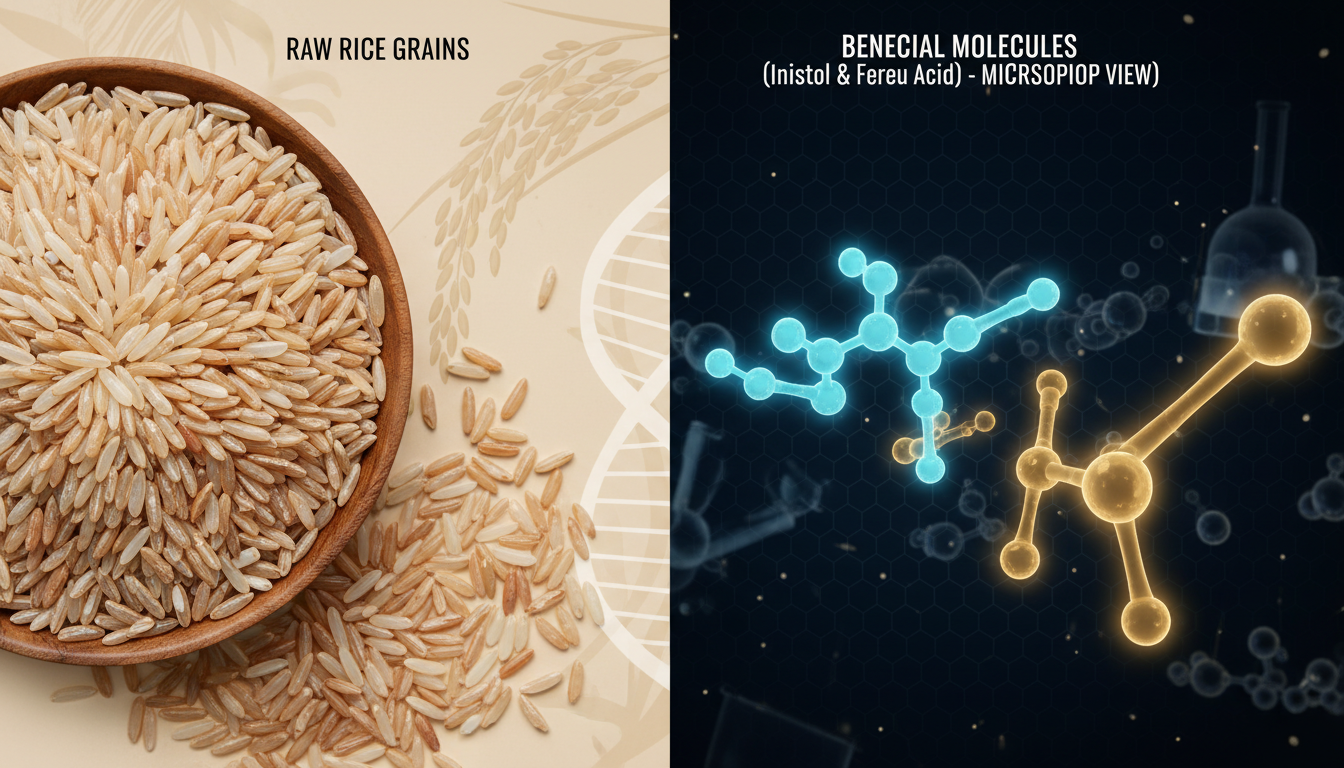
Rice toner isn’t just hype; it is chemistry. When rice is soaked or fermented, it releases a potent cocktail of bioactive compounds. The primary component is Inositol, often called ‘Vitamin B8’, which improves blood flow to the skin and slows down the aging process. Additionally, rice water contains Ferulic Acid, a powerful antioxidant that fights free radicals and boosts the effectiveness of other vitamins like C and E.
Key Chemical Components:
| Component | Benefit |
|---|---|
| Allantoin | Soothes inflammation and heals acne scars. |
| Gamma-oryzanol | Brightens skin and reduces pigmentation. |
| Amino Acids | Builds the skin barrier and retains moisture. |
| Starch | Absorbs excess oil and tightens pores. |
Understanding this chemical makeup helps explain why users report an almost immediate ‘tightening’ and ‘brightening’ effect after application.
2. Fermented vs. Plain Rice Water: The Efficacy Gap
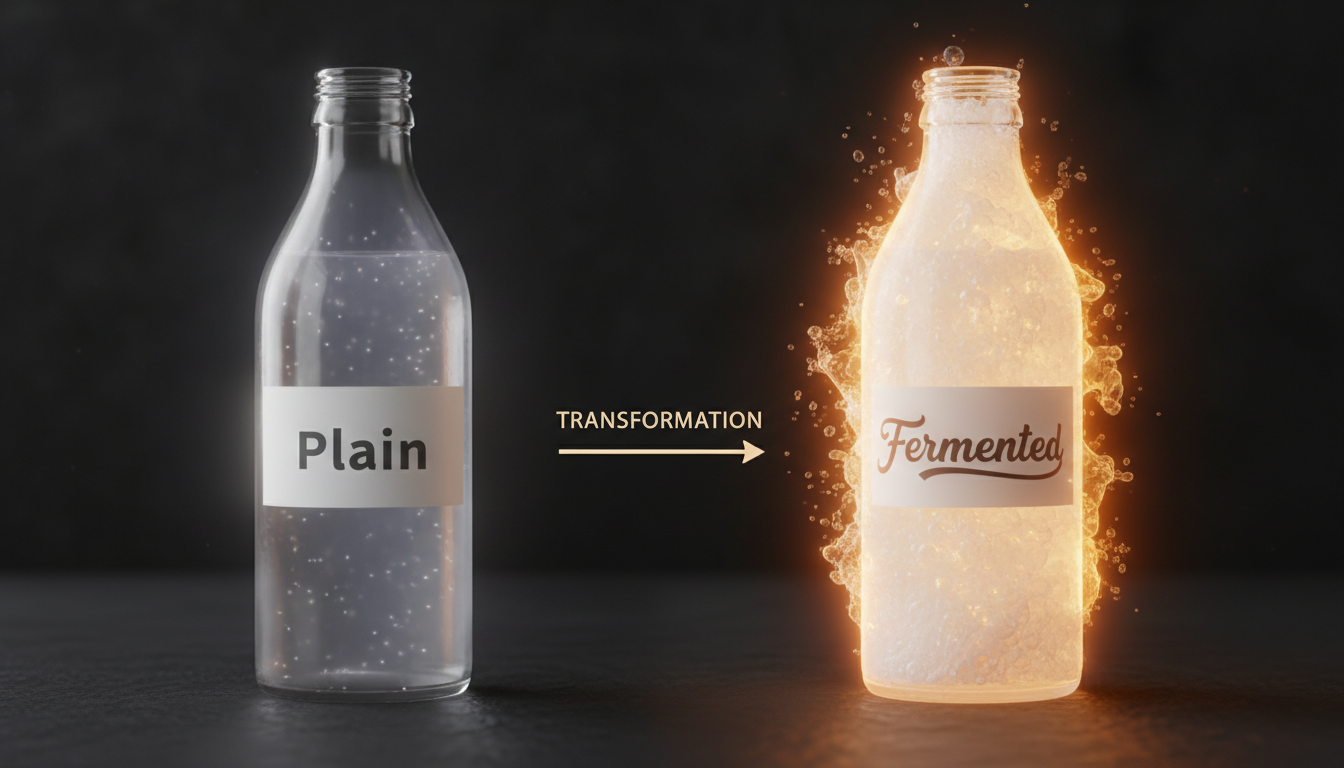
Not all rice toners are created equal. The viral videos often show simple soaking, but the real magic happens during fermentation.
Plain Rice Water (The Soak Method): This is pH-alkaline (around pH 8-9), which can disrupt the skin’s acid mantle (pH 5.5) if used excessively. It provides surface-level hydration and starch for oil control.
Fermented Rice Water: The fermentation process introduces Pitera (galactomyces), yeast-derived nutrients that break down the molecules, making them smaller and easier for the skin to absorb. Fermentation also lowers the pH to a slightly acidic level, aligning perfectly with human skin. This process significantly increases the antioxidant levels, making fermented store-bought toners or carefully aged DIY versions far superior for anti-aging and deep hydration.
3. The 7-Skin Method: How to Apply for Max Results
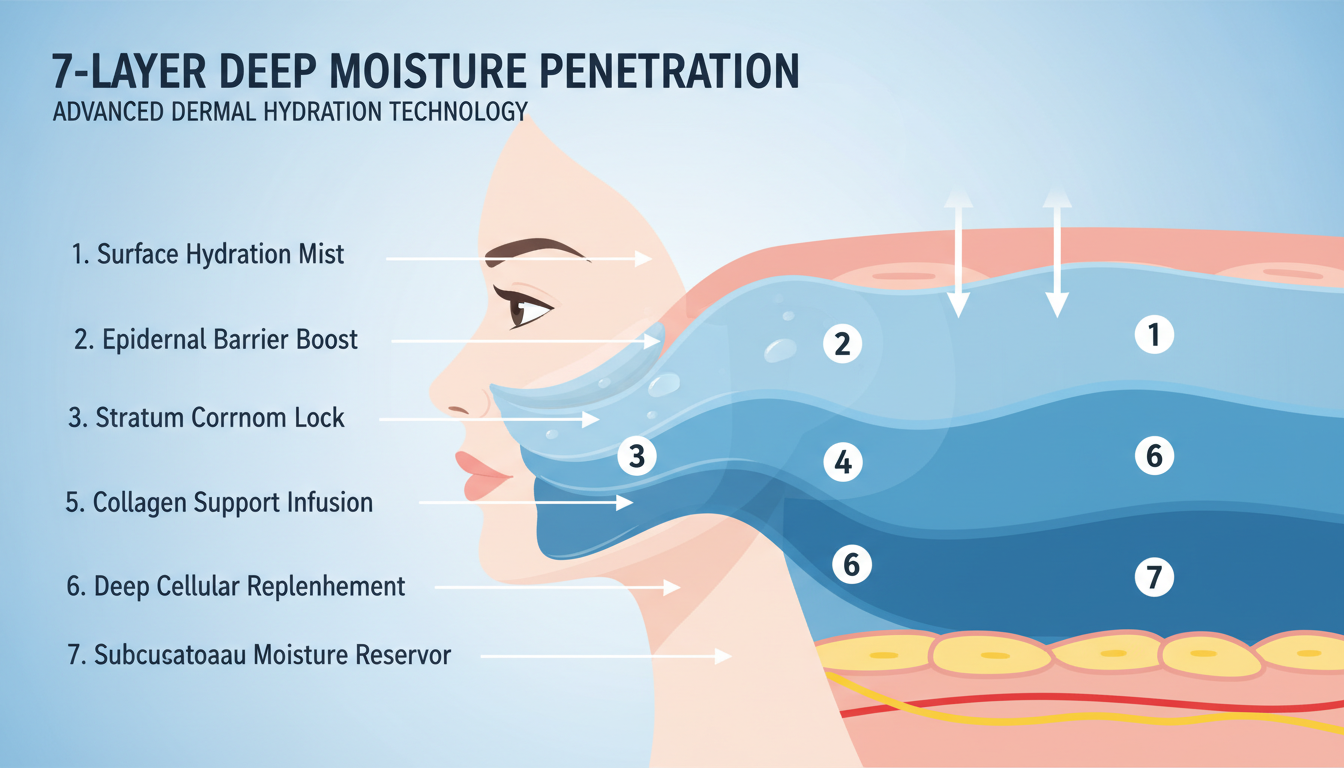
To achieve the ‘Glass Skin’ look in 7 days, simply wiping toner on your face isn’t enough. You need the 7-Skin Method. This K-Beauty technique involves applying up to seven thin layers of toner in succession.
Step-by-Step Protocol:
1. Cleanse: Start with a double cleanse to remove all sebum.
2. Layer 1: Apply toner with a cotton pad to exfoliate physical debris.
3. Layers 2-7: Pour a dime-sized amount into your palms and pat—do not rub—into the skin. Wait for the skin to feel slightly tacky (about 30-60 seconds) between layers.
Why it works: Think of your skin like a dry sponge. If you run it under a tap, water bounces off. If you dampen it slowly, it absorbs water deep into the center. Layering forces hydration into the dermis without the heaviness of a thick cream.
4. DIY Rice Toner Recipe: The Safe Way
Making rice toner at home is cost-effective but carries hygiene risks. Here is the safest protocol to minimize bacterial growth.
Ingredients:
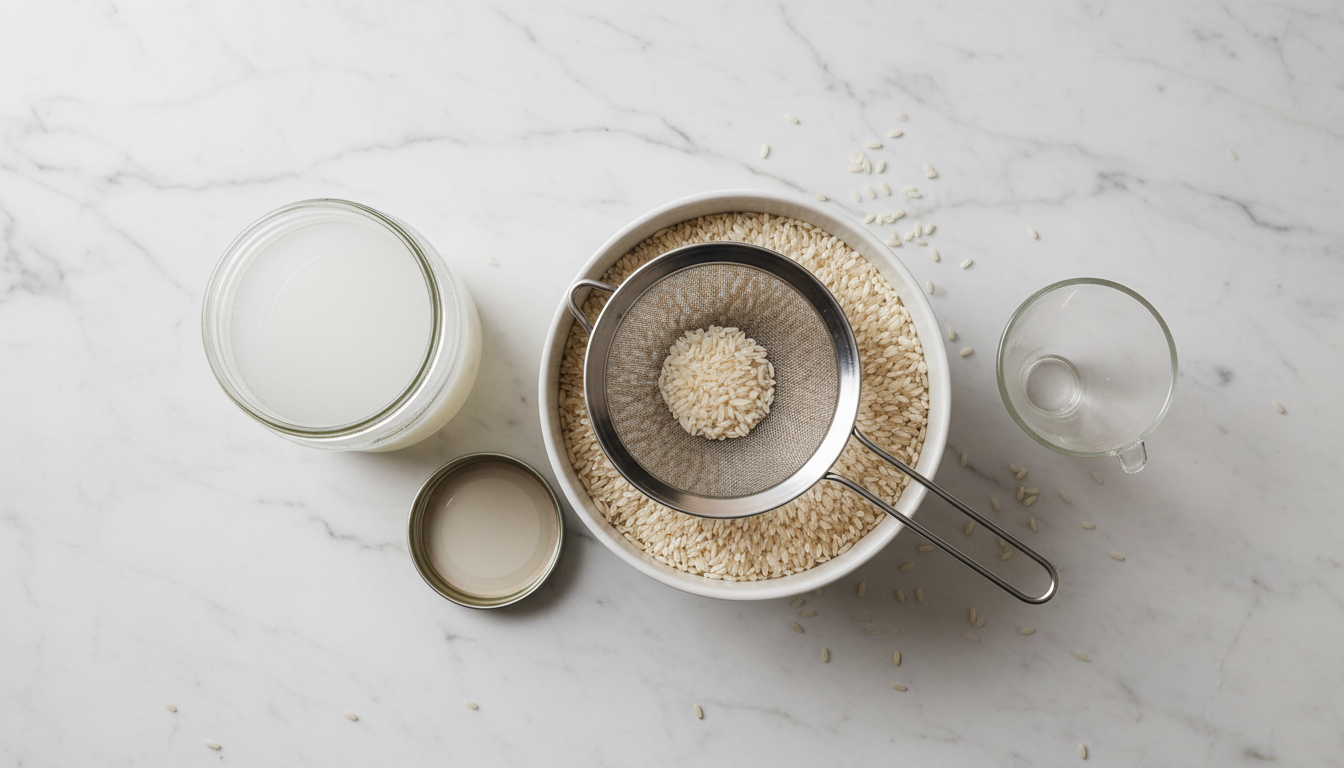
- 1/2 cup organic white rice (jasmine or short-grain).
- 2 cups distilled water (never use tap water due to minerals/chlorine).
Instructions:
1. Rinse: Wash the rice thoroughly to remove pesticides and dust.
2. Soak: Place rice in a jar with the distilled water. Let it sit for 30-45 minutes until the water turns milky white.
3. Extract: Strain the rice (save it for cooking). The liquid is your toner.
4. Storage: Pour into a sterilized spray bottle. Store in the fridge immediately.
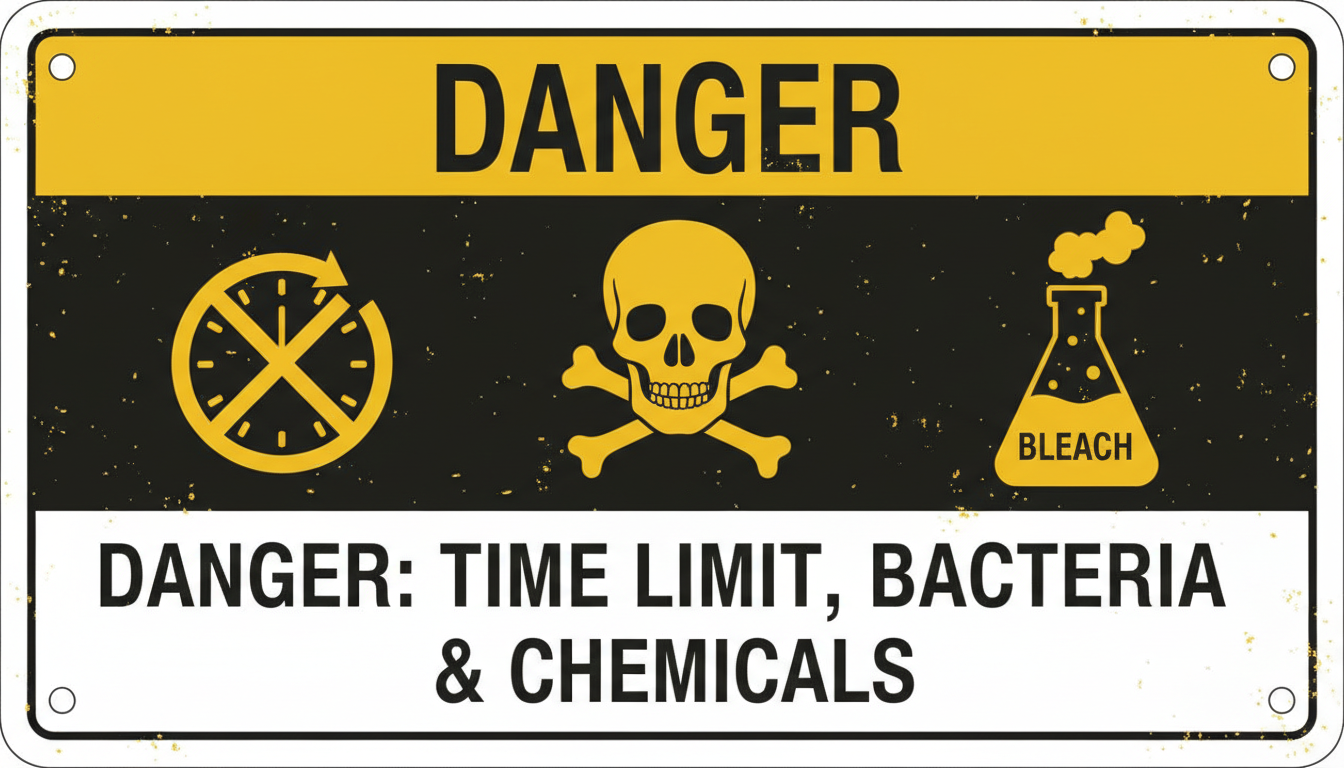
Shelf Life: 3 to 5 days maximum. If it smells sour or changes color, discard immediately.
5. Best Commercial Rice Toners (Review Criteria)
If DIY seems risky or messy, the market is flooded with high-tech formulations. When choosing a product, look for these markers:
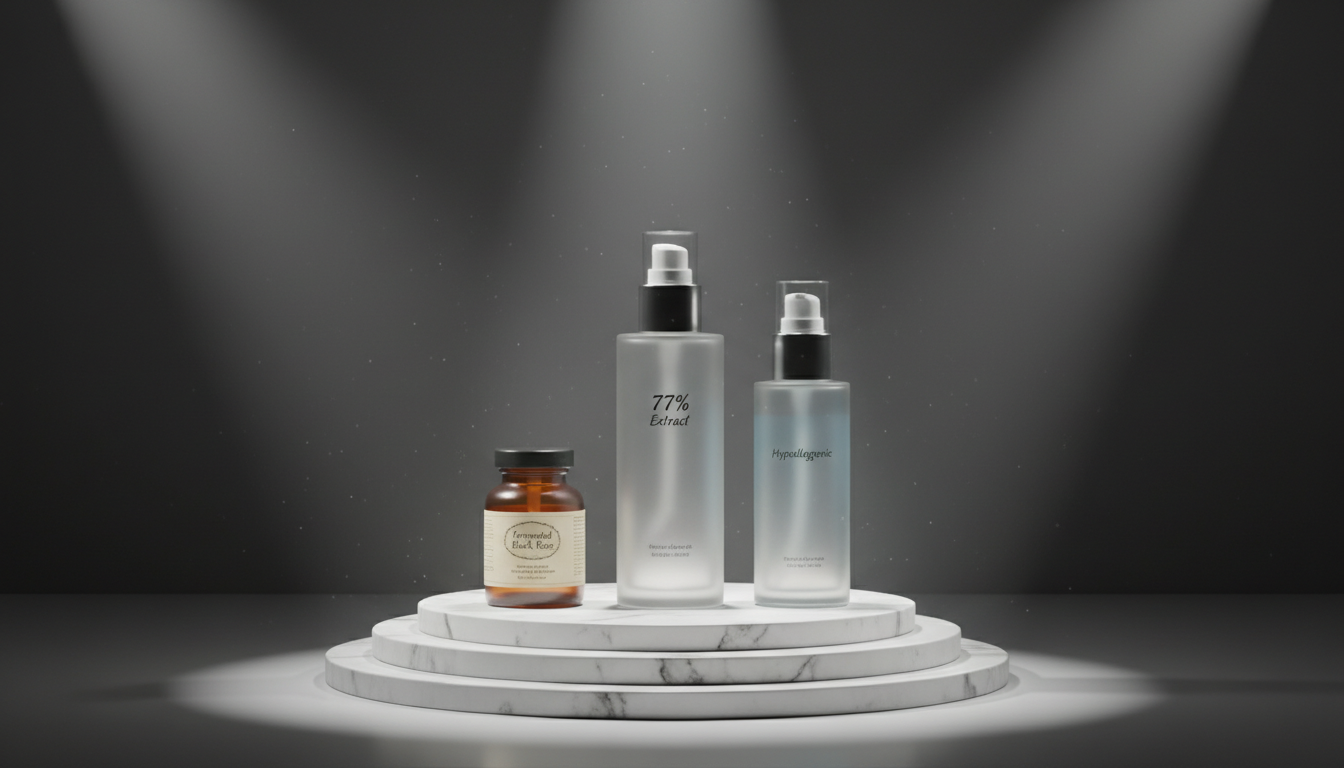
- Rice Extract %: Look for products with >70% rice extract.
- Origin: Goami Rice (Korea) is considered the gold standard for skincare cultivation.
- Alcohol-Free: Ensure the formula doesn’t contain drying alcohols which negate the hydration.
Top Contenders:
- I’m From Rice Toner: Uses 77.78% Goami rice extract. Known for separation (needs shaking) and extreme glow.
- Haruharu Wonder Black Rice Hyaluronic Toner: Uses fermented black rice. Better for anti-aging and deep hydration.
- COSRX Ultimate Nourishing Rice Spa Mask: Can be used as a thick toner/sleeping pack hybrid.
6. Skin Type Analysis: Is It For You?
While generally universally tolerated, rice toner behaves differently across skin types.
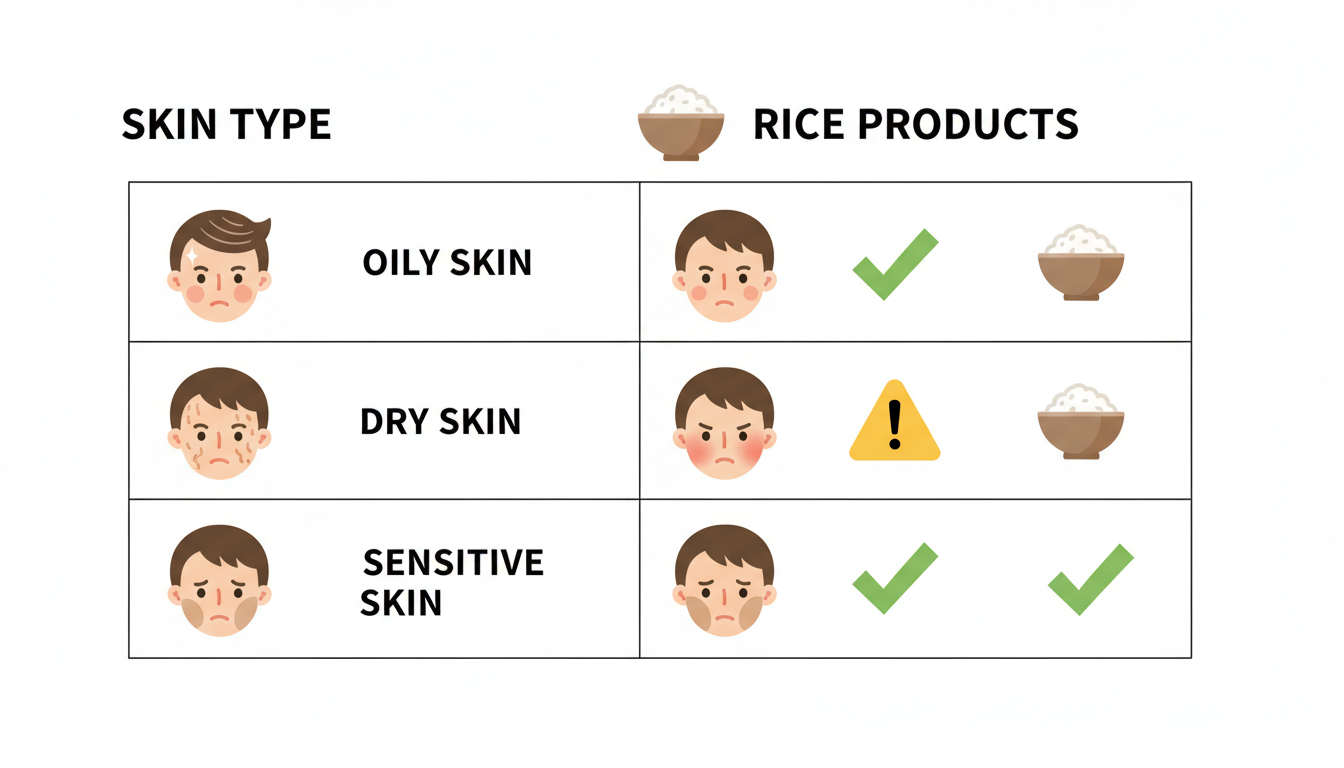
- Dry/Dehydrated Skin: The Holy Grail. The starch forms a film that locks in moisture, preventing transepidermal water loss (TEWL).
- Oily/Acne-Prone Skin: Highly beneficial due to starch’s oil-absorbing properties. It mattifies without stripping. However, ensure the formulation is non-comedogenic.
Sensitive/Rosacea: Rice water has cooling properties that reduce redness. Caution: If you have a compromised barrier or fungal acne (Malassezia), fermented rice products might* trigger a flare-up. Always patch test behind the ear.
7. Layering: Mixing Rice Toner with Actives
Rice toner is a ‘social’ ingredient—it plays well with almost everything. To turbo-charge your results, layer it correctly.
Best Pairings:
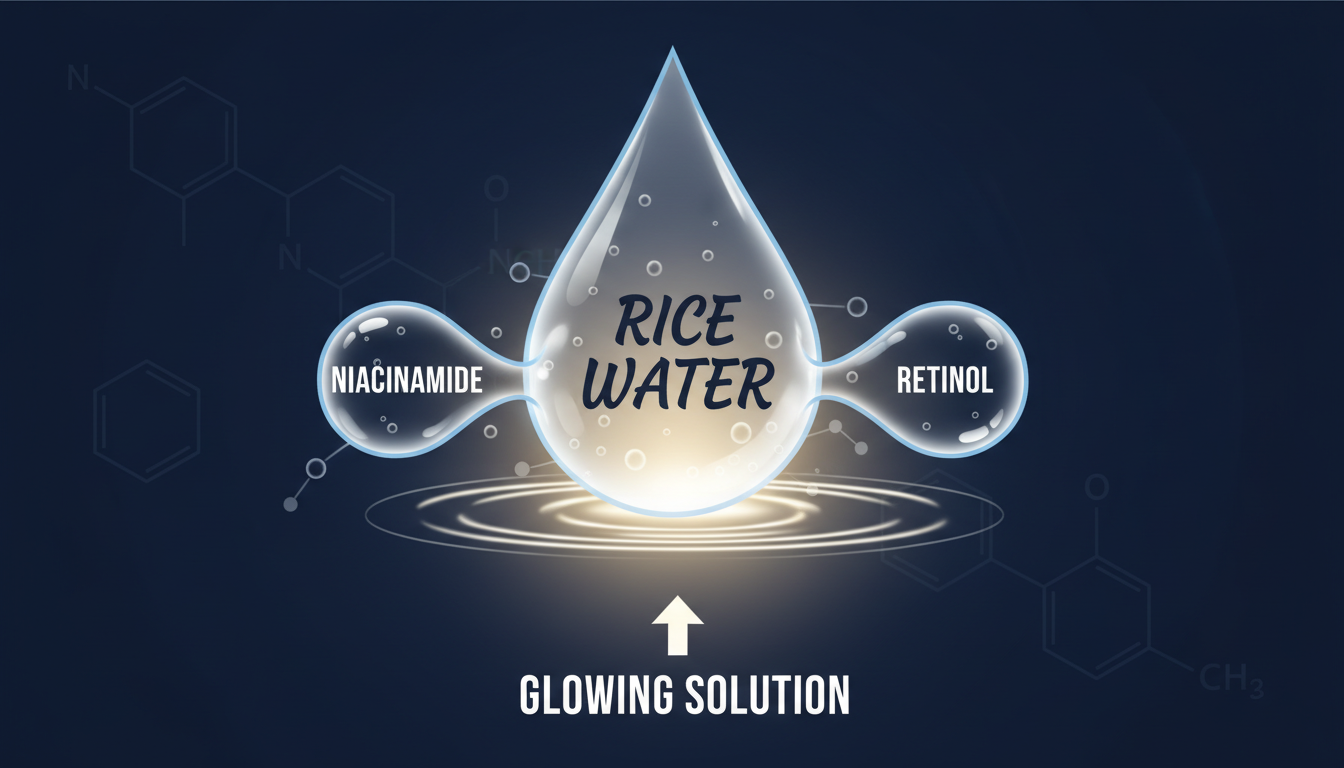
- + Niacinamide: The ultimate brightening duo. Rice water inhibits tyrosinase (pigment production) while Niacinamide stops pigment transfer.
+ Hyaluronic Acid: Apply HA after* the toner while skin is damp to seal the water in.
- + Vitamin C: Use Vitamin C first on dry skin, wait 5 minutes, then apply rice toner to soothe any tingling.
- + Retinol: Use rice toner as a buffer before retinol to reduce irritation without blocking absorption.
8. The ‘Glass Skin’ Timeline: What to Expect
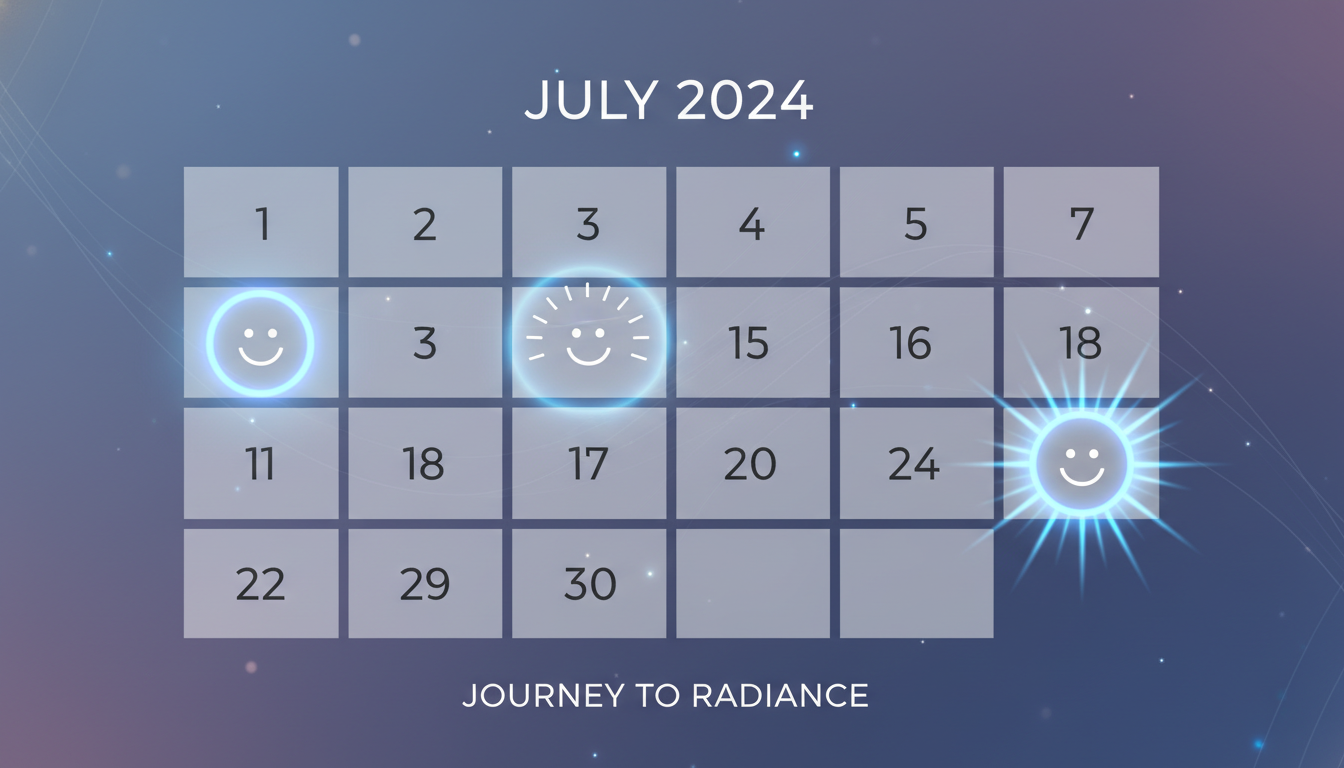
Managing expectations is crucial. Here is the realistic timeline for the 7-Day Challenge using the 7-Skin Method AM and PM:
- Day 1: Skin feels immediately softer and cooler. Temporary ‘plumping’ effect reduces fine lines.
- Day 3: Oil production balances out. Dry patches disappear.
- Day 5: Subtle reduction in redness. Makeup applies significantly smoother.
Day 7: The ‘Glow’. Skin reflects light at the high points (cheeks/forehead). Hyperpigmentation will not* be gone yet (that takes 4-6 weeks), but overall tone will look more even and translucent.
9. Common Mistakes to Avoid
Don’t ruin your progress with these errors:
1. Using ‘Old’ DIY Water: Using rice water that has sat at room temperature for over 24 hours creates a breeding ground for bacteria that causes fungal infections.
2. Over-Exfoliation: Rice water has mild enzymatic exfoliation properties. If you are also using AHA/BHA toners, skip the acid toner when doing the 7-Skin method to avoid barrier damage.
3. Using Bleached Rice: Always opt for organic. Standard bleached rice may contain traces of talc or pesticides that irritate the skin.
10. Rice Toner for Hair: The Bonus Hack
The benefits of rice water aren’t limited to the face. The Yao women of Huangluo Village are famous for their floor-length hair, attributed to washing with fermented rice water.
How to repurpose:
If your DIY batch is nearing its 5-day expiration, don’t dump it. Use it as a pre-shampoo rinse. The carbohydrate inositol repairs damaged hair elasticity and reduces surface friction. Pour it over the scalp and hair, massage for 5 minutes, and rinse out. It adds immense shine and detangles instantly.

11. Final Verdict: Integration Strategy
To maintain the results beyond the 7-day challenge, integrate rice toner into your long-term routine. You do not need to do 7 layers forever—that is a booster treatment.
Maintenance Routine:
- AM: 1-2 layers of rice toner to prep for sunscreen and antioxidants.
- PM: 3-4 layers if skin feels dry, or 1 layer if using heavy actives like Tretinoin.
Rice toner is a versatile, affordable, and scientifically backed addition to any skincare arsenal. Whether you brew it or buy it, the path to glass skin is paved with rice.
Frequently Asked Questions
Can I use rice toner every day?
Yes, rice toner is generally gentle enough for daily use, both morning and night. However, if you are using a fermented DIY version, monitor your skin for sensitivity.
Does rice toner whiten skin?
Rice toner does not ‘bleach’ skin, but it contains enzymes and antioxidants that brighten the complexion and fade hyperpigmentation, giving a lighter, more even appearance.
How long does DIY rice toner last?
DIY rice toner must be refrigerated and lasts for 3 to 5 days maximum. Discard it immediately if it develops a sour smell or cloudiness.
Can I leave rice water on my face overnight?
Yes, rice water can be left on the face as a toner or sleeping mask. It absorbs into the skin and does not need to be rinsed off.
Is rice toner good for acne?
Rice toner helps regulate sebum production and soothes inflammation, making it beneficial for mild acne. However, those with fungal acne should avoid fermented varieties.
Can I use brown rice instead of white?
Yes, brown rice works, but white rice releases starch more easily into the water. Brown rice may require a longer soaking time.
Does rice toner expire?
Commercial rice toners have an expiration date on the bottle (usually 12 months after opening). DIY versions expire in under a week.
Should I wash the rice before making toner?
Absolutely. You must wash the rice first to remove dirt, pesticides, and impurities. Use the water from the second or third soak for your face.
You might also like:- 11 Secrets to Achieving Glass Skin with Rice Toner
Discover more from innerspiritglow
Subscribe to get the latest posts sent to your email.