
Key Takeaways
- Dilution is Mandatory: Never apply essential oil directly; use a 2-3% ratio with a carrier oil.
- Consistency Over Quantity: Application 2-3 times per week yields better results than daily flooding.
- Scalp Focus: The benefits come from scalp stimulation, not applying it to the hair shaft.
- Wait Time: Requires at least 4-6 hours of dwell time (or overnight) for absorption.
- The Minoxidil Comparison: Studies show it rivals 2% Minoxidil effectiveness after 6 months.
You’ve seen the viral before-and-after photos. You’ve bought the bottle. But now you’re staring at it, wondering: How do I actually get this onto my scalp without looking like a grease pit?
The Problem: Most people fail with rosemary oil because they use it wrong. They apply it undiluted (causing irritation), use too much (clogging pores), or wash it out too soon.
The Agitation: There is nothing worse than committing to a hair growth routine for three months, only to realize you damaged your scalp barrier or wasted liquid gold because your application technique prevented absorption. Hair growth is a long game; playing it with the wrong strategy is a recipe for frustration.
The Solution: This is not just a list of tips. This is the definitive, science-backed protocol for rosemary oil application. We will cover the exact dilution math, the most effective massage techniques, and the critical wash-out process that ensures your follicles thrive.
1. The Science: Why Application Technique Matters
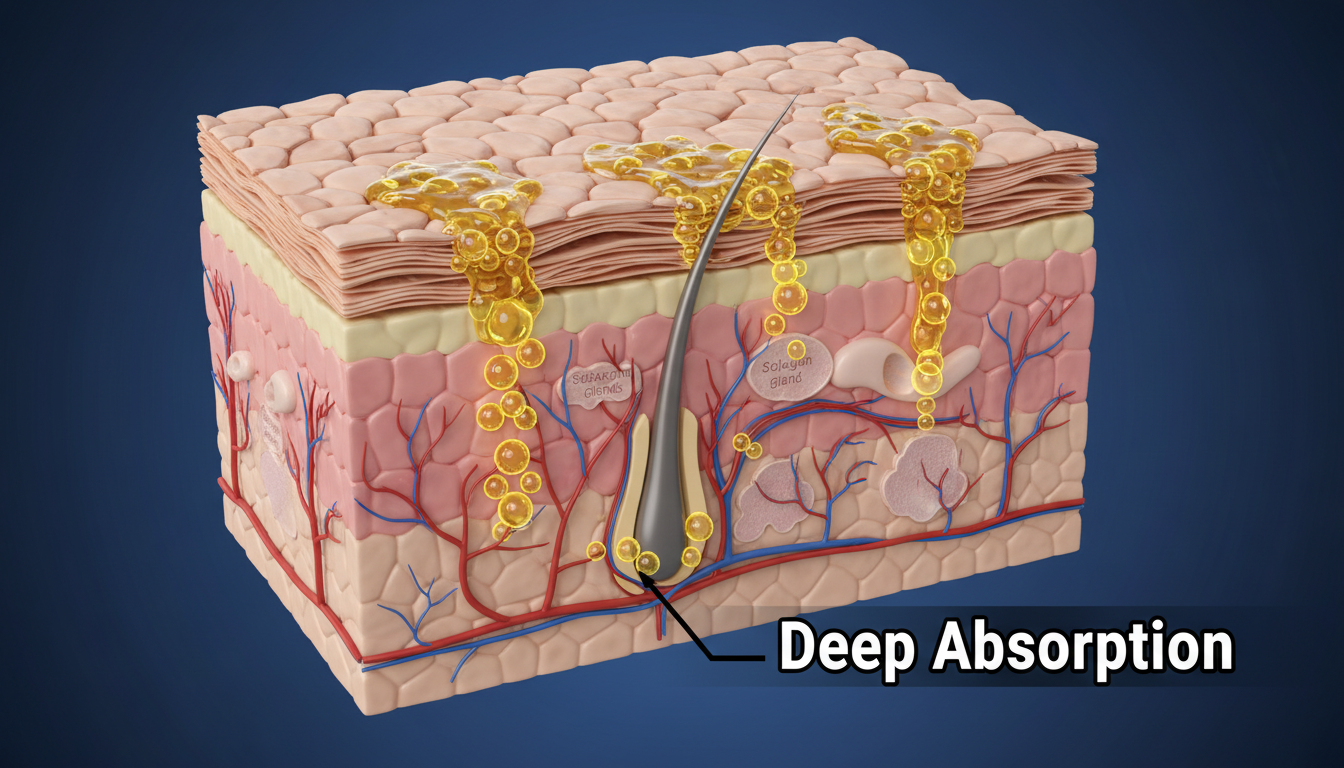
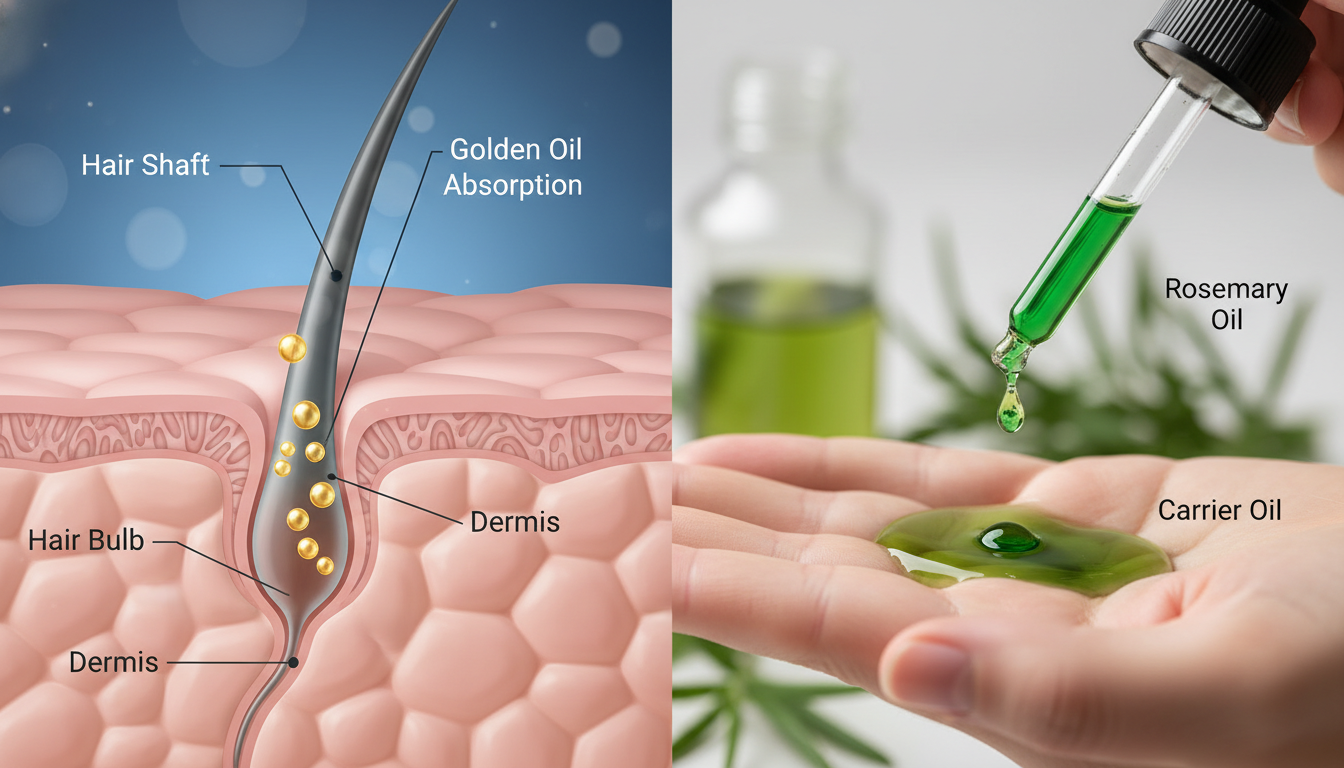
Understanding why rosemary oil works is crucial to applying it correctly. The primary active compound, carnosic acid, works by healing nerve endings and restoring tissue in the scalp. This facilitates cellular turnover and improves blood circulation.
However, efficacy is determined by penetration.
The Mechanism of Action
- DHT Blocking: Rosemary oil helps inhibit the binding of Dihydrotestosterone (DHT) to androgen receptors, similar to medical treatments for androgenetic alopecia.
- Vasodilation: It expands blood vessels, delivering more oxygen and nutrients to the follicle.
Critical Note: If the oil sits on top of dead skin cells or product buildup, it cannot penetrate. Application must be paired with scalp preparation to clear the pathway for these compounds.
2. Selecting the Correct Chemotype and Purity
Not all rosemary oil is created equal. For hair growth application, you need specific chemotypes. Using a culinary grade or low-quality synthetic oil will yield zero results.
The Two Main Types
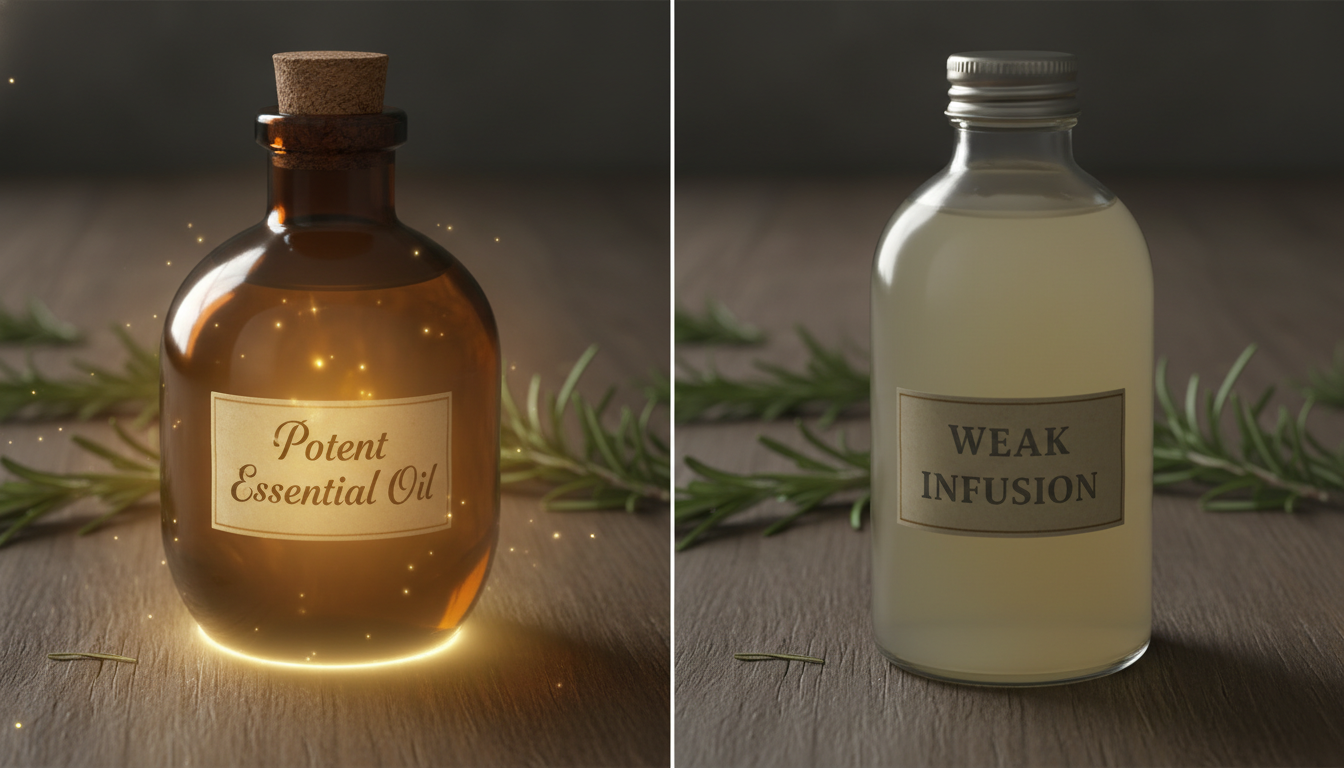
1. Rosemary Essential Oil (Rosmarinus officinalis): Highly concentrated. Must be diluted. This is the potent growth stimulator.
2. Rosemary Infused Oil: Rosemary leaves steeped in a carrier oil (like olive oil). This is weaker and less effective for aggressive growth goals.
Best Chemotype for Growth: Look for Cineole 1,8. This chemotype has the highest stimulating properties for blood flow. Ensure the bottle says “100% Pure Therapeutic Grade” and check for GC/MS testing to ensure no adulteration.
3. The Carrier Oil Synergy Strategy
You must never apply essential oil directly to the scalp (‘neat’ application). It is volatile and can cause contact dermatitis, leading to hair loss rather than growth. You need a vehicle—a carrier oil.
Matching Carrier to Hair Porosity
| Hair/Scalp Type | Recommended Carrier Oil | Why? |
|---|---|---|
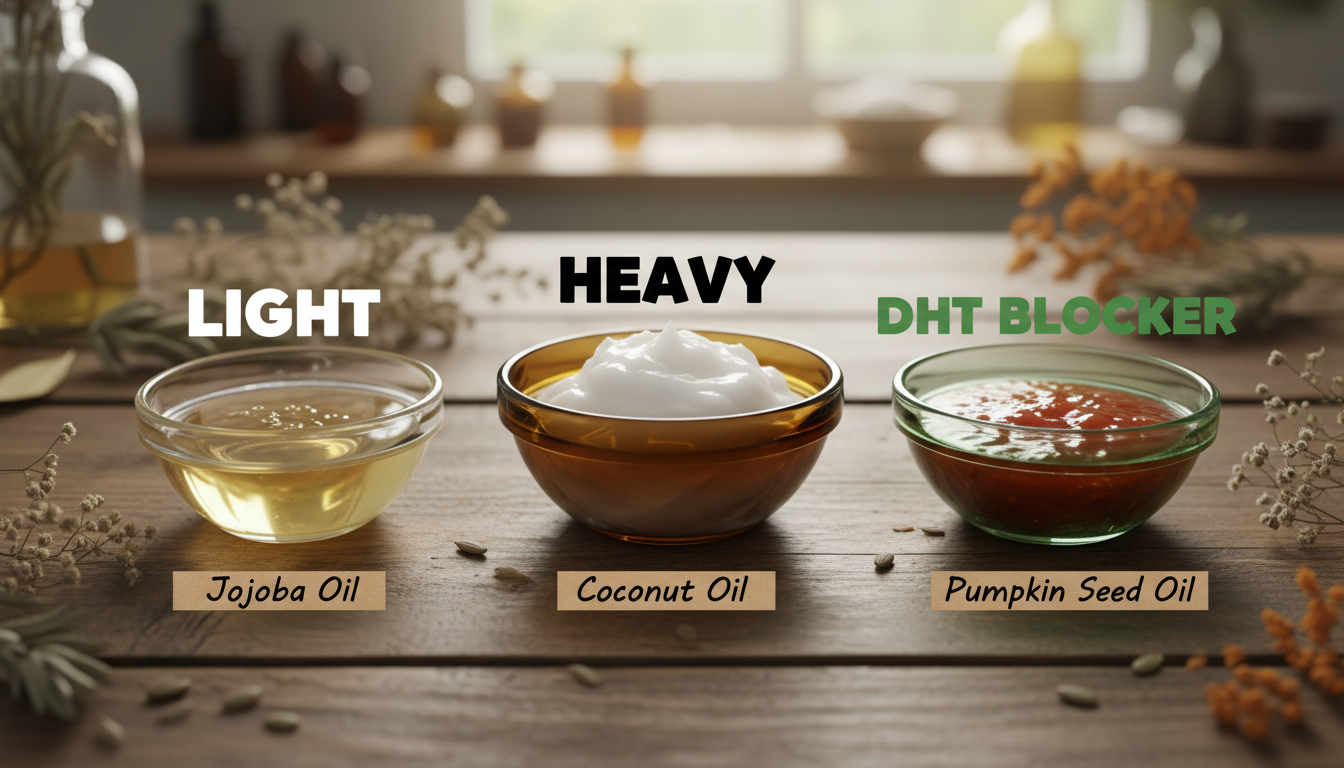
| Oily/Fine Hair | Jojoba Oil or Grapeseed Oil | Mimics natural sebum; lightweight. |
| Dry/Frizzy Hair | Coconut Oil or Avocado Oil | Penetrates shaft; highly moisturizing. |
| Thinning Hair | Pumpkin Seed Oil | Natural DHT blocker; synergistic effect. |
| Sensitive Scalp | Sweet Almond Oil | Hypoallergenic and soothing. |
Pro Tip: For maximum regrowth, use Pumpkin Seed Oil as your carrier. Studies suggest it blocks DHT independently, doubling your defense against thinning.
4. Calculating the Perfect Dilution Ratio
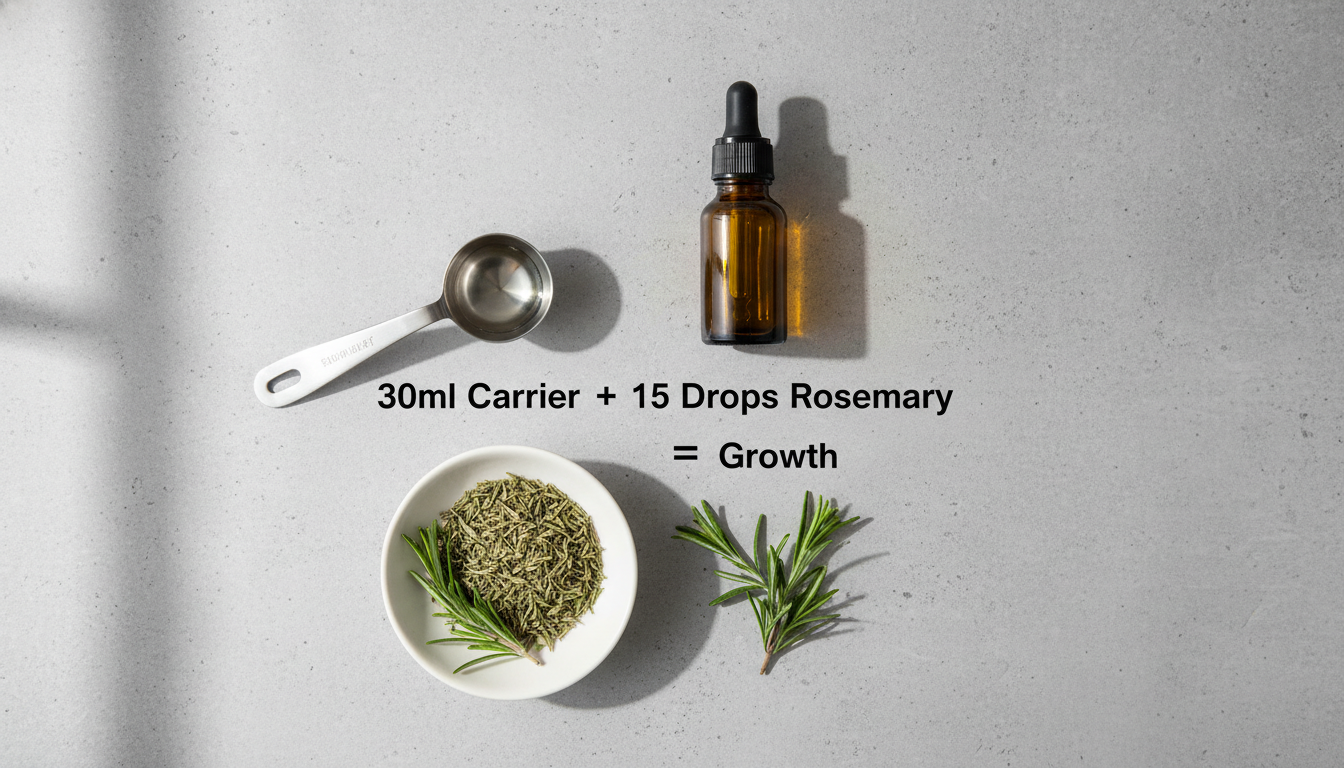
Precision is key. Too weak, and it does nothing. Too strong, and it burns. The ‘sweet spot’ for hair growth is a 2% to 3% dilution.
The Golden Formula
- For 3% Dilution (Recommended): Mix 15 drops of Rosemary Essential Oil per 6 teaspoons (1 oz/30ml) of Carrier Oil.
- For Sensitive Scalps (1%): Mix 5 drops per 1 oz of Carrier Oil.
Batch Preparation:
Do not mix this in your hand every time. Buy an amber glass dropper bottle (to protect from UV light) and pre-mix a month’s supply. This ensures consistency in every application.
5. The Patch Test Protocol
Before you slather your entire head, you must ensure you aren’t allergic. Rosemary contains terpenes that can trigger reactions in some individuals.
How to Test
1. Mix a tiny amount of your diluted blend.
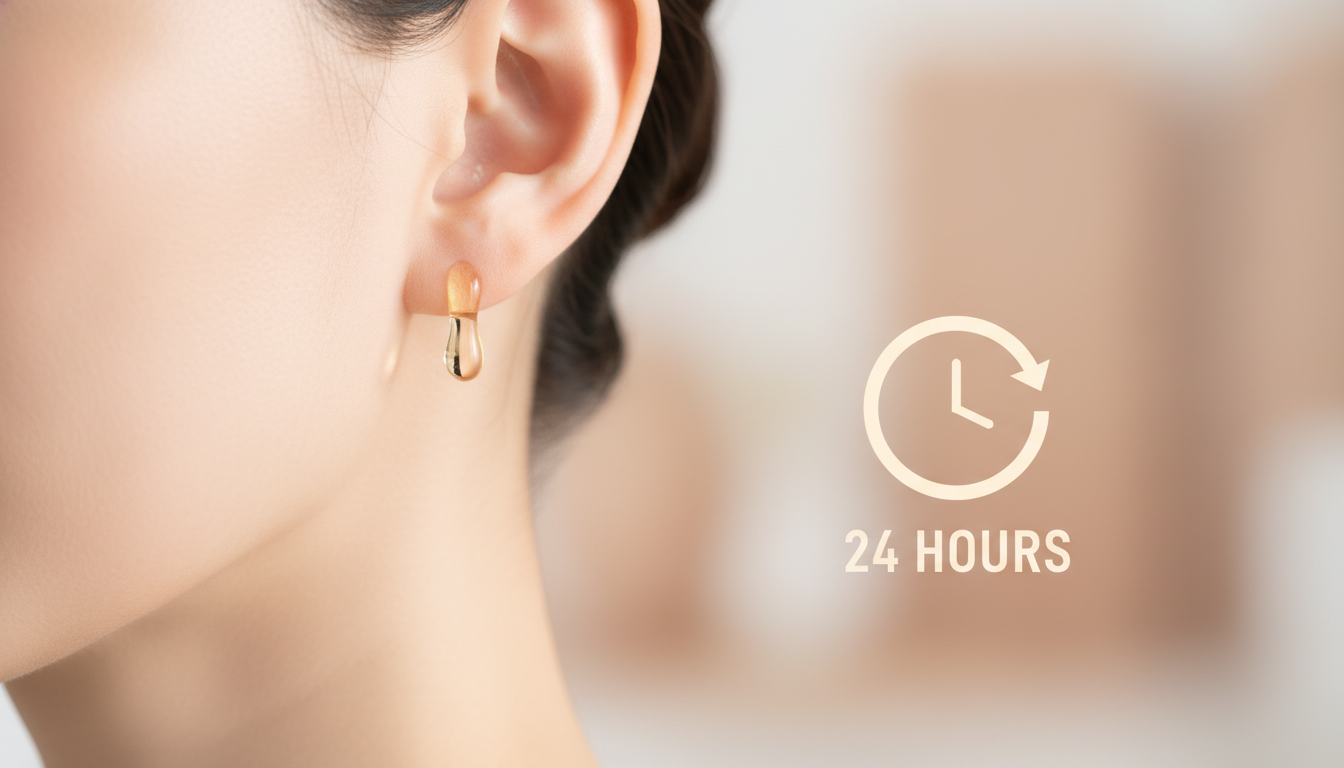
2. Apply a drop behind your ear or on the inner forearm.
3. Wait 24 hours.
Red Flags: If you see redness, itching, bumps, or burning, do not proceed. Wash the area immediately. If the skin is clear after 24 hours, you are safe to begin the full application routine.
6. Method 1: The Section-and-Drop Technique
This is the primary method for targeted growth treatment. It ensures the oil reaches the scalp rather than getting absorbed by the hair strands.
Step-by-Step
1. Detangle: Start with brushed, dry hair.
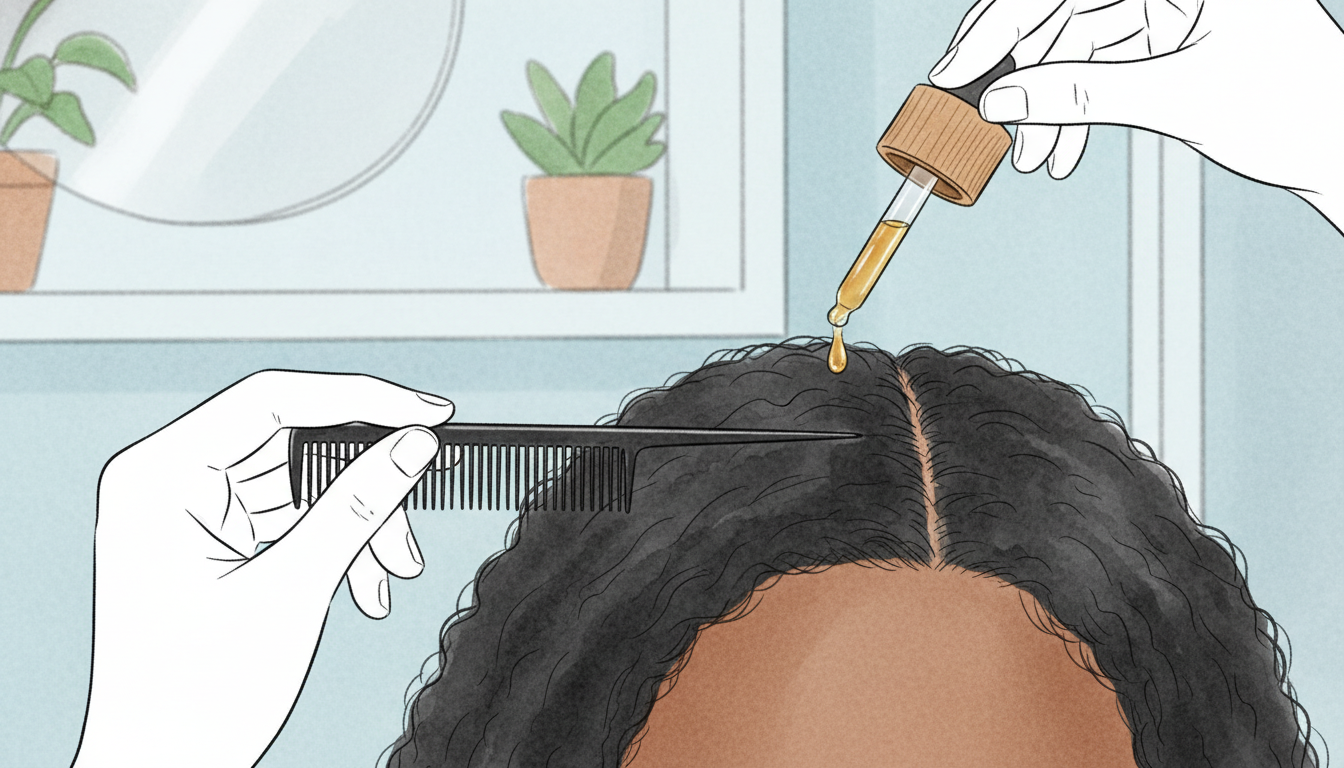
2. Section: Use a rat-tail comb to create a clean part down the center.
3. Apply: Apply 2-3 drops directly along the part line.
4. Repeat: Create new parts every 1-2 inches across the head, repeating the drop process.
5. Focus Areas: Pay extra attention to the hairline, temples, and crown (common thinning spots).
Volume Control: You do not need to saturate your whole head. You only need enough to lightly coat the scalp skin. Using too much creates a nightmare for washing it out.
7. Method 2: The Inversion Massage Method
Application is useless without stimulation. Mechanical massage increases blood flow, which brings oxygen to the follicles. The Inversion Method supercharges this.
Execution
1. After applying the oil, sit in a chair and lower your head between your knees (invert) to rush blood to the head. Note: Skip inversion if you have high blood pressure or are pregnant.
2. Use the pads of your fingers (never fingernails) to massage the oil in circular motions.
3. Move the scalp skin over the skull; do not just rub the hair.
4. Massage for 4 to 5 minutes.
This mechanical action forces the oil deeper into the epidermis and wakes up dormant follicles.
8. Method 3: The Shampoo Spike (The Lazy Method)
If you cannot commit to oiling routines, you can spike your shampoo. While less effective than leave-in treatments, it maintains consistency.
How to Do It
- Do Not: Add oil to the entire shampoo bottle (it can spoil the preservatives).
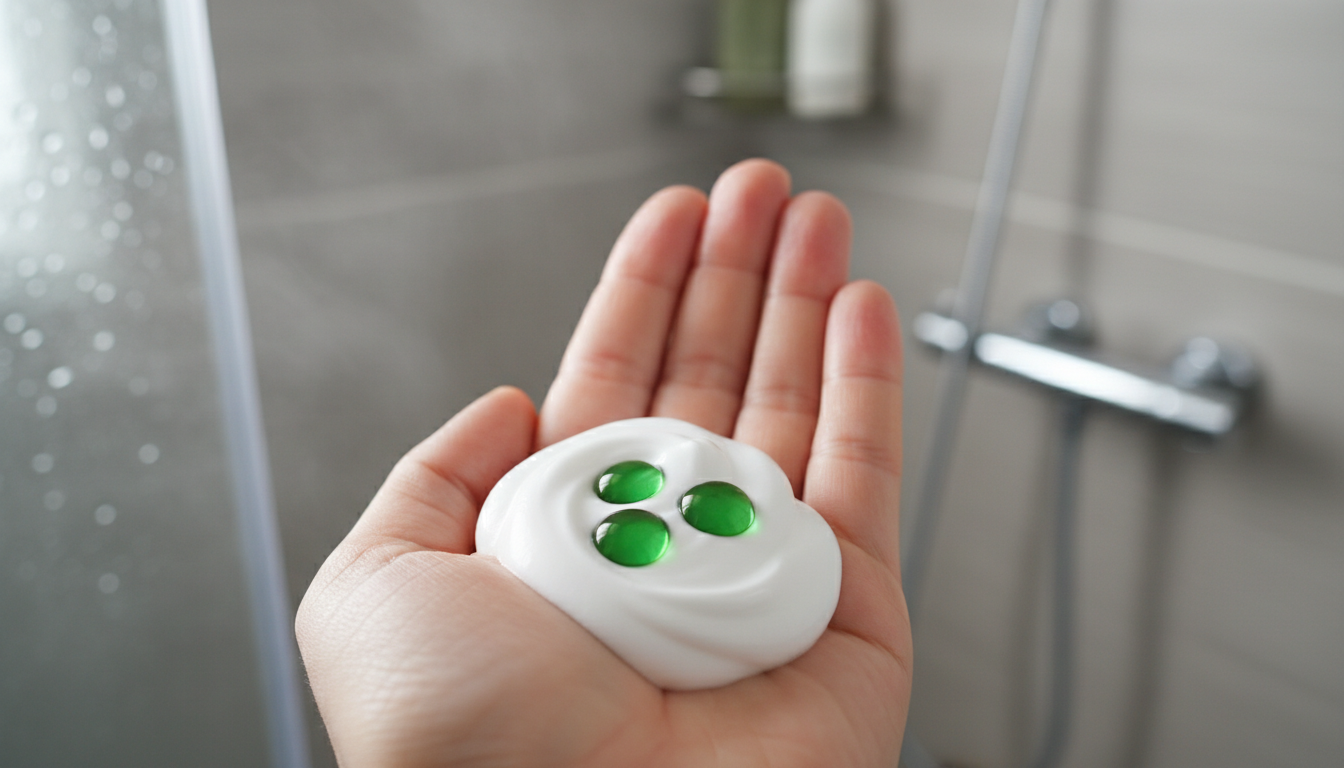
- Do: Pour a single serving of shampoo into your palm.
- Add: 2-3 drops of Rosemary Essential Oil.
- Mix: Emulsify in your hands before applying.
- Lather & Wait: Massage into the scalp and let it sit for 3-5 minutes before rinsing. If you rinse immediately, the active ingredients go down the drain.
9. Soak Time and Frequency
How long should you leave it on? The science suggests a minimum window is required for absorption.
- Minimum: 2 to 4 hours.
- Ideal: Overnight (with hair wrapped in a silk bonnet or towel to protect bedding).
- Frequency: 2 to 3 times per week.
Warning: Do not do this daily. Daily application of heavy oils can clog follicles (folliculitis) and lead to fungal overgrowth (dandruff). Your scalp needs time to breathe between treatments.

10. The Wash-Out: Double Cleansing
Removing the oil properly is as important as applying it. Residual oil attracts dirt and can weigh down fine hair, making it look thinner.
The Double Cleanse Rule
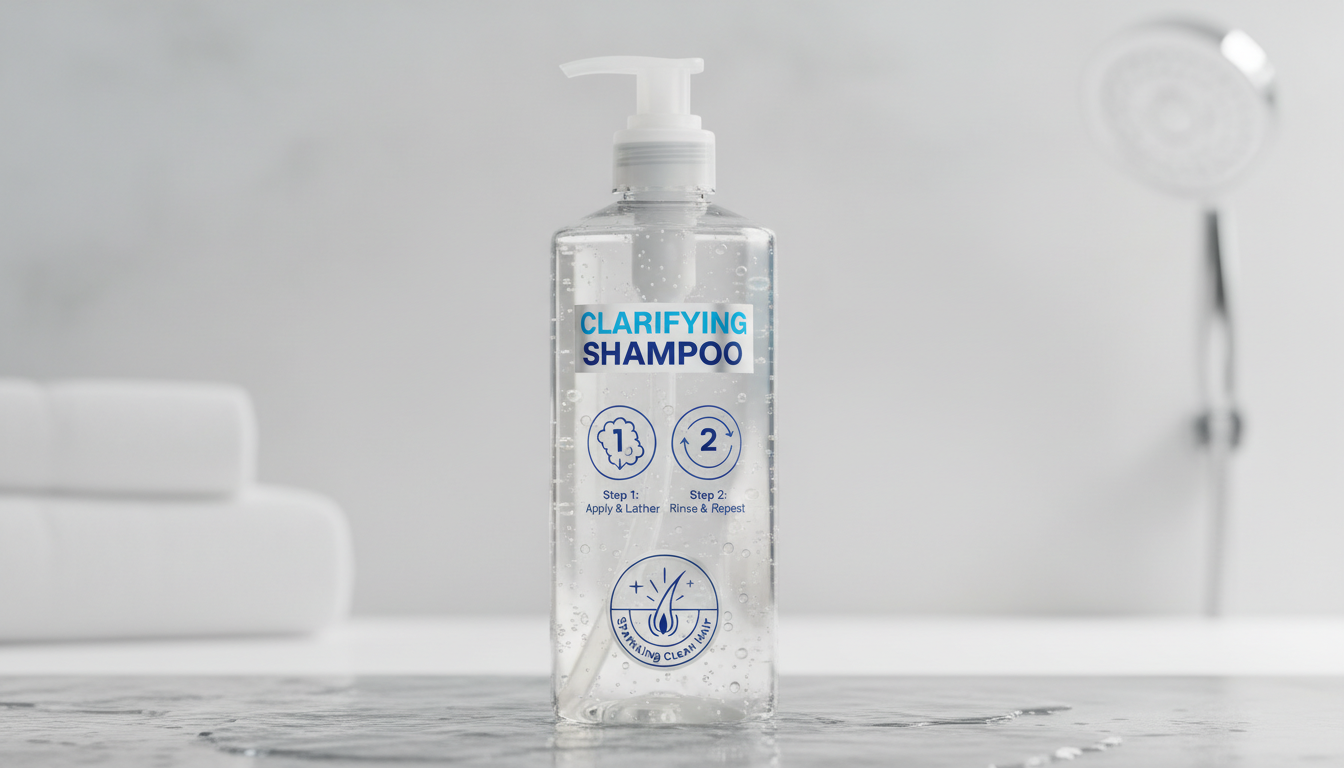
1. First Wash: Use a clarifying shampoo to break down the oil barrier and sebum. Focus solely on the scalp.
2. Rinse & Repeat: The second wash actually cleans the hair and scalp. You will notice better lather on the second round.
3. Condition: Apply conditioner only to the mid-lengths and ends, never the scalp, to avoid clogging the follicles you just treated.
11. Rosemary Water vs. Oil: When to Switch
Some hair types (very fine, low porosity, or prone to dandruff) cannot tolerate heavy oils. In this case, Rosemary Water is the superior application choice.
- Application: Spray onto the scalp daily (no wash out needed).
- Benefit: Water-based hydration without grease.
- Drawback: Less potent concentration than essential oil, but better for daily consistency.
If the oil method causes you breakouts or greasy roots, switch to a daily rosemary water spray immediately.

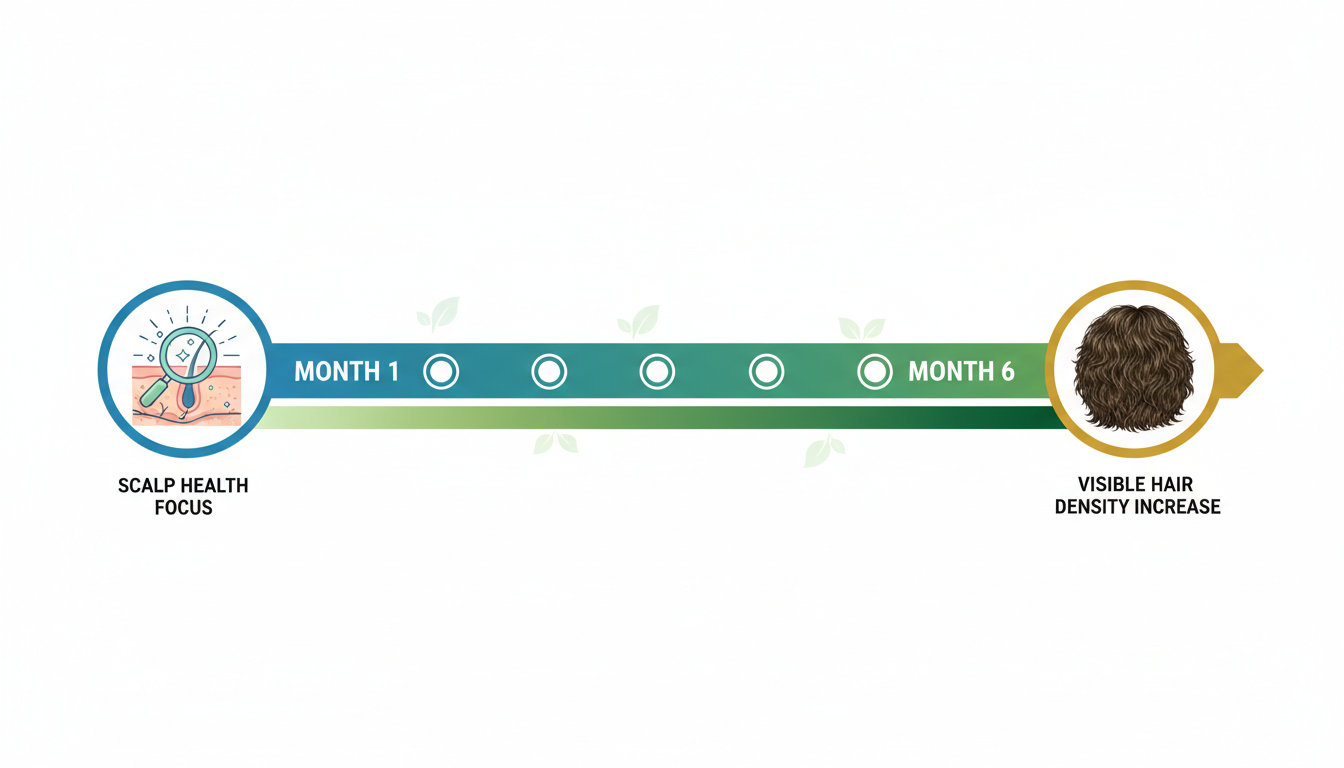
12. Timeline: When Will You See Results?
Managing expectations prevents quitting. Rosemary oil is not magic; it is biology.
- Month 1: Improved scalp health, less itching, potential reduction in shedding.
- Month 3: Baby hairs (new growth) may start appearing at the hairline.
- Month 6: Significant improvement in density and length comparable to Minoxidil use.
The Consistency Contract: You must apply it consistently for 6 months to judge efficacy. Taking photos every 30 days in the same lighting is the best way to track progress that is invisible day-to-day.
Frequently Asked Questions
Can I apply rosemary oil to dirty hair?
Yes, but it absorbs best on a relatively clean scalp. If you have heavy product buildup (dry shampoo, hairspray), the oil cannot penetrate the follicle. Ideally, apply it the night before your wash day.
Does rosemary oil change hair color?
Rosemary oil is generally safe for color-treated hair, but it has been anecdotally reported to slightly darken naturally light blonde or gray hair over long periods of heavy use. If you are platinum blonde, monitor your color or stick to clear rosemary water.
Can I leave rosemary oil on for 2 days?
It is not recommended. Leaving heavy oils on the scalp for more than 24 hours can trap bacteria and fungi, potentially causing dandruff or seborrheic dermatitis.
Can I mix rosemary oil with minoxidil?
Many users do this, but apply them at different times. Apply Minoxidil first to a clean, dry scalp, let it dry completely (4 hours), and then apply rosemary oil. Consult a dermatologist before combining treatments.
Is it safe during pregnancy?
Essential oils should always be cleared by a doctor during pregnancy. While rosemary is a common herb, high concentrations of essential oils can be potent. Proceed with caution.
Why is my hair falling out more after starting?
This can be the ‘dread shed.’ stimulating hair follicles can push resting hairs (telogen) out to make room for new growth (anagen). However, if shedding is accompanied by burning or itching, stop immediately—it could be an allergic reaction.
Do I put the oil on wet or dry hair?
Dry hair is best for oil application. Water and oil repel each other; if your scalp is wet, the water barrier may prevent the oil from penetrating the skin effectively.
Can I use olive oil as a carrier?
Yes, olive oil is a great carrier for dry, thick hair. However, it is very heavy and difficult to wash out of fine hair. Jojoba is usually a more universal choice.
You might also like:- 12 Steps to Correctly Use Rosemary Oil for Extreme Hair Growth
Discover more from innerspiritglow
Subscribe to get the latest posts sent to your email.