
Key Takeaways
- Clinical Efficacy: Rosemary oil has performed as well as 2% Minoxidil in clinical trials for androgenetic alopecia.
- Dilution is Mandatory: Never apply essential oil directly; use a 2-3% dilution ratio with a carrier oil.
- Scalp Focus: Growth happens at the follicle; applying oil to the hair shaft only conditions, it does not stimulate growth.
- Consistency is Key: Visible results typically require 3 to 6 months of consistent application (2-3 times weekly).
- Synergy Matters: Pairing rosemary oil with mechanical stimulation (massage or derma rolling) significantly amplifies absorption.
You are losing hair, and the panic is setting in. Every time you shower, the drain is clogged with more strands than the week before. You have tried expensive shampoos, questionable supplements, and maybe you are even considering Minoxidil but fear the harsh side effects or the lifelong dependency.
The search for a natural, potent solution often feels like navigating a minefield of snake oil. However, Rosemary Oil is different. It is one of the few natural compounds with peer-reviewed clinical data supporting its ability to block DHT (the hormone responsible for pattern baldness) and regenerate nerves in the scalp. But here is the catch: simply rubbing oil on your head isn’t enough. To unlock ‘extreme’ growth, you need a precise protocol.
This is not a fluff piece about ‘pampering yourself.’ This is a technical, 12-step execution guide on how to perform Rosemary Oil Oiling correctly to maximize follicular penetration, stimulate blood flow, and reverse hair thinning.
1. The Science: Why Rosemary Oil Rivals Minoxidil
Before applying a single drop, you must understand the mechanism of action. Rosemary oil functions primarily through its active compound, carnosic acid. A landmark 2015 study compared rosemary oil directly against Minoxidil 2% and found that after six months, both groups showed a significant increase in hair count, but the rosemary group experienced less scalp itching.
Mechanisms of Growth
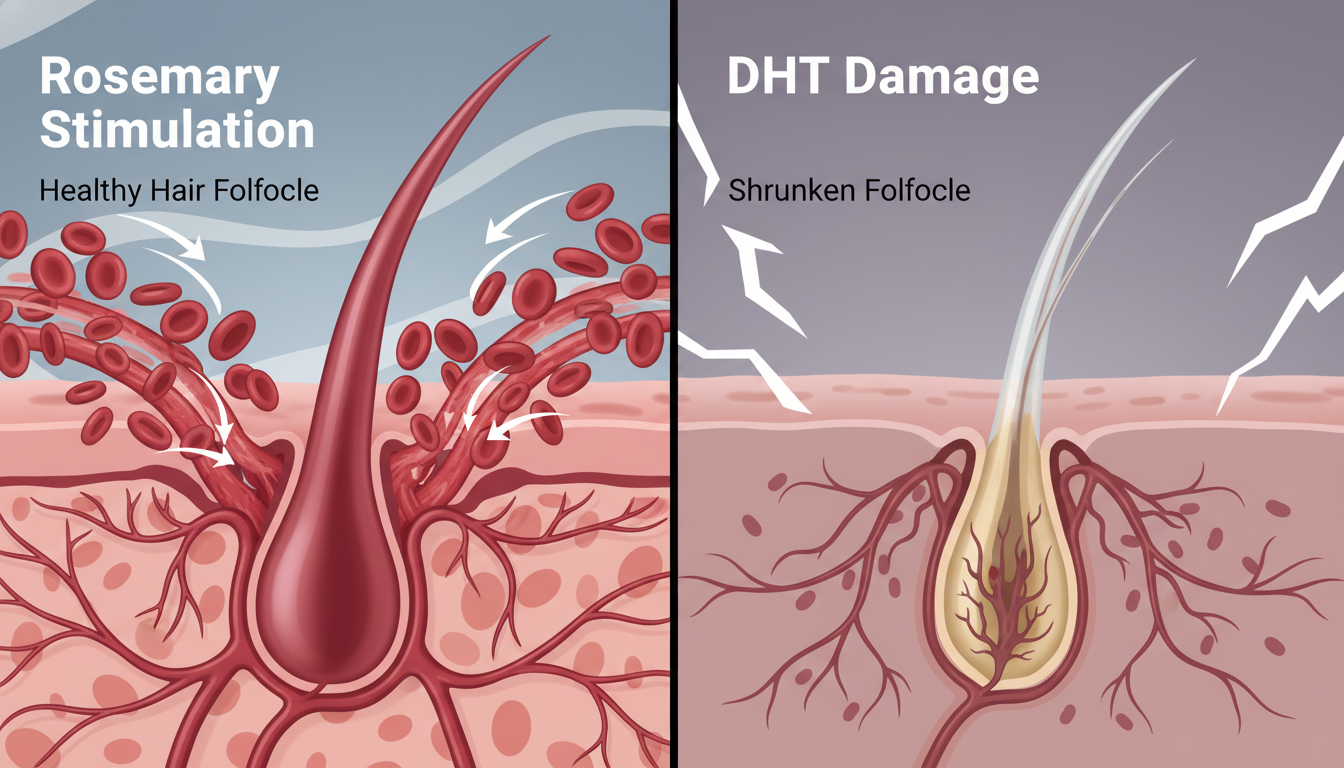
1. Vasodilation: Similar to Minoxidil, rosemary oil improves blood circulation to the scalp. More blood flow means more oxygen and nutrients delivered to the hair follicle (the dermal papilla), which is essential for the anagen (growth) phase.
2. DHT Inhibition: Dihydrotestosterone (DHT) shrinks hair follicles in genetic hair loss. Rosemary extract has shown 5-alpha-reductase inhibitory activity, preventing the conversion of testosterone to DHT at the follicle site.
3. Nerve Healing: Unlike many treatments, rosemary oil supports nerve healing. A healthy nerve supply to the scalp is critical for signaling hair growth cycles.
The Bottom Line: You are not just moisturizing your scalp; you are applying a topical pharmaceutical-grade agent found in nature. Treat it with the respect of a medical treatment.
2. Selecting the Correct Chemotype
Not all rosemary oil is created equal. The plant Rosmarinus officinalis has different chemotypes depending on where it was grown and how it was distilled. For hair growth, specific chemical profiles are superior.
The Chemotypes
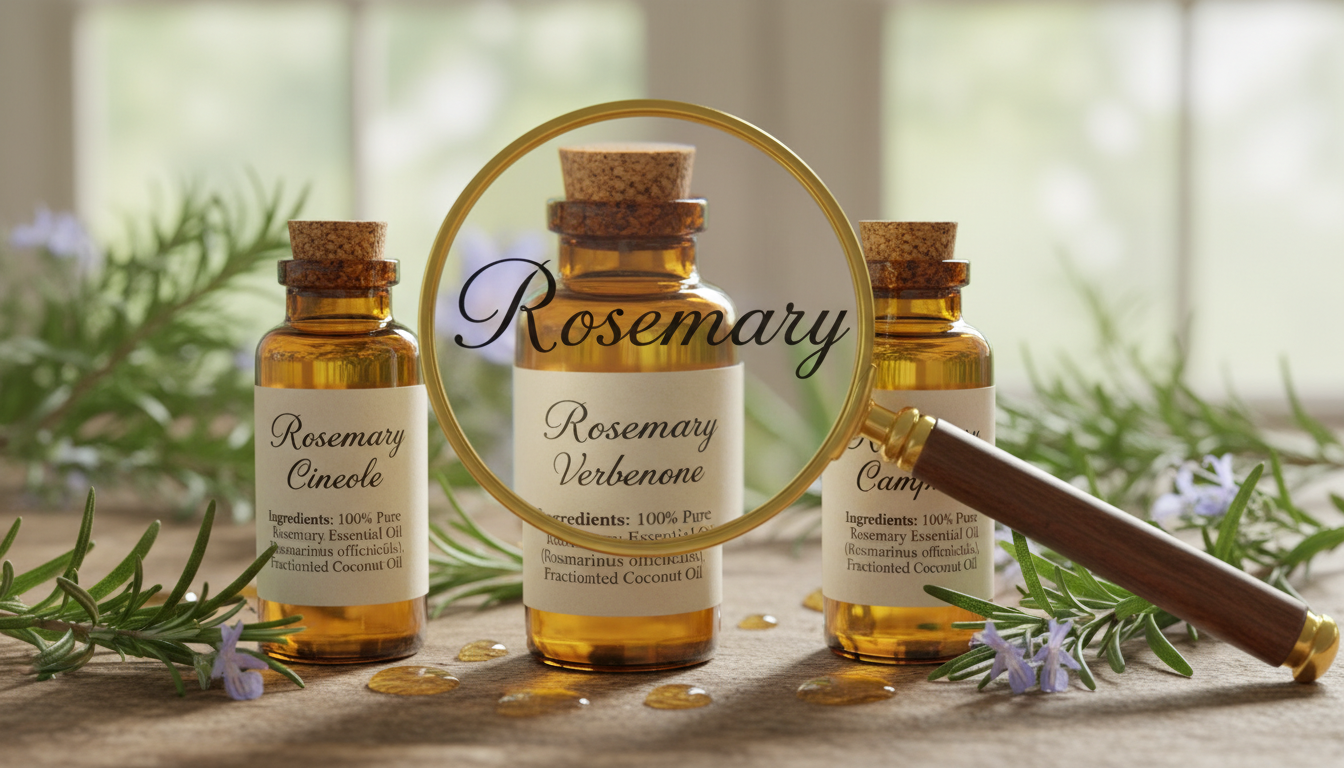
- Cineole Chemotype (Tunisian/Moroccan): High in 1,8-cineole (eucalyptol). This is the best for circulation and penetration. It is stimulating and increases blood flow rapidly.
- Verbenone Chemotype: Gentler, better for cell regeneration, but less stimulating for aggressive growth.
- Camphor Chemotype: Highly stimulating but can be irritating to sensitive scalps.
Recommendation: Look for Rosemary ct. Cineole. Ensure the bottle says ‘100% Pure Essential Oil’ and is packaged in dark amber or cobalt glass to prevent UV degradation. Avoid ‘fragrance oils’ or pre-diluted blends where the percentage of active rosemary is unknown.
3. Choosing the Right Carrier Oil
Rosemary essential oil is volatile and potent. Applying it neat (undiluted) can cause contact dermatitis or chemical burns, which causes hair loss—the opposite of your goal. You need a carrier oil (vehicle) to transport the rosemary into the skin.
Carrier Oil Tier List
| Skin/Hair Type | Best Carrier Oil | Benefits |
|---|---|---|
| Oily/Acne-Prone | Jojoba Oil | Mimics natural sebum, non-comedogenic, lightweight. |
| Thinning/Shedding | Pumpkin Seed Oil | Natural DHT blocker, synergistic with rosemary. |
| Dry/Brittle | Castor Oil | Thick, deeply moisturizing, anti-inflammatory. (Mix with lighter oil). |
| Normal | Coconut or Argan | Penetrates hair shaft (Coconut) or adds shine (Argan). |
Pro Tip: For extreme growth, a mix of Pumpkin Seed Oil (for DHT blocking) and Castor Oil (for ricinoleic acid) is the gold standard base.

4. The Golden Ratio: Dilution Math
Precision is vital. Too weak, and it won’t work. Too strong, and you risk sensitization. The clinical studies suggest a concentration effectively equivalent to therapeutic doses requires a 2% to 3% dilution.
The Mixing Formula
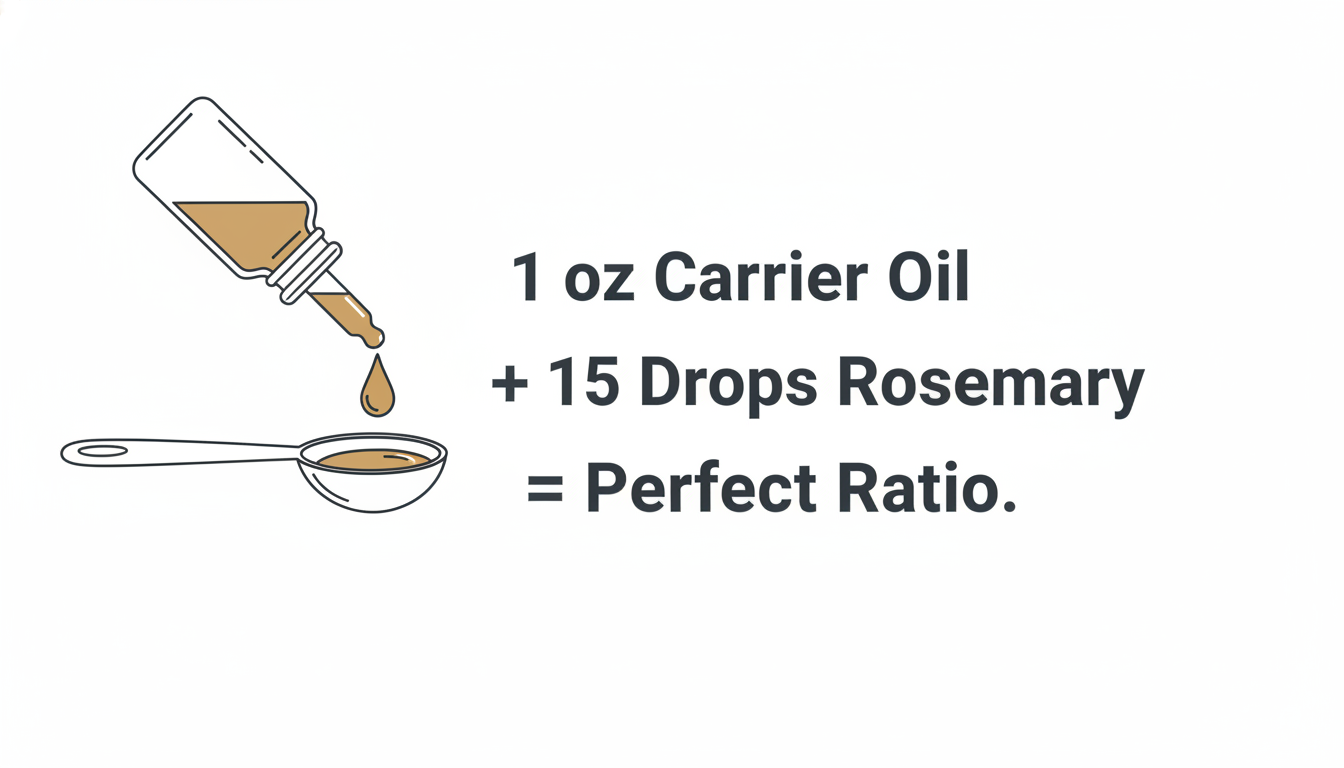
- For 2% Dilution: Add 12 drops of Rosemary Essential Oil to every 1 ounce (30ml) of Carrier Oil.
- For 3% Dilution: Add 18 drops of Rosemary Essential Oil to every 1 ounce (30ml) of Carrier Oil.
Do not exceed 3%. Higher concentrations do not equal faster growth; they equal higher risk of irritation. If you are mixing a single application in your palm (approx 1 teaspoon or 5ml of carrier), use 3 to 4 drops of rosemary oil max.
5. The Patch Test Protocol
Before slathering this potent mixture over your entire scalp, you must verify you are not allergic. An allergic reaction on the scalp can induce telogen effluvium (shock loss).
How to Patch Test:
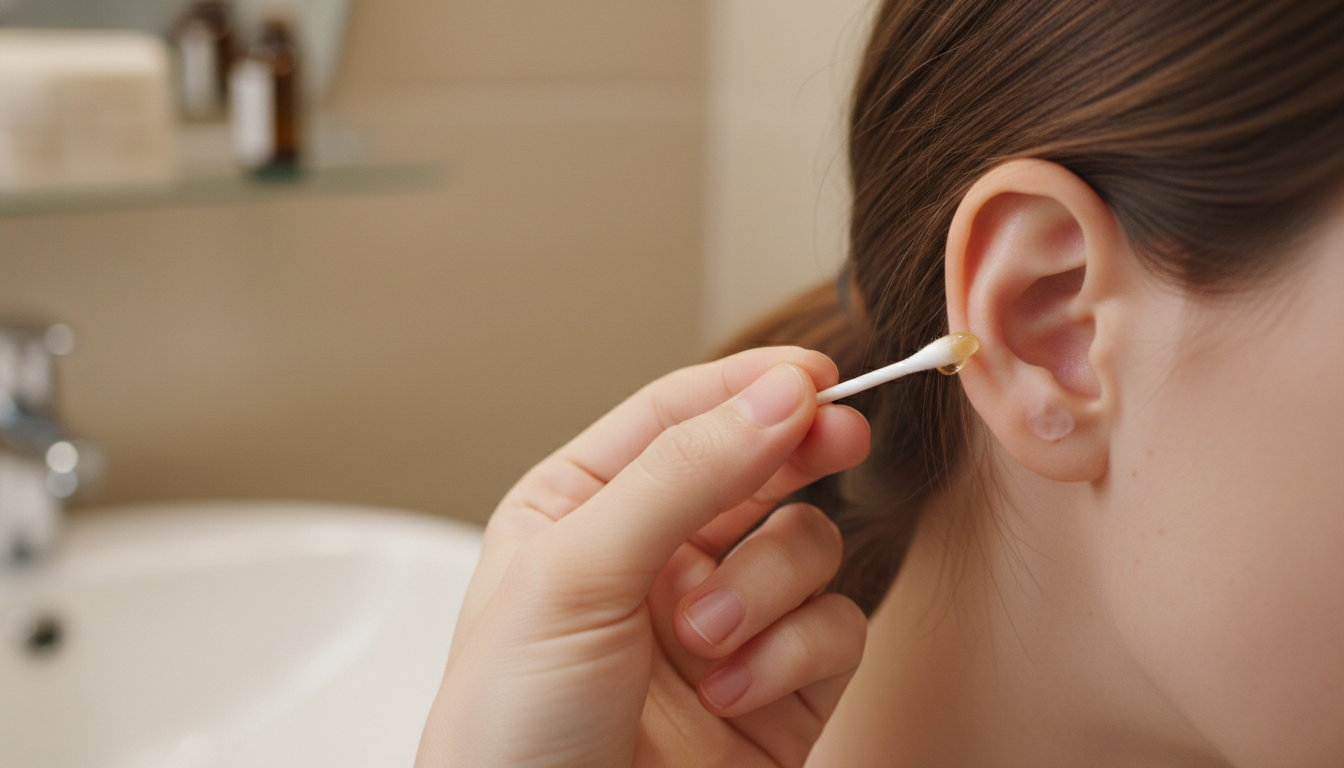
1. Mix a tiny amount of your blend (1 drop rosemary + half tsp carrier).
2. Apply it to the sensitive skin behind your ear or the inner forearm.
3. Cover with a bandage and wait 24 hours.
4. Check for redness, itching, or burning. If clear, proceed to the scalp application.
Skip this step at your own peril. Rosemary is a strong herbal compound and sensitivities are common.
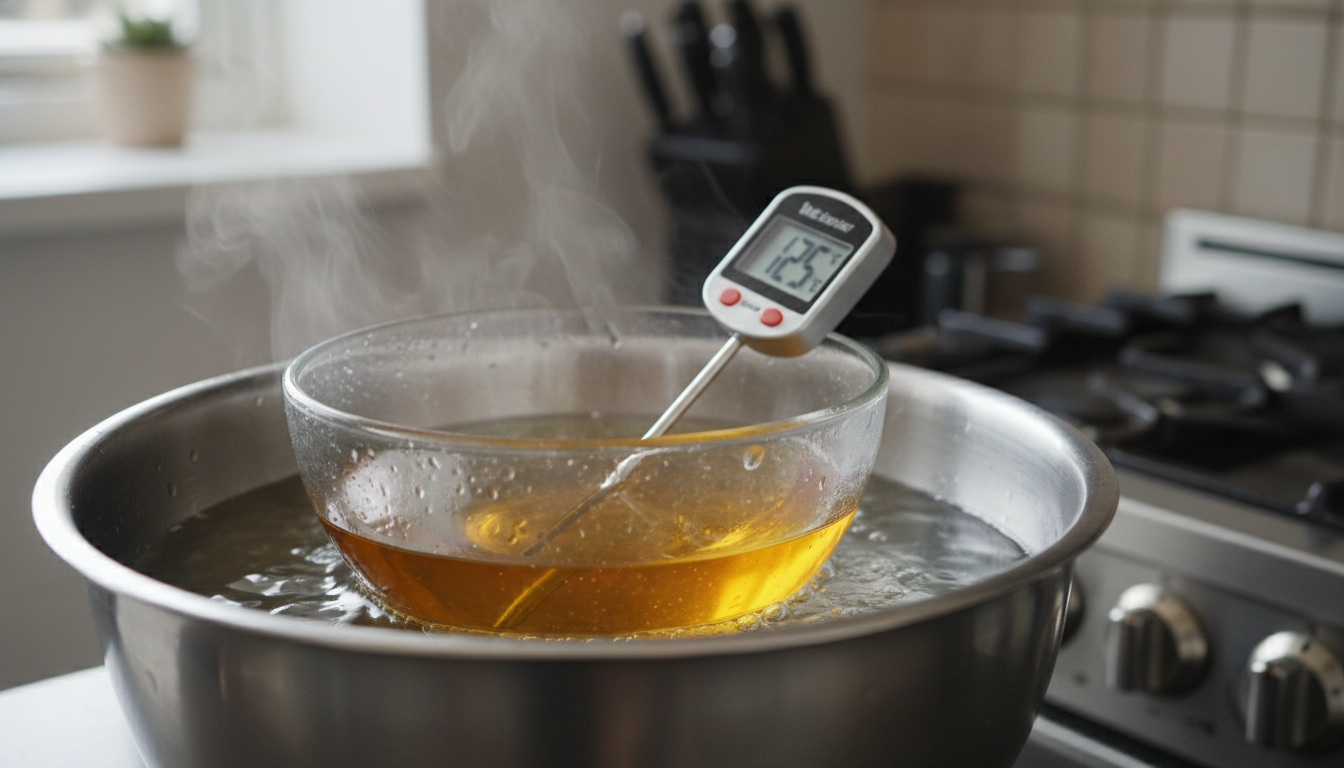
6. Preparation: Heating the Oil
Warm oil penetrates the scalp more effectively than cold oil. Heat lowers the viscosity of the oil and opens the pores of the scalp slightly, allowing for deeper absorption into the follicle.
The Double-Boiler Method:
1. Pour your mixed oil into a small glass bowl or bottle.
2. Place that vessel into a larger bowl filled with hot (not boiling) water.
3. Let it sit for 2-3 minutes until warm to the touch.
Warning: Never microwave the oil. Microwaving can alter the chemical structure of the essential oils and destroy the therapeutic compounds. Test the temperature on your wrist to ensure it is not scalding.
7. Application Technique: Sectioning
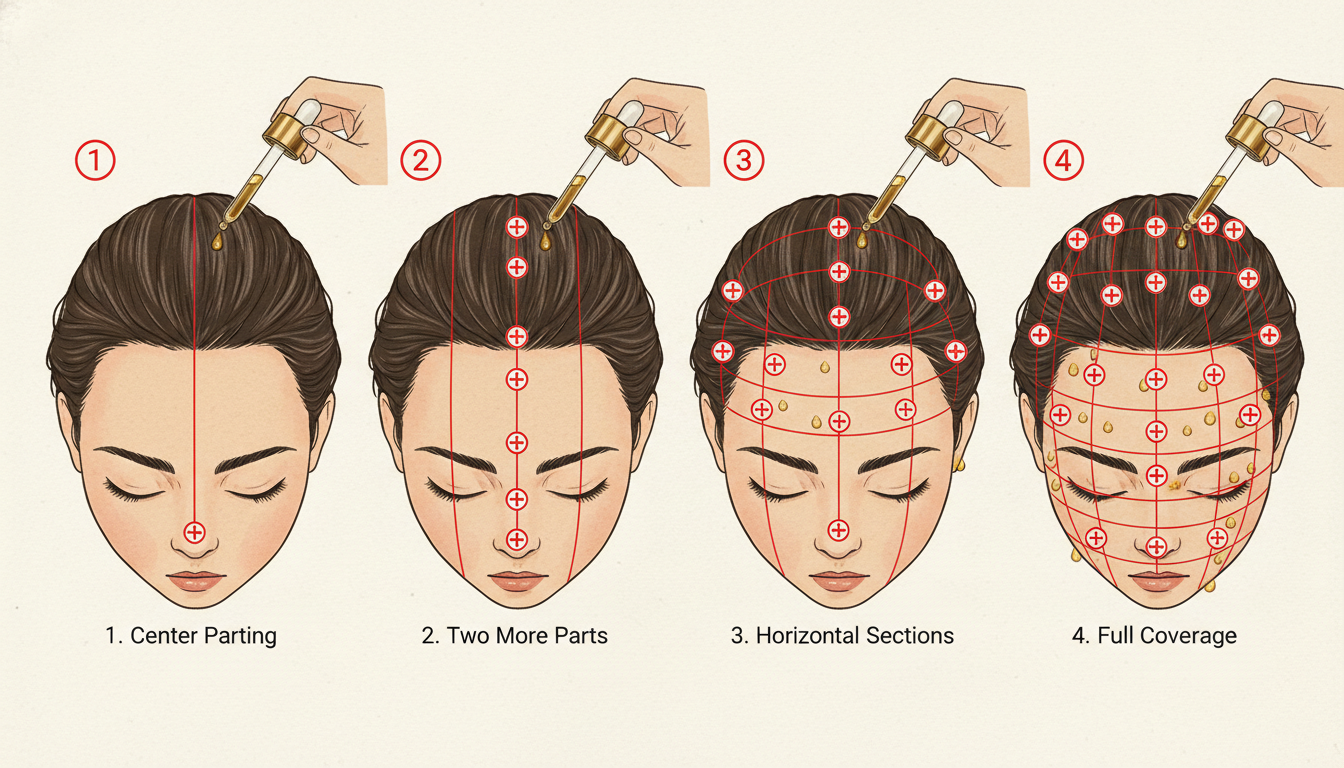
You must apply the oil to the scalp, not the hair. Applying oil to the lengths of your hair will make it shiny, but it will do zero for growth. Growth comes from the root.
The Sectioning Strategy:
1. Start with dry, unwashed hair (or hair 1-2 days post-wash).
2. Use a rat-tail comb to part your hair down the center.
3. Apply the oil directly to the exposed scalp line using a dropper or squeeze bottle.
4. Create new parts every 1 inch, moving from the center down to the ears.
5. Repeat on the back of the head.
Ensure complete coverage of the problem areas (temples, crown, hairline). You should use enough oil to coat the scalp, but not so much that it is dripping down your face.
8. The Inversion Method Massage
Application is passive; massage is active. Mechanical stimulation is required to bring blood to the surface. We combine the oiling with the Inversion Method for extreme results.
How to Execute:
1. After applying the oil, sit on a chair or the side of your bed.
2. Lower your head so it hangs below your heart (invert).
3. Use the pads of your fingers (NO fingernails) to massage the scalp in circular motions.
4. Apply firm pressure to move the skin over the skull. Do not just rub the hair.
5. Massage for 4 to 5 minutes.
This forces blood flow against gravity to the scalp, supercharging the delivery of the rosemary oil’s nutrients.

9. Duration: Soaking Time
How long should you leave it on? There is a debate between ‘overnight’ and ‘short soak’.
The Ideal Window: 2 to 4 hours.
Why not overnight?
Leaving oil on overnight can occlude the follicles and trap bacteria or yeast (Malassezia), which feeds on oils. This can lead to seborrheic dermatitis (dandruff) or fungal acne on the forehead. While some dry scalps tolerate overnight soaking, the safest and most effective route for growth without side effects is a 4-hour soak before washing. If you must sleep in it, use a silk bonnet and ensure your pillowcase is protected.

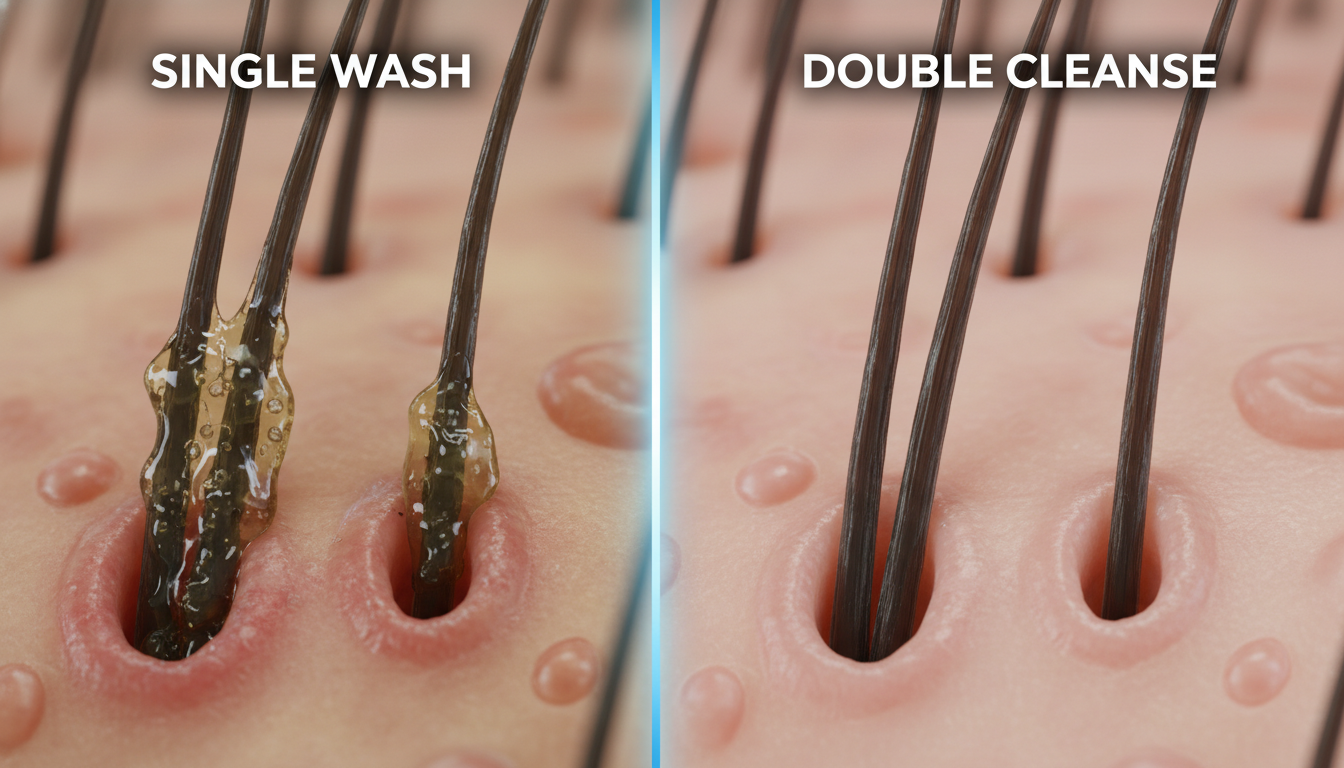
10. The Wash Out: Double Cleansing
Improper removal of oil leads to buildup, which blocks follicles and stunts growth—negating all your hard work. You must double cleanse.
Step 1: Emulsify. Before adding water, apply shampoo to your oily scalp and massage it in. This helps the surfactant bind to the oil.
Step 2: Rinse and First Wash. Add water and lather. This wash removes the bulk of the oil and dirt.
Step 3: Second Wash. Shampoo again. This wash actually cleans the scalp and ensures no residue remains.
Use a sulfate-free shampoo if you want to be gentle, but if the oil is heavy (like castor), a clarifying shampoo might be necessary once a week.
11. Frequency and Consistency
You cannot do this once a month and expect Rapunzel hair. Hair growth is a metabolic process that requires consistent signaling.
The Schedule:
- Intensive Treatment: 3 times per week.
- Maintenance: 1-2 times per week.
Do not oil every day. Your scalp needs to breathe and regulate its own sebum production. Oiling daily requires washing daily, which can strip the hair shaft and cause breakage. Stick to the 3x/week routine religiously. Mark it on your calendar.

12. Timeline and Expectations
Manage your expectations to avoid quitting early. Hair grows roughly 0.5 inches per month on average. Rosemary oil can maximize this rate and increase density, but it is not magic.
The Reality Timeline:
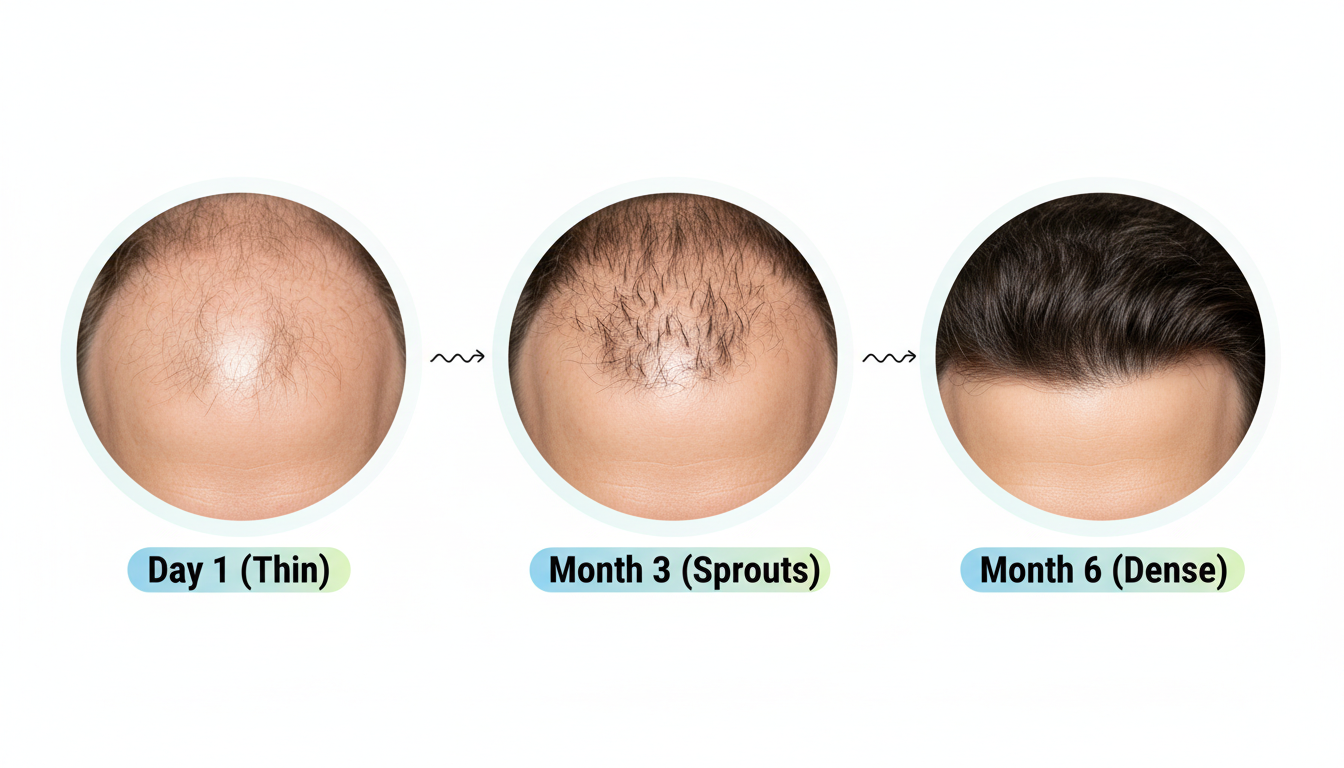
- Month 1: Improved scalp health, less dandruff, hair feels softer. Shedding may stabilize.
- Month 3: ‘Baby hairs’ (new growth) become visible along the hairline. Reduction in hair fall during showers.
- Month 6: Significant improvement in density and thickness. Comparison photos show visible filling of thinning areas.
Take pictures on Day 1, and do not look for changes until Day 90. Trust the process.
Frequently Asked Questions
Can I apply rosemary oil directly to my scalp without a carrier oil?
No. Essential oils are highly concentrated volatile compounds. Applying them directly can cause chemical burns, contact dermatitis, and increased sensitivity, which may actually worsen hair loss. Always dilute to 2-3%.
How often should I use rosemary oil for hair growth?
For best results, apply the rosemary oil treatment 2 to 3 times per week. Consistency is more important than frequency; daily application may lead to hygral fatigue from over-washing.
Does rosemary oil really work for male pattern baldness?
Yes, studies indicate it can be effective. A 2015 comparative study showed rosemary oil was as effective as Minoxidil 2% in treating androgenetic alopecia by inhibiting DHT and improving microcirculation.
How long does it take to see results from rosemary oil?
Hair growth is slow. You typically need to use the treatment consistently for 3 to 6 months to see visible changes in hair density and thickness.
Can I leave rosemary oil in my hair overnight?
You can, but it is generally recommended to wash it out after 2-4 hours. Leaving oils on too long can clog follicles and encourage fungal growth (dandruff) on the scalp.
What is the best carrier oil for rosemary oil?
It depends on your hair type. Jojoba oil is best for oily scalps as it mimics natural sebum. Pumpkin seed oil is excellent for thinning hair due to its own DHT-blocking properties. Castor oil is great for thickness but requires heavy washing.
Will rosemary oil darken my hair?
Rosemary oil has been historically used to darken gray hairs naturally over time, but the effect is very subtle and gradual. It will not drastically change dyed hair color.
Can I mix rosemary oil with my shampoo instead of oiling?
Yes, you can add drops to your shampoo, but it is less effective than a dedicated oil treatment because the contact time with the scalp is too short (only a few minutes) to allow deep penetration.
You might also like:- Rosemary Shampoo: 5 Powerful Recipes to Make Your Own
Discover more from innerspiritglow
Subscribe to get the latest posts sent to your email.