
Key Takeaways
- 3x Calorie Burn: Rucking burns up to three times more calories than standard walking by adding resistance.
- Low Impact Cardio: Unlike running, rucking places significantly less stress on knees and joints while maintaining a high heart rate.
- Postural Correction: The weight of the backpack forces shoulders back, counteracting ‘tech neck’ and engaging the core.
- Bone Density: Load-bearing exercise triggers Wolf’s Law, strengthening bones and preventing osteoporosis.
- Zone 2 Training: Rucking is the ultimate method for building an aerobic base (Zone 2) without spiking cortisol levels.
- Scalable Intensity: Simply adding weight allows you to increase difficulty without needing to run faster or longer.
The Problem: Cardio That Destroys Your Body
You want to lose fat, but you hate the idea of pounding pavement until your knees scream. Running is high-impact and often leads to injury. Traditional walking, while safe, simply doesn’t burn enough calories to trigger significant weight loss unless you have hours to spare every day. You are stuck between ineffective movement and painful exertion.
The Agitation: The “Plateau” Trap
Most people trying to lose weight hit a plateau. They cut calories and increase gym time, but the scale doesn’t budge. Why? Because sustainable fat loss requires a metabolic stimulus that doesn’t wreck your central nervous system or joints. High-Intensity Interval Training (HIIT) is great, but you can’t do it every day. You need a movement that turns your body into a fat-burning furnace, which you can perform consistently for decades.
The Solution: Rucking
Rucking is simple: walking with weight on your back. It is the foundation of Special Forces fitness, and for good reason. It combines the cardiovascular benefits of running with the strength-building aspects of weightlifting. By simply adding a weighted pack, you transform a leisurely stroll into a high-output calorie-burning session. This guide covers the 11 essential components of rucking for fat loss, from gear selection to advanced pacing strategies.
1. The Science of Rucking: Why It Melts Fat
Rucking bridges the gap between strength training and cardio, often referred to as ‘Active Resistance Cardio.’
Caloric Expenditure vs. Walking
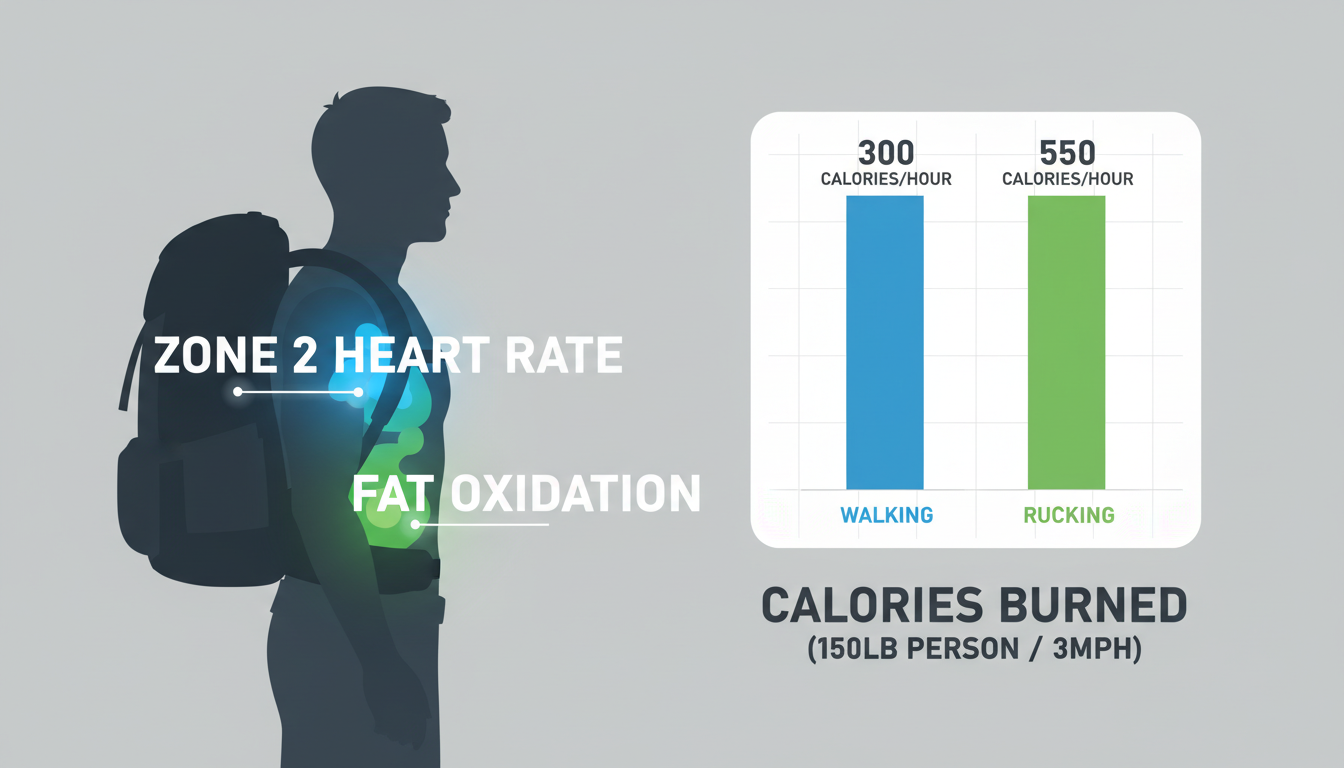
Standard walking burns approximately 250–300 calories per hour for an average adult. Rucking can elevate this to 600–700 calories per hour depending on weight carried and pace. This increase is due to the energy required to stabilize the load and the increased force production needed to propel heavier mass forward.
| Activity | Calories/Hour (180lb Person) | Joint Impact |
|---|---|---|
| Walking (3mph) | ~280 | Low |
| Rucking (30lbs, 3.5mph) | ~650 | Low-Moderate |
| Running (6mph) | ~800 | High |
The Metabolic Effect
Rucking keeps your heart rate in Zone 2 (60-70% of Max HR). This is the ‘fat-burning zone’ where the body primarily utilizes stored fat for fuel rather than glycogen (carbs). Unlike running, which often spikes heart rate into anaerobic zones, rucking allows for sustained, steady-state effort that oxidizes fat efficiently without the cortisol spike associated with chronic high-intensity cardio.
2. Gear Essentials: The Backpack and Weights
You cannot ruck effectively with a standard school backpack; it will break, or worse, injure your back. Equipment selection is critical for comfort and longevity.
The Pack (Ruck)
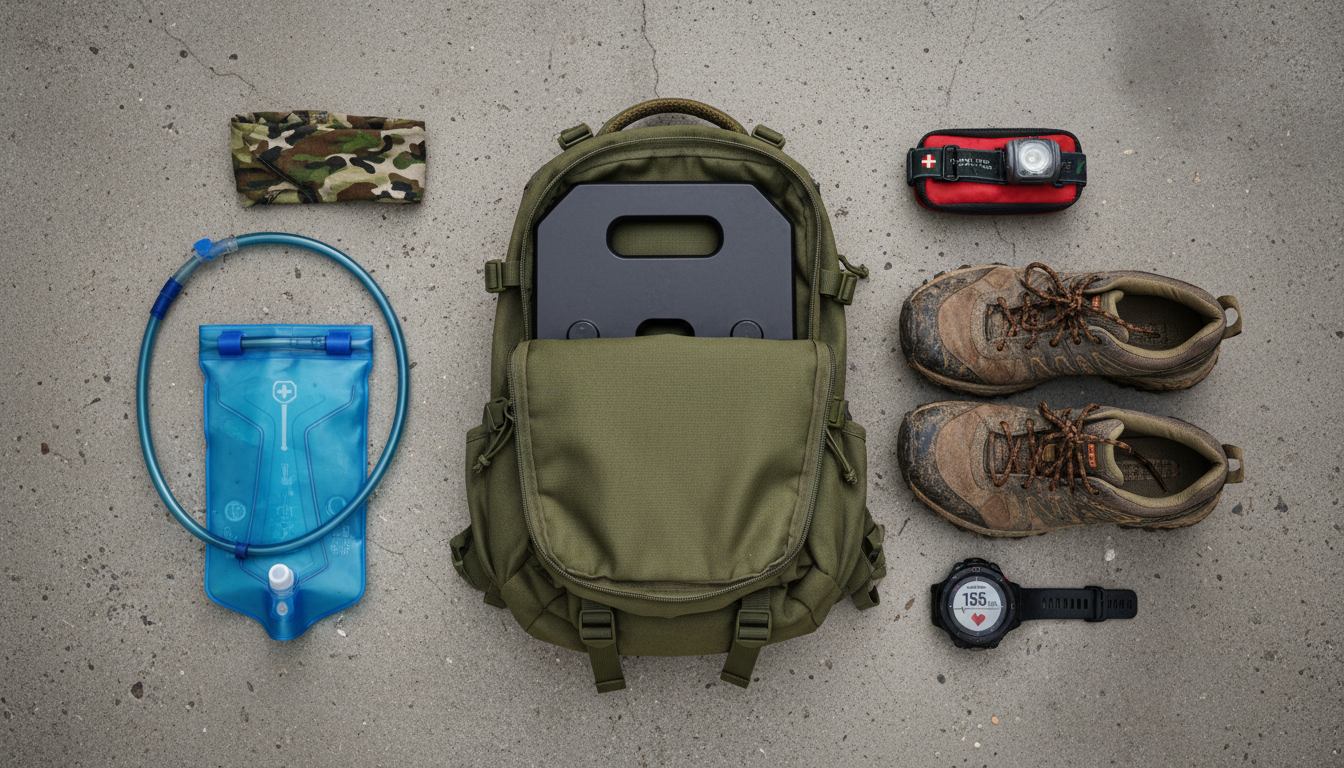
A dedicated rucking backpack (like a GORUCK) features:
- Wide Shoulder Straps: Distributes weight to prevent nerve pinching.
- Internal Frame Sheet: Keeps the weight stable against your back.
- High Positioning: Keeps the load high on the upper back to reduce lower back strain.
The Weight (Ruck Plate vs. Bricks)
- Ruck Plates: Purpose-built cast iron plates that fit seamlessly into rucking backpacks. They are dense, keeping the weight close to your spine.
- Sandbags/Bricks: Budget options. If using bricks, wrap them heavily in duct tape and bubble wrap to prevent sharp edges digging into your spine.
- Water Bladders: Good for variable weight, but water sloshes, creating dynamic instability which can be tiring.
Pro Tip: Avoid dumbbells or kettlebells inside a loose bag; they will shift and cause bruising.
3. Calculating Your Optimal Load
Ego lifting in rucking leads to injury. Progressive overload is the key to fat loss without burnout.
The 10% Rule
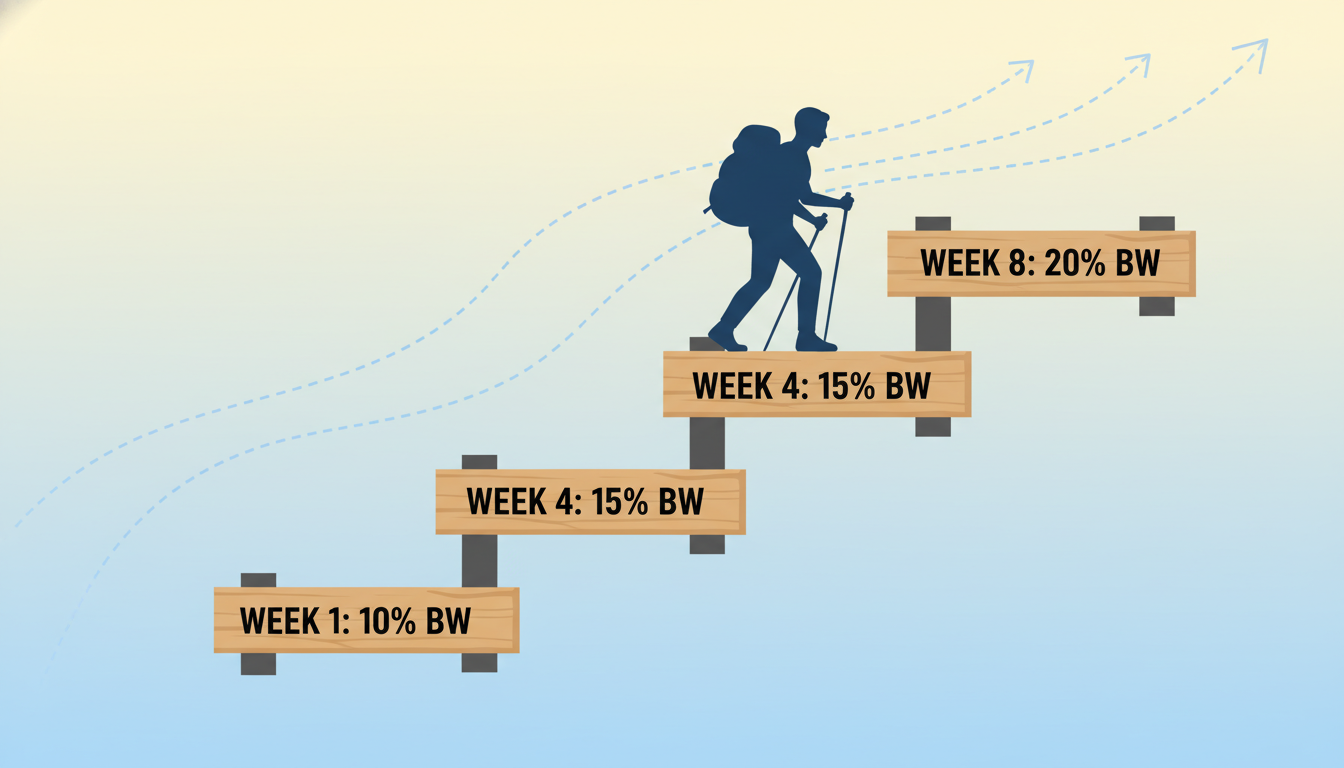
Beginners should start with 10% to 15% of their body weight. For a 200lb individual, this means a 20-30lb pack.
Progression Timeline
1. Weeks 1-4: Stick to 10% body weight. Focus on form and increasing distance.
2. Weeks 5-8: Increase weight to 20% OR increase pace. Do not increase both simultaneously.
3. Advanced: The standard military standard is often 35-45lbs, but for general fat loss, exceeding 35-40lbs yields diminishing returns and increases injury risk.
Warning: Never exceed 1/3 of your body weight unless you are training for specific military selection events.
4. Mastering Rucking Form and Posture
Rucking corrects the ‘caveman’ posture caused by sitting at desks, but only if you walk correctly.
Head and Shoulders
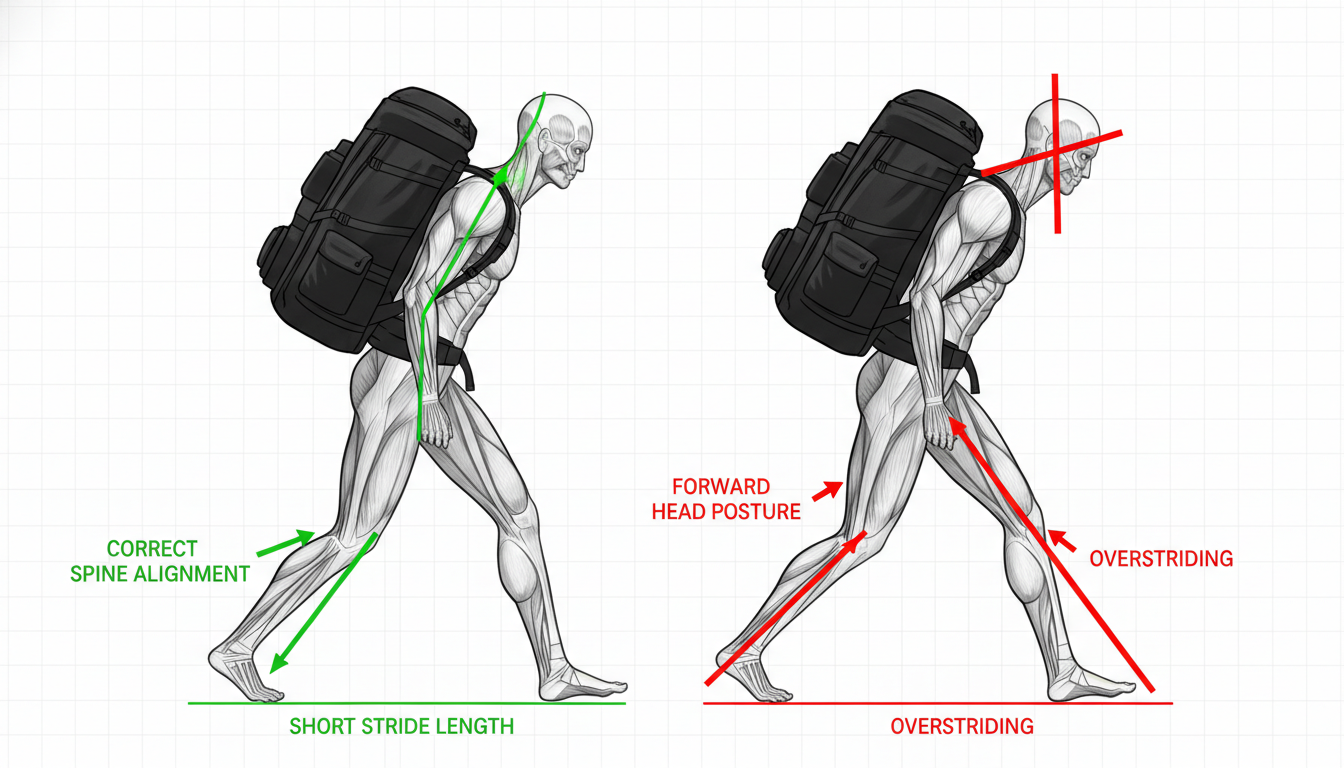
- Chin Tucked: ears aligned with shoulders.
- Shoulders Rolled Back: The straps naturally pull your shoulders back. Do not fight this; let the pack open your chest.
The Stride
- Short Steps: Do not overstride. Overstriding causes heel strike force (braking force) which jars the knees.
- High Cadence: Take more steps per minute rather than longer steps.
- Soft Knees: Keep a slight bend in the knee upon impact; never lock your legs.
Core Engagement
Imagine someone is about to punch you in the stomach. That slight tension protects your lumbar spine from the load.
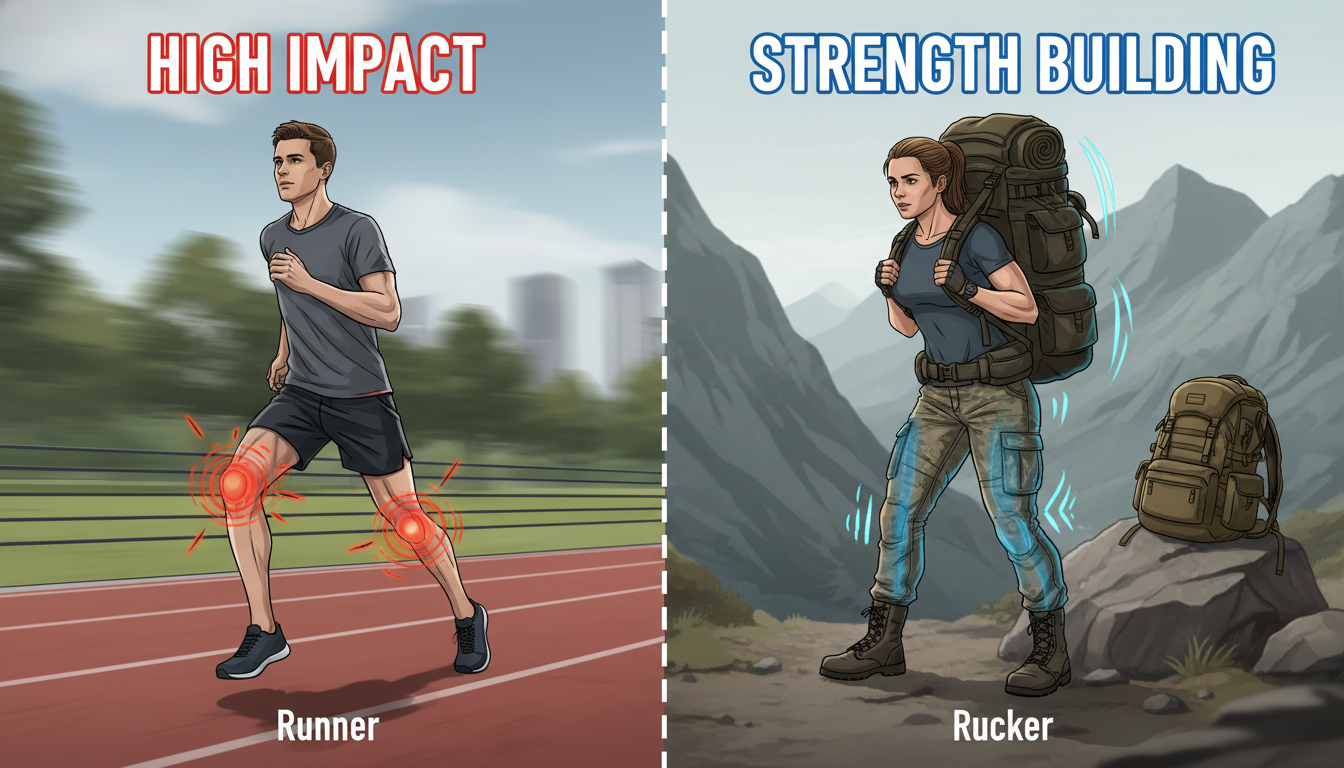
5. Rucking vs. Running: The Low-Impact Advantage
Why choose rucking over running for fat loss?
Ground Reaction Force
Running generates impact forces of 3x to 4x body weight per step. Rucking generates only 1.5x body weight—similar to walking—despite the added load. This makes rucking sustainable for heavier individuals or those with previous meniscus or ACL injuries.
Muscle Preservation
Running is catabolic; excessive distance running can break down muscle tissue. Rucking is anabolic for the posterior chain (glutes, hamstrings, lower back). Retaining muscle mass is crucial for keeping your resting metabolic rate (RMR) high, which aids long-term fat loss.
The ‘Afterburn’ Effect
Because rucking involves resistance, it generates a higher EPOC (Excess Post-exercise Oxygen Consumption) than walking, meaning you burn calories for longer after the workout finishes.
6. Footwear Selection: Protecting Your Base
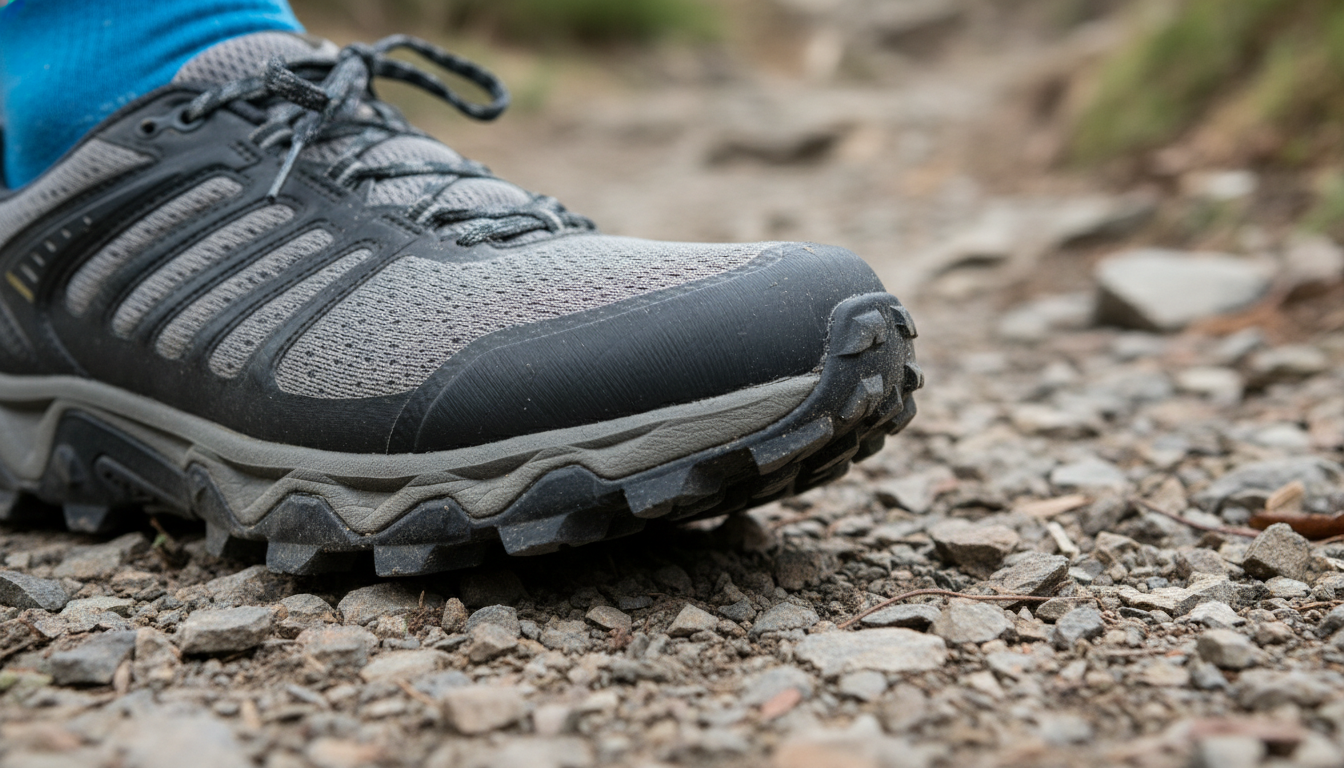
Your feet are the single point of failure. Running shoes are often too squishy and unstable for heavy loads.
What to Look For
- Support: You need a stiffer midsole than a running shoe to handle the extra weight.
- Wide Toe Box: Your feet will swell under load. Your toes need room to splay.
- Traction: Rucking often happens on trails or grass. Good lugs are essential.
Sock Strategy
Cotton is the enemy. Use Merino Wool socks (like Darn Tough). Wool wicks moisture away and prevents blisters. For long rucks, consider a ‘liner sock’ (thin synthetic) under a wool sock to reduce friction.
7. The Ruck Shuffle: Increasing Intensity
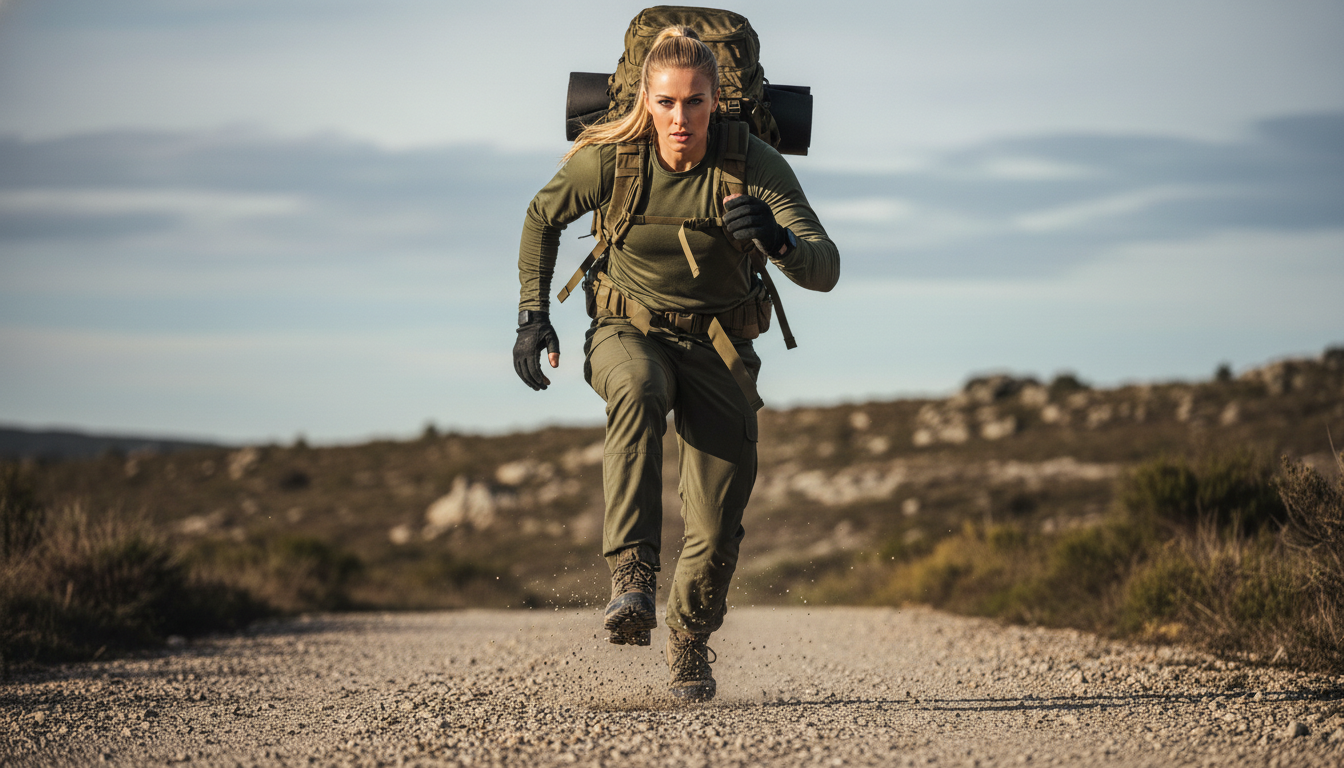
Once you master walking, the ‘Ruck Shuffle’ is how you enter high-intensity territory without sprinting.
Technique
The shuffle is a jog at a fast walking pace. It is a low-to-the-ground movement where you barely lift your feet. You are falling forward and catching yourself.
Interval Training
To maximize fat loss, use intervals:
- Warm-up: 10 mins walking.
- Interval: 30 seconds Ruck Shuffle / 2 minutes Walking.
- Repeat: 6-10 times.
This spikes the heart rate into Zone 3/4 briefly, increasing calorie burn, before recovering in Zone 2.
8. Nutrition and Hydration Strategy
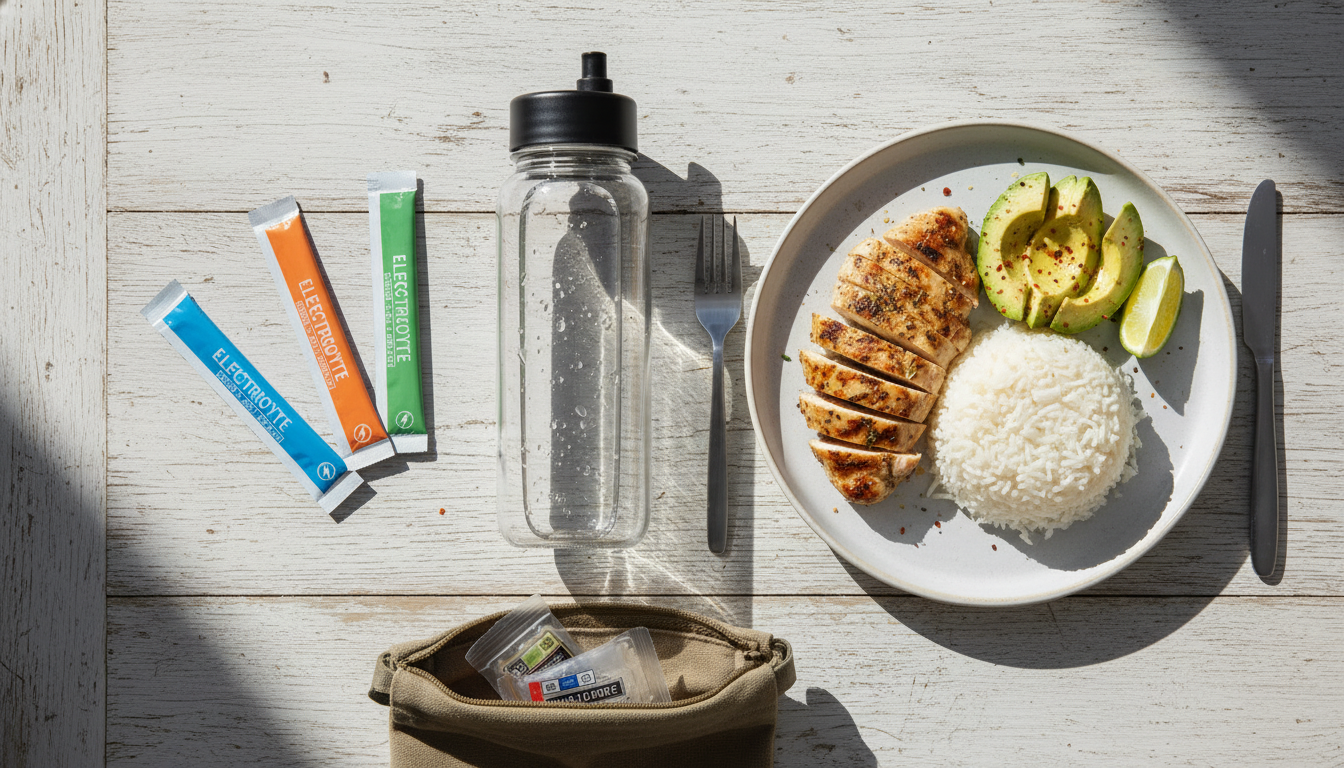
Rucking burns glycogen and fluids rapidly. You cannot out-train a bad diet, but you must fuel the workout.
Hydration
With a backpack on your back, your sweat cannot evaporate easily, leading to higher core temperatures. You must drink more water than during a run. Aim for 500ml-1L per hour depending on heat.
Fasted Rucking?
For maximum fat loss, rucking first thing in the morning in a fasted state is popular. Because the intensity is lower than sprinting, the body is efficient at mobilizing fat stores for energy during a fasted ruck. However, keep fasted sessions under 60 minutes to prevent muscle breakdown.
9. Frequency and Scheduling for Weight Loss
Consistency beats intensity. Rucking is lower recovery than weightlifting, so it can be done more often.
Sample Schedule for Fat Loss
- Monday: 45 min Ruck (Light weight, fast pace)
- Wednesday: 60 min Ruck (Heavier weight, moderate pace)
- Friday: Interval Ruck (Shuffle intervals)
- Sunday: Long Slow Distance (90+ mins, comfortable weight, social pace)
Integration with Lifting
Ruck on your ‘rest days’ or after a lifting session. Do not ruck immediately before a heavy leg day squat session as your core and posterior chain will be fatigued.

10. Injury Prevention: Traps, Knees, and Feet
Rucking is safe, but improper load management causes issues.
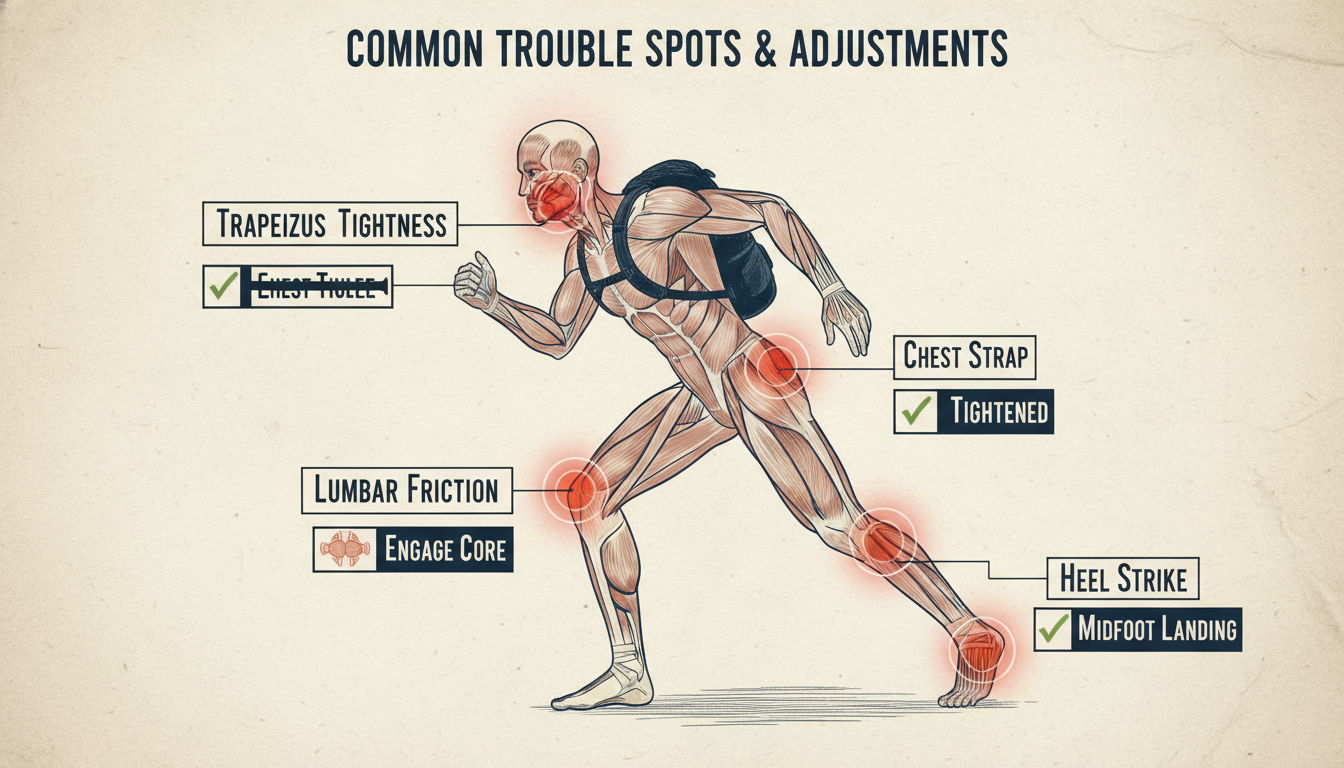
Ruck Burn (Chafing)
Friction on the lower back is common. Use anti-chafe balm (Body Glide) on your lower back and shoulders.
Trap Pain
If your traps hurt, your straps are too tight, or you are shrugging the weight. Relax your shoulders. Ensure the chest strap is used to pull straps away from the armpits.
Knee Care
If knees ache, you are likely overstriding (heel striking hard) or descending hills too fast. Shorten your stride and keep your weight over your mid-foot.
11. Social Rucking: The Community Factor
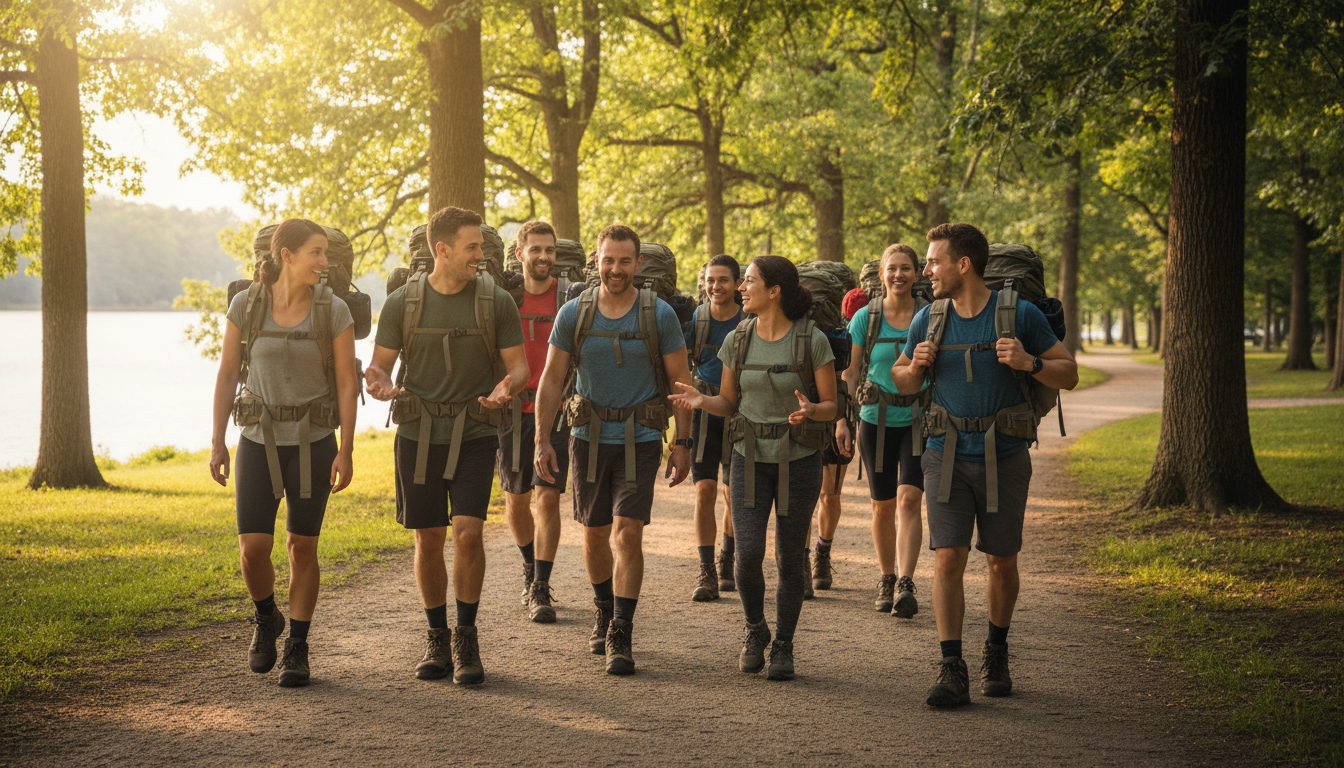
The ‘Rucking’ community is vast and supportive. Rucking is inherently social because you are moving at a conversational pace.
GORUCK Clubs
There are hundreds of official rucking clubs worldwide. Joining a group increases adherence to the program. It turns a workout into a social event.
Accountability
Fat loss is a psychological game. Having a partner to ruck with at 6 AM ensures you get out of bed. The shared suffering of carrying a heavy pack builds strong bonds, known in the military as ‘Esprit de Corps’.
Frequently Asked Questions
How much weight should I start with?
Start with 10% to 15% of your body weight. If you weigh 200 lbs, use a 20lb or 30lb plate. Focus on posture before increasing load.
Can rucking replace leg day?
No. Rucking builds endurance and strength in the posterior chain, but it does not provide the peak force production necessary for maximal hypertrophy like squats or deadlifts. It complements leg day.
Will rucking hurt my back?
If done with good posture, rucking actually strengthens the back muscles (erector spinae) and improves posture. However, carrying too much weight with a rounded back can cause injury.
Is rucking better than running for belly fat?
For many, yes. Rucking burns similar calories to running but lowers cortisol (stress hormone) production. High cortisol is linked to abdominal fat storage. Rucking is sustainable long-term.
How fast should I ruck?
Aim for a pace of 15 to 20 minutes per mile (3 to 4 mph). If you can’t maintain 20 min/mile, lower the weight.
Can I use a regular backpack?
You can start with one, but regular packs aren’t designed for heavy loads. The straps may dig in, and the weight will sag, pulling on your lower back. Upgrade to a ruck-specific bag ASAP.
What shoes are best for rucking?
Trail running shoes or lightweight tactical boots. Look for stability and a wide toe box. Avoid minimalist barefoot shoes if you are new to weighted loads.
Does rucking build muscle?
Yes, specifically in the glutes, hamstrings, calves, traps, and core. It builds lean, functional muscle rather than bulky bodybuilding muscle.
You might also like:- The 30-30-30 Method: A Biological Reset for Metabolism, Cortisol, and Fat Loss