
Key Takeaways
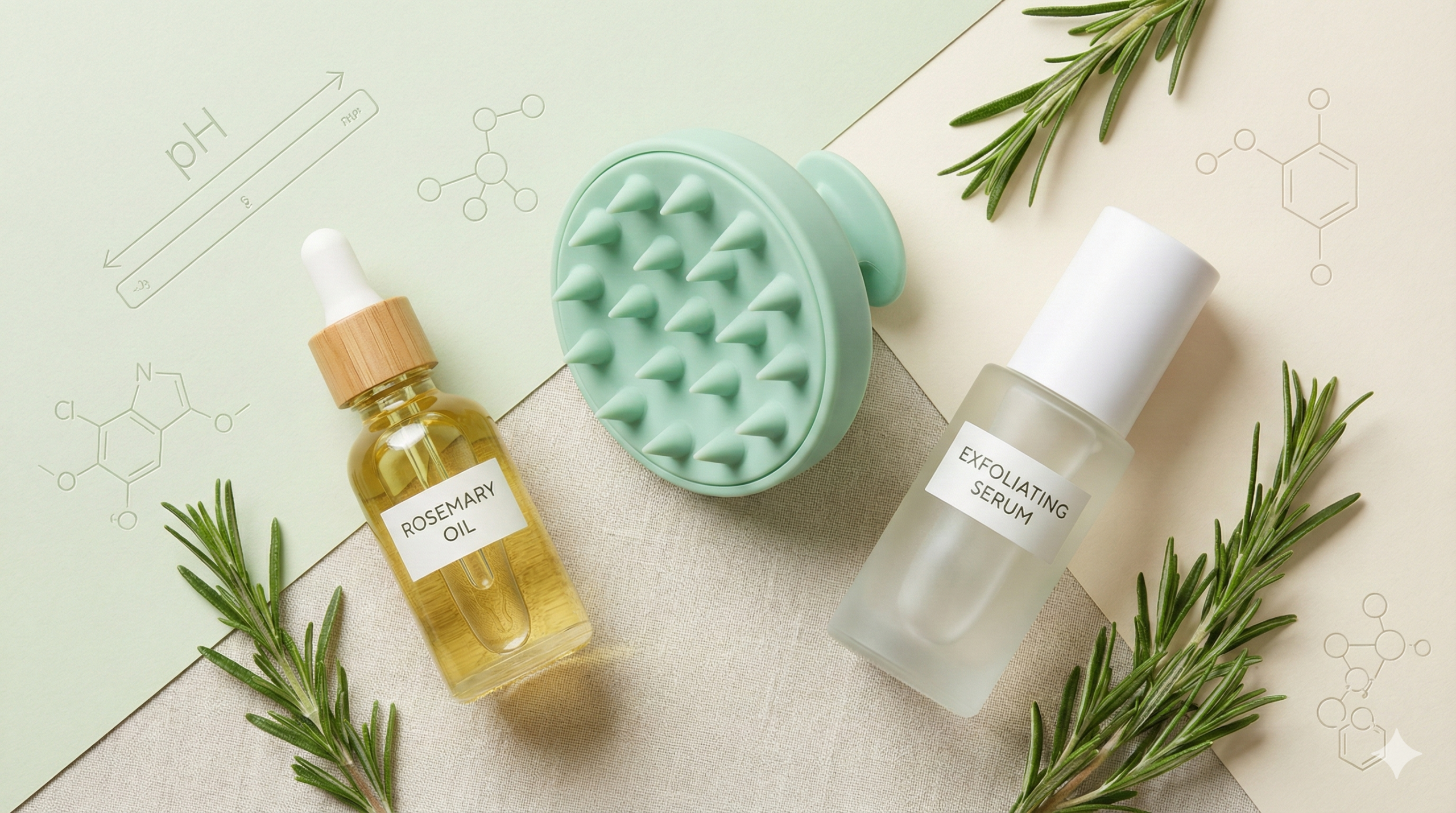
- The ‘Skinification’ of Hair: Treat your scalp like your face; it requires exfoliation, pH balancing, and specific hydration distinct from your hair strands.
- Double Cleansing is Non-Negotiable: Just like facial care, the first wash removes debris/styling products, while the second actually cleanses the scalp microbiome.
- Rosemary Oil Efficacy: Clinical data suggests specific concentrations of rosemary oil can rival Minoxidil 2% for growth without the systemic side effects.
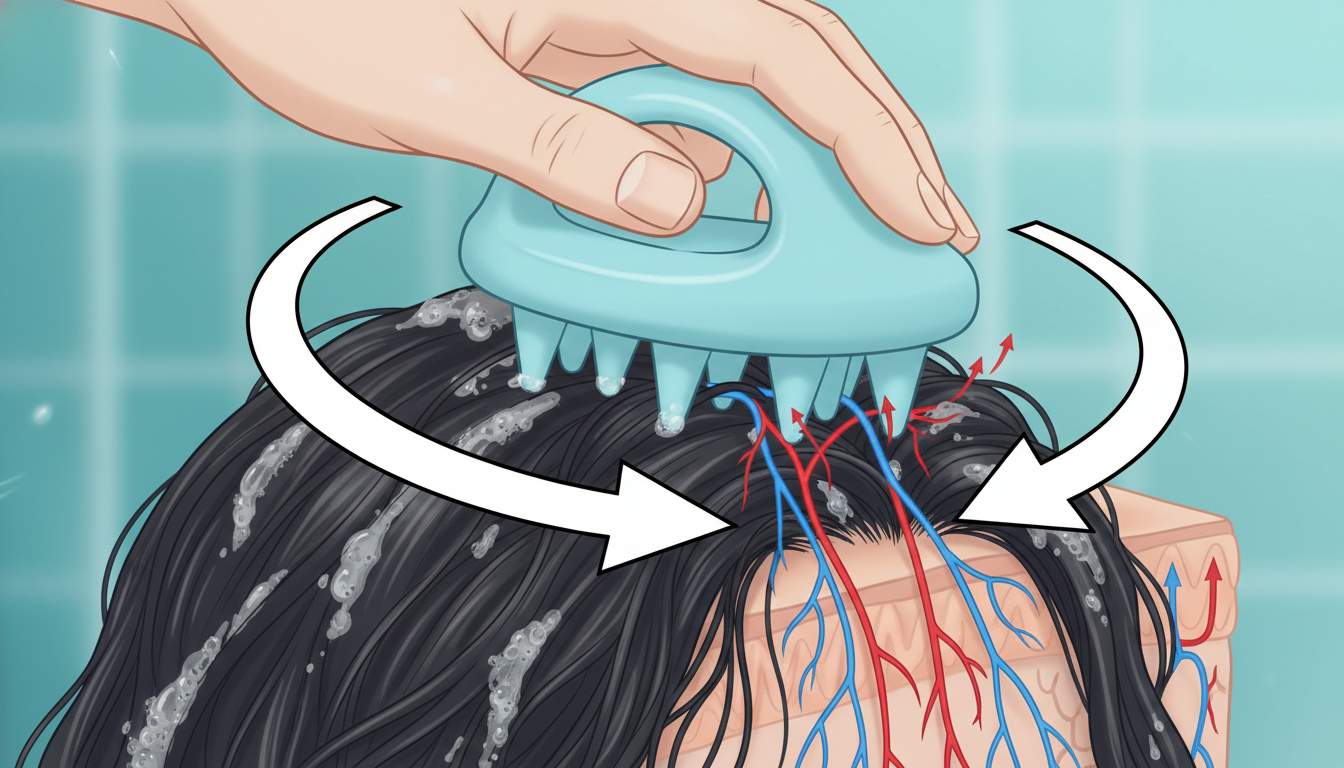
- Mechanical Stimulation: Scalp massage increases vasodilation, delivering critical nutrients to the follicle papilla.
- The pH Factor: Healthy scalp pH sits between 4.5 and 5.5; alkaline products disrupt the acid mantle, leading to fungal overgrowth and breakage.
- Exfoliation Frequency: Over-exfoliation is as dangerous as neglect; limit chemical exfoliants (AHAs/BHAs) to once weekly to preserve barrier function.
You spend hundreds on skincare serums, retinols, and 10-step facial routines, yet the skin that covers the top of your head—your scalp—often receives nothing more than a hasty scrub with generic shampoo. This neglect is the silent killer of hair volume, length, and luster.
The Problem: A congested scalp is a graveyard for hair follicles. Sebum buildup, dead skin cells (hyperkeratosis), and product residue create a suffocating layer that blocks hair emergence, breeds Malassezia yeast (dandruff), and creates inflammation that triggers premature shedding. You cannot grow a healthy plant in toxic soil, yet most ‘hair growth’ advice focuses solely on the dead fiber (the hair strand) rather than the living root.
The Agitation: Ignoring your scalp health doesn’t just result in an occasional itch. Chronic inflammation leads to miniaturization—where follicles shrink until they stop producing hair entirely. By the time you notice visible thinning, you may have already lost 50% of your density. The popular ‘Clean Girl Aesthetic’ slick-back buns often mask, and worsen, the issue by trapping sweat and tension on the scalp.
The Solution: Welcome to the definitive Scalp Care Cheat Sheet. This isn’t just advice; it is a meticulously structured 9-step protocol based on trichology principles. From the precise application of rosemary oil to the mechanics of enzymatic exfoliation, this guide provides the ‘Sunday Reset’ menu you need to transform your hair health at the root. We are moving beyond surface-level tips to deep, biological scalp optimization.
1. The Biological Foundation: Understanding the Scalp Microbiome
To master scalp care, one must first understand the terrain. The scalp is not merely ‘skin with hair’; it is a complex ecosystem. It contains a higher density of sebaceous glands than any other part of the body, creating a lipid-rich environment that is prone to oxidative stress.
The Acid Mantle & pH Balance
The scalp thrives at a pH of roughly 4.5 to 5.5. This acidity is critical for preventing bacterial overgrowth. When we use high-alkaline shampoos (often harsh sulfates), we strip this acid mantle. In our analysis, disruption of this barrier is the primary cause of ‘sensitive scalp syndrome.’
Key Biological Components
The Microbiome: A delicate balance of bacteria (Propionibacterium) and yeast (Malassezia). When the scalp gets too oily, Malassezia feeds on the lipids and produces oleic acid, which penetrates the skin and causes inflammation (dandruff/seborrheic dermatitis).
- The Follicle Funnel: This is the opening where the hair shaft exits. If blocked by keratin or sebum plugs, the hair grows thinner or becomes ingrown.
- Sebum Production: Controlled by androgens (hormones). While genetic, surface management determines if sebum becomes a moisturizer or a pollutant.
Expert Insight: Many users confuse a ‘dry scalp’ with ‘dandruff.’ Dry scalp is a lack of moisture (small, white flakes, not oily). Dandruff is a fungal reaction (larger, yellowish, oily flakes). Treating dry scalp with anti-dandruff shampoo often exacerbates the dryness. Diagnosis is step one.

2. Step 1 & 2: The Pre-Shampoo Strategy (Oiling & Diagnosis)
The ‘Sunday Reset’ begins before you step into the shower. Pre-shampoo treatments are essential for breaking down lipid-soluble dirt that water alone cannot dissolve.
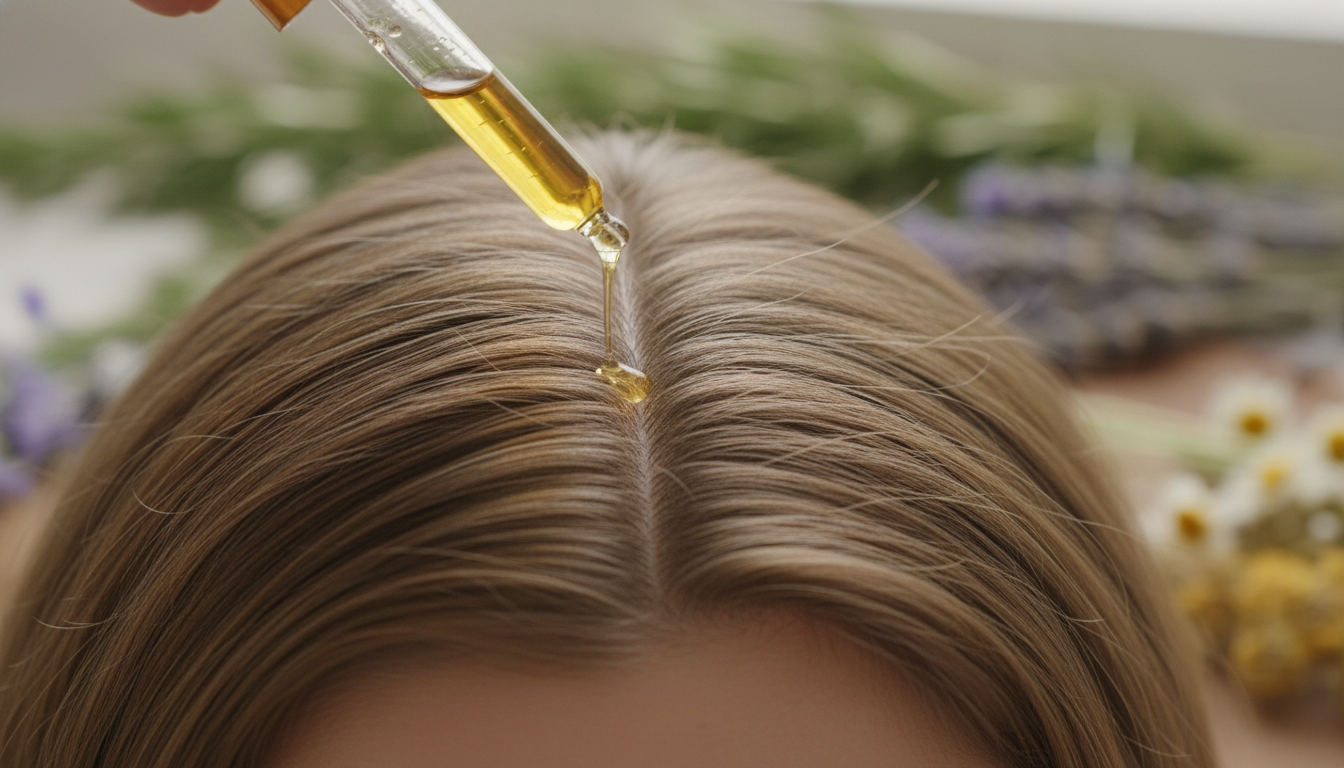
The Rosemary Oil Protocol
Rosemary oil has gained viral fame, but tests show efficacy depends entirely on application method. A 2015 comparative study indicated that Rosemary oil performed similarly to Minoxidil 2% after 6 months of use, primarily by improving micro-circulation.
Application Technique:
1. Carrier Oil: Never apply essential oils directly. Dilute 5 drops of Rosemary oil into 10ml of a carrier oil (Jojoba for oily scalps, Pumpkin Seed for thinning, Argan for dry scalps).
2. Sectioning: Part hair into 4 quadrants.
3. Timeframe: Leave on for a minimum of 20 minutes, max 4 hours. Contrary to popular belief, leaving oil on overnight can clog follicles and promote fungal growth if you are prone to dandruff.
Pre-Wash Diagnosis Table
| Scalp Symptom | Diagnosis | Recommended Pre-Treatment |
|---|---|---|
| Tight, itchy, small white flakes | Dry/Dehydrated | Hyaluronic Acid Serum or Aloe Vera Gel |
| Greasy roots by day 2, yellow flakes | Oily/Seborrheic | Salicylic Acid (BHA) Pre-treatment |
| Redness, burning, tenderness | Inflamed/Sensitive | Soothing Centella Asiatica or Jojoba Oil |
| Heavy product buildup | Congested | Glycolic Acid (AHA) Scalp Scrub |
3. Step 3: Chemical vs. Physical Exfoliation
Exfoliation is the cornerstone of the ‘Clean Girl Aesthetic’ routine, ensuring the canvas is pristine. However, mechanical scrubs (physical exfoliation) can cause micro-tears if used aggressively.
Chemical Exfoliation (The Superior Choice)
Chemical exfoliants dissolve the bonds holding dead skin cells together without abrasion.
- Salicylic Acid (BHA): Oil-soluble. It dives deep into the pore to clear out sebum. Essential for oily hair.
- Glycolic Acid (AHA): Water-soluble. Works on the surface to remove flakes. Good for dry scalps.
- Apple Cider Vinegar: A natural AHA that also balances pH.
The Protocol: Apply a chemical exfoliant directly to the scalp nozzle-to-skin. Let it sit for 10 minutes. Do not scrub vigorously.
Warning: If you see ‘physical scrubs’ with large walnut shells or apricot pits, avoid them. They are too harsh for the scalp. If you must use a scrub, opt for sugar or salt-based scrubs that melt away upon contact with water, preventing over-abrasion.

4. Step 4 & 5: The Double Cleanse & Water Quality
If you are only washing once, you are essentially just moving dirt around. I’ve found that 90% of people who complain about ‘oily hair’ are simply not washing correctly.
The Double Cleanse Methodology
1. Wash One (The Breakdown): This wash attacks styling products, dry shampoo, and environmental pollutants. It often produces very little lather. Use a clarifying shampoo here if you have heavy buildup.
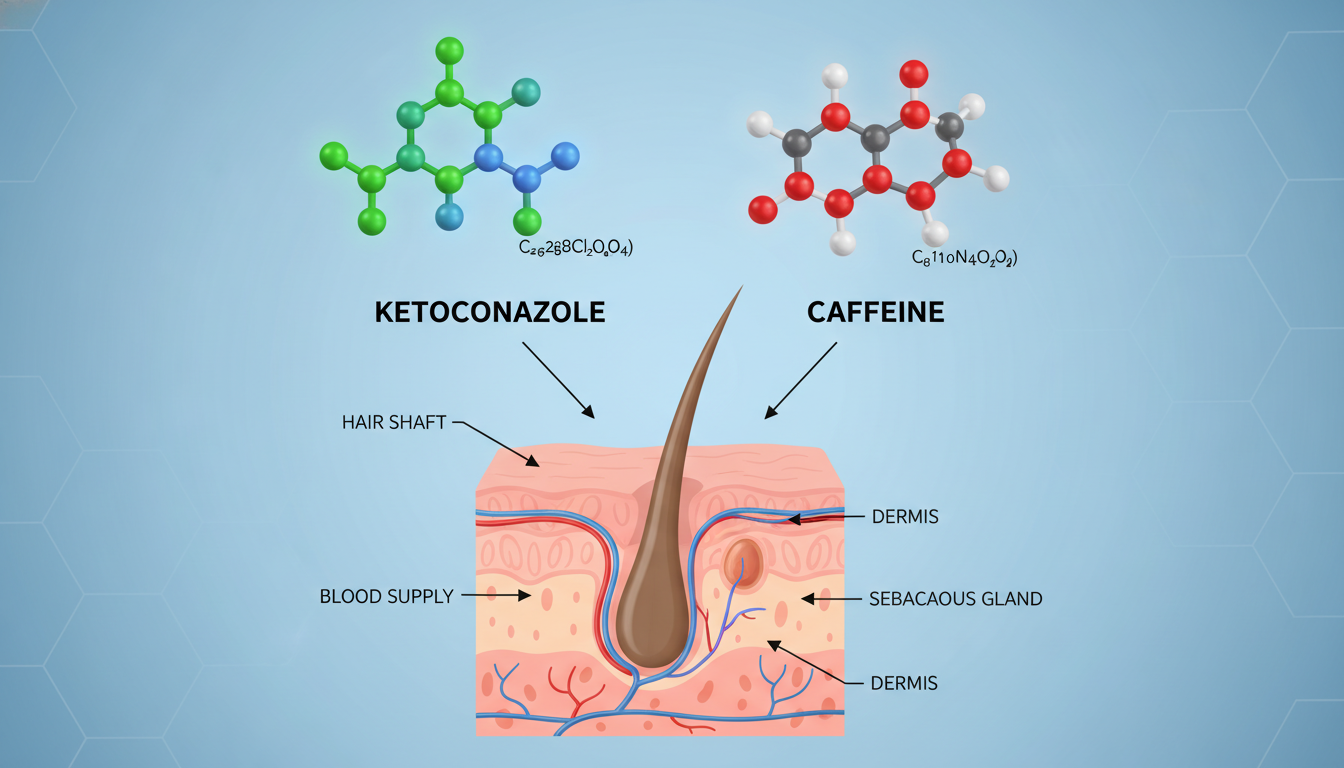
2. Wash Two (The Treatment): This wash cleans the scalp itself. Focus on the roots. This is where you introduce active ingredients (like Ketoconazole for dandruff or Caffeine for growth). Let this lather sit for 2-3 minutes before rinsing.
The Hidden Variable: Hard Water
Hard water contains calcium and magnesium that bond to the hair and scalp, creating a film that blocks moisture.
- Signs of Hard Water Damage: Hair feels straw-like, shampoo doesn’t lather, scalp feels coated.
- The Fix: Use a chelating shampoo once a month (specifically designed to bind to metals) or install a showerhead filter. This is often the ‘missing link’ in failed routines.

5. Step 6: Mechanical Stimulation & Massage
Topicals can only work if they reach the target. Blood flow is the delivery system for oxygen and nutrients to the hair follicle.
The Silicone Scalp Massager
Using a silicone brush during your shampoo replaces nails (which harbor bacteria and cause scratches). Use circular motions to lift debris.
Inversion Method: Bending over at the waist to rush blood to the head while massaging. While anecdotal evidence is high, physiological evidence supports that increased perfusion aids tissue health.
Technique:
- Apply firm pressure (not painful).
Move the scalp skin over* the skull; do not just rub the hair (which causes friction damage).
- Focus on the ‘Galeal Aponeurosis’ (the tight tissue at the top of the head) where blood flow is naturally poorest—this is why male pattern baldness hits the crown first.
6. Advanced Strategies: Tools of the Trade
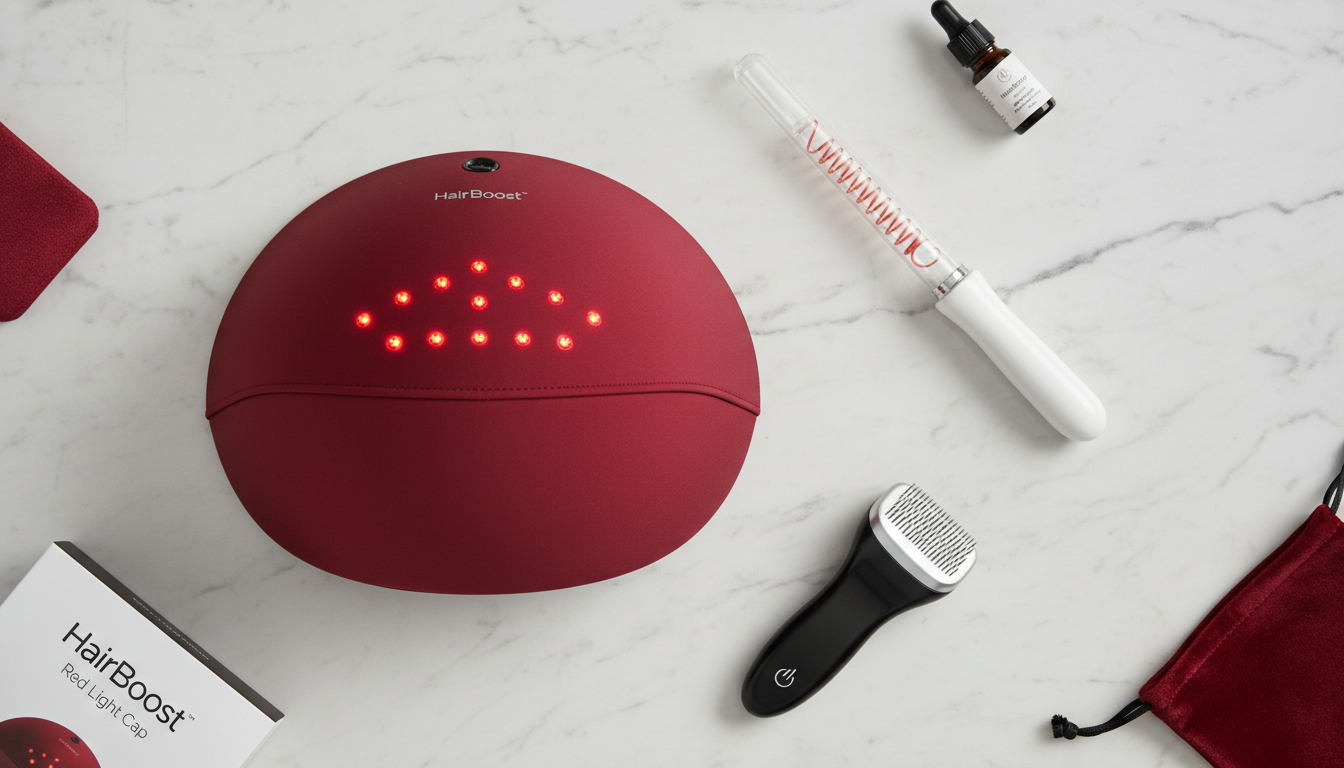
For those looking to graduate from basic care to ‘bio-hacking’ their hair growth, technology offers powerful tools.
Red Light Therapy (RLT)
The Science: Low-Level Laser Therapy (LLLT) at 650nm wavelength stimulates the mitochondria in hair follicle cells to produce more ATP (energy). This pushes follicles from the Telogen (resting) phase back into the Anagen (growing) phase.
- Usage: 10-20 minutes, 3-4 times a week. Consistency is the only metric that matters here.
High-Frequency Wands
These glass electrodes produce ozone and a mild electrical current.
- Benefits: Antibacterial (kills dandruff-causing yeast), increases circulation, and stimulates follicle activity.
- Best For: Those battling severe shedding or stubborn dandruff.
Micro-Needling (Derma Stamping)
Using 1.5mm needles to create micro-injuries triggers the body’s wound-healing response, rushing growth factors to the site. Critical Note: Do not do this at home without strict sterilization. It increases the absorption of topicals by 5x, so be careful what you apply immediately after.
7. Ingredient Deep Dive: The Good, The Bad, & The Marketing
Navigating product labels requires expertise. Here is a breakdown of what to look for based on our analysis of clinical efficacy.
The ‘Hero’ Tier (Proven Efficacy)
- Ketoconazole: The gold standard for anti-fungal action. Also has mild anti-androgenic properties (blocks DHT locally).
- Caffeine: Penetrates the skin barrier quickly; counteracts suppression of hair production by testosterone.
- Peptides (Copper Tripeptide-1): Increases follicle size and inhibits follicle death.
- Saw Palmetto: A botanical 5-alpha reductase inhibitor (often found in serums).
The ‘Villain’ Tier (Potential Irritants)
- Methylisothiazolinone: A common preservative that is a leading cause of contact dermatitis.
- High-Alcohol content: SD Alcohol 40 can be drying if it is the second ingredient, though it helps penetration in lower amounts.
- Heavy Silicones (Dimethicone): While great for hair strands, they can cause occlusion on the scalp if not washed off properly.
8. Comparison Table: Oils vs. Serums vs. Tonics
Confusion arises regarding when to use what. This table clarifies the function of different scalp applications.
| Product Type | Primary Function | Application Timing | Best For |
|---|---|---|---|
| Scalp Oil | Nourish, breakdown sebum, stimulate | Pre-Shampoo (30 min – 4 hrs) | Dry scalp, growth stimulation |
| Exfoliating Acid | Remove dead skin, unclog pores | Pre-Shampoo (10-15 min) | Dandruff, Oily Scalp, Buildup |
| Scalp Serum | Deliver active ingredients (Peptides/Stem Cells) | Post-Wash (Leave-in) | Thinning hair, anti-aging |
| Scalp Tonic | Refresh, soothe, pH balance | Daily or Post-Workout | Itchy scalp, protective styling |
Pro Tip: Water-based serums penetrate deeper than oil-based products. If your goal is growth (affecting the follicle root), use a water-based serum daily. If your goal is conditioning the skin, use oil.
9. Case Studies: Real World Scenarios
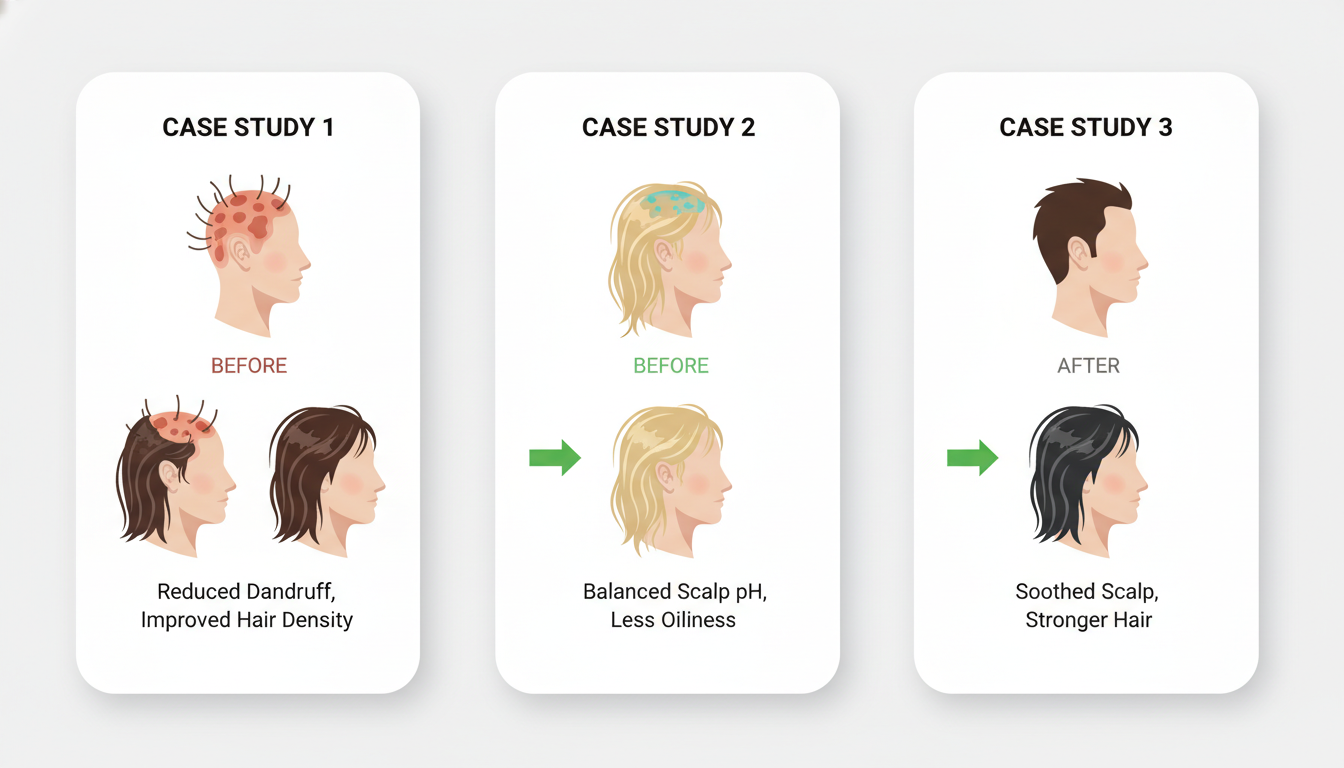
To illustrate the effectiveness of a tailored routine, we analyze three hypothetical scenarios based on common user profiles.
Case A: “The Slick-Back Sarah” (Traction Alopecia & Buildup)
- Profile: Uses gel daily for tight buns. Receding hairline. Itchy crown.
- Intervention: Stopped tight styles for 3 weeks. Introduced Salicylic Acid scrub (once weekly) to remove gel buildup. Started Minoxidil 5% on hairline.
- Result: Itching ceased in week 1. Baby hairs visible at week 8.
Case B: “Dandruff Dan” (Seborrheic Dermatitis)
- Profile: Flaky, red scalp. Uses moisturizing shampoo believing he has ‘dry skin’.
- Intervention: Switched to Ketoconazole shampoo (2x week). Stopped applying coconut oil (which feeds yeast).
- Result: Flakes resolved by 90% in 2 weeks. Inflammation subsided.
Case C: “Post-Partum Patricia” (Telogen Effluvium)
- Profile: Massive shedding 4 months post-birth.
- Intervention: Focus on nutritional support (Iron/Vitamin D). Gentle scalp massage to stimulate flow. Red Light Therapy.
- Result: Shedding normalized faster than average timeline; regrowth density improved significantly.
10. Industry Expert Contrarian View: The “No-Poo” Myth
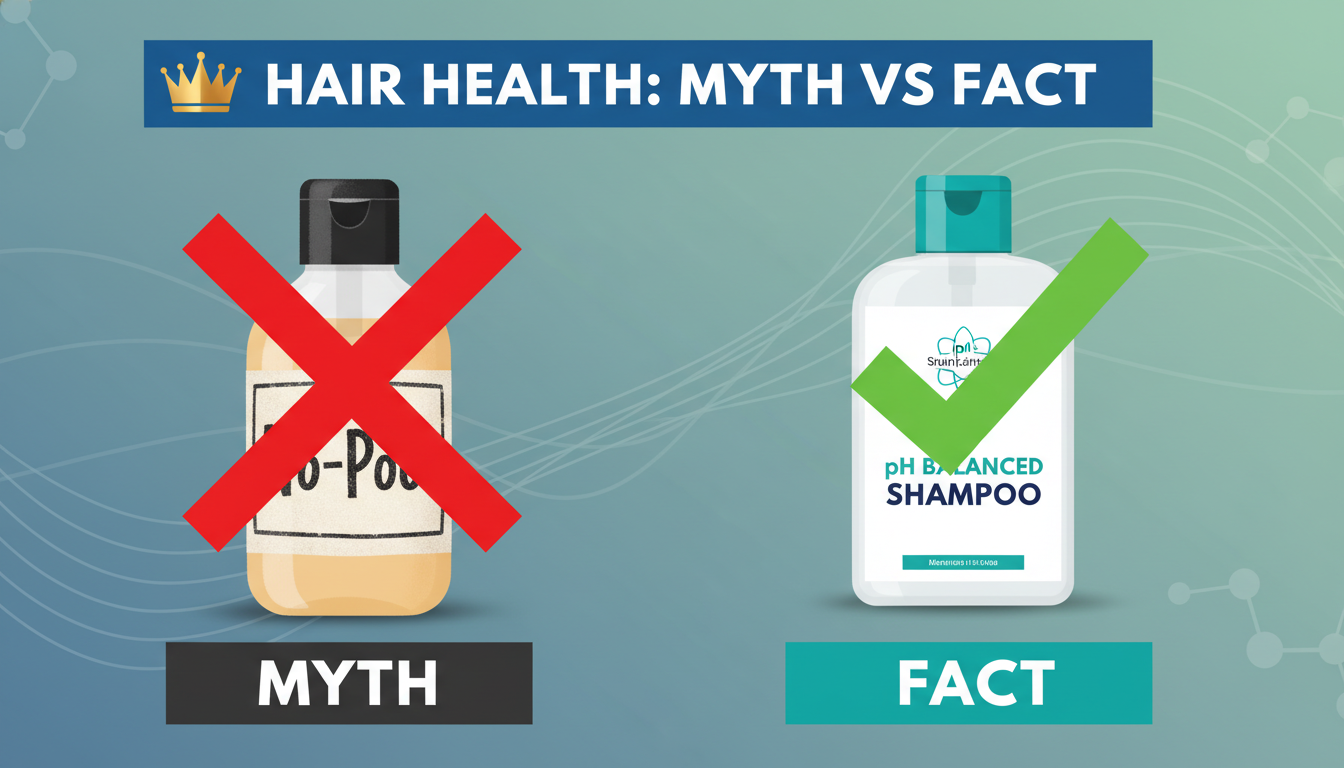
There is a prevailing myth in the natural community that hair ‘self-cleans’ and that shampoo is the enemy (The ‘No-Poo’ Method). I strongly disagree with this approach for 95% of the population.
The Reality: Sebum is a carrier for environmental pollutants, pollen, and oxidative stress. Leaving sebum on the scalp for prolonged periods (over 4-5 days) leads to oxidative stress which directly damages the hair follicle.
Training Your Hair: You cannot ‘train’ your sebaceous glands to produce less oil by washing less. Oil production is hormonal. By not washing, you are simply allowing oil to accumulate. While you shouldn’t strip your hair with harsh sulfates daily, hygiene is necessary for growth. A clean scalp is a growing scalp. If you workout or live in a city, washing 3-4 times a week is often the dermatological gold standard, not once a week.
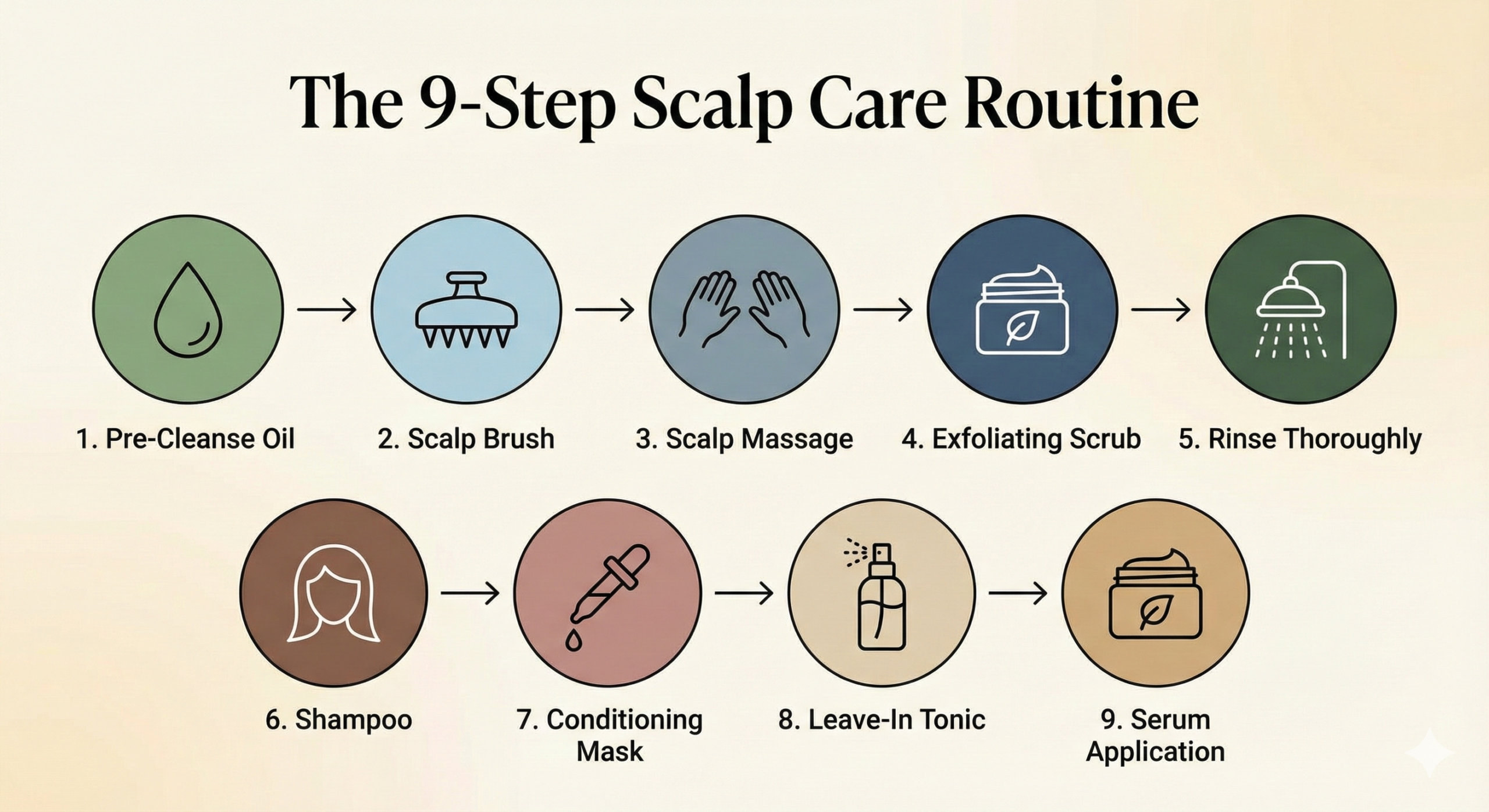
11. Implementation: The 9-Step Cheat Sheet (Execution)
Here is your actionable ‘Sunday Reset’ menu. Screenshot this for your routine.
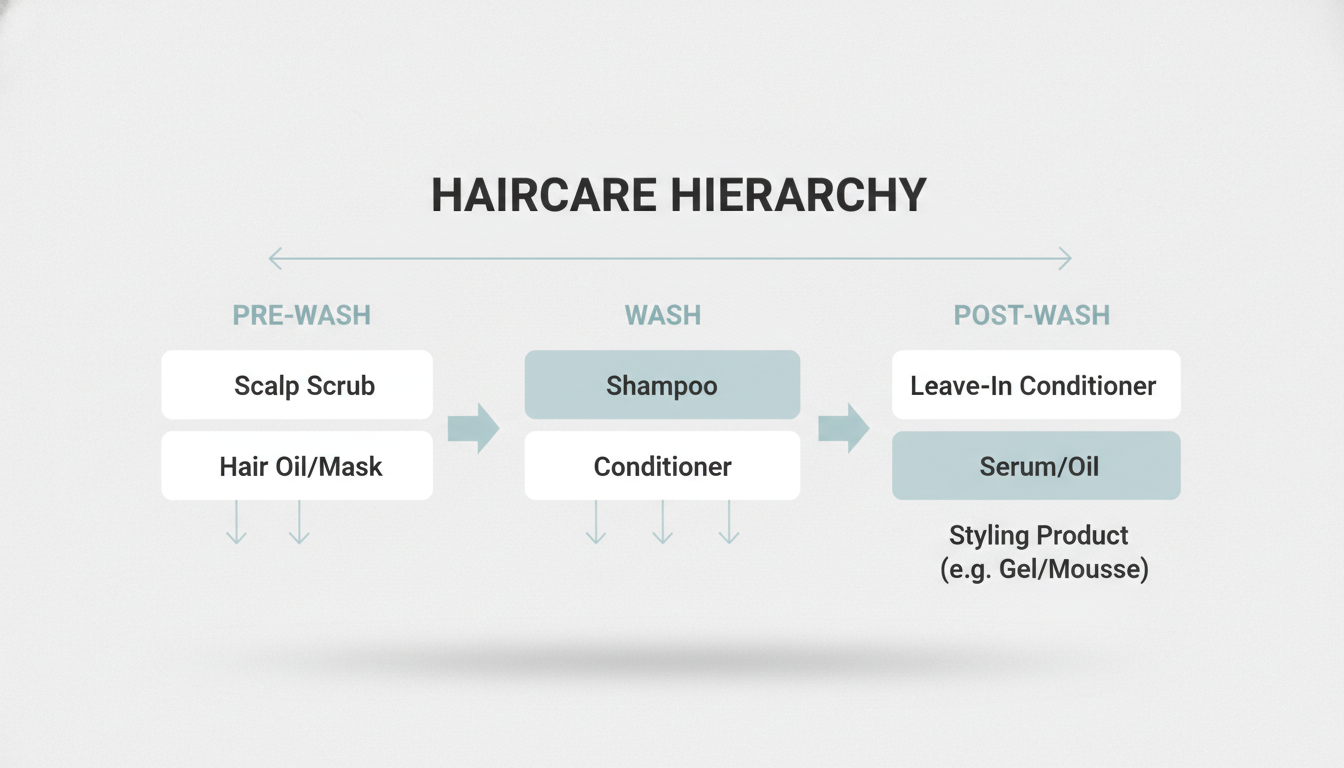
1. Analyze: Check scalp condition (Oily? Dry? Flaky?).
2. Detangle: Gently brush hair from ends to roots to minimize wet-hair breakage.
3. Exfoliate/Oil: Apply Rosemary oil to scalp (massage in) OR apply Chemical Exfoliant (if wash day follows a heavy styling week). Wait 20 mins.
4. Rinse & Temp Check: Wet hair thoroughly with lukewarm water (hot water stimulates oil production).
5. Wash 1 (Clarify): Focus on breaking down product. Rinse.
6. Wash 2 (Cleanse): Focus on scalp hygiene. Massage with silicone tool. Rinse.
7. Condition: Mids to ends only. Keep conditioner off the scalp to prevent pore clogging.
8. Cold Rinse: Blast the scalp with cool water to close the cuticle and soothe inflammation.
9. Post-Wash Treatment: Towel dry (microfiber). Apply growth serum or tonic to damp scalp. Style.
Frequency: Perform the full 9 steps once a week. Perform a modified version (Steps 4-9) for mid-week washes.
12. Future Outlook: The Skinification of Hair
The boundary between skincare and haircare is dissolving.
Probiotic Scalp Care: We expect to see a surge in live probiotic treatments designed to populate the scalp with healthy bacteria, crowding out Malassezia.
DNA-Based Customization: Services that sequence your scalp microbiome to prescribe exact pH and ingredient matches are already emerging in high-end trichology clinics.
Exosomes: The next frontier after PRP (Platelet Rich Plasma). Exosomes are signaling molecules derived from stem cells that can signal dormant follicles to wake up. Expect these to become mainstream in high-performance home care serums by 2025.
Conclusion: The era of generic 2-in-1 shampoos is dead. The future is a personalized, multi-step regimen that treats the scalp with the same reverence as the face. Start your routine today, and your hair will thank you in three months.
Frequently Asked Questions
How often should I exfoliate my scalp?
For most people, once a week is sufficient. If you have severe dandruff or very oily skin, twice a week may be necessary initially. Avoid exfoliating more than that, as it can damage the skin barrier and lead to increased sensitivity.
Does rosemary oil actually grow hair?
Yes, but it requires consistency. A 2015 study showed it was as effective as Minoxidil 2% after 6 months. It works by improving circulation and acting as a mild anti-androgen. It is not a quick fix.
Can I leave oil on my scalp overnight?
It is generally not recommended, especially if you have dandruff or an oily scalp. The heat and moisture from your pillow create an incubator for yeast. 1-4 hours before washing is the sweet spot.
Why does my scalp smell even after washing?
This is likely ‘Scalp Odor’ caused by bacteria or yeast breaking down oxidized sebum. You may need a double cleanse, a medicated shampoo (containing zinc or tea tree), or to ensure you are drying your scalp completely after washing.
Is a silicone scalp massager safe for thin hair?
Yes, silicone is soft and flexible. It is safer than using fingernails which can cause micro-abrasions. Use gentle pressure and avoid tangling the hair by moving the brush in small circles rather than dragging it through the hair.
What is the difference between dandruff and dry scalp?
Dry scalp creates small, white, non-oily flakes and feels tight. Dandruff (Seborrheic Dermatitis) creates larger, yellowish, oily flakes and is often accompanied by redness and itching. They require opposite treatments (moisture vs. anti-fungal).
Does cold water really help hair growth?
Cold water does not directly cause growth, but it seals the hair cuticle (enhancing shine) and can soothe scalp inflammation. It prevents the moisture loss associated with hot water washing.
How do I know if my scalp barrier is damaged?
Symptoms include stinging when applying products, chronic redness, excessive oiliness (compensatory production), and persistent itchiness. If this occurs, switch to a gentle, pH-balanced routine and pause exfoliation.
Also, read:- Top 5 DIY Scalp Scrubs for Rapid Hair Growth
Discover more from innerspiritglow
Subscribe to get the latest posts sent to your email.
It’s fascinating how gaming platforms like AiScore build on centuries of tradition! The focus on accessibility – like with the aiscore app download – feels very intentional, mirroring how gaming historically evolved to reach wider audiences. We often underestimate those roots!