
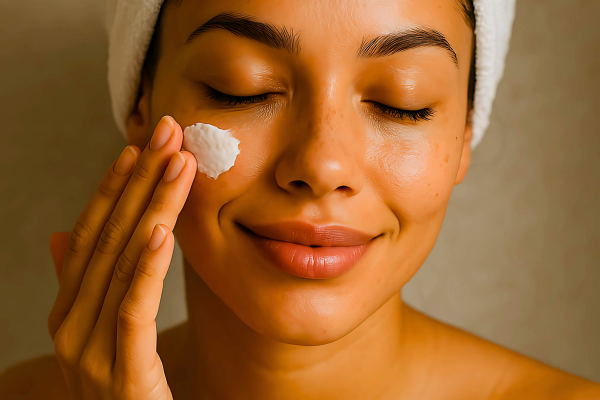
As winter sets in and temperatures drop, many of us start to notice the effects of cold weather on our skin. Dryness, tightness, redness, and flakiness become more common as the air loses its moisture. The combination of cold outdoor temperatures and the dry heat indoors can severely compromise your skin’s moisture barrier, leaving it vulnerable to irritation. But don’t worry—there are effective skincare strategies to keep your skin nourished, protected, and glowing throughout the colder months.
Here are seven essential skincare tips to help you combat dry skin and maintain a healthy complexion in cold weather.
1. Switch to a Creamy, Hydrating Cleanser
When the weather turns colder, it’s time to reconsider your daily cleanser. Foaming or gel-based cleansers are typically formulated to deep-clean the skin but can be too harsh during winter months. These cleansers often strip the skin of its natural oils, leaving it more prone to dryness and irritation.
Tip: Instead, opt for a creamy, hydrating cleanser that gently removes dirt and makeup while preserving moisture. Look for products that include ingredients like ceramides, glycerin, and oat extract—these help to nourish and maintain the skin’s moisture balance. A hydrating cleanser not only protects your skin from drying out but also helps to restore its natural glow.
Why It Helps: A non-foaming, moisturizing cleanser ensures that your skin’s lipid barrier remains intact, preventing moisture loss and maintaining hydration.
2. Layer Moisture Like a Pro
The secret to healthy, hydrated skin in winter lies in the art of layering. Cold weather can make your skin lose moisture more quickly, so applying skincare products in layers helps to trap hydration and create a stronger barrier against environmental stressors.
Step-by-step layering:
- Hydrating Toner or Essence: After cleansing, apply a hydrating toner or essence. These products are designed to prepare your skin for the next steps in your routine while delivering a boost of moisture.
- Hyaluronic Acid Serum: Next, apply a serum that contains hyaluronic acid. This ingredient attracts and binds moisture to the skin, keeping it plump and hydrated.
- Rich Moisturizer: Finish with a rich, emollient moisturizer or balm. Look for ingredients like shea butter, squalane, or ceramides, which help lock in moisture and repair the skin barrier.
Why It Helps: Layering moisture allows your skin to absorb and retain hydration at multiple levels, which is key to keeping it soft and smooth despite harsh conditions.
3. Add Facial Oils or Overnight Masks
For those with dry skin, facial oils and overnight masks can work wonders. As the weather becomes colder, our skin’s natural oils can become depleted, leaving it feeling tight and uncomfortable. Facial oils provide a concentrated dose of hydration and nourishment that can help to replenish lost moisture and protect the skin from environmental damage.
Tip: Incorporate nourishing facial oils such as argan, jojoba, or rosehip oil into your skincare routine. Alternatively, an overnight hydrating mask can give your skin the ultimate boost while you sleep. Look for masks that contain ingredients like hyaluronic acid, glycerin, or peptides, which can help to repair and rejuvenate the skin.
Why It Helps: Oils and overnight masks work overnight to restore moisture levels, leaving your skin looking dewy and revitalized by morning.
4. Use a Humidifier Indoors
Indoor heating systems are one of the biggest culprits of dry skin in the winter months. As they warm up the air, they also strip it of moisture, which can leave your skin feeling parched and irritated. Using a humidifier in your bedroom or living areas can restore moisture to the air and help prevent your skin from becoming excessively dry.
Tip: Consider using a cool-mist humidifier, especially during the night while you sleep. It will maintain a healthier moisture level in the air, ensuring that your skin stays hydrated throughout the night.
Why It Helps: A humidifier helps maintain optimal hydration levels in the skin by adding moisture to the dry indoor air, which helps to prevent the skin from losing moisture to the surrounding environment.
5. Don’t Skip SPF, Even in Winter
Many people mistakenly believe that SPF is only necessary during the summer months, but that’s not the case. UVA rays, which contribute to skin aging and damage, are present year-round, even on cloudy or snowy days. In fact, snow can reflect UV rays, increasing exposure and the risk of skin damage.
Tip: Apply a broad-spectrum sunscreen with SPF 30 or higher every day, even in winter. Look for a sunscreen that is moisturizing and gentle on the skin to prevent further dryness.
Why It Helps: Sunscreen protects your skin from harmful UV rays, helping to prevent premature aging, pigmentation, and other types of sun damage, even during the colder months.
6. Stay Hydrated & Eat Skin-Loving Foods
It’s not just about what you put on your skin but also what you consume that impacts your skin’s health. During the winter months, it’s easy to overlook hydration, but drinking enough water is essential for keeping your skin supple and glowing.
Tip: In addition to water, drink herbal teas and eat foods rich in omega-3 fatty acids, such as avocado, salmon, and walnuts. These foods are known to promote skin hydration and provide essential nutrients for a healthy complexion.
Why It Helps: Proper hydration from within helps to maintain the skin’s moisture balance, while omega-3s work to reduce inflammation and keep the skin smooth and radiant.
7. Avoid Long, Hot Showers
While a hot shower may feel soothing during cold weather, it can wreak havoc on your skin. Hot water strips the skin of its natural oils, leading to dryness and irritation. Long showers can also worsen conditions like eczema or psoriasis.
Tip: Opt for shorter, lukewarm showers instead of hot ones. After showering, gently pat your skin dry with a towel and apply a moisturizer immediately to lock in hydration.
Why It Helps: Lukewarm water helps preserve the skin’s natural oils, preventing it from becoming dry and irritated while still allowing for effective cleansing.
Conclusion
Taking care of your skin during cold weather doesn’t have to be complicated. By following these seven essential skincare tips, you can keep your skin moisturized, protected, and glowing, no matter how low the temperatures drop. From switching to a creamy cleanser to adding a humidifier indoors, these simple yet effective steps will help you battle dry skin and enjoy a healthy complexion throughout the winter months. Remember, consistency is key, and with the right skincare routine, your skin will stay hydrated, smooth, and radiant all season long.
Frequently asked questions
1. Why does cold weather make my skin dry and irritated?
Cold weather, combined with low humidity levels, can cause the skin to lose moisture more rapidly. When you go indoors, heating systems further dry out the air, which can strip your skin of its natural oils, leading to dryness, tightness, and irritation.
2. What type of cleanser should I use in cold weather?
In colder months, it’s best to switch to a creamy, hydrating cleanser instead of foaming or gel-based ones. Foaming cleansers can strip moisture from the skin, while creamy cleansers with ingredients like ceramides or glycerin help maintain your skin’s hydration and protect its moisture barrier.
3. How can I keep my skin hydrated throughout the day in winter?
Layering your skincare products is a great way to lock in moisture. Start with a hydrating toner or essence, apply a hyaluronic acid serum, and finish with a rich, emollient moisturizer. Additionally, using facial oils or overnight masks can provide extra hydration to prevent dryness and keep your skin smooth.
4. Is it necessary to use a humidifier in winter?
Yes! Indoor heating systems often dry out the air, which can exacerbate skin dryness. Using a humidifier helps restore moisture to the air, which in turn helps keep your skin hydrated, especially while you sleep.
5. Do I still need to wear sunscreen in the winter?
Absolutely! UV rays are present year-round, even in winter, and can cause long-term skin damage. Sunscreen should be applied daily, even when it’s cloudy or snowy, to protect your skin from premature aging, pigmentation, and other forms of sun damage. Choose a broad-spectrum SPF 30 or higher for effective protection.
6. How can I improve my skin from the inside out during the winter months?
Staying hydrated is key. Drink plenty of water, herbal teas, and eat foods rich in omega-3 fatty acids like salmon, avocado, and nuts. These foods help improve skin hydration, reduce inflammation, and support a healthy, radiant complexion.
7. Is it okay to take hot showers in winter?
While hot showers can feel comforting in the cold, they actually strip the skin of its natural oils, leaving it drier. It’s best to take shorter, lukewarm showers to preserve your skin’s moisture. Follow up with a moisturizer immediately after showering to lock in hydration.
8. What is the best type of moisturizer for dry skin in winter?
Look for moisturizers that are rich and emollient, with ingredients like shea butter, ceramides, or squalane. These ingredients help to lock in moisture and support the skin’s natural barrier, preventing it from becoming dry or irritated. A thick balm or cream works better than a light lotion in colder months.
9. How can I prevent my skin from becoming flaky in winter?
Flaky skin is a common sign of dryness. To prevent this, ensure you are using a hydrating cleanser, layering your skincare properly, and applying a rich moisturizer to seal in hydration. If needed, incorporate a nourishing facial oil or overnight mask to restore moisture and prevent flakiness.
10. Can I use the same skincare routine in winter as I do in summer?
No, your skincare routine should be adjusted for the colder months. During winter, switch to more hydrating, richer products to combat the dryness caused by cold weather. Opt for a moisturizing cleanser, heavier creams, and oils, and ensure your products focus on replenishing moisture and supporting your skin barrier.
Discover more from innerspiritglow
Subscribe to get the latest posts sent to your email.
M711casino is growing on me! Started playing and think I’m going to start playing here more! Visit Site: m711casino
https://www.ph22login.org I am thanksful for this post!
pesomaxfun https://www.elpesomaxfun.com
98jili https://www.98jilig.com