
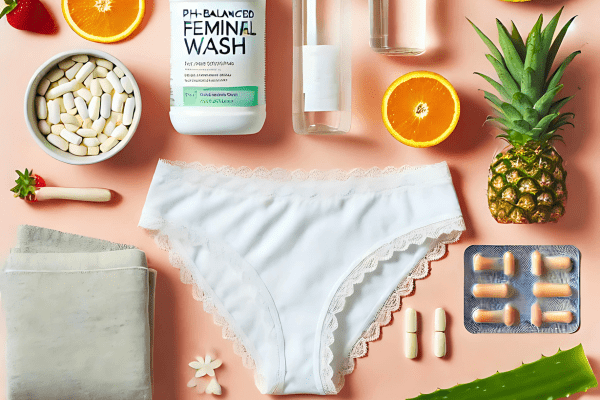
Introduction
Maintaining vaginal health is crucial for overall well-being, yet it’s a topic that often doesn’t receive enough attention. Proper care is essential not just for comfort, but to prevent infections and ensure that your intimate area remains healthy. In this comprehensive Vaginal Care Guide, we’ll walk you through daily, weekly, and monthly practices that promote optimal vaginal hygiene. By incorporating these easy-to-follow tips, you’ll be able to maintain a healthy, balanced environment down there. Whether you’re new to vaginal care or looking for expert advice, this guide has you covered.

1. The Importance of Daily Hygiene for Vaginal Health
Your daily routine plays a significant role in maintaining vaginal health. The vagina is self-cleaning, but external hygiene is still important to keep harmful bacteria at bay.
Daily Care Tips:
- Use Mild, Unscented Soap: Choose a gentle, unscented soap to wash the external genital area (vulva). Harsh, fragranced products can disrupt the natural pH balance and lead to irritation.
- Rinse Thoroughly with Water: After applying soap, make sure to rinse thoroughly to avoid soap residue, which can cause dryness and irritation.
- Pat Dry with a Soft Towel: After washing, gently pat your vulva dry with a clean towel. Avoid rubbing, as this can irritate sensitive skin.
- Wear Breathable Cotton Underwear: Opt for cotton underwear, as it allows airflow and absorbs moisture better than synthetic fabrics, reducing the risk of infections.
- Change Underwear Daily: Changing your underwear every day is an easy but essential habit that prevents bacterial growth.
- Avoid Tight-Fitting Clothing: Tight jeans or leggings can create a warm, moist environment—ideal for yeast infections. Choose looser, breathable options when possible.
2. Proper Wiping Technique: A Simple Habit with Big Benefits
Wiping correctly after using the bathroom is crucial for preventing infections like urinary tract infections (UTIs) or bacterial vaginosis.
Wiping Tips:
- Wipe Front to Back: Always wipe from front to back to avoid transferring bacteria from the anus to the vagina.
- Use Gentle Toilet Paper: Opt for soft, unscented toilet paper to avoid irritation and discomfort.
3. Monthly Habits: Schedule Regular Gynecological Check-ups
Routine gynecological check-ups help detect potential issues early, from yeast infections to more serious conditions. Make it a point to schedule annual visits to your gynecologist, even if you’re feeling healthy.
Monthly Maintenance:
- Monitor Vaginal Discharge: Keep an eye on any changes in color, odor, or consistency of your discharge. These can be signs of infections or imbalances.
- Replace Menstrual Products Regularly: Whether you use pads, tampons, or menstrual cups, make sure to change them frequently to avoid irritation and bacterial growth.
4. Avoid Harsh Products and Unnecessary Chemicals
The vagina is sensitive, and using harsh chemicals or scented products can cause more harm than good.
Things to Avoid:
- Avoid Douching: Douching can disrupt your vagina’s natural balance, leading to dryness, irritation, or infections.
- Don’t Use Feminine Sprays or Perfumed Products: Fragranced feminine products may seem appealing but can irritate the sensitive skin around your vagina and upset its pH balance.
5. Weekly Habits for Optimal Vaginal Health
Aside from your daily hygiene, there are a few key practices you can implement weekly to ensure your vaginal health remains in top shape.
Weekly Care Tips:
- Change and Wash Bedding Regularly: Dirty sheets can harbor bacteria. Make sure to wash your bedding at least once a week, especially if you’ve been ill or sweating heavily.
- Wash Hands Before Intimate Contact: Before touching your intimate area or engaging in sexual activities, always wash your hands to reduce the risk of transferring harmful bacteria.
- Clean Sex Toys Thoroughly: Whether you’re using them solo or with a partner, cleaning sex toys before and after use ensures you’re not introducing bacteria.
6. Practice Safe Sex to Prevent STIs
Using protection during sexual activity reduces the risk of sexually transmitted infections (STIs), which can harm your vaginal health.
Safe Sex Practices:
- Use Condoms: Condoms are an effective barrier against many STIs, including HIV, chlamydia, and gonorrhea.
- Get Tested Regularly: Regular STI screenings help detect infections early, even if you don’t have symptoms.
7. Probiotics: A Friend for Vaginal Health
Your vagina hosts a delicate balance of bacteria, and probiotics can help maintain this balance, promoting overall vaginal health.
Probiotic Benefits:
- Consider Probiotics: Probiotics help maintain healthy bacteria in the vagina, which can prevent yeast infections and bacterial vaginosis.
- Include Yogurt in Your Diet: Eating probiotic-rich foods like yogurt may support vaginal health by promoting a balanced pH.
8. Choose the Right Menstrual Products
When it comes to menstrual products, choosing the right ones can have a big impact on your vaginal health.
Product Selection Tips:
- Use Cotton Menstrual Products: Opt for cotton pads or tampons to avoid introducing chemicals into the vagina, which can lead to irritation.
- Try Menstrual Cups: A menstrual cup can be a great alternative to pads or tampons. They are eco-friendly, cost-effective, and reduce the risk of infections when used properly.
9. Maintain a Healthy Diet and Lifestyle
Your overall health plays a big part in your vaginal health. Eating a balanced diet, staying hydrated, and avoiding certain lifestyle habits can help you maintain optimal vaginal care.
Diet and Lifestyle Tips:
- Stay Hydrated: Drinking enough water helps maintain a healthy pH balance and prevents dehydration, which can affect vaginal health.
- Eat a Balanced Diet: Foods rich in vitamins, minerals, and fiber support the immune system and overall health.
- Avoid Smoking: Smoking can affect circulation and increase the risk of vaginal infections, so quitting is an important step for your health.
10. Be Mindful of Stress
Chronic stress can negatively impact your immune system, which in turn can affect your vaginal health. Managing stress is essential for overall well-being.
Stress Management Tips:
- Practice Relaxation Techniques: Try meditation, yoga, or deep breathing exercises to manage stress.
- Get Enough Sleep: Quality sleep helps your body repair and maintain its natural balance, supporting vaginal health.
Conclusion: Empower Yourself with Knowledge and Care
Taking care of your vagina is more than just a hygiene routine; it’s about overall health and wellness. By incorporating the habits and practices from this Vaginal Care Guide, you can ensure that your vaginal health remains optimal. Remember, prevention is always easier than treatment, so take proactive steps to avoid discomfort and potential issues.
Share your thoughts or experiences in the comments section below, and don’t forget to share this guide with friends who might benefit from these essential vaginal care tips. Stay healthy and take charge of your well-being!
Have any tips of your own for maintaining vaginal health? Share them in the comments below! Or, explore more content on healthy hygiene practices by following our blog for expert advice and additional resources.
Also, read👉🏻 7 Essential Lower Body Hygiene Routines for a Fresh, Clean Feel
Frequently Asked Questions: Vaginal Care Guide
What is a Vaginal Care Guide?
A Vaginal Care Guide provides essential information on how to maintain proper hygiene and health for your vaginal area. It includes daily, weekly, and monthly tips, habits, and practices to promote optimal vaginal health, from choosing the right products to practicing safe sex.
Why is vaginal care important?
Proper vaginal care is essential for preventing infections, maintaining pH balance, and ensuring overall comfort. By following the tips in a Vaginal Care Guide, you reduce the risk of conditions like yeast infections, urinary tract infections, and bacterial vaginosis, while promoting good hygiene
How often should I follow the tips in a Vaginal Care Guide?
Some tips, like washing with mild soap and wearing breathable underwear, should be followed daily. Others, such as scheduling gynecological check-ups, are recommended monthly. A Vaginal Care Guide includes habits that can be practiced on a daily, weekly, and monthly basis.
Can I use scented products for vaginal care?
It’s advised to avoid scented products, as they can disrupt the natural pH of the vagina and cause irritation. A Vaginal Care Guide emphasizes using unscented products for cleaning, menstrual care, and personal hygiene.
Are probiotics important for vaginal health?
Yes, probiotics play a significant role in maintaining the healthy bacteria that support vaginal health. A Vaginal Care Guide often includes the recommendation to eat probiotic-rich foods or consider supplements to balance the vaginal flora and prevent infections.
How can I prevent vaginal infections?
By following a Vaginal Care Guide, you can prevent infections by practicing good hygiene, wearing cotton underwear, using the right menstrual products, and avoiding harsh soaps or douching. Safe sexual practices and regular check-ups also help in preventing infections.
Can I practice these habits if I have sensitive skin or other concerns?
Absolutely! A Vaginal Care Guide offers tips specifically for those with sensitive skin or other concerns. Always opt for hypoallergenic, unscented products and consider consulting a healthcare provider for personalized advice if you experience irritation.
How do I know if something is wrong with my vaginal health?
Changes in vaginal discharge, unusual odor, itching, or discomfort could indicate an issue. If you notice anything unusual, refer to the Vaginal Care Guide for guidance on how to monitor symptoms and when to seek medical attention.
Is it necessary to see a gynecologist regularly?
Yes, regular gynecological check-ups are important for maintaining vaginal health and detecting potential issues early. A Vaginal Care Guide typically recommends annual check-ups, even if you feel healthy, to ensure your vaginal health is in good condition.
Can lifestyle changes affect my vaginal health?
Yes, lifestyle factors such as stress, diet, and hydration can impact vaginal health. A Vaginal Care Guide stresses the importance of staying hydrated, eating a balanced diet, and managing stress to support your overall vaginal health.
Discover more from innerspiritglow
Subscribe to get the latest posts sent to your email.