
Introduction
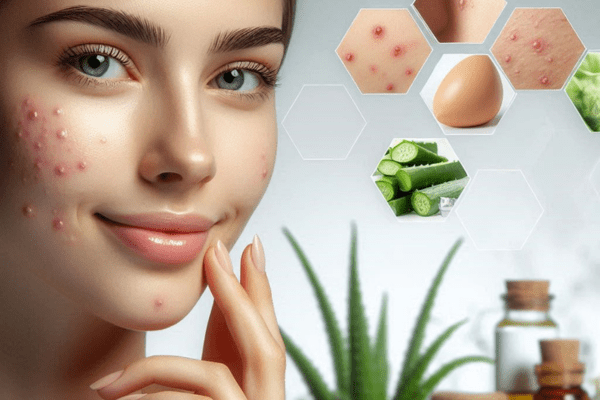
Acne scars can be a reminder of difficult skin battles, leaving many feeling self-conscious about their appearance. While acne itself can be challenging, dealing with scars that linger long after the breakouts have healed can have a significant emotional impact. The good news is that there are proven ways to fade and even erase these scars, allowing you to reclaim your confidence and achieve smoother, clearer skin.
In this expert guide, we’ll explore seven powerful ways to effectively reduce the appearance of acne scars. Each method is backed by scientific research and dermatological recommendations, giving you reliable and actionable advice to incorporate into your skincare routine. Whether you’re struggling with dark spots, indented scars, or uneven texture, this guide will provide you with the tools and insights you need to begin your scar-healing journey.
By the end of this article, you’ll have a clear roadmap for treating your acne scars and feel empowered to make informed choices about your skincare.
Before You Start
Before jumping into treatment options, it’s important to understand the different types of acne scars, as each requires a tailored approach:
- Ice pick scars: Deep, narrow scars that appear as small indentations.
- Boxcar scars: Broader, angular scars that can look like “pits.”
- Rolling scars: Large, shallow scars with a wavy appearance.
- Hyperpigmentation: Dark spots or redness left after acne heals.
Identifying the type of scar you have is essential for choosing the right treatment. If you’re unsure, it’s a good idea to consult with a dermatologist who can assess your skin and recommend a personalized treatment plan.
7 Ways to Erase Acne Scars

1. Chemical Exfoliation
Chemical exfoliation is one of the most effective ways to speed up the process of scar healing by removing dead skin cells and stimulating new skin growth. Two main types of exfoliants are used in treating acne scars: AHA (alpha hydroxy acids) and BHA (beta hydroxy acids).
- AHA (Glycolic acid, Lactic acid): These water-soluble acids are best for surface-level scars and help fade hyperpigmentation. They work by dissolving the bonds that hold dead skin cells together, revealing fresher skin underneath.
- BHA (Salicylic acid): Ideal for oily and acne-prone skin, BHA penetrates deeper into the pores and helps to reduce both scars and active acne.
Best Ingredients to Look for:
- Glycolic acid: Known for its ability to target fine lines and texture.
- Salicylic acid: A powerful exfoliant that also reduces inflammation and prevents new acne.
- Lactic acid: A milder acid that brightens and hydrates skin.
Product Recommendations:
- Look for toners, serums, or creams that contain AHA/BHA with a concentration of 5-10%.
- Be sure to follow product instructions carefully to avoid over-exfoliating.
Usage Guidelines and Precautions:
- Start slowly with 2-3 times a week and gradually increase frequency.
- Always wear sunscreen during the day, as exfoliation can make your skin more sensitive to UV rays.
2. Retinoids
Retinoids, such as retinol and tretinoin, are powerhouse ingredients that encourage skin cell turnover, helping to fade acne scars and improve skin texture over time. These compounds work by stimulating collagen production and swaterding up the shedding of old skin cells.
- Mechanism of Action: Retinoids work by increasing the rate at which skin cells renew, helping to smooth out scars and reduce hyperpigmentation.
Over-the-Counter vs. Prescription Options:
- Over-the-counter: Retinol is less potent but still effective for treating mild scars and improving skin texture.
- Prescription: Tretinoin is a stronger option often recommended for more severe scarring.
How to Incorporate Retinoids:
- Apply a pea-sized amount to clean, dry skin at night, starting with 2-3 times a week.
- Gradually increase frequency as your skin builds tolerance.
Expected Timeline for Results:
- Results may take 4-6 weeks to become noticeable, with more significant improvements appearing within 3-6 months.
Safety Considerations:
- Retinoids can cause dryness and irritation. Start slowly and use a gentle moisturizer.
- Avoid use during pregnancy or breastfeeding.
3. Vitamin C and Other Antioxidants
Vitamin C is a powerful antioxidant that helps brighten the skin, fade hyperpigmentation, and promote collagen synthesis, which is key to healing acne scars.
- Benefits for Scar Healing: Vitamin C helps reduce dark spots and promotes overall skin healing by neutralizing free radicals that damage skin cells.
Best Concentration Percentages:
- Look for serums containing 10-20% Vitamin C, as this concentration is most effective in scar treatment.
How to Choose Quality Products:
- Opt for stable forms like ascorbic acid or sodium ascorbyl phosphate to ensure maximum efficacy.
- Choose products that are packaged in opaque or air-tight containers to preserve Vitamin C’s potency.
Combining with Other Treatments:
- Vitamin C works well with retinoids and AHAs/BHAs, but avoid using it alongside products with high concentrations of acid to prevent irritation.
Application Tips:
- Apply in the morning after cleansing and before sunscreen.
4. Professional Treatments
If at-home treatments aren’t giving you the results you want, professional treatments can offer more dramatic improvements.
Laser Therapy:
Laser treatments such as fractional CO2 lasers or pulsed dye lasers can target deeper scars and encourage collagen production, significantly improving skin texture.
Chemical Peels:
Professional-grade chemical peels use stronger acids to exfoliate the skin and promote skin renewal, which can reduce the appearance of scars.
Microneedling:
Microneedling creates tiny punctures in the skin, stimulating the body’s natural healing process and collagen production. It’s effective for both surface scars and deeper scars.
Dermal Fillers:
For indented scars, dermal fillers can temporarily plump up the skin, reducing the appearance of deep scars.
Cost Considerations:
- Professional treatments can be pricey, with costs ranging from $100 to $1000+ per session, depending on the treatment and your location.
Expected Results:
- Laser therapy and microneedling may require several sessions for noticeable improvement, with results becoming evident within 1-2 months.
5. Natural Remedies
While natural remedies may not work as quickly or dramatically as clinical treatments, some can help improve the appearance of acne scars over time.
Rosehip Oil:
Rich in vitamin A and essential fatty acids, rosehip oil is often used for scar healing and skin regeneration.
Aloe Vera:
Known for its soothing properties, aloe vera can help calm irritated skin and improve the healing process.
Honey:
Honey is naturally antibacterial and moisturizing, making it a gentle option for scar healing.
Application Methods:
- Apply a thin layer of rosehip oil, aloe vera gel, or honey directly to the affected area before bed, and wash it off in the morning.
Realistic Expectations:
- Natural remedies may show results after several weeks of consistent use but are not a replacement for more active treatments.
6. Sun Protection
Protecting your skin from the sun is crucial when treating acne scars. UV rays can darken scars and slow down the healing process.
- Why Sun Protection is Crucial: Sun exposure can cause post-inflammatory hyperpigmentation, which makes scars more noticeable.
Best SPF Levels:
- Use a broad-spectrum sunscreen with an SPF of 30 or higher daily.
Reapplication Guidelines:
- Reapply sunscreen every two hours, especially if you are outdoors for extended periods.
Product Recommendations:
- Look for non-comedogenic sunscreens that won’t clog pores.
7. Lifestyle Changes
Healing your acne scars isn’t just about skincare—lifestyle plays a significant role in the process.
Diet Impact on Skin Healing:
- Eat a balanced diet rich in antioxidants, vitamins, and minerals. Foods high in vitamin A, vitamin C, and zinc can support skin healing.
Hydration:
- Drink plenty of water to keep your skin hydrated and promote cell turnover.
Sleep Quality:
- Aim for 7-9 hours of sleep to allow your skin to repair and regenerate.
Stress Management:
- Stress can trigger hormonal fluctuations that worsen acne and hinder scar healing. Practice relaxation techniques like yoga or meditation.
Smoking Cessation:
- Smoking can slow down the healing process, so quitting can improve skin health.
Maintenance Plan
Once your acne scars start to fade, it’s essential to maintain the results.
- Daily Routine Framework: Use a gentle cleanser, retinoid, Vitamin C serum, and sunscreen daily.
- Weekly Treatment Schedule: Incorporate chemical exfoliation 2-3 times a week and consider microneedling or professional treatments as needed.
- Monthly Maintenance Plans: Reassess your skincare routine every month to ensure continued progress.
Progress Tracking Tips:
- Take before-and-after photos to track improvements over time.
- Patience is key—consistent care will yield long-term results.
Conclusion
Acne scars don’t have to be a permanent feature of your skin. With a mix of home treatments, professional care, and lifestyle adjustments, you can effectively reduce and even erase scars over time. The key is consistency—so stick with your routine, protect your skin from the sun, and give each treatment the time it needs to work.
Whether you’re trying chemical exfoliants, retinoids, or professional procedures, remember that every person’s skin heals differently. If you’re unsure which method is right for you, consulting a dermatologist is always a smart step.
By following the tips outlined here, you’ll be well on your way to smoother, clearer, and scar-free skin.
Also, read👉🏻 Does Smoking Weed Cause Acne? 5 Shocking Truths Revealed
Frequently Asked Questions About Acne Scars
What are the main causes of acne scars?
Severe acne: Deep cysts or nodules can leave permanent scars.
Picking or popping pimples: This can push bacteria deeper into the skin, causing more damage and scarring.
Delayed treatment: Leaving acne untreated or not using proper skincare can increase the risk of scarring.
Can acne scars go away completely?
How long does it take to see improvement in acne scars?
At-home treatments like retinoids and vitamin C can show results in 4-6 weeks.
Professional treatments such as microneedling or laser therapy might take several months for visible improvements.
Patience and consistency are key!
Are natural remedies effective for treating acne scars?
How can I prevent new acne scars from forming?
Avoid picking or squeezing pimples, as this can increase scarring.
Treat acne early with appropriate skincare products.
Use sunscreen daily to protect healing skin from UV damage, which can worsen scars.
What is the best treatment for deep acne scars?
Can sunscreen help with acne scars?
How can I fade hyperpigmentation from acne scars?
Discover more from innerspiritglow
Subscribe to get the latest posts sent to your email.
Pingback: 8 Effective Ways to Remove Pimple Scars: Natural & Medical Tips - innerspiritglow
Pingback: 7 Proven Ways to Remove Pimple Scars Fast & Naturally - innerspiritglow