
Key Takeaways
- Mouth taping forces nasal breathing, which increases Nitric Oxide production for better circulation and immunity.
- It significantly reduces snoring and aids in managing mild sleep apnea by keeping the airway open.
- Nasal breathing activates the parasympathetic nervous system, reducing anxiety and promoting deep REM sleep.
- Mouth taping improves oral health by maintaining a balanced pH and preventing dry mouth (xerostomia).
- It can enhance facial aesthetics over time by encouraging proper tongue posture and jaw alignment.
- Always use specialized surgical tape or porous strips; never use duct tape or non-breathable adhesives.
You wake up with a dry mouth, a headache, and the lingering feeling that despite eight hours in bed, you haven’t actually slept. You are not alone. Millions of people suffer from fragmented sleep, and the culprit is often staring them right in the face: mouth breathing.
While it may seem counterintuitive—or even frightening—to tape your lips shut before bed, mouth taping is rapidly emerging as one of the most effective, science-backed biohacks for optimizing health. It isn’t just a trend; it is a physiological reset. By forcing your body to breathe through the nose, you unlock a cascade of biological benefits, from increased oxygen efficiency to heightened immune response.
In this comprehensive guide, we explore the 12 undeniable reasons to start mouth taping tonight, supported by respiratory physiology and sleep science. We will strip away the myths and provide you with the actionable steps to transform your nights and, consequently, your days.
1. The Physiology of Nasal Breathing: Why It Matters
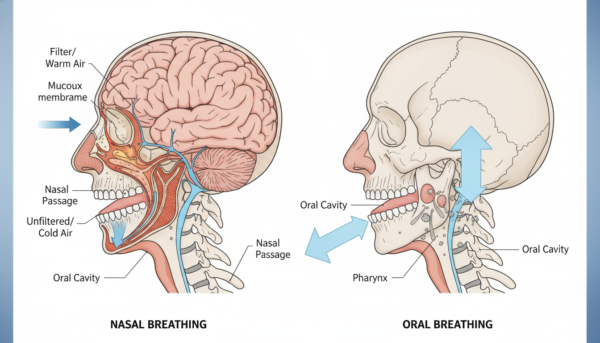
Breathing is not just about moving air; it is about how that air is processed. The nose is a sophisticated filtration and humidification system, whereas the mouth is simply an emergency chute. When you tape your mouth, you force the body to utilize the nasal cavity, which is lined with turbinates that warm and moisten the air before it reaches the lungs.
Filtration and Defense: The nasal passages contain cilia and mucous membranes that trap dust, allergens, and pathogens. Mouth breathing bypasses this primary line of defense, dumping unfiltered air directly into the throat and lungs, increasing susceptibility to infections and allergies.
Oxygen Uptake Efficiency: Nasal breathing creates resistance. This resistance is crucial because it slows down the airflow, allowing the lungs more time to extract oxygen. It leads to a 10-20% increase in oxygen uptake compared to mouth breathing. This section details the mechanics of the ‘Bohr Effect,’ where increased carbon dioxide levels (from the slower nasal exhale) actually facilitate the release of oxygen from hemoglobin into the tissues and brain.
2. Boosting Nitric Oxide Production
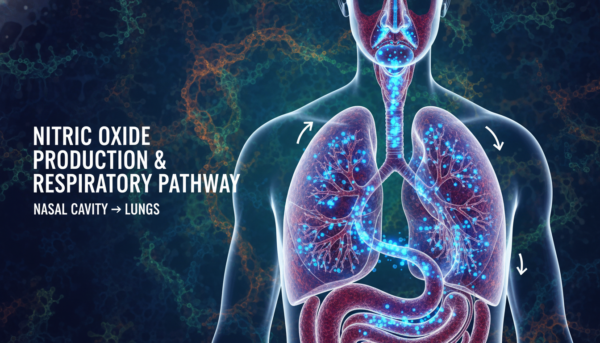
One of the most critical biochemical reasons to tape your mouth is Nitric Oxide (NO). This molecule is produced in the paranasal sinuses—but only when you breathe through your nose.
The Miracle Molecule: Nitric Oxide is a vasodilator, meaning it widens blood vessels. When you inhale through your nose, you carry this gas into your lungs, where it expands the vasculature, improving the efficiency of gas exchange. It lowers blood pressure and improves blood flow to every organ in the body.
Immune System Support: NO also has potent antifungal, antiviral, and antibacterial properties. By mouth taping, you ensure that every breath you take is sterilized by your own body’s natural chemistry before it enters your system. Mouth breathers generate zero nasal Nitric Oxide, missing out on this vital cardiovascular and immune boost entirely.
3. Eliminating Snoring and Reducing Sleep Apnea
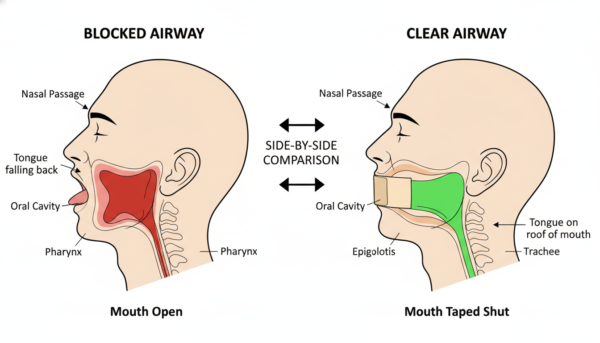
Snoring is often the sound of the tongue falling back and obstructing the airway during mouth breathing. When the jaw hangs open, the anatomy of the throat collapses, creating the turbulence we hear as snoring.
Mechanical Correction: Mouth taping acts as a physical constraint that keeps the jaw elevated and the mouth closed. This encourages the tongue to rest against the roof of the mouth (the palate), which naturally widens the oropharyngeal airway.
Impact on Sleep Apnea: While not a cure for severe Obstructive Sleep Apnea (OSA), studies suggest that enforcing nasal breathing can significantly reduce the Apnea-Hypopnea Index (AHI) in mild to moderate cases. It prevents the jaw-drop that precipitates an apnea event. By stabilizing the airway, mouth taping transforms turbulent, noisy sleep into silent, restorative rest.
4. Activating the Parasympathetic Nervous System
Your breathing pattern acts as a remote control for your nervous system. Mouth breathing, particularly in the upper chest, mimics the body’s ‘fight or flight’ (sympathetic) response. It signals stress to the brain, keeping you in a state of low-level anxiety even while you sleep.
The Vagus Nerve Connection: Nasal breathing, conversely, stimulates the vagus nerve and activates the parasympathetic nervous system—the ‘rest and digest’ state. This lowers heart rate and blood pressure, signaling safety to the brain.
Deep Sleep Architecture: By taping your mouth, you ensure that you remain in this relaxed physiological state throughout the night. This prevents micro-arousals caused by stress signaling, allowing you to cycle more efficiently through Deep (SWS) and REM sleep stages, which are critical for mental and physical recovery.

5. Improving Oral Health and Microbiome
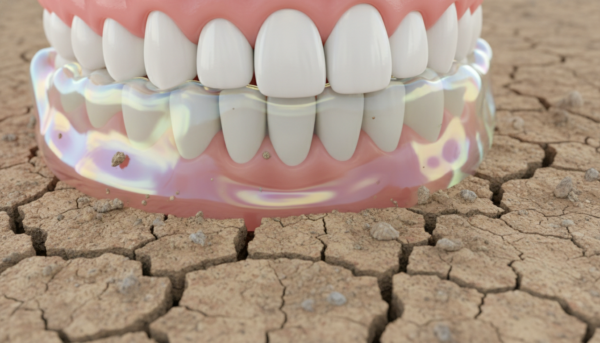
Sleeping with an open mouth causes saliva to evaporate, leading to dry mouth (xerostomia). Saliva is not just water; it is an enzymatic shield that protects your teeth and gums.
The pH Balance: When saliva dries up, the pH of the mouth drops and becomes acidic. An acidic environment is the perfect breeding ground for harmful bacteria that cause cavities, gum disease (periodontitis), and plaque buildup.
Microbiome Protection: Mouth taping preserves the oral microbiome by maintaining a moist, neutral environment. It prevents the ‘morning mouth’ coating and significantly reduces the risk of gingivitis. Dentists are increasingly recommending mouth taping as a preventative measure against decay, as nasal breathing keeps the oral ecosystem in balance and protects the enamel from acid erosion.
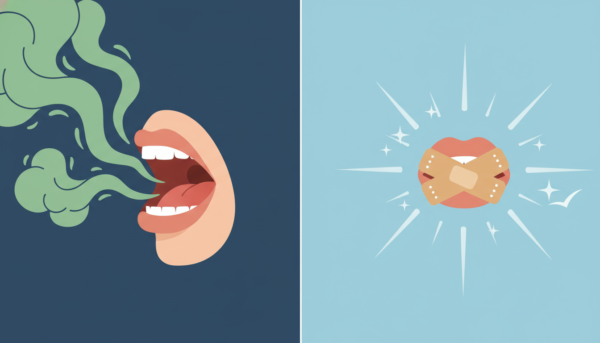
6. Preventing Bad Breath (Halitosis)
Morning breath is not inevitable; it is largely a symptom of mouth breathing. The primary cause of halitosis is the proliferation of anaerobic bacteria that thrive in dry environments. These bacteria produce volatile sulfur compounds (VSCs) which smell like rotten eggs.
Saliva as a Cleanser: By taping your mouth, you keep saliva circulating. Saliva contains oxygen, which kills these anaerobic bacteria. It also physically washes away food particles and dead cells.
The Result: Users of mouth tape consistently report waking up with a significantly fresher mouth. By preventing the nocturnal dry-out, you eliminate the root cause of morning halitosis rather than just masking it with toothpaste later. It is a hygiene hack that works while you sleep.
7. Enhancing Facial Structure and Aesthetics
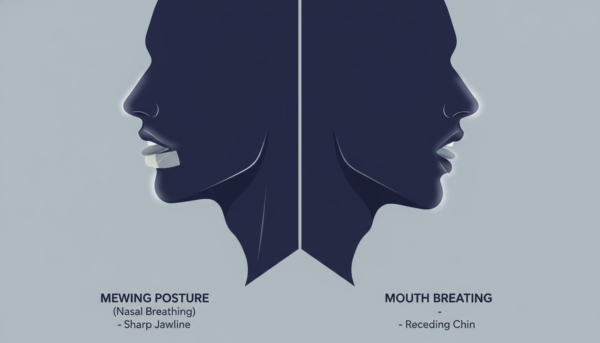
Chronic mouth breathing, especially during childhood, can alter facial development, leading to a long, narrow face and recessed chin—a phenomenon known as ‘adenoid face.’ However, adults can also benefit aesthetically from correcting their tongue posture.
The Mewing Connection: Mouth taping enforces proper tongue posture, where the tongue rests on the roof of the mouth. This provides internal support for the maxilla (upper jaw).
Jawline Definition: Over time, keeping the mouth closed tightens the muscles under the chin and along the jawline. It prevents the slack-jawed look and can contribute to a sharper, more defined profile. While it won’t restructure bone in adults overnight, it prevents further recession and tightens the soft tissues of the lower face.
8. Boosting Athletic Performance and Recovery
How you breathe at night dictates how you breathe during the day. Mouth taping improves your tolerance to carbon dioxide (CO2).
CO2 Tolerance: Contrary to popular belief, CO2 is not just a waste product; it is the catalyst for oxygen release. By breathing nasally at night, you train your chemoreceptors to tolerate higher levels of CO2.
Performance Gains: This adaptation means that during exercise, you won’t feel ‘out of breath’ as quickly. You will be able to maintain nasal breathing at higher intensities, delivering oxygen more efficiently to working muscles and reducing lactic acid buildup. Many elite athletes use mouth taping during sleep (and sometimes low-intensity training) to simulate altitude training and improve VO2 max efficiency.

9. Reducing Nocturia (Nighttime Urination)
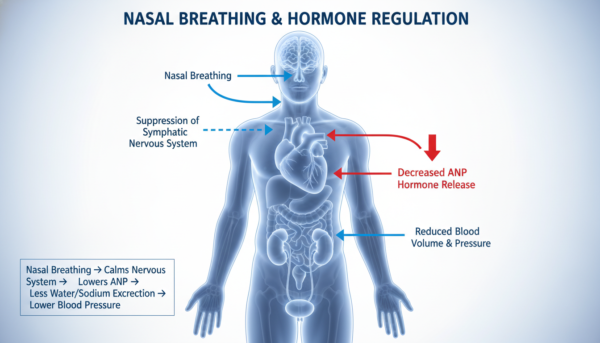
Waking up multiple times to urinate (nocturia) is often linked to sleep apnea and mouth breathing, not just a full bladder.
The Heart-Bladder Link: When you struggle to breathe (apnea/mouth breathing), the heart is stressed and releases a hormone called Atrial Natriuretic Peptide (ANP). ANP signals the kidneys to dump water and sodium, leading to the urge to urinate.
Uninterrupted Sleep: By taping the mouth and normalizing breathing, you reduce cardiac stress and inhibit the release of ANP. This allows you to sleep through the night without the disruption of bladder urgency. It is a surprising but well-documented benefit of correcting sleep breathing mechanics.
10. Choosing the Right Tape: Safety First
Not all tape is created equal. Using the wrong adhesive is the most common mistake beginners make.
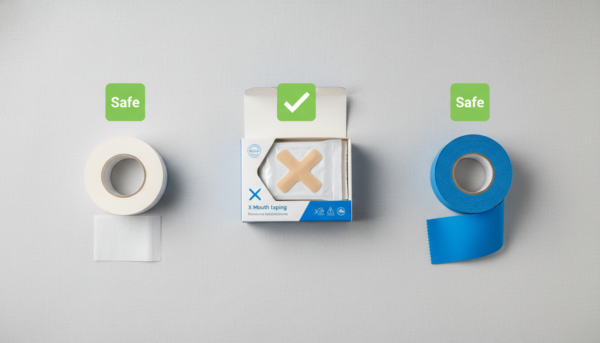
What to Avoid: Never use duct tape, electrical tape, or heavy-duty packaging tape. These contain toxic adhesives and can damage the sensitive skin of the lips.
Recommended Options:
1. Micropore/Surgical Tape: (e.g., 3M Micropore) This is hypoallergenic, breathable, and easy to remove.
2. Specialized Sleep Strips: Brands like SomniFix or Hostage Tape offer shaped strips with a breathing vent (for psychological comfort) and gentle adhesive.
3. Kinesiology Tape: Gentle on skin and flexible.
Test the tape on your arm before applying it to your face to ensure you don’t have an allergic reaction to the adhesive.
11. Step-by-Step Application Guide
Applying mouth tape correctly ensures safety and comfort. Follow this protocol for the best results.
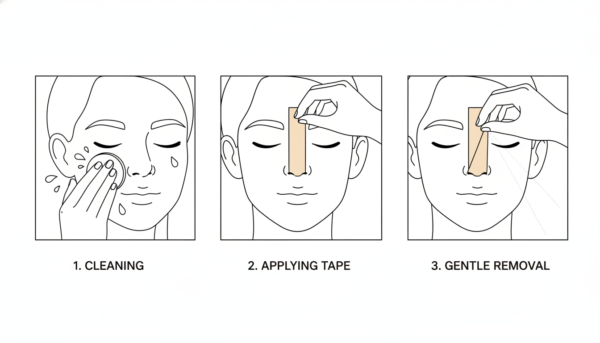
Preparation: Wash and dry your face. Oils or moisturizers around the lips will prevent the tape from sticking. Apply lip balm to the lips themselves to prevent the tape from sticking to the sensitive vermilion border, but keep the skin around the mouth dry.
Application Styles:
1. The Vertical Strip: Place a single piece of tape vertically across the center of the lips. This is great for beginners as the sides of the mouth remain open if you need to cough.
2. The Horizontal Strip: Covers the entire mouth. This offers a more secure seal but can feel more restrictive.
3. The ‘Myotape’ Method: Tape that surrounds the mouth to pull lips together without covering them.
Removal: In the morning, do not rip the tape off. Wet it with your tongue or a warm washcloth and gently peel it downwards to protect the skin elasticity.
12. Safety Precautions and Contraindications
While mouth taping is safe for most, there are specific circumstances where it should be avoided.
When NOT to Tape:
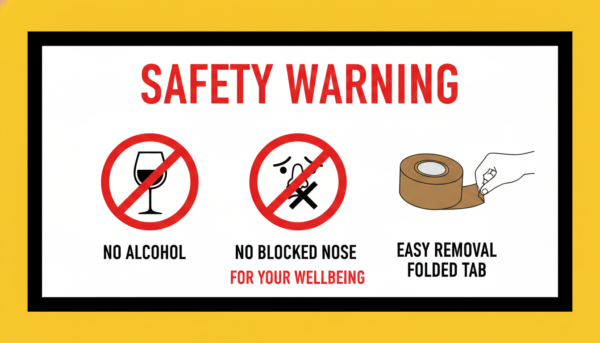
1. Nasal Congestion: If you have a severe cold, deviated septum that fully blocks airflow, or allergies that prevent nasal breathing, do not tape your mouth. You must be able to breathe through your nose first.
2. Intoxication: Do not tape after heavy alcohol consumption. Alcohol depresses the central nervous system and the gag reflex; if you need to vomit, tape could be a choking hazard.
3. Severe Heart Conditions: Consult a doctor first.
The ‘Fold’ Trick: Always fold over a tiny corner of the tape before applying it. This creates a small tab or handle that allows you to easily rip the tape off in a split second if you panic or need to cough. Safety is paramount.
Frequently Asked Questions
Is mouth taping dangerous?
When done correctly with the right tape, it is generally safe. The body has a natural reflex to wake you up or force mouth breathing if oxygen levels drop. However, you should not do it if your nose is completely blocked or you have consumed alcohol.
Will I suffocate if my nose gets stuffed during the night?
No. Your brain constantly monitors carbon dioxide levels. If nasal breathing becomes impossible, your brain will wake you up (micro-arousal) to remove the tape or breathe through the gaps. Using a vertical strip allows for emergency air through the sides of the mouth.
Does mouth taping help with jawline definition?
Yes, indirectly. By encouraging the tongue to rest on the roof of the mouth and keeping the jaw closed, it engages the muscles of the lower face and neck, potentially leading to a tighter, more defined look over time.
Can I use duct tape or scotch tape?
Absolutely not. These tapes contain industrial adhesives that are toxic and can strip the skin, causing rashes and pain. Only use micropore surgical tape or strips designed for skin.
How long does it take to get used to mouth taping?
Most people adjust within 3 to 7 nights. The first few nights may feel strange, and you might even unconsciously remove the tape in your sleep. This is normal; simply reapply the next night.
Is mouth taping safe for children?
It is not recommended for young children or babies due to the risk of choking and their inability to remove the tape if distressed. For older children, consult a pediatrician or myofunctional therapist first.
Will mouth taping cure my sleep apnea?
It can help mild sleep apnea and snoring but is not a standalone cure for severe Obstructive Sleep Apnea (OSA). It is often used as an adjunct therapy alongside CPAP machines.
Can I tape my mouth if I have a beard?
Yes, but it can be tricky. You may need to use a larger piece of tape or specialized strips with stronger adhesion. Applying the tape vertically over the center of the lips is often easier for bearded individuals.
You might also like:- Mouth Taping 101: The Ultimate Biohack for Deep Sleep and Facial Aesthetics
Discover more from innerspiritglow
Subscribe to get the latest posts sent to your email.
Registration was super quick and I was able to start playing in minutes. Definitely a user friendly site. 10jiliccregister
[4928]Gransino Official Login | বিকাশ পেমেন্ট ও সেরা ক্যাসিনো বোনাস,gransino-তে লগইন করে সেরা অনলাইন ক্যাসিনো বোনাস লুফে নিন। বিকাশ দিয়ে সহজে স্লটস ও লাইভ ক্যাসিনো গেম খেলার সুযোগ পান। আজই অ্যাপ ডাউনলোড করে শুরু করুন। visit: gransino