
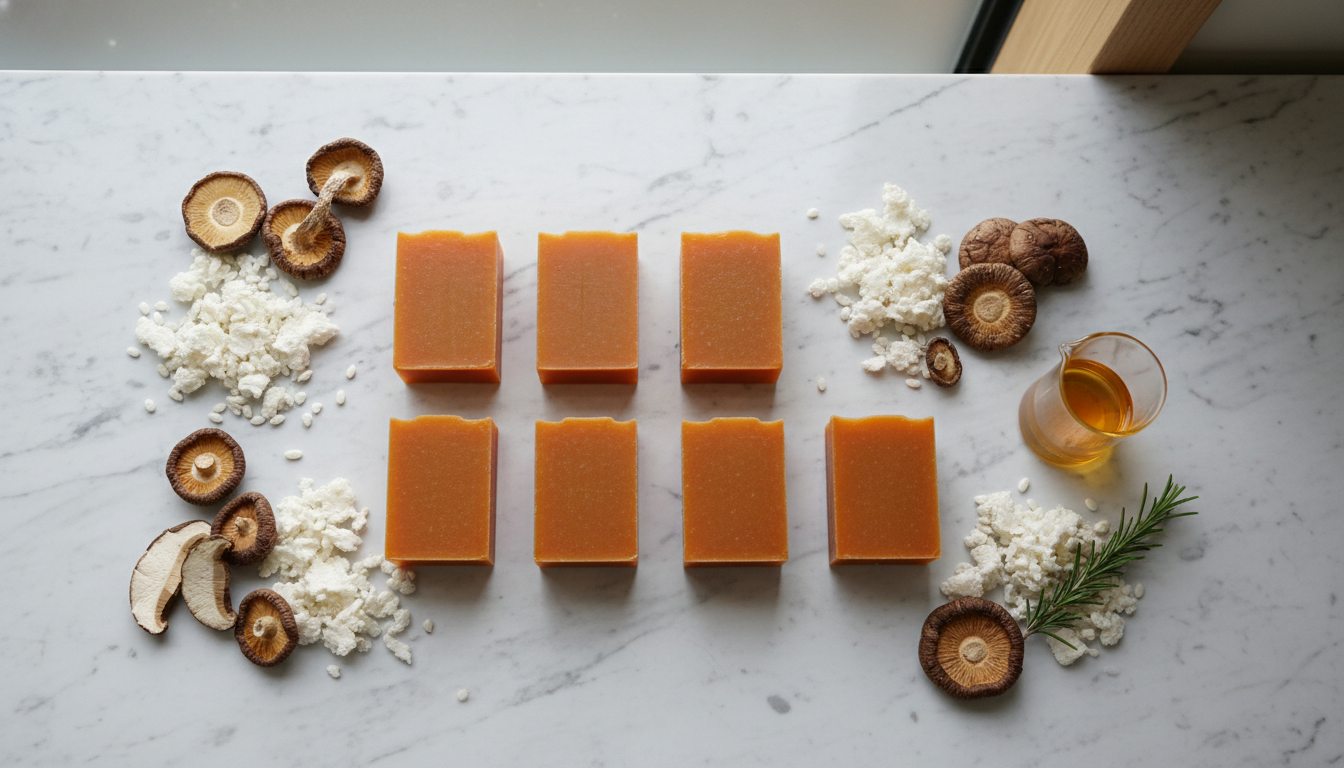
Key Takeaways
- Mechanism: Kojic acid works by inhibiting tyrosinase, the enzyme responsible for melanin production.
- Timeline: Visible results typically require 4 to 6 weeks of consistent use; instant results are a myth or sign of dangerous additives.
- Concentration Matters: Beginners should start with concentrations under 1% or blends to prevent contact dermatitis.
- Sun Sensitivity: Kojic acid makes skin photosensitive; SPF 50+ is non-negotiable during treatment.
- The ‘Sting’ Factor: Mild tingling is normal, but burning or intense redness indicates a compromised moisture barrier.
- Authenticity: Real kojic soap melts quickly and smells like citrus or yeast; fake soaps are hard and smell like plastic.
- Hydration: You must pair this soap with a heavy moisturizer to counteract its drying effects.
The Problem: You are tired of stubborn acne scars, sun spots, and uneven skin tone that refuse to fade despite using endless creams and serums. You feel self-conscious stepping out without concealer, and the frustration of wasting money on ineffective products is mounting.
The Agitation: Many turn to harsh chemical peels or dangerous bleaching agents out of desperation, often damaging their skin barrier permanently. Or worse, they buy counterfeit soaps that promise overnight miracles but deliver nothing but irritation and breakouts. The skincare market is flooded with misinformation, making it impossible to know what truly works safely.
The Solution: Enter Kojic Acid Soap, a dermatologist-approved, science-backed powerhouse derived from fungi. Unlike harsh bleaches, it works biologically to stop pigment production at the source. This comprehensive guide covers the 13 critical aspects of using Kojic Acid soap effectively, ensuring you get the glowing results you desire without the dreaded ‘kojic burn’.
1. The Science: How Kojic Acid Inhibits Tyrosinase
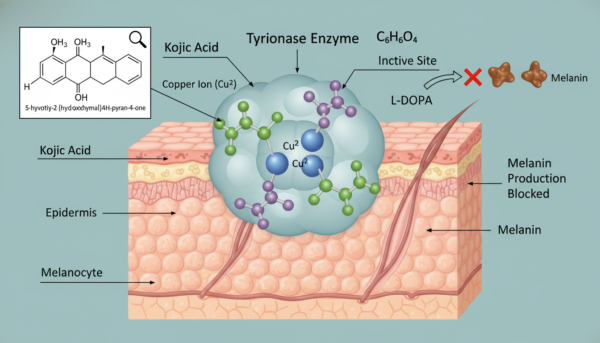
To understand why kojic acid is the gold standard for treating hyperpigmentation, we must look at the biochemistry of melanogenesis. Kojic acid (5-hydroxy-2-hydroxymethyl-4-pyrone) is a chelation agent produced by several species of fungi, specifically Aspergillus oryzae, which has the Japanese common name koji.
The Mechanism of Action
Melanin, the pigment that gives skin its color, is produced through a process called melanogenesis. The key enzyme in this process is tyrosinase. Tyrosinase requires copper ions to function. Kojic acid works by cheating (grabbing) these copper ions, effectively deactivating the enzyme.
| Process Step | Without Kojic Acid | With Kojic Acid |
|---|---|---|
| Enzyme Activation | Tyrosinase binds with copper | Kojic acid binds copper, disabling Tyrosinase |
| Oxidation | Tyrosine converts to DOPA | Conversion is blocked |
| Result | Melanin production proceeds | Melanin production is halted |
Why It Matters
Unlike hydroquinone, which kills melanocytes (the cells that make melanin), kojic acid simply puts them to sleep by removing their fuel source. This makes it a safer, reversible alternative for long-term maintenance of skin tone, reducing the risk of permanent hypopigmentation (white spots).
2. Differentiating Authentic vs. Counterfeit Soap
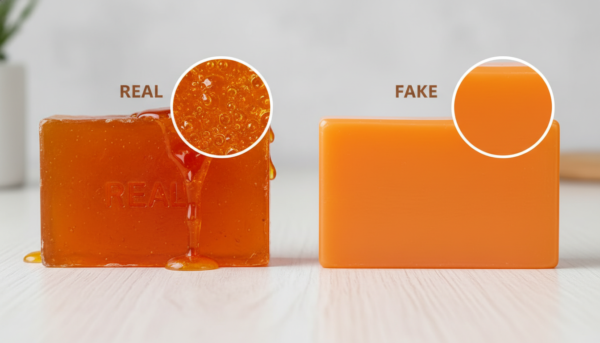
The popularity of kojic acid soap has led to a market flooded with counterfeits. Using a fake soap isn’t just a waste of money; it can be dangerous if it contains high levels of lye or banned substances like mercury.
The 3-Point Check for Authenticity
1. Texture and Hardness:
- Real: High-quality kojic acid soap is often softer than regular bar soap. It is hygroscopic, meaning it absorbs moisture from the air. If left in a wet soap dish, it will melt significantly faster than standard soap.
- Fake: Hard, waxy texture that does not soften easily in water.
2. Scent Profile:
- Real: Authentic soaps usually have a distinct citrus (orange) scent or a slightly yeasty, fermented smell due to the mushroom origin.
- Fake: Overpowering floral perfumes or a strong plastic/chemical odor.
3. The ‘Sting’ Test:
- Real: Upon application, you should feel a subtle tingling sensation (micro-exfoliation). It should not burn intensely, but you will feel ‘activity’.
- Fake: Either zero sensation (just colored glycerin) or immediate, painful burning (excessive lye).
Pro Tip: Always purchase from authorized distributors. If a deal looks too good to be true (e.g., $1 for a pack of 3), it is almost certainly a counterfeit product containing dangerous fillers.
3. Ideal Candidates: Who Should Use This Soap?
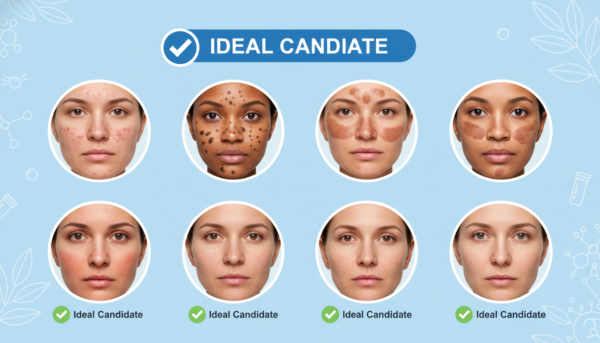
Kojic acid is potent, and it is not suitable for every skin type. Understanding if you are the ideal candidate prevents unnecessary irritation.
Best Suited For:
- Hyperpigmentation: Individuals dealing with melasma, sun spots, or age spots.
- Post-Inflammatory Hyperpigmentation (PIH): Dark marks left behind after acne heals.
- Uneven Skin Tone: Those looking to brighten dull skin or remove a tan.
- Oily/Acne-Prone Skin: Kojic acid has mild antibacterial properties that can help manage acne while treating the scars.
Use With Caution (Or Avoid):
- Eczema or Psoriasis: The exfoliating nature of the soap can flare up these conditions.
- Broken Skin: Never apply acid soaps to open wounds or active, bleeding acne.
- Extremely Dry Skin: Kojic acid limits oil production; without heavy moisturizers, it will exacerbate dryness.
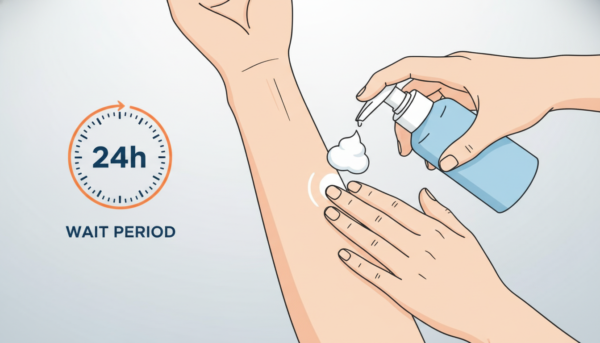
If you have darker skin tones (Fitzpatrick IV-VI), kojic acid is generally safe, but overuse can lead to paradoxical hyperpigmentation (skin getting darker due to irritation). Always patch test behind the ear for 24 hours before full use.
4. Pre-Wash Preparation: The Patch Test Protocol
Skipping the patch test is the number one reason users experience adverse reactions. Because kojic acid is a chemical exfoliant, your skin’s tolerance level is unknown until tested.
The 24-Hour Patch Test Strategy
1. Select the Spot: Choose a discreet area, such as the inner arm or behind the ear.
2. Apply: Lather a small amount of the soap and apply it to the spot.
3. Wait: Leave it on for 30 seconds, then rinse.
4. Observe: Monitor the area for the next 24 hours.
Interpreting Results:
- No Reaction: Safe to proceed with facial application.
- Mild Pinkness: Proceed with caution, reduce leave-on time.
- Red bumps, Itching, or Blisters: STOP. You have a contact allergy to kojic acid or another ingredient in the soap base.
Important: Do not use other active ingredients (Retinols, AHAs, BHAs) on the patch test area to ensure the reaction is isolated to the soap.
5. The Application: Technique for Face vs. Body
The skin on your face is significantly thinner and more delicate than the skin on your body. Treating them the same is a recipe for disaster.
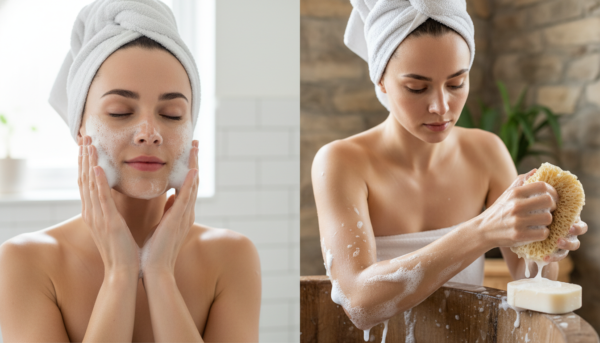
Facial Application Rules
- Frequency: Start with once a day, preferably at night. If drying occurs, drop to 3 times a week.
- Technique: Create a lather in your hands first. Do not rub the bar directly on your face. Massage the foam gently in circular motions.
- Duration:
Week 1:* Rinse immediately (20-30 seconds).
Week 3+:* Leave on for up to 60 seconds if tolerated.
Body Application Rules
- Areas: Knees, elbows, inner thighs, and back.
- Technique: You can use an exfoliating glove or loofah to enhance penetration on thicker skin.
- Duration: Leave the lather on for 2-3 minutes before rinsing. The body can tolerate longer exposure.
Warning: Avoid sensitive areas like the genitals or near the eyes. Kojic acid alters pH and can cause severe stinging in mucous membranes.
6. The ‘Kojic Sting’: Normal vs. Dangerous
Users often panic when they feel a sensation, but distinguishing between activity and injury is key to long-term success.
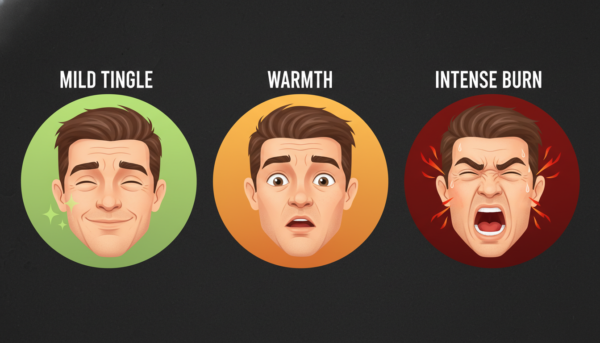
Normal Sensation (The Activity Tingle)
- Feeling: A mild prickly sensation or warmth.
- Duration: Lasts only while the soap is on the skin or for a few minutes after rinsing.
- Visual: Slight pinkness that fades within 10-15 minutes.
- Meaning: The acid is penetrating the stratum corneum and working on the pigment.
Dangerous Reaction (The Chemical Burn)
- Feeling: Intense burning, heat, or throbbing pain.
- Duration: Persists long after rinsing.
- Visual: Deep redness, swelling, hives, or peeling skin sheets.
- Meaning: Your skin barrier is compromised. Action: Rinse with cold water immediately, apply a soothing aloe vera gel, and discontinue use for at least 7 days.
Mitigation: If the sting is too strong, mix the lather with a gentle cleanser to dilute the concentration until your skin acclimatizes.
7. Post-Wash Essential: Restoring the Barrier
Kojic acid soap is alkaline (high pH) while your skin is naturally acidic (low pH). This disruption strips natural oils, making post-wash care non-negotiable.
The Hydration Sandwich
Immediately after patting your skin dry (do not rub), you must replenish moisture.
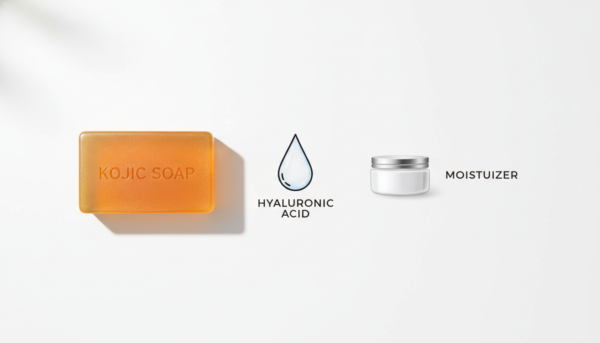
1. Humectant: Apply a Hyaluronic Acid serum or glycerin-based toner on damp skin to draw water in.
2. Occlusive: Seal the moisture with a ceramide-rich moisturizer. Look for ingredients like Ceramides, Cholesterol, and Fatty Acids.
3. Oil (Optional): For body use, follow up with body oil (Jojoba or Almond) to prevent the ‘ashy’ look common with kojic acid use.
Avoid: Do not use alcohol-based toners immediately after washing, as this will cause stinging and further dehydration.
8. Sun Protection: The Non-Negotiable Rule
This is the most critical rule in the guide. Kojic acid works by inhibiting melanin. Melanin is your body’s natural defense against UV radiation. By reducing melanin, you are effectively removing your skin’s natural shield.
The Consequence of Skipping SPF
If you use kojic acid and go into the sun without protection, you will experience rebound hyperpigmentation. The sun will stimulate the remaining melanocytes to overproduce pigment in defense, making your dark spots darker than when you started.
The SPF Strategy
- Broad Spectrum: Must block UVA and UVB.
- SPF Factor: Minimum SPF 30, preferably SPF 50+.
- Application: Every single day, even when indoors (UVA rays penetrate windows).
- Reapplication: Every 2 hours if outdoors.
Rule of Thumb: If you cannot commit to daily sunscreen, you should not use kojic acid soap.

9. Managing the ‘Purging’ Phase
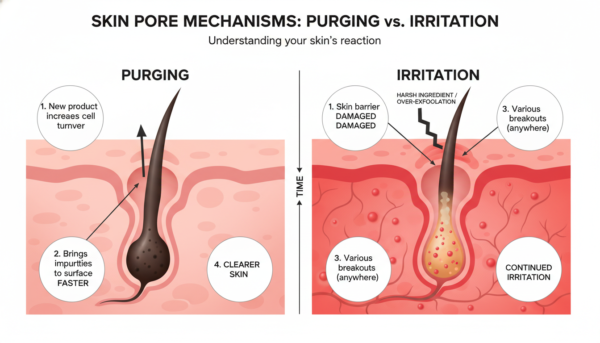
Does kojic acid cause purging? Technically, no, as it is not increasing cell turnover rapidly like Retinol. However, it can cause reactional breakouts in congested skin.
Why You Might Break Out
1. Irritation: The most common cause. The soap is too strong, causing inflammation which manifests as pimples.
2. Dryness: The soap strips oil, causing the skin to overcompensate by producing more oil, leading to clogged pores.
3. Impurities: Bringing deep-seated impurities to the surface (less common with just kojic acid).
How to Handle It
- Don’t Pick: Picking at these breakouts will leave new scars.
- Hydrate: Increase moisturizer use.
- Buffer: Reduce usage frequency.
- Wait: If the breakouts don’t subside after 2 weeks, it is likely irritation, not purging, and you should switch to a gentler product.
10. Results Timeline: Managing Expectations
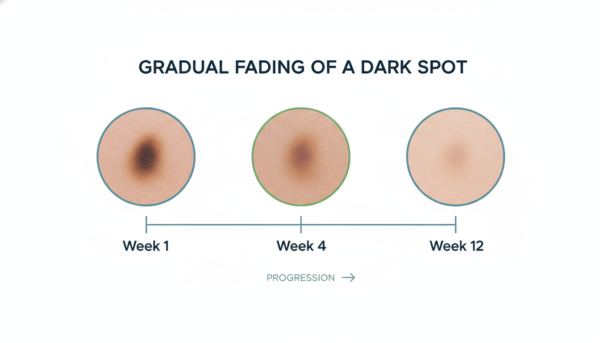
Patience is required for safe skin lightening. Marketing often promises ‘7-day results’, but biology works slower.
Realistic Milestones
| Week | Expected Observation |
|---|---|
| Week 1 | Skin feels cleaner, tighter (dry), possibly slight peeling (micro-exfoliation). |
| Week 2-3 | Overall skin tone may appear brighter/glowier. Acne may start drying up. |
| Week 4-6 | Visible fading of minor sun spots and recent acne marks. |
| Month 3 | Significant reduction in deeper hyperpigmentation and melasma. |
Note: Old scars (years old) take significantly longer to fade than fresh marks. Consistency is key. If you stop using the soap, melanin production will eventually normalize, so maintenance is required.
11. Combining Actives: What to Mix and Avoid
Kojic acid is a team player, but it clashes with certain ingredients. Building a routine involves knowing these interactions.
Safe Combinations (Synergistic)
- Vitamin C: Great for doubling down on brightening. Use Vitamin C serum in the morning and Kojic soap at night.
- Glycolic Acid: Can enhance penetration, but increases irritation risk. Only for tough skin (body usage).
- Niacinamide: Excellent for soothing inflammation caused by Kojic acid.
- Arbutin: A gentle cousin of hydroquinone that works well with kojic.
Unsafe Combinations (Antagonistic)
- Retinols/Tretinoin: Using both simultaneously can destroy the moisture barrier. Alternate nights or use Kojic mainly in the AM (with heavy SPF) and Retinol in the PM.
- Benzoyl Peroxide: Too drying when paired with Kojic soap. Choose one or the other for acne treatment.
12. Storage and Product Longevity
Because authentic kojic acid soap is formulated with natural ingredients and lacks harsh hardeners, it degrades quickly if stored improperly.
The ‘Melting’ Issue
Kojic acid soap is famous for turning into a pile of orange mush in the shower. This happens because the glycerin and natural oils attract water.
Storage Hacks
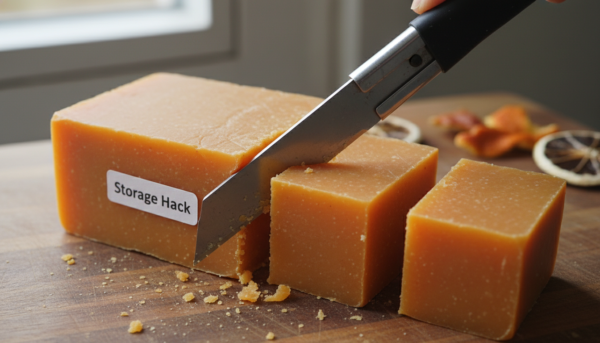
1. Cut the Bar: Never use the whole bar at once. Cut it into 4-6 smaller cubes. Store the unused cubes in a dry, cool place.
2. Drainage: Use a soap dish with excellent drainage or a magnetic soap holder.
3. Ventilation: Keep it out of the direct stream of the shower water when not in use.
By cutting the bar, you extend the life of a single purchase from 2 weeks to 2 months.
13. When to Stop: Signs of Over-Exfoliation
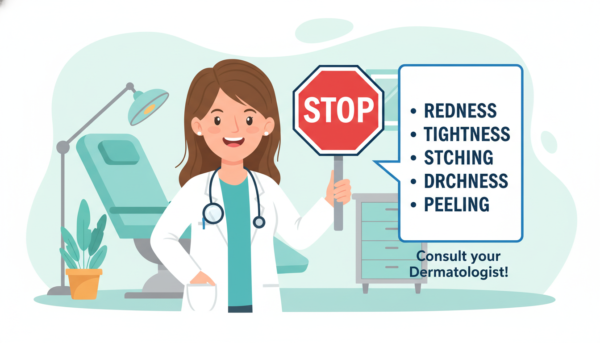
More is not always better. Over-exfoliation results in ‘plastic skin’—shiny, tight, and prone to cracking.
The Warning Signs
- Shine without Oil: Your forehead looks like a mirror but feels dry.
- Product Sensitivity: Your regular moisturizer starts to sting.
- Redness: Persistent flushing that doesn’t go away.
The Recovery Plan
If you hit this wall, stop the soap immediately. Switch to a creamy, non-foaming cleanser. Focus entirely on barrier repair (Ceramides, Panthenol, Cica) for 2 weeks. Once healed, reintroduce the soap only 2-3 times a week, not daily. Your goal is healthy skin, not just light skin.
Frequently Asked Questions
Can I use Kojic Acid soap every day?
Yes, but it depends on your skin type. Oily skin can usually handle daily use, while dry or sensitive skin should start with 3 times a week. Always monitor for irritation.
How long does it take to see results from Kojic Acid soap?
Typically, you will see initial brightening within 2-3 weeks, but significant fading of dark spots usually takes 4-6 weeks of consistent use combined with sun protection.
Does Kojic Acid soap bleach your skin permanently?
No. Kojic acid is not a permanent bleach. It inhibits melanin production temporarily. If you stop using it and expose yourself to the sun, your natural skin tone will return.
Why does my skin itch after using Kojic Acid soap?
Itching can be a sign of dryness (common) or an allergic reaction. If the itching is mild, apply moisturizer immediately. If it is severe and accompanied by hives, discontinue use.
Can I use Kojic Acid soap on my private areas?
It is generally not recommended for sensitive mucous membranes as the pH difference can cause severe irritation and disrupt natural flora. Use only on the bikini line (external skin) with caution.
Is Kojic Acid soap safe for darker skin tones?
Yes, it is safe and effective for darker skin tones, but overuse can cause inflammation which may lead to paradoxical hyperpigmentation. Use gently and always moisturize.
Can I use Kojic Acid soap if I am pregnant?
While kojic acid is not generally flagged as dangerous like Retinol, most dermatologists recommend avoiding active lightening agents during pregnancy. Consult your OB-GYN before use.
What is the difference between Kojic Acid and Hydroquinone?
Hydroquinone kills melanin-producing cells and is harsher/more risky. Kojic acid inhibits the enzyme that makes melanin without killing the cells, making it a safer, gentler alternative.
Why did my soap turn brown?
Kojic acid can oxidize when exposed to air and light, turning the soap brown. While it may lose some potency, it is generally safe to use unless it smells rancid.
Does Kojic Acid soap help with acne?
Yes. Aside from fading scars, kojic acid has antimicrobial properties that can help kill acne-causing bacteria, though it should not be your primary acne treatment.
You might also like:- 7 Reasons Bio-Fermented Turmeric Soap Beats Luxury Serums
Discover more from innerspiritglow
Subscribe to get the latest posts sent to your email.
[40]jeetwin অফিসিয়াল লগইন | সেরা অনলাইন স্লট গেম ও বোনাস,jeetwin অ্যাপ ডাউনলোড করে সেরা লাইভ ক্যাসিনো নিয়ম জানুন এবং বিকাশ ক্যাসিনো বোনাস উপভোগ করুন। আজই জয়েন করে গেম খেলা শুরু করুন। visit: jeetwin
Great vibes and even better rewards. I appreciate how they treat their regular players. Keep it up bdhi999!