
Key Takeaways
- Ancient Wisdom: The ‘Geisha Glow’ originates from nutrient-rich rice water (Yu-Su-Ru).
- Chemical Powerhouse: Rice contains Allantoin (healing), Ferulic Acid (anti-aging), and Inositol (cell regeneration).
- Fermentation Factor: Fermented rice water potentiates antioxidant benefits significantly compared to plain water.
- Customizable: Recipes vary for dry (add milk/honey) versus oily (add lemon/matcha) skin types.
- Cost-Effective: Achieve luxury spa results using pantry staples for under $1.
- 7-Day Challenge: Consistent application is required to see the ‘glass skin’ effect; it is not a one-time miracle.
You look in the mirror and see dullness, uneven texture, and the creeping signs of aging. You’ve spent a fortune on serums claiming to offer ‘glass skin,’ yet the results are fleeting and the costs are mounting. The beauty industry pushes expensive synthetics, but the secret to porcelain skin has actually been hidden in Japanese kitchens for centuries. This isn’t just a trend; it is a time-tested regimen used by Geishas to maintain flawless complexions beneath heavy makeup. Enter the Japanese Secret Rice Face Mask. In this comprehensive guide, we strip away the marketing fluff and provide you with the science, the exact recipes, and the 12-step masterclass to transforming your skin texture in just one week.
1. The History of Yu-Su-Ru: Why Geishas Used Rice Water
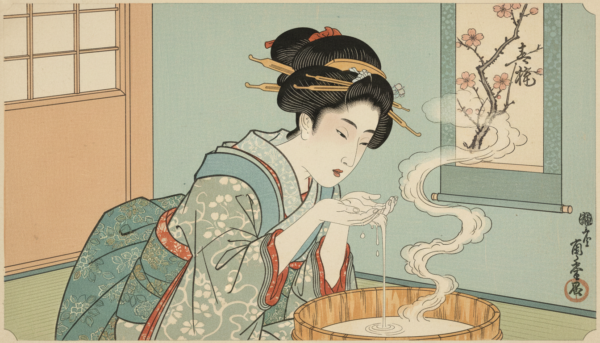
To understand the efficacy of the Japanese rice mask, we must look to the Heian period. Japanese court ladies, known for their floor-length hair (Suberakashi), combed their hair each day with Yu-Su-Ru—the rinse water obtained from the washing of rice. However, the benefits extended beyond hair health to skincare. Geishas, who wore lead-heavy makeup that damaged the skin barrier, relied on leftover rice water baths and pastes to heal inflammation and maintain the ‘mochi-hada’ (rice cake skin) texture—soft, plump, and white. This section explores the historical transition from simple washing water to the sophisticated facial masks we see trending today. Unlike modern chemical peels, this method focuses on barrier repair rather than aggressive stripping.
2. The Science: Ferulic Acid, Allantoin, and Inositol
Why does rice work? It comes down to bioactive compounds.
Key Chemical Compounds in Rice:
| Compound | Function | Skin Benefit |
|---|---|---|
| Ferulic Acid | Antioxidant | Neutralizes free radicals, boosts sunscreen efficacy. |
| Allantoin | Anti-inflammatory | Soothes irritation, heals acne scars, softens keratin. |
| Inositol | Carbohydrate | Promotes cell growth, slows aging, increases elasticity. |
| Gamma-Oryzanol | Lipid | Brightens skin tone, reduces pigmentation (UV spots). |
When rice is boiled or fermented, these compounds become more bioavailable. Specifically, Inositol is clinically proven to improve skin moisture and elasticity, often referred to as ‘Vitamin B8’ in older texts. This section breaks down how these molecules penetrate the epidermis to stimulate collagen production.

3. Selecting the Right Rice: Short Grain vs. Long Grain
Not all rice creates the same mask. While you can use any rice in a pinch, the starch content matters for the mask’s consistency and adhesion to the face.
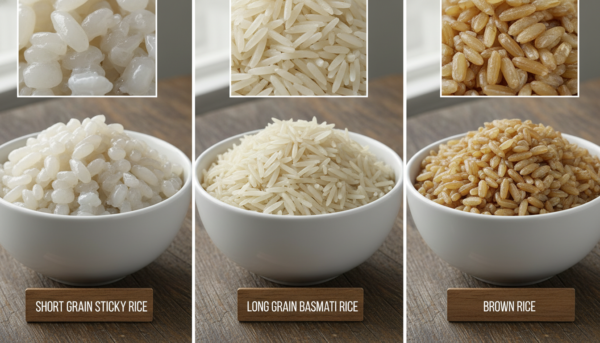
- Short-Grain (Sushi Rice/Japonica): Best Choice. High amylopectin content makes it sticky. This stickiness is crucial for a face mask as it allows the paste to adhere to the skin, creating an occlusive layer that forces nutrients into the pores.
- Jasmine/Basmati: Lower starch content. Good for toner (rice water) but makes for a runny, crumbly mask paste.
- Brown Rice: Highest nutrient profile (more Vitamin B), but harder to blend into a smooth paste due to the bran. Requires longer soaking and boiling time.
Expert Recommendation: Use organic white short-grain rice to avoid pesticides, as you will be soaking these grains directly into your skincare.
4. Method A: The Boiled Rice Paste (Deep Hydration)
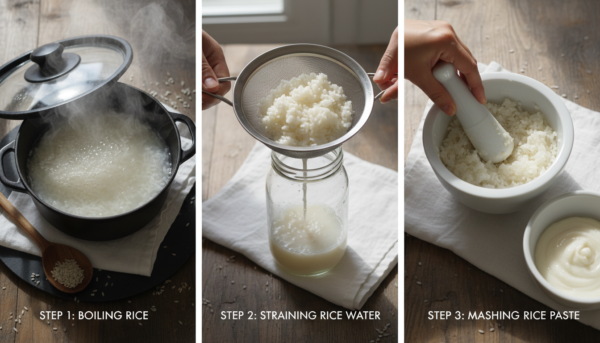
The boiled method is the most popular for creating a rich, creamy mask.
The Protocol:
1. Wash: Rinse 2 tablespoons of rice vigorously to remove surface dust/impurities. Discard this first wash.
2. Boil: Cook the rice in 1 cup of water until incredibly soft—softer than you would eat.
3. Strain: Do not throw away the water. Strain the rice but keep the cloudy liquid (this is your toner).
4. Mash: While the rice is warm, mash it with a fork or blend it.
5. Enrich: Add 1 tablespoon of warm milk and 1 teaspoon of honey to the mash.
The heat helps dissolve the honey and creates a luxurious texture. This method releases the internal starches of the grain, providing a heavy, moisturizing mask ideal for dry or mature skin.
5. Method B: The Rice Flour Exfoliant (Brightening)
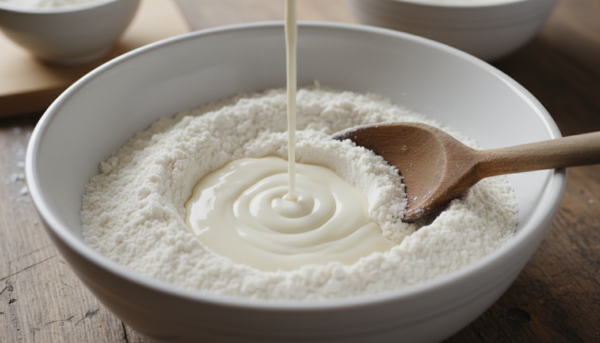
If you are short on time or need physical exfoliation, the flour method is superior. Rice flour acts as a gentle micro-exfoliant that buffs away dead skin cells without the micro-tears caused by walnut shells or apricot scrubs.
The Recipe:
- 2 tbsp Super-fine Rice Flour (Glutinous rice flour is best).
- Enough milk or green tea to form a paste.
Why it works: The fine particles physically remove dullness immediately. When mixed with liquid, the flour creates a paste that dries slightly tighter than the boiled version, offering a temporary ‘lifting’ effect. This is the go-to method for morning routines when you need an instant glow before makeup application.
6. Method C: Fermented Rice Water (The Anti-Aging Powerhouse)
Fermentation transforms regular rice water into a potent anti-aging serum, similar to the active ingredient Pitera found in luxury SK-II products.
The Process:
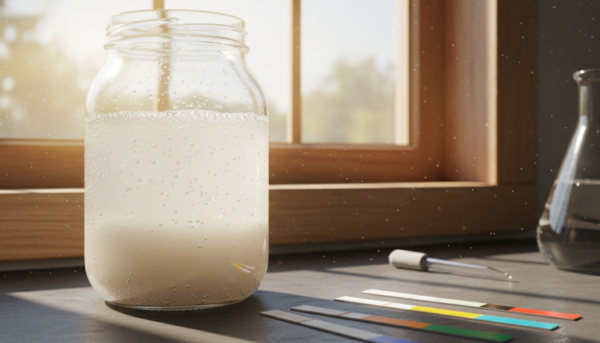
1. Rinse rice and soak it in distilled water for 15-30 minutes.
2. Strain the water into a jar.
3. Wait: Leave the jar at room temperature for 24-48 hours until it smells slightly sour.
4. Boil: Briefly boil the water to stop the fermentation process (kill the bacteria/yeast) before using it on your face to prevent fungal acne.
Fermentation lowers the pH of the water to match the skin’s natural acid mantle and breaks down nutrients into smaller molecules for deeper penetration. Use this as the liquid base for your masks.
7. The Secret Additives: Honey, Milk, and Vitamin E
Rice is the vehicle, but the additives dictate the direction of the treatment.
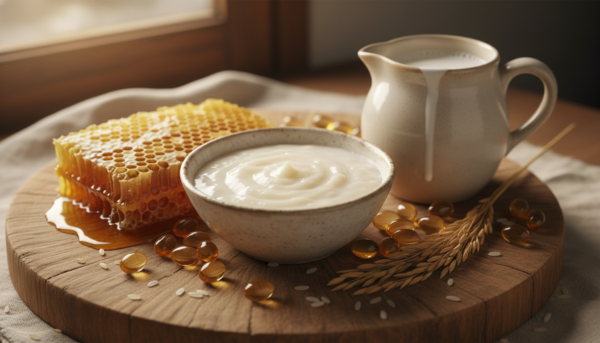
- Milk: Contains Lactic Acid (AHA). It gently peels dead skin cells and brightens pigmentation. The fat content in whole milk creates a barrier repair effect.
- Honey: A natural humectant and antibacterial agent. It seals the moisture from the rice water into the skin and fights acne-causing bacteria.
- Vitamin E Oil: Burst a capsule into your rice mix to boost the antioxidant power and increase the shelf life of the mask slightly.
Pro Tip: For oily skin, swap milk for Aloe Vera gel or Green Tea to reduce sebum without losing hydration.
8. The 7-Day Routine for Glass Skin
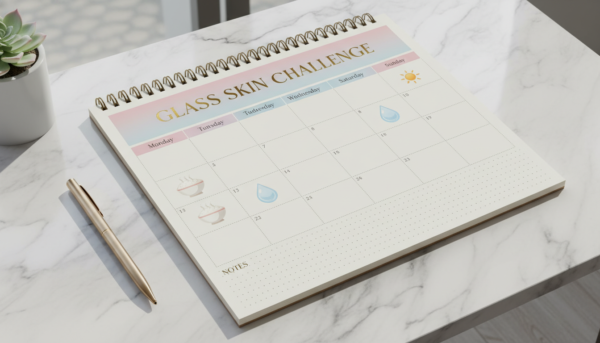
You cannot achieve glass skin with sporadic application. Follow this intensive 7-day schedule:
- Day 1: Exfoliating Rice Flour Mask (Remove dead layers).
- Day 2: Boiled Rice & Honey Mask (Deep hydration).
- Day 3: Fermented Rice Water Toner packs (Soak cotton pads and leave on face for 10 mins).
- Day 4: Boiled Rice & Milk Mask.
- Day 5: Rest Day (Just Rice Water Toner).
- Day 6: Rice Flour & Green Tea Mask.
- Day 7: The ‘Royal’ Treatment (Thick layer of Boiled Rice, Honey, Milk, and Vitamin E).
By cycling the methods, you prevent over-exfoliation while maintaining constant hydration.
9. Proper Application Techniques for Maximum Absorption
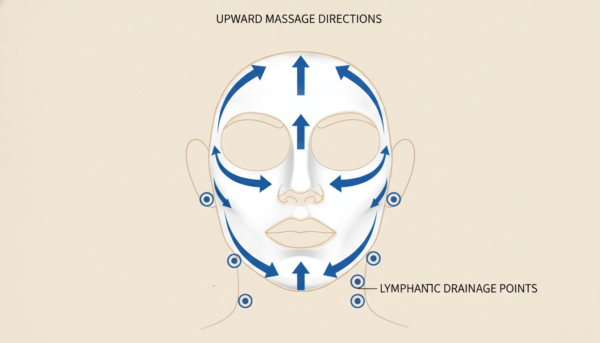
Slapping the mask on isn’t enough. The Japanese technique involves massage to stimulate lymphatic drainage.
1. Cleanse: Start with a double cleanse to remove oil.
2. Steam: Use a warm towel for 2 minutes to open pores.
3. Apply: Use a brush to apply a thick layer of the rice paste.
4. Massage: Use circular upward motions with your knuckles to massage the paste into the jawline and cheeks.
5. Drying Time: Leave for 20 minutes. Do not let it crack and dry completely (this dehydrates skin). If it dries, mist with water.
6. Rinse: Use lukewarm water and circular motions to buff the skin as you rinse.
10. Storage and Shelf Life: Avoiding Bacteria
This is a preservative-free food product. It will spoil.
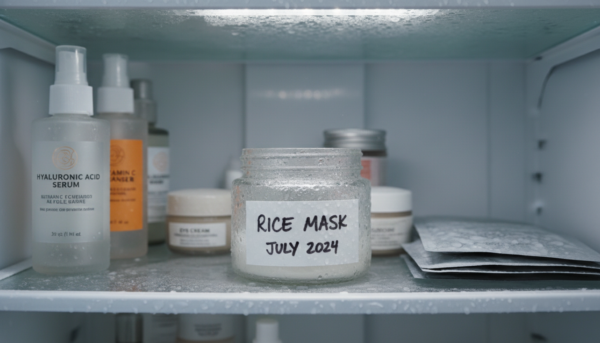
- Boiled Paste: Lasts 3-5 days in the refrigerator. Must be in an airtight container.
- Fermented Water: Lasts 1 week in the fridge after the initial fermentation and boiling.
- Signs of Spoilage: If it smells sour (bad sour, not fermented sour), turns pink, or develops mold, discard immediately.
Safety Warning: Never leave DIY rice masks at room temperature for more than a few hours. Rice is a breeding ground for Bacillus cereus, a bacteria that can cause issues if introduced to open acne wounds.
11. DIY vs. Store-Bought: Is It Worth the Effort?
Brands like Tatcha and SK-II have built empires on rice enzymes.
Store-Bought Pros:
- Stabilized formulations (won’t spoil).
- Higher concentration of isolated actives (like pure Inositol).
- Convenience.
DIY Pros:
- Freshness: Active enzymes degrade over time; fresh rice water is potent.
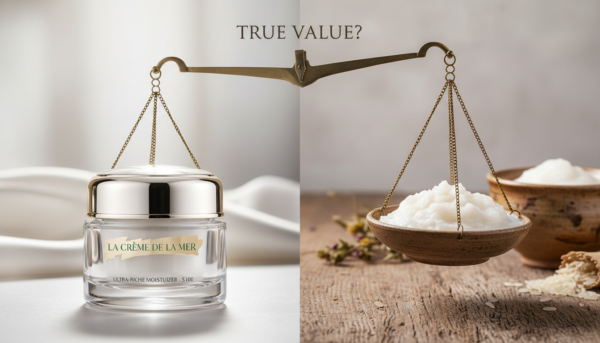
- Cost: $0.50 vs $80.00.
- No Fillers: Zero alcohol, fragrances, or parabens.
Verdict: For daily toners, store-bought is safer. For a weekly intensive treatment mask, fresh DIY rice paste often yields superior immediate plumping results due to the high starch content that commercial products filter out.
12. Expected Results and Timeline
Manage your expectations to stay consistent.
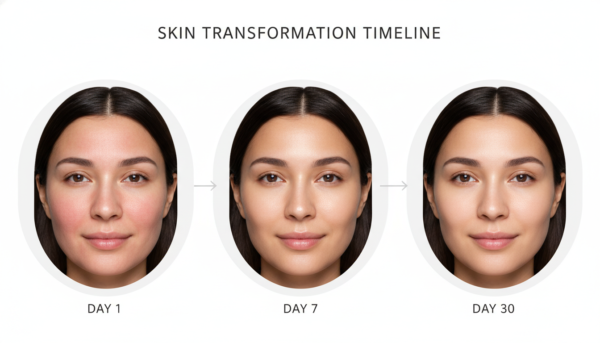
- Immediate (After 1st use): Skin feels softer, ‘bouncy’ to the touch, and temporary whitening due to starch residue (instant tone-up).
- 3 Days: Reduction in redness and inflammation.
- 7 Days: ‘Glass Skin’ effect—pores appear smaller due to intense hydration, texture is smoother.
- 1 Month: Fading of hyperpigmentation and sun spots due to consistent Kojic/Ferulic acid exposure.
Note: Deep wrinkles will not vanish, but fine lines caused by dehydration will be plumped out, making the face look significantly younger.
Frequently Asked Questions
Can I use the rice face mask every day?
Yes, the boiled rice and milk mask is gentle enough for daily use. However, if using the rice flour scrub method, limit it to 2-3 times a week to avoid over-exfoliation.
Does rice water really whiten skin?
Rice water contains tyrosinase inhibitors which can reduce melanin production, helping to fade dark spots and brighten the complexion, but it will not bleach your natural skin tone.
Which rice is best for a face mask?
Organic short-grain white rice or sushi rice is best because of its high starch content and sticky texture, which helps the mask adhere to the skin.
How long can I keep the rice mask in the fridge?
A DIY rice mask with milk or honey should be stored in an airtight container in the refrigerator for no more than 3 to 5 days. If it smells off, discard it.
Can I leave the rice mask on overnight?
It is not recommended to leave a thick paste mask on overnight as it can dry out and draw moisture out of your skin. However, rice water toner can be left on overnight.
Does rice water help with acne?
Yes, the starch soothes inflammation and the cooling effect helps redness. However, fermented rice water carries a risk for fungal acne, so use with caution if you are prone to yeast infections on the skin.
Can I use brown rice instead of white?
Yes, brown rice has more nutrients, but it is harder to mash into a smooth paste. It is better suited for the ‘rice water toner’ method than the paste mask.
Why is my skin itchy after using rice water?
This could be a reaction to the fermentation (if used) or leftover pesticides on the rice. Always wash the rice thoroughly before making the mask and patch test first.
You might also like:- 5 Proven Japanese Secrets to Look Forever Young and Radiant!
Discover more from innerspiritglow
Subscribe to get the latest posts sent to your email.
Hmm, the payout structure on those slots looks decent. Need to check out agg777 games for some comparison later. Seems like a solid spot for weekend fun!
The focus on consistent, natural regimens over expensive synthetics is fascinating. It underscores that true value, whether in skincare or investment, comes from systematic application and understanding the core science. It’s a lesson in maximizing ROI, much like managing accounts on platforms such as 26superph. Great read!
This article perfectly illustrates the power of optimizing resources, whether it’s using natural ingredients or maximizing digital leisure time. Sustainable self-care, like achieving ‘glass skin,’ requires consistent effort. For those looking for optimized entertainment or a rewarding break after a long routine, checking out tk66 ডাউনলোড apk can be a great way to recharge.
Was looking for a safe way to get the app and this site made it so simple. No errors and it works perfectly on my phone. Thanks jili4download.
I’ve tried a few platforms lately but this one really stands out. The games are smooth and the payouts are fair. Highly recommend checking out 311jiliparkcasino for a great experience.
Solid experience all around. No glitches, easy navigation, and the rewards are actually attainable. Highly suggest win444top for anyone starting out.
Yo! Just found this insane new digital casino ecosystem optimized for us tech fans. The RNG tech and AI mechanics are wild. Check out jilia apk to try the pulse-racing slots now before everyone else does!
Great article! It’s smart to emphasize responsible gaming – crucial for enjoying platforms like p898h slot download. Quick registration & local payment options (GCash!) are a huge plus for Filipino players, too! 👍
Really interesting read! Understanding basic strategy is key, and seeing how platforms like jljl13 embrace local culture-like those Filipino traditions-adds a fun layer to the experience. It’s about more than just the game, right?