
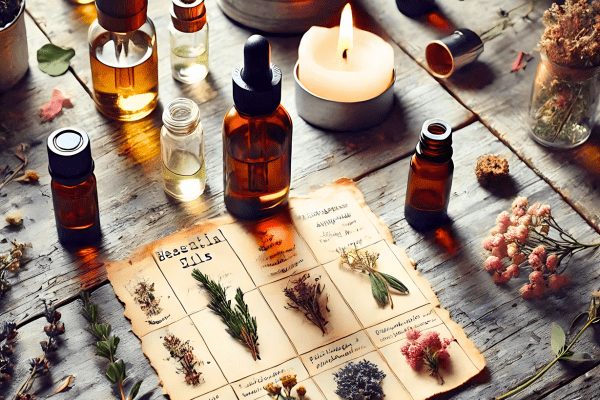
Introduction: Embrace the Art of Crafting Your Own Essential Oil Perfume
Imagine walking into a room and turning heads with a scent that’s uniquely yours—a fragrance that not only complements your personality but also leaves a lasting impression. Essential oil perfume recipes offer the perfect way to achieve just that. These DIY blends are free from harsh chemicals and artificial fragrances, allowing you to embrace natural, personalized scents that suit your every mood. Whether you’re a fan of floral notes or prefer something spicy, the possibilities are endless. In this article, we’ll guide you through the process of creating irresistible perfumes using essential oils and show you the top 8 recipes to get you started.
Why Choose Essential Oil Perfumes?
1. Natural & Non-Toxic
One of the biggest advantages of using essential oils for your perfumes is that they are natural and free from synthetic chemicals. Traditional store-bought perfumes often contain alcohol, parabens, and phthalates, which can irritate the skin and even affect your health over time. Essential oils, on the other hand, are derived from plants and offer a clean, chemical-free alternative.
2. Customizable Scents
Making your own perfume means you can tailor the fragrance to match your personality and preferences. Want something floral? Try blending lavender with jasmine. Looking for something deeper and woodsy? Cedarwood and sandalwood will do the trick. With essential oil perfume recipes, you can create a fragrance that’s entirely unique to you.
3. Aromatherapy Benefits
Many essential oils offer therapeutic benefits in addition to their scent. For instance, lavender is known for its calming properties, while peppermint can help to invigorate and energize. By choosing the right oils, you can craft a perfume that not only smells amazing but also enhances your emotional well-being.
4. Eco-Friendly & Sustainable
When you make your own perfume, you’re reducing waste. You can reuse glass bottles and reduce the environmental impact of mass-produced perfumes, which often come in plastic containers. Plus, essential oils are concentrated, so a little goes a long way, making them more cost-effective in the long run.
Essential Ingredients & Tools for Creating Your Own Perfume
Before diving into our essential oil perfume recipes, you’ll need a few key ingredients and tools. Here’s what you’ll need to get started:
1. Carrier Oils
Carrier oils help dilute the essential oils, making them safe for skin application. Some popular carrier oils include:

- Jojoba oil
- Fractionated coconut oil
- Sweet almond oil
- Grapeseed oil
2. Essential Oils
The star of the show! Here are some of the most popular essential oils to use in your perfume blends:
- Floral Scents: Lavender, Jasmine, Rose, Ylang-Ylang
- Citrus Scents: Lemon, Bergamot, Orange
- Earthy Scents: Sandalwood, Cedarwood, Vetiver
- Spicy Scents: Cinnamon, Clove, Patchouli
3. Tools
- Roller Bottles or Spray Bottles: Glass is the preferred choice as it helps preserve the fragrance longer.
- Pipettes: For easy and accurate measurement of essential oils.
- Measuring Tools: A small funnel or dropper to avoid mess when filling your bottle.
The Basics of Blending Essential Oils
Understanding the basic principles of blending essential oils is key to creating a balanced and harmonious fragrance. Typically, a good perfume is made up of three types of notes:
1. Top Notes (30%)
These are the first scents you smell when applying the perfume, and they are typically fresh and light. Examples include:
- Lemon
- Bergamot
- Grapefruit
2. Middle Notes (50%)
Also known as heart notes, these scents form the body of the perfume and last longer than the top notes. Examples include:
- Rose
- Jasmine
- Ylang-Ylang
3. Base Notes (20%)
These provide depth and richness to the perfume and tend to last the longest. Examples include:
- Sandalwood
- Patchouli
- Vanilla
The general rule of thumb is to follow the 30-50-20 ratio, meaning 30% top notes, 50% middle notes, and 20% base notes. This ensures that your perfume has a balanced scent that develops beautifully over time.
8 Best Essential Oil Perfume Recipes for Irresistible Scent
Now that you’re familiar with the basics, it’s time to try out some of the best essential oil perfume recipes that will leave everyone wondering what fragrance you’re wearing.
1. Sensual Floral Bliss
This floral blend is perfect for a romantic evening or a day when you want to feel elegant and feminine.
- 8 drops Ylang-Ylang
- 8 drops Sandalwood
- 4 drops Jasmine
- Fill with a carrier oil (10ml roller bottle)
2. Refreshing Citrus Bloom
If you’re looking for something uplifting and energizing, this citrus-based perfume will boost your mood.
- 6 drops Bergamot
- 6 drops Lemon
- 4 drops Rose
- Fill with a carrier oil
3. Warm & Spicy Elegance
A rich, deep fragrance that works well for the colder months or a night out.
- 7 drops Patchouli
- 5 drops Vanilla
- 4 drops Clove
- Fill with a carrier oil
4. Relaxing Lavender Dream
Perfect for a calming and soothing aroma that will help you unwind after a stressful day.
- 10 drops Lavender
- 5 drops Chamomile
- 3 drops Sandalwood
- Fill with a carrier oil
5. Earthy Woodland Musk
For those who prefer earthy, grounding scents, this perfume is a perfect choice.
- 6 drops Cedarwood
- 6 drops Vetiver
- 4 drops Frankincense
- Fill with a carrier oil
6. Sweet & Fruity Delight
A sweet, fruity fragrance that is light, playful, and perfect for spring and summer.
- 7 drops Sweet Orange
- 5 drops Ylang-Ylang
- 4 drops Vanilla
- Fill with a carrier oil
7. Energizing Mint & Citrus
If you need an instant pick-me-up, this refreshing mint and citrus perfume will energize you.
- 6 drops Peppermint
- 6 drops Lemon
- 4 drops Rosemary
- Fill with a carrier oil
8. Romantic Rose Infusion
An elegant and timeless fragrance that exudes femininity and grace.
- 8 drops Rose
- 6 drops Geranium
- 4 drops Sandalwood
- Fill with a carrier oil
How to Make & Store Your Perfume
Creating your own perfume is simple! Here’s how you can make it:
Step 1: Add Essential Oils
Start by adding your essential oils to the 10ml roller bottle. Use a pipette for accurate measurements to ensure the right balance of top, middle, and base notes.
Step 2: Fill with Carrier Oil
After adding the essential oils, fill the rest of the bottle with a carrier oil of your choice. Be sure to leave a little space at the top to prevent overflow.
Step 3: Shake & Let It Set
Close the bottle and shake it gently. Let the perfume sit for at least 24-48 hours to allow the oils to blend and the fragrance to develop.
Step 4: Store Properly
Store your homemade perfume in a cool, dark place to preserve its fragrance for as long as possible.
Tips for Long-Lasting Scent
To ensure your DIY perfume lasts longer and performs well, here are a few tips:
- Apply to Pulse Points: Apply perfume to areas like your wrists, neck, and behind the ears where the skin is warm. This helps diffuse the scent.
- Layer Scents: Enhance the fragrance by layering your perfume with a complementary body lotion or oil.
- Reapply as Needed: Since natural perfumes tend to fade faster than synthetic ones, keep a small bottle on hand for reapplication.
Conclusion: Create Your Signature Scent
DIY essential oil perfume recipes allow you to craft scents that are uniquely yours, without the harsh chemicals found in commercial perfumes. By following the recipes and tips shared in this article, you can create irresistible fragrances that are perfect for every occasion. Whether you’re looking for something light and refreshing or rich and earthy, these essential oil blends are sure to leave a lasting impression.
Take Action Now:
Try out one of the recipes, experiment with your own blends, and enjoy the process of creating a signature scent. Share your experiences in the comments below or explore more content on DIY essential oil perfume blends.
If you found this article helpful, feel free to share it with friends who might be interested in learning how to make their own essential oil perfumes!
Also, read👉🏻 10 Must-Try Essential Oil Perfume Blends for a Fabulous Scent
Frequently Asked Questions About Essential Oil Perfume Recipes
1. What are essential oil perfume recipes?
Essential oil perfume recipes are DIY blends created using natural essential oils to craft personalized fragrances. These perfumes are free from chemicals and alcohol, making them a safer and eco-friendly option compared to traditional store-bought perfumes.
2. How do I make my own essential oil perfume?
To make your own essential oil perfume recipes, you will need a carrier oil (like jojoba or coconut oil) and your choice of essential oils. Combine the oils in a glass bottle, starting with top, middle, and base notes, then fill the rest with the carrier oil. Shake gently and let it set for 24-48 hours to allow the oils to blend.
3. Which essential oils are best for perfume?
Some popular essential oils for perfumes include:
Floral: Lavender, Rose, Jasmine, Ylang-Ylang
Citrus: Lemon, Bergamot, Orange
Earthy: Sandalwood, Cedarwood, Vetiver
Spicy: Cinnamon, Clove, Patchouli
You can mix and match these oils to create a personalized fragrance.
4. Can I use any carrier oil for my perfume?
Yes, you can use various carrier oils for your perfume. Some of the most commonly used carrier oils are:
Jojoba oil
Sweet almond oil
Fractionated coconut oil
Grapeseed oil
Each carrier oil has its unique properties, but most will work well to dilute essential oils for safe skin application.
5. How long will my essential oil perfume last?
The longevity of your essential oil perfume recipes depends on the oils used and how you store the perfume. Typically, homemade perfumes last between 3-6 months when stored in a cool, dark place. You may need to reapply it more frequently, as natural perfumes tend to fade faster than synthetic ones.
6. Can I customize my own essential oil perfume recipes?
Absolutely! The beauty of essential oil perfume recipes is that you can tailor them to your preferences. Experiment with different combinations of top, middle, and base notes to create a fragrance that’s uniquely yours.
7. Do essential oils have therapeutic benefits in perfumes?
Yes! Many essential oils offer therapeutic benefits. For example:
Lavender and chamomile promote relaxation and stress relief.
Peppermint and citrus oils can boost energy and improve focus.
Rose and jasmine are known for their uplifting and mood-enhancing properties.
By selecting the right oils, you can enjoy both a pleasing scent and therapeutic benefits.
8. How do I apply my homemade essential oil perfume?
To apply your homemade perfume, roll it onto your pulse points, such as your wrists, behind the ears, and at the base of your throat. These areas emit heat, which helps diffuse the scent.
Discover more from innerspiritglow
Subscribe to get the latest posts sent to your email.
philucky https://www.usphilucky.org