
Introduction
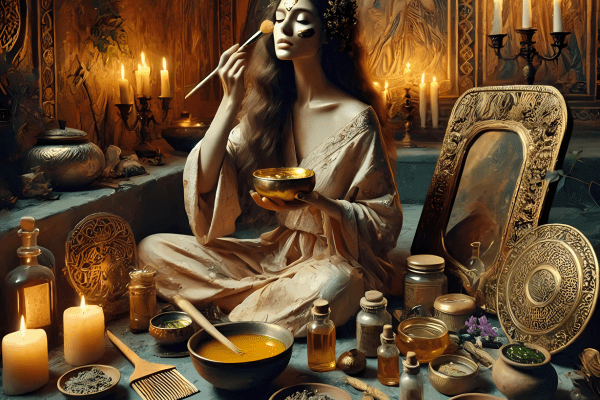
Skincare has always been a quest for timeless beauty, and ancient cultures were pioneers in discovering natural ways to enhance and maintain radiant skin. Exploring these ancient beauty secrets, passed down through generations, reveals effective practices that blend simplicity, nature, and science. From the healing properties of turmeric in India to the luxurious milk baths of Rome, these remedies continue to inspire modern skincare routines.
In this article, we’ll uncover seven time-tested beauty practices from around the world. Whether you’re seeking hydration, exfoliation, or rejuvenation, these ancient techniques offer practical solutions for healthier, glowing skin.
1. Turmeric (India): The Golden Glow Secret
Turmeric has been a cornerstone of Indian beauty rituals for centuries. Known as “the golden spice,” its anti-inflammatory and antioxidant properties make it a powerful tool for enhancing skin tone and reducing pigmentation.

How It Works:
- Curcumin, the active ingredient, reduces redness and fights acne-causing bacteria.
- Provides a natural glow by brightening dull skin.
How to Use:
- DIY Mask: Mix turmeric with yogurt and honey for a soothing face mask. Apply for 15 minutes and rinse with warm water.
- Spot Treatment: Combine turmeric with aloe vera for targeted application on blemishes.
Modern Tip: For convenience, try a turmeric-infused facial mask to save time and effort.
2. Olive Oil (Greece): Nature’s Moisturizer
The ancient Greeks discovered olive oil’s potential as a deep moisturizer, and its benefits extend beyond hydration. Rich in vitamins E and K, it repairs damaged skin and provides long-lasting softness.
Why It Works:
- Penetrates deep into the skin for nourishment.
- Protects against oxidative stress caused by environmental damage.
How to Use:
- Night Moisturizer: Apply a few drops of extra virgin olive oil to clean skin before bed.
- Gentle Scrub: Mix with sugar for a hydrating exfoliator.
Did You Know? Cleopatra reportedly used olive oil for her radiant skin. Modern options like a premium olive oil cleanser offer similar benefits.
3. Rose Water (Persian): A Floral Elixir for Skin
In Persian culture, rose water was considered the epitome of beauty care. Its calming and toning properties made it a staple in skincare routines.
Benefits:
- Acts as a gentle toner to balance pH levels.
- Soothes irritated skin and reduces redness.
How to Use:
- As a Toner: Dab rose water onto a cotton pad and apply after cleansing.
- Makeup Setting Spray: Spritz rose water over makeup for a refreshing finish.
Modern Tip: Opt for a natural rose water spray for convenience and portability.
4. Dry Sauna (Sweden): The Detox Ritual
Swedish women discovered the skin benefits of transitioning from a hot sauna to a cold environment. This practice improves blood circulation, detoxifies the skin, and promotes a healthy glow.

Why It’s Effective:
- Opens pores to release toxins.
- Enhances oxygen flow to the skin, improving its texture.
How to Use:
- Regular sauna sessions followed by a cold shower amplify results.
- Hydrate well before and after to maintain skin elasticity.
Pro Tip: If you can’t access a sauna, consider investing in a portable dry sauna system for home use.
5. Green Tea (Japan & China): The Antioxidant Powerhouse
Green tea, celebrated in Asian cultures, is a natural treasure for skincare. Rich in antioxidants, it protects against free radicals and boosts hydration.
Skin Benefits:
- Fights signs of aging like fine lines and wrinkles.
- Reduces puffiness and soothes irritated skin.
How to Use:
- Facial Rinse: Brew green tea, let it cool, and use as a rinse post-cleansing.
- Face Mask: Mix green tea powder with water to create a hydrating mask.
Modern Option: Incorporate a green tea-based moisturizer for daily protection and nourishment.
6. Aloe Vera (Egypt): The Healing Gel
Aloe vera was a staple in ancient Egyptian beauty routines, thanks to its cooling and healing properties. It’s perfect for soothing sunburns, hydrating skin, and reducing inflammation.
Why It’s Effective:
- Rich in vitamins A, C, and E, it rejuvenates the skin.
- Its anti-inflammatory properties help reduce redness and swelling.
How to Use:
- Apply fresh aloe vera gel directly to the skin as a moisturizer.
- Mix with a few drops of tea tree oil for an acne-fighting solution.
Try This: For convenience, use a pure aloe vera gel product to save time.
7. Milk Baths (Rome): Luxurious Exfoliation
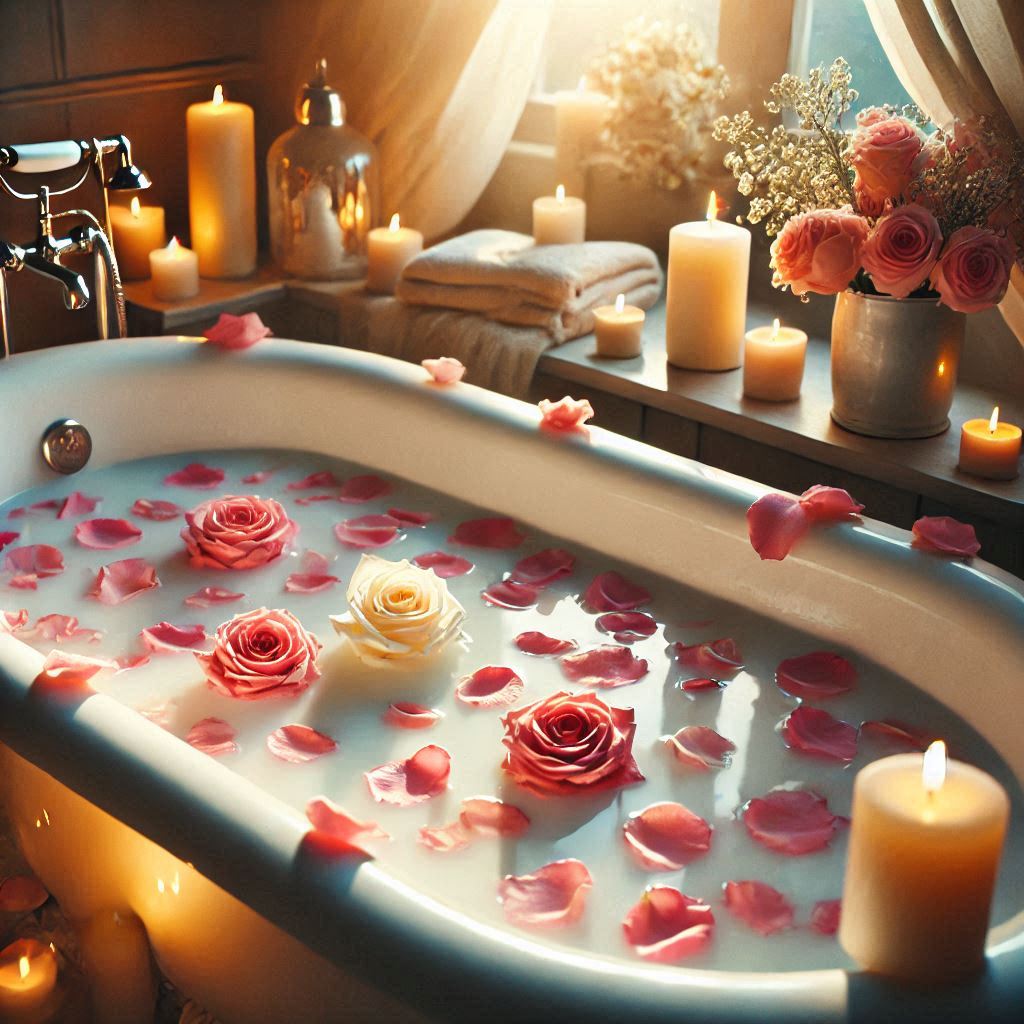
Roman women, including Cleopatra, were famous for indulging in milk baths to achieve soft, radiant skin. Lactic acid in milk gently exfoliates, removing dead skin cells and revealing a fresh layer of skin.
Benefits:
- Exfoliates without causing irritation.
- Hydrates and softens the skin, leaving it smooth.
How to Use:
- Add 2-3 cups of milk to warm bathwater. Enhance with honey or essential oils for added benefits.
- Soak for 20 minutes, then rinse off with warm water.
Modern Twist: A luxurious milk bath powder makes this ancient ritual accessible for modern lifestyles.
Conclusion
From the golden glow of turmeric to the luxurious softness of milk baths, these ancient beauty secrets are timeless treasures for modern skincare. Each method, rooted in history, offers simple yet effective ways to rejuvenate and enhance your natural beauty.
Whether you’re looking to hydrate, exfoliate, or heal, these remedies can transform your routine with nature’s touch. Try incorporating one or more into your skincare routine to experience the benefits firsthand.
Which of these ancient beauty secrets will you try first? Share your thoughts and experiences in the comments below! Don’t forget to explore more tips and tricks on natural skincare by browsing our related articles.
Frequently Asked Questions: Ancient Beauty Secrets
What are ancient beauty secrets?
Ancient beauty secrets are time-tested skincare and wellness practices rooted in historical cultures. These remedies often use natural ingredients like turmeric, olive oil, and aloe vera, and aim to enhance skin health, hydration, and radiance.
Why are ancient beauty secrets still relevant today?
These secrets remain popular because they use natural, chemical-free ingredients that offer proven benefits. Many modern skincare products are inspired by these traditional practices, making them accessible and effective in contemporary routines.
Can I try ancient beauty secrets at home?
Absolutely! Many of these remedies, such as turmeric masks, rose water toners, and olive oil moisturizers, can be easily made at home using common ingredients. Always do a patch test to ensure you don’t have any allergic reactions.
Which cultures are known for their ancient beauty secrets?
Various cultures have contributed to ancient beauty practices, including:
India: Known for turmeric and sandalwood.
Greece: Famous for olive oil.
Persia: Renowned for rose water.
Egypt: Celebrated for aloe vera and milk baths.
Japan and China: Praised for green tea and rice water.
Are ancient beauty secrets safe for all skin types?
Most ancient remedies are gentle and safe, but it’s important to consider your skin type and any sensitivities. For instance:
Dry Skin: Try olive oil or milk baths for hydration.
Oily Skin: Use green tea or rose water for a refreshing feel.
Sensitive Skin: Aloe vera and turmeric are soothing options.
Can ancient beauty secrets replace modern skincare products?
While they offer natural benefits, ancient beauty secrets can complement rather than completely replace modern skincare. Combining these remedies with scientifically formulated products can maximize results.
Where can I find products inspired by ancient beauty secrets?
Many skincare brands incorporate ancient beauty practices into their formulations. Look for products with ingredients like turmeric, rose water, or green tea to enjoy the benefits of these timeless secrets.
Discover more from innerspiritglow
Subscribe to get the latest posts sent to your email.
Pingback: Elite Combo: 4 Best Beauty Secrets from Around the World! - innerspiritglow
phtaya01 https://www.phtaya01.org