
Key Takeaways
- Zero White Cast: Transparent formulas work universally on all skin tones, eliminating the ‘chalky’ look.
- Hybrid Skincare: These serums deliver active ingredients like Vitamin C and Niacinamide while protecting.
- Makeup Primer: The gripping texture of SPF serums acts as a perfect base for foundation.
- Non-Comedogenic: Lightweight gel structures prevent clogged pores compared to heavy creams.
- Blue Light Defense: Many invisible serums offer protection against HEV light from screens.
You know the struggle: you apply the recommended amount of sunscreen, and suddenly you look like a ghost. Or worse, your makeup pills immediately, and your face feels like a grease trap by noon. This is the old era of sun protection.
For years, skipping sunscreen felt like the only way to avoid breakouts and ashiness, despite the looming threat of photoaging and UV damage. It was a choice between skin health and skin aesthetics. That choice is now obsolete.
Enter Invisible SPF Serums—the skincare hybrid that has completely disrupted the beauty industry. These aren’t just sunscreens; they are high-performance skincare treatments that happen to offer broad-spectrum protection. By switching to a clear, serum-based SPF, you aren’t just blocking UV rays; you are priming, treating, and perfecting your complexion in a single step. Here is exactly why you need to make the switch immediately.
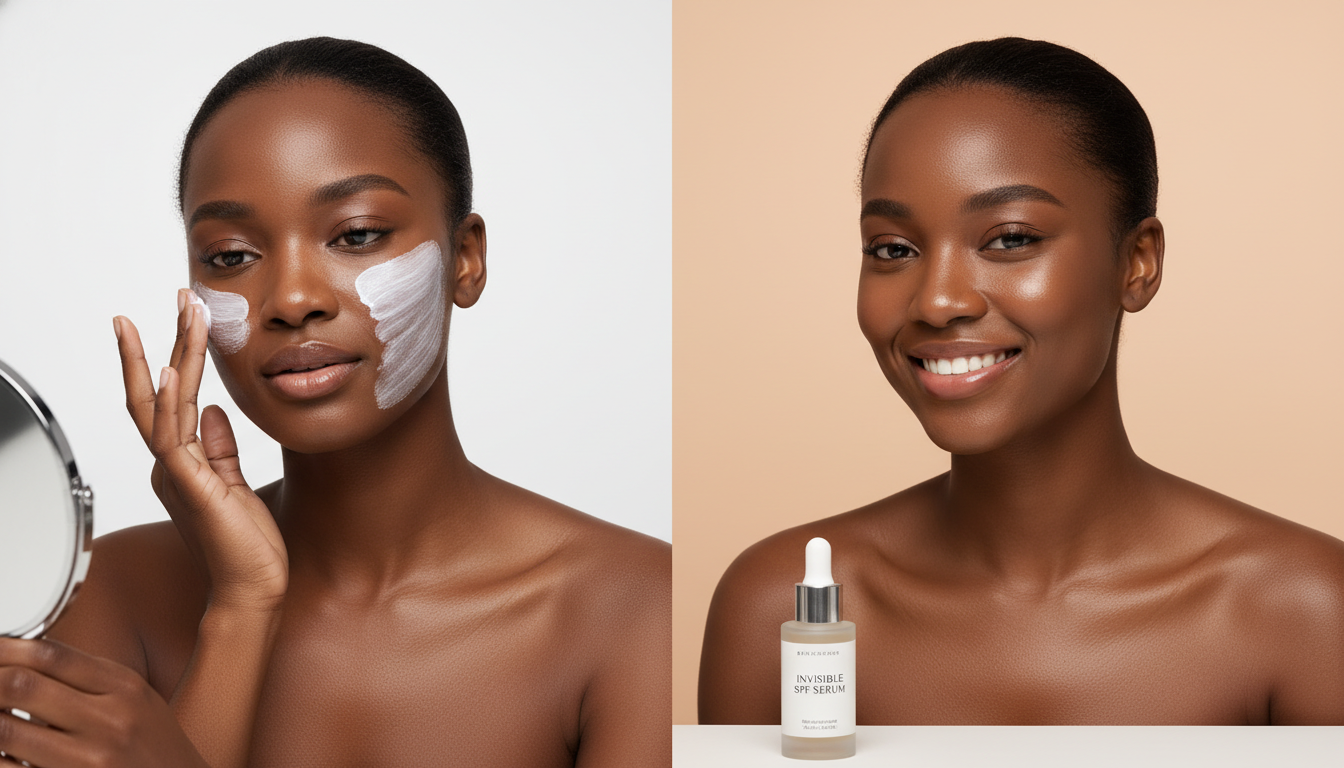
1. Zero White Cast on Any Skin Tone
The single most significant barrier to sunscreen adoption, particularly for those with melanated skin (Fitzpatrick types IV-VI), has historically been the ‘white cast.’ Traditional mineral sunscreens rely on Titanium Dioxide and Zinc Oxide, which sit atop the skin and reflect light, creating a purple or chalky hue. Even chemical sunscreens can leave a milky residue if not formulated correctly.
The Invisible Advantage:
Invisible SPF serums utilize advanced organic (chemical) filters like Avobenzone, Homosalate, and Octisalate dissolved in a clear, anhydrous (water-free) or gel-based solvent system. Because there are no physical particulate blockers, the formula is optically transparent.
- Universal Application: Whether you are porcelain pale or deep ebony, the finish is identical: completely clear.
- No Buffing Required: You don’t need to aggressively rub the product in to make it disappear, reducing friction-induced irritation.
- Instant Absorption: The clear nature implies a lack of heavy waxes, meaning it sinks in rather than sitting on top.
2. The ‘Glass Skin’ Aesthetic
K-Beauty popularized the concept of ‘Glass Skin’—complexions so hydrated and smooth they appear translucent. Traditional sunscreens often result in a matte, flat, or conversely, a greasy, oily appearance. Invisible SPF serums are engineered to bridge this gap.
The Glow Mechanism:
These serums often use a base of light silicones (like dimethicone) or fermented oils that mimic the skin’s natural lipid barrier. When light hits the face, instead of being scattered by white powder (mineral SPF), it is reflected cleanly, creating a dewy highlight.
| Feature | Traditional SPF Cream | Invisible SPF Serum |
|---|---|---|
| Finish | Matte or Greasy | Dewy / Satin |
| Texture | Heavy / Paste | Viscous Liquid / Gel |
| Light Reflection | Diffused / Dull | Specular / Shiny |
This finish makes the skin look healthy and hydrated immediately upon application, functioning as a standalone beautifier for ‘no-makeup’ days.

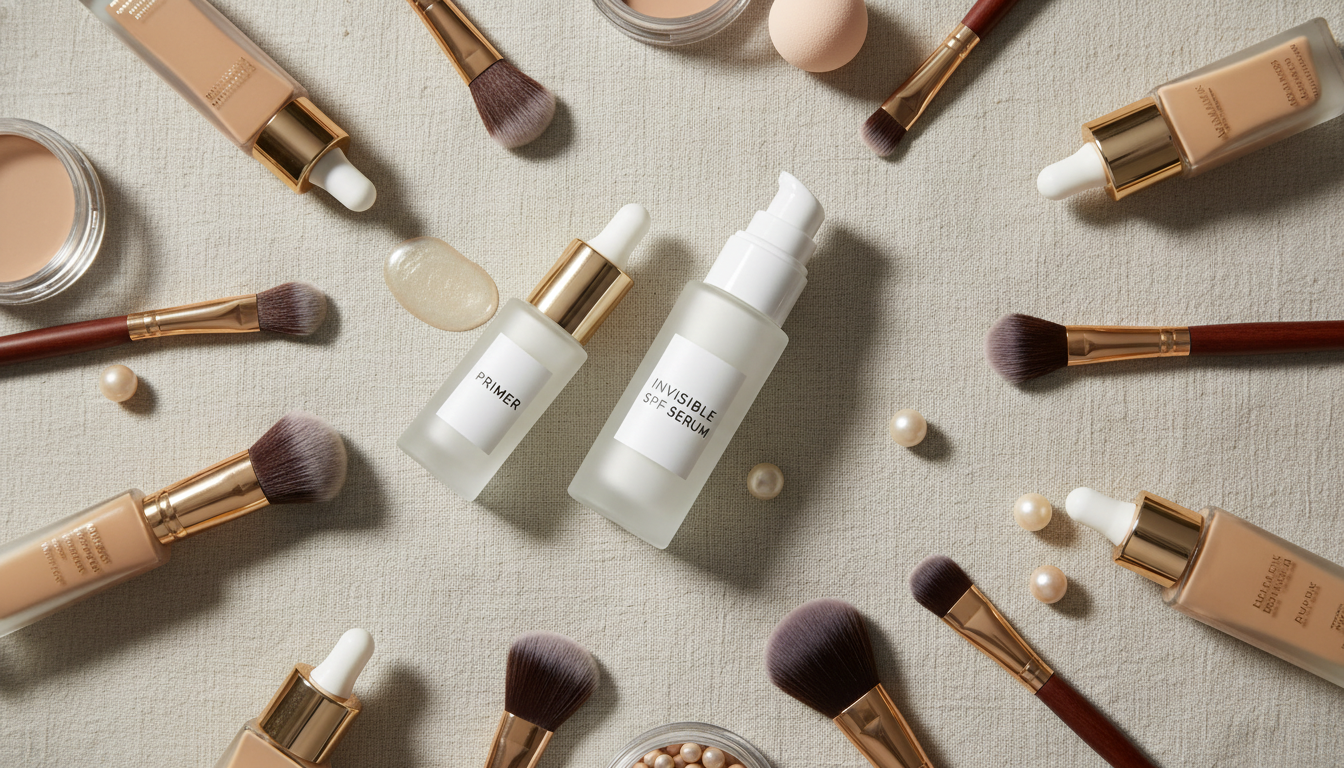
3. Built-In Makeup Primer
Layering skincare, sunscreen, primer, and foundation is a recipe for disaster (and pilling). One of the strongest arguments for switching to an SPF serum is its dual function as a high-performance makeup grip.
How It Works:
Many invisible SPF serums form a microscopic, breathable film over the skin. This film serves two purposes:
1. Locking in Filters: It keeps the UV protection uniform.
2. Gripping Pigment: It provides a tacky (but not sticky) surface that foundation adheres to better than bare skin.
Eliminating Steps:
By using an SPF serum, you effectively remove the ‘Primer’ step from your routine. The silicone-like slip of these serums fills in minor fine lines and creates a smooth canvas, preventing foundation from settling into pores. Professional makeup artists have largely switched to clear SPFs for editorial shoots because they do not cause ‘flashback’ (the white reflection seen in flash photography).
4. Non-Comedogenic for Acne-Prone Skin
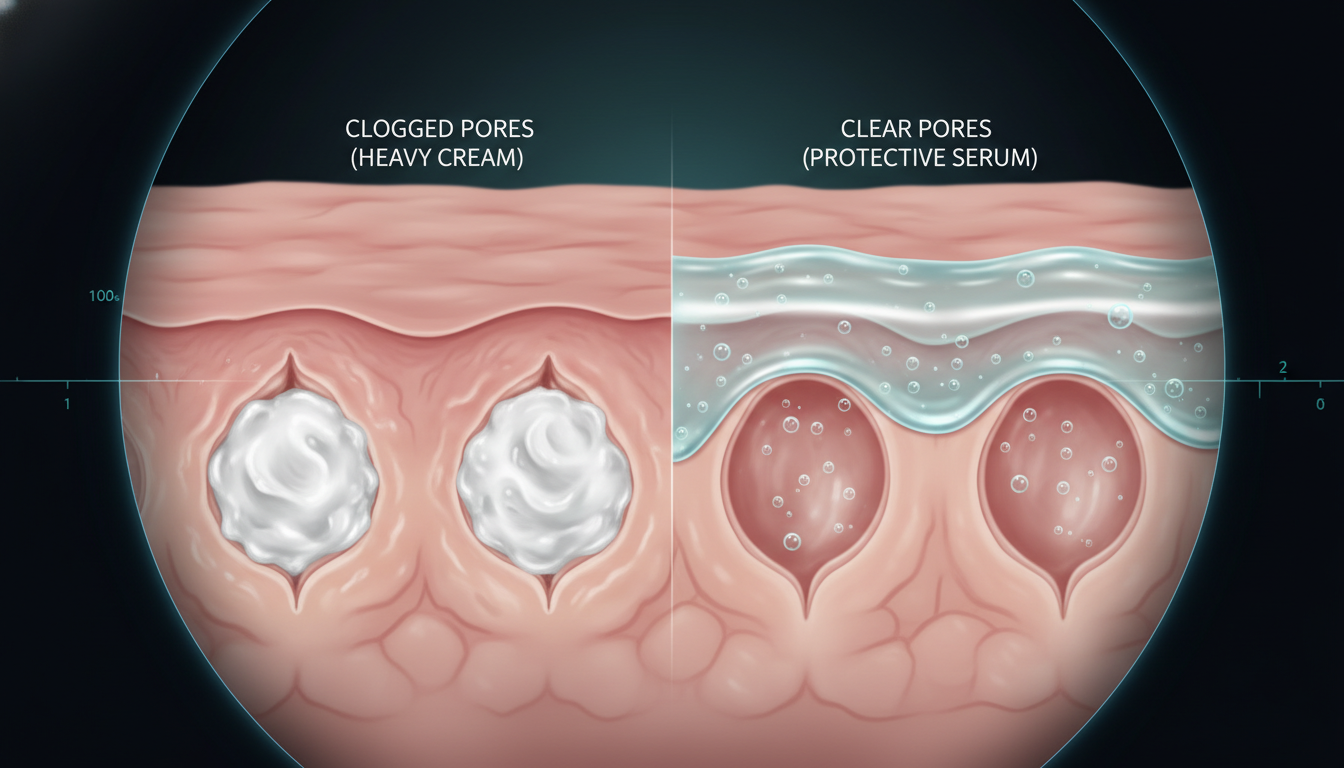
Acne sufferers often skip sunscreen because thick creams trap heat and sweat, creating an ideal breeding ground for C. acnes bacteria. Heavy emollients in traditional sunscreens can physically block the pilosebaceous unit (pore).
Why Serums are Safer:
- Water-Gel Textures: Most invisible SPFs are water-based or volatile-oil-based, meaning the carrier evaporates or absorbs quickly, leaving only the protection.
- Breathability: They do not form an occlusive seal that traps heat.
- Salicylic Acid Compatibility: Many modern SPF serums are formulated specifically for oily skin and may even contain trace amounts of exfoliants or oil-controllers.
If you have struggled with ‘sunscreen breakouts’ in the past, the culprit was likely the vehicle (the cream), not the filter itself. Switching to a serum texture eliminates the heavy waxes and butters responsible for congestion.
5. Delivery of Active Skincare Ingredients
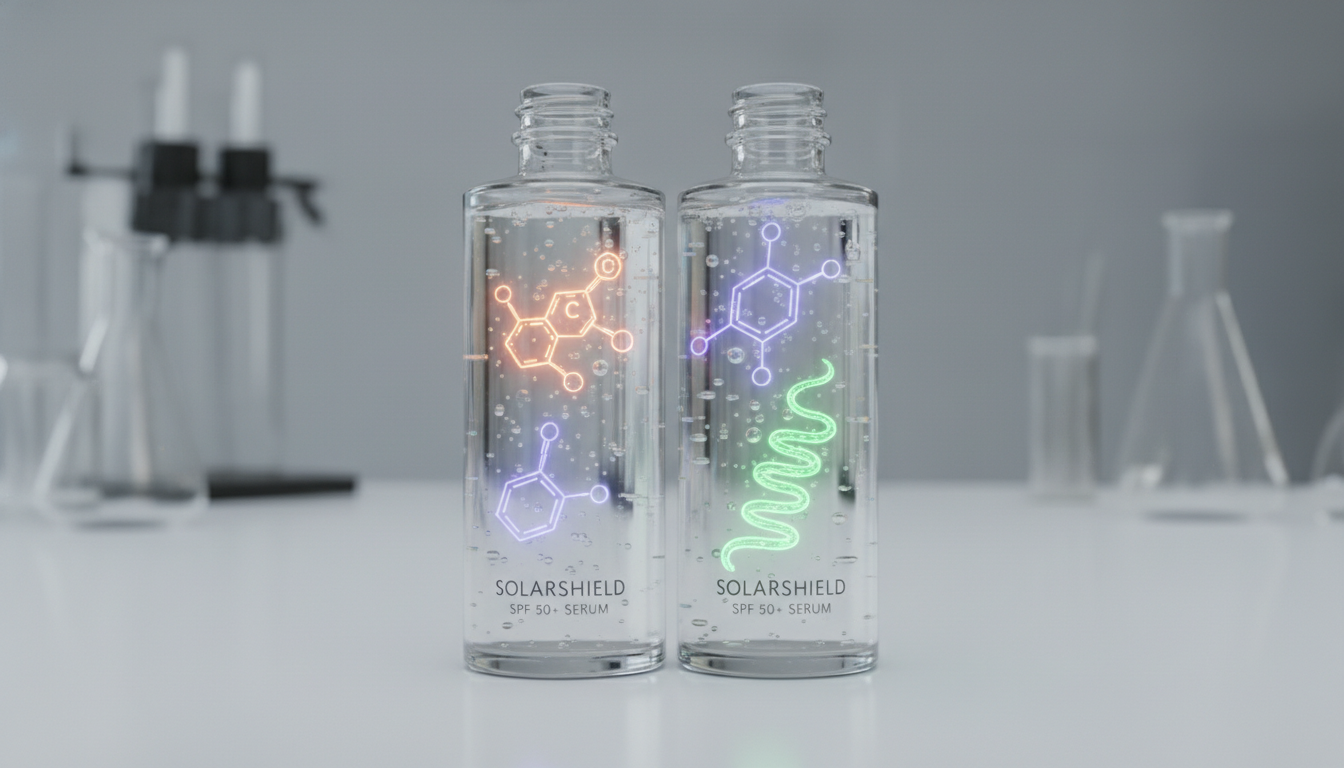
The modern consumer demands multitasking products. Invisible SPF serums are rarely just sunscreen; they are potent antioxidant cocktails. Because serum formulations are designed to penetrate the stratum corneum better than thick creams, they are excellent vehicles for active ingredients.
Common ‘Super-Additives’:
- Vitamin C: Stabilized Vitamin C (like THD Ascorbate) pairs perfectly with SPF. While SPF blocks UV rays, Vitamin C neutralizes the free radicals that manage to get through.
- Niacinamide: Helps control oil production and reduce redness while you wear your sun protection.
- Hyaluronic Acid: Provides deep hydration without adding grease.
Using an SPF serum means you are treating hyperpigmentation and dehydration while preventing future damage. It creates a synergy where 1 + 1 = 3.
6. No Pilling or Balling Up
‘Pilling’ occurs when products layered on top of each other are incompatible—usually oil-based vs. water-based—causing the product to roll off the skin in little balls. This destroys your sun protection coverage.
The Structural Difference:
Traditional SPFs often contain high levels of insoluble powders (minerals). When you rub them or apply foundation, these powders clump. Invisible SPF serums, being largely homogeneous solutions, have a much lower risk of pilling.
Layering Success:
Because they absorb fully and dry down to a thin film, they play well with almost all moisturizers and foundations. Whether you use a water-based tint or a silicone-based full-coverage foundation, a high-quality invisible SPF serum acts as a neutral interface, preventing texture conflict.
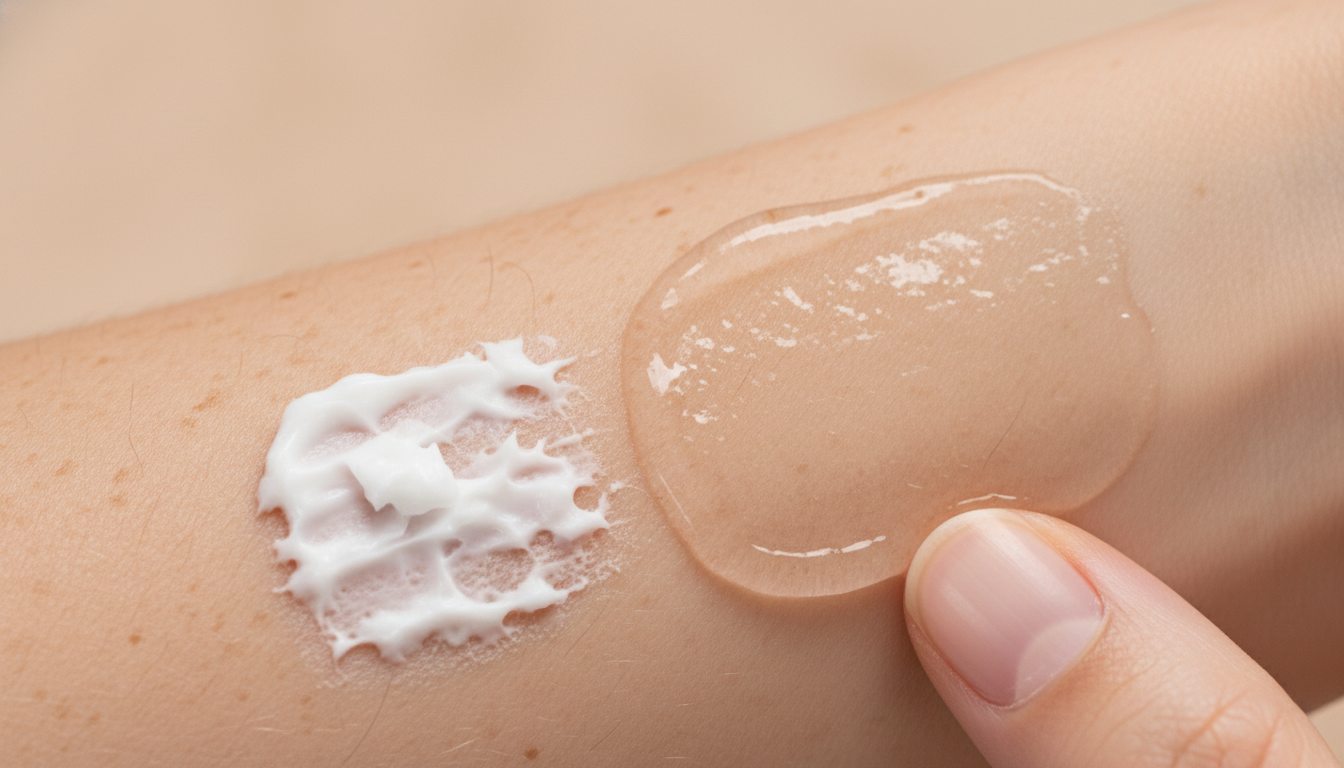
7. Superior Blue Light (HEV) Defense
We are no longer just fighting the sun; we are fighting our screens. High Energy Visible (HEV) light, or blue light, penetrates deeper into the skin than UVA/UVB rays, potentially contributing to premature aging and hyperpigmentation.
The Serum Solution:
While clear SPFs don’t use Iron Oxides (the usual blocker for blue light, which is tinted), innovative serum formulas now utilize specialized antioxidant complexes derived from ingredients like red algae, butterfly bush extract, or cocoa peptides.
These ingredients don’t physically block blue light (which would require opacity) but instead act as biological quenchers, neutralizing the specific oxidative stress caused by HEV exposure. This makes invisible serums a perfect choice for the office worker who sits in front of a computer all day but still wants sun protection for the commute.

8. Sweat and Humidity Resistance
Nothing feels worse than sunscreen ‘melting’ off your face on a humid day. The sensation of white streaks running down your neck is not only embarrassing but leaves you vulnerable to burns.
Polymer Technology:
Invisible SPF serums often utilize advanced film-forming polymers. Once the volatile solvents evaporate, these polymers cross-link to form a flexible, water-resistant mesh on the skin.
Because the product is lightweight, it doesn’t emulsify with sweat as easily as a heavy cream. This makes it an ideal choice for outdoor sports, beach days, or simply living in humid climates. You get protection that stays put without the heavy ‘mask’ feeling.

9. Cost-Efficiency (The 2-in-1 Factor)
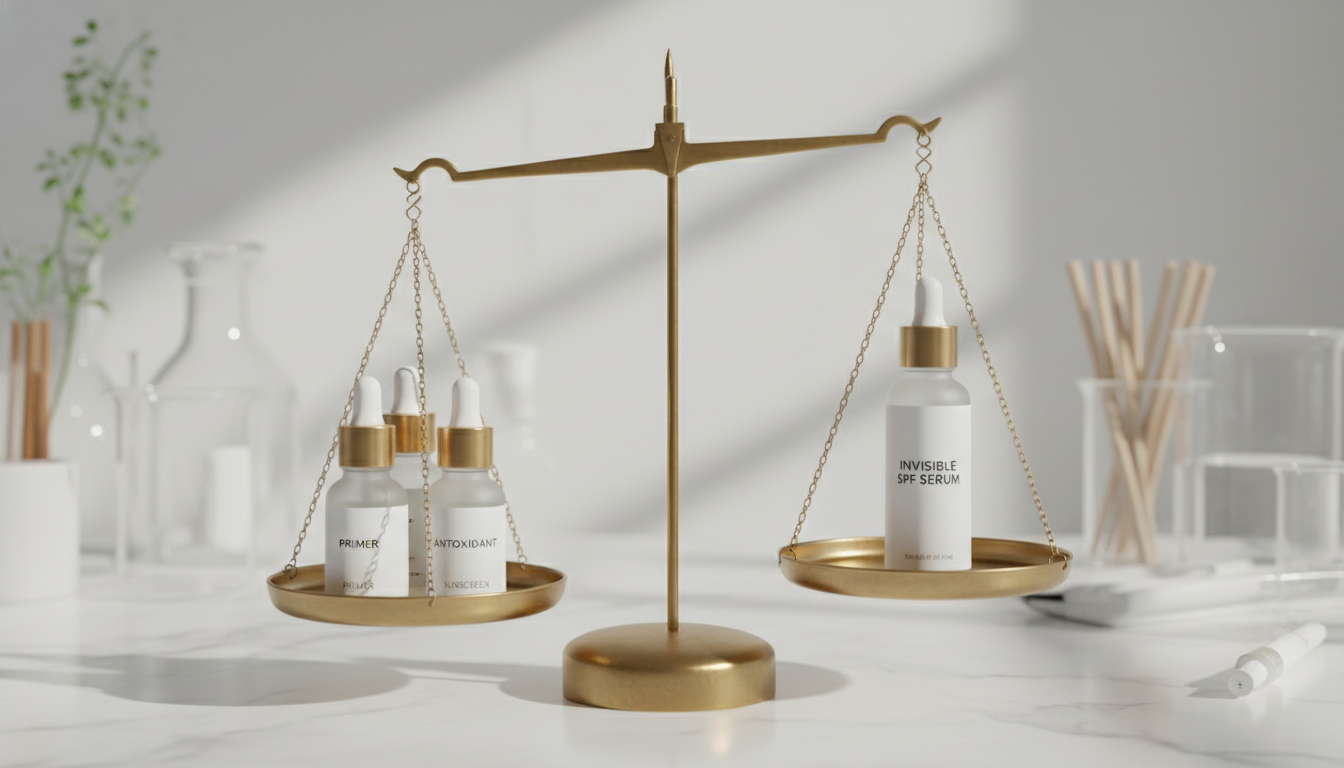
High-quality skincare is expensive. A Vitamin C serum can cost $80. A good primer is $40. A high-end sunscreen is $50.
Consolidating the Budget:
Invisible SPF Serums effectively combine these three steps. By switching to a $40-$60 invisible SPF serum, you are often eliminating the need to purchase a separate morning antioxidant serum and a makeup primer.
Product Waste:
Furthermore, because the product spreads so easily (high spreadability is a hallmark of serum textures), you waste less product trying to cover your face compared to stiff mineral creams that require large dollops to get decent coverage. While the price per ounce might seem higher initially, the consolidation of your routine makes it a financially savvy switch.
10. Barrier Repair Capabilities
Sun protection should not come at the cost of your moisture barrier. Older alcohol-heavy sprays or harsh chemical creams could strip the skin, leading to sensitization.
The New Generation:
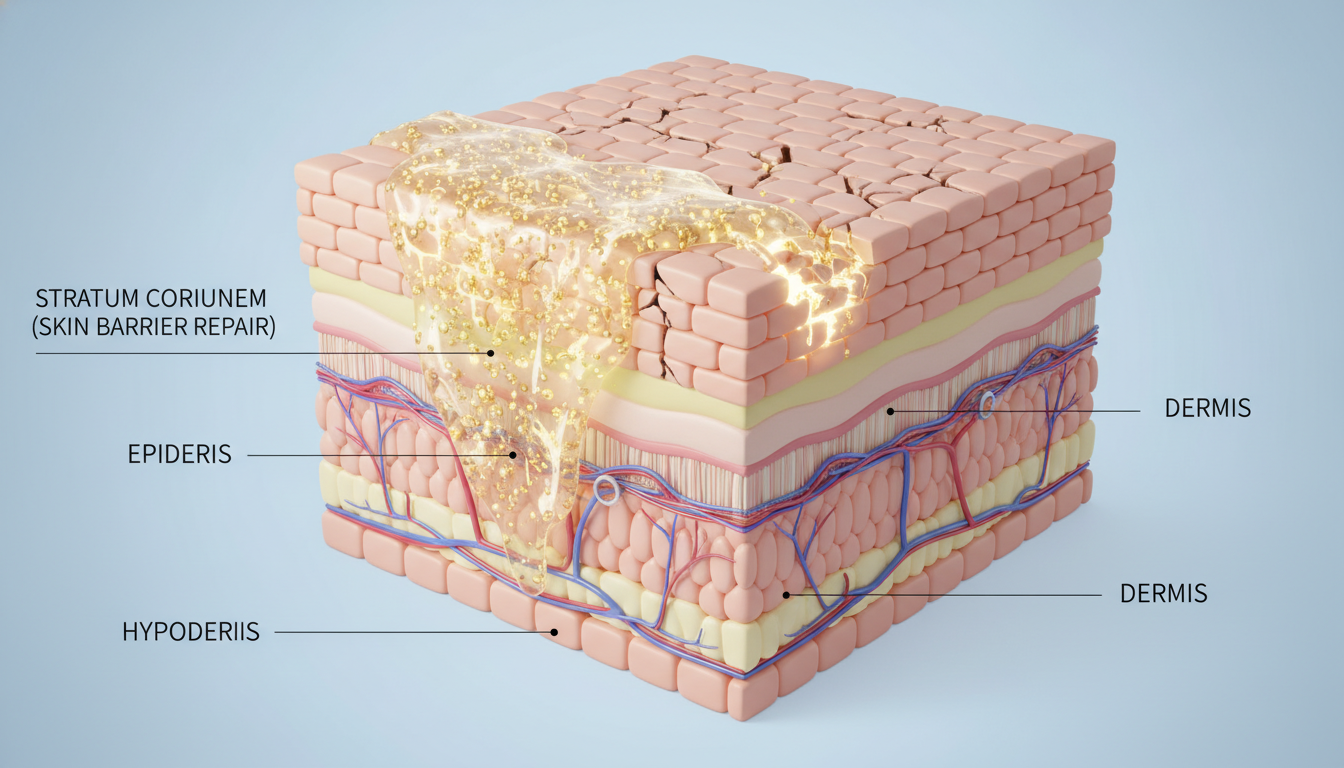
Newer invisible SPF serums are often formulated with barrier-identical lipids like Ceramides, Squalane, and Fatty Acids.
These ingredients reinforce the stratum corneum, helping to keep irritants (including UV rays and pollution) out while keeping hydration in. This turns your daily sun protection step into a reparative ritual. For those using Retinols or exfoliants at night, a barrier-supporting SPF serum is critical for daytime recovery.
11. Environmental Shield (Anti-Pollution)
UV rays aren’t the only environmental aggressor. Particulate matter (PM 2.5), smoke, and urban pollution can settle on the skin, causing inflammation and breaking down collagen.
The Non-Sticky Shield:
Sticky creams act as a magnet for pollution particles. If your face feels tacky, it is trapping dirt. Invisible SPF serums dry down to a non-sticky finish (often described as ‘velvet’ or ‘dry touch’).
This texture prevents particulate matter from adhering to the skin surface. Additionally, many formulas include specific anti-pollution complexes (like Ectoin or bacterial ferments) that prevent heavy metals in the air from penetrating the epidermis.

12. Ease of Reapplication
The golden rule of SPF is reapplication every 2 hours. With a white cream, this is a nightmare—layering cream over makeup results in a cakey mess.
The Serum Fix:
Because invisible serums are clear and lightweight, they can often be patted over makeup with a sponge without disturbing the look significantly. Alternatively, they are perfect for the hands and neck, areas often neglected during reapplication because people don’t want to get white residue on their clothes.
Zero Stain Risk:
Getting traditional sunscreen on a black t-shirt is a disaster. Invisible serums, being clear, minimize the risk of staining your collars and darker clothing, making you more likely to apply it generously and frequently.

Frequently Asked Questions
Can an invisible SPF serum replace my moisturizer?
Yes, for many skin types. If you have oily or combination skin, the hydrating ingredients (like Squalane or Hyaluronic Acid) in the serum are often sufficient. Dry skin types may still want a light moisturizer underneath.
Are invisible SPF serums mineral or chemical?
They are almost exclusively chemical (organic) or hybrid formulas. Mineral filters (Zinc/Titanium) are naturally white powders, making them impossible to render truly clear without nanotechnology that is technically distinct from these clear serum formulations.
Do invisible SPF serums cause stinging in the eyes?
Some older chemical filters can sting, but modern serums often use newer generation filters or encapsulation technology to minimize migration. However, it is always best to avoid the immediate eye area or use a mineral stick around the eyes if you are sensitive.
Is SPF 30 enough in a serum?
SPF 30 blocks approximately 97% of UVB rays, which is excellent for daily use. However, SPF 50 blocks 98%. The most important factor is the *amount* applied. You must apply the full recommended amount (approx. 1/4 teaspoon for the face) to get the label protection.
Can I use invisible SPF serum under makeup?
Absolutely. In fact, they are preferred under makeup because they act as a gripping primer and do not alter the color of your foundation or cause flashback in photos.
Are these serums safe for sensitive skin?
Generally, yes. Many are free from fragrance and essential oils. However, if you have a known allergy to chemical filters like Avobenzone, you should patch test first or look for ‘mineral-only’ serums (which are rare and usually tinted rather than clear).
How much SPF serum should I apply?
The ‘Two Finger Rule’ applies here. Squeeze two strips of serum along your index and middle finger. This ensures you are covering the face and neck adequately to achieve the SPF rating on the bottle.
Do invisible serums expire faster?
They have a similar shelf life to creams (usually 12 months after opening). However, because they are often in clear bottles, ensure you keep the bottle itself out of direct sunlight to protect the stability of the active ingredients.
You might also like:- YOUR WEEK in Serums: 7-Day Ultimate Power Routine for Glow!
Discover more from innerspiritglow
Subscribe to get the latest posts sent to your email.
jljl6 Online Casino Philippines: Easy Login, Register & App Download for the Best Slot Games Experience the ultimate jljl6 Online Casino Philippines! Enjoy fast jljl6 login, easy jljl6 register, and premium jljl6 slot games. Secure your jljl6 app download now for top-tier rewards and big wins. Play today! visit: jljl6
Hey, I’ve been using Nesime on Garantidennesine for a while now. It’s pretty smooth! Check it out nesime if you’re looking for a solid option.
Guys, is the Pagcor online casino app legit? I’ve heard mixed things, but thinking of trying it out. I just wanted to know if pagcor online casino app legit is true.
Just had a look at phplus. Not particularly amazing or really bad. Just there. See for yourself what you think phplus.