
Key Takeaways
- Superior UV Filters: Korean SPFs use next-generation filters like Tinosorb and Uvinul that are photostable and less irritating.
- The PA Rating System: Understanding the difference between SPF (UVB) and PA++++ (UVA) is crucial for anti-aging.
- Skincare First: Formulations often include Cica, Hyaluronic Acid, and Niacinamide to treat skin while protecting it.
- Cosmetic Elegance: Known for having zero white cast and a non-greasy, essence-like texture that works perfectly under makeup.
- Innovative Formats: From sun sticks to cushions, K-Beauty makes reapplication sanitary and easy.
Does applying sunscreen feel like a chore? For many, the daily SPF ritual is associated with thick, greasy pastes, stinging eyes, and a ghostly white cast that ruins makeup. It is the step we know we need, but often dread. This is why the Western world is waking up to Korean Sunscreen.
Unlike their Western counterparts, which are often regulated strictly as over-the-counter drugs (slowing down innovation), Korean sunscreens are treated as functional cosmetics. This regulatory difference has allowed K-Beauty labs to iterate rapidly, utilizing advanced filters that haven’t even been approved by the FDA yet. The result? High-protection formulas that feel like lightweight moisturizers rather than heavy shields. In this guide, we dive deep into the science, the ingredients, and the 10 critical reasons why making the switch isn’t just a trend—it’s an upgrade for your skin health.
1. Next-Generation UV Filters: The Science of Superiority
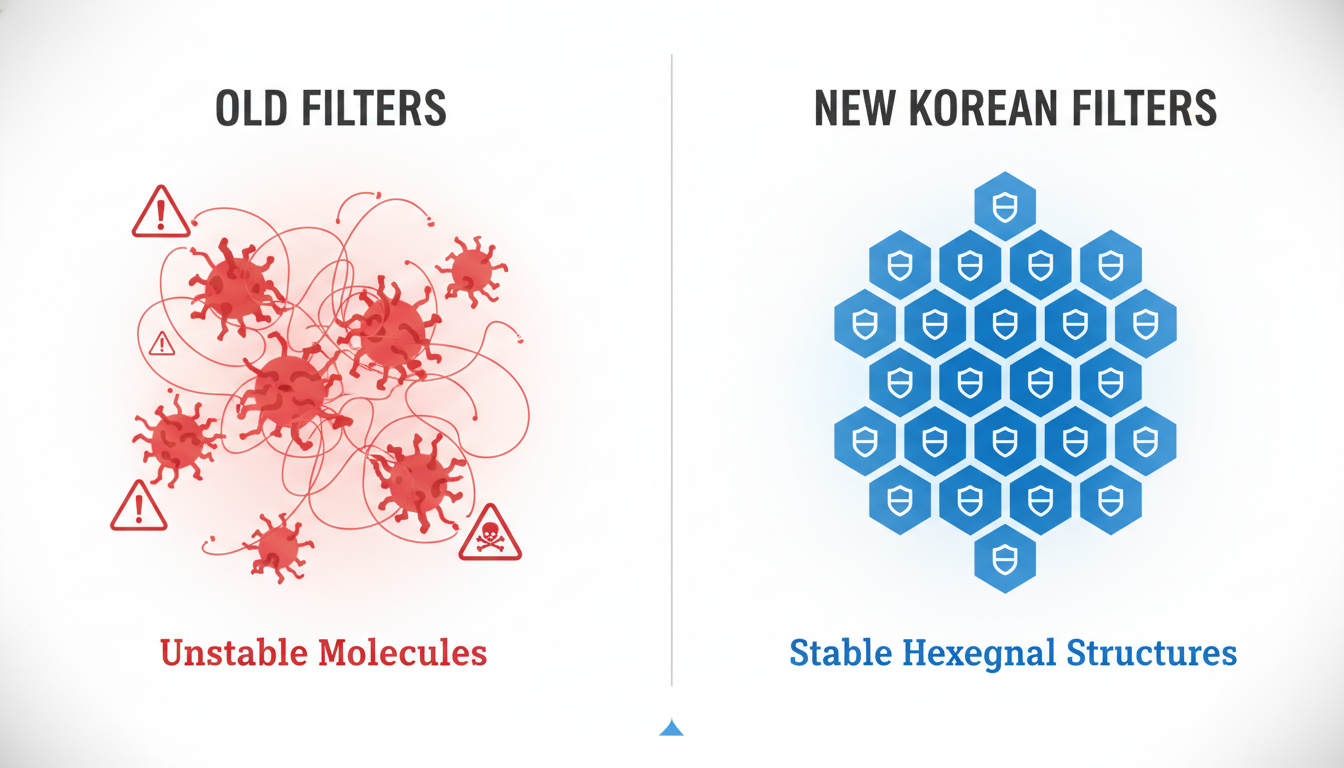
The primary reason Korean sunscreens outperform traditional Western options lies in the UV filters used. While the US FDA hasn’t approved a new sunscreen filter since the late 1990s, Korean manufacturers utilize advanced, photostable filters available in Asia and Europe.
Key Filters Missing in the US:
- Tinosorb S & M: Broad-spectrum protection that is highly photostable and doesn’t degrade quickly in sunlight.
- Uvinul A Plus: Specifically targets UVA rays (the aging rays) with high efficiency.
- Mexoryl SX/XL: Excellent protection against short UVA rays.
Why This Matters
Old-school chemical filters (like Avobenzone) often sting the eyes and degrade rapidly, requiring frequent reapplication just to maintain basic stability. The next-gen filters found in K-Beauty are encapsulated to minimize skin irritation and provide a smoother application. This technology allows for high SPF ratings without the heavy, oily vehicle required to stabilize older chemicals.
2. Decoding the PA Rating System (UVA Protection)
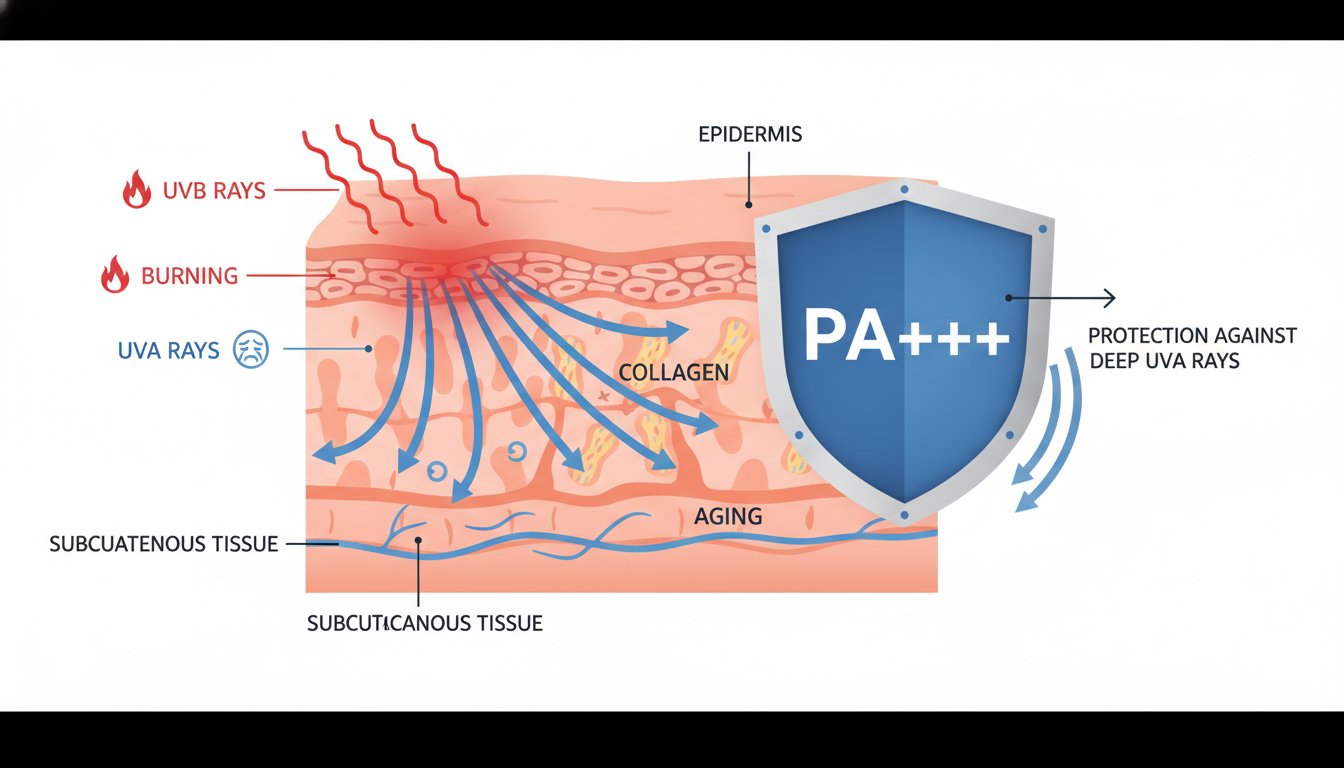
In the West, we obsess over SPF (Sun Protection Factor), which measures protection against UVB rays (burning). However, UVB rays only account for about 5% of UV radiation reaching the earth. The other 95% are UVA rays, responsible for photo-aging, wrinkles, and sunspots.
Korean sunscreens use the PA (Protection Grade of UVA) system to tell you exactly how much anti-aging protection you are getting.
| Rating | Protection Level | Usage Context |
|---|---|---|
| PA+ | Low | minimal exposure |
| PA++ | Moderate | casual daily wear |
| PA+++ | High | outdoor activities |
| PA++++ | Extremely High | intense sun, anti-aging focus |
Most top-tier Korean sunscreens boast a PA++++ rating, ensuring you are protected not just from burning, but from the deep cellular damage that causes premature aging.
3. Skincare-First Formulations: SPF as a Moisturizer
K-Beauty philosophy views sun protection as the final step of skincare, not a separate burden. Therefore, these products are formulated with active ingredients usually reserved for serums and moisturizers.
Common Ingredients found in K-Sunscreen:
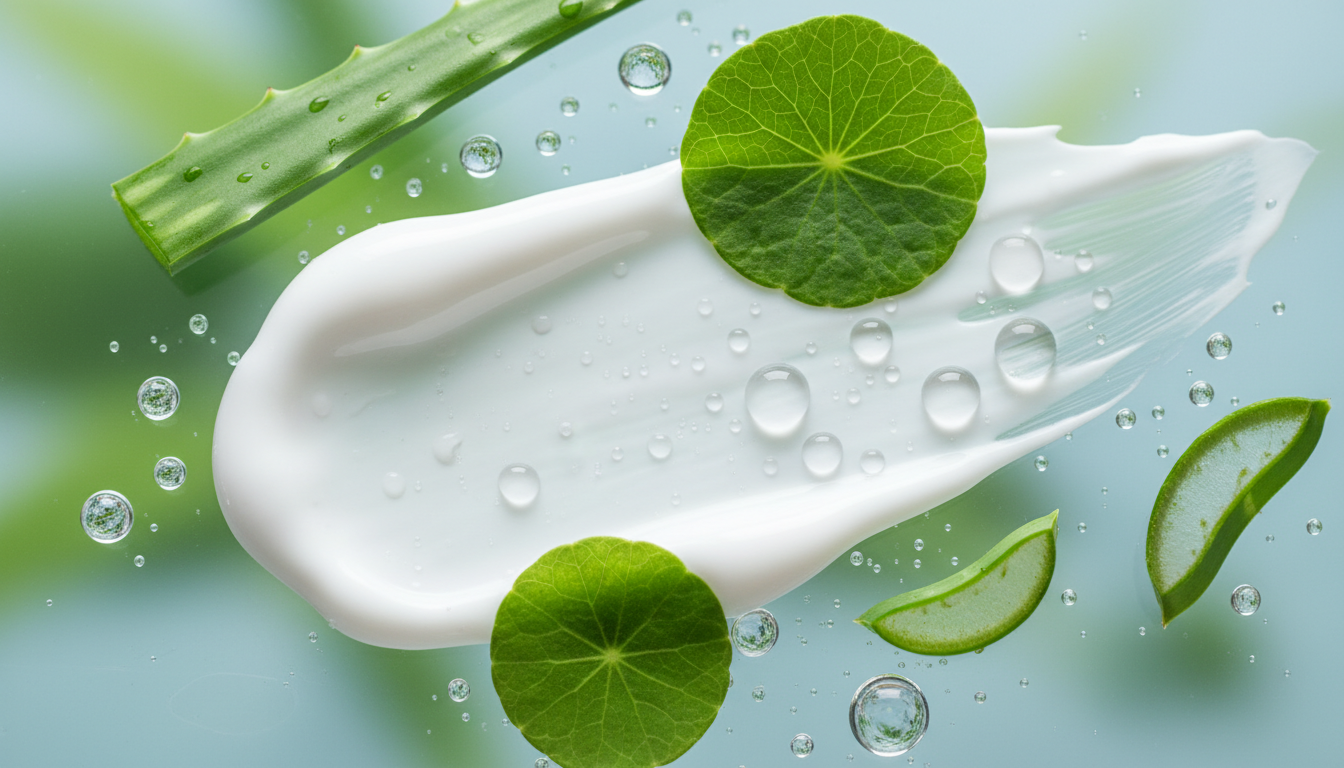
- Centella Asiatica (Cica): Calms redness and inflammation caused by heat.
- Hyaluronic Acid: diverse molecular weights to hydrate different skin layers.
- Niacinamide: Brightens skin tone and strengthens the barrier while you wear it.
- Birch Juice: A popular K-Beauty hydrator that is lightweight and vitamin-rich.
By incorporating these ingredients, Korean sunscreens allow many users—especially those with oily skin—to skip their morning moisturizer entirely, using the SPF as a 2-in-1 hybrid product. This simplifies the routine without compromising skin health.
4. The ‘Invisible’ Texture & Zero White Cast
The most common complaint about sunscreen is the white cast—the chalky residue left behind by physical blockers like Titanium Dioxide and Zinc Oxide. While Korean brands do offer physical sunscreens (often labeled ‘Mineral’), they have mastered micronization technology and hybrid formulas.
The Hybrid Advantage
Hybrid sunscreens mix chemical filters (for cosmetic elegance) with physical filters (for immediate protection). The result is a formula that:
1. Absorbs instantly like an essence.
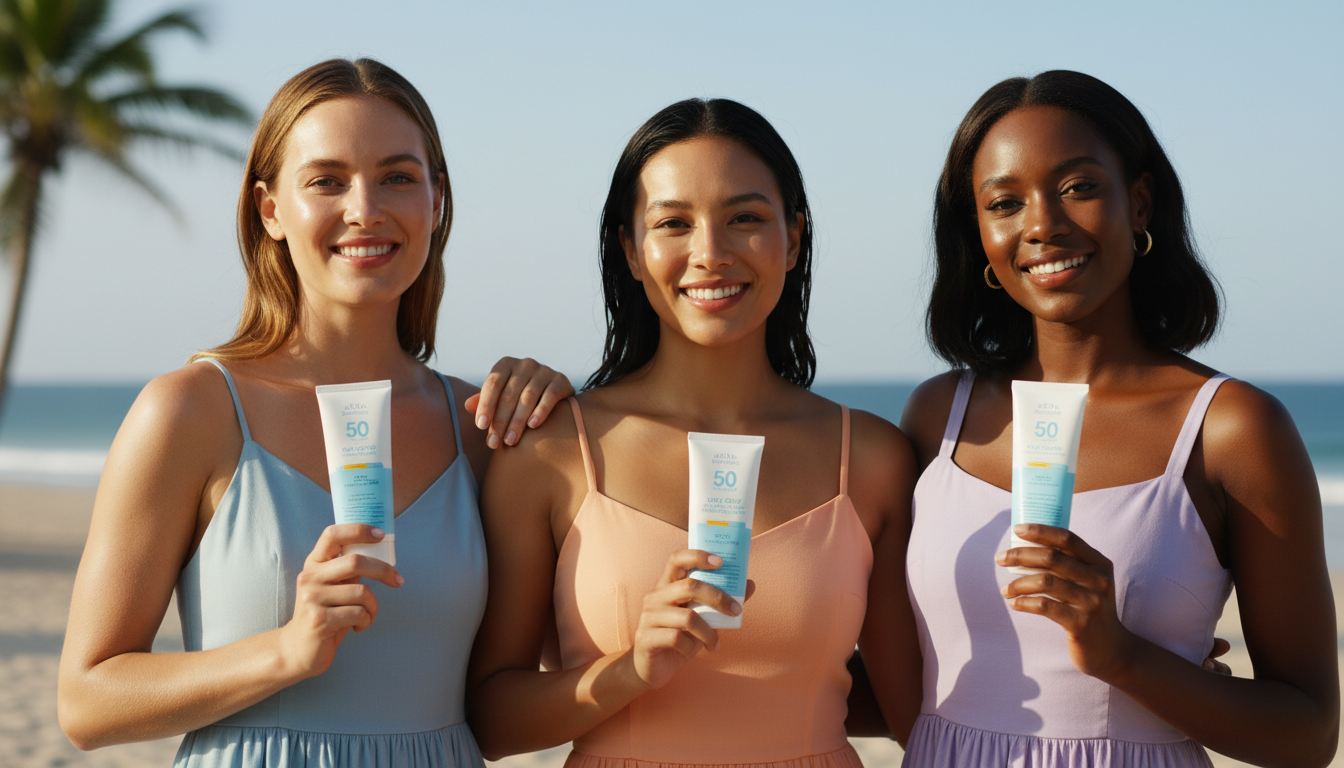
2. Leaves no white cast, even on deep skin tones.
3. Does not pill or ball up when rubbed.
For darker skin tones, Korean chemical sunscreens are often the “holy grail” because they are completely transparent, avoiding the purplish/gray hue common in Western mineral formulas.
5. Innovative Application: Sun Sticks and Cushions
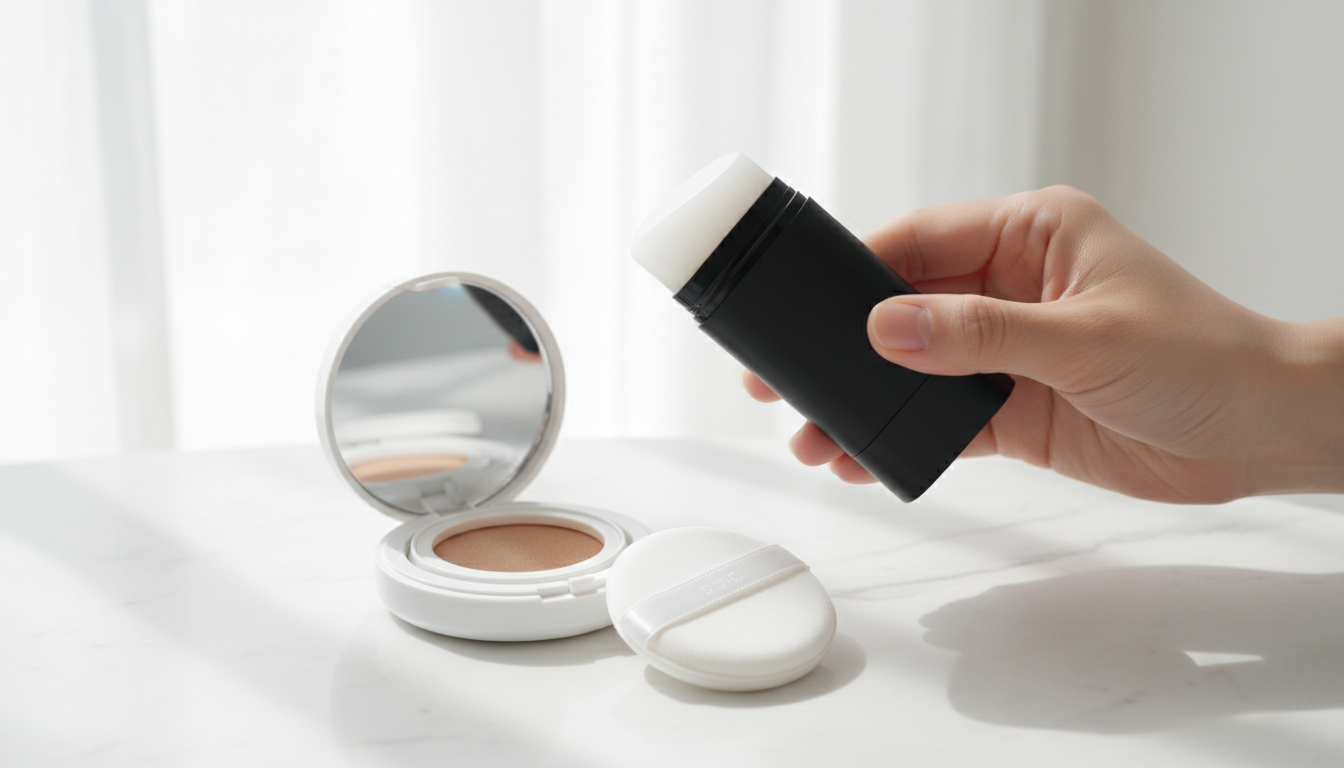
Reapplication is the golden rule of sun safety (every 2 hours), but reapplying a cream over a full face of makeup is a nightmare. Korea solved this with Sun Sticks and Sun Cushions.
- Sun Sticks: These look like deodorant bars but are formulated for the face. They are often matte (using silica powder to control oil) and can be swiped directly over makeup without moving the foundation. They are portable, solid, and leak-proof.
- Sun Cushions: Utilizing the famous ‘cushion compact’ technology, these deposit liquid SPF via a puff applicator. This allows for patting protection on top of makeup, adding a cooling effect and a fresh glow.
These formats remove the friction from reapplication, making it more likely that users will actually follow the 2-hour rule.
6. Specialized for Skin Types: Matte vs. Dewy
In the West, you often have to choose between ‘Sport’ (greasy) and ‘Daily’ (slightly less greasy). Korean sunscreens are hyper-segmented by finish.
For Oily Skin
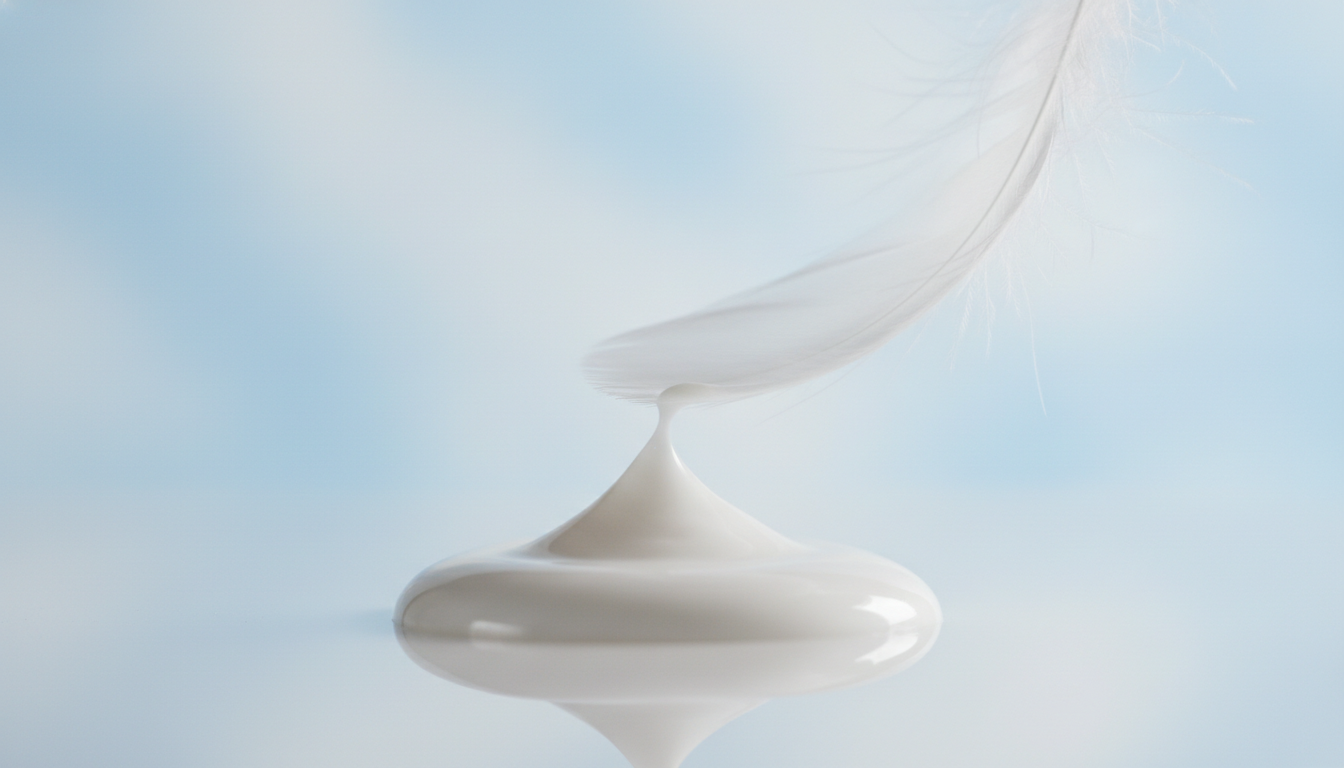
Look for terms like ‘Airy’, ‘Silky’, or ‘Cotton’. These formulas use porous powders to absorb sebum. Soft-finish sun milks are incredibly popular for leaving a velvety, primer-like base that controls shine all day.
For Dry Skin
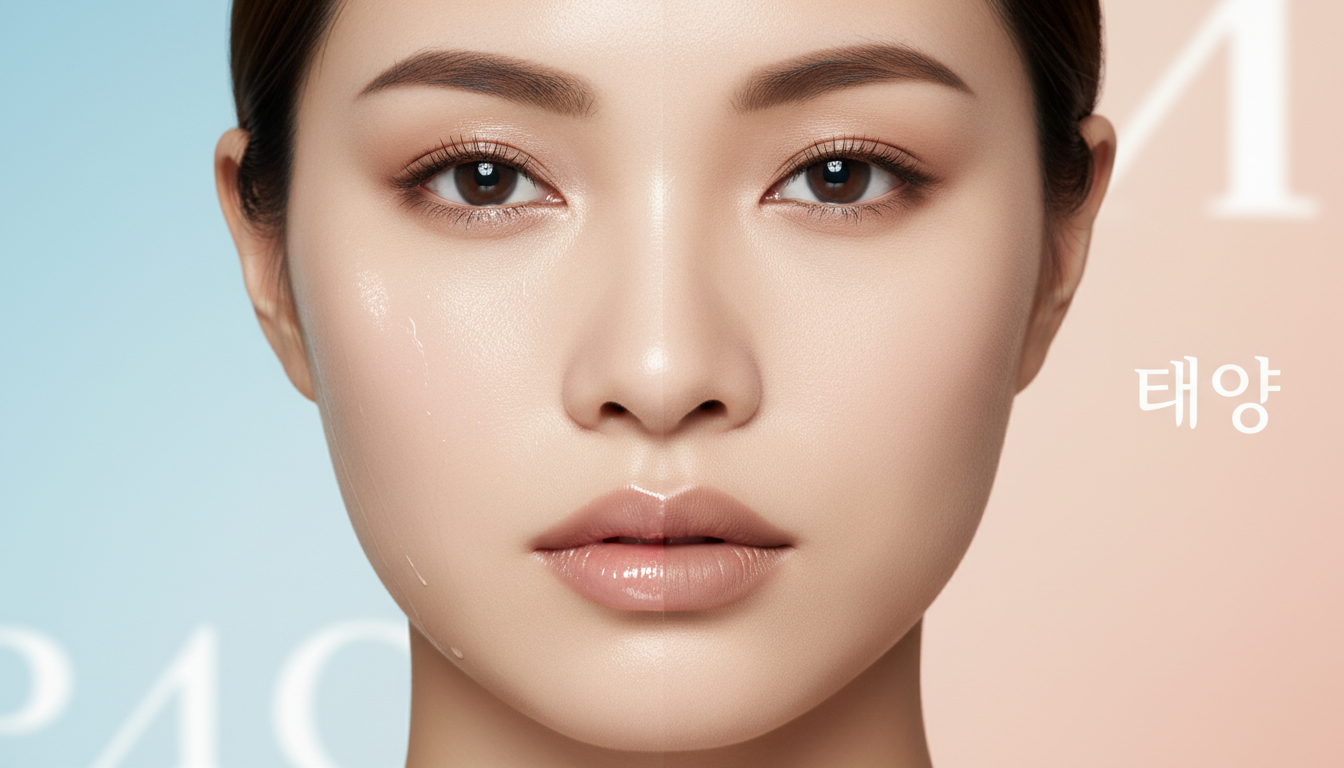
Look for ‘Watery Essence’, ‘Moisture’, or ‘Gel’. These utilize lamellar structures to trap moisture, creating the coveted ‘Glass Skin’ look—a finish that makes the skin appear luminous, translucent, and incredibly hydrated without being sticky.
7. The Sensitivity Factor: Low Irritation Profiles
Korean consumers typically have sensitive skin that is prone to pigmentation. Consequently, formulators avoid common irritants. You will rarely find high concentrations of denatured alcohol (unless balanced by hydrators) or harsh fragrances in the top-rated clinically tested SPFs.
‘Hypoallergenic’ isn’t just a marketing buzzword in Korea; it is often backed by rigorous patch testing data. Many formulas are specifically ‘reef-safe’ and ‘eye-sting free,’ addressing two of the biggest pain points for sensitive users. Ingredients like Heartleaf and Mugwort are frequently added specifically to lower the skin’s temperature and reduce irritation caused by UV heat (thermal aging).
8. Price-to-Performance Ratio
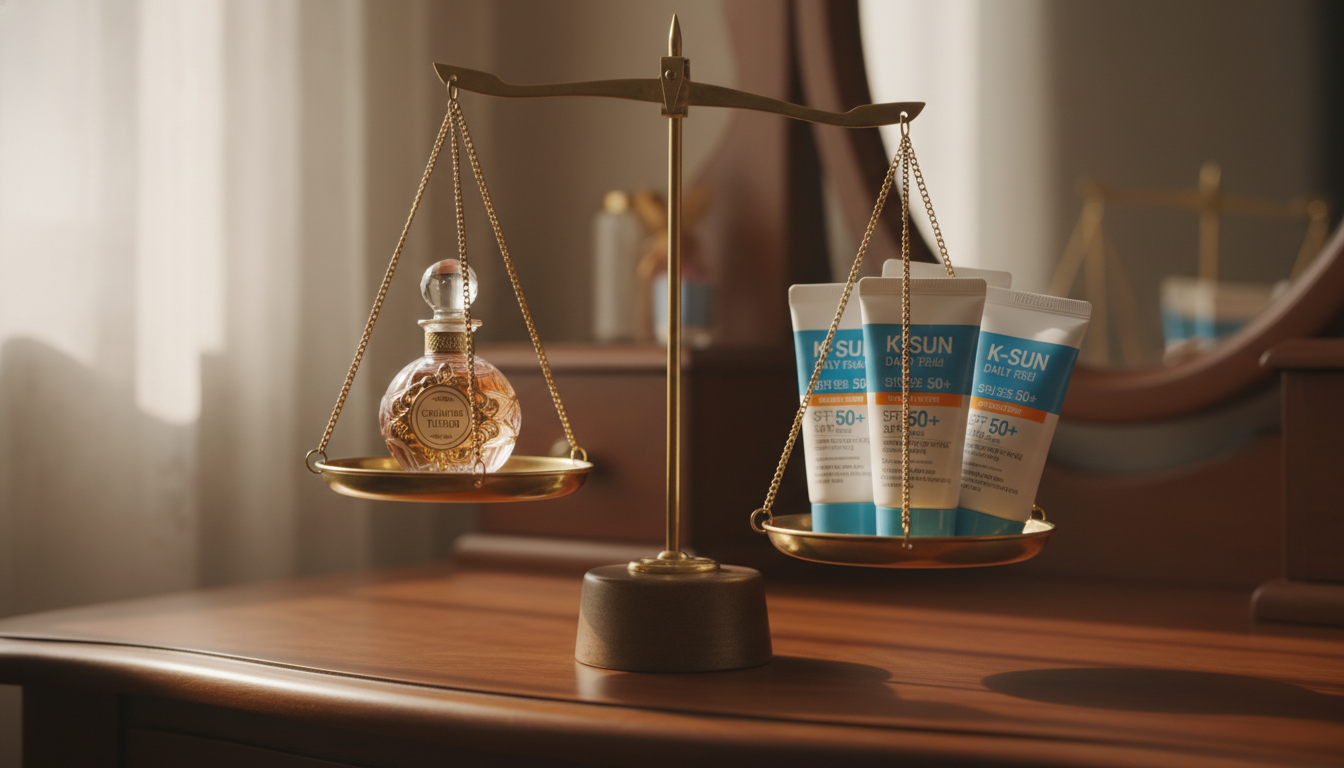
High-end Western sunscreens with comparable elegance (like those from luxury French pharmacy brands or department stores) often cost upwards of $40-$60 for 50ml. In contrast, top-tier Korean sunscreens typically retail between $15 and $25.
Because the market in Korea is so saturated and competitive, brands cannot overcharge. This affordability encourages liberal application. Dermatologists recommend using 1/4 teaspoon for the face alone; at a lower price point, consumers are less likely to ration their product, leading to better actual protection.
9. Blue Light and Pollution Defense
Urban environments pose threats beyond just the sun. Fine dust (pollution) and Blue Light (HEV light from screens and the sun) are major concerns in Seoul, a densely populated metropolis.
As a result, many Korean sunscreens are tested for Anti-Pollution properties (preventing particulate matter from sticking to the pores) and Blue Light blocking capabilities. This makes them ideal for office workers who sit in front of computers all day, as well as city dwellers exposed to smog. Ingredients like Iron Oxides (in tinted versions) and specific antioxidants are utilized to neutralize the free radicals generated by these environmental aggressors.

10. The Removal Ritual: Why It Matters
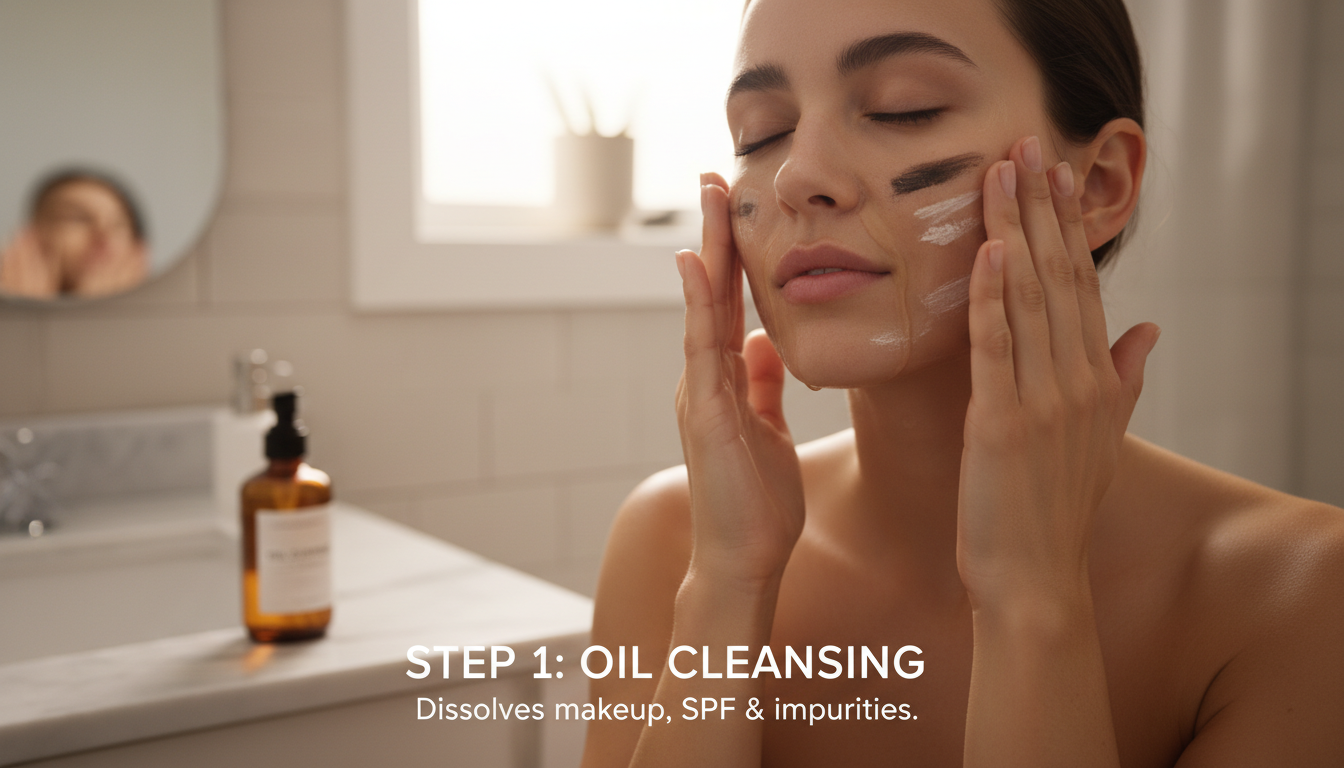
Because Korean sunscreens are designed to be tenacious (forming a film that lasts), removing them properly is just as important as applying them. This ties into the K-Beauty pillar of Double Cleansing.
While some lightweight chemical sunscreens can be removed with a regular water-based cleanser, most experts recommend starting with an Oil Cleanser or Cleansing Balm. This lipophilic step dissolves the UV filters, sebum, and silicones effectively. Trying to wash off water-resistant polymers with just water or a harsh foam often disrupts the barrier or leaves residue that clogs pores. Adopting Korean sunscreen usually means adopting the double cleanse, leading to clearer skin overall.
Frequently Asked Questions
Are Korean sunscreens FDA approved?
Technically, no. While they are approved by the KFDA (Korea) and often permitted in the EU, the specific filters used (like Tinosorb) are not yet approved by the US FDA. You can buy them legally online, but they are sold as ‘imported cosmetics’.
What is the difference between SPF 50+ and PA++++?
SPF 50+ measures protection against UVB rays (burning), while PA++++ measures protection against UVA rays (aging). You need high ratings in both for complete broad-spectrum coverage.
Do Korean sunscreens work for dark skin?
Yes, specifically the chemical and hybrid formulas. They are famous for being completely clear and leaving zero white cast, unlike many mineral sunscreens found in US drugstores.
Can I use Korean sunscreen if I have acne?
Absolutely. Look for ‘non-comedogenic’ labels and ingredients like Tea Tree or Centella Asiatica. K-Beauty sunscreens are generally lighter and less likely to clog pores than thick Western creams.
How often should I reapply sun stick?
Sun sticks should be reapplied every 2 hours, just like creams. Ensure you swipe back and forth 3-4 times over each area of the face to get adequate coverage.
What does ‘Watery Essence’ mean?
This is a texture descriptor common in K-Beauty. It means the sunscreen feels like a lightweight, hydrating serum that absorbs instantly, rather than a thick cream.
Is Korean sunscreen waterproof?
Not all of them. Many ‘daily’ sunscreens are designed for comfort and wash off easily. If you are swimming, look specifically for ‘Water Resistant’ or ‘Outdoor’ formulas.
Why do some Korean sunscreens smell like alcohol?
Some formulas use alcohol to help the product dry down quickly and feel weightless. However, high-quality brands balance this with hydrating ingredients so it doesn’t dry out the skin.
What is a ‘Physical’ vs ‘Chemical’ sunscreen in K-Beauty?
Physical (Mineral) uses Zinc/Titanium to reflect rays and is better for sensitive skin but may have a slight cast. Chemical absorbs rays and converts them to heat, offering better texture and no cast.
Where is the best place to buy authentic Korean sunscreen?
Stick to reputable K-Beauty retailers like Olive Young, YesStyle, Stylevana, or direct brand websites to avoid counterfeits.
You might also like:- My 10-Step Korean Beauty Routine: Achieve Flawless Skin with This Korean Beauty Routine
Discover more from innerspiritglow
Subscribe to get the latest posts sent to your email.
[8449]999pub Online Casino Philippines: Login, Register, and App Download for the Best Slots Experience. Join 999pub Online Casino Philippines for the ultimate gaming experience! Access your 999pub login, complete a quick 999pub register, and get the 999pub app download to enjoy the best 999pub slots and big wins. Experience the top-rated 999pub online casino today! visit: 999pub