
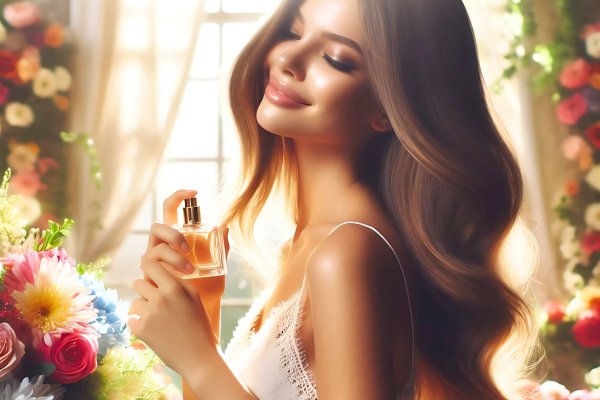
Discover the art of creating custom fragrances using natural ingredients and essential oils.
In a world that’s becoming increasingly ingredient-conscious, making your own perfume offers a refreshing alternative to store-bought fragrances. Conventional perfumes often contain synthetic compounds and alcohols that may irritate sensitive skin or trigger allergies. If you’re looking for a more personal, cleaner, and creative approach to scent, DIY natural perfumes are an empowering solution—and surprisingly easy to craft at home.
Whether you’re a fragrance enthusiast, a clean beauty advocate, or someone exploring creative hobbies, learning how to make your own perfume puts the power of scent back in your hands.
Why Make Your Own Perfume?
Customization is perhaps the biggest draw. With DIY perfumes, you control every drop—choosing ingredients that align with your preferences, mood, and even seasonal changes. No more settling for commercial fragrances that smell good in the bottle but don’t resonate with your personality.
Sustainability is another key benefit. You can opt for cruelty-free essential oils, reuse glass perfume bottles, and avoid harmful synthetics.
And then there’s cost-effectiveness. High-end perfumes can cost a fortune, yet their actual ingredient value is often a fraction of the price. By making your own, you get a premium experience at a fraction of the cost.
What You Need to Get Started
Making your own perfume doesn’t require fancy equipment. Here’s a list of the essentials:
- Essential Oils – These are the heart of your fragrance. Choose high-quality oils such as lavender, patchouli, rose, and sweet orange from reputable brands. Look for therapeutic-grade oils for skin safety.
- Carrier Oils – These dilute essential oils and help them spread on your skin. Jojoba oil is a popular choice because of its long shelf life and skin compatibility.
- Glass Bottles – Choose dark glass bottles to preserve the integrity of your perfume. A 10ml roller bottle or spray bottle works well.
- Droppers or Pipettes – For accurate measurements.
- Optional – Dried herbs or flowers like lavender buds or rose petals can be added for visual appeal and subtle aromatic depth.
For those new to essential oils, a good starter kit like a complete essential oil set can make experimenting more accessible and cost-effective.
Understanding Perfume Notes: The Foundation of Scent
Perfume crafting is both art and science. The balance between top, middle, and base notes creates a well-rounded fragrance.
- Top Notes: These evaporate quickly and are the first impression of your perfume. Think citrus oils like lemon or orange.
- Middle Notes: The heart of your scent, lasting longer and influencing the overall character. Oils like lavender and rose fall into this category.
- Base Notes: These linger the longest and provide depth. Patchouli, vanilla, and cinnamon are common choices.
A balanced perfume often includes a ratio of 30% top, 50% middle, and 20% base notes. Allow your perfume to rest for at least 48 hours—preferably a week—for the blend to mature.
4 Irresistible DIY Perfume Recipes
These easy-to-follow recipes are tailored to suit different moods and occasions, all using natural essential oils.
1. Flowery-Musk Blend
Warm, grounding, and subtly sweet.
- 11 drops Patchouli (base note)
- 10 drops Lavender (middle note)
- 6 drops Sweet or Blood Orange (top note)
- Optional: Add a pinch of dried lavender buds for an aromatic twist.
This blend is ideal for evening wear or a cozy night in. Patchouli anchors the fragrance while lavender softens it, and orange adds a touch of brightness.
2. Aromatic Sweet Blend
Feminine, floral, and delicately sweet.
- 6 drops Vanilla (base note)
- 10 drops Rose (middle note)
- 10 drops Orange (Sweet or Blood) (top note)
- Optional: Include dried rose petals for a romantic visual touch.
Perfect for daytime use or a gentle self-care ritual. The warmth of vanilla pairs effortlessly with the classic floral notes of rose and citrus.
3. Fresh Citrus Blend
Invigorating, crisp, and clean.
- 13 drops Lavender (middle note)
- 6 drops Lemon or Lemongrass (top note)
- 6 drops Orange (top note)
- Optional: Add dried lavender buds for a soothing aesthetic.
A morning favorite that energizes your senses without overpowering. Ideal for work, workouts, or hot summer days.
4. Sweet and Spicy Blend
Bold, warm, and unforgettable.
- 13 drops Lavender (middle note)
- 13 drops Lemon (top note)
- 13 drops Cinnamon (base note)
- Optional: Dried lavender buds for texture and contrast.
This blend brings confidence and comfort. Cinnamon adds a spicy kick, beautifully balanced by bright citrus and soft florals.
Application & Storage Tips
Apply your perfume to pulse points—wrists, neck, behind the ears—for optimal diffusion. Store it in a cool, dark place to maintain its potency, and always shake gently before use. If you’re planning to scale up, consider using a refillable atomizer for travel or on-the-go use.
Homemade perfumes, when stored correctly, have a shelf life of 6–12 months, depending on the carrier oil and ingredient freshness.
Customization Tips: Make It Truly Yours
- Start small: Test blends in 2ml vials before scaling.
- Journal your combinations: Track your favorite scent ratios and reactions.
- Adjust by season: Light, citrusy notes for summer; deeper, spicier ones for winter.
- Layer scents: Try blending complementary perfumes for unique results.
Final Thoughts
Making your own perfume is more than a craft—it’s a sensory journey that connects you with nature and your personal style. These four irresistible recipes are just the beginning. As you explore different combinations and refine your preferences, you’ll not only save money but also carry a scent that’s authentically you.
So go ahead—gather your oils, trust your nose, and make your own perfume that tells your story.
Also, read👉🏻 5 Irresistible Vanilla Perfume Recipes to Smell Divine Daily
Frequently asked questions
Is it safe to apply essential oils directly to the skin in perfumes?
No, essential oils should always be diluted.
Essential oils are highly concentrated and can cause irritation or allergic reactions if applied directly to the skin. Always mix them with a carrier oil like jojoba, sweet almond, or fractionated coconut oil when making your own perfume.
How long does homemade perfume last?
The shelf life of homemade perfume depends on the ingredients and storage. If stored properly in a dark glass bottle away from heat and sunlight, it can last 6 to 12 months. Using carrier oils with a long shelf life (like jojoba) helps extend the duration.
Can I use water or alcohol instead of carrier oils?
Yes, but with caution.
You can use alcohol (like vodka or perfumer’s alcohol) for a lighter, sprayable perfume, but it requires more resting time (up to 2 weeks) for the scent to mature. Water-based perfumes may separate quickly and have a shorter shelf life, so they require emulsifiers and preservatives if not used immediately.
What’s the ideal essential oil ratio for perfume blending?
A good rule of thumb is:
- 30% Top Notes (e.g., citrus)
- 50% Middle Notes (e.g., lavender, rose)
- 20% Base Notes (e.g., patchouli, vanilla)
Adjust these ratios based on personal preference and the strength of each oil.
Can I wear my DIY perfume immediately after making it?
Technically, yes—but it’s better to wait.
While you can apply your blend right away, it’s recommended to let it rest for 48 to 72 hours, or even up to a week. This allows the oils to fully combine and mature, resulting in a more harmonious scent.
What if I don’t like the scent I created?
No worries! Start with small batches so you can easily tweak or discard if needed. If a scent is too strong, try diluting with more carrier oil. Keep track of your recipe so you can adjust proportions next time.
Are DIY perfumes suitable for sensitive skin?
Yes, if made carefully.
Use high-quality, skin-safe essential oils and perform a patch test before applying a new blend. Avoid known irritants or allergens like cinnamon or clove if you have sensitive skin.
Can I gift homemade perfumes to others?
Absolutely!
DIY perfumes make thoughtful and personalized gifts. Just make sure to use clean, well-labeled bottles and include a note listing the ingredients, especially in case of allergies
How can I make the scent last longer on my skin?
Apply the perfume to moisturized skin, especially on pulse points like the wrists, neck, and behind the ears. Layering with unscented lotion before application also helps lock in the fragrance.
Where can I buy the ingredients for making perfume?
You can find essential oils and carrier oils at natural health stores or online through trusted retailers. Look for pure, therapeutic-grade essential oils and consider getting a starter essential oil kit for variety and value.
Discover more from innerspiritglow
Subscribe to get the latest posts sent to your email.
Alright, folks, let’s talk 32win13. So, I was a bit skeptical at first, but gotta say, pretty decent experience overall. Smooth navigation and a good selection of games. Could use a little more variety in promotions, but hey, what can you do? Check it out for yourself: 32win13