
Key Takeaways
- Biological Reset: Shaking activates the parasympathetic nervous system, transitioning the body from ‘fight or flight’ to ‘rest and digest’.
- Trauma Release: Animals instinctively shake to discharge adrenaline after danger; humans suppress this, storing trauma in the fascia.
- Cortisol Flush: A 60-second shake-out can physically metabolize built-up stress hormones instantly.
- Accessibility: No equipment or gym is required; somatic shaking can be performed anywhere, even in a bathroom stall.
- Emotional Regulation: Regular shaking prevents emotional stacking, reducing the likelihood of burnout and panic attacks.
Do you feel a constant, low-level hum of anxiety buzzing beneath your skin, even when you are trying to relax? You aren’t alone. In our modern world, we are constantly bombarded with micro-stressors—emails, traffic, notifications—that trigger our body’s ‘fight or flight’ response.
The problem is, unlike our ancestors who ran from predators, we sit still. We bottle it up. This trapped energy accumulates in our muscles and fascia, leading to chronic pain, insomnia, and emotional volatility. We try to ‘think’ our way out of stress, but the issue isn’t in your mind—it’s in your biology.
Enter the Somatic Shake-Out. This primal, scientifically-backed technique bypasses the cognitive brain to physically discharge stress hormones and reset your nervous system in under 60 seconds. It is the missing link between feeling wired and finding true calm. Below, we break down exactly how to harness this power through 11 comprehensive sections.
1. The Science Behind the Shake: Polyvagal Theory Explained
To understand why shaking works, we must look at Polyvagal Theory and the autonomic nervous system. When we perceive a threat, our sympathetic nervous system floods the body with cortisol and adrenaline to prepare for action. In the wild, an antelope chased by a lion will literally ‘shake off’ this excess energy once safe. This neurogenic tremor signals to the brain that the threat is over, completing the stress cycle.
Humans, however, have been socialized to remain still. We hold composure in board meetings and suppress reactions in traffic. This causes the stress cycle to remain open, trapping survival energy in the body. Somatic shaking mimics this primal discharge mechanism. By voluntarily shaking, we stimulate the Vagus nerve, which signals safety to the brain, manually shifting the body from a sympathetic state (high alert) back to a parasympathetic state (homeostasis and recovery). It is biohacking at its most fundamental level.
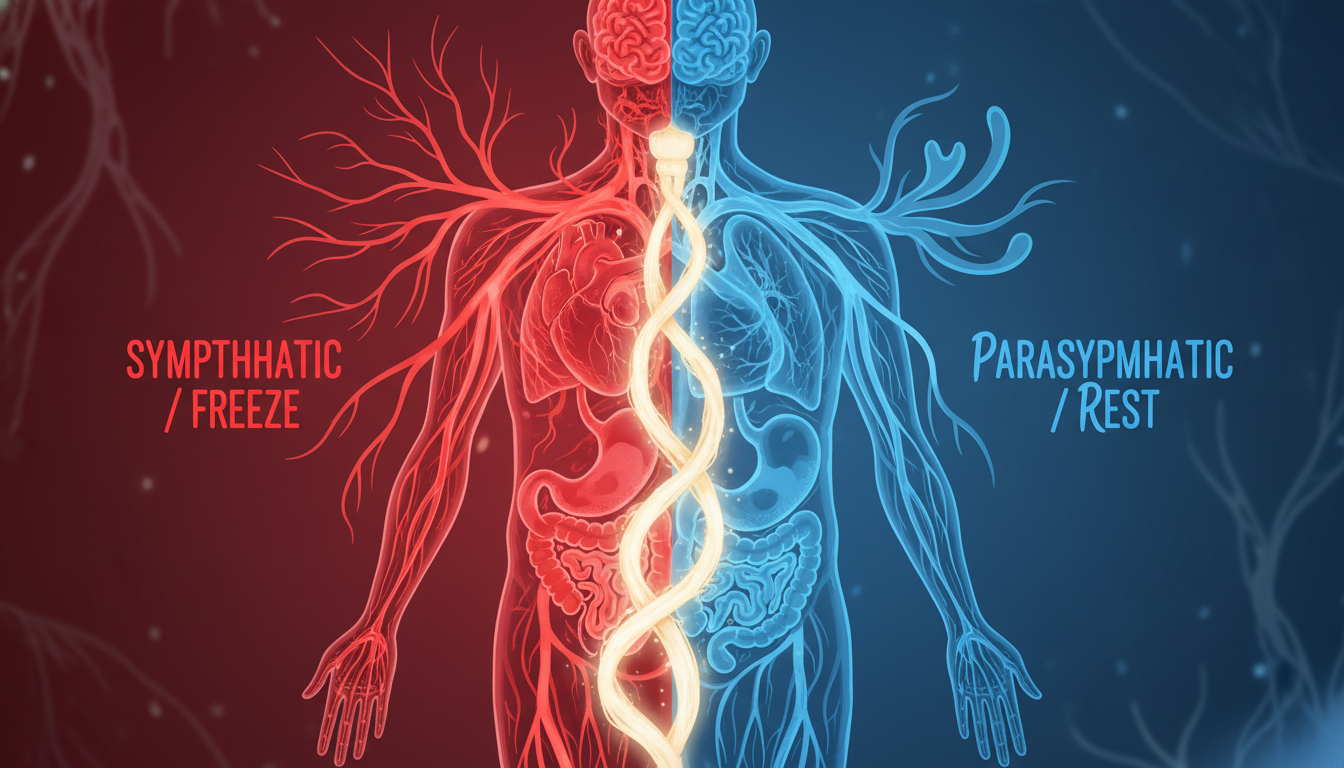
2. Identifying the ‘Freeze’ Response in Your Body
Before you shake, you must recognize what you are shaking off. The ‘Freeze’ response is a survival state where the nervous system is overwhelmed and shuts down. It manifests not as hyperactivity, but as numbness, dissociation, shallow breathing, and physical rigidity.
Signs you are stuck in a freeze state include:
- Jaw Clenching: Unconscious grinding or tightness in the masseter muscles.
- High Shoulders: Shoulders migrating toward ears, shortening the neck.
- Digestive Issues: Bloating or IBS symptoms caused by nervous system dysregulation.
- Cold Extremities: Blood flow diverted away from hands and feet.
Somatic shaking is particularly effective for the freeze response because it introduces movement where there is stagnation. It forces blood flow back into the extremities and breaks the pattern of immobility, literally thawing the nervous system out of its icy, protective shell.

3. The Core Benefits of Daily Somatic Shaking
Integrating shake-outs into your daily routine offers benefits that extend far beyond temporary relief. It is a cumulative practice that builds resilience.
Key Benefits Include:
1. Reduced Inflammation: Chronic stress is pro-inflammatory. By lowering cortisol levels regularly, you reduce systemic inflammation.
2. Improved Lymphatic Drainage: The physical bouncing motion acts as a pump for the lymphatic system, which lacks its own heart, helping detoxify the body.
3. Better Sleep Architecture: Discharging residual adrenaline before bed allows for deeper REM and Deep sleep cycles.
4. Emotional fluidity: Shaking often releases trapped emotions (tears or laughter), preventing emotional suppression that leads to outbursts later.
5. Fascial Release: It hydrates the fascia (connective tissue), reducing stiffness and improving mobility without traditional stretching.
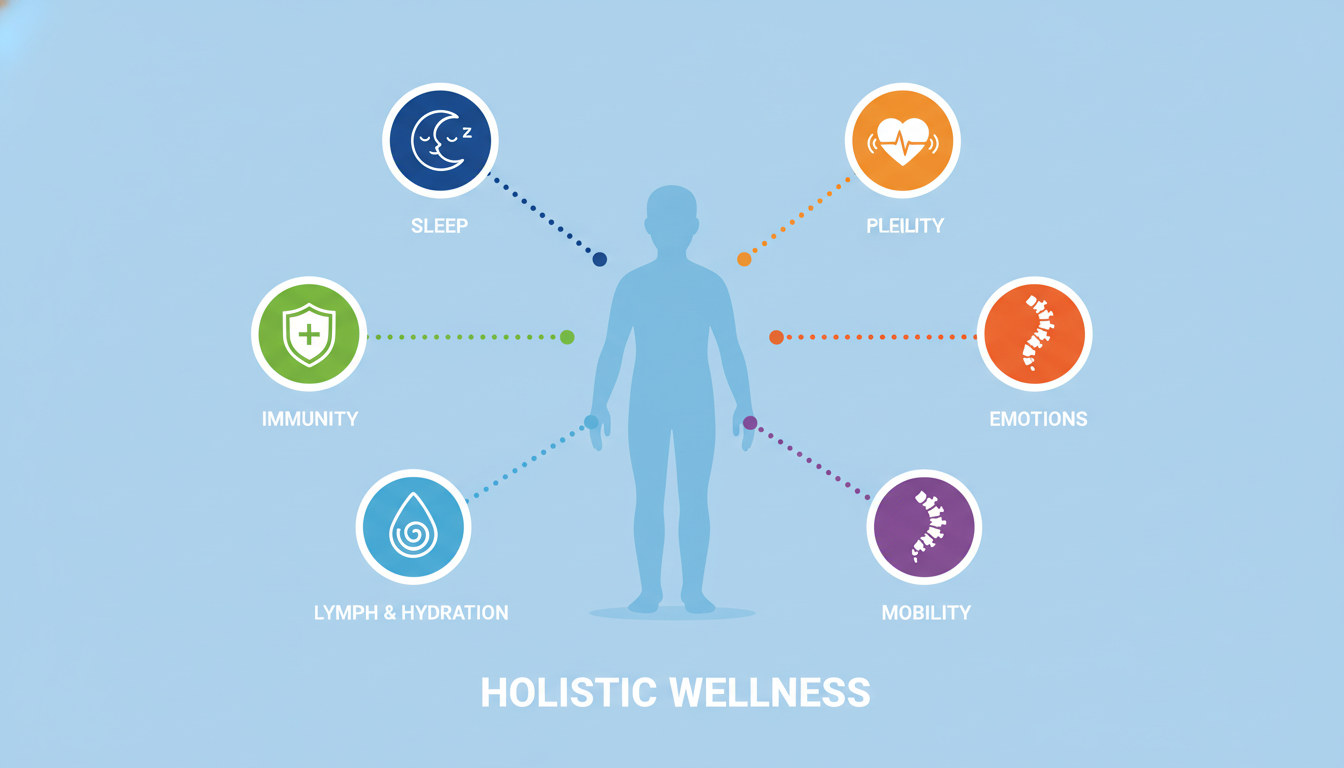
4. Step-by-Step Guide: The ‘Basic Shake’ Protocol
The Basic Shake is the foundational technique suitable for beginners. It requires no equipment and takes 1-3 minutes.
The Protocol:
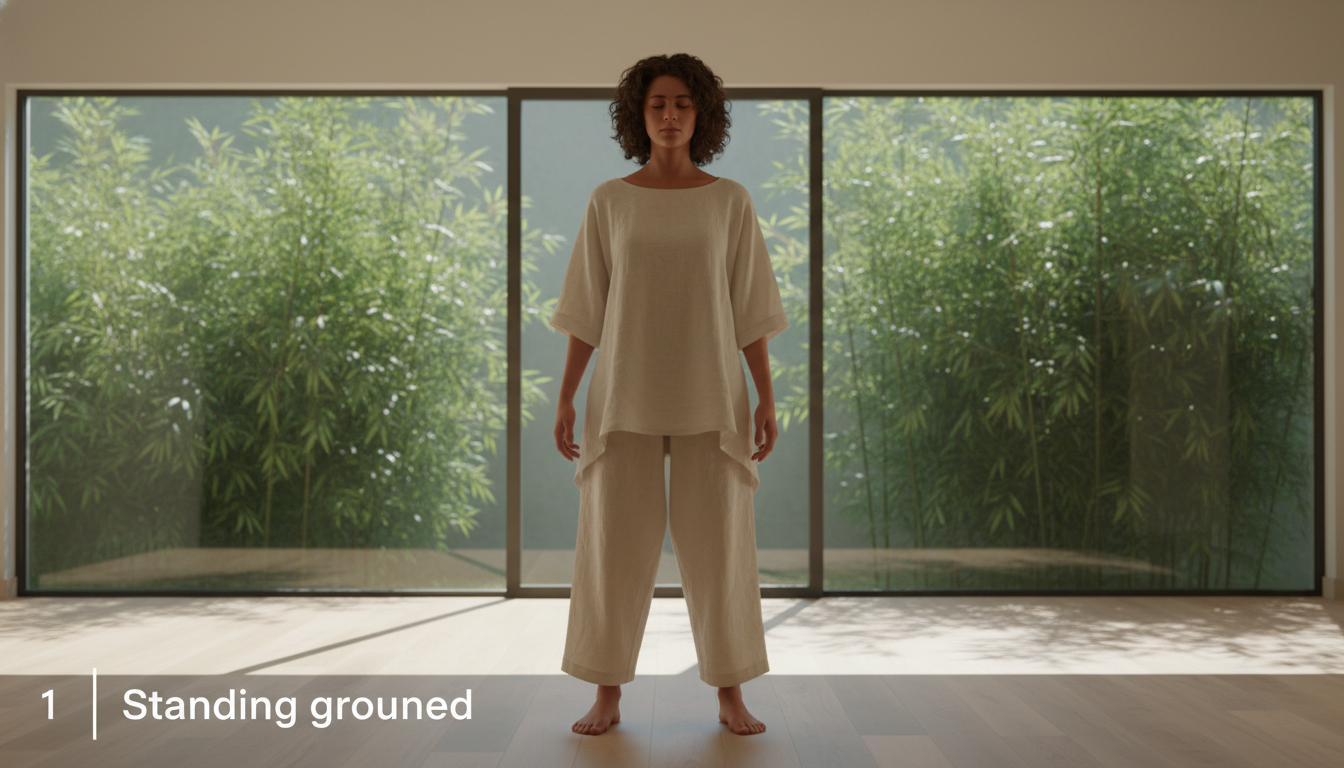
1. Stance: Stand with feet hip-width apart. Keep knees soft and slightly bent—never locked. This creates a spring-like mechanism in the legs.
2. Grounding: Feel your feet on the floor. Take a deep breath in through the nose and sigh out through the mouth.
3. The Bounce: Initiate a bounce from your knees. Do not jump; keep your heels on the ground or let them tap lightly. The movement should ripple up from your legs.
4. The Hands: Let your hands dangle completely loose. Imagining you are flicking water off your fingertips.
5. The Shoulders: Allow your shoulders to drop and bounce with the rhythm of your knees. Release the tension in the trapezius.
6. The Neck: If safe for your neck, let your head nod slightly or sway, releasing the suboccipital muscles at the base of the skull.
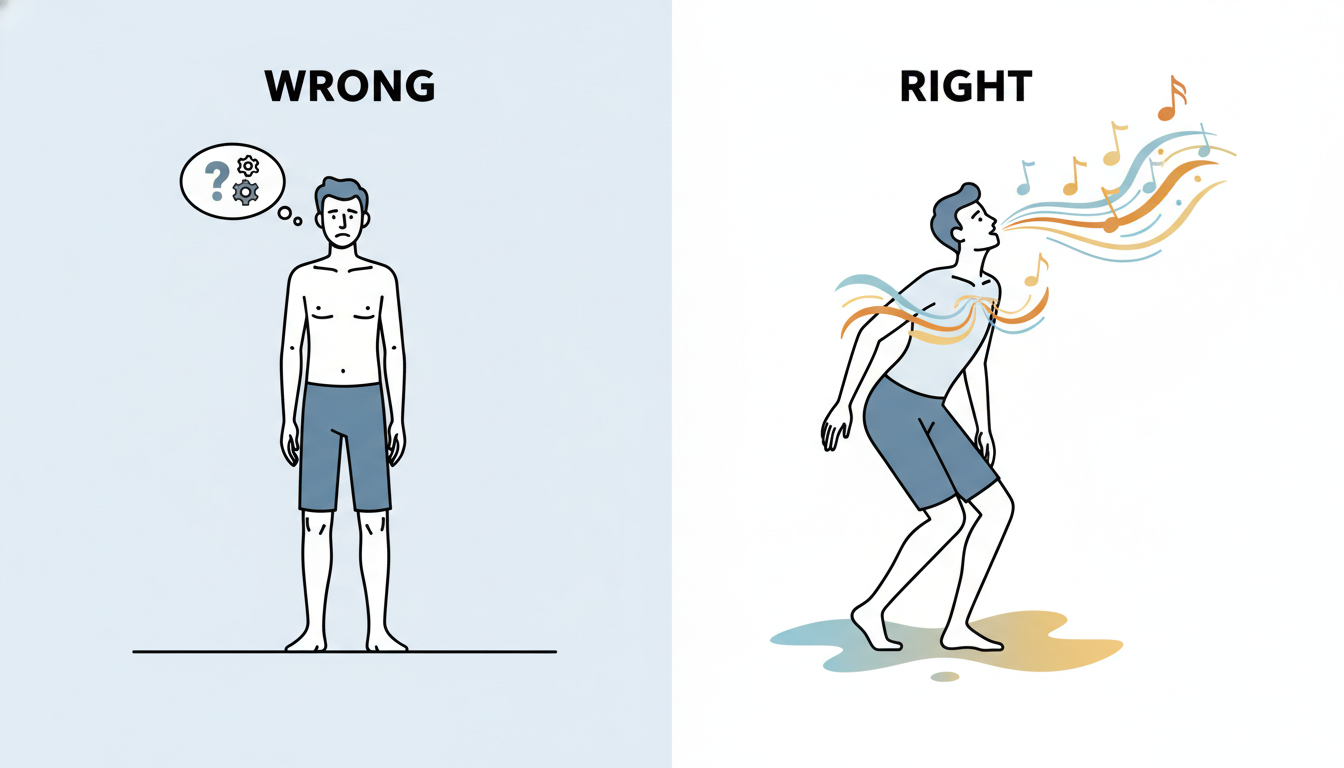
7. The Breath: This is crucial. Inhale deeply and exhale with an audible sound (e.g., ‘vooo’, ‘shhh’, or a sigh). Sound helps vibrate the Vagus nerve.
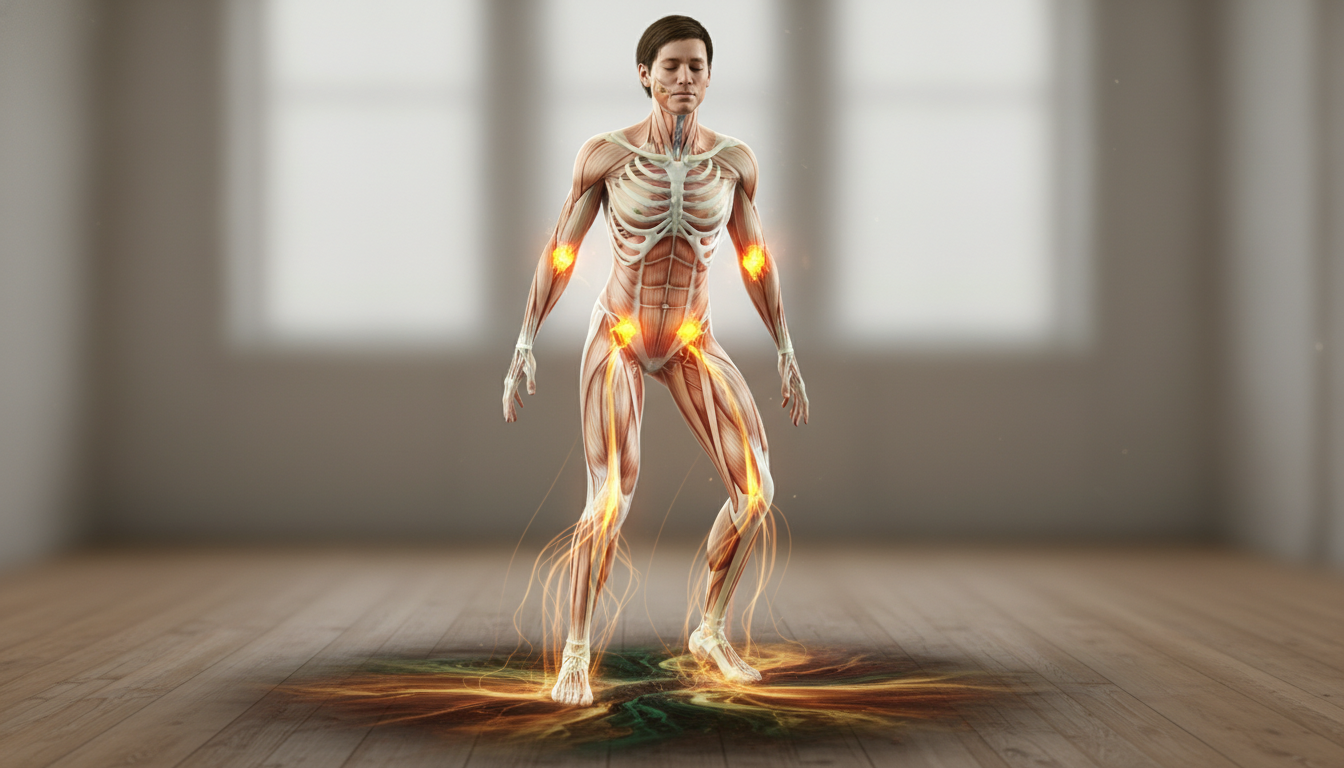
5. Advanced Technique: Targeting Hips and Psoas
The Psoas muscle is often called the ‘muscle of the soul’ because it holds significant emotional trauma and connects the torso to the legs. It contracts instantly during stress.
To target the Hips and Psoas:
While maintaining the ‘Basic Shake’ bounce, begin to rotate the hips loosely. Shift your weight from one leg to the other, really letting the glutes and thigh muscles jiggle. Imagine the tension melting out of your pelvic bowl. You can also incorporate a ‘kick’ motion—gently kicking one leg out as if shaking mud off your shoe. This specific movement tells the brain that the ‘flight’ mechanism (running away) has been utilized and is no longer needed.
6. Arm and Upper Back Release for Desk Workers
For those sitting at desks, tension accumulates in the thoracic spine and between the shoulder blades. This variation focuses on the upper body.
Technique:
Raise your arms overhead while shaking. Keep the elbows bent and soft. Shake your hands wildly above your head. This reverses the posture of typing (slumped forward). Then, swing the arms across the body, slapping the back of the kidneys gently, then swinging open wide. This ‘chest opener’ shake counteracts the hunched ‘tech-neck’ posture and invigorates the heart and lungs.

7. Timing and Context: When to Shake
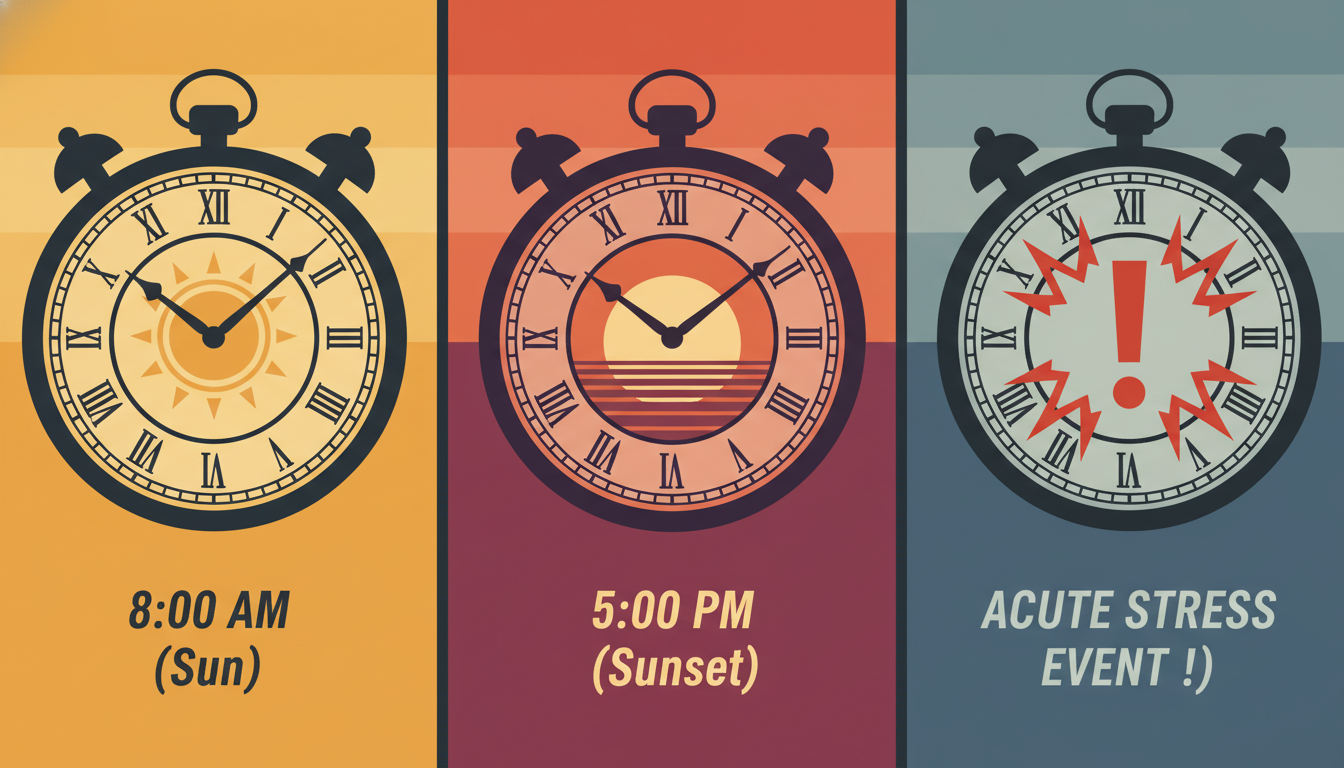
Timing affects the efficacy of the practice. While you can shake anytime, these three windows are most potent:
1. The Transition Shake (Work to Home): Do this immediately after finishing work. It creates a physiological boundary, ensuring you don’t carry work stress into family time.
2. The Acute Stress Shake: Immediately after a difficult phone call, an argument, or a near-miss in traffic. Shake for 60 seconds to metabolize the adrenaline spike before it settles.
3. The Morning Wake-Up: Animals stretch and shake upon waking to prime the nervous system. A morning shake replaces the need for immediate caffeine by naturally raising blood pressure and alertness.
8. Emotional Safety: What to Do If You Feel Overwhelmed
Somatic work moves energy. Sometimes, that energy is emotional. It is not uncommon to feel sudden sadness, anger, or the urge to cry during or after a shake-out. This is a positive sign of release, but it must be managed safely.
Safety Protocol:
If the intensity feels too high (e.g., dizziness or panic), stop. Plant your feet firmly. Open your eyes and look around the room. Name three red objects you see. This orients you to the present moment. Do not push through dissociation. Somatic work should be titled—start small. If you have a history of severe trauma, consult a somatic therapist before engaging in vigorous shaking.

9. Integrating Breathwork: The ‘Voo’ Sound
Breath serves as the remote control for the nervous system. Combining shaking with specific vocalizations amplifies the effect.
The ‘Voo’ Technique:
As advocated by Dr. Peter Levine, making a deep, foggy foghorn sound (‘Voooooo’) vibrates the diaphragm and stimulates the Vagus nerve in the gut. As you shake, inhale deeply into the belly, and exhale with a long, low ‘Voo’. Feel the vibration in your pelvis. This sonic massage relaxes the internal organs which tighten during stress states. Avoid high-pitched screaming; deep, low resonance is key for sedation and grounding.

10. Common Mistakes to Avoid
To get the full benefit, avoid these common pitfalls:
- Being Performative: This isn’t a dance class. It shouldn’t look ‘cool’. If you look silly, you are doing it right. Let the jiggle happen.
- Locking the Joints: Keeping knees or elbows straight blocks the energy flow and jars the skeletal system.
- Holding the Breath: It is common to unconsciously hold your breath while concentrating. Keep the breath flowing audibly.
- Thinking Instead of Feeling: Don’t count the seconds or plan your dinner. Focus entirely on the physical sensation of the vibration in your tissues.
11. Creating a 7-Day Somatic Routine
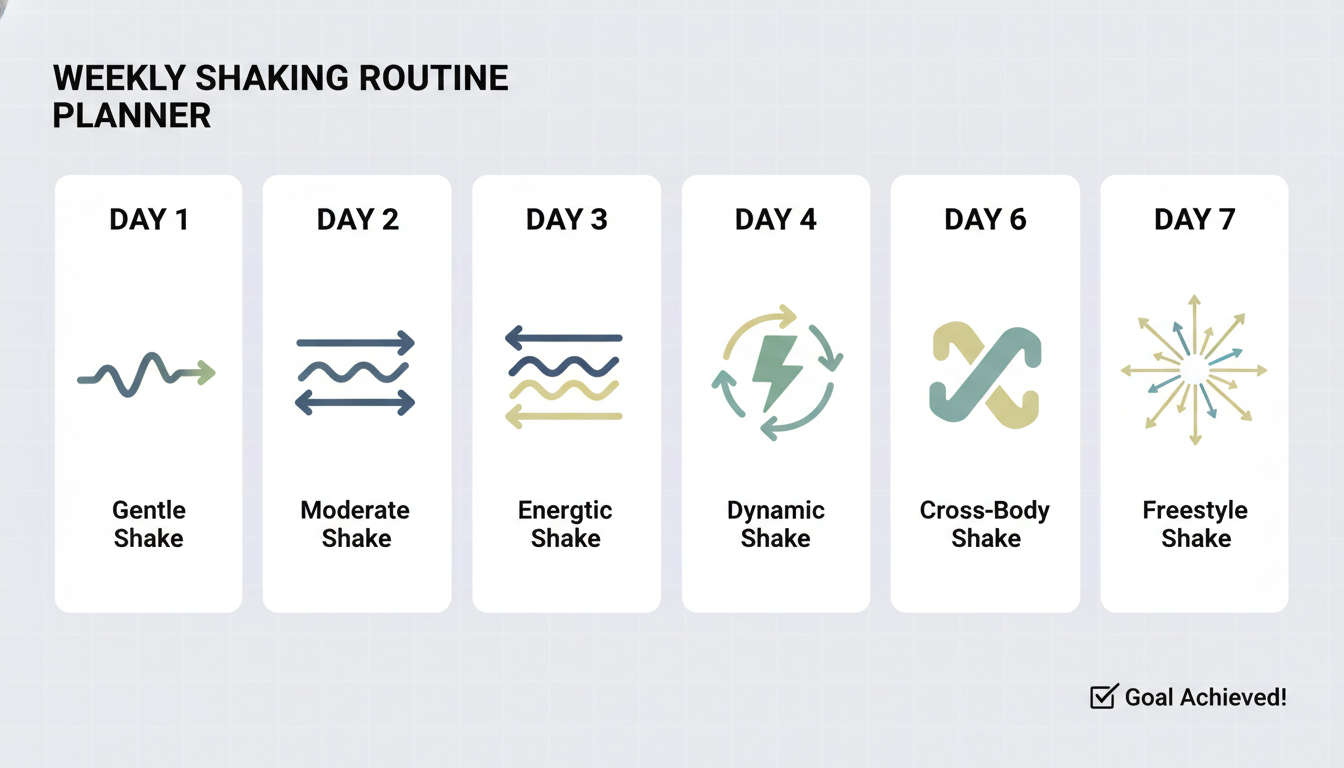
Consistency beats intensity. Here is a simple plan to integrate this into your life:
- Day 1-3: 1 minute of basic shaking in the morning. Focus on getting comfortable with the movement.
- Day 4-5: Add 1 minute of shaking post-work (The Transition Shake). Incorporate the ‘Voo’ sound.
- Day 6: Try the Advanced Hip/Psoas shake for 3 minutes.
- Day 7: Full body reset. 5 minutes of shaking followed by 5 minutes of stillness (Savasana) to let the nervous system integrate the changes.
By the end of the week, you will likely notice a higher threshold for stress and a greater sense of bodily inhabitancy.
Frequently Asked Questions
What is a Somatic Shake-Out?
A Somatic Shake-Out is a body-based therapeutic technique involving rhythmic shaking to discharge accumulated stress hormones and reset the nervous system.
Is somatic shaking safe for everyone?
generally yes, but those with physical injuries, vertigo, or severe PTSD should consult a medical professional. Pregnant individuals should shake gently and avoid high-impact bouncing.
How long should I shake for?
Even 60 seconds is effective. Most sessions last between 1 to 5 minutes. Listen to your body—stop when you feel a sense of relief or fatigue.
Why do I feel like crying after shaking?
This is normal. Shaking releases tension stored in the fascia, which is often linked to suppressed emotions. Allow the tears to flow; it is part of the healing process.
Can I do somatic shaking sitting down?
Yes. If you have mobility issues or are at a desk, you can stomp your feet and shake your hands and torso while seated to get similar benefits.
Is this the same as TRE (Tension & Trauma Releasing Exercises)?
It is related but different. TRE is a specific protocol designed to induce involuntary tremors. Somatic Shake-Outs are typically voluntary movements used for daily stress management.
How often should I do a shake-out?
You can do it daily. Many people find it helpful to do it in the morning to wake up, or immediately after a stressful event occurs.
Do I need to make noise while shaking?
It is not required but highly recommended. Audible exhalations like sighing or humming help stimulate the Vagus nerve and enhance relaxation.
You might also like:- 13 Somatic Exercises to Lower Cortisol & Release Trauma Forever
Discover more from innerspiritglow
Subscribe to get the latest posts sent to your email.
QH99QH88VN, it definitely has a few games that I really enjoyed! Interface a bit confusing at first, but you’ll get used to it. qh99qh88vn
82jiliphlogin, eh? Gave it a shot and the login was smooth. Nothing super fancy, but it works. Give it a try if you’re curious. 82jiliphlogin
iv88, just checked it out. Clean interface and easy to navigate. Might be your cup of tea if you’re after something simple and user-friendly. iv88